
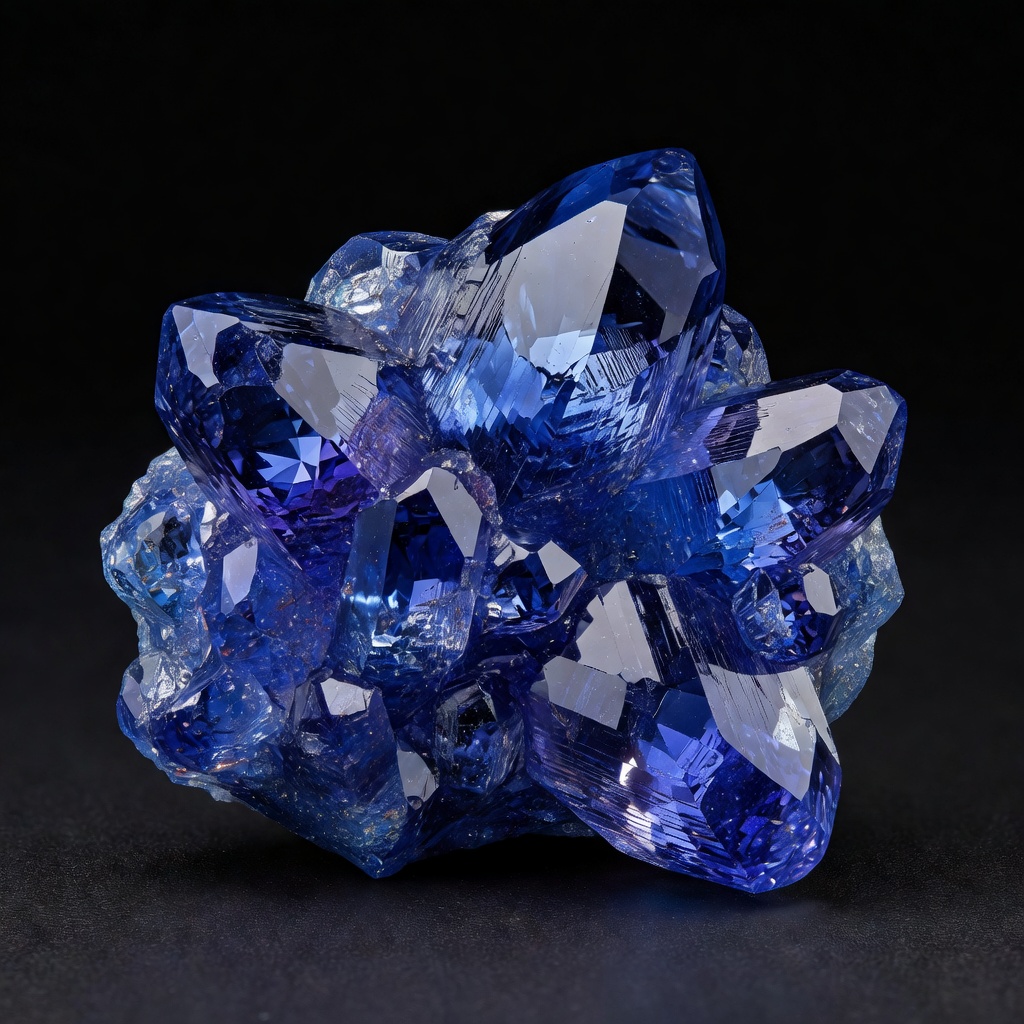
Introduction to Zoisite: History and Discovery
Zoisite represents one of the most geologically significant mineral groups in the gemological world, first identified in 1805 by the renowned German geologist Abraham Gottlob Werner. The mineral received its name from Baron Sigmund Zois von Edelstein, a Slovenian nobleman and mineral collector who provided the original specimens from the Saualpe Mountains in Carinthia, Austria, that allowed Werner to characterize this distinct species. As a calcium aluminum silicate mineral, zoisite quickly established itself as an important subject of study for mineralogists due to its complex crystal structure and remarkable ability to form in diverse geological environments. Understanding Zoisite Properties and Information provides essential knowledge for gem collectors, jewelry designers, and crystal healing practitioners who seek to appreciate the full spectrum of this mineral's capabilities and characteristics.
The historical significance of zoisite extends beyond its initial discovery, particularly following the 1967 finding of blue zoisite in Tanzania, which revolutionized the gemstone market and introduced the world to what would become known as Tanzanite. Prior to this discovery, zoisite remained relatively obscure in commercial jewelry applications, primarily serving as a collector's mineral and subject of academic interest among European mineralogists. The mineral's formation in regional metamorphic terrains and its association with other aluminum-rich minerals provided crucial insights into the geological processes that transform sedimentary rocks under intense heat and pressure over millions of years.
Chemical Composition and Physical Structure
Understanding the Zoisite mineral composition reveals why this species exhibits such remarkable durability and optical diversity compared to other silicate minerals. The chemical formula Ca₂Al₃(SiO₄)(Si₂O₇)O(OH) identifies zoisite as a sorosilicate, featuring both isolated silicate tetrahedra and paired tetrahedra within its crystal lattice, which contributes to its structural stability and unique cleavage patterns. Zoisite crystallizes in the orthorhombic crystal system, typically forming prismatic crystals with striated parallel to the c-axis, though massive and granular habits also occur frequently in nature depending on the specific formation conditions.
On the Mohs hardness scale, zoisite registers between 6 and 7, making it sufficiently durable for many jewelry applications while still requiring protective settings to prevent surface abrasion from harder materials like quartz or corundum. The specific gravity ranges from 3.10 to 3.38, varying slightly based on the specific variety and trace element inclusions present within the crystal structure. Zoisite exhibits perfect cleavage in one direction and good cleavage in another, creating characteristic fracture patterns that experienced gemologists use for identification purposes, while its tenacity ranges from brittle to sectile depending on the specific formation and any included minerals.
The distinctive vitreous to pearly luster of zoisite varieties adds to their aesthetic appeal, with transparency varying from transparent to translucent and occasionally opaque in massive specimens. These physical properties combine to create gemstones that display excellent polish and maintain their appearance over time when properly cared for, though the mineral's sensitivity to thermal shock and sudden temperature changes requires specific handling protocols during cutting and jewelry manufacturing processes.
Spectacular Varieties: From Tanzanite to Thulite
The zoisite mineral group encompasses several spectacular varieties that have captured the attention of gem enthusiasts worldwide, each offering distinct color profiles and geological origins that reflect their unique formation environments. The most famous variety, Tanzanite gemstone material, was discovered in 1967 by Manuel de Souza in the Merelani Hills of Tanzania, immediately gaining recognition for its striking blue-violet pleochroism and exceptional clarity in fine specimens. This variety owes its mesmerizing color to the presence of vanadium within the crystal structure, and the majority of commercial Tanzanite undergoes heat treatment at 600°C to enhance the blue coloration while reducing the brownish tints present in rough material.
Thulite properties distinguish it as the pink to rose-red variety of zoisite, named after the mythical island of Thule (associated with Norway) where it was first discovered in the Leksvik region. The delicate pink hues result from manganese substitution within the crystal lattice, with the most prized specimens displaying uniform, saturated rose colors without brownish undertones. Norwegian Thulite typically occurs in massive formations suitable for cabochon cutting and ornamental objects, though transparent crystals from certain localities can be faceted into attractive gemstones that appeal to collectors seeking alternatives to pink tourmaline or morganite.
Anyolite ruby zoisite, also known simply as ruby in zoisite, presents one of the most visually striking combinations in the mineral kingdom, featuring green zoisite matrix interspersed with red ruby corundum crystals and often accented by black hornblende inclusions. First discovered in the Mundarara Mine in Tanzania during the 1950s, this variety occurs when ruby crystals become included within zoisite during simultaneous formation in high-pressure, low-temperature metamorphic environments. The stark contrast between the chrome-rich green zoisite and the vivid red ruby creates dramatic patterns that make Anyolite highly sought after for sculptural objects, cabochons, and statement jewelry pieces where the natural artistry of the stone takes precedence over transparency.
Clinozoisite represents a distinct polymorph of zoisite that shares the same chemical composition but crystallizes in the monoclinic system rather than orthorhombic, typically displaying yellow-green to pistachio colors and often occurring intergrown with epidote in metamorphic rocks. While sometimes confused with green zoisite varieties, clinozoisite lacks the pleochroic intensity and color range of its orthorhombic cousin, making proper identification crucial for accurate valuation and collection purposes.
Optical Properties and Color Phenomena
The optical characteristics of zoisite varieties demonstrate some of the most dramatic pleochroic effects visible in the gemstone world, particularly in high-quality Tanzanite gemstone specimens that display trichroism showing blue, violet, and burgundy axes when viewed from different crystallographic orientations. This strong pleochroism results from the differential absorption of light polarized in different directions within the orthorhombic crystal structure, requiring careful orientation by lapidaries to ensure the table of cut stones displays the most desirable blue or violet color rather than the less attractive brown or yellow tones sometimes visible through other axes.
Color change mechanisms in zoisite respond sensitively to different lighting conditions, with Tanzanite appearing more blue under daylight or fluorescent lighting while shifting toward violet and burgundy tones under incandescent light sources. This phenomenon occurs because vanadium ions within the crystal lattice absorb different wavelengths of light depending on the spectral output of the illumination source, creating an engaging visual dynamic that enhances the gemstone's appeal in various settings. Understanding these Zoisite Properties and Information regarding optical behavior helps collectors appreciate why certain stones command premium prices based on their ability to display vibrant colors consistently across different environments.
Trace element influences drive the remarkable color diversity within the zoisite family, with vanadium producing the coveted blue-violet hues in Tanzanite, chromium contributing to the forest-green shades in certain zoisite varieties, and manganese creating the raspberry to rose tones characteristic of Thulite. Treatment processes, particularly heat treatment, play a significant role in the commercial availability of attractive blue Tanzanite, as natural rough material often appears brownish or yellowish due to the presence of vanadium in different oxidation states. Controlled heating converts these oxidation states to produce the stable blue coloration that has become synonymous with fine Tanzanite, though untreated specimens with natural blue coloration command significant premiums in the collector market.
Metaphysical Properties and Crystal Healing
Practitioners of alternative healing modalities have long valued zoisite varieties for their purported ability to activate the heart chakra and facilitate emotional healing processes, particularly Zoisite crystal healing applications that emphasize the stone's connection to growth, rebirth, and transformation. The green varieties, especially Anyolite, associate closely with the heart center, believed to help release suppressed emotions and promote compassion while maintaining energetic boundaries necessary for healthy relationships. Many crystal therapists recommend placing zoisite specimens over the heart area during meditation sessions to enhance the flow of healing energy and facilitate the release of grief or trauma stored in the emotional body.
Energy amplification properties distinguish zoisite from many other silicate minerals, with practitioners suggesting that the stone can enhance the user's life force energy while simultaneously promoting spiritual growth and psychic development. Tanzanite specifically associates with the third eye and crown chakras, believed to enhance intuition, facilitate communication with higher realms, and accelerate the development of spiritual gifts in dedicated practitioners. When used in combination with grounding stones like smoky quartz or hematite, zoisite is thought to create a balanced energetic circuit that allows for expanded consciousness while maintaining physical presence and stability.
Specific healing benefits vary significantly among different varieties, with Tanzanite recommended for enhancing meditative states and promoting calm, clear communication, while Anyolite ruby zoisite focuses on vitality, passion, and the transformation of negative energy into positive action. Meditation practices involving zoisite often include holding the stone in the dominant hand while visualizing desired outcomes, or placing specimens on altars dedicated to personal growth and manifestation work. Placement recommendations for energy work suggest positioning zoisite in the eastern sectors of living spaces to promote new beginnings, or carrying tumbled stones in pockets to maintain energetic connections throughout daily activities.
Global Mining Locations and Geological Formation
The geological distribution of zoisite reflects its formation in high-pressure, low-temperature metamorphic environments, with the Merelani Hills in Tanzania standing as the sole source of gem-quality Tanzanite and representing one of the most economically significant gemstone deposits discovered in the twentieth century. This limited geographic occurrence has earned Tanzanite the designation of a "one-generation gemstone," as geologists estimate the deposit may become depleted within the next few decades given current extraction rates. The formation occurs within graphitic gneisses and schists subjected to regional metamorphism during the Pan-African orogeny approximately 600 million years ago, creating the specific temperature and pressure conditions necessary for vanadium-rich zoisite crystallization.
Norwegian deposits of Thulite properties material occur primarily in the Sauland and Leksvik regions, where manganese-rich fluids permeated calcium aluminum silicate host rocks during metamorphic events associated with the Caledonian orogeny. These deposits typically yield massive, opaque material suitable for carving and cabochon production rather than transparent crystals, though occasional gem-quality pockets provide material for faceted stones. The association of Thulite with quartz veins and pegmatite formations in these Scandinavian localities provides important geological context for understanding how trace element availability during crystallization determines the color variations observed in different zoisite varieties.
Additional significant sources include the Ticino region of Switzerland, where green zoisite occurs in association with ruby and spinel in metamorphosed ultramafic rocks, and various localities in Kenya and Pakistan where mineral collectors recover specimens showing diverse colorations and crystal habits. Formation in regional metamorphic rocks and hydrothermal veins characterizes all zoisite deposits, with the mineral typically occurring alongside calcite, quartz, garnet, and other aluminum-rich silicates that indicate specific pressure-temperature regimes during regional mountain-building events.
Identification Techniques and Authentication
Distinguishing zoisite from similar minerals requires careful observation of optical and physical properties, particularly differentiating it from epidote and Zoisite vs clinozoisite confusion that frequently arises in mineral identification. While epidote shares similar colors with some zoisite varieties, it typically exhibits higher birefringence and belongs to the monoclinic system, creating distinct optical interference figures under polarized light examination that separate it definitively from orthorhombic zoisite. Clinozoisite, as the monoclinic polymorph of zoisite, presents the greatest challenge for visual identification, requiring X-ray diffraction analysis or detailed optical examinations to determine crystal system differences invisible to the unaided eye.
Pleochroism testing using a dichroscope provides a reliable method for Tanzanite verification, as genuine material displays three distinct colors (blue, violet, and yellow/brown or burgundy) when viewed through this instrument, while simulants like sapphire or synthetic forsterite typically show different pleochroic schemes or none at all. Gemologists also measure refractive indices, which for zoisite range from 1.691 to 1.700 with a birefringence of 0.008 to 0.013, values that differ sufficiently from look-alike materials to provide definitive identification when combined with specific gravity measurements.
Recognizing heat-treated stones versus natural color specimens involves microscopic examination for heat-induced inclusions, such as discoid fractures or altered mineral inclusions that indicate thermal processing, though many high-quality heated Tanzanites show no visible signs of treatment. The importance of gemological certification from recognized laboratories like GIA (Gemological Institute of America) or AGL (American Gemological Laboratories) cannot be overstated for significant purchases, as these reports confirm identity, disclose any treatments, and provide quality assessments that protect consumer investments in these increasingly rare materials.
Jewelry Applications and Durability Considerations
When incorporating Tanzanite gemstone material into jewelry designs, selecting appropriate setting styles becomes crucial for protecting this relatively soft stone (Mohs 6-7) from the impacts and abrasions encountered during daily wear. Protective bezel settings provide optimal security for rings and bracelets, surrounding the gemstone's girdle with metal to prevent chipping while offering a smooth surface that resists snagging on clothing. Prong settings, while allowing maximum light entry for optical performance, require more frequent inspection and maintenance to ensure the stone remains secure, particularly for stones worn on the hands where impact risks remain highest.
Compatibility with different metal types allows for diverse design considerations, with white gold and platinum enhancing the blue tones of Tanzanite through complementary color contrast, while yellow and rose gold settings create warmer, more vintage-inspired aesthetics that highlight the violet components of pleochroic stones. The vulnerability of zoisite varieties to thermal shock necessitates caution during jewelry repair processes, as sudden temperature changes from soldering or steam cleaning can cause internal fracturing or color alteration in heat-sensitive specimens. Jewelers working with zoisite should always remove stones before applying heat to surrounding metalwork or use specialized heat sinks to protect the gems during sizing and repair operations.
Best practices for different jewelry types vary based on hardness and wear patterns, with earrings and pendants representing ideal applications for zoisite due to their reduced exposure to impact compared to rings. When designing rings featuring zoisite, jewelers often recommend reserving these pieces for occasional wear rather than daily use, or incorporating protective design elements such as raised bezels or surrounding halo settings of harder gemstones that absorb potential impacts. The specific gravity of zoisite requires secure settings capable of supporting the stone's weight relative to its size, particularly for larger cabochons of Anyolite or Thulite used in statement pieces where the stone's mass might compromise less robust mounting systems.
Care, Maintenance, and Cleaning Guidelines
Maintaining the beauty of zoisite jewelry requires adherence to specific cleaning protocols that acknowledge the mineral's sensitivity to thermal shock and mechanical stress despite its reasonable hardness rating. Gentle cleaning using warm soapy water—specifically mild dish detergent dissolved in lukewarm water—and a soft brush (such as a baby toothbrush or specialized jewelry brush) effectively removes accumulated oils and debris without risking damage to the stone or its setting. This method proves safe for all zoisite varieties, including heat-treated Tanzanite and inclusion-bearing Anyolite, provided the water temperature remains moderate and the brushing action applies minimal pressure to avoid scratching softer accompanying metals or dislodging stones from their settings.
Avoidance of harsh chemicals, steam cleaners, and sudden temperature changes remains essential for preserving both the structural integrity and color stability of zoisite specimens. Ultrasonic cleaners pose particular risks for zoisite jewelry, as the vibrations can loosen stones in their settings while the heat generated by the cleaning process may cause thermal shock fractures in stones with existing inclusions or internal stresses. Similarly, steam cleaning can induce rapid temperature changes that stress the crystal lattice, potentially causing cleavage plane separation or color shifts in treated material.
Proper storage methods prevent scratching from harder gemstones like diamonds, rubies, or sapphires that might share space in a jewelry box, with individual soft cloth pouches or compartmentalized jewelry boxes providing optimal protection for zoisite pieces. Professional inspection recommendations suggest having prong settings checked every six to twelve months by qualified jewelers who can identify wear patterns before they result in stone loss, particularly important for engagement rings or frequently worn Tanzanite jewelry where the combination of relatively soft metal settings and regular wear creates cumulative stress on mounting points.
Investment Value and Collecting Tips
The investment landscape for zoisite varieties presents diverse opportunities ranging from affordable collector specimens to high-value gemstone investments, with rarity factors driving Tanzanite's designation as a "one-generation gemstone" due to the single-source location and finite deposit size. Price determinants for fine material include color saturation (with deep violet-blue commanding premiums), clarity (eye-clean stones being most valuable), and carat weight (with significant price increases per carat for stones exceeding five carats in size). Collector preferences increasingly favor untreated vs heated specimens, with natural blue Tanzanite representing perhaps the most undervalued opportunity in the current market given the widespread acceptance of heat treatment in commercial material.
Thulite properties make it an accessible entry point for mineral collectors, with rough material and carved objects available at modest prices compared to the investment-grade prices commanded by fine Tanzanite, though exceptional transparent Thulite crystals from classic localities can command significant premiums among specialist collectors. Market trends indicate growing interest in Anyolite ruby zoisite for both metaphysical applications and lapidary arts, with fine specimens showing sharp color contrast between ruby and matrix appreciating steadily as Tanzanian sources face increasing regulation and potential depletion.
Future availability concerns suggest that collectors should prioritize acquiring high-quality specimens of all zoisite varieties while sources remain active, particularly for Tanzanite where geological estimates suggest viable mining may cease within twenty to thirty years. When building a collection, enthusiasts should focus on variety representation—acquiring exemplary specimens of Tanzanite, Thulite, and Anyolite—to capture the full diversity of this mineral group, while maintaining proper documentation of provenance and any treatments for pieces intended for long-term investment or eventual resale in the secondary market.
Frequently Asked Questions
Is Tanzanite the same as zoisite?
Yes, Tanzanite is the blue to violet variety of the mineral zoisite. Discovered in Tanzania in 1967, it became the most famous zoisite variety due to its striking pleochroic colors, though chemically it shares the same calcium aluminum silicate composition as other zoisite types.
What are the healing properties of ruby in zoisite (Anyolite)?
Ruby in zoisite, or Anyolite, combines the energies of both stones. It is believed to enhance vitality, stimulate the heart chakra, promote spiritual growth, and help transform negative energy into positive action. The combination is thought to create a powerful synergy for emotional healing and life force activation.
How can I tell if my zoisite is real?
Genuine zoisite exhibits specific properties including orthorhombic crystal structure, a hardness of 6-7 on the Mohs scale, and distinct pleochroism (showing different colors when viewed from different angles). For Tanzanite specifically, look for trichroism showing blue, violet, and burgundy. Professional gemological testing using refractive index measurements provides definitive identification.
Is zoisite expensive?
Prices vary dramatically by variety. Tanzanite can range from $100 to $1,000+ per carat depending on color intensity and clarity, while Thulite and common green zoisite are generally affordable at $5-50 per carat. Ruby in zoisite (Anyolite) typically falls in the mid-range, with value depending on ruby content and contrast.
What causes the different colors in zoisite varieties?
Color variations result from trace element substitutions in the crystal structure. Vanadium produces the blue-violet hues in Tanzanite, manganese creates the pink to red colors in Thulite, chromium contributes to green zoisite, and the presence of ruby corundum crystals creates the distinctive red and green patterns in Anyolite.
How do I care for zoisite jewelry?
Clean zoisite jewelry using only warm soapy water and a soft brush. Avoid ultrasonic cleaners, steam cleaning, and harsh chemicals. Store pieces separately to prevent scratching from harder gemstones like diamonds or sapphires. Remove zoisite jewelry before physical activities, as the 6-7 hardness makes it susceptible to scratches and impacts.
Where is zoisite found?
While zoisite occurs globally in metamorphic rocks, significant gem-quality sources include Tanzania (the only source for Tanzanite), Norway (Thulite), Switzerland, Kenya, and Pakistan. The Merelani Hills in Tanzania remain the most economically important deposit, producing the world's supply of blue zoisite.
What is the difference between zoisite and clinozoisite?
Zoisite and clinozoisite are polymorphs—they share the same chemical formula but have different crystal structures. Zoisite crystallizes in the orthorhombic system, while clinozoisite is monoclinic. They often occur together in nature, but clinozoisite typically shows a more limited color range (usually green to yellow-green) compared to zoisite's diverse color palette.


