Understanding the Red Diamond Buying Guide for Serious Collectors
Acquiring a natural red diamond represents the pinnacle of gemstone collecting, requiring specialized knowledge that extends far beyond traditional diamond purchasing. This comprehensive Red Diamond Buying Guide provides the essential framework for navigating the complex market of the world's rarest colored diamonds, from understanding geological formation to executing secure transactions. Whether you are considering red diamond investment for portfolio diversification or seeking the ultimate centerpiece for a high jewelry collection, understanding the nuances of these extraordinary gems protects your capital while ensuring authentic acquisition. With fewer than thirty true red diamonds known to exist globally, each purchase decision carries significant financial and historical implications that demand thorough due diligence.
What Are Red Diamonds? Understanding Nature's Rarest Gems
Natural red diamonds emerge from the earth's mantle through a remarkable geological process that distinguishes them from all other fancy colored diamonds. Unlike their blue or yellow counterparts, which derive color from chemical impurities such as boron or nitrogen, red diamonds owe their spectacular hue to plastic deformation within the crystal lattice structure itself. This phenomenon occurs when extreme pressure and heat during the diamond's journey to the surface cause distortions in the atomic arrangement, creating graining that absorbs green light while transmitting red wavelengths.
The rarity statistics surrounding natural red diamonds defy comprehension when compared to other fancy colors. While pink diamonds occur approximately once in every 100,000 carats of rough mined, and blue diamonds appear roughly once per 200,000 carats, authentic red diamonds represent less than 0.01% of global diamond production. To date, gemologists have documented fewer than thirty true red diamonds exceeding one carat in weight, making them exponentially rarer than vivid blue or pink specimens. This extreme scarcity explains why collectors view red diamond rarity not merely as a descriptive term but as a fundamental value proposition that underpins long-term appreciation potential.
The GIA Color Grading Scale for Fancy Red Diamonds
Understanding Fancy red diamond grading requires familiarity with the Gemological Institute of America's specialized nomenclature for these extraordinary stones. The GIA recognizes three primary color categories within the red diamond spectrum: Fancy Red, Fancy Purplish Red, and Fancy Brownish Red, with pure Fancy Red commanding the highest premiums. Unlike other fancy colors that utilize nine saturation levels from Faint to Fancy Vivid, red diamonds typically appear only in the Fancy intensity range or higher, as lighter saturation levels usually result in pink diamond classification rather than true red designation.
Saturation and tone evaluation for GIA certified red diamonds involves assessing the depth and purity of color under controlled lighting conditions that simulate natural daylight. Graders examine the stone face-up through the table, evaluating how evenly the red hue distributes across the entire diamond rather than concentrating in specific zones. Secondary hues significantly impact valuation, with purplish modifications generally preferred over brownish modifiers, though pure red remains the undisputed pinnacle of desirability. When reviewing laboratory reports, investors should prioritize stones graded as Fancy Red without secondary color descriptions, as these represent the most investment-grade specimens available in the market.
How Color Grading Affects Value More Than Any Other Factor
In red diamond valuation, color intensity supersedes all other quality parameters, including clarity and carat weight, often accounting for up to ninety percent of the stone's market value. A one-carat Fancy Red diamond with SI2 clarity typically commands significantly higher prices than a two-carat Fancy Brownish Red stone with VS1 clarity, illustrating the market's singular focus on color purity. This hierarchy differs fundamentally from colorless diamond grading, where clarity and cut precision drive valuation, requiring buyers to recalibrate their assessment priorities when evaluating rare colored diamonds. Professional collectors recommend allocating budget primarily toward achieving the highest possible color grade, even if this necessitates accepting smaller carat weights or lower clarity grades.
Argyle Red Diamonds vs Other Global Origins
The Argyle mine in Western Australia revolutionized the red diamond market during its operational period from 1983 to 2020, producing the majority of the world's known red specimens. While the mine achieved legendary status for pink diamonds, its red diamond output remained infinitesimally small, with only a handful of certified reds emerging from millions of tons of processed ore. Australian red diamonds from Argyle typically exhibit a distinctive saturation and tone profile characterized by intense, pure red hues without the brownish modifiers common in stones from other localities, commanding provenance premiums of thirty to fifty percent above comparable African specimens.
Brazilian alluvial deposits and select African mines, particularly in the Central African Republic and Sierra Leone, have produced notable red diamonds, though these typically display different chemical signatures and color characteristics. African red diamonds often contain higher concentrations of nitrogen, sometimes resulting in subtle orangey or brownish undertones that distinguish them from Argyle material. When evaluating origin claims, insist upon detailed traceability documentation and advanced spectroscopic analysis that can identify geographic chemical fingerprints, as provenance significantly impacts both immediate valuation and long-term collector desirability in the rare colored diamonds market.
The 4Cs of Red Diamond Quality Assessment
Evaluating red diamond quality through the traditional 4Cs framework requires substantial modification from standard colorless diamond assessment protocols. The cut of a red diamond serves primarily to maximize color intensity rather than brilliance, with cutters often choosing deeper pavilions and thicker girdles to enhance the optical path length through the colored material. Brilliant cuts frequently disappoint in red diamonds because they disperse light too efficiently, potentially diluting the perceived color saturation, whereas step cuts and modified brilliants often prove superior for displaying the pure red hue that collectors covet.
Clarity standards for fancy colored diamonds differ markedly from colorless stone evaluation, as inclusions become less visually significant when viewed through strongly colored material. While FL or IF clarity commands premiums in D-color diamonds, SI1 or even SI2 clarity represents acceptable quality in red diamonds provided the inclusions do not compromise color distribution or structural integrity. Carat weight premiums follow exponential rather than linear progressions, with two-carat red diamonds often trading at four to six times the per-carat price of one-carat specimens due to the extreme rarity of larger rough crystals. This mathematical reality means that incremental increases in size yield disproportionate value increases, making precise weight assessment critical during the red diamond investment evaluation process.
Red Diamond Pricing and Investment Market Analysis
Current red diamond price per carat ranges reflect the extreme supply constraints governing these specimens, with entry-level Fancy Purplish Red stones starting around $400,000 per carat and pure Fancy Red diamonds exceeding $1 million per carat for high-quality material. The most vivid one-carat specimens with optimal cutting and minimal secondary hues have achieved prices between $2 and $3 million per carat at major auction houses, establishing red diamonds as the most valuable gemstone material on a per-carat basis. Historical data demonstrates consistent annual appreciation rates of ten to fifteen percent over the past two decades, significantly outpacing traditional investment vehicles including gold, blue-chip stocks, and real estate.
Record-breaking auction sales illustrate the extraordinary demand among ultra-high-net-worth collectors for museum-quality specimens. The Hancock Red, a 0.95-carat Fancy Purplish Red diamond, sold for $880,000 in 1987, representing nearly $1 million per carat at a time when such prices seemed astronomical. More recently, the Argyle Everglow, a 2.11-carat Fancy Vivid Purplish Pink (bordering on red), demonstrated the continuing escalation of values for top-tier material. However, potential investors must consider market liquidity factors, as reselling red diamonds requires access to specialized auction houses or private dealer networks rather than conventional jewelry retailers, necessitating longer holding periods to maximize returns.
Certification and Detecting Treated or Synthetic Stones
Acquiring GIA certified red diamonds remains non-negotiable for serious collectors, as the laboratory's grading reports provide the only universally accepted verification of natural origin and color authenticity. When reviewing documentation, examine the color origin field carefully, ensuring it states Natural Color rather than Treated or Undetermined. The report should specifically designate Fancy Red without qualifying phrases such as Treated Color or HPHT Processed, as high-pressure high-temperature treatment can convert certain brown diamonds into red hues that mimic natural specimens.
Detecting treated stones requires advanced gemological equipment beyond standard loupe examination, as HPHT processing can eliminate telltale inclusions while altering color. Natural vs treated red diamonds display distinct spectroscopic signatures under Fourier-transform infrared spectroscopy (FTIR) and photoluminescence analysis, with natural stones showing specific strain patterns and graining structures impossible to replicate artificially. Laboratory-grown red diamonds present additional complications, as CVD (chemical vapor deposition) and HPHT synthetic processes can now produce red hues that challenge traditional identification methods. Always insist upon recent GIA reports utilizing the latest detection technologies, particularly for stones over 0.50 carats, and consider independent verification from additional laboratories for acquisitions exceeding $500,000.
Where to Purchase Red Diamonds: Auctions vs Specialized Dealers
When deciding where to buy red diamonds, established auction houses including Christie's, Sotheby's, and Bonhams offer the highest level of authentication and market transparency for significant acquisitions. These venues provide detailed provenance documentation, pre-sale gemological consultations, and competitive bidding environments that often establish fair market value through transparent price discovery. However, auction purchases incur buyer's premiums typically ranging from fifteen to twenty-five percent above the hammer price, while offering limited opportunity for pre-purchase inspection beyond scheduled viewing appointments.
Specialized colored diamond dealers and brokers provide alternative acquisition channels, often offering stones not publicly marketed through auction catalogs. When vetting red diamond dealers, verify their membership in professional organizations such as the Natural Color Diamond Association (NCDIA) and confirm that their staff includes GIA Graduate Gemologists with specific fancy color expertise. Red flags include reluctance to provide original GIA reports, pressure to complete transactions quickly, or prices significantly below market rates, which often indicate treated or synthetic material. Regardless of purchase venue, never complete transactions without independent gemological verification and escrow services for high-value transfers, ensuring authenticity before funds release.
Red vs Pink Diamonds: Understanding the Color Boundary
The technical distinction between red diamond vs pink diamond classification represents one of gemology's most subtle yet financially significant boundaries. Both colors result from plastic deformation of the crystal lattice, but the GIA draws the line based on tone and saturation thresholds that separate Fancy Vivid Pink from Fancy Red. When observed face-up, red diamonds display sufficient saturation and darkness to eliminate any pink appearance, though this distinction often requires expert evaluation under standardized lighting conditions rather than casual observation.
Price differentials between the categories remain substantial despite their geological similarities, with Fancy Red diamonds typically commanding three to five times the per-carat prices of Fancy Vivid Pink stones. This disparity reflects the extreme rarity of red material rather than purely aesthetic preferences. Color modification risks concern collectors regarding pink diamonds, as some stones may fade or shift color when exposed to ultraviolet light or heat, whereas natural red diamonds typically demonstrate superior color stability. When evaluating borderline stones graded as Fancy Deep Pink or Fancy Vivid Pink with red modifiers, consider the potential for reclassification upon recertification, as subtle grading differences significantly impact resale values.
Caring for and Insuring Your Red Diamond Investment
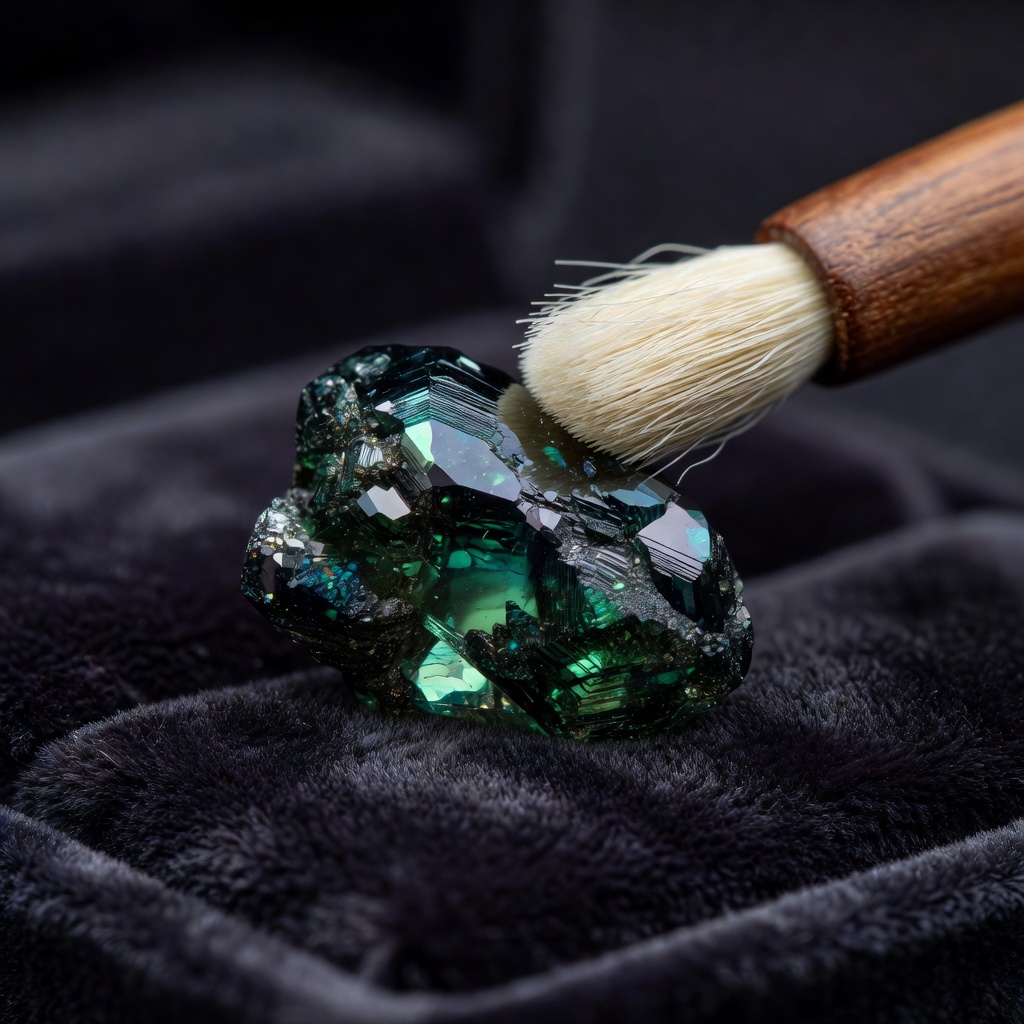
Proper red diamond care requires understanding that these stones, despite their hardness, demand specialized handling to preserve both physical condition and color integrity. Clean your diamond using only mild soap and warm water with a soft brush, avoiding ultrasonic cleaners that might loosen settings or potentially affect certain treated stones. Store red diamonds separately from other jewelry to prevent scratching, preferably in individual padded boxes with humidity control, as extreme environmental conditions can theoretically affect certain color centers over geological timeframes.
Red diamond insurance necessitates specialized policies beyond standard homeowner's coverage, requiring scheduled personal property endorsements or fine art insurance through carriers experienced with colored diamonds. Maintain current appraisals updated every two to three years, reflecting market appreciation, and store original GIA certificates in secure locations separate from the physical stone. Consider periodic re-certification every five to seven years to verify that no treatments or modifications have occurred and to update documentation with current laboratory security features. For stones exceeding one million dollars in value, consult with risk management specialists who can advise on security systems, transportation protocols, and exhibition restrictions that protect your rare colored diamonds asset.
Final Checklist: Making Your Red Diamond Purchase Decision
Completing your red diamond purchase checklist requires systematic verification of documentation, physical characteristics, and transaction security. Begin by confirming that the GIA report number laser-inscribed on the girdle matches the certificate, then verify the report's authenticity through the GIA's online database. Examine the stone under various lighting conditions, including natural daylight, LED, and incandescent sources, to ensure color consistency and saturation meet your expectations. Review the seller's return policy and ensure adequate time for independent verification by a gemologist unaffiliated with the transaction.
Budget allocation strategies should prioritize color intensity over size, with serious collectors targeting Fancy Red grades even if this limits acquisition to sub-carat weights. Consider long-term portfolio diversification benefits, as red diamonds demonstrate low correlation with traditional financial markets, providing inflation protection and wealth preservation during economic volatility. Retain all original documentation, including purchase receipts, GIA reports, and any historical provenance records, as these materials significantly enhance liquidity and value retention. By adhering to these rigorous standards outlined in this Red Diamond Buying Guide, collectors can confidently acquire these extraordinary natural treasures while protecting their capital in one of earth's rarest asset classes.
Frequently Asked Questions About Red Diamonds
How rare are red diamonds compared to other fancy color diamonds?
Red diamonds are the rarest of all fancy color diamonds, with fewer than 30 true red diamonds known to exist worldwide. They are significantly rarer than pink, blue, and green diamonds, making up less than 0.01% of all diamonds mined globally.
What is the average price per carat for a natural red diamond?
Natural red diamonds typically range from $500,000 to over $1 million per carat for high-quality stones, with the most vivid fancy reds commanding $2-3 million per carat at auction. Prices vary dramatically based on color intensity, size, and clarity.
How can I tell if a red diamond is natural or treated?
Always require a GIA certificate specifically stating Fancy Red without indications of treatment. Natural red diamonds show specific strain patterns under magnification, while treated stones often display color concentrations near fractures. Only purchase stones with laboratory reports confirming natural origin.
Are red diamonds a good investment compared to other assets?
Red diamonds have shown consistent value appreciation of 10-15% annually over the past two decades, outperforming many traditional investments. Their extreme scarcity ensures long-term value retention, though liquidity requires access to specialized auction houses or private sales.
What causes the red color in natural diamonds?
Red diamonds get their color from a unique deformation in the crystal lattice structure called plastic deformation, which occurred during their journey to Earth's surface. Unlike pink diamonds which have similar causes, red diamonds exhibit a higher concentration of these distortions absorbing green light and reflecting red.
Where is the best place to buy an authentic red diamond?
Purchase only from established auction houses like Christie's or Sotheby's, or specialized colored diamond dealers with GIA gemologists on staff. Avoid online marketplaces and insist on viewing the stone in person with original GIA documentation before completing any transaction.
Do red diamonds hold value better than pink diamonds?
Yes, red diamonds typically appreciate faster and hold value more consistently than pink diamonds due to their extreme rarity. While Argyle pink diamonds are valuable, true red diamonds command premium prices per carat and have fewer comparable stones entering the market.
What clarity grade should I look for when buying a red diamond?
Unlike colorless diamonds, clarity is secondary to color intensity in red diamonds. SI1 or SI2 clarity is acceptable if the inclusions don't affect the face-up color appearance. Prioritize vivid color saturation over flawless clarity, as the color drives 90% of the stone's value.