
Introduction to Serendibite: Understanding Your Rare Gemstone
Serendibite stands as one of the rarest gemstones on Earth, with only a few hundred faceted specimens known to exist worldwide. Named after Serendib, the ancient Arabic name for Sri Lanka where it was first discovered in 1902 by mineralogist G. T. Prior, this calcium magnesium aluminum borosilicate represents the pinnacle of exclusivity in the gemological world. The gemstone's extraordinary rarity—often commanding prices exceeding $2,000 per carat for quality specimens—stems from its complex chemical composition requiring specific geological conditions involving boron-rich skarn deposits and contact metamorphism between granite and limestone. For collectors and jewelry enthusiasts fortunate enough to possess this teal-to-black gemstone, understanding proper Serendibite Care and Cleaning protocols becomes not merely a matter of aesthetics but a crucial investment protection strategy.
Unlike more common gemstones found in standard jewelry collections, serendibite demands specialized attention due to its unique crystallographic characteristics and extreme scarcity. When a gemstone ranks among the top ten rarest minerals on Earth, with fewer than 25 documented localities globally including Myanmar and Madagascar alongside its Sri Lankan type locality, every scratch, chemical exposure, or thermal shock represents an irreversible loss to the mineralogical community. Implementing rigorous Serendibite gemstone maintenance routines ensures that these extraordinary specimens retain their vitreous luster and structural integrity for future generations, preserving both their monetary value and their scientific significance as geological marvels.
Physical and Chemical Properties Affecting Care
Understanding the intrinsic characteristics of serendibite provides the foundation for effective preservation strategies and risk mitigation. With a Mohs hardness rating of 6.5, serendibite occupies a middle position on the hardness scale—significantly softer than corundum varieties like sapphires and rubies (9 Mohs) or diamonds (10 Mohs), yet harder than orthoclase feldspar (6 Mohs) or opals (5.5-6.5 Mohs). This moderate hardness means that while serendibite resists minor scratching from everyday dust exposure, it remains vulnerable to abrasion from harder materials commonly encountered in household environments, including steel files, ceramic countertops, and even sand particles containing quartz (7 Mohs).
The most critical consideration for rare mineral preservation involves serendibite's distinct cleavage properties, which present unique challenges for jewelry settings and daily wear. Serendibite exhibits perfect cleavage in one direction and good cleavage in another, creating planes of structural weakness where the crystal can split cleanly under sufficient stress. This characteristic, combined with a conchoidal to uneven fracture pattern and brittle tenacity, means that sharp impacts or pressure applied along specific crystallographic axes can result in catastrophic breakage rather than simple surface damage. Additionally, while serendibite generally demonstrates good color stability under normal lighting conditions, prolonged exposure to extreme thermal gradients or intense ultraviolet radiation may potentially affect its pleochroic coloration, displaying different colors when viewed from different angles.
Daily Wear Precautions and Risk Mitigation
Wearing serendibite jewelry requires mindfulness and situational awareness to prevent accidental damage during routine activities. Remove serendibite rings, pendants, and earrings before engaging in household chores, gardening, or exercise routines where impact risks escalate significantly. For instance, when gardening, a serendibite ring could strike metal tools or rocks, potentially activating the stone's cleavage planes and causing fractures. Similarly, gym activities involving weightlifting or equipment handling create scenarios where the gemstone might experience compression forces against hard surfaces, while swimming poses risks of thermal shock from cold water followed by sun exposure, not to mention chemical exposure from chlorine in pools.
Serendibite jewelry cleaning considerations begin with prevention, specifically regarding chemical exposure from personal care products and household substances. Apply cosmetics, perfumes, hairsprays, and lotions before putting on serendibite jewelry, allowing these products to dry completely to minimize chemical contact. Many beauty products contain alcohol, acids, or solvents that can etch the stone's surface or degrade any oils used in the cutting process. When cleaning your home, always remove serendibite pieces before handling bleach, ammonia, abrasive cleansers, or even seemingly mild dish soaps that might leave residue buildup. Professional gemologists recommend adopting a "last on, first off" policy—putting serendibite jewelry on last when dressing and removing it first when returning home—to minimize exposure to potentially damaging substances and physical hazards.
Safe Cleaning Methods for Serendibite
Implementing proper Cleaning rare gemstones techniques for serendibite requires gentle methodologies that respect the stone's physical limitations while effectively removing accumulated oils and debris. Begin by preparing a cleaning solution using lukewarm distilled water—never hot or cold water to avoid thermal shock—mixed with a few drops of pH-neutral, phosphate-free liquid soap such as those formulated for delicate fabrics or specialized jewelry cleaning. Avoid tap water when possible, as mineral deposits and chlorine content in municipal supplies can leave films or chemically interact with the stone's surface over time.
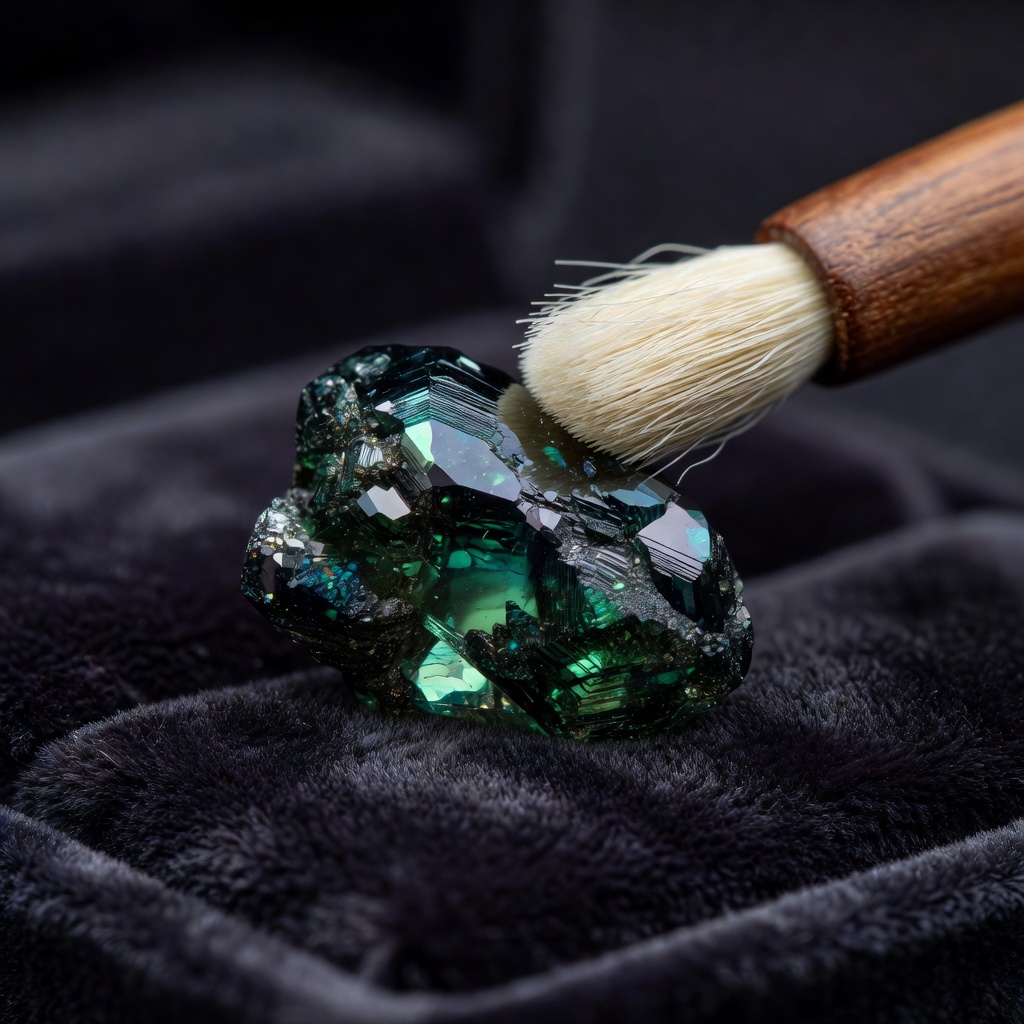
Execute the cleaning process by first soaking the serendibite jewelry in the prepared solution for no more than two to three minutes to loosen surface contaminants. Utilize a soft, lint-free microfiber cloth or a natural bristle brush—such as a baby's toothbrush or a specialized gem cleaning brush with goat hair bristles—to gently dislodge debris from the stone's surface and pavilion facets. Work in soft, circular motions avoiding excessive pressure, particularly around the girdle edges where cleavage planes are most vulnerable. For intricate settings, use a wooden pick or bamboo skewer to carefully remove accumulated matter from beneath the stone, taking care not to pry against the serendibite itself. Rinse thoroughly under lukewarm running distilled water, ensuring all soap residue dissipates, then pat dry immediately using a fresh microfiber cloth followed by air-drying on a soft towel away from direct heat sources or sunlight.
Step-by-Step Gentle Cleaning Procedure
For routine maintenance between deeper cleans, consider the dry polishing method using a high-quality microfiber jewelry cloth specifically designed for delicate gemstones. Gently buff the serendibite in straight back-and-forth motions rather than circular patterns to avoid creating radial scratches if microscopic grit becomes trapped in the fibers. This technique proves particularly effective for removing fingerprint oils that can dull the stone's brilliance while eliminating the moisture exposure risks associated with wet cleaning methods. Always inspect the cloth beforehand for any embedded particles that could scratch the 6.5 hardness surface.
Critical Cleaning Mistakes to Avoid
Understanding what not to do forms an equally critical component of Serendibite Care and Cleaning protocols, as certain standard jewelry cleaning methods can cause irreversible damage. Never subject serendibite to ultrasonic cleaning devices, despite their popularity for diamond and sapphire maintenance. The high-frequency vibrations generated by ultrasonic cleaners create microscopic cavitation bubbles that collapse with tremendous force against the stone's surface. While harder gemstones withstand this bombardment, serendibite's perfect cleavage planes act as natural fault lines where these vibrations concentrate stress, potentially causing internal fractures or complete breakage, particularly if the stone contains natural inclusions or pre-existing stress fractures invisible to the naked eye.
Steam cleaning presents similar dangers through thermal shock mechanisms rather than vibrational stress. The rapid temperature change from steam jets followed by ambient air cooling can cause differential expansion within the crystal lattice, potentially opening cleavage planes or causing surface crazing. Similarly, avoid immersion in harsh chemical solutions including ammonia-based cleaners, bleach, acetone, or alcohol-based solvents. These substances can attack the stone's surface chemistry, remove protective coatings applied by cutters, or cause discoloration in any iron content within the crystal structure. Even commercial jewelry cleaning dips formulated for "all gemstones" should be approached with extreme caution, as their chemical compositions often assume the durability of harder stones like diamonds or corundum varieties.
Proper Storage and Display Techniques
Effective Serendibite storage tips emphasize isolation and environmental stability to prevent accidental damage and degradation. Store each serendibite piece individually in soft, padded jewelry pouches made from untreated cotton, velvet, or microfiber materials that won't trap abrasive dust particles. Alternatively, utilize a jewelry box with dedicated compartments featuring fabric-lined dividers that prevent contact between pieces. Never store serendibite loose in a drawer or mixed with other jewelry, as harder stones like diamonds, rubies, or sapphires can easily scratch the surface, while the serendibite itself might damage softer gems like opals or pearls through accidental contact.
Environmental control plays a crucial role in long-term preservation, requiring stable humidity levels between 40% and 60% to prevent both desiccation and moisture-related deterioration. Extreme humidity fluctuations can affect metal settings, potentially loosening prongs and risking stone loss, while excessively dry conditions might affect any natural oils present in the stone's microscopic surface features. Maintain storage temperatures between 65°F and 75°F (18°C-24°C), avoiding locations near heating vents, windows with direct sunlight, or bathroom storage where steam exposure occurs regularly. For investment-grade specimens or museum-quality pieces, consider display cases with silica gel humidity controls and UV-protective glass to filter damaging radiation while allowing appreciation of the stone's deep pleochroic colors ranging from pale green to deep blue-black.
Professional Maintenance and Inspection Protocols
Establishing relationships with qualified gemologists and jewelers experienced in Sri Lankan gemstone care ensures professional oversight for your serendibite collection. Schedule comprehensive inspections every six to twelve months, depending on wear frequency, with professionals who understand the specific vulnerabilities of rare borosilicate minerals. During these examinations, the jeweler should check prong tightness, examine the stone for new chips or cracks, assess setting integrity, and evaluate whether the serendibite has shifted within its mounting. Given serendibite's value and rarity, insist on working with gemologists who have specific experience with calcium magnesium aluminum borosilicates or similar complex mineral structures rather than general retail jewelers.
Recognize the warning signs that demand immediate professional intervention rather than home remedies. If you notice any looseness in the setting, visible chips along facet edges, a cloudy appearance that persists after proper cleaning, or a change in the stone's color saturation, discontinue wearing the piece immediately. Professional repolishing and refinishing can address minor surface scratches that dull the vitreous luster, though such procedures should be performed sparingly given that serendibite's rarity makes every fraction of a carat precious. When resetting serendibite into new jewelry designs, ensure the jeweler understands the stone's cleavage directions to avoid applying pressure along vulnerable axes during the mounting process.
Long-Term Preservation and Legacy Planning
For collectors approaching Serendibite gemstone maintenance from an investment or heirloom perspective, documentation and environmental monitoring become essential components of stewardship. Maintain detailed records including the stone's provenance, gemological certificates from recognized laboratories like GIA or AGL, purchase receipts, and high-resolution photographs taken under standardized lighting conditions to track any changes in appearance over decades. Update insurance valuations every two to three years, as serendibite's market value continues appreciating due to extreme scarcity, with new high-quality finds virtually nonexistent in the modern mineral market.
Develop comprehensive care instruction packets for inheritance planning, ensuring future generations understand the specific protocols required for these rare specimens. Include written instructions regarding cleaning methods, storage requirements, and lists of qualified professionals who can service the stone. For specimens displayed in private collections, install continuous environmental monitoring systems that track temperature, humidity, and light exposure, alerting owners to HVAC failures or other conditions that might threaten the stone's stability. Consider establishing conservation endowments or specific bequest instructions that ensure serendibite specimens receive appropriate care even as they transfer between generations or institutions.
Troubleshooting Common Serendibite Issues
Even with meticulous care, serendibite may occasionally require intervention for stubborn residues or minor surface imperfections. When confronting persistent oily films or dried cosmetic residues that resist standard soap-and-water cleaning, create a poultice using distilled water and pure diatomaceous earth or specialized jewelry cleaning clay. Apply this paste gently with a soft brush, allow it to dry completely to absorb oils, then rinse thoroughly with distilled water. This method avoids the abrasion risks of commercial cleaning pastes while effectively lifting contaminants from microscopic surface irregularities without aggressive scrubbing.
Addressing minor surface scratches or loss of vitreous luster requires careful assessment of the damage depth. Superficial scratches affecting only the surface polish might respond to professional jeweler's rouge applied with a soft buffing wheel by experienced hands, though this should never be attempted at home. Deeper scratches reaching into the body of the stone demand professional evaluation, as aggressive polishing to remove them might significantly reduce carat weight in an already rare gem. Recognize the limitations of home care: when serendibite exhibits internal cloudiness suggesting fracture filling breakdown, color zoning changes, or significant setting damage, immediate consultation with a gemological laboratory becomes mandatory to prevent further deterioration of these irreplaceable mineral specimens.
Frequently Asked Questions
Can I use an ultrasonic cleaner for my serendibite gemstone?
No, ultrasonic cleaners are not recommended for serendibite. Despite its 6.5 Mohs hardness, serendibite has perfect cleavage planes that can fracture under ultrasonic vibrations, especially if the stone has natural inclusions or fractures.
How often should I clean my serendibite jewelry?
Perform light cleaning with a soft cloth after each wear to remove skin oils and dust. Conduct a deeper cleaning using lukewarm water and mild soap monthly, or whenever visible buildup accumulates, ensuring you dry it thoroughly with a lint-free cloth.
Is serendibite sensitive to household chemicals?
Yes, serendibite is sensitive to acids, alkalis, and harsh solvents. Avoid contact with chlorine, bleach, ammonia, hairspray, perfume, and household cleaning agents, as these can etch the surface or compromise the stone's structural integrity over time.
What is the safest way to store serendibite when not being worn?
Store serendibite in a soft, padded jewelry pouch or a separate compartment in your jewelry box. Keep it away from harder gemstones like diamonds (10 Mohs) or rubies (9 Mohs) that could scratch its surface, and maintain stable temperature and humidity levels.
Can serendibite be damaged by sunlight or heat exposure?
While serendibite is generally color-stable, prolonged exposure to intense direct sunlight or extreme heat sources can potentially cause thermal shock or subtle color shifts. Remove serendibite jewelry before sunbathing, using tanning beds, or entering saunas.
Should I remove serendibite rings before washing hands or showering?
Yes, always remove serendibite jewelry before showering, swimming, or washing hands. Soap scum can create a dull film on the stone's surface, and sudden temperature changes from hot water can stress the gem's crystalline structure.
How do I know if my serendibite needs professional cleaning or repair?
Seek professional help if you notice loose settings, visible chips or cracks, persistent cloudiness that doesn't respond to gentle cleaning, or if the stone has shifted in its mounting. Given serendibite's extreme rarity, only consult gemologists experienced with rare minerals.
What makes serendibite care different from caring for diamonds or sapphires?
Unlike diamonds (10 Mohs) or sapphires (9 Mohs), serendibite's 6.5 hardness and perfect cleavage make it more susceptible to scratching and breaking. Additionally, its extreme rarity—more valuable than diamond per carat—means maintenance errors carry significantly higher financial consequences.


