Introduction to Red Diamond Properties and Information
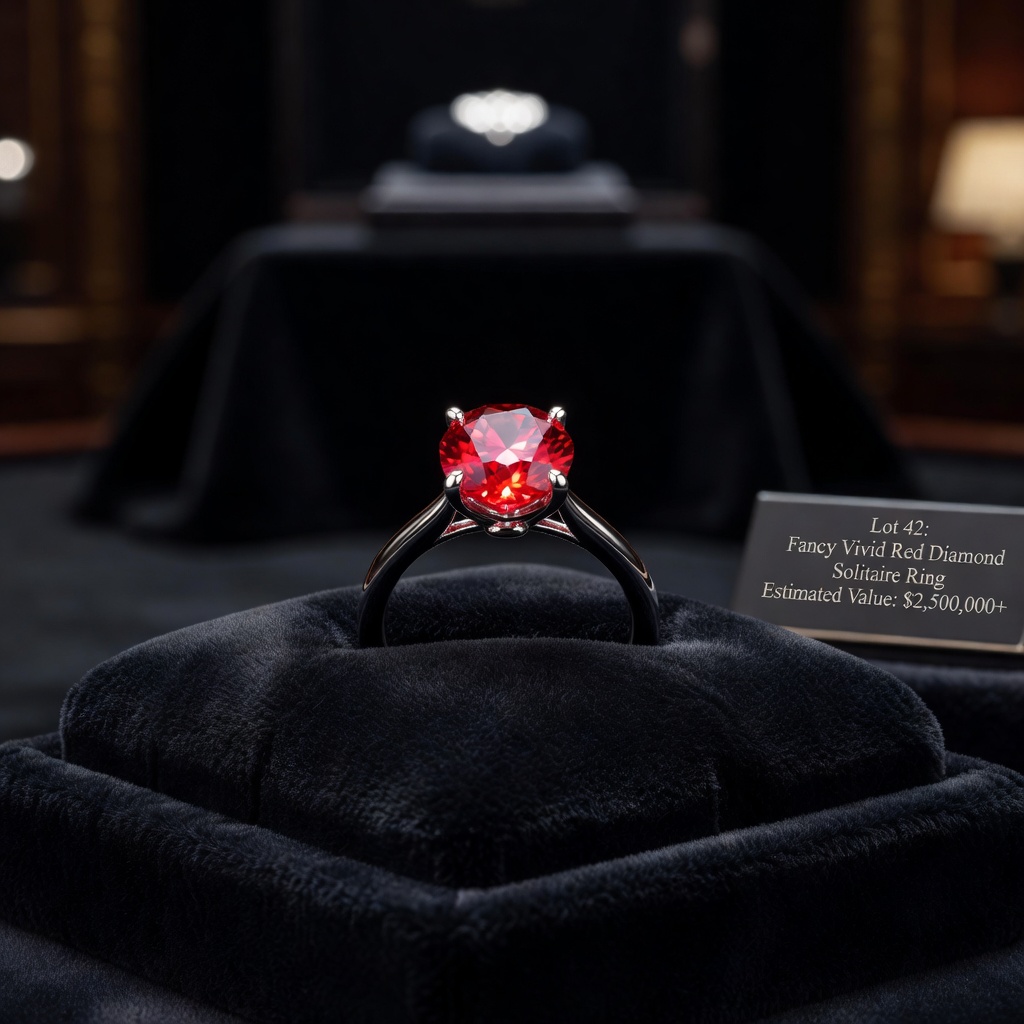
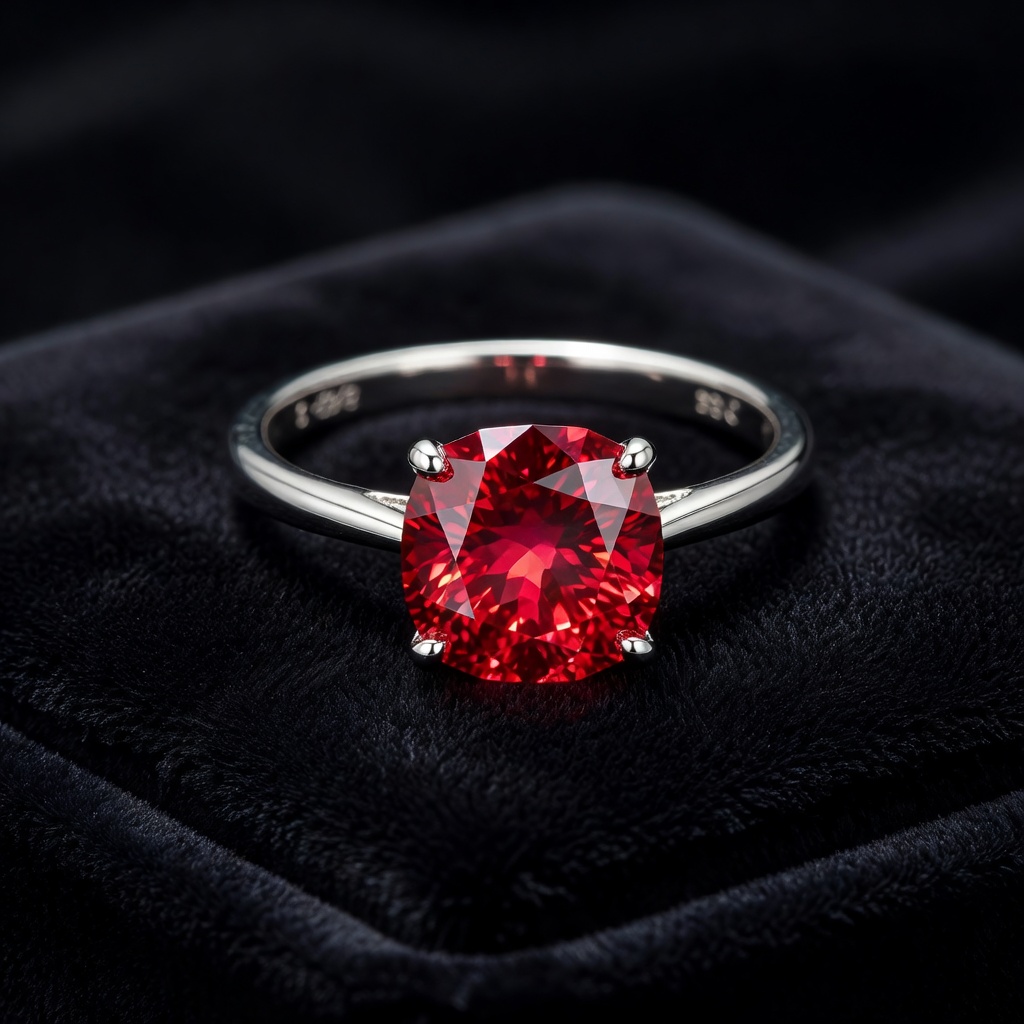
Red diamonds represent the pinnacle of rarity and desirability in the gemstone world, standing as the most elusive and valuable colored diamonds known to exist. Unlike other fancy colored diamonds that derive their hues from chemical impurities, these extraordinary gems possess a unique origin story that makes them extraordinarily scarce, with fewer than thirty authenticated specimens known to exceed half a carat in size. Understanding Red Diamond Properties and Information is essential for serious collectors, gemologists, and investors seeking to navigate this ultra-exclusive market segment, where a single carat can command prices exceeding two million dollars at auction.
The historical significance of red diamonds stretches back centuries, with early documented discoveries in the Golconda region of India and later significant finds in Brazil and Australia. However, the modern understanding of these gems truly began with the opening of the Argyle Diamond Mine in Western Australia in 1983, which subsequently produced approximately ninety percent of the world's pink and red diamonds until its closure in 2020. For investors and collectors, comprehending the specific characteristics that define these stones—from their unique color formation mechanisms to their gemological properties—provides the foundation for making informed acquisition decisions in a market where authenticity and provenance determine value.
The Unique Color Formation of Fancy Red Diamonds
The Science of Plastic Deformation
The mesmerizing crimson hue of fancy red diamonds results from a phenomenon known as plastic deformation, a process fundamentally different from the chemical impurity-based coloration seen in blue or yellow diamonds. During their formation deep within the earth's mantle under extreme pressure and temperature conditions, these diamonds experience intense stress that causes the carbon atoms in their crystal lattice to slip along specific planes, creating microscopic defects called glide planes. These structural distortions selectively absorb light in the green portion of the spectrum while allowing red wavelengths to pass through and reflect back to the viewer's eye, creating the diamond's distinctive color without introducing foreign elements.
Chemical Purity and Color Variations
Unlike virtually every other colored diamond variety, red diamond formation occurs without the presence of nitrogen, boron, or other trace elements that typically create color in diamonds. This chemical purity means that gemologists must look beyond standard spectroscopic tests to identify these stones, instead examining the specific patterns of strain within the crystal structure using advanced techniques like photoluminescence spectroscopy. The color intensity in these diamonds ranges from the highly prized pure fancy red to secondary hues including purplish-red, brownish-red, and orangey-red, with pure red stones commanding significantly higher premiums due to their extreme scarcity and visual impact.
Physical Characteristics and Gemological Properties
Durability and Hardness Standards
Like all diamonds, red specimens possess a Mohs hardness rating of 10, making them the hardest known natural material and exceptionally resistant to scratching or abrasion in daily wear. However, red diamond characteristics include specific durability considerations related to their internal structure; the same plastic deformation that creates their color can occasionally result in internal graining or cleavage planes that require careful examination during the cutting process. Master diamond cutters working with red rough must balance maximum color retention with structural integrity, often choosing shapes that minimize the risk of damage while optimizing the stone's ability to display its rare color.
Optical Properties and Fluorescence
Red diamonds typically exhibit unique optical behaviors that distinguish them from other colored diamonds, including distinctive light dispersion patterns that create exceptional brilliance despite their body color. When exposed to ultraviolet light, most red diamonds display little to no fluorescence, though some specimens may show weak blue or orange fluorescence depending on their specific structural deformation patterns. Gemologists use these fluorescence characteristics, combined with examination under crossed polarizing filters to reveal strain patterns, as diagnostic tools to confirm natural origin and distinguish these stones from treated or synthetic alternatives.
Sources and Mining: Red Diamond Rarity Explained
The Argyle Mine Legacy and Global Supply
The concept of red diamond rarity becomes starkly apparent when examining production statistics from the now-closed Argyle Diamond Mine in Western Australia's East Kimberley region. During its thirty-seven years of operation, Argyle produced less than twenty carats of red diamonds total, with individual stones rarely exceeding one carat in weight, representing approximately 0.01% of the mine's total output. The closure of Argyle in November 2020 effectively eliminated the primary source of argyle red diamonds from the market, creating an irreversible supply constraint that has driven prices to unprecedented levels as existing stones enter the secondary market through estate sales and auctions.
Current Global Production Landscape
While occasional red diamonds continue to emerge from alluvial deposits in Brazil's Minas Gerais region and the Lipetsk area of Russia, annual global production now totals less than five carats of gem-quality material combined. India's ancient Golconda mines, historically famous for producing colorless and pink diamonds, have yielded only sporadic red discoveries in modern times, with most stones weighing less than 0.25 carats. Industry experts estimate that the entire world inventory of natural red diamonds larger than one carat numbers fewer than ten stones, making each new discovery a significant geological and market event that attracts immediate attention from major auction houses and private collectors.
Most Famous Red Diamonds in History
The Moussaieff Red: A Record-Breaking Specimen
The Moussaieff Red stands as the largest known fancy red diamond in the world, weighing an extraordinary 5.11 carats and exhibiting a pure red color without secondary modifiers. Discovered by a Brazilian farmer in the 1990s and originally cut into a rough 13.90-carat crystal, this trillion-cut masterpiece was acquired by the Moussaieff jewelry house and remains the benchmark against which all other red diamonds are measured. Its estimated value exceeds twenty million dollars, though the stone has never appeared at public auction, making it a cornerstone of one of the world's most significant private jewelry collections.
The Hancock Red and Auction History
The 0.95-carat Hancock Red, a fancy purplish-red diamond, revolutionized the market when it sold at Christie's New York in 1987 for $880,000, establishing a per-carat price of $926,000 that shocked the jewelry industry. This sale, which realized eight times its pre-sale estimate, demonstrated for the first time the extraordinary investment potential of red diamonds and established them as a distinct asset class separate from other colored diamonds. The DeYoung Red, another notable specimen weighing 2.90 carats, resides in the Smithsonian Institution's National Museum of Natural History, where it serves as an educational example of these rare gems for millions of visitors annually.
GIA Grading Standards for Red Diamonds
Color Terminology and Classification Systems
The Gemological Institute of America (GIA) employs specific terminology when grading these stones, using "Fancy" as a prefix for all Red Diamond Properties and Information documentation, including Fancy Red, Fancy Purplish Red, Fancy Brownish Red, and Fancy Orangy Red categories. Unlike pink diamonds, which occupy a broad color range from faint to fancy vivid, red diamonds do not use intensity modifiers; a stone either qualifies as red based on its saturation and tone, or it is classified as a pink diamond, making the red designation an absolute threshold rather than a gradient. This binary classification system means that even slight variations in color can dramatically affect value, with pure red stones commanding premiums of three to five times over those with secondary hues.
Clarity and Certification Importance
Given their extreme rarity, red diamonds are evaluated with modified clarity standards compared to colorless stones, with collectors often accepting inclusions that would render a white diamond commercially unviable if the color remains exceptional. GIA reports for these stones include detailed diagrams of color distribution, noting whether the red hue appears evenly throughout the stone or concentrates in specific zones, information crucial for cutting and setting decisions. Prospective buyers should insist on original GIA certification and, for argyle red diamonds, accompanying documentation from the Argyle Tender to verify provenance and ensure the stone has not undergone any treatment or enhancement processes.
Investment Potential and Market Value Analysis
Price Records and Market Performance
Red diamond investment has emerged as one of the strongest performing alternative asset classes over the past three decades, with prices appreciating consistently at rates of ten to fifteen percent annually regardless of broader economic conditions. Current market values for investment-grade red diamonds range from one to two million dollars per carat for smaller stones, with prices escalating exponentially for specimens exceeding one carat due to their extreme scarcity. The investment thesis rests on irreplaceable supply constraints combined with increasing demand from ultra-high-net-worth individuals in emerging markets, particularly Asia and the Middle East, where these stones carry significant cultural and status symbolism.
Portfolio Diversification Benefits
For sophisticated investors, red diamonds offer unique portfolio diversification benefits due to their low correlation with traditional financial markets, including equities, bonds, and real estate. These tangible assets provide inflation protection while offering portability and privacy advantages unmatched by other high-value collectibles, allowing wealth concentration in a form that can be transported across borders discreetly. Financial advisors specializing in alternative investments recommend allocating between one and five percent of a high-net-worth portfolio to rare colored diamonds, with red stones representing the apex category within this allocation due to their historical price stability and liquidity at auction.
Natural vs. Lab-Grown Red Diamonds
Synthesis Methods and Identification Challenges
The creation of laboratory-grown red diamonds relies primarily on High Pressure High Temperature (HPHT) synthesis methods that attempt to replicate the natural red diamond formation process by introducing controlled plastic deformation into synthetic crystals. While these lab-created stones can display red coloration, they typically lack the complex strain patterns and natural inclusions characteristic of earth-formed specimens, instead showing metallic flux inclusions and distinctive growth patterns visible under magnification. Advanced gemological laboratories use spectroscopic analysis to detect differences in nitrogen aggregation states and photoluminescence patterns that definitively separate natural red diamonds from their synthetic counterparts.
Value Implications for Collectors
The value differential between natural and laboratory-grown red diamonds remains vast, with synthetic stones trading at discounts of ninety-five to ninety-nine percent compared to natural specimens of similar size and color appearance. This disparity reflects the fundamental difference in rarity and the inability of technology to replicate the geological timescales and specific conditions required for natural red diamond formation. Collectors and investors must exercise extreme caution when purchasing these stones, requiring comprehensive laboratory reports from reputable institutions like GIA or AGS that specifically address treatment and origin, as undetected synthetic stones represent significant financial risk in this high-value market segment.
Caring for Red Diamond Jewelry
Maintenance and Cleaning Protocols
Proper maintenance of these extraordinary gems requires understanding specific Red Diamond Properties and Information related to their durability and setting requirements, ensuring that these valuable stones remain secure and vibrant for generations. Professional cleaning using ultrasonic or steam methods remains safe for most red diamonds due to their exceptional hardness, though owners should disclose any known inclusions or cleavage planes to their jeweler beforehand as a precautionary measure. For at-home care, soaking the jewelry in warm water mixed with mild dish soap followed by gentle brushing with a soft toothbrush effectively removes accumulated oils and debris without risking damage to the stone or setting.
Security and Insurance Considerations
Given the extraordinary value of red diamond jewelry, owners must implement rigorous security protocols including specialized insurance riders that specifically cover mysterious disappearance and unlisted value appreciation clauses to account for market increases. Storage recommendations include keeping these pieces in individual soft pouches within a safe deposit box or high-security home safe, separate from other jewelry that might scratch the metal settings or cause chipping if items collide. Regular reappraisal every twelve to eighteen months by a certified gemologist appraiser familiar with the current red diamond market ensures adequate insurance coverage and documentation of condition for estate planning purposes.
Conclusion: The Enduring Legacy of Red Diamonds
The comprehensive study of Red Diamond Properties and Information reveals these gemstones as nature's most extraordinary creation, combining absolute rarity with mesmerizing beauty and exceptional investment characteristics. As the supply of new specimens has effectively ceased with the Argyle Mine closure, existing red diamonds have transcended their role as mere jewelry components to become true museum-grade collectibles and alternative investment vehicles with demonstrated long-term appreciation potential. For prospective buyers, the current market presents a unique window to acquire what may be the last significant red diamonds available for private ownership before they become permanent fixtures in institutional collections.
Looking toward the future, the outlook for red diamond values remains overwhelmingly positive given the immutable laws of supply and demand governing these stones. No significant new deposits have been discovered, and the geological conditions required for red diamond formation occur so rarely that the probability of finding alternative sources remains vanishingly small. For those fortunate enough to acquire these crimson treasures, whether as five-carat investment-grade specimens or smaller accent stones, red diamonds offer not only the ultimate statement of luxury and discernment but also a tangible connection to the earth's deepest mysteries and the incredible forces that create such incomparable beauty.
Frequently Asked Questions
What gives red diamonds their distinctive color?
Red diamonds obtain their color through a process called plastic deformation, where the diamond's crystal lattice structure undergoes intense pressure during formation, causing distortions that absorb green light and reflect red wavelengths. Unlike other colored diamonds, red diamonds contain no chemical impurities like nitrogen or boron.
How rare are red diamonds compared to other colored diamonds?
Red diamonds are the rarest of all colored diamonds. Fewer than 30 true red diamonds are known to exist worldwide above 0.5 carats. The Argyle Mine, which produced 90% of the world's pink and red diamonds, closed in 2020, making them even scarcer than blue or pink diamonds.
What is the most expensive red diamond ever sold?
The Hancock Red, a 0.95-carat fancy purplish-red diamond, set a record in 1987 by selling for $880,000 ($926,000 per carat), which was eight times the pre-sale estimate. Today, larger red diamonds like the Moussaieff Red (5.11 carats) are valued at over $20 million.
Can red diamonds be treated or enhanced to improve color?
Unlike other colored diamonds, red diamonds cannot be treated or enhanced to improve their color. Any treatment would be immediately detectable and would destroy the stone's value. This inability to replicate or enhance red diamonds naturally contributes to their extreme value and authenticity.
Where do red diamonds come from?
Historically, the Argyle Diamond Mine in Western Australia produced the majority of the world's red diamonds. Other sources include the Minas Gerais region of Brazil, the Lipetsk region in Russia, and occasional finds in India. No significant new deposits have been discovered since the Argyle closure.
Are red diamonds a good investment?
Red diamonds represent one of the strongest alternative investments available, showing consistent price appreciation of 10-15% annually. Their extreme rarity, coupled with increasing demand from ultra-high-net-worth collectors and the closure of the Argyle Mine, suggests continued value appreciation for investment-grade specimens.
How can I tell if a red diamond is natural or synthetic?
Distinguishing natural from lab-grown red diamonds requires advanced gemological testing including spectroscopy and fluorescence pattern analysis. Natural red diamonds show specific strain patterns and absorption spectra that differ from HPHT-created synthetics. Always purchase with GIA or Argyle certification.
What clarity grades are common for red diamonds?
Due to their extreme rarity, red diamonds are often found with lower clarity grades (SI1-I1) compared to colorless diamonds. Collectors typically prioritize color intensity over clarity, as the rich red hue can mask inclusions. Even included red diamonds command premium prices due to scarcity.