Understanding Zoisite Gemstone Properties and Composition
Before diving into specific maintenance protocols, it is essential to understand the fundamental characteristics that make zoisite gemstones unique and determine their care requirements. Zoisite ranks between 6 and 7 on the Mohs hardness scale, which places it in the moderately durable category; while it can withstand normal wear, it remains susceptible to scratching from harder materials like diamonds, sapphires, and even household dust containing silica particles. This moderate zoisite hardness means that daily activities without proper precautions can gradually dull the stone's surface and compromise its brilliance over time.
The zoisite gemstone properties extend beyond simple hardness metrics to include several varieties that each present distinct care considerations. Tanzanite, the celebrated blue-violet variety discovered in Tanzania, typically ranks slightly lower at 6 to 6.5 on the Mohs scale and possesses pronounced cleavage planes that make it particularly vulnerable to impact damage. Thulite, characterized by its delicate pink to rose-red hues, offers slightly better durability but reacts poorly to acidic environments, while anyolite (ruby in zoisite) presents a unique challenge as it contains two different minerals—corundum (ruby) and zoisite—each requiring balanced care approaches to preserve the stone's distinctive appearance.
Perhaps the most critical physical characteristic affecting Zoisite Care and Cleaning protocols is the mineral's perfect cleavage in one direction and its extreme sensitivity to thermal shock. Sudden temperature changes can cause internal fractures or existing cleavage planes to propagate, potentially splitting the stone. This thermal sensitivity means that exposure to extreme heat, rapid temperature fluctuations, or even hot water during cleaning can result in irreversible damage, making temperature management a cornerstone of proper zoisite maintenance.
Daily Wear and Handling Precautions for Zoisite
Establishing proper handling zoisite jewelry habits forms the foundation of long-term preservation and prevents the accumulation of damage that requires professional intervention. Always remove zoisite pieces before engaging in physical activities, sports, or household chores such as gardening, cooking, or cleaning, as these situations present multiple risks including impact against hard surfaces, exposure to abrasive materials, and sudden temperature changes from hot ovens or cold water. For example, wearing a tanzanite ring while lifting weights at the gym could result in the stone striking metal equipment, potentially causing chips along its vulnerable cleavage planes that would require expensive recutting or replacement.
Temperature management represents a crucial aspect of zoisite durability concerns that many jewelry owners overlook during daily wear. Avoid exposing zoisite gemstones to extreme temperature fluctuations, such as moving from a heated indoor environment into freezing winter air or placing jewelry near heat sources like radiators, stoves, or car dashboards on sunny days. These thermal shocks can cause internal fractures or color fading, particularly in heat-treated tanzanite where the vibrant blue-violet color results from laboratory heating of brownish rough material; excessive heat can potentially reverse this treatment, returning the stone to its less desirable original color.
The sequence in which you apply personal care products significantly impacts zoisite longevity, as chemicals in cosmetics, perfumes, hairsprays, and lotions can etch the stone's surface or build up in settings, creating a dull film that obscures brilliance. Adopt the "last on, first off" rule: put zoisite jewelry on last after completing your beauty routine, and remove it first when undressing at the end of the day. This practice minimizes chemical contact and prevents accidental snagging on clothing that could loosen prongs or cause impact damage during removal.
Essential Zoisite Care and Cleaning Fundamentals
Implementing a structured maintenance schedule ensures that Zoisite Care and Cleaning becomes a manageable routine rather than an occasional emergency response, significantly extending the life and beauty of your gemstones. Establish a monthly inspection routine during which you examine the piece under bright light, checking for loose settings, chips along girdle edges, or accumulated dirt in crevices between the stone and metal mounting; early detection of these issues prevents stone loss and allows for simple repairs before minor problems escalate into major restorations. During these inspections, gently shake the piece near your ear—any rattling indicates loose prongs that require immediate professional attention.
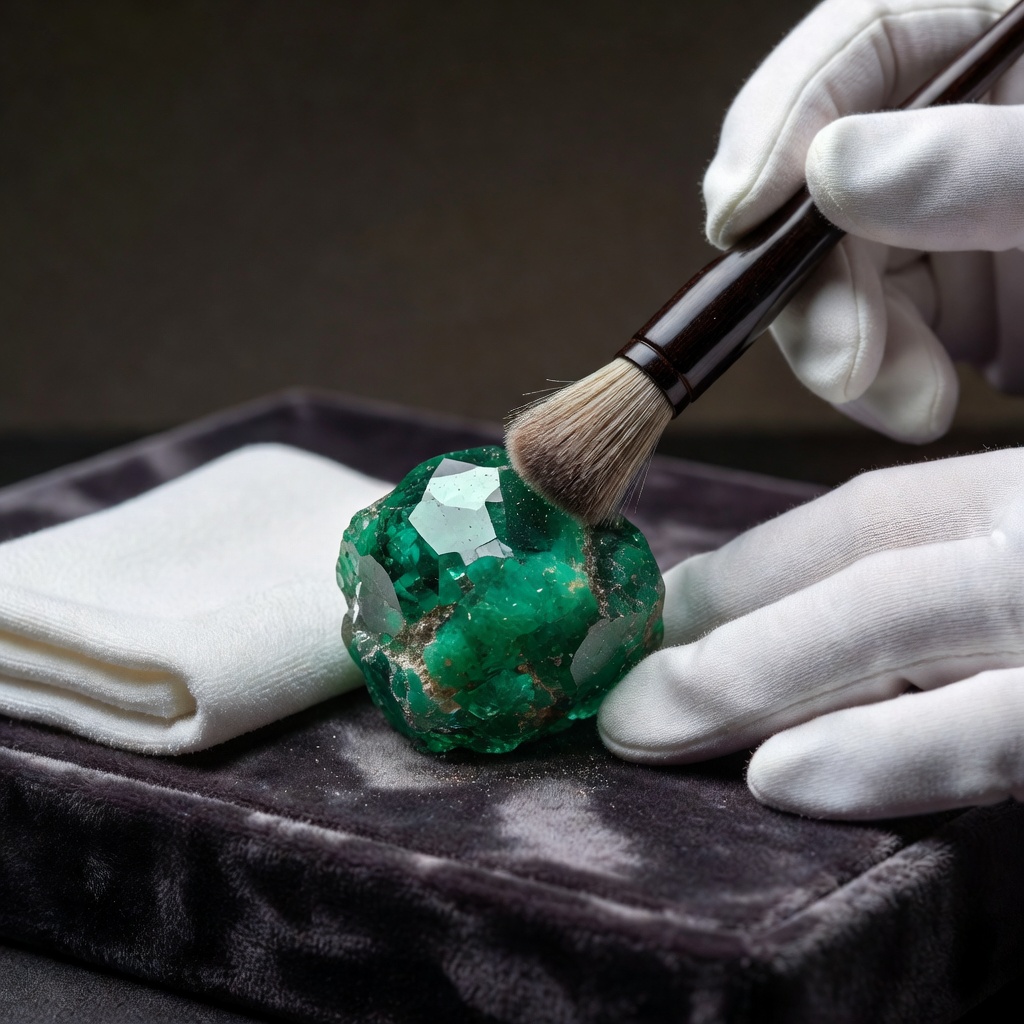
Daily maintenance plays an equally important role in routine zoisite maintenance, requiring only a few seconds but providing substantial protective benefits. Use a soft, lint-free microfiber cloth to wipe down zoisite jewelry after each wearing, removing skin oils, perspiration, and surface dust that can accumulate and create a dulling film over time. For pieces worn frequently, such as engagement rings or daily-wear pendants, this quick wipe prevents the buildup of substances that would otherwise require more aggressive cleaning methods, thereby reducing wear on the stone's surface and metal settings.
Understanding the distinction between routine maintenance and deep cleaning protocols helps prevent over-cleaning, which can be as damaging as neglect. Routine maintenance includes daily wiping and monthly inspections, while deep cleaning using aqueous methods should be performed only every two to four weeks for regularly worn pieces, or monthly for occasional wear. This measured approach to zoisite gemstone maintenance ensures that you remove harmful accumulations without subjecting the stone to unnecessary moisture exposure or mechanical stress from excessive handling.
Safe Step-by-Step Cleaning Methods for Zoisite
Mastering how to clean zoisite jewelry safely requires attention to detail and adherence to gentle techniques that preserve both the gemstone and its setting. Begin by preparing a cleaning solution consisting of lukewarm water—never hot, as thermal shock can fracture the stone—and mild, phosphate-free dish soap, using no more than two drops per cup of water to avoid excessive suds that leave difficult-to-remove residue. Place a rubber mat or towel at the bottom of your cleaning basin to prevent damage if you accidentally drop the jewelry, and ensure the drain is closed or covered if working near a sink.
The physical cleaning process represents the core of safe zoisite cleaning methods, requiring patience and the proper tools. Gently scrub the stone and setting using a soft-bristled baby toothbrush, paying particular attention to the back of the stone where dirt and skin oils accumulate most heavily, creating a barrier that prevents light from reflecting properly through the gem. Use light, circular motions rather than aggressive scrubbing, and avoid applying pressure directly to the stone's table (top surface); instead, focus on the pavilion (bottom) and girdle (edge) areas where grime typically collects, working the bristles gently around prongs without bending or snagging them.
Proper rinsing and drying conclude the cleaning process and prevent water spots or soap film that could cause cloudiness. Rinse the piece thoroughly under lukewarm running water, rotating it to ensure all soap residue washes away from hidden crevices behind the stone, then pat dry immediately using a soft, clean microfiber cloth or chamois. For intricate settings where moisture might remain trapped, use a hairdryer set to the cool setting held at least six inches away to evaporate residual water without subjecting the stone to heat, ensuring complete dryness before storage to prevent tarnishing of metal components or mildew development in storage containers.
Critical Mistakes: What to Avoid When Cleaning Zoisite
Understanding zoisite cleaning mistakes proves equally important as knowing proper techniques, as several common jewelry cleaning methods can cause irreversible damage to these moderately hard gemstones. Never use ultrasonic cleaners or steam cleaning devices on zoisite, as the intense vibrations can cause fractures along the stone's perfect cleavage planes, particularly devastating to tanzanite varieties, while the heat generated by steam can induce thermal shock or fade heat-treated colors. Even if a jeweler offers to clean your zoisite in an ultrasonic bath as a complimentary service, politely decline and request hand-cleaning instead to protect your investment.
Harsh chemical exposure represents another category of what not to use on zoisite, including common household cleaners that many people mistakenly apply to jewelry. Avoid bleach, ammonia, acetone, chlorine, and commercial jewelry dips specifically formulated for diamonds and gold, as these substances can pit or etch the zoisite surface, dissolve certain types of metal settings, and strip away any protective coatings applied by the manufacturer. For example, dipping a tanzanite ring into a commercial "dip" solution designed for diamonds can permanently cloud the stone's surface within seconds, requiring professional repolishing that removes valuable carat weight.
Mechanical and prolonged water exposure also feature prominently in the list of cleaning prohibitions for zoisite. Do not expose these gemstones to prolonged soaking sessions exceeding a few minutes, as water can loosen certain types of jewelry adhesives or work its way into microscopic fractures and expand them through temperature changes. Similarly, avoid high-pressure water jets from faucets or dental irrigation devices, as the force can dislodge stones from their settings or drive water deep into inclusions, potentially causing internal damage that manifests as cloudiness or structural weakness over time.
Specialized Care for Tanzanite and Other Zoisite Varieties
While general Zoisite Care and Cleaning principles apply across all varieties, cleaning tanzanite stones requires additional precautions due to this variety's unique physical properties and commercial treatment history. Tanzanite typically exhibits lower hardness (6 to 6.5 on the Mohs scale) compared to other zoisites and possesses pronounced cleavage planes that make it exceptionally susceptible to chipping and splitting under impact or pressure. When cleaning tanzanite specifically, use even gentler brushing motions than with other zoisites, limit cleaning sessions to shorter durations, and absolutely avoid any mechanical cleaning devices, including home jewelry cleaning machines that use vibration or rotation.
Anyolite, commonly known as ruby in zoisite, presents a fascinating dual-mineral composition that requires balanced zoisite varieties care approaches to address both components simultaneously. This striking green and red stone combines ruby (corundum, hardness 9) with green zoisite (hardness 6-7), meaning the ruby portions can actually scratch the zoisite portions if dirt becomes trapped between them during cleaning. When maintaining anyolite, ensure thorough rinsing to remove all particulate matter that could act as an abrasive between the two minerals, and store these pieces wrapped in soft cloth to prevent the harder ruby areas from contacting the zoisite areas during storage.
Thulite, the manganese-rich pink to rose-red variety of zoisite, generally offers more stability than tanzanite but still requires specific environmental considerations to maintain its delicate coloration. Unlike tanzanite, thulite is typically not heat-treated, making its color more stable under normal lighting conditions, but it remains vulnerable to acidic environments including those created by perspiration, household cleaners, or acidic foods. When caring for thulite jewelry, wipe it down more frequently than other varieties if worn against the skin, and avoid contact with acidic substances like citrus juices or vinegar-based cleaning solutions that could potentially etch the surface or alter the manganese-based pink coloration over time.
Proper Storage Techniques to Prevent Damage
Implementing effective zoisite storage solutions protects your gemstones during the 90% of time they spend not being worn, preventing scratches, environmental damage, and accidental impacts that occur in jewelry boxes. Store each zoisite piece separately in soft pouches made of velvet, silk, or microfiber, or place them in lined jewelry boxes with individual compartments that prevent contact with harder gemstones like diamonds, sapphires, rubies, or even other zoisite pieces that could scratch each other. For valuable tanzanite pieces, consider wrapping the stone in acid-free tissue paper before placing it in a padded box, creating an additional buffer against environmental contaminants and physical shocks.
Humidity control plays a crucial role in storing zoisite jewelry safely, as improper moisture levels can damage both the gemstone and its metal setting over time. Avoid storing zoisite in airtight plastic bags or containers that can trap moisture, leading to tarnishing on silver settings or creating a humid microenvironment that promotes mildew growth on storage materials; instead, use breathable fabric pouches or jewelry boxes with slight air circulation. If you live in extremely humid climates, consider adding silica gel packets to your jewelry storage area to absorb excess moisture, ensuring these packets do not directly contact the jewelry to prevent chemical transfer.
Environmental positioning significantly impacts long-term zoisite preservation, particularly regarding light and heat exposure that can fade or damage certain varieties. Store zoisite jewelry away from direct sunlight and heat sources such as radiators, heating vents, or windowsills, as prolonged UV exposure and thermal cycling can degrade color stability, especially in heat-sensitive tanzanite. A cool, dark drawer or closet shelf provides ideal storage conditions, while bathroom storage should be avoided due to fluctuating humidity and temperature levels associated with showers and baths that can accelerate tarnishing and potentially damage the stones through thermal shock.
Professional Maintenance and Restoration Services
While home care forms the backbone of gemstone preservation, periodic professional zoisite care ensures that subtle issues are caught before they result in stone loss or major damage. Schedule annual inspections with a certified jeweler who has experience with colored gemstones, specifically requesting that they check prong tightness, setting integrity, and the condition of the stone's girdle edges where chipping most commonly occurs. During these inspections, the jeweler can also professionally clean areas that home methods cannot reach, such as deep under galleries or behind closed-back settings, using techniques and tools that minimize risk to the stone.
When surface scratches or dulling compromise a zoisite's appearance, zoisite jewelry restoration through professional repolishing can restore the original luster, though this process requires careful consideration. Repolishing removes microscopic amounts of material from the stone's surface, slightly reducing carat weight and potentially affecting the dimensions of custom-cut stones; therefore, this procedure should be reserved for situations where surface damage significantly impacts beauty rather than performed as routine maintenance. For valuable tanzanite pieces, ensure the jeweler understands the stone's cleavage properties and uses specialized polishing compounds and speeds designed for soft stones to prevent heat buildup or fracturing during the process.
Recognizing when home maintenance is insufficient and professional intervention is required can save a damaged stone from total loss. Seek immediate professional help if the stone becomes loose in its setting, if you observe chips or cracks along the girdle or table, or if the stone develops a persistent cloudy appearance that thorough home cleaning cannot resolve, as these symptoms may indicate internal fractures, loose prongs, or delamination of treatment coatings. Additionally, if your zoisite jewelry suffers impact damage or exposure to harsh chemicals, prompt professional assessment can determine whether immediate stabilization is possible or if the stone requires replacement.
Troubleshooting Common Zoisite Care Issues
Even with diligent maintenance, zoisite maintenance problems occasionally arise that require specific troubleshooting techniques to resolve without causing additional damage. Cloudiness following cleaning typically indicates soap residue trapped behind the stone or within intricate settings rather than damage to the gem itself; resolve this by re-rinsing the piece thoroughly in lukewarm distilled water—tap water may leave mineral deposits that compound the cloudiness—and drying immediately with a lint-free cloth followed by a cool-setting hairdryer held at a safe distance to evaporate all moisture from hidden crevices.
Stubborn dirt accumulation in settings requires creative yet gentle removal methods that avoid metal tools which could scratch the stone or damage prongs. Fashion a soft cleaning tool by wrapping the tip of a wooden toothpick or orangewood stick in a small piece of soft cloth or cotton, dampening it slightly with clean water, and gently working it into crevices to lift compacted debris; never use metal picks, dental tools, or pins, as these can scratch zoisite's relatively soft surface or snag and bend prongs, potentially causing the stone to fall out. For particularly tenacious grime, a small amount of mild soap on the cloth-wrapped toothpick can help break down oils without introducing excessive moisture to the setting.
When restoring zoisite brilliance after color fading occurs, understanding the cause determines the appropriate remedy. If fading results from heat or prolonged light exposure, particularly in tanzanite, professional assessment is necessary to determine if the stone underwent heat treatment and whether professional heat treatment reversal or re-enhancement is possible or advisable; some color loss may be permanent and irreversible, necessitating replacement rather than restoration. For surface dullness caused by microscopic scratches from daily wear, professional repolishing remains the only solution, though prevention through proper daily care and storage ultimately proves more effective and economical than restoration after damage occurs.
Frequently Asked Questions
Can I Use an Ultrasonic Cleaner for My Zoisite Jewelry?
No, ultrasonic cleaners are not recommended for zoisite care and cleaning. The vibrations can cause fractures along zoisite's perfect cleavage planes, particularly in tanzanite varieties. Additionally, the heat generated by these machines can damage the stone. Always stick to gentle hand-cleaning methods with mild soap and lukewarm water.
How Often Should I Clean My Zoisite Gemstone?
For regular Zoisite Care and Cleaning, perform a gentle wipe-down with a soft cloth after each wear to remove oils. A thorough cleaning with mild soap and water should be done every 2-4 weeks if worn regularly, or monthly for occasional wear. Tanzanite pieces may require more frequent gentle cleaning due to their softer nature.
Is It Safe to Shower or Swim While Wearing Zoisite?
No, you should remove zoisite jewelry before showering or swimming. Chlorine in pools, salt in ocean water, and chemicals in soaps and shampoos can damage the stone's surface and affect its polish. Additionally, temperature changes from hot showers can cause thermal shock, potentially fracturing the gemstone.
What's the Difference Between Cleaning Zoisite and Tanzanite?
While both require gentle handling, tanzanite (a blue zoisite variety) demands extra caution due to its lower hardness (6-6.5 vs. 6.5-7 for other zoisites) and pronounced cleavage. Tanzanite is more susceptible to scratching and chipping, requiring softer brushes, shorter cleaning times, and absolutely no mechanical cleaning devices.
Can Zoisite Lose Its Color Over Time?
Yes, prolonged exposure to direct sunlight, heat sources, or harsh chemicals can cause color fading in zoisite, particularly in heat-treated tanzanite. Store your stones in a dark, cool place and avoid leaving them in hot cars or windowsills. Natural zoisite varieties are generally more color-stable but still require protection from extreme conditions.
How Should I Store Zoisite to Prevent Scratches?
Store zoisite separately from harder gemstones like diamonds, sapphires, and rubies. Use individual soft cloth pouches or compartmentalized jewelry boxes with fabric lining. Never toss zoisite into a jewelry box where it can contact other pieces. For expensive tanzanite, consider storing in acid-free tissue paper within a padded box.
What Should I Do if My Zoisite Looks Cloudy After Cleaning?
Cloudiness usually indicates soap residue trapped behind the stone or in the setting. Rinse the piece thoroughly in lukewarm distilled water (tap water may leave mineral deposits), then dry immediately with a lint-free cloth. You can also use a cool-setting hairdryer held at a distance to ensure all moisture evaporates from the setting.
Are Commercial Jewelry Cleaning Solutions Safe for Zoisite?
Most commercial jewelry dips and solutions are too harsh for zoisite care and cleaning. Avoid anything containing ammonia, alcohol, or acids. If you must use a commercial product, ensure it is specifically labeled as safe for porous or soft stones (under 7.5 on the Mohs scale), though mild dish soap remains the safest option.