Understanding Vivianite's Unique Sensitivity to Air and Light
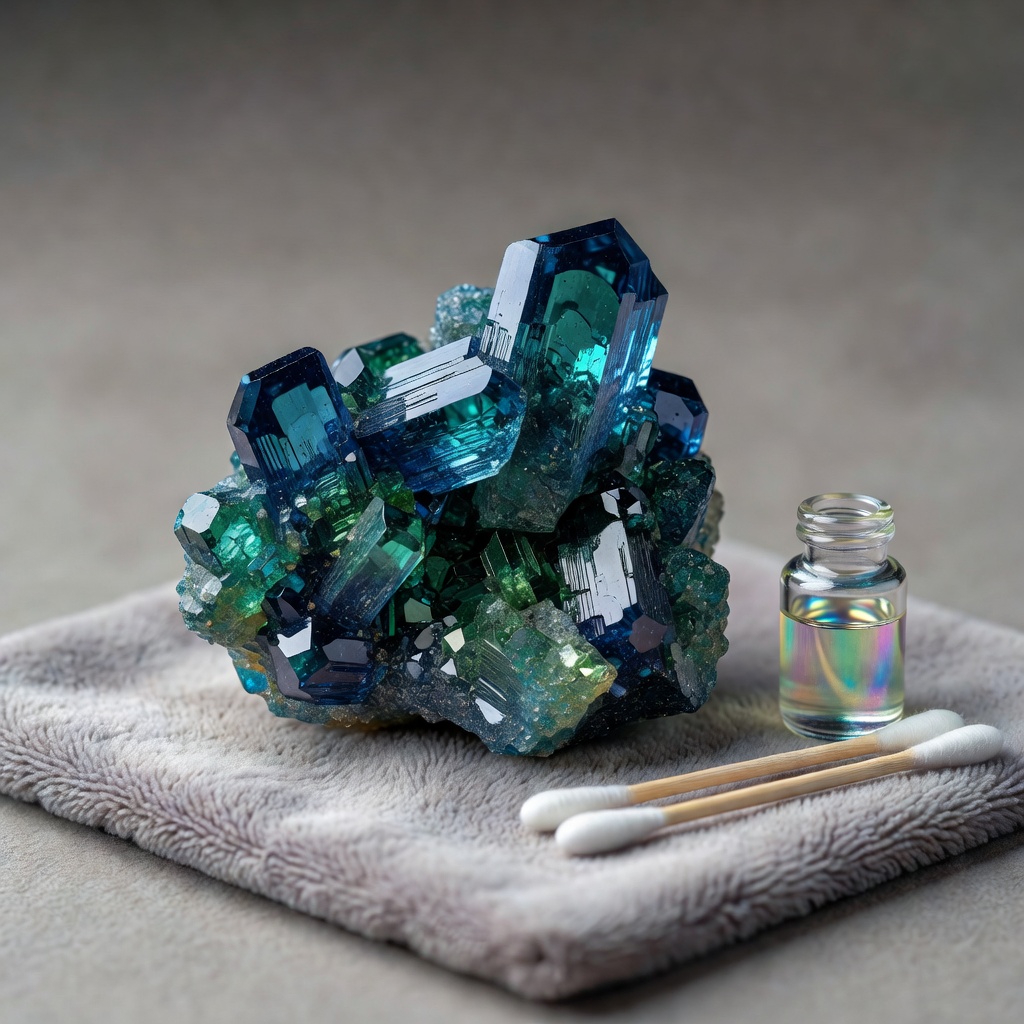
Vivianite stands as one of the most chemically delicate minerals in the phosphate mineral care category, presenting unique challenges for collectors and conservators alike. This hydrated iron phosphate mineral undergoes rapid and irreversible transformation when exposed to atmospheric oxygen, making vivianite mineral preservation a specialized discipline distinct from standard mineral maintenance protocols. Unlike stable specimens such as quartz or amethyst that withstand decades of open display, vivianite begins oxidizing within minutes of air exposure, transitioning from its prized colorless or translucent blue-green beauty to an undesirable brown or black oxidized state.
The color change mechanism occurs at the molecular level when ferrous iron (Fe²⁺) within the crystal lattice oxidizes to ferric iron (Fe³⁺), fundamentally altering the mineral's optical properties and chemical composition. This process accelerates dramatically under ultraviolet light exposure and high humidity conditions, creating a perfect storm of deterioration that can destroy specimen value within hours. Traditional crystal cleaning methods involving water, soap solutions, or ultrasonic baths—the standard approaches for robust minerals—prove catastrophic for vivianite, often causing immediate and permanent damage that even professional conservators cannot reverse.
Essential Tools and Materials for Safe Vivianite Maintenance
Successful cleaning vivianite crystals requires assembling a specialized toolkit designed specifically for oxygen-sensitive phosphate minerals rather than general rock collecting supplies. Pure white mineral oil or pharmaceutical-grade liquid paraffin serves as the primary preservation medium, creating an oxygen barrier that halts oxidation while maintaining optical clarity for viewing. Select airtight glass containers featuring rubber gaskets and metal locking clasps, such as Fido jars or laboratory-grade specimen containers, which prevent air exchange more effectively than standard screw-top lids.
Include soft natural hair brushes specifically camel hair or sable artist brushes in various sizes to remove surface debris without scratching delicate crystal faces. Microfiber cloths reserved exclusively for mineral handling help manage condensation and oil residue during transfers. Maintain a supply of silica gel packets and oxygen absorbers (iron-based sachets used in food storage) to control residual moisture within storage containers. A digital hygrometer helps monitor relative humidity levels, while a magnifying lamp or jeweler's loupe enables detailed inspection of crystal integrity before and after maintenance procedures.
Pre-Cleaning Handling Protocols to Prevent Damage
Proper vivianite care and cleaning begins before the specimen ever leaves its protective container, establishing protocols that minimize oxidative exposure during maintenance windows. Always wear nitrile gloves rather than latex, as nitrile provides better chemical resistance and contains fewer plasticizers that might contaminate mineral oil baths. Prepare your entire workspace—including brushes, oils, containers, and documentation materials—before removing the specimen from storage to reduce handling time from minutes to seconds.
Implement temperature acclimation procedures by ensuring the cleaning environment matches the storage temperature within two degrees Celsius, preventing condensation from forming on cold crystal surfaces when exposed to warmer room air. Set up a draft-free environment away from HVAC vents, windows, or doors, ideally within a humidity-controlled cabinet or room maintaining 35-40% relative humidity. Position a tray lined with clean white paper towels to catch any dropped specimens, providing a soft landing surface that prevents chipping during handling procedures.
Step-by-Step Dry Cleaning Techniques
Effective cleaning vivianite crystals relies exclusively on mechanical removal methods, as any liquid contact initiates immediate chemical degradation. Begin by positioning the specimen under a bright LED lamp or magnifying glass to identify loose dust particles and debris locations. Using a soft camel hair brush size 4-6 for larger specimens or size 0-2 for delicate crystal clusters, gently sweep away surface dust using outward strokes from the crystal center to edges, holding the brush at a 45-degree angle to prevent snagging fragile terminations.
For embedded particles in crevices, use canned air or a bulb blower designed for camera equipment, maintaining a minimum six-inch distance to prevent physical damage from air pressure velocity. Inspect the specimen under 10x magnification to identify any remaining debris requiring specialized attention, documenting areas with persistent contamination for future professional evaluation. Remember that water, isopropyl alcohol, acetone, and commercial jewelry cleaners permanently damage vivianite by accelerating oxidation and leaving residue within micro-fractures, making dry methods the only safe approach for phosphate mineral care.
Oil Preservation and Submersion Storage Methods
Long-term storing vivianite specimens requires complete submersion in preservation oil to eliminate oxygen contact entirely. Select a glass container that allows at least one inch of clearance on all sides of the specimen to prevent contact with container walls during thermal expansion. Pour white mineral oil slowly into the container while tilting it at an angle to minimize bubble formation, then gently place the vivianite specimen using plastic-coated tweezers, ensuring the crystal settles naturally without forcing it into position.
Tap the container sides gently to release trapped air bubbles that might cling to crystal faces or crevices, as these bubbles create localized oxidation zones. Implement a double-container method by placing the primary specimen jar inside a larger secondary container filled with additional oil, providing backup protection if the primary seal fails. Establish a vivianite conservation tips labeling system tracking oil change dates, specimen acquisition dates, and observed condition changes, replacing oil immediately when cloudiness, yellowing, or particulate matter appears, typically every 12-24 months depending on container seal quality.
Creating Optimal Long-Term Storage Environments
Advanced vivianite oxidation prevention strategies involve creating museum-quality storage environments that eliminate the atmospheric variables causing degradation. Consider vacuum sealing smaller specimens using food-grade chamber vacuum sealers with oxygen indicator tabs, or employ inert gas replacement techniques using nitrogen or argon gas to displace oxygen from container headspaces before sealing. Maintain ambient temperatures between 18-22°C (64-72°F) consistently, as thermal cycling causes oil expansion and contraction that can draw air past seals or create condensation.
Store containers within dark cabinets or drawers constructed from inert materials like aluminum or powder-coated steel, eliminating photochemical oxidation triggered by visible and ultraviolet light spectrum exposure. Install humidity controls maintaining relative humidity below 40% using rechargeable desiccant canisters or electric dehumidifiers in storage areas. For valuable collections, maintain a dedicated mineral refrigerator set to 15°C with desiccant chambers, significantly slowing oxidation kinetics while providing stable thermal conditions for phosphate mineral care.
Display Strategies That Minimize Oxidation Risks
Exhibiting vivianite while maintaining vivianite mineral preservation standards requires specialized display technologies that balance visibility with protection. Invest in sealed display cases featuring silicone gasket seals and UV-filtering glass or acrylic that blocks 99% of ultraviolet radiation while allowing visible light transmission. Limit viewing sessions to specific time periods, returning specimens to oil storage after 24-48 hours of display, thereby reducing cumulative oxygen exposure that occurs even within seemingly airtight cases.
For exhibition-quality specimens, construct inert gas-filled display domes using bell jars fitted with gas ports, allowing nitrogen or argon filling that creates a positive pressure environment preventing air infiltration. Position displays away from windows to avoid sunlight exposure and temperature fluctuations, maintaining distances of at least three feet from heat sources like radiators or electronics. Install vibration-dampening pads beneath display bases in high-traffic areas, as micro-vibrations from foot traffic can stress fragile crystal structures already compromised by oxidation processes.
Critical Mistakes to Avoid During Maintenance
Understanding vivianite care and cleaning requires recognizing that common mineral maintenance practices actually destroy these specimens faster than leaving them untouched. Never apply water, soap solutions, or aqueous cleaning agents, as the H₂O molecule facilitates electron transfer during iron oxidation while dissolving fragile phosphate structures. Avoid ultrasonic cleaners entirely, as cavitation bubbles create micro-fractures within the soft crystal matrix that expose fresh surfaces to oxygen and provide pathways for oil infiltration that clouds optical clarity.
Prevent rapid temperature changes exceeding 5°C per hour, which generate internal stress cracks through differential expansion between the mineral and any surface oil films. Refrain from using household chemicals, acids for cleaning, or abrasive polishing compounds including toothpaste or jeweler's rouge, which scratch the Mohs hardness 1.5-2 surface and remove protective oxidation layers that might otherwise slow further degradation. Never attempt to "seal" vivianite with varnishes, lacquers, or commercial stone sealers, as these products trap moisture and create micro-environments that accelerate chemical breakdown.
Recognizing Deterioration Signs and When to Seek Professional Help
Effective vivianite oxidation prevention requires vigilant monitoring for early warning signs indicating active chemical degradation. Watch for yellowing edges around crystal terminations, surface dullness replacing previous vitreous luster, and micro-cracking networks appearing as hairline fractures under magnification. Monitor preservation oil for discoloration developing yellow, brown, or green tints that indicate ongoing oxidation reactions releasing dissolved iron compounds into the surrounding medium.
Establish documentation photography schedules capturing specimens under consistent lighting conditions every three months, creating visual timelines that reveal subtle color shifts invisible during casual observation. When specimens show active oxidation despite proper storage, or when handling historic specimens with cultural heritage value, consult professional mineral conservation specialists affiliated with institutions like the Gemological Institute of America or museum conservation departments. These experts possess advanced vivianite mineral preservation capabilities including anoxic chamber processing and consolidant treatments that may stabilize specimens beyond standard collector capabilities.
Frequently Asked Questions
Can I clean vivianite with water or soap?
No, never use water, soap, or aqueous solutions on vivianite. Water accelerates the oxidation process and can cause irreversible color changes from blue-green to black. Always use dry cleaning methods with soft brushes or compressed air.
Why did my vivianite crystal turn black or brown?
Vivianite turns dark due to oxidation when exposed to air and oxygen. This hydrated iron phosphate mineral is unstable in oxygen-rich environments, causing it to oxidize from its original colorless or blue-green state to brown, black, or rust-colored iron oxides.
What type of oil is best for storing vivianite?
Use pure white mineral oil (liquid paraffin) or pharmaceutical-grade paraffin oil. Avoid vegetable oils, motor oils, or scented mineral oils that may contain additives. The oil should be clear, odorless, and changed immediately if it becomes cloudy or discolored.
How often should I check on my stored vivianite specimens?
Inspect oil-submerged specimens every 3-6 months for oil clarity and air bubble formation. For dry-stored specimens, check monthly for color changes. Minimize opening containers to reduce oxygen exposure during inspections.
Is it safe to handle vivianite with bare hands?
It's not recommended. Skin oils, moisture, and salts can damage the surface and accelerate oxidation. Always wear nitrile gloves when handling vivianite, and handle specimens quickly to minimize air exposure before returning them to sealed storage.
Can oxidation damage to vivianite be reversed?
Unfortunately, oxidation damage to vivianite is generally irreversible. Once the iron phosphate oxidizes to iron oxides, the original color and transparency cannot be restored. Prevention through proper storage in oil or inert atmospheres is the only effective strategy.
Should I keep vivianite in complete darkness?
While not strictly necessary, storing vivianite in darkness helps prevent photochemical oxidation and preserves its original color. If displaying, use UV-filtering glass and limit exposure to indirect artificial light rather than sunlight.
Why is vivianite considered one of the most difficult minerals to preserve?
Vivianite is exceptionally challenging because it oxidizes rapidly upon exposure to air, changes color permanently when oxidized, is often found in fragile crystal formations, and requires continuous maintenance through oil changes or sealed environments unlike stable minerals such as quartz.