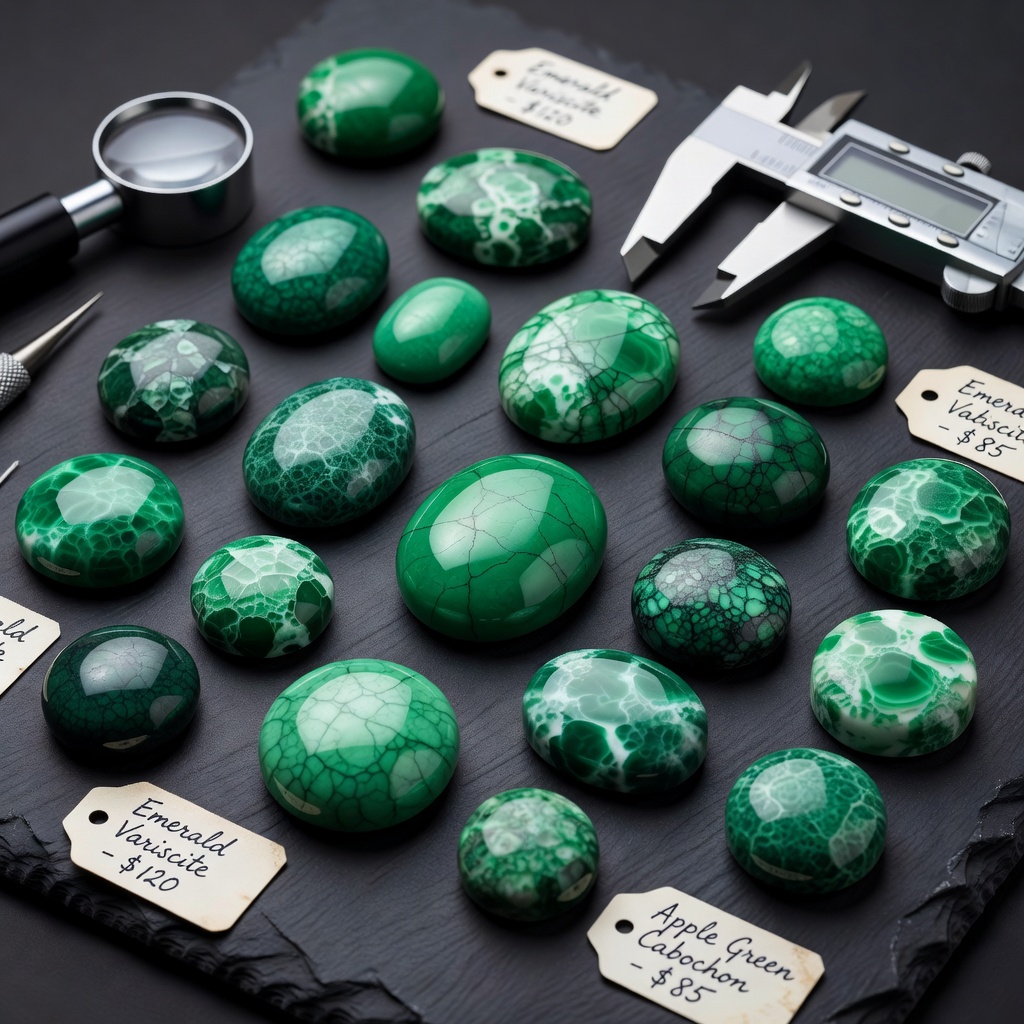
Introduction to Variscite Pricing
The variscite market has experienced significant evolution over the past decade, transforming from a niche collector's mineral into a sought-after gemstone for contemporary jewelry designers. As consumers increasingly seek alternatives to traditional turquoise, understanding the Variscite Price Guide becomes essential for both collectors and jewelry enthusiasts. Current market trends indicate steady demand growth, particularly among artisan silversmiths who appreciate the stone's unique color variations ranging from pale mint to deep forest green. Commercial-grade material remains accessible to hobbyists, while museum-quality specimens from depleted mines command serious investment-level prices at specialized gem shows.
General price ranges for variscite span remarkably wide margins depending on quality, origin, and treatment status. Entry-level material suitable for practice cutting or casual jewelry typically starts at accessible price points, while premium cabochons with exceptional clarity and color saturation can rival mid-range precious gemstones in cost. The growing popularity of variscite as a turquoise alternative has driven particular interest in American-mined material, especially from Utah and Nevada deposits. This shift in consumer preference reflects both the aesthetic similarities between the two minerals and the increasing scarcity of high-grade turquoise, positioning variscite as an attractive option for distinctive Southwestern-style jewelry.
Factors That Determine Variscite Value
Understanding variscite value per carat requires familiarity with several critical quality indicators that experienced dealers and collectors prioritize during evaluation. Color intensity stands as the primary value determinant, with deep emerald green specimens commanding substantial premiums over lighter mint or yellowish-green material. Stones exhibiting rich, saturated color without brown undertones consistently achieve the highest prices at mineral shows and online auctions. Additionally, the presence and character of matrix patterns significantly influence desirability; while some collectors prefer clean, solid-colored cabochons, others specifically seek black spiderweb or brown dendritic inclusions that create distinctive landscape-like appearances unique to each piece.
Geographic origin profoundly impacts pricing structures across the variscite market, with specific localities carrying significant prestige premiums. Utah variscite, particularly from the famous Clay Canyon deposit, regularly achieves prices three to four times higher than comparable material from other regions due to historical significance and depletion of the mine. Nevada variscite offers excellent color consistency and represents the bulk of commercially available material, while Australian variscite from sites like Queensland presents unique characteristics that appeal to specialty collectors. When assessing variscite value per carat, documentation of provenance becomes crucial, as verified locality information can dramatically affect resale potential and insurance valuations.
Color Grading and Matrix Preferences
Professional lapidaries evaluate variscite using specific color grading standards that directly correlate with market pricing. The most valuable specimens display intense apple-green to emerald hues with minimal yellowing or browning, often described as "chrome green" in dealer terminology. Matrix patterns require careful consideration; while heavy black spiderwebbing from manganese oxides can reduce value in commercial-grade stones, delicate webbing in high-contrast patterns may actually enhance desirability among art jewelry collectors. Clean, matrix-free material represents the rarest category and typically commands the highest per-carat rates, particularly when the color saturation remains consistent throughout the entire cabochon without zoning or fading.
Variscite Price Per Carat Breakdown
Establishing realistic budget expectations requires understanding the tiered pricing structure that governs variscite value per carat across different quality grades. Commercial-grade material, characterized by lighter coloration, visible inclusions, or minor stabilization treatments, typically ranges from $5 to $20 per carat. This category suits beginning lapidaries, bead makers, and jewelry artists creating entry-level pieces where material costs must remain controlled. Such stones often require stabilization to prevent crumbling during cutting and setting, a common and accepted practice that makes otherwise fragile material usable for jewelry applications.
High-grade cabochons featuring deep green coloration, excellent polish, and attractive patterning occupy the middle market tier, commanding between $50 and $200 per carat depending on size and origin documentation. These specimens appeal to serious jewelry designers and collectors seeking investment-quality material with documented provenance. At the apex of the market, rare collector specimens from depleted mines like Utah's Clay Canyon or exceptional large flawless pieces can exceed $300 per carat. These premium stones often weigh substantial carat weights, making total piece values significant, and they typically trade among established collectors through private sales or exclusive mineral show venues rather than public retail channels.
Size and Cutting Impact on Value
The relationship between carat weight and per-carat pricing follows distinct patterns in the variscite market. Small calibrated cabochons under five carats often carry higher per-carat costs due to the labor-intensive precision cutting required for jewelry settings. Medium-sized stones between 10 and 30 carats frequently offer the most favorable price-per-carat ratios, providing sufficient material for striking pendants or statement rings without the extreme premiums attached to very large specimens. Stones exceeding 100 carats become exponentially rarer, particularly if maintaining consistent color and structural integrity throughout the massive piece, causing such museum-grade specimens to command specialized pricing outside standard commercial guides.
Regional Price Variations by Source
Geographic provenance creates distinct pricing tiers within the variscite market, with Utah variscite cost structures reflecting the state's legendary status among mineral collectors. Material from the Clay Canyon deposit near Fairfield, Utah, commands exceptional premiums due to the mine's closure in the 1970s and the distinctive deep green coloration rarely matched by current productions. Authentic Clay Canyon variscite with proper documentation can achieve prices double or triple those of equivalent-quality material from active mines. Collectors specifically seek this material for its historical significance and the unique black matrix patterns that characterize the finest specimens from this legendary locality.
Nevada variscite dominates current commercial availability, with mines near Ely, Tonopah, and the famous Apache Canyon producing consistent quality material at more accessible green variscite prices. Nevada material typically offers excellent workability for lapidaries and maintains stable coloration, making it ideal for production jewelry. Australian variscite presents a different value proposition, often displaying unique color variations including yellow-green tones uncommon in American material. While Australian stones generally command lower prices than premium Utah material, exceptional specimens with unusual matrix patterns or intense coloration can achieve parity with mid-grade American stones. When evaluating Utah variscite cost versus other origins, buyers should verify authenticity through documentation, as unscrupulous dealers occasionally mislabel Nevada material as the more valuable Utah variety.
Market Availability by Region
The supply dynamics of different variscite localities directly influence pricing stability and investment potential. Utah material rarely appears on the open market, with most existing stocks held in private collections or estate inventories, creating a seller's market when quality pieces become available. Nevada operations continue producing material, though environmental regulations and mining costs have tightened supply and gradually increased baseline prices over the past five years. Australian material enters the market sporadically, often through specialized dealers who import rough directly from Queensland mining operations, offering alternatives when American sources face temporary shortages.
Variscite vs Turquoise: Price Comparison
The variscite vs turquoise price relationship reveals fascinating market dynamics that benefit informed buyers seeking value in green gemstone jewelry. Generally, variscite trades at 20-40% less than comparable turquoise on the per-carat basis, making it an attractive alternative for consumers desiring the Southwestern aesthetic without premium turquoise pricing. This price differential stems primarily from market recognition; turquoise enjoys centuries of cultural significance and established demand, while variscite remains relatively unknown to mainstream consumers. However, this gap has narrowed considerably as high-quality turquoise becomes increasingly scarce and variscite gains recognition among contemporary jewelry designers.
Exception cases exist where variscite actually exceeds turquoise prices, particularly when comparing premium Utah variscite against mid-grade Chinese or Mexican turquoise. Exceptional Clay Canyon specimens with deep emerald coloration and intricate matrix patterns can command prices rivaling Sleeping Beauty or Bisbee turquoise. The variscite vs turquoise price comparison also shifts when considering treatment status; natural, untreated variscite often costs less than stabilized turquoise, but high-grade natural variscite may exceed the value of heavily treated or reconstituted turquoise products flooding the mass market. Market positioning reflects these nuances, with variscite increasingly marketed as the "connoisseur's choice" for buyers who appreciate its rarity and unique color characteristics distinct from turquoise's typical blue tones.
Consumer Perception and Market Positioning
Jewelry retailers increasingly leverage the price advantages of variscite while educating consumers about its distinct mineralogical identity. Unlike turquoise, which suffers from market saturation with treated and imitation material, variscite maintains a reputation for authenticity since it rarely receives the extensive treatments common in the turquoise trade. This perception of genuineness allows retailers to position variscite as a premium alternative rather than merely a cheap substitute. Smart buyers recognize that purchasing variscite now, while prices remain favorable compared to turquoise, represents potential future value appreciation as awareness grows and primary deposits continue depleting.
Variscite Jewelry Pricing Guide
Translating rough material costs into finished variscite jewelry pricing requires understanding the significant markups involved in the manufacturing and retail pipeline. Raw variscite rough typically undergoes value additions through cutting, polishing, and setting processes that substantially increase final consumer prices. Artisan jewelers working with sterling silver settings generally apply markups of 200-300% over material costs to account for labor, design, and business overhead. When variscite appears in gold settings, particularly 14K or 18K yellow gold that complements the green tones beautifully, total piece prices reflect both precious metal costs and the elevated variscite cabochon value associated with high-end jewelry markets.
Designer and artisan premiums significantly impact final pricing structures, with established names in the Southwestern jewelry scene commanding substantial premiums for their variscite creations. A simple silver pendant featuring a 20-carat Utah variscite cabochon might retail between $150 and $300 depending on craftsmanship quality, while the same stone in a hand-fabricated gold setting by a renowned artist could exceed $1,500. The variscite cabochon value within finished jewelry also depends on setting style complexity; bezel settings that protect the relatively soft stone (Mohs hardness 3.5-4.5) require more metal and labor than simple prong settings, contributing to higher finished piece costs but offering better long-term protection for the gemstone.
Retail Markup Expectations
Understanding markup ratios helps buyers evaluate whether jewelry prices reflect fair value. Brick-and-mortar jewelry stores typically price variscite pieces at 400-600% above their wholesale material costs, covering rent, staff, and inventory carrying costs. Direct-to-consumer artisans selling at craft shows or online platforms often operate on slimmer margins of 150-250%, offering better value for equivalent material quality. When purchasing variscite jewelry, buyers should inquire about the origin and treatment status of the stone, as these factors significantly impact the fairness of the asking price relative to current market rates for similar material.
Where to Buy: Retail vs. Direct Pricing
Securing the best green variscite prices requires strategic shopping across multiple market channels, each offering distinct advantages and risk profiles. Buying directly from miners at regional rock shows, particularly the annual shows in Tucson, Arizona, or the smaller Utah mineral shows near historic mining districts, often yields the most favorable pricing for rough and cut material. These venues allow buyers to inspect color accuracy under natural lighting, verify matrix patterns, and negotiate prices based on volume purchases. Miners selling their own production eliminate middleman markups, frequently offering commercial-grade material at 30-50% below retail catalog prices.
Online marketplaces present expanded inventory options but require careful vetting to avoid misrepresented material or enhanced stones sold as natural. Established lapidary supply websites with detailed photography and return policies offer reasonable security for mail-order purchases, though buyers should expect to pay slightly premium prices for the convenience and consumer protections. Brick-and-mortar rock shops provide immediate possession and personal service but typically carry the highest markups on green variscite prices, often doubling or tripling wholesale costs to cover physical storefront expenses. For jewelry purchases, comparing prices between Southwestern tourist galleries, Native American art cooperatives, and independent jewelry designers reveals significant variations, with tourist areas generally commanding the highest premiums.
Evaluating Online Sellers
When purchasing variscite through digital channels, specific due diligence protocols protect buyers from common market pitfalls. Reputable online dealers provide high-resolution photography under consistent lighting conditions, detailed locality documentation, and clear disclosure of any stabilization treatments. Buyers should request video footage showing the stone from multiple angles to assess surface polish quality and check for cracks or repairs. Comparing prices across three to five established dealers helps establish fair market value for specific quality grades, preventing overpayment for misrepresented material. Additionally, verifying seller ratings and seeking references from mineral collecting forums provides valuable insight into a dealer's reputation for accurate representation and customer service.
Investment Potential and Market Trends
Tracking variscite value per carat over the past decade reveals steady appreciation trends that interest serious mineral collectors and alternative investors. Quality natural variscite has appreciated approximately 8-12% annually, outpacing inflation and many traditional savings instruments. This growth stems primarily from supply constraints rather than speculative bubbles; as historic mines like Utah's Clay Canyon remain closed and Nevada operations face increasing environmental compliance costs, natural scarcity drives prices upward. Unlike speculative commodities subject to volatile market swings, variscite appreciation reflects genuine geological rarity and growing mainstream recognition of the gem's aesthetic merits.
The impact of mine closures on future availability creates urgency for collectors seeking to acquire premium material before prices escalate further. Several significant Nevada claims have ceased operations within the past five years due to resource depletion or regulatory changes, tightening supply of high-grade rough. Collecting strategies for value retention emphasize acquiring documented natural material from depleted localities rather than stabilized commercial-grade stones. While variscite should not replace traditional investment vehicles, allocating a portion of a mineral collection budget to fine specimens from closed mines like Clay Canyon offers tangible asset appreciation potential alongside aesthetic enjoyment.
Historical Price Trajectories
Retrospective analysis of auction records and dealer price lists from 2010 to present demonstrates consistent upward trajectories for premium variscite categories. Utah Clay Canyon material that sold for $50 per carat in 2010 now regularly achieves $200-300 per carat at specialty auctions. Even commercial-grade Nevada material has doubled in wholesale price over the same period. This historical performance suggests continued appreciation as new generations of collectors discover variscite and existing supplies diminish. Smart collectors focus on acquiring pieces with impeccable provenance documentation, as verified locality information becomes increasingly important for resale value as material from specific mines becomes extinct in the marketplace.
Quality Evaluation Before Purchasing
Accurate assessment of Utah variscite cost and value requires distinguishing between natural, stabilized, and enhanced material, as treatments dramatically affect both price and durability. Natural untreated variscite remains relatively soft and porous, requiring protective settings but commanding the highest premiums among purist collectors. Stabilization, involving infusion of clear resins or polymers to harden the stone and prevent crumbling, represents standard industry practice for jewelry-grade material and reduces prices by 30-50% compared to untreated equivalents. However, dyed variscite or reconstituted material (crushed variscite mixed with resin and molded) holds minimal collector value and should be priced accordingly as costume jewelry components.
Spotting enhanced stones requires careful examination under magnification and specific lighting conditions. Dyed material often shows color concentrations in fractures or porous areas, appearing unnaturally saturated compared to natural color distribution. Reconstituted material lacks natural matrix patterns and displays uniform, plastic-like textures without the subtle variations characteristic of solid stone. When evaluating high-value pieces, particularly those claiming Utah origin with corresponding price premiums, certification from recognized gemological laboratories provides essential verification. Documentation should specify treatment status, exact locality when possible, and dimensional measurements for insurance and resale purposes.
Authentication Techniques
Practical field tests help buyers identify treated material before finalizing purchases. Natural variscite feels cooler to the touch than plastic-stabilized or reconstituted material due to higher thermal conductivity of stone versus polymer. Under long-wave ultraviolet light, some stabilized variscite may fluoresce differently than natural material, though this varies by stabilizing agent. Specific gravity testing distinguishes natural variscite (approximately 2.5-2.6) from heavily reconstituted products containing fillers. For significant investments, professional gemological testing provides definitive analysis of treatment extent and material composition, protecting buyers from paying natural-stone prices for enhanced products.
Maximizing Your Variscite Purchase
Strategic buying approaches within this Variscite Price Guide framework help collectors and jewelers optimize their acquisitions for both immediate use and long-term value. Understanding optimal size ranges prevents overpayment for inappropriate material; cabochons between 10-30 carats typically offer the best balance of visual impact and price-per-carat efficiency. Smaller accent stones under five carats carry disproportionate labor costs relative to material value, while extremely large specimens over 100 carats enter specialized collector markets with premium pricing structures. Jewelers should calculate finished piece dimensions when purchasing rough, accounting for 40-60% weight loss during cutting and polishing processes.
Seasonal pricing fluctuations create opportune buying windows for prepared purchasers. The weeks immediately following major mineral shows often see temporary price depression as dealers liquidate inventory to cover show expenses. Conversely, prices typically peak during the winter holiday season when jewelry demand surges. Negotiation strategies at rock shows and private sales should focus on volume discounts for multiple pieces or package deals combining rough and cut material. Building relationships with specific miners or dealers often yields preferential pricing on new material before public listing. Reference code bi85vx represents the type of inventory tracking system savvy buyers use to monitor specific lots and compare pricing across multiple dealer offerings.
Timing and Negotiation Tactics
Successful variscite acquisition requires patience and market awareness rather than impulse purchasing. Monitoring mineral collecting forums and dealer newsletters alerts buyers to new mine productions or estate collections entering the market. When negotiating at rock shows, cash payments frequently secure additional 10-15% discounts compared to credit card transactions, as dealers avoid processing fees and banking complications. Establishing fair pricing benchmarks through pre-show research prevents overpayment in the excitement of competitive bidding environments. For high-value specimens, arranging third-party escrow services protects both buyer and seller during remote transactions, ensuring funds transfer only upon satisfactory receipt and inspection of documented material.
Frequently Asked Questions
How much does variscite cost per carat?
Commercial grade variscite typically ranges from $5-$20 per carat, while high-quality material with deep green color and attractive patterns commands $50-$200 per carat. Rare collector specimens from depleted mines like Utah's Clay Canyon can exceed $300 per carat.
Is variscite more expensive than turquoise?
Generally, variscite is 20-40% less expensive than comparable turquoise, though premium Utah variscite with exceptional color can rival mid-grade turquoise prices. The price gap has narrowed as high-quality turquoise becomes scarcer.
What is the most valuable color of variscite?
Deep emerald green to apple green with minimal brown or yellow tinting commands the highest prices. Stones with desirable black spiderweb matrix patterns or clean solid color without matrix are particularly valuable to collectors.
Does variscite increase in value over time?
Quality natural variscite has shown steady appreciation due to limited supply and the closure of major mines. While not a speculative investment like gold, fine specimens from depleted locations typically retain or increase value for serious collectors.
Where can I find the best variscite prices?
The best prices are typically found at rock and mineral shows in Utah and Nevada, buying directly from miners, or through specialized online lapidary suppliers. Retail jewelry stores generally mark up material by 300-500% over rough costs.
Are treated variscite stones worth less than natural?
Yes, stabilized variscite (infused with resin) typically sells for 30-50% less than untreated natural material. However, stabilization is common and acceptable for jewelry use, while dyed or reconstituted material has minimal collector value.
What size variscite stones offer the best value?
Cabochons between 10-30 carats often provide the best price-per-carat ratio, as smaller accent stones under 5 carats carry higher per-carat premiums due to cutting labor costs. Very large specimens over 100 carats may command premium prices if flawless.
How do I know if I'm paying a fair price for variscite?
Compare color saturation against current market rates, verify the source locality (documented Utah material commands more), check for stabilization treatments, and examine the polish quality. Always request comparison quotes from multiple dealers before purchasing high-value pieces.