Comprehensive Guide to Variscite Care and Cleaning
Variscite, with its mesmerizing emerald to apple-green hues and intricate matrix patterns, has captivated gemstone enthusiasts and jewelry collectors for generations. This relatively rare phosphate mineral requires specialized attention to maintain its distinctive waxy luster and vibrant coloration over decades of ownership. Understanding proper variscite care and cleaning protocols is essential for preserving both the aesthetic beauty and structural integrity of these delicate gemstones. Whether you own a vintage variscite cabochon ring or contemporary green variscite preservation pieces, implementing appropriate maintenance routines will protect your investment and ensure lasting enjoyment.
Understanding Variscite's Unique Properties
Before implementing any maintenance routine, collectors must understand the fundamental physical and chemical characteristics that make variscite particularly vulnerable to damage. With a variscite hardness rating of only 3.5 to 4.5 on the Mohs scale, this gemstone sits alongside pearls and opals in terms of susceptibility to scratching and abrasion. The mineral's composition as a hydrated aluminum phosphate means it contains molecular water within its crystalline structure, creating inherent sensitivity to heat exposure and dehydration that can permanently alter its appearance.
The natural porosity of variscite presents additional challenges for owners, as the stone can absorb liquids, oils, and chemicals like a sponge, resulting in permanent staining or structural weakening. Unlike harder gemstones such as sapphires or diamonds that can withstand rigorous cleaning methods, variscite properties demand gentler approaches that respect its delicate nature. Understanding these limitations helps collectors appreciate why standard jewelry cleaning techniques might destroy rather than preserve these beautiful green stones.
Daily Handling and Wear Guidelines
Implementing mindful daily practices forms the foundation of effective variscite jewelry maintenance and significantly extends the lifespan of your pieces. Always remove variscite jewelry before engaging in physical activities such as gardening, sports, or household cleaning, as impact against hard surfaces can chip or fracture the soft stone. When preparing for the day, apply all cosmetics, perfumes, hairsprays, and lotions before putting on your variscite pieces, allowing these products to dry completely to prevent chemical interactions with the porous stone surface.
Make a conscious effort to minimize direct contact between your fingers and the variscite surface throughout the day, as natural skin oils and accumulated dirt can create a dull film that requires aggressive cleaning to remove. Consider wearing variscite in protective settings such as pendants or earrings rather than rings or bracelets that receive constant impact during daily activities. For those who cherish wearing variscite regularly, rotating between multiple pieces reduces individual wear and allows each item adequate resting time away from environmental stressors.
Safe Cleaning Techniques for Variscite
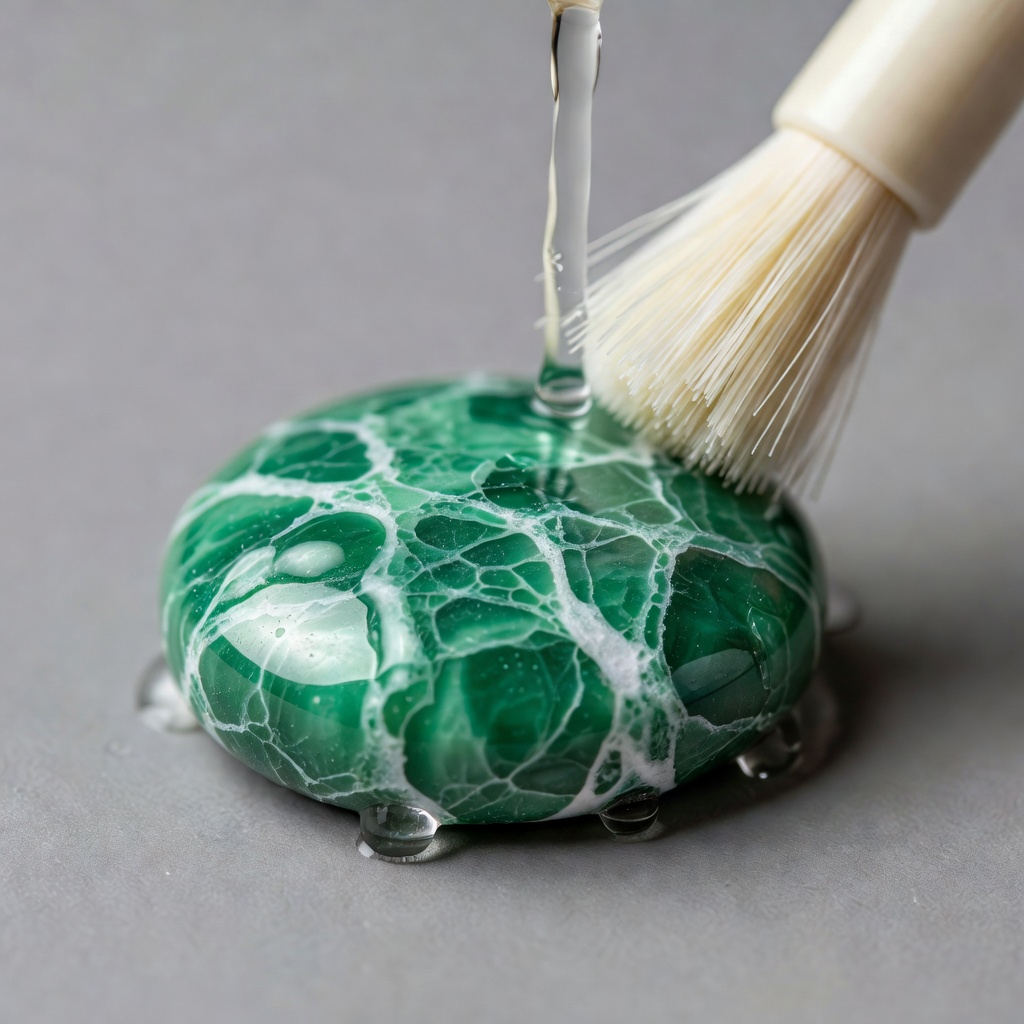
When learning how to clean variscite properly, the golden rule involves using the gentlest methods possible while avoiding any mechanical or chemical stress. Prepare a cleaning solution using lukewarm water—never hot, as temperature extremes can cause thermal shock—mixed with a few drops of mild pH-neutral soap or phosphate-free dishwashing liquid. Submerge the variscite piece briefly and use a soft-bristled baby toothbrush or clean makeup brush to gently dislodge any accumulated debris from surface crevices and setting edges.
After gently scrubbing the stone and its mounting, rinse thoroughly under cool running water to remove all soap residue that might leave a filmy deposit if allowed to dry on the surface. Pat the jewelry dry immediately using a lint-free microfiber cloth, ensuring no moisture remains trapped between the stone and its setting where it could cause metal corrosion or stone discoloration. For intricate pieces with deep matrix patterns, use a wooden toothpick wrapped in cotton to carefully clean hard-to-reach areas without scratching the variscite surface.
What to Avoid: Damaging Substances and Methods
Understanding variscite cleaning mistakes is equally important as knowing proper techniques, as a single misstep can cause irreversible damage to these delicate gemstones. Never subject variscite to ultrasonic or steam cleaners, regardless of how convenient these methods seem for other jewelry types; the intense vibrations can create internal fracturing within the stone, while the heat generated rapidly dehydrates the mineral structure. Avoid all harsh chemicals including ammonia, bleach, vinegar, alcohol, and commercial jewelry dips, as these substances can etch the surface, dissolve natural matrix materials, or cause permanent discoloration.
Protect your variscite from extreme temperature changes that induce thermal shock, such as moving from a hot sauna into cold air or leaving pieces in freezing vehicles during winter months. Be particularly cautious with household cleaning products, as even brief exposure to chlorine in swimming pools or hot tubs can cause irreparable chemical reactions within the stone's porous structure. When in doubt about any cleaning product or method, err on the side of caution and consult a professional rather than risk permanent damage to your variscite collection.
Proper Storage Solutions
Implementing appropriate variscite storage tips prevents many common forms of damage that occur when jewelry sits unused for extended periods. Store each variscite piece individually in soft fabric pouches, acid-free tissue paper, or fabric-lined jewelry box compartments to prevent contact with harder gemstones that could scratch the surface. Maintain stable environmental humidity levels between 40-50% in your storage area, as excessive dryness causes dehydration and "crazing" (fine surface cracking), while high humidity promotes metal tarnishing that can stain the stone.
Position variscite collections away from direct sunlight, heat sources, and windows where UV exposure can fade the vibrant green coloration over time, transforming rich emerald tones into dull grayish-green shades. Consider using silica gel packets or humidity-control products in your jewelry storage area, but ensure these never touch the stones directly. For valuable variscite specimens, dedicated display cases with climate control capabilities offer the best protection while allowing you to enjoy viewing your collection safely.
Dealing with Stains and Discoloration
Addressing variscite discoloration requires prompt identification of the stain source and immediate, appropriate intervention to prevent permanent setting. Common culprits include organic oils from skin contact, oxidation products from metal settings, environmental pollutants, or accidental exposure to household chemicals. When you notice staining, attempt removal using only distilled water and mild soap, as tap water minerals can leave deposits and solvents may drive stains deeper into the porous stone structure.
For stubborn discoloration, create a poultice using distilled water and white kaolin clay or diatomaceous earth, applying it to the affected area for several hours to draw out surface stains without chemical intervention. Never use commercial stain removers, acetone, or hydrogen peroxide on variscite, as these can bleach the color or compromise the stone's structural integrity. If home cleaning methods fail to restore the original coloration, consult a professional gemologist immediately, as DIY aggressive cleaning attempts often worsen the damage and make professional restoration more difficult or impossible.
Professional Maintenance and Restoration
Establishing relationships with qualified professionals ensures your variscite pieces receive expert attention when home maintenance proves insufficient. Schedule annual inspections with a certified gemologist who can identify loose settings, microscopic surface damage, or early signs of chemical deterioration before they become major problems. Professional re-polishing services can restore the waxy luster to scratched cabochons, though owners should understand that this process removes a minute amount of material and should not be performed frequently on valuable specimens.
For cracked or crazed variscite, experts may recommend stabilization treatments using colorless consolidants or opticon resin specifically formulated for porous gemstones, techniques that require specialized equipment and gemological knowledge. Seek professionals experienced with soft stones rather than general jewelers accustomed to working with diamonds and sapphires, as variscite requires different tooling and approaches. Document all professional treatments received, as this provenance information enhances the value and insurability of your variscite gemstone care records.
Long-term Preservation Strategies
Serious collectors should implement comprehensive variscite preservation strategies that extend beyond daily cleaning to ensure these gemstones survive for future generations. Display variscite in climate-controlled environments maintaining consistent temperature and humidity levels, positioning pieces away from windows, heating vents, air conditioning units, and exterior walls subject to temperature fluctuations. Create detailed documentation for your collection including high-resolution photographs, purchase receipts, laboratory reports, and condition assessments updated annually to track any changes in color, clarity, or structural integrity.
Consider adopting a philosophy of occasional rather than daily wear for significant variscite pieces, treating them as collectible art rather than everyday accessories to minimize cumulative wear and tear. When transporting variscite jewelry, use rigid, padded containers that prevent movement and contact with other items, avoiding soft pouches that provide insufficient protection against crushing forces. For heirloom pieces, consult conservation specialists about museum-quality storage solutions that balance accessibility with optimal preservation conditions.
Recognizing When Variscite Needs Immediate Care
Developing keen observation skills for variscite condition assessment allows owners to intervene promptly when problems arise, often preventing minor issues from becoming catastrophic failures. Conduct monthly inspections under good lighting, examining the stone for dulling luster that indicates surface film buildup, new scratches that compromise the polish, or hairline cracks that suggest impact damage or dehydration stress. Check settings carefully for loose stones, bent prongs, or worn bezels that might allow the variscite to fall out or rotate, causing uneven wear patterns.
Watch specifically for white powdery deposits or efflorescence on the surface, which indicates chemical reaction or severe dehydration requiring immediate professional intervention to prevent permanent structural damage. Pay attention to changes in how the stone feels—roughness where it was once smooth, or wobbling in previously secure settings—as these tactile clues often precede visible damage. When any of these warning signs appear, discontinue wearing the piece immediately and consult a qualified gemologist who specializes in soft stone restoration.
Frequently Asked Questions
Can variscite be cleaned with regular tap water?
Yes, variscite can be cleaned with lukewarm tap water, but distilled water is preferable to avoid mineral deposits. Always use mild soap and dry immediately to prevent water spots or absorption into the porous stone.
Is variscite safe for everyday jewelry wear?
Due to its softness (3.5-4.5 on the Mohs scale), variscite is better suited for occasional wear or protected settings like pendants and earrings rather than rings or bracelets that receive daily impact.
What is the best way to store variscite stones?
Store variscite in individual soft cloth pouches or fabric-lined compartments away from harder gemstones. Maintain moderate humidity and keep in a cool, dark place to prevent color fading and dehydration.
Can I use an ultrasonic cleaner on variscite?
No, never use ultrasonic cleaners on variscite. The vibrations can cause internal fractures, loosen settings, and the heat generated can dehydrate the stone, leading to permanent damage or cracking.
Why is my variscite changing color or turning white?
Color changes or white patches usually indicate dehydration, exposure to harsh chemicals, or light damage. Variscite can lose moisture over time, causing efflorescence (white powdery deposits) that requires professional attention.
How often should I clean my variscite jewelry?
Clean variscite jewelry after every few wears or when visibly dirty. For pieces worn occasionally, cleaning every 2-3 months is sufficient. Always clean immediately after exposure to sweat, cosmetics, or household chemicals.
Is variscite sensitive to sunlight exposure?
Yes, prolonged exposure to direct sunlight or UV light can fade variscite's vibrant green color over time. Store pieces in dark jewelry boxes and avoid wearing them during extended sun exposure.
What should I do if my variscite gets scratched?
Minor scratches can often be polished out by a professional lapidary or jeweler. Do not attempt to buff variscite yourself with commercial polishing compounds, as you may cause more damage to the soft stone surface.