
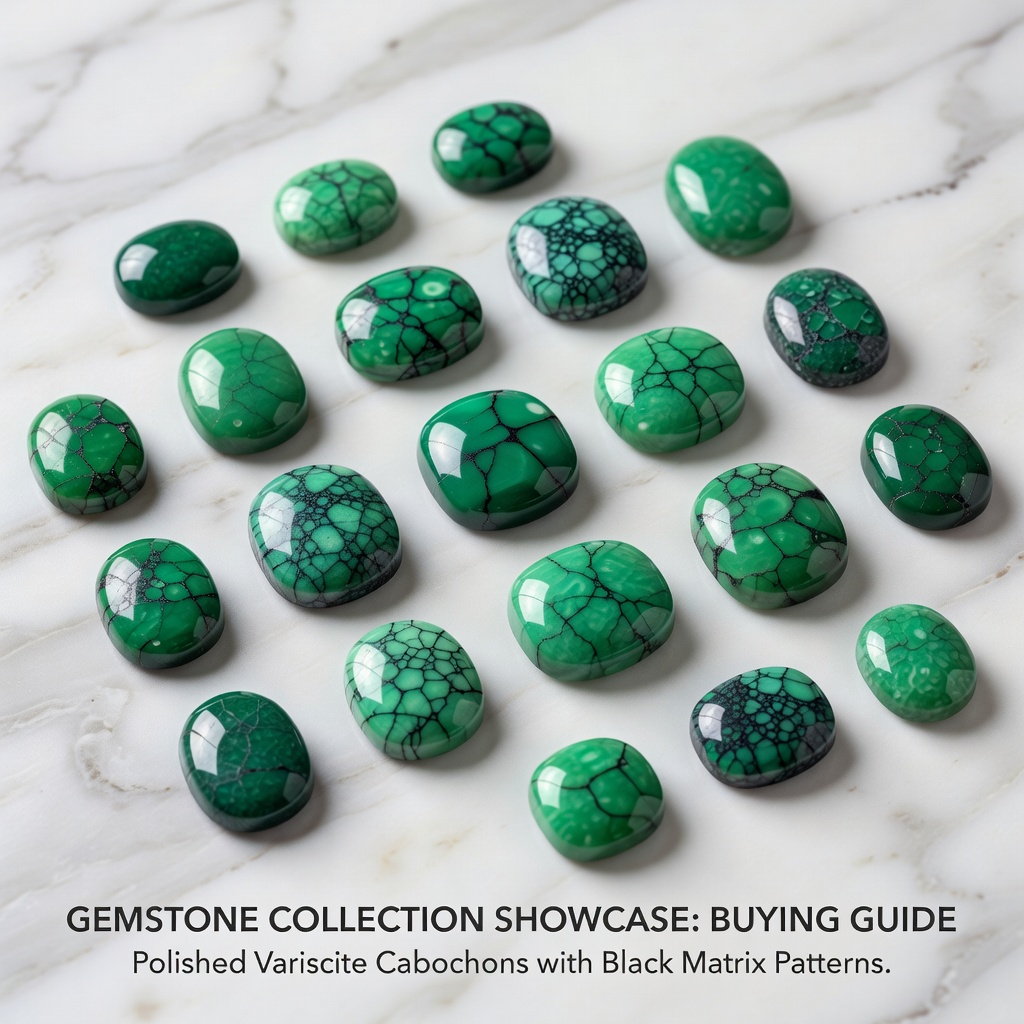
What Is Variscite? Understanding This Rare Green Gemstone
Variscite is a captivating hydrated aluminum phosphate mineral that has captured the attention of gemstone enthusiasts and collectors worldwide with its distinctive green variscite gemstone appearance. First discovered in the Vogtland region of Germany by geologists in the early 19th century, this rare mineral derives its name from the ancient Germanic tribe Varisci who once inhabited the area where it was initially found. Unlike many mainstream gemstones that dominate the jewelry market, variscite remains relatively obscure to the general public, making it a prized discovery for those seeking unique alternatives to more common green stones like emerald or peridot.
The geological formation of variscite occurs specifically in phosphate-rich environments, typically developing within nodules, crusts, or veins in sedimentary rocks and clay deposits. This mineral forms through the interaction of phosphate-bearing waters with aluminum-rich rocks, creating the distinctive compact masses that lapidaries transform into beautiful cabochons and decorative objects. Historical records indicate that indigenous peoples of the American Southwest utilized variscite for ornamental and ceremonial purposes long before European settlers arrived, valuing the stone for its earthy green tones and spiritual significance.
From a mineralogical perspective, variscite shares chemical similarities with turquoise but maintains its distinct identity through unique formation conditions and color characteristics. The stone typically exhibits a waxy to vitreous luster when polished, and its compact, fine-grained structure makes it ideal for carving intricate designs and creating smooth, domed cabochons that showcase its natural beauty. Collectors particularly prize specimens that display the mineral's characteristic deep green coloration combined with intricate matrix patterns that tell the story of its geological journey.
Variscite Colors, Patterns, and Visual Characteristics
The color spectrum of variscite spans from delicate apple green and minty pastel shades to rich deep emerald and blue-green hues that rival the finest jade in intensity. High-quality specimens from Utah variscite deposits often display a translucent, jelly-like quality with colors so saturated they appear almost electric under proper lighting conditions. Unlike turquoise, which typically leans toward blue tones, variscite maintains a distinctly green palette that can range from yellowish-green to bluish-green depending on the specific trace elements present during formation, such as chromium or vanadium.
Spiderweb matrix patterns represent one of the most visually striking characteristics of premium variscite, created by inclusions of iron oxides, manganese, or host rock material that form intricate networks across the green background. These patterns vary dramatically between sources, with Utah material often displaying bold black or dark brown spiderwebbing that creates dramatic contrast, while Australian variscite might show finer, more delicate dendritic patterns. Solid color varieties without matrix patterns exist but are considerably rarer and command premium prices among collectors who appreciate the uniform, jade-like appearance of these exceptional specimens.
When evaluating variscite for purchase, transparency levels range from opaque to slightly translucent in the finest material, with the best specimens exhibiting a depth that seems to glow from within when backlit. Surface texture assessment reveals whether a stone has been properly polished, as high-quality variscite takes an excellent polish that enhances its natural waxy luster. Buyers should examine stones under various lighting conditions, as some variscite varieties exhibit subtle color shifts between natural daylight and artificial lighting, a phenomenon that adds to the stone's mystique and desirability among serious collectors.
Quality Factors: How to Grade Variscite Like a Pro
Gemstone quality grading for variscite begins with an assessment of color intensity and consistency, with the most valuable specimens displaying deep, saturated green tones without brownish or grayish secondary hues. Professional graders look for uniform color distribution throughout the stone, though attractive matrix patterns are considered desirable features rather than flaws when they enhance the overall aesthetic appeal. The preferred saturation level varies by personal taste, but collector-grade material typically exhibits rich apple-green to emerald-green colors that remain vivid under all lighting conditions.
Clarity standards in variscite differ from transparent gemstones like diamonds or sapphires, as this opaque to semi-translucent stone is evaluated primarily for surface integrity and the nature of its internal patterns. While minor inclusions and fracture lines are common and acceptable in natural material, excessive cracking, pitting, or chalky white areas significantly diminish value. Expert buyers use magnification to identify stability issues, looking for stones with tight, solid structures that will withstand the cutting and setting process without crumbling or developing new fractures.
Cabochon cut quality plays a crucial role in maximizing the beauty of variscite, with the best cutters creating symmetrical domes that distribute color evenly and showcase any matrix patterns to their fullest advantage. The polish quality should be mirror-like and free of scratches, pits, or dull areas that indicate poor cutting technique or inherently soft material. When examining variscite quality factors, consider the thickness of the cabochon; overly thin stones may be prone to breakage, while properly proportioned cuts provide durability while maintaining optimal color display and visual balance.
Variscite vs Turquoise: Spotting the Key Differences
The comparison between variscite vs turquoise represents one of the most common challenges for novice gemstone buyers, as these phosphate minerals share similar formation environments and matrix patterns that can create visual confusion. Color serves as the primary distinguishing factor, with variscite displaying distinctly green tones ranging from apple to emerald, while turquoise exhibits characteristic blue to blue-green colors caused by higher copper content. Matrix patterns in variscite tend to be darker and more irregular, often appearing as black or deep brown spiderwebs, whereas turquoise matrix typically presents as metallic pyrite flecks or lighter tan to brown host rock inclusions.
Mohs hardness comparison reveals significant durability differences between these two gemstones, with variscite ranking 4 to 5 on the hardness scale compared to turquoise's slightly harder 5 to 6 rating. This distinction means variscite requires more protective settings and careful handling to prevent scratching or abrasion during daily wear. When performing a green gemstone comparison, remember that variscite is also more sensitive to acids, heat, and chemicals than turquoise, making it less suitable for rings that will encounter frequent exposure to cleaning products or environmental hazards.
Market value differences reflect both availability and collector preferences, with high-quality natural turquoise generally commanding higher prices due to greater name recognition and demand in mainstream jewelry markets. However, rare variscite specimens with exceptional color and matrix patterns from depleted mines like those in Utah can actually exceed turquoise prices on the collector market. Understanding these nuances helps buyers make informed decisions based on aesthetic preferences and intended use rather than assuming turquoise is always the more valuable or desirable option.
Major Sources and Mining Locations Worldwide
The American Southwest dominates the variscite sources market, with Utah variscite from the Lucin and Fairfield areas representing the gold standard for collectors seeking premium material with distinctive black matrix patterns. These Utah deposits, discovered in the early 20th century, produce material ranging from pale mint green to deep forest green, often accompanied by the signature black spiderwebbing that creates dramatic contrast and visual interest. Nevada also contributes significant deposits, particularly around the vicinity of the historic Goldfield mining district, where variscite occurs in association with other phosphate minerals in unique geological formations.
International sources provide fascinating alternatives to American material, with Queensland, Australia producing variscite known for its exceptional hardness and vibrant green colors that often exceed the saturation levels found in domestic specimens. German variscite from the original Vogtland discovery area continues to surface in old collections, characterized by its tendency toward greener, less blue tones and finer texture than many American varieties. Other notable deposits exist in Spain, Poland, and Brazil, each imparting distinct characteristics based on local geological conditions and mineral associations.
Geographic origin significantly influences both matrix characteristics and market value, with Utah variscite commanding premium prices due to its historical significance and the depletion of accessible surface deposits. Australian material often appeals to jewelry designers because of its relative durability and consistent color, while European specimens attract collectors interested in mineralogical history. When evaluating variscite from different localities, consider that matrix color and pattern density vary by region, with some sources producing predominantly solid green material while others consistently yield intricate spiderweb patterns that define the stone's character.
Variscite Pricing Guide: What to Expect Per Carat
Understanding variscite price per carat requires familiarity with the broad spectrum of quality grades available in today's market, ranging from commercial material suitable for casual jewelry to museum-grade collector specimens. Entry-level variscite typically costs between $2 and $10 per carat, representing material with lighter colors, minimal matrix patterns, or minor structural imperfections that do not affect durability but limit visual impact. Mid-grade stones featuring attractive spiderweb patterns and consistent medium-green colors generally fall within the $20 to $50 per carat range, offering excellent value for jewelry makers and serious hobbyists.
Premium variscite value escalates significantly for exceptional specimens displaying deep emerald-green coloration, exceptional translucency, and intricate matrix patterns that create artistic compositions within the stone. Top-tier material from renowned localities like the Lucin, Utah deposits can command $100 to $300 per carat or higher, particularly for large, clean cabochons exceeding 20 carats with documented provenance. Rarity factors including mine depletion, unique color combinations, and historical significance drive investment potential, with specimens from exhausted deposits appreciating steadily as new material becomes increasingly scarce.
When budgeting for variscite acquisitions, consider that size significantly impacts per-carat pricing, with larger stones commanding exponential premiums due to the difficulty of finding solid, uncut material without internal fractures. Treatment status also affects valuation, with natural, untreated stones worth substantially more than stabilized or enhanced material, though stabilization is accepted industry practice for softer varieties. Smart collectors focus on acquiring specimens with exceptional color and pattern rather than simply large size, as smaller stones with vivid green hues and striking matrix patterns often outperform larger, plainer stones in both aesthetic appeal and resale value.
Identifying Treatments, Synthetics, and Fakes
The gemstone market unfortunately contains various fake variscite products and treated material that requires careful examination to distinguish from natural specimens. Common stabilization techniques involve impregnating porous or fractured variscite with clear epoxy resins or plastics to improve durability and polishability, a practice that is disclosure-required but not inherently fraudulent when properly identified. However, some unscrupulous dealers dye inferior white or pale green material to simulate the coveted deep emerald tones of high-quality natural stones, creating products that may fade or show color concentration in fractures over time.
Visual clues for identifying reconstituted variscite include unnaturally uniform color distribution without the subtle variations typical of natural material, and swirling patterns under magnification that indicate crushed stone mixed with binding agents. Plastic impregnation often creates a slightly greasy or overly glossy appearance that differs from the waxy luster of natural variscite, and treated stones may feel unusually warm or light compared to their mineral counterparts. When examining potential purchases, look for surface-reaching fractures that appear too perfectly filled or color that seems to pool in cracks, both indicators of dye treatment or stabilization.
Simple at-home tests include the hot point test, where a heated needle touched to an inconspicuous area will produce a plastic smell if polymer impregnation is present, though this test risks damaging the stone and should be performed cautiously. Professional laboratory verification remains the gold standard for authentication, with reputable gemological laboratories able to identify treatments through advanced spectroscopy and magnification techniques. Always request written disclosure of any treatments from sellers, and be particularly wary of prices that seem too good to be true for material claimed to be untreated, natural variscite from prestigious localities.
Choosing Variscite Jewelry: Settings and Styles
Selecting appropriate variscite jewelry requires careful consideration of the stone's physical limitations alongside aesthetic preferences for metal pairings and design styles. Sterling silver remains the most popular choice for variscite rings and pendants, as the cool white metal complements the green tones while providing affordable settings that suit the stone's relatively modest price point compared to precious gems. Yellow gold creates a warm, vintage-inspired look that enhances the earthy, organic qualities of variscite, particularly effective for Southwestern-style designs that celebrate the stone's American heritage and natural matrix patterns.
Protective bezel settings represent the optimal choice for variscite rings intended for occasional wear, surrounding the gemstone's edges with a metal rim that prevents chipping and scratching during contact with hard surfaces. Exposed prong settings, while aesthetically pleasing and allowing maximum light penetration, leave the stone's edges vulnerable to damage and should be reserved for pendants and earrings that experience less physical impact. When commissioning custom variscite jewelry, specify that cutters should maintain adequate dome height and thickness to ensure structural integrity, as overly thin stones set in rings risk cracking under pressure.
Popular design styles range from traditional Southwestern motifs featuring silverwork and complementary turquoise accents to contemporary minimalist settings that showcase the stone's natural beauty without elaborate metalwork. Bohemian-inspired designs often incorporate variscite into mixed-metal pieces with textured finishes that emphasize the organic, earthy quality of the gemstone. For maximum versatility, consider pendant designs or statement earrings that showcase exceptional variscite specimens while avoiding the durability concerns associated with ring wear, allowing you to enjoy the stone's unique beauty without compromising its longevity.
Where to Buy Authentic Variscite: Dealer Guide
Navigating the marketplace to buy variscite requires identifying reputable sources that prioritize transparency and authenticity in their gemstone offerings. Specialized mineral dealers and lapidary artists who source material directly from mining operations or old collections provide the best assurance of obtaining genuine, properly identified stones with accurate locality information. Established online marketplaces like GemologyOnline, The Mineralogical Record's dealer directory, and specialized Facebook groups for phosphate minerals connect buyers with knowledgeable sellers who understand the nuances of variscite quality and provenance.
Essential questions to ask sellers include specific inquiries about treatment status, particularly whether the stone has been stabilized, dyed, or subjected to any enhancement processes that affect value and care requirements. Request detailed photographs under various lighting conditions, including backlit images that reveal translucency and close-ups of matrix patterns that indicate natural formation rather than reconstitution. Reputable variscite dealers will provide written documentation of any treatments and should willingly offer return periods that allow for independent verification by a gemologist if desired.
Understanding return policies and authentication guarantees protects buyers from misrepresented material, particularly when purchasing high-value specimens claiming to be from specific localities like the depleted Utah mines. Look for sellers who offer certification from recognized gemological laboratories for expensive purchases, or who guarantee authenticity with full refund policies if independent testing reveals misrepresentation. Building relationships with established dealers who specialize in phosphate minerals often yields access to superior material before it reaches the general market, along with educational insights that enhance your appreciation and ability to evaluate future acquisitions.
Caring for Your Variscite Collection
Proper variscite care begins with understanding the stone's sensitivity to environmental factors that can compromise its appearance and structural integrity over time. Clean your variscite jewelry using only mild soap and lukewarm water with a soft brush, gently removing accumulated oils and dirt without subjecting the stone to harsh chemicals, ultrasonic cleaners, or steam cleaning systems that can cause fracturing or dehydration. After cleaning, pat stones dry with a soft lint-free cloth rather than allowing them to air dry, preventing water spots that might dull the polished surface.
Storage recommendations emphasize protecting variscite from physical damage and environmental extremes that could affect its hydrated mineral structure. Store pieces individually in soft cloth pouches or lined jewelry boxes to prevent scratching from harder gemstones like diamonds or sapphires, and maintain moderate humidity levels to prevent the stone from dehydrating and potentially developing surface cracks. Avoid storing variscite in direct sunlight or near heat sources such as radiators or windowsills, as prolonged heat exposure can cause color fading and structural damage to this phosphate mineral.
Activity precautions should guide when and how you wear variscite jewelry, keeping in mind its 4-5 Mohs hardness rating and sensitivity to acids including perspiration, cosmetics, and household cleaning products. Remove variscite rings before engaging in physical activities, gardening, or household chores that might expose the stone to impact or chemicals, and apply perfumes or hairsprays before putting on variscite jewelry to prevent chemical residue buildup. With proper gemstone maintenance and mindful wearing habits, variscite jewelry can provide decades of enjoyment, though collectors should view these pieces as occasional wear treasures rather than daily companions like harder gemstones such as diamonds or sapphires.
Frequently Asked Questions
What is variscite and how does it differ from turquoise?
Variscite is a rare hydrated aluminum phosphate mineral known for its distinctive green colors ranging from apple green to deep emerald. While often confused with turquoise due to similar matrix patterns, variscite is typically greener (turquoise leans blue), softer (4-5 vs 5-6 on Mohs scale), and usually contains less copper in its composition.
How much should I expect to pay for quality variscite per carat?
Quality variscite typically ranges from $2 to $50 per carat for commercial grade material, while rare, high-quality specimens with deep green color and attractive matrix patterns can command $100 to $300 per carat or more. Exceptional Utah variscite with unique patterns may fetch premium collector prices.
Is variscite durable enough for everyday jewelry like rings?
Variscite is relatively soft (4-5 Mohs) and sensitive to acids, heat, and chemicals, making it less suitable for daily wear rings compared to harder gemstones. It's best reserved for occasional wear pieces, pendants, or earrings, and should always be set in protective bezel settings if used in rings.
How can I tell if my variscite is natural or treated?
Natural variscite typically shows subtle color variations and natural matrix patterns, while treated stones may display unnaturally uniform color saturation. Reconstituted variscite often shows swirling patterns under magnification. Always request certification from reputable dealers and be wary of prices that seem too good to be true.
Where does the highest quality variscite come from?
The finest variscite traditionally comes from Utah (specifically the Lucin and Fairfield areas) and Nevada, known for deep green colors and distinctive black or brown matrix patterns. Australian variscite from Queensland is also highly prized for its vibrant color and relative hardness compared to other sources.
What causes the black matrix patterns in variscite?
The black matrix patterns in variscite are caused by inclusions of other minerals, typically iron oxides, manganese oxides, or host rock material that formed alongside the variscite during the mineralization process. These spiderweb or dendritic patterns are highly desirable and can significantly increase the stone's value.
Can variscite change color over time?
Variscite is generally color-stable, but it can dehydrate if exposed to excessive heat or dry conditions for prolonged periods, potentially causing slight color fading or surface cracking. To maintain its vibrant green color, store variscite away from direct sunlight and heat sources, and avoid harsh chemical exposure.
Is variscite a good investment for collectors?
High-quality variscite, particularly from depleted mines like those in Utah, can be a solid investment for collectors due to increasing rarity. Specimens with exceptional color, unique matrix patterns, and verified untreated status tend to appreciate in value over time, though the market remains niche compared to mainstream gemstones.


