Understanding Unakite: Composition and Properties
Unakite is a fascinating metamorphic rock that has captured the attention of crystal enthusiasts and jewelry makers alike due to its distinctive mottled appearance. Composed primarily of pink orthoclase feldspar, green epidote, and clear quartz, this stone exhibits a unique color palette that ranges from salmon-pink to mossy green, creating a visually striking contrast that makes each piece one-of-a-kind. The interlocking crystal structure of these three minerals forms during the metamorphism of granite, resulting in a durable yet complex material that requires specific attention to maintain its beauty. When discussing unakite hardness and durability, gemologists typically assign this stone a rating of 6 to 7 on the Mohs hardness scale, which indicates moderate durability suitable for various applications while still requiring protection from harder materials.
The composite nature of unakite means that while it is relatively hard, it can contain microscopic fractures and variations in density between the different mineral components. These natural characteristics make understanding unakite properties essential for anyone looking to preserve their specimens, as the varying hardness between the pink feldspar and green epidote can create subtle weak points within the stone. Jewelry designers often select unakite for cabochons, beads, and carved items, but these applications require owners to recognize that despite its respectable hardness rating, unakite remains susceptible to scratching from materials like quartz, topaz, or everyday household dust containing silica particles.
Why Proper Unakite Care and Cleaning Matters
Maintaining the visual integrity of unakite requires consistent attention because the stone's vibrant color contrast between the green epidote and pink orthoclase can diminish when dirt, oils, and environmental pollutants accumulate on its surface. Regular unakite care and cleaning ensures that the distinctive mottled pattern remains sharp and visually appealing, preventing the dull, lifeless appearance that often affects neglected gemstone specimens. Beyond aesthetics, proper maintenance plays a crucial role in preserving the structural integrity of the stone, as accumulated grime can work its way into microscopic surface pits and gradually cause deterioration through chemical reactions or physical abrasion.
For those who value unakite for its metaphysical properties, understanding unakite maintenance importance extends to energetic considerations as well. Crystal healers believe that regular cleansing maintains the stone's effectiveness for emotional healing and spiritual growth, as accumulated negative energies can supposedly dampen its vibrational frequency. Whether you approach unakite from a geological perspective or a spiritual one, implementing a structured care routine prevents surface pitting, maintains polish quality, and ensures that your investment remains beautiful and functional for decades rather than showing premature aging within months of acquisition.
Daily Maintenance Routines
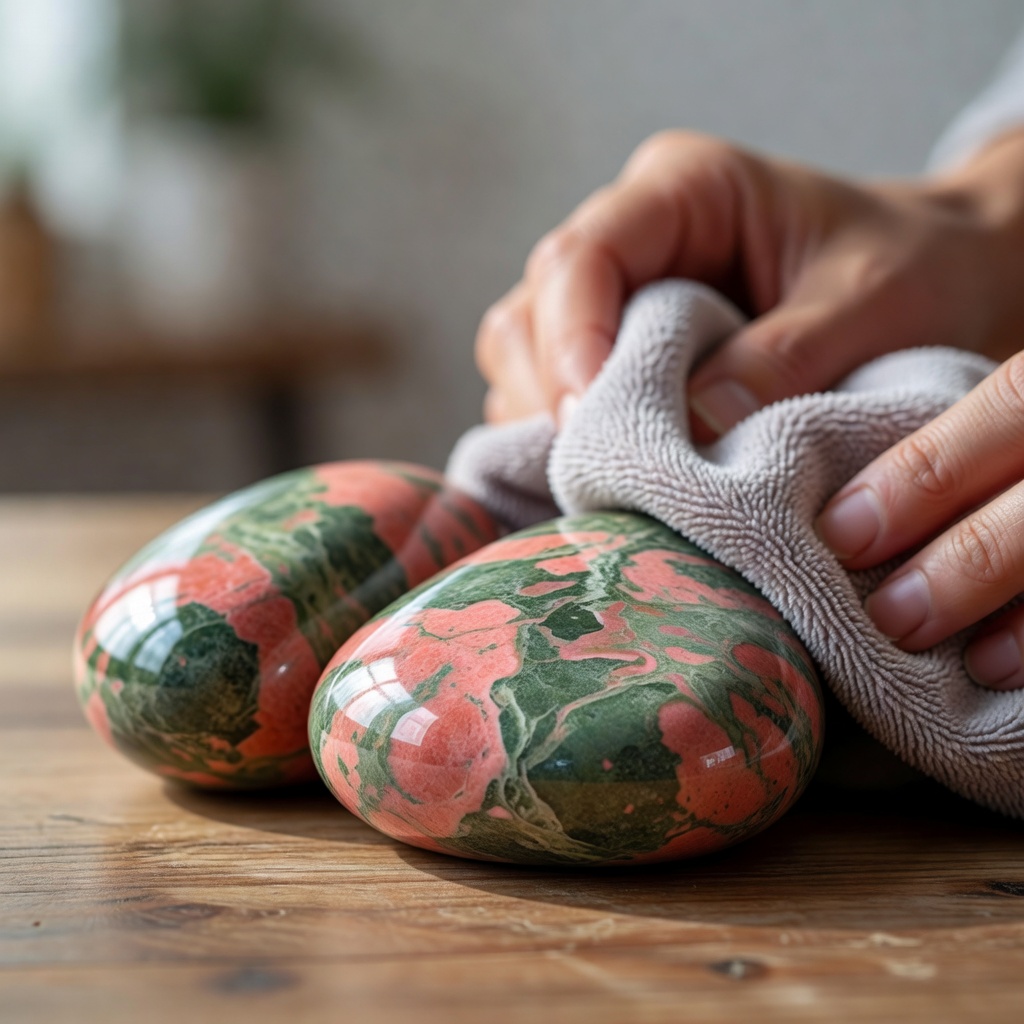
Implementing a consistent daily unakite care routine requires minimal time but yields significant long-term benefits for preserving your stone's appearance and structural integrity. After each use, whether wearing unakite jewelry or handling a crystal specimen, gently wipe the surface with a soft, lint-free microfiber cloth to remove skin oils, fingerprints, and environmental dust that can etch into the surface over time. This simple practice prevents the buildup of acidic residues from perspiration and cosmetic products, which can gradually dull the stone's luster and potentially react with the feldspar content to cause microscopic surface damage.
Handling unakite with clean, dry hands represents another fundamental aspect of unakite stone maintenance that many owners overlook. Lotions, perfumes, and natural skin oils create a film on the stone's surface that not only obscures its natural beauty but can also attract additional dirt and debris, creating a compounding effect that requires more intensive cleaning later. For unakite jewelry pieces, incorporate a weekly inspection routine where you examine prongs, settings, and clasps under bright light to ensure the stones remain secure, as loose settings expose edges to chipping risks and may allow moisture to penetrate behind the stone where it can cause setting deterioration.
Safe Cleaning Methods for Unakite
When your unakite requires more than just a quick wipe, implementing proper unakite cleaning methods ensures effective dirt removal without compromising the stone's structural integrity. Prepare a cleaning solution using lukewarm water—never hot—and a few drops of mild, phosphate-free dish soap in a clean bowl, creating a gentle bath that will loosen oils and grime without causing thermal shock to the mineral composition. Submerge the unakite briefly and use a soft-bristled toothbrush, preferably one designated specifically for jewelry cleaning, to gently scrub surface areas and reach into crevices, carved details, or bead holes where dirt accumulates most densely.
Understanding how to clean unakite properly includes knowing when to stop scrubbing and how to dry the stone correctly to prevent water spots and mineral deposits. After washing, rinse the stone thoroughly under lukewarm running water to remove all soap residue, as leftover detergent can create a filmy buildup that attracts future dirt and potentially reacts with the stone's surface chemistry. Pat the unakite dry immediately using a clean microfiber cloth or chamois, then allow it to air dry completely on a soft towel for several hours before returning it to storage, ensuring no trapped moisture remains in drilled holes or setting crevices that could promote metal tarnishing or stone discoloration.
Water Safety: Can Unakite Get Wet?
Questions about unakite water safety frequently arise among new collectors who worry about damaging their specimens through improper hydration practices. The good news is that unakite can safely interact with water for brief cleaning periods, as its compact metamorphic structure resists immediate water absorption; however, understanding the limitations of this interaction prevents accidental damage from overexposure. Brief rinsing under lukewarm tap water poses minimal risk to well-maintained unakite, though you should avoid prolonged soaking or submersion in standing water, as extended exposure can allow water to penetrate microscopic fractures and eventually cause internal stress or mineral displacement.
When considering can unakite go in water for cleansing purposes, it is crucial to avoid salt water entirely, as sodium chloride can enter tiny surface fissures and crystallize within the stone's structure, creating internal pressure that leads to cracking or surface spalling over time. Additionally, never subject unakite to extreme temperature changes, such as moving it from hot water to cold air or vice versa, as the different thermal expansion rates of orthoclase feldspar, epidote, and quartz can create internal stresses that result in fracturing. Always use room temperature or slightly warm water, and avoid boiling water or steam cleaning methods that could exploit natural weaknesses in the stone's composite structure.
Cleaning Unakite Jewelry and Carvings
Unakite jewelry cleaning requires additional considerations beyond basic stone care, as the metal settings, adhesives, and construction methods introduce variables that affect cleaning safety. Before applying any liquid to unakite jewelry, examine the piece carefully under magnification to verify that stones remain securely set in their mountings, checking for loose prongs, gaps between the stone and setting, or signs of glue degradation in beaded pieces. Pay special attention to rings and bracelets that receive daily wear, as these items experience more mechanical stress and may develop setting looseness that allows water penetration behind the stone, potentially causing setting tarnish or stone cloudiness that proves difficult to reverse.
Carved unakite items such as spheres, animal figurines, or worry stones present unique cleaning challenges because their detailed surfaces trap dirt in intricate patterns and recessed areas that standard wiping cannot reach. For these items, use a wooden pick or soft rubber-tipped tool to dislodge debris from deep carvings before washing, taking care not to scratch the stone surface with metal implements. Antique unakite pieces or inherited jewelry with complex filigree settings should be taken to a professional jeweler for cleaning, as these items may have weakened settings, original patinas that should be preserved, or structural vulnerabilities that require expert assessment before any home cleaning attempts.
Energetic Cleansing vs. Physical Cleaning
Distinguishing between physical dirt removal and spiritual energy clearing is essential for holistic unakite crystal cleansing practices that address both the material and metaphysical aspects of your stones. While soap and water effectively remove physical contaminants, many practitioners believe that unakite energetic cleansing requires different methods to clear accumulated emotional energies and restore the stone's vibrational properties. Smudging with sacred herbs such as white sage, palo santo, or cedar offers a water-free alternative that cleanses the stone's energy field while simultaneously providing minor surface dusting, making it ideal for specimens that do not require intensive physical cleaning but need spiritual refreshment.
Moonlight charging during the full moon represents another popular method for energetic renewal that poses zero risk to the stone's physical structure, allowing you to place unakite specimens on a windowsill or outdoor altar overnight to absorb lunar energies. Sound cleansing using crystal singing bowls, Tibetan bells, or tuning forks creates vibrational frequencies that supposedly break up stagnant energy patterns within the stone while physically dislodging dust particles through sonic vibration. For those seeking a passive cleansing method, placing unakite on a selenite charging plate or buried in dry brown rice for twenty-four hours can absorb negative energies without introducing moisture, making these techniques particularly valuable for raw specimens or pieces with untreated fractures where water exposure might be risky.
Proper Storage Solutions
Implementing appropriate storing unakite crystals protocols prevents the majority of damage that occurs when specimens remain unprotected between uses or during transport. Individual soft cloth pouches made from velvet, silk, or microfiber provide ideal protection against scratches while allowing the stone to breathe, avoiding the condensation issues that can occur in sealed plastic bags. For larger collections, invest in a compartmentalized jewelry box with fabric-lined dividers that keep each piece separate, ensuring that harder stones like quartz, diamond, or corundum cannot contact and abrade your unakite specimens.
When considering long-term unakite storage, environmental factors play a significant role in preserving the stone's distinctive coloration. Direct sunlight exposure can fade the pink orthoclase feldspar component over time, gradually shifting the salmon-pink tones to pale grayish-white and diminishing the stone's characteristic contrast. Store unakite in a cool, dark place such as a drawer, cabinet, or closed jewelry box away from windows, and avoid displaying pieces in direct sunlit areas for extended periods. Additionally, maintain stable humidity levels in your storage area, as extreme dryness can cause microscopic cracking while excessive moisture may promote metal tarnishing in jewelry settings or encourage mold growth on display fabrics.
Common Cleaning Mistakes to Avoid
Awareness of unakite cleaning mistakes saves collectors from inadvertently damaging their specimens through well-intentioned but inappropriate cleaning methods. Never place unakite in ultrasonic cleaners, as the high-frequency vibrations can exploit natural fractures within the stone's composite structure, potentially causing internal cracks that may not be immediately visible but compromise the stone's integrity and value. Similarly, avoid steam cleaning machines or boiling water treatments, as the thermal shock from rapid temperature changes combined with pressure differentials can cause the different mineral components to expand at varying rates, leading to structural failure.
Chemical exposure represents another major risk category, as harsh household cleaners, bleach, ammonia, and abrasive scrubbing compounds can etch the surface of unakite or react chemically with the epidote or feldspar content. Avoid using toothpaste, baking soda pastes, or commercial jewelry dips designed for gold or silver, as these substances often contain abrasives or acids that damage the stone's polish and create microscopic scratches that dull the surface. When in doubt about a cleaning product's safety, test it on an inconspicuous area of the stone or consult with a professional gemologist before applying it to your entire collection.
When to Seek Professional Care
Recognizing the limitations of home maintenance helps you identify when professional unakite care becomes necessary to restore damaged pieces or address issues beyond basic cleaning capabilities. Deep scratches, significant chips, or surface pitting that detracts from the stone's appearance require professional lapidary services, as attempting to polish these defects yourself with consumer-grade equipment often results in uneven surfaces or additional damage to the stone's geometry. Professional gem cutters possess the specialized polishing compounds and wheel grits necessary to restore unakite's luster while maintaining the proper proportions and symmetry of cut stones.
Jewelry-specific issues such as loose stones in settings, bent prongs, or stubborn stains that resist gentle home cleaning methods warrant immediate professional attention to prevent stone loss or further damage. If you notice your unakite jewelry rattling within its setting, visible gaps between the stone and metal, or discoloration that persists after proper cleaning, take the piece to a qualified jeweler who can tighten settings, re-tip worn prongs, or assess whether the stone requires professional repolishing. Antique unakite pieces or those with significant sentimental value should always be evaluated by professionals before any cleaning attempts, as improper handling can destroy valuable patinas or weaken aged settings that require specialized restoration techniques.
Frequently Asked Questions About Unakite Care and Cleaning
Can I put unakite in water to clean it?
Yes, unakite can safely touch water for brief cleaning with lukewarm water and mild soap, but avoid prolonged soaking or submersion. Never use salt water, as the sodium can enter microscopic fractures and damage the stone's structure over time.
How often should I perform Unakite Care and Cleaning?
For physical cleaning, wash your unakite monthly or whenever it appears dirty. For energetic cleansing, smudge or charge weekly if you use the stone frequently for healing work, or monthly for display pieces.
Is unakite safe to wear in the shower or swimming pool?
No, remove unakite jewelry before showering or swimming. Chlorine, salt water, and soaps can damage the stone's surface and potentially weaken any adhesive used in jewelry settings. Hot water can also cause thermal shock.
What is the best way to store unakite crystals?
Store unakite in a soft cloth pouch or lined jewelry box, separated from harder stones like quartz or diamonds that could scratch its surface. Keep it away from direct sunlight to prevent fading of the pink coloring.
Can I use an ultrasonic cleaner for my unakite jewelry?
No, avoid ultrasonic cleaners for unakite. The vibrations can exploit natural fractures within the stone's composite structure, potentially causing cracks or breakage. Stick to gentle hand cleaning methods instead.
Does unakite fade over time?
With proper care, unakite is color-stable, but prolonged exposure to direct sunlight can fade the pink orthoclase feldspar. Store in a dark place and limit sun exposure to maintain vibrant colors.
How do I clean unakite without using water?
Use a dry microfiber cloth to remove dust and oils. For energetic cleansing without water, try smudging with sage, placing on a selenite charging plate, or using sound vibrations from a singing bowl.
What should I do if my unakite gets scratched?
Minor surface scratches can sometimes be minimized with a gentle polishing cloth, but deep scratches require professional lapidary work. Take severely scratched pieces to a professional gem cutter or jeweler for assessment.