Why Turquoise Care Matters: Understanding Your Gemstone
Understanding the unique physical properties of turquoise is essential before implementing any maintenance routine. Unlike diamonds or sapphires, turquoise ranks only 5 to 6 on the Mohs hardness scale, making it significantly softer and more susceptible to scratches and surface damage than many other gemstones used in jewelry. Additionally, turquoise is a hydrous phosphate of copper and aluminum, meaning it contains water molecules within its crystalline structure that contribute to its signature blue and green coloration. This inherent porosity allows the stone to absorb liquids, oils, and chemicals readily, which can lead to permanent discoloration, structural weakening, or a complete alteration of the gem's appearance over time.
The monetary and sentimental value of turquoise jewelry often appreciates with age, particularly for pieces featuring high-grade natural turquoise from historic mines like Sleeping Beauty or Bisbee. Proper turquoise care and cleaning practices ensure that these investments retain their vibrant matrix patterns and robin's egg blue hues for generations. Without appropriate maintenance, even museum-quality specimens can develop a waxy or dull appearance, lose their structural integrity, or suffer from matrix erosion that destroys the stone's character. Whether you own a vintage squash blossom necklace or a modern turquoise ring, understanding these vulnerabilities forms the foundation of effective turquoise jewelry care.
Daily Wear Precautions to Protect Turquoise
Establishing consistent daily habits represents the first line of defense in protecting turquoise gemstone integrity throughout years of enjoyment. Always apply lotions, perfumes, hairsprays, and cosmetics before putting on your turquoise jewelry, allowing these products to dry completely for at least fifteen minutes. These substances contain alcohols, oils, and chemical compounds that can seep into the porous surface of turquoise, causing immediate darkening or gradual yellowing that cannot be reversed through cleaning. Consider establishing a morning routine where jewelry becomes the final step before leaving the house, ensuring your skin has fully absorbed any moisturizers or fragrances.
Removing turquoise rings and bracelets before washing hands, doing dishes, or engaging in household chores prevents exposure to harsh soaps and temperature fluctuations. Hot water can cause thermal shock, while dish detergents contain degreasing agents that strip the natural oils from turquoise, potentially leading to dehydration and cracking. Physical activities present additional risks; remove turquoise pieces before swimming in chlorinated pools, exercising at the gym, or participating in sports where impact damage could occur. One practical case study involves a collector who wore her turquoise concho belt daily for ranch work, only to discover that perspiration and dust had gradually darkened the stones over eighteen months—a preventable outcome had she reserved the piece for special occasions.
Safe Cleaning Methods for Turquoise
When routine maintenance becomes necessary, cleaning turquoise stones requires a minimalist approach that prioritizes gentle handling over aggressive scrubbing. Begin by using only a soft, lint-free cloth—such as microfiber or untreated cotton—lightly dampened with lukewarm water. Gently wipe the surface of the stone to remove accumulated skin oils, dust, and environmental pollutants, taking care not to saturate the gem. Immediately following the damp wipe, use a separate dry cloth to pat the stone completely dry, ensuring no moisture remains in crevices or setting prongs that could promote metal tarnishing or stone discoloration.
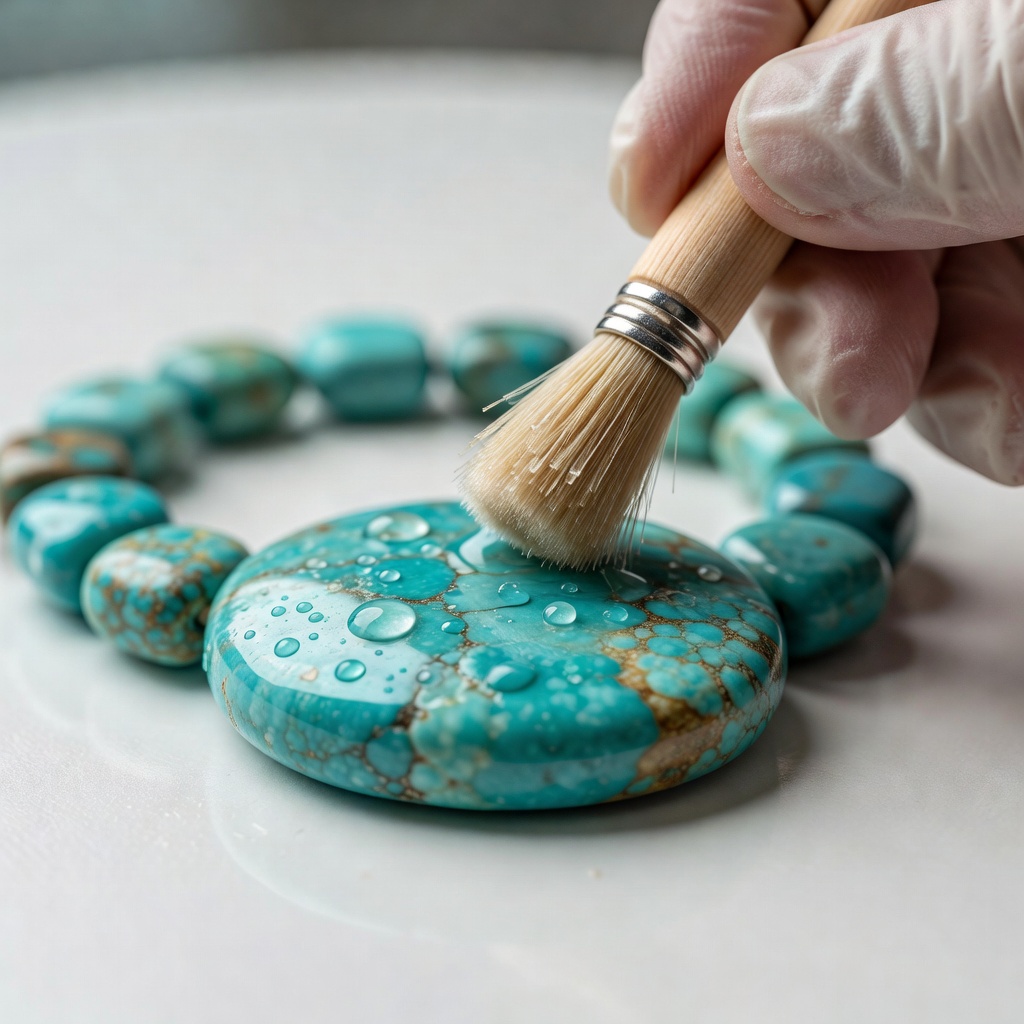
For jewelry featuring intricate silverwork or detailed matrix patterns where dirt has settled into recesses, employ a soft-bristled brush such as a baby toothbrush or specialized gem brush. Moisten the brush sparingly with distilled water and gently work around the setting without applying pressure to the stone itself. Never submerge turquoise jewelry in water baths or soaking solutions, as prolonged exposure can cause the copper content to react with moisture, potentially creating oxidation spots. Understanding how to clean turquoise properly means recognizing that less intervention yields better results; most pieces require only quarterly cleaning unless worn daily, in which case a weekly gentle wipe suffices to maintain brilliance without risking damage.
What to Avoid: Damaging Substances and Practices
Modern jewelry cleaning technology poses significant threats to turquoise, making it crucial to understand which methods constitute unacceptable risks. Never place turquoise in ultrasonic cleaners, as the high-frequency vibrations can cause internal fracturing in stones with natural inclusions or matrix patterns. Similarly, steam cleaning forces hot moisture into microscopic pores, potentially causing the stone to crack or shatter from thermal expansion. Commercial jewelry dips and solutions designed for gold or platinum often contain ammonia, alcohol, or acids that will immediately dull the surface luster of turquoise and may permanently alter its color chemistry.
Beyond mechanical cleaners, avoid damaging turquoise by eliminating exposure to common household chemicals entirely. Bleach, chlorine, vinegar, and even mild dish soaps can strip away natural oils and destabilize the stone's crystalline structure. Sunlight represents another often-overlooked hazard; prolonged exposure to direct UV rays can dehydrate turquoise, causing color fading from vibrant blue to pale green or chalky white. Store jewelry away from windowsills and never leave turquoise pieces in hot cars where temperatures can exceed 120 degrees Fahrenheit. One collector learned this lesson when her turquoise pendant, left on a bathroom windowsill for three months, developed significant lightening on the sun-facing side, creating a two-toned appearance that required professional treatment to remediate.
Proper Storage Solutions for Turquoise Jewelry
Appropriate storage environments play a critical role in preserving turquoise between wearings, extending far beyond simply tossing pieces into a jewelry box. Each turquoise item should reside in its own soft cloth pouch, acid-free tissue wrap, or padded compartment to prevent harder gemstones like diamonds or sapphires from scratching the relatively soft turquoise surface. For necklaces and bracelets, laying pieces flat prevents stress on stringing materials and keeps heavy pendants from creating pressure points against the stone. Avoid plastic bags or containers that can trap moisture and create condensation, potentially leading to metal corrosion or stone discoloration.
Environmental control remains essential for turquoise storage tips that prevent long-term degradation. Store your collection away from direct sunlight, heating vents, and air conditioning units where temperature and humidity fluctuations occur. Ideal conditions maintain moderate humidity levels between 40 and 50 percent; excessively dry environments can cause natural turquoise to dehydrate and craze (develop surface cracks). For valuable natural turquoise pieces, particularly those from dry climates, consider placing a small piece of damp cotton or a humidity-control packet in the storage container, ensuring it does not touch the stone directly. This practice mimics the stable underground conditions where turquoise forms, helping maintain the stone's natural moisture balance and preventing the chalky appearance associated with dehydration.
Restoring Dehydrated or Discolored Turquoise
Despite preventive measures, turquoise occasionally requires restoration interventions to address dehydration or minor surface discoloration. Light rehydration of natural turquoise can be achieved using pure mineral oil or specialized gem oils available from reputable lapidary suppliers. Before applying any treatment, test the oil on a small, inconspicuous area of the stone or on the back side to ensure compatibility and to observe how the stone absorbs the medium. Apply the oil sparingly using a cotton swab, working in small circular motions to allow the stone to absorb moisture slowly over several hours rather than saturating it immediately.
After application, gently buff away any excess oil with a soft cloth to prevent dust attraction and sticky residue buildup. This technique proves particularly effective for vintage pieces that have developed a dry, chalky appearance or color fading due to decades of storage in arid conditions. However, understanding how to clean turquoise through restoration also means recognizing limitations; stones showing deep cracking, significant color shifts, or structural instability require professional lapidary services rather than home treatment. Professional restorers possess vacuum-impregnation equipment and specialized waxes or polymers that can stabilize deteriorating turquoise without altering its appearance, whereas DIY attempts with oils on damaged stones may exacerbate existing fractures.
Recognizing When Professional Care Is Needed
While routine turquoise jewelry care can be managed at home, certain conditions necessitate immediate attention from qualified gemologists or jewelry restoration specialists. Deep scratches that catch on fabric, visible cracks extending across the stone surface, or sudden dramatic color changes indicate structural compromise requiring expert evaluation. Similarly, loose settings in rings or pendants where turquoise wobbles within the bezel or prongs present risks of catastrophic stone loss and should be repaired by a jeweler experienced with soft stones. Attempting to tighten settings yourself using household tools often results in chipping the stone's edges or cracking the table (top surface).
Professional cleaning services utilize specialized techniques such as ionic cleaning or controlled steam applications that safely remove stubborn buildup without penetrating the stone's porous structure. These experts can also assess whether discoloration results from surface contamination or internal chemical changes, recommending appropriate conservation treatments. When protecting turquoise gemstone investments, establish relationships with jewelers who understand the specific requirements of turquoise rather than generalists who might treat the stone like harder gems. For heirloom pieces or stones exceeding one carat in size, annual professional inspections can identify potential issues such as setting wear or incipient cracking before they become irreversible problems, preserving both the aesthetic and monetary value of your collection.
Long-Term Preservation Strategies
Implementing strategic rotation practices significantly extends the lifespan of turquoise collections by distributing wear patterns across multiple pieces rather than concentrating damage on favorites. If you own several turquoise rings or necklaces, rotate them weekly or monthly, allowing each piece to rest and stabilize in proper storage conditions between wearings. This approach proves particularly beneficial for rings, which suffer the most impact damage and chemical exposure during daily activities. Documenting each piece's condition through high-resolution photography upon acquisition creates valuable baseline records for insurance purposes and helps track subtle changes in color or clarity that might indicate developing problems.
For serious collectors or those owning significant heirloom turquoise items, scheduling annual professional inspections provides peace of mind and early intervention opportunities. During these examinations, jewelers can check for setting integrity, stone stability, and early signs of dehydration or chemical damage that might not be visible to the untrained eye. Comprehensive turquoise care and cleaning protocols should include maintaining detailed records of each stone's provenance, treatment history (natural versus stabilized), and any restoration work performed. These turquoise storage tips and documentation practices ensure that your collection maintains its beauty and value for future generations, transforming individual pieces into lasting legacies.
Stabilized vs. Natural Turquoise: Care Differences
Understanding the distinction between natural and stabilized turquoise fundamentally alters maintenance approaches and expectations for stone behavior. Natural turquoise, cut directly from the host rock without treatment, remains highly porous and requires vigilant moisture management to prevent dehydration and color change. These pieces benefit from the humidity-control storage methods previously discussed and may occasionally require light oiling to maintain their vibrant appearance. The trade-off for this maintenance intensity is that high-quality natural turquoise often appreciates more significantly in value and displays more vivid, complex color variations than treated alternatives.
Stabilized turquoise undergoes treatment with clear resins or polymers that fill natural pores and micro-fractures, creating a harder, more durable surface that resists color change and absorption. While this process makes the stone less vulnerable to skin oils and environmental contaminants, cleaning turquoise stones of the stabilized variety still requires gentle methods to avoid damaging the resin impregnation. Harsh chemicals can break down the stabilizing polymers, causing the stone to return to its fragile natural state or develop cloudy appearances. Both types benefit from avoiding ultrasonic cleaners and chemical exposure, but natural pieces demand more attentive how to clean turquoise protocols and environmental monitoring. When acquiring new pieces, always request documentation regarding stabilization treatments to ensure you apply appropriate care strategies for your specific turquoise variety.
Frequently Asked Questions
Can Turquoise Jewelry Get Wet?
Turquoise should avoid prolonged water exposure. Brief contact with water during careful cleaning is fine, but swimming, showering, or soaking can cause discoloration and structural damage, especially to natural turquoise.
How Do I Clean My Turquoise Ring at Home?
Gently wipe with a soft, damp cloth using only lukewarm water. Pat dry immediately. Never use soaps, chemicals, or ultrasonic cleaners. For detailed settings, use a soft-bristled brush with minimal water.
Why Is My Turquoise Changing Color?
Turquoise can change color due to chemical exposure, skin oils, dehydration, or aging. Natural turquoise may darken or green over time. Stabilized turquoise is more colorfast but can still change if chemicals penetrate the treatment.
Can I Wear Turquoise Every Day?
While possible, daily wear increases risk of damage. Turquoise is relatively soft and porous. If wearing daily, remove during activities involving water, chemicals, or impact, and clean gently each evening.
What's the Best Way to Store Turquoise Necklaces?
Store flat in a soft cloth pouch or padded compartment to prevent scratching and stretching. Keep away from direct sunlight and heat. For natural turquoise, consider a slightly humid environment to prevent drying.
Should I Oil My Turquoise Stone?
Only natural turquoise benefits from occasional light oiling with mineral oil to prevent dehydration. Stabilized turquoise doesn't need oiling. Apply sparingly, test first, and wipe off excess to avoid attracting dirt.
What Chemicals Will Damage Turquoise?
Virtually all household chemicals damage turquoise: ammonia, bleach, chlorine, acids, perfumes, lotions, sunscreen, and even some soaps. Always remove turquoise jewelry before using any chemical products.
Can Scratched Turquoise Be Repaired?
Light surface scratches can sometimes be minimized by professional polishing. Deep scratches or chips require expert lapidary work. Never attempt DIY polishing as turquoise is soft and easily damaged further.