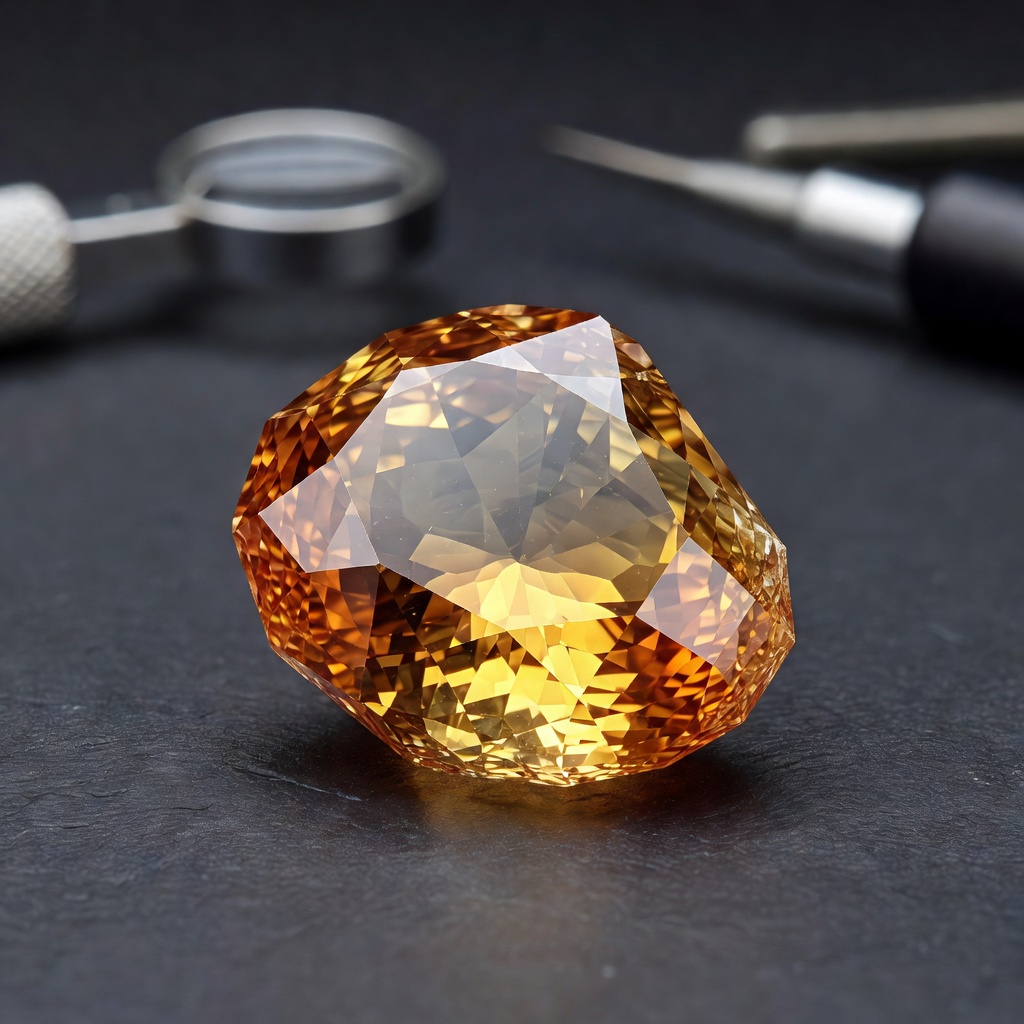
Introduction to Topaz: A Precious Gemstone Overview
Topaz stands as one of the most beloved silicate minerals in the gemstone world, captivating collectors and jewelry enthusiasts with its remarkable clarity and diverse color palette. This aluminum fluorosilicate mineral has held significant cultural importance across ancient civilizations, with Egyptian royalty believing the golden stones captured the radiance of Ra, the sun god, while Roman scholars associated topaz with Jupiter and believed it could improve eyesight when held near the eyes. In modern jewelry markets, topaz continues to dominate due to its exceptional brilliance, affordability compared to precious gems like sapphire or emerald, and its availability in sizes ranging from delicate accent stones to impressive museum-quality specimens weighing hundreds of carats. This comprehensive guide explores essential Topaz Properties and Information, covering everything from geological formation to practical care instructions, ensuring you understand both the scientific characteristics and aesthetic appeal of this versatile November birthstone.
Physical and Chemical Properties of Topaz
Understanding the fundamental physical characteristics of topaz begins with its chemical composition represented by the formula Al₂SiO₄(F,OH)₂, indicating a complex aluminum fluorosilicate structure that contributes to its distinctive optical properties. On the Topaz hardness Mohs scale, this gemstone registers an impressive 8, making it suitable for daily wear in various jewelry applications, though collectors should note that this hardness measurement only indicates resistance to scratching and not overall toughness. The mineral exhibits perfect basal cleavage parallel to the basal pinacoid, meaning it can split cleanly along one plane if struck with sufficient force, which explains why master cutters must orient the table facet precisely to avoid creating vulnerable points in finished gems. With a specific gravity ranging between 3.4 and 3.6, topaz feels noticeably heavier than quartz specimens of similar size, while its refractive index of 1.609 to 1.643 produces the brilliant sparkle that makes faceted stones so desirable in fine jewelry.
Understanding Topaz Color Varieties and Types
The chromatic diversity of topaz represents one of its most commercially significant attributes, ranging from completely colorless crystals to intensely saturated rare specimens that command premium prices in international markets. Imperial Topaz represents the pinnacle of value within this gemstone family, displaying medium reddish-orange to pinkish-orange hues exclusively sourced from the Ouro Preto region of Brazil, with the finest specimens exhibiting a sherry-like coloration that was historically reserved for Russian royalty and imperial families. The Blue Topaz varieties dominate modern commercial markets, encompassing Sky Blue (light, aquamarine-like tones), Swiss Blue (vibrant medium blue), and London Blue (deep steely blue), though consumers should understand that nearly all blue topaz begins as colorless or pale material subjected to irradiation and heat treatment processes that create stable, permanent color changes. Natural pink, yellow, and brown topaz forms through trace element substitutions during crystal growth, while colorless topaz, historically mistaken for diamond before modern gemological testing, remains popular as an affordable alternative to more expensive precious stones.
Geological Formation and Global Mining Locations
Topaz crystallizes primarily within pneumatolytic pegmatite deposits and high-temperature quartz veins where fluorine-rich vapors interact with aluminum-bearing host rocks during the final stages of igneous rock formation. Brazil's Ouro Preto region in Minas Gerais state produces the world's finest Imperial Topaz crystals, often found in association with hematite and rutile inclusions that create distinctive internal characteristics, while Russia's Ural Mountains historically supplied pink and blue crystals to European courts during the 18th and 19th centuries. Secondary commercial deposits in Nigeria's Jos Plateau, Sri Lanka's alluvial gravels, and specific locations within the United States including Colorado's Pikes Peak area and Texas's Mason County yield significant quantities of colorless, blue, and sherry-colored crystals suitable for both faceting and mineral specimens. Environmental factors including cooling rates, fluorine availability, and the presence of chromium or iron impurities during formation directly influence both crystal size and clarity, explaining why some localities produce gem-quality crystals exceeding 100 carats while others yield only small, heavily included material suitable for industrial applications.
Metaphysical Properties and Crystal Healing Benefits
Practitioners of Topaz crystal healing traditions associate this gemstone with powerful energetic properties, particularly its alignment with the solar plexus chakra for personal empowerment and the throat chakra for enhanced communication abilities. Traditional metaphysical beliefs hold that carrying or wearing topaz facilitates emotional balance by promoting truthfulness, forgiveness, and the release of accumulated tension, making it particularly beneficial for individuals navigating complex interpersonal relationships or seeking to overcome past grievances. Many crystal therapists recommend placing blue topaz specimens on the third eye during meditation practices to enhance mental clarity and focus, while golden varieties are believed to stimulate creativity and aid in manifesting personal intentions through enhanced visualization techniques. For stress relief, practitioners suggest creating a calming elixir by placing cleansed topaz in water (indirect method) or simply holding the stone during breathing exercises, as the gem's cool temperature and smooth crystalline structure provide tactile grounding that complements its purported energetic properties.
Topaz as a Birthstone and Jewelry Applications
Recognized officially as the November birthstone alongside citrine, topaz also commemorates fourth wedding anniversaries, symbolizing affection and enduring love through its warm golden and cool blue hues that reflect autumn's transitional beauty. Gem cutters favor specific cutting styles for topaz based on color intensity and crystal shape, with emerald cuts emphasizing clarity in lighter blue specimens, oval and cushion cuts maximizing brilliance in Imperial varieties, and pear shapes creating elegant pendants that showcase the stone's vitreous luster. When selecting metal pairings, yellow and Imperial topaz specimens display enhanced warmth in 14k or 18k gold settings, while the Blue Topaz varieties achieve striking contrast against white gold, platinum, or sterling silver mountings that emphasize their cool tones. Durability considerations should guide jewelry selection; while suitable for daily wear due to its hardness, topaz rings benefit from protective bezel settings or six-prong configurations that minimize exposure to cleavage planes, whereas earrings and pendants face fewer risks and can accommodate more delicate four-prong or tension settings.
How to Identify Genuine Topaz vs. Imitations
Distinguishing authentic topaz from common imitations requires careful observation of optical characteristics, as quartz varieties like citrine and amethyst share similar colors but possess lower specific gravity and different refractive indices that appear fuzzy when viewed through a jeweler's loupe due to single refraction versus topaz's double refraction. Glass imitations often contain telltale round bubble inclusions and feel warmer to the touch than genuine topaz, which remains cool for several seconds when pressed against the skin due to its superior thermal conductivity. Professional gemological testing provides definitive identification, with refractometers measuring the characteristic 1.609-1.643 refractive index range and spectrometers detecting absorption patterns unique to natural versus treated material, while specific gravity testing using hydrostatic weighing confirms the 3.4-3.6 density range that distinguishes topaz from lighter quartz or heavier cubic zirconia. Price indicators often reveal treatment status or synthetic origin, as natural blue topaz commands significant premiums over treated material, and Imperial specimens priced below market rates for their size and color intensity may indicate glass, synthetic corundum, or diffusion-treated citrine masquerading as the more valuable gemstone.
Essential Care and Maintenance Guidelines
Proper Topaz gemstone care begins with gentle cleaning using warm soapy water and a soft-bristled brush to remove accumulated oils and debris, avoiding ultrasonic cleaners and steam machines that can exacerbate existing fractures or cause thermal shock in stones with internal stress. Owners must protect their topaz from sudden temperature changes, as moving the gemstone quickly from hot sunlight to air-conditioned environments or placing it near heating vents can cause internal fracturing due to differential expansion rates within the crystal structure. Storage protocols require keeping topaz pieces separate from harder gemstones such as diamonds, rubies, and sapphires (Mohs 9-10) that could scratch the surface, ideally wrapping individual pieces in soft cloth or placing them in compartmentalized jewelry boxes with padded dividers. Annual professional inspections by qualified jewelers ensure that prong settings remain tight and secure, particularly for ring stones that experience daily impact, while also allowing experts to assess whether the gem has developed any new chips or cracks that might compromise its structural integrity.
Buying Guide: Evaluating Quality and Value
When purchasing topaz, color evaluation follows the standard gemological trinity of hue, tone, and saturation, with the most valuable specimens displaying pure hues without brown or gray modifiers, medium to medium-dark tones that allow color visibility without appearing black, and vivid saturation levels that indicate strong color presence rather than weak, watery appearances. Clarity standards for topaz remain relatively strict, as the gemstone typically forms with few inclusions, meaning buyers should expect eye-clean specimens (no visible inclusions at 6 inches) for all varieties except rare Imperial stones, where slight inclusions may be tolerated if the color quality remains exceptional. Carat weight significantly impacts pricing, particularly for Imperial Topaz, where prices increase exponentially rather than linearly above 5 carats due to extreme rarity, while blue varieties remain affordable even in larger sizes due to abundant treatment-capable rough material. Reputable dealers provide certification from recognized laboratories such as GIA (Gemological Institute of America) or AGS (American Gem Society), documents that verify natural origin, disclose any irradiation or heat treatments, and provide accurate color grade assessments that protect consumers from misrepresented or synthetic material.
Frequently Asked Questions About Topaz Properties and Information
What is the hardness of topaz on the Mohs scale?
Topaz ranks 8 on the Mohs hardness scale, making it a durable gemstone suitable for daily wear in jewelry. However, it has perfect cleavage in one direction, meaning it can chip if struck sharply, so protective settings are recommended for rings.
Is blue topaz naturally occurring or treated?
While natural blue topaz exists, it is extremely rare. Most blue topaz on the market starts as colorless or lightly colored material that undergoes irradiation and heat treatment to produce the popular Sky Blue, Swiss Blue, and London Blue varieties. These treatments are stable and permanent.
What makes Imperial Topaz so valuable?
Imperial Topaz is the most valuable variety, characterized by its medium reddish-orange to orange-red color. Its high value stems from extreme rarity, with the finest specimens coming exclusively from Ouro Preto, Brazil. The term 'Imperial' originally referred to colors reserved for Russian royalty.
Can topaz be worn every day?
Yes, topaz can be worn daily due to its hardness of 8, but it requires some care. Avoid wearing topaz jewelry during activities involving sharp impacts or extreme temperature changes. It's best suited for pendants and earrings, while ring stones should be protected by bezel or protective prong settings.
How can I tell if my topaz is real?
Genuine topaz feels cool to the touch, has a specific gravity of 3.4-3.6 (heavier than quartz), and shows double refraction when viewed through a loupe. Professional gemologists use refractive index testing (1.609-1.643) to confirm authenticity. Glass imitations often contain bubbles and feel warmer.
What are the healing properties associated with topaz?
Crystal healers associate topaz with manifesting intentions, enhancing creativity, and promoting truth and forgiveness. It is believed to stimulate the solar plexus chakra for personal power and the throat chakra for clear communication. Blue varieties are thought to aid meditation and emotional balance.
Why is topaz the November birthstone?
Topaz was designated as November's primary birthstone due to its warm golden and orange varieties that reflect autumn colors. It symbolizes love and affection, and is believed to give the wearer increased strength and intellect. Citrine is the secondary November birthstone offering a more affordable alternative.
Does topaz fade in sunlight?
Natural topaz colors are generally stable and do not fade in sunlight. However, some treated varieties, particularly certain irradiated pink or color-enhanced stones, may be susceptible to color fading when exposed to prolonged direct sunlight or high heat. Store topaz jewelry away from direct sun exposure when not worn.