Introduction to Topaz Valuation
Topaz stands as one of the most versatile and accessible gemstones in the jewelry market, offering consumers an extraordinary range of colors and price points that few other gem families can match. This comprehensive topaz price guide reveals why this aluminosilicate mineral has become increasingly popular among both first-time buyers and seasoned collectors seeking alternatives to more expensive precious stones. The financial accessibility of topaz creates opportunities for jewelry enthusiasts to own large, eye-catching specimens without the premium costs associated with sapphires, rubies, or emeralds, making it an excellent entry point into fine gemstone collecting.
The economic spectrum of topaz spans remarkably from approximately $10 per carat for commercial-grade white varieties to over $3,500 per carat for exceptional imperial specimens displaying saturated pinkish-orange hues. This vast gemstone pricing basics range stems primarily from color rarity, treatment history, and geographic origin, with natural pink and red varieties commanding exponentially higher prices than their heat-treated or irradiated blue counterparts. Unlike diamonds, which follow relatively standardized pricing structures, topaz valuation requires understanding subtle distinctions between natural coloration and enhancement processes that significantly impact long-term value retention and desirability among connoisseurs.
When evaluating topaz against other gemstones, buyers consistently discover exceptional value propositions, particularly in the 1-to-5-carat range where the stone displays substantial presence without prohibitive cost barriers. A high-quality 2-carat London Blue topaz might retail for $200-$300, while a comparable aquamarine of similar color intensity could command $800-$1,200, illustrating why budget-conscious consumers increasingly gravitate toward topaz for statement jewelry pieces. This affordability factor, combined with topaz's impressive hardness of 8 on the Mohs scale, positions it as a practical yet beautiful choice for daily wear rings and pendants that resist scratching better than softer alternatives like opal or pearl.
The 4 Cs of Topaz Quality
Understanding topaz quality factors requires mastering how color, clarity, cut, and carat weight interact to determine market value, with color saturation serving as the primary value driver across all varieties. Unlike diamonds where colorlessness commands premiums, topaz achieves maximum value through intense, saturated hues whether in the golden oranges of imperial specimens or the deep teals of rare natural blues. Gemological laboratories assess color using three criteria: hue (the basic color), tone (lightness to darkness), and saturation (intensity), with medium to medium-dark tones and vivid saturation levels fetching the highest prices in the wholesale and retail markets.
Clarity standards for topaz generally exceed those of many colored gemstones, with collectors expecting "eye-clean" specimens that show no visible inclusions when viewed from six inches away without magnification. Premium gemstone grading for topaz often demands "loupe-clean" clarity, meaning no inclusions are visible under 10x magnification, a standard particularly important for lighter-colored varieties like white or pale blue stones where imperfections become more apparent. When examining potential purchases, rotate the stone under natural daylight to check for veils, crystals, or feather inclusions that might compromise durability or optical performance, remembering that topaz's perfect cleavage makes it susceptible to chipping if significant internal fractures are present.
Cut quality dramatically influences both the visual brilliance and commercial viability of topaz, with skilled lapidaries often sacrificing carat weight to achieve optimal proportions that minimize windowing (light leakage through the pavilion). The gemstone's strong pleochroism, particularly noticeable in imperial and blue varieties, requires cutters to orient the table perpendicular to the c-axis to display the richest color face-up, a technique that can reduce yield from rough by 40-50% but results in significantly more valuable finished gems. For maximum brilliance, seek stones with table percentages between 58-65% and crown heights of 12-16%, proportions that optimize light return while maintaining the depth necessary for rich color saturation in the finished piece.
Imperial Topaz: The Premium Tier
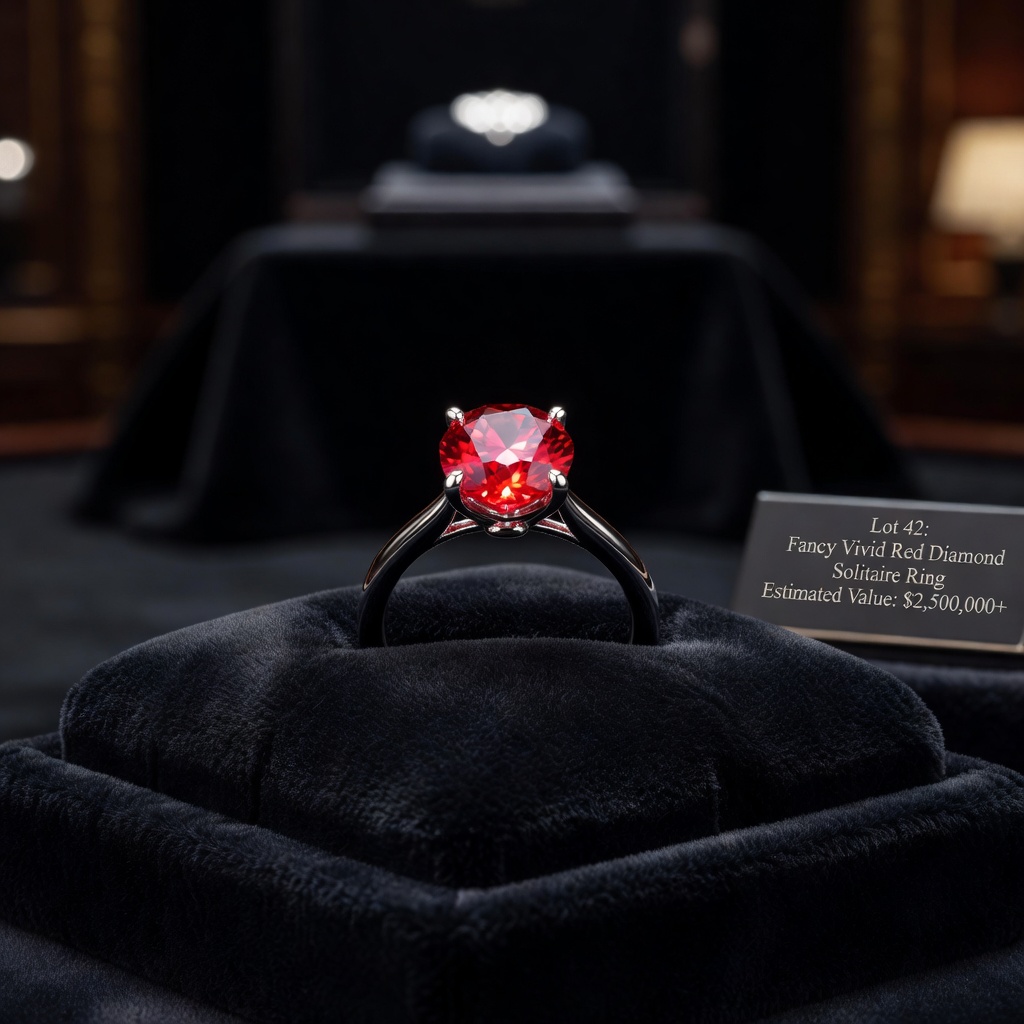
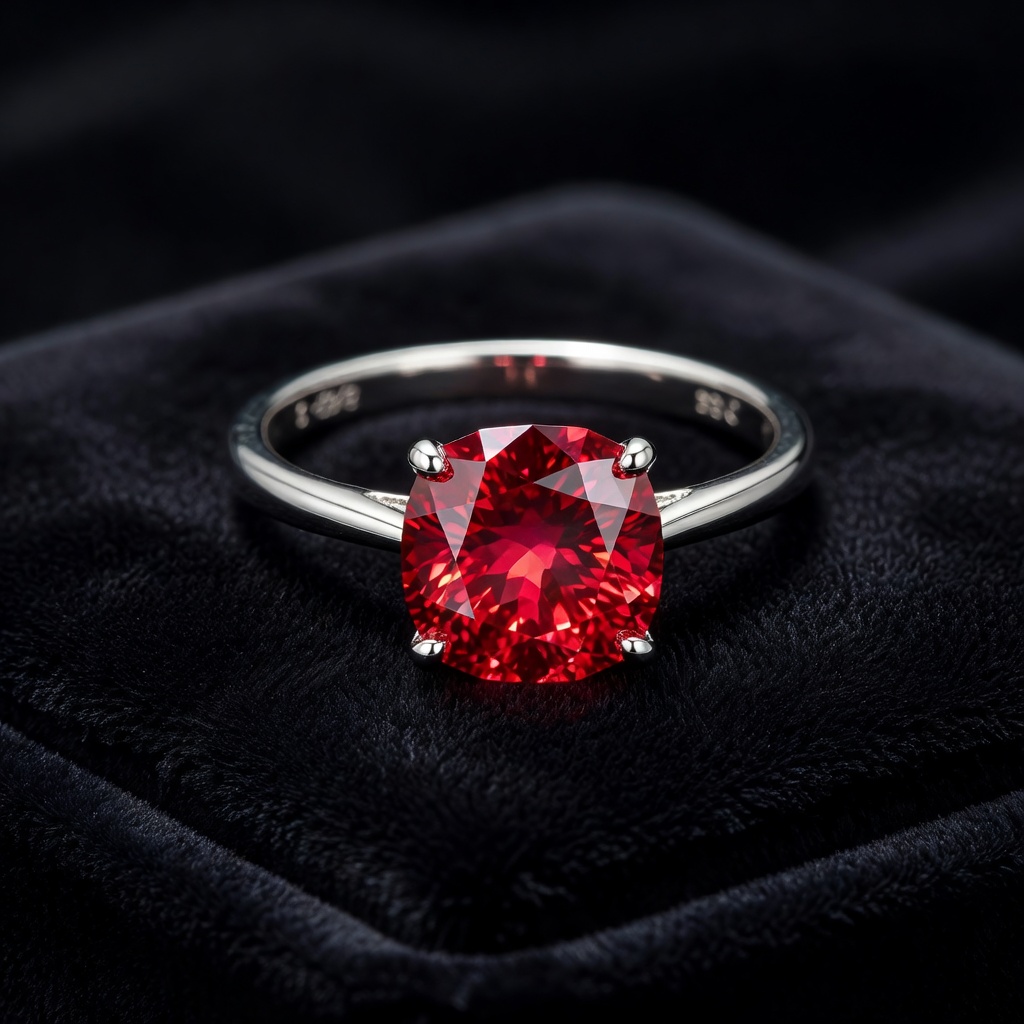
Imperial topaz represents the pinnacle of the topaz family, with imperial topaz price per carat ranging from $1,000 to $3,500 for fine specimens, while exceptional stones displaying intense reddish-orange "cherry" hues can exceed $5,000 per carat in the collector market. This dramatic precious topaz value appreciation stems from the extreme scarcity of natural pink, peach, and salmon-colored crystals, which derive their color from chromium substitutions in the crystal lattice rather than artificial treatments. The legendary mines of Ouro Preto in Brazil's Minas Gerais state produce nearly all of the world's supply, yet annual extraction yields fewer than 50 kilograms of gem-quality material suitable for faceting, creating persistent supply constraints that drive prices upward regardless of global economic conditions.
Size premiums escalate exponentially for imperial topaz, with stones exceeding 5 carats commanding 300-400% price increases per carat compared to 1-2 carat specimens due to the extreme rarity of large, clean crystals. A 3-carat fine imperial topaz might retail for $4,500 total ($1,500/ct), while a comparable 8-carat stone could command $24,000 ($3,000/ct), illustrating the non-linear pricing curve that characterizes investment-grade colored gemstones. Collectors seeking significant specimens should prioritize Brazilian origin documentation, as material from other localities rarely achieves the same saturated pinkish-orange tones that define true imperial quality, and Pakistani or Russian pink topaz typically sells for 30-40% less than Ouro Preto material.
Distinguishing natural imperial topaz from heat-treated or diffusion-treated imposters requires careful examination and often laboratory certification, as unscrupulous dealers sometimes heat pale yellow or brown topaz to create orange hues that mimic natural imperial material. Authentic natural imperial topaz displays subtle color zoning and often contains characteristic liquid inclusions, whereas heat-treated stones may show unusually uniform coloration or altered refractive index readings. When investing in high-value imperial specimens, always request GIA or AGL reports specifically noting "no indications of heating," as untreated stones appreciate at rates of 7-10% annually compared to 2-3% for treated alternatives, making authentication documentation essential for portfolio-grade acquisitions.
Blue Topaz Pricing Tiers
The commercial blue topaz value market operates through three distinct color grades that determine pricing structures ranging from $20 to $150 per carat, each representing different levels of irradiation treatment and resulting color saturation. Sky Blue represents the lightest and most affordable tier, featuring pale, ethereal blue tones created by gamma irradiation of colorless topaz, typically retailing between $20-$40 per carat for calibrated sizes under 5 carats. Swiss Blue occupies the middle market segment with medium, vibrant azure coloring that resembles fine aquamarine, commanding $40-$80 per carat depending on clarity and cut quality, while London Blue displays the deepest, steely blue-gray tones achieved through neutron irradiation followed by heat treatment, reaching $80-$150 per carat for premium deep-tone specimens.
Understanding treated topaz prices requires familiarity with mandatory disclosure requirements under Federal Trade Commission guidelines and World Jewelry Confederation (CIBJO) standards, which mandate that sellers explicitly state irradiation treatment regardless of stability or permanence. Reputable dealers provide written documentation confirming that irradiated blue topaz has undergone required "cooling off" periods (typically 3-6 months) to allow residual radioactivity to decay to safe levels, a safety protocol monitored by nuclear regulatory agencies in the United States and European Union. When purchasing blue topaz, examine the stone under incandescent light to verify color stability, as improperly treated material might display brownish or greenish secondary tones that indicate lower-quality irradiation processes affecting long-term value.
Retail pricing for blue topaz fluctuates significantly based on tone and saturation levels, with the deepest London Blue varieties achieving premiums of 200-300% over pale Sky Blue alternatives despite identical treatment processes. The most desirable London Blue specimens display a primary blue hue with 75-85% tone (medium-dark to dark) and strong saturation without appearing black or overly gray, characteristics that maximize both visual impact and resale liquidity. For jewelry designers and consumers alike, 2-3 carat oval or cushion cuts represent the market "sweet spot," offering substantial visual presence at wholesale prices of $25-$60 per carat while maintaining excellent brilliance and color consistency across different lighting environments.
White, Mystic and Fancy Color Varieties
White topaz serves as an affordable diamond alternative in the fashion jewelry market, with white topaz prices typically ranging from $10 to $30 per carat depending on clarity grades and cutting precision. Unlike diamonds, which disperse light through high refractive indices, white topaz offers a softer, more subtle brilliance that appeals to consumers seeking large, clean stones for cocktail rings and pendant settings without the cost associated with precious gems. When selecting white topaz for jewelry applications, prioritize stones with "loupe-clean" clarity, as the colorless nature of the material makes even minor inclusions readily visible to the naked eye, potentially compromising the stone's ability to simulate diamond appearance.
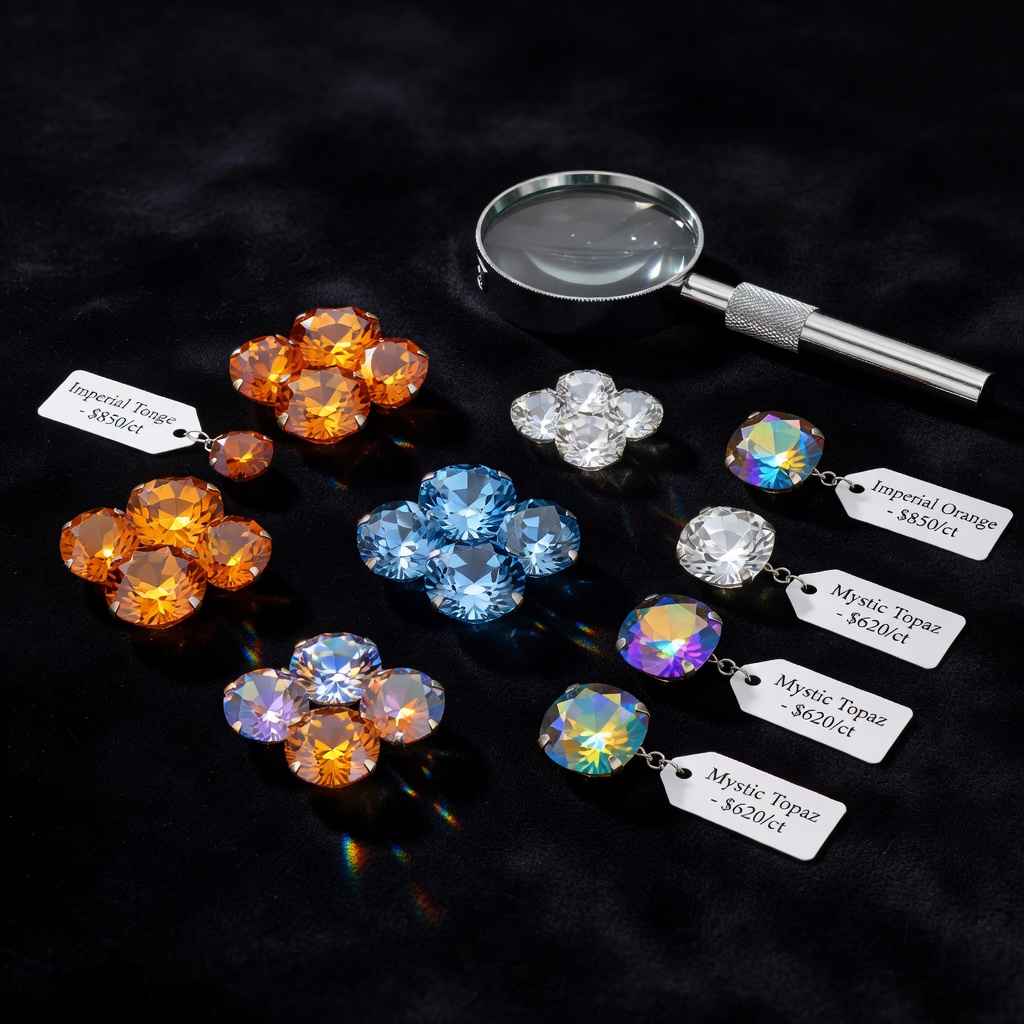
Mystic topaz cost structures reflect the specialized coating technology applied to colorless topaz base material, creating rainbow iridescence through thin-film deposition of titanium and other metallic oxides, with retail prices typically falling between $40 and $100 per carat. While visually striking, buyers should understand that mystic topaz requires special care, as the surface coating measures only microns thick and can scratch or wear away along facet junctions during normal wear, particularly in ring settings subject to daily abrasion. For maximum coating longevity, select pendant or earring settings over rings, and clean mystic topaz using only mild soap and water with soft brushes, avoiding ultrasonic cleaners or steam cleaning that could delaminate the optical coating and destroy the stone's value.
Champagne and Sherry topaz occupy intermediate market positions between common white varieties and premium imperial material, offering warm golden to brownish-orange hues at prices ranging from $50-$200 per carat depending on saturation levels. These fancy colors occur naturally through trace element inclusions, though some material undergoes gentle heat treatment to intensify pale yellow or brown base colors into richer champagne tones. While aesthetically pleasing, these varieties offer limited investment potential compared to imperial topaz, as abundant supply from Brazilian and Pakistani mines prevents significant price appreciation, making them excellent choices for fashion jewelry rather than portfolio diversification despite their attractive, warm coloration.
Treatment Impact on Market Value
The distinction between natural topaz vs treated specimens represents the most critical factor in valuation, with untreated natural colors commanding premiums of 500-1000% over their enhanced counterparts in the collector market. Common enhancement methods include irradiation (creating blue and green colors), heat treatment (intensifying yellows, oranges, and pinks), and surface coating (producing mystic or azotic color effects), each affecting durability, stability, and long-term value differently. While irradiation creates permanent color changes in blue topaz, heat-treated imperial colors may fade if exposed to high temperatures during jewelry repair processes, potentially destroying significant value if not properly disclosed at the time of purchase.
Enhanced gemstone values follow predictable discount patterns, with treated blue topaz selling for 10-20% of the price commanded by natural blue specimens, which occur rarely in nature and display characteristic greenish-blue or steely blue hues distinct from irradiated material. When evaluating high-value purchases, insist on GIA or AGS certification for untreated stones, as these laboratories employ advanced spectroscopic analysis to detect heat treatment signatures and irradiation indicators that visual examination cannot reveal. The investment implications are substantial: a 5-carat natural pink topaz might appreciate 8% annually, while a heat-treated equivalent of similar appearance remains essentially static in value, depreciating immediately upon purchase like a new automobile.
Identifying undisclosed treatments requires vigilance and sometimes professional assistance, as modern enhancement techniques have become increasingly sophisticated. Red flags include unusually perfect color uniformity in "imperial" specimens, pricing significantly below market rates for supposedly natural colors, and sellers unable to provide origin documentation for high-value stones. When examining potential acquisitions, use a Chelsea filter (dichroscope) to check for dye residues in coated stones, and examine inclusions under magnification—heat-treated material often displays "snowball" inclusions or discolored fracture planes that differ from the liquid and crystal inclusions typical of untreated natural topaz.
Understanding Carat Weight Pricing
Topaz price per carat follows dramatically different curves depending on color variety, with treated blue and white stones exhibiting relatively linear pricing until reaching 10+ carats, while imperial and natural pink varieties demonstrate exponential increases above 5 carats due to extreme scarcity of large clean crystals. For commercial blue topaz, expect to pay roughly $25/ct for 1-carat stones, $30/ct for 3-carat stones, and $40/ct for 8-carat stones—a gentle upward slope reflecting cutting waste rather than rarity premiums. Conversely, imperial topaz might command $800/ct for 2-carat specimens, $1,800/ct for 5-carat stones, and $3,500+/ct for 10-carat investment-grade pieces, representing nearly 450% price increases that reward collectors willing to acquire significant sizes.
The jewelry industry identifies specific "sweet spot" sizes that optimize visual impact while maintaining affordability, with 1-3 carats representing the most liquid market segment for earrings and rings, and 5-8 carats serving statement pendant and cocktail ring markets. Large topaz gemstones exceeding 20 carats appear regularly in the treated blue and white categories, often cut as emerald shapes or Portuguese brilliant cuts to maximize weight retention from abundant rough supplies. However, for natural imperial material, stones above 10 carats become genuinely rare museum-quality specimens, with auction records showing individual stones selling for $50,000-$150,000 depending on provenance and color saturation.
Rough availability constraints significantly impact pricing for large stones, as topaz crystals frequently contain inclusions, cleavage planes, or color zoning that prevent cutting large clean gems. Brazilian mining operations report that less than 2% of extracted imperial rough yields finished stones exceeding 5 carats without clarity defects, creating the supply bottleneck that drives exponential pricing. When budgeting for significant acquisitions, consider that custom cutting large rough to maximize face-up appearance rather than weight retention can increase per-carat value by 30-50%, as well-proportioned large stones outperform poorly cut heavyweights in both beauty and resale liquidity.
Retail vs Wholesale Market Dynamics
Understanding wholesale gemstone pricing structures reveals typical retail markups ranging from 100% to 300% above Tucson Gem Show or Bangkok dealer prices, with brick-and-mortar jewelry stores generally applying higher multipliers than online specialists. A London Blue topaz purchased for $40 per carat at the Tucson show might retail for $120-$160 in a suburban jewelry store, while online dealers with lower overhead might price the same material at $80-$100 per carat. This topaz gemstone buying guide pricing transparency allows informed consumers to identify fair market values, recognizing that retail premiums cover customer service, setting costs, and return policies that wholesale transactions lack.
Seasonal demand fluctuations create buying opportunities for patient collectors, with topaz prices typically softening 15-20% during summer months when bridal jewelry demand slows and dealers seek to liquidate inventory before the holiday season. Conversely, prices firm during January-February following the Tucson gem shows, when new discoveries and mining outputs establish annual pricing benchmarks that influence retail markets through December. Savvy buyers target August-September for major acquisitions, particularly for imperial material, as Brazilian mining slows during rainy seasons and dealers discount existing inventory to maintain cash flow.
Negotiation tactics for high-value imperial specimens differ significantly from commodity blue topaz transactions, with serious collectors expected to request "best price" quotations and volume discounts for multiple stones. When negotiating, demonstrate knowledge of current market conditions by referencing recent auction results or dealer price sheets, and consider offering immediate wire transfer payment in exchange for 10-15% discounts from listed prices. For purchases exceeding $5,000, always request right-of-return inspection periods (typically 3-5 business days) allowing independent gemological verification, as this contingency protects both parties and facilitates smoother price negotiations with reputable dealers confident in their material's authenticity.
Certification and Authentication
Investing in certified topaz requires strategic decisions about when laboratory reports justify their $100-$500 costs, with certification recommended for untreated imperial specimens over 2 carats, natural blue varieties exceeding $500 total value, or any stone where treatment status remains ambiguous. The Gemological Institute of America (GIA), American Gemological Laboratories (AGL), and GemResearch Swisslab (GRS) provide industry-standard documentation specifying color origin (natural vs. treated), geographic provenance, and clarity characteristics essential for insurance and resale purposes. For stones valued under $300, certification costs often exceed potential value increases, making dealer reputation and return policies more practical safeguards than laboratory reports.
Origin documentation generates significant premiums for Ouro Preto imperial topaz, with GIA reports specifically noting Brazilian origin commanding 15-25% price premiums over undocumented material of similar appearance. This gemstone authentication provenance premium reflects the historical significance of the Capão do Lana mine and the consistent quality associated with Minas Gerais material compared to newer Pakistani or Russian deposits. When reviewing certificates, verify that color descriptions match industry standards—"Imperial" should indicate pinkish-orange to reddish-orange hues, while "Precious" topaz typically refers to yellowish-orange material, distinctions that significantly impact valuation among knowledgeable collectors.
Red flags indicating misrepresented or synthetic stones include pricing anomalies (natural-looking imperial topaz offered at blue topaz prices), lack of characteristic inclusions under magnification, and sellers unwilling to provide inspection periods or independent verification. Synthetic topaz, while rare in the market, displays curved growth patterns visible under immersion microscopy and lacks the natural strain patterns seen in genuine material. Always examine stones under 10x magnification for natural crystal inclusions, two-phase inclusions (liquid and gas), or healing fractures containing iron staining—features that confirm natural origin and distinguish genuine topaz from glass imitations or less expensive quartz varieties sometimes substituted by fraudulent dealers.
Investment Outlook and Resale Value
Fine untreated imperial topaz has demonstrated consistent topaz investment appreciation averaging 5-8% annually over the past two decades, outperforming many traditional investments while remaining more accessible than ruby, sapphire, or emerald markets. This appreciation stems from increasing mining restrictions in Brazil's Ouro Preto region, where environmental regulations have reduced annual production by 60% since 2010, creating supply constraints that push prices upward despite fluctuating luxury goods demand. Gemstone resale value for premium imperial material remains robust, with auction houses like Christie's and Sotheby's regularly featuring important topaz specimens in colored gemstone sales, providing liquidity channels unavailable for treated commercial varieties.
Liquidity considerations favor stones between 3-10 carats for imperial topaz, as this size range attracts the broadest collector base while remaining affordable enough for impulse purchases at gem shows and online auctions. Investment portfolios should emphasize untreated natural colors with GIA documentation, avoiding treated blue or coated varieties that depreciate immediately upon purchase and offer no secondary market beyond scrap metal value for settings. When calculating insurance valuations, request replacement cost appraisals from certified gemologists familiar with current imperial topaz price per carat markets, as standard homeowners policies often undervalue colored gemstones by using generic pricing schedules that fail to account for color saturation and origin premiums.
Future supply constraints from Brazilian mining regulations suggest continued price appreciation for high-quality natural material, with industry analysts predicting 50-100% price increases for fine imperial topaz over the next decade as known deposits exhaust viable reserves. Climate change and increased rainfall in Minas Gerais have complicated underground mining operations, pushing extraction costs higher while yielding lower percentages of gem-quality material. For investors seeking tangible assets with aesthetic appeal, untreated topaz offers portfolio diversification benefits, though positions should be viewed as 10-20 year holdings rather than short-term speculative plays, as the colored gemstone market lacks the daily liquidity of precious metals or equities but rewards patience with significant appreciation potential.
Frequently Asked Questions
How much is topaz worth per carat?
Topaz ranges from $10 to $3,500+ per carat depending on color and quality. White topaz costs $10-$30/ct, treated blue varieties $20-$150/ct, while rare imperial topaz commands $1,000-$3,500/ct for premium specimens. These dramatic price differentials reflect the gemstone's unique position in the market, where abundant colorless and treated blue material keeps entry-level prices accessible, while natural pink and red imperial varieties from Brazil's Ouro Preto mines achieve precious gem status comparable to fine sapphire or spinel. When evaluating specific stones, remember that cutting quality, clarity grades, and certification status can shift values significantly within these ranges, with poorly cut imperial material potentially selling for 40% less than well-proportioned competitors despite identical rough quality.
Why is imperial topaz so expensive?
Imperial topaz commands high prices due to extreme rarity of natural pink, orange, and red colors, limited production from Brazil's Ouro Preto mines, and strong collector demand. Fine specimens over 5 carats are particularly scarce, often requiring the processing of several tons of rock to extract a single gem-quality crystal suitable for faceting. The geological conditions necessary for forming the chromium and manganese traces that create imperial colors occur in only a few locations worldwide, with Brazilian deposits producing the most saturated and desirable hues, while newer Pakistani and Russian material typically displays paler colors that command significantly lower prices. Additionally, mining operations face increasing environmental restrictions and depth challenges as surface deposits deplete, further constraining supply while global demand from Asian and Middle Eastern collectors continues expanding.
Is blue topaz valuable?
Natural blue topaz is rare and valuable, but most commercial blue topaz is irradiated colorless material selling for $20-$150 per carat. London Blue commands the highest prices among treated varieties due to its deeper, more saturated color. The distinction between natural and treated blue topaz significantly impacts valuation, as naturally occurring blue crystals displaying steely or greenish-blue hues without irradiation treatment can command prices of $500-$1,000 per carat, particularly if they exhibit the rare "Maxixe" deep blue coloration found in select Madagascar deposits. For jewelry purposes, treated blue topaz offers excellent value, providing durable, attractive blue gemstones at fractions of aquamarine or sapphire costs, though collectors should recognize that these treated stones function as consumable fashion items rather than appreciating assets.
How can I tell if topaz is real or synthetic?
Authentic topaz exhibits perfect cleavage, specific gravity of 3.4-3.6, and refractive index of 1.609-1.643. Synthetic versions often show curved growth patterns under magnification. Professional gemological testing or certification is recommended for high-value purchases. Additional diagnostic features include natural crystal inclusions such as two-phase inclusions containing liquid and gas, or characteristic "fingerprint" patterns formed during natural crystallization processes that synthetic manufacturers cannot easily replicate. When examining loose stones, topaz feels noticeably heavier than glass imitations of similar size due to its higher specific gravity, and it displays greater brilliance than quartz varieties sometimes substituted by dishonest sellers. For complete confidence, especially with imperial or expensive blue specimens, submit stones to GIA or AGL laboratories for origin and treatment reports that definitively establish authenticity.
Does topaz hold its value over time?
High-quality imperial topaz has historically appreciated 5-8% annually, while treated blue and white varieties hold steady retail value but offer limited investment potential. Untreated natural colors generally retain value better than enhanced stones. This appreciation pattern mirrors broader colored gemstone market trends, where rarity and natural origin drive long-term value retention, while technology-driven treatments that increase supply tend to suppress appreciation potential. When building a jewelry collection with value retention in mind, prioritize documented untreated imperial specimens over 3 carats, as these have demonstrated consistent auction market demand and price growth comparable to fine tourmaline or spinel, whereas commercial-grade treated material functions similarly to costume jewelry from an investment perspective despite its genuine mineral composition.
What is the most expensive color of topaz?
Natural red and pink imperial topaz are the most expensive, occasionally exceeding $5,000 per carat for exceptional specimens. Deep orange-red 'sherry' topaz with strong saturation commands the highest prices in the current market. These premium colors achieve valuations approaching lower-grade ruby or pink sapphire prices due to their exceptional rarity and the specific geological conditions required to produce chromium-based pink coloration in the topaz crystal structure. The most valuable specimens display "sunset" or "cherry" colors combining orange and pink modifiers in medium-dark tones with vivid saturation, often originating from specific pockets within the Capão do Lana mine where unique trace element combinations occurred during formation millions of years ago.
Is treated topaz worth buying?
Treated blue topaz offers excellent value for jewelry wearers seeking affordable blue gemstones, costing 90% less than natural blue stones. However, for investment purposes, untreated natural colors are preferable as treatments may affect long-term stability and resale value. The practical benefits of treated blue topaz include permanent color stability under normal wearing conditions, excellent durability for daily wear jewelry, and availability in large, clean sizes impossible to find in natural material. When purchasing treated stones, ensure they come from reputable dealers who follow proper irradiation safety protocols, including mandatory cooling-off periods to eliminate residual radioactivity, and understand that while these gems provide beautiful, affordable jewelry options, they should be purchased for aesthetic enjoyment rather than portfolio appreciation.
Where is the best place to buy topaz gemstones?
Reputable online dealers specializing in colored gemstones, Tucson gem shows for wholesale selection, and established jewelry stores with GIA-certified gemologists offer the safest purchasing options. Always request independent laboratory reports for purchases over $500. When evaluating dealers, look for businesses offering detailed photography, generous return policies (minimum 7-day inspection periods), and transparent disclosure of treatments and origins. The Tucson Gem and Mineral Show, held annually in February, provides unparalleled selection and wholesale pricing for serious collectors, though first-time buyers benefit from establishing relationships with established online retailers who provide educational resources and customer service support. Avoid purchasing high-value imperial topaz from auction sites or unverified international sellers without escrow services, as color enhancement disclosure and synthetic detection require expertise unavailable to casual buyers.