Understanding Topaz: Properties That Affect Care
Before diving into specific maintenance routines, understanding the unique physical properties of topaz is essential for proper preservation. Topaz ranks 8 on the Mohs hardness scale, making it relatively resistant to scratching compared to softer gemstones like opal or pearl. However, this impressive hardness belies a critical vulnerability: topaz possesses perfect cleavage in one direction, meaning it can split or chip cleanly if struck at the right angle or subjected to sharp impact.
Heat sensitivity presents another significant concern for topaz stone care, particularly for treated varieties that comprise the majority of commercial topaz available today. Many blue topaz specimens undergo irradiation and heat treatment to achieve their vibrant coloration, while mystic topaz features a thin surface coating that can degrade under thermal stress. Even imperial topaz, the rare and valuable orange-pink variety, may experience subtle color shifts when exposed to prolonged high temperatures or sudden temperature fluctuations.
Different topaz colors often indicate varying treatment histories that directly influence their care requirements. Natural blue topaz is extremely rare, so most commercially available blue stones have been treated to enhance their color saturation. Similarly, white or colorless topaz may have undergone different stabilization processes compared to the precious imperial variety. Recognizing these distinctions allows owners to tailor their topaz care and cleaning approaches to the specific sensitivities of their particular gemstone.
Essential Daily Topaz Care and Cleaning Habits
Establishing consistent daily habits forms the foundation of effective topaz jewelry maintenance and prevents cumulative damage that professional services cannot easily reverse. Always remove topaz rings, bracelets, and pendants before engaging in physical activities such as gym workouts, gardening, or household chores that involve lifting heavy objects. Even a minor collision against a granite countertop or metal equipment can exploit topaz's cleavage plane, resulting in chips or fractures that compromise both beauty and value.
After each wearing, gently wipe your topaz gemstones with a soft lint-free cloth, such as a microfiber jewelry cloth or untreated cotton flannel, to remove accumulated skin oils, cosmetic residues, and environmental pollutants. These substances can create a film over the stone's surface that diminishes its brilliance and fire over time. Pay particular attention to the area behind the stone where lotions and natural skin oils tend to accumulate most heavily, as this buildup can affect how light travels through the gem.
Conduct weekly visual inspections of your topaz settings to identify loose prongs, worn mountings, or structural weaknesses before they result in stone loss. Check that the gemstone does not wiggle within its setting and examine the prongs for signs of bending or thinning. For pieces worn daily, such as engagement rings or favorite necklaces, consider maintaining a simple inspection log to track any changes in the setting's integrity, allowing you to address potential issues during your next professional maintenance appointment.
Step-by-Step Home Cleaning Methods for Topaz
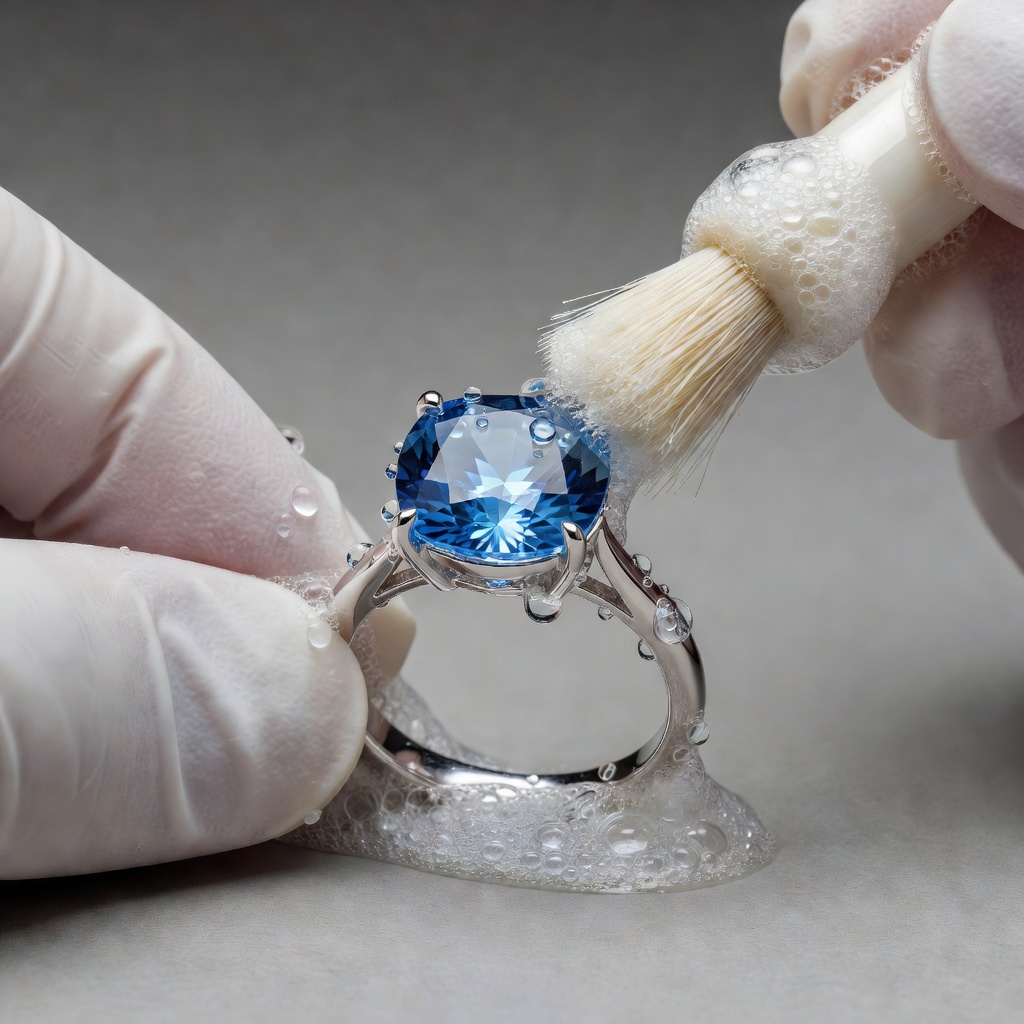
Performing regular cleaning topaz gemstones at home requires gentle techniques that remove dirt without compromising the stone's structural integrity or surface treatments. Begin by preparing a cleaning solution using warm water—not hot—and a few drops of mild dish soap, avoiding harsh detergents, ammonia-based cleaners, or abrasive formulas that could damage the stone or its setting. The water temperature should feel comfortable to touch, as excessive heat can shock treated topaz varieties and potentially cause microscopic fractures.
Place your topaz jewelry in the solution and allow it to soak for 10 to 15 minutes to loosen accumulated grime and body oils. Using a soft-bristled toothbrush reserved exclusively for jewelry cleaning, gently scrub the gemstone and its setting, paying special attention to the pavilion (bottom) and the area behind the stone where debris commonly collects. Work with light, circular motions rather than aggressive scrubbing, and avoid touching the stone directly with your fingers during the process to prevent transferring additional oils.
Rinse the jewelry thoroughly under lukewarm running water, ensuring all soap residue is removed as any remaining film can attract future dirt and dull the stone's appearance. Pat the piece dry immediately using a clean microfiber cloth or allow it to air dry on a soft towel away from direct heat sources. For intricate settings or antique pieces, use a bulb syringe to flush water behind the stone rather than submerging the piece, ensuring complete removal of cleaning solution without risking water damage to delicate mountings.
Professional Topaz Care and Cleaning Services
While home maintenance addresses routine cleaning, professional topaz care and cleaning services provide deep restoration and structural assessment that preserve your jewelry's longevity and value. Schedule comprehensive cleaning and inspection appointments every 6 to 12 months for frequently worn pieces, or more often for rings and bracelets subjected to daily wear and potential impact. Professional jewelers possess specialized equipment, including steam cleaners calibrated for safe use on specific gemstone types and high-powered magnification that reveals issues invisible to the naked eye.
During professional servicing, experienced jewelers can safely clean hard-to-reach areas beneath the stone and within complex settings without risking damage to the topaz or its mounting. They utilize industry-specific solutions and ultrasonic alternatives that remove stubborn buildup that home cleaning cannot address, while simultaneously checking for loose prongs, worn gallery wires, or weakened bezels that could lead to stone loss. This preventative maintenance often costs significantly less than replacing a lost or damaged gemstone.
For topaz that has developed surface scratches or lost its vitreous luster through years of wear, professional re-polishing can restore the gem's original brilliance and optical performance. Master gem cutters can remove minor abrasions from the table and crown facets without significantly affecting the carat weight, essentially rejuvenating the stone's appearance. Additionally, professionals can identify whether color changes in treated topaz result from surface contamination or actual treatment degradation, recommending appropriate restoration options when available.
Proper Storage Techniques for Topaz Jewelry
Implementing proper topaz storage tips prevents accidental damage that occurs when jewelry pieces contact each other during storage or transport. Always store topaz separately from harder gemstones such as diamonds, rubies, and sapphires, which can scratch the topaz surface despite its relative hardness. Even other topaz pieces should be stored individually, as they can scratch each other if allowed to rub together in a jewelry box or travel case.
Utilize individual soft cloth pouches made from velvet, silk, or anti-tarnish fabric for each topaz piece, or invest in a high-quality jewelry box with fabric-lined compartments that prevent pieces from touching. For extensive collections, consider drawer organizers with padded dividers that accommodate different jewelry types while maintaining separation. When traveling, use dedicated jewelry rolls with individual pockets rather than tossing pieces into a cosmetic bag where they can tangle and abrade one another.
Environmental factors play a crucial role in gemstone storage, particularly for treated topaz varieties sensitive to light and heat. Store your jewelry in a cool, dry place away from direct sunlight, which can fade irradiated blue topaz or affect the adhesive bonds in certain treated stones. Avoid storing topaz near heating vents, windowsills, or in bathrooms where humidity and temperature fluctuations occur regularly. A bedroom closet or dresser drawer typically provides the stable environment necessary for preserving both the stone's color integrity and the metal setting's structural stability.
Protecting Topaz from Heat, Chemicals, and Physical Damage
Effective topaz protection requires vigilance against environmental hazards that can permanently damage the gemstone or alter its appearance. Avoid exposing topaz to extreme temperature changes, such as moving from a hot tub to a cold pool or leaving jewelry in a car during summer heat, as thermal shock can cause internal fracturing or worsen existing inclusions. Even cooking activities involving ovens or stovetops can expose rings to heat levels sufficient to stress treated topaz, making it wise to remove jewelry before meal preparation.
Household chemicals present invisible but serious threats to gemstone safety, with chlorine, bleach, ammonia, and acidic cleaning agents capable of attacking both the stone and its metal mounting. Never wear topaz jewelry while swimming in chlorinated pools or soaking in hot tubs, as prolonged chlorine exposure can discolor gold settings and potentially affect surface treatments on coated topaz varieties. Similarly, remove rings before using household cleaners, hair dyes, or gardening chemicals that could splash onto the stone.
Never use steam cleaners or ultrasonic cleaning devices on topaz, despite their popularity for other jewelry types. The intense vibrations from ultrasonic cleaners can exploit topaz's perfect cleavage, causing internal fractures or complete stone breakage, while the heat generated by steam cleaners can damage treatments or cause thermal shock. Even professional jewelers exercise extreme caution with these methods when working with topaz, often opting for gentle manual cleaning techniques that prioritize safety over speed.
Special Care Guidelines for Different Topaz Colors
Different topaz varieties require specialized attention based on their unique treatment histories and value propositions. Blue topaz cleaning protocols must account for the fact that nearly all commercially available blue topaz undergoes irradiation and heat treatment to achieve its azure hues. These treated stones require extra protection from prolonged sun exposure, as ultraviolet light and excessive heat can sometimes cause color fading or shifting over time. Store blue topaz in opaque containers or jewelry boxes rather than glass display cases that receive natural light.
Imperial topaz care demands particularly delicate handling due to the stone's rarity and exceptional value compared to other varieties. This precious topaz, ranging from sherry orange to pinkish-red hues, often commands premium prices and frequently appears in high-end collector pieces. Handle imperial topaz with clean cotton gloves when possible to prevent oil transfer, and consider storing these pieces in climate-controlled environments that maintain consistent temperature and humidity levels to preserve their delicate coloration.
Mystic topaz and other surface-coated or diffusion-treated varieties require the most restrictive cleaning protocols to preserve their rainbow-like iridescence. These stones feature microscopic surface treatments that can be scratched or removed by abrasive cleaning methods, harsh chemicals, or even vigorous rubbing. Clean coated topaz using only water and the gentlest touch, avoiding all brushes, cloths with any texture, or commercial jewelry dips. If the coating becomes damaged, only specialized recoating services can restore the stone's appearance, making prevention the only viable maintenance strategy.
Common Mistakes to Avoid in Topaz Maintenance
Understanding topaz cleaning mistakes prevents well-intentioned care from resulting in permanent damage or diminished value. Never use toothpaste, baking soda, or powdered abrasive cleaners on topaz, as these substances contain microscopic particles harder than dust and debris that can scratch the gemstone's surface. While these DIY cleaning methods appear in many generic jewelry care guides, they create microscopic abrasions that accumulate over time, dulling the stone's luster and requiring professional polishing to correct.
Refrain from wearing topaz in pools, hot tubs, or natural hot springs due to the combined risks of chlorine exposure and temperature extremes. The thermal shock from entering cold water after sunbathing or the heat from hot tubs can stress the stone, while chlorine and bromine chemicals attack both the gemstone's potential treatments and the metal alloy in the setting. These environments present some of the highest risks for permanent damage to both the stone and its mounting.
Avoid using alcohol-based solutions, acetone, or commercial jewelry dips containing harsh solvents on topaz, particularly treated varieties. These chemicals can dissolve the oils used to fill surface-reaching fractures in some stones, remove surface coatings from mystic or treated topaz, or react with irradiation-induced color centers in blue varieties. Similarly, never attempt to repair loose topaz stones using household adhesives like superglue, as these substances can permanently damage the stone's surface and complicate future professional repairs. When in doubt regarding any cleaning product or method, consult a professional jeweler before application.
Frequently Asked Questions
Can I use an ultrasonic cleaner for my topaz jewelry?
No, ultrasonic cleaners are not recommended for topaz. Despite its hardness, topaz has perfect cleavage and can fracture from the vibrations. Additionally, heat generated by ultrasonic cleaners can damage treated or coated topaz varieties. Stick to gentle soap and water cleaning instead.
How often should I clean my topaz jewelry?
Clean topaz jewelry worn regularly every 2-4 weeks using mild soap and water. For pieces worn occasionally, cleaning every 2-3 months is sufficient. However, wipe down the stone with a soft cloth after each wear to remove skin oils and prevent buildup.
Is it safe to shower with topaz jewelry?
It's best to remove topaz jewelry before showering. Soap scum can build up under the stone dulling its brilliance, and sudden temperature changes from hot water can stress the gem. Additionally, shampoos and body washes may contain chemicals that affect the stone over time.
Why has my blue topaz lost its color?
Blue topaz is typically colorless topaz that has been irradiated and heated to achieve its blue hue. Prolonged exposure to strong sunlight or high heat can sometimes fade the color. To prevent this, store blue topaz away from direct sunlight and avoid wearing it during activities involving high heat exposure.
Can I clean topaz with vinegar or lemon juice?
No, avoid using vinegar, lemon juice, or other acidic cleaners on topaz. While topaz is relatively hard, acids can damage the surface over time and potentially affect any treatments or coatings. Always use mild dish soap and warm water for safe cleaning.
What's the best way to store topaz rings and necklaces?
Store topaz jewelry in individual soft cloth pouches or separate compartments in a jewelry box. Keep pieces away from harder gemstones like diamonds that could scratch the surface. Store in a cool, dry place away from direct sunlight to preserve color stability, especially for treated varieties.
How do I know if my topaz needs professional cleaning?
Seek professional help if you notice stubborn dirt under the stone that home cleaning can't remove, visible scratches on the surface, loose settings, or if the stone appears cloudy despite regular cleaning. Jewelers have specialized tools to safely clean and inspect your topaz without causing damage.
Is topaz durable enough for everyday wear?
Topaz is durable enough for everyday wear with proper care, ranking 8 on the Mohs hardness scale. However, due to its perfect cleavage, it can chip if struck hard. Remove topaz rings during heavy physical work, sports, or activities where the stone might impact hard surfaces.