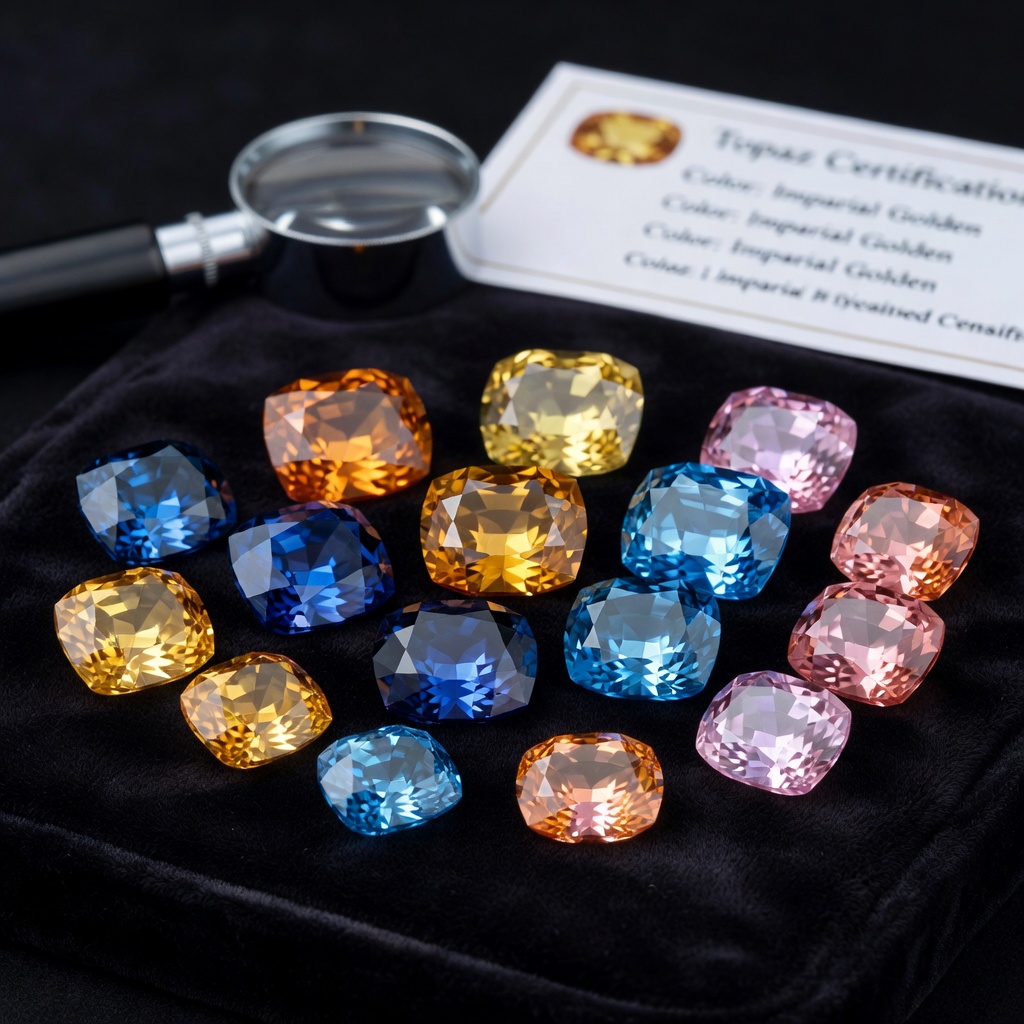
Why Topaz Deserves Your Attention
Topaz stands as one of the most compelling yet frequently misunderstood gemstones in the modern jewelry market, offering exceptional brilliance and color diversity at price points significantly below those of diamonds and sapphires. While many consumers associate this gemstone solely with affordable blue varieties found in mall jewelry stores, the world of topaz encompasses rare Imperial specimens that rival precious gems in both rarity and investment potential. This comprehensive Topaz Buying Guide will navigate you through the complexities of selecting quality stones, understanding treatments, and making informed purchases that align with your aesthetic preferences and budget constraints. Whether you are seeking a unique engagement ring alternative or expanding your colored stone collection, understanding the nuances of topaz quality factors will empower you to recognize exceptional value and avoid common market pitfalls.
Historically, topaz has adorned the crowns of royalty and served as talismans for ancient civilizations who believed the stone possessed protective and healing properties. The name itself likely derives from the Sanskrit word "tapas," meaning fire, though ancient Romans associated golden topaz with their sun god, Jupiter. During the 18th and 19th centuries, Russian Tsars reserved the exclusive rights to Imperial topaz mined in the Ural Mountains, reserving pink and red varieties for royal family members exclusively. Today, market trends indicate a resurgence in demand for colored gemstone engagement rings, with topaz experiencing particular popularity among millennials seeking distinctive alternatives to traditional diamond solitaires. The gemstone's availability in large, clean crystals also makes it ideal for statement cocktail rings and bold pendant designs that would be prohibitively expensive with sapphire or ruby equivalents.
Decoding Topaz Color Varieties and Value
Imperial Topaz: The Pinnacle of Rarity
Imperial topaz represents the apex of value within the topaz family, distinguished by its natural golden, orange, pink, or reddish hues that occur without artificial enhancement. Unlike the abundant blue varieties flooding the market, genuine Imperial topaz derives its color from trace elements like chromium and defects in the crystal lattice structure, resulting in stones that exhibit remarkable warmth and depth. The most coveted specimens display a salmon-pink or reddish-orange coloration known as "sherry" topaz, with prices escalating dramatically as the hue shifts from pale yellow toward these rare reddish tones. When evaluating Imperial topaz, examine the stone under various lighting conditions, as the finest specimens maintain their color saturation in dim lighting rather than appearing washed out or brownish. Brazilian mines in Ouro Preto produce the majority of fine Imperial topaz today, though the limited annual yield ensures these stones remain investment-grade collectibles rather than mass-market commodities.
Understanding Blue Topaz Classifications
Blue topaz dominates commercial markets, but not all blue stones share equal value or visual characteristics, requiring buyers to distinguish between Sky Blue, Swiss Blue, and London Blue varieties. Sky Blue represents the lightest, most ethereal shade, reminiscent of clear daytime skies, while Swiss blue topaz displays a vivid, electric medium-blue saturation that catches attention immediately. London blue topaz commands the highest prices among treated blue varieties, featuring a deep, steely navy color with moderate to dark tone that exudes sophisticated elegance similar to aquamarine or blue sapphire. The depth of color in London Blue results from specific irradiation techniques followed by heat treatment, creating a stable color that will not fade under normal wear conditions. When selecting between these varieties, consider your skin tone and wardrobe preferences; Swiss Blue complements cooler complexions and casual attire, while London Blue pairs exceptionally well with formal business wear and evening attire.
Natural Versus Treated Color Identification
Distinguishing between naturally colored and treated topaz requires understanding both market practices and gemological indicators, as the vast majority of blue topaz available today has undergone irradiation and heat treatment to achieve its color. Natural blue topaz does occur in nature, particularly in Texas and Ukraine, but these stones typically exhibit pale, sky-blue hues rather than the vivid Swiss or London Blue shades popular in jewelry. Treatment disclosure remains legally mandated in most jurisdictions, yet unscrupulous vendors occasionally misrepresent treated stones as natural, particularly with Imperial topaz where the price differential can exceed thousands of dollars per carat. Always request documentation from recognized laboratories such as GIA or AGL when purchasing high-value specimens, and examine stones for telltale signs of treatment such as unnatural color concentration along facet edges or perfect color uniformity rarely seen in natural material.
Emerging Varieties and Specialty Treatments
Beyond traditional colors, the market offers Mystic Topaz and Azotic Topaz, which undergo thin-film deposition coating to create rainbow iridescence, though these should be approached with caution regarding durability. Colorless or "white" topaz serves as an affordable diamond alternative, though it lacks the fire and brilliance of cubic zirconia or moissanite, making it better suited for accent stones rather than centerpieces. Champagne and cognac topaz, displaying warm brownish-yellow hues, offer affordable alternatives to Imperial varieties for those seeking earth-toned jewelry. When considering lesser-known varieties, verify the stability of any treatments and understand that coated stones like Mystic Topaz require protective settings and gentle handling to prevent surface scratching that would destroy the optical effect.
Understanding Clarity and Quality Standards
Navigating Topaz Clarity Grades
Topaz clarity grades follow standard gemological terminology, yet the interpretation of these grades requires context specific to this mineral's typical inclusion patterns and market expectations. Eye-clean specimens, meaning stones without visible inclusions to the unaided eye from approximately six inches, represent the standard for fine jewelry and command premium pricing, particularly in Imperial and London Blue varieties. Slightly included stones may contain minor visible flaws but still work well for pendants or earrings where close inspection is less likely than with rings. Moderately included topaz typically sells at significant discounts and suits bezel settings that conceal clarity characteristics while maximizing carat weight for budget-conscious buyers. Unlike diamonds where inclusion location critically affects durability, topaz inclusions rarely threaten structural integrity unless they reach the surface, though they certainly impact optical performance and resale value.
Common Inclusions and Their Significance
When examining topaz under magnification, expect to encounter typical inclusions including fingerprint patterns, two-phase inclusions, and occasional mineral crystals such as hematite or limonite that appear as reddish-brown specks. Fingerprint inclusions, resembling human fingerprints under magnification, indicate natural origin and healing fractures within the crystal structure, generally having minimal impact on beauty if confined to the stone's periphery. Be particularly wary of stones displaying surface-reaching fractures or cleavage planes, as topaz possesses perfect basal cleavage, making it susceptible to splitting if struck along these planes. Professional gemologists use dark-field illumination to identify these structural weaknesses, which is why certification remains essential for purchases exceeding $500. Cloudy or milky areas within the stone suggest numerous microscopic inclusions that will significantly diminish brilliance, even if the stone technically grades as "slightly included" rather than heavily included.
Transparency and Brilliance Optimization
Transparency directly correlates with value in topaz, as this gemstone's appeal relies heavily on its ability to transmit light and display bright, lively brilliance. Natural Imperial topaz often exhibits exceptional transparency compared to treated blue varieties, which sometimes appear slightly "sleepy" or muted due to irradiation processes affecting crystal structure. When comparing stones of similar color, prioritize those displaying "water-clear" transparency without haziness or clouding that suggests internal stress or numerous microscopic inclusions. The difference in brilliance between a high-clarity specimen and a moderately included one becomes particularly apparent in step cuts like emerald or Asscher shapes, which emphasize transparency over the crushed-ice appearance of brilliant cuts. For maximum light return, seek stones with excellent polish grades, as topaz's relatively high refractive index can produce impressive fire and scintillation when properly faceted and free of surface scratches.
Certification Standards and Laboratory Reports
Reputable gemological laboratories including GIA (Gemological Institute of America), AGL (American Gemological Laboratories), and GRS (GemResearch Swisslab) provide certification that verifies identity, treatments, and quality characteristics of significant topaz purchases. A proper certificate should explicitly state whether the color is natural or treated, the specific treatment methods used (irradiation, heat, coating), and the geographic origin when determinable. For Imperial topaz investments exceeding $1,000, insist on reports from laboratories employing advanced spectroscopic analysis to confirm natural color origin, as heat-treated yellow topaz sometimes mimics natural Imperial varieties. Be cautious of "certificates" provided by the selling jeweler rather than independent laboratories, as these may represent marketing documents rather than objective gemological assessments. The cost of professional certification typically ranges from $50-$200 depending on stone value and testing complexity, representing worthwhile insurance for significant acquisitions.
Cut, Carat Weight, and Size Considerations
Optimal Cutting Styles for Maximum Beauty
Topaz lends itself to diverse cutting styles due to its excellent cleavage and availability in large clean crystals, though certain cuts maximize specific color varieties better than others. Brilliant cuts including round, oval, and cushion shapes enhance blue varieties by maximizing light return and masking the slight windowing common in lighter Sky Blue specimens. Step cuts such as emerald and Asscher shapes suit London Blue and Imperial topaz beautifully, emphasizing clarity and creating elegant, sophisticated appearances reminiscent of Art Deco designs. Fantasy cuts and custom carved topaz have gained popularity among avant-garde designers, leveraging the material's availability in large sizes to create sculptural jewelry pieces impossible with more expensive gems. When evaluating cut quality, examine the stone face-up for even color distribution, avoiding stones with "color zoning" where different hues appear in distinct bands unless specifically seeking bi-colored or parti-colored specimens for unique jewelry designs.
Understanding Topaz Price Per Carat Scaling
Topaz price per carat varies dramatically based on color variety, with commercial blue topaz ranging from $20-$100 per carat for standard qualities, while fine London Blue commands $150-$300 per carat depending on depth of color and clarity. Imperial topaz follows entirely different economic models, with pale yellow specimens starting around $500 per carat, escalating to $3,000+ per carat for vivid pinkish-red stones over five carats. Unlike diamonds where price increases exponentially with size due to rarity, topaz pricing remains relatively linear within color categories because large crystals occur frequently, though exceptional Imperial specimens still command premiums for sizes exceeding ten carats. When budgeting, remember that treated blue topaz offers exceptional value for large statement pieces, allowing acquisition of 10-20 carat cocktail rings for the price of a one-carat sapphire. Always verify that pricing reflects actual quality rather than arbitrary markup, comparing similar stones across multiple vendors to establish fair market value.
Shape Selection for Different Jewelry Applications
The choice of shape significantly impacts both aesthetics and durability, requiring consideration of topaz's cleavage properties when selecting stones for rings versus pendants or earrings. Oval and cushion cuts represent safe choices for engagement rings or daily-wear pieces, distributing pressure evenly across the stone while minimizing exposed corners vulnerable to chipping. Emerald cuts, though elegant, leave the corners particularly susceptible to damage in topaz due to the gem's perfect cleavage, necessitating protective V-prongs or bezel settings if used in rings. Pear and marquise shapes create dramatic pendants and earrings but require careful setting to protect the vulnerable points, making them better suited for occasional wear rather than daily use. Round brilliant cuts maximize brilliance in all varieties but result in higher carat weight loss during cutting, commanding slight premiums over fancy shapes of equivalent quality.
Size Recommendations and Proportion Guidelines
Selecting appropriate topaz sizes requires balancing visual impact with practical wearability, considering both finger proportions and the specific jewelry type. For engagement rings, stones between 1.5 and 3 carats provide substantial presence without overwhelming average finger sizes, while cocktail rings accommodate 5-10 carat specimens that create dramatic statements. Pendant necklaces suit larger stones, typically 3-7 carats, as they hang away from the body where size creates impact without obstructing daily activities. Earrings require matched pairs with identical dimensions rather than merely similar carat weights, as topaz's specific gravity variations can result in significantly different face-up appearances between stones of equal weight but different cutting depths. When purchasing matched pairs for earrings or jewelry sets, request millimeter measurements rather than relying solely on carat weights to ensure proper matching and balanced appearance when worn.
Natural vs Treated Topaz: Making Informed Choices
Common Enhancement Methods Explained
The vast majority of blue topaz available today undergoes irradiation followed by heat treatment to transform colorless or pale blue rough material into the vivid Swiss and London Blue varieties consumers recognize. Electron irradiation creates the bright Swiss Blue hue, while neutron irradiation produces the deeper London Blue coloration, both processes requiring subsequent heat treatment to stabilize the color and remove unwanted brownish tones. These treatments are permanent and stable under normal wearing conditions, though the gemstone industry mandates disclosure of such enhancements to maintain consumer trust and fair pricing. Natural blue topaz does exist, mined primarily in Texas and Ukraine, but these stones typically exhibit much paler colors than treated varieties and command premium prices due to their untreated status. When evaluating blue topaz, assume treatment unless specifically certified as natural, and adjust price expectations accordingly, as untreated natural blue specimens represent genuine collector's items.
Surface Coatings and Durability Concerns
Mystic Topaz and similar coated varieties undergo thin-film deposition processes that create iridescent rainbow effects, though these treatments present specific durability challenges buyers must understand. The coating, typically titanium or other metallic oxides applied through chemical vapor deposition, measures only microns thick and scratches easily through normal wear, cleaning, or even vigorous wiping. Unlike irradiation treatments that penetrate the entire crystal structure, coatings remain surface-level only, meaning once damaged, the stone cannot be effectively recoated to restore its original appearance. Jewelry designers increasingly avoid coated topaz for heirloom-quality pieces, reserving these affordable, eye-catching stones for fashion jewelry intended for occasional wear. If purchasing coated varieties, insist on protective bezel settings that cover the girdle and pavilion, and avoid ultrasonic cleaning or steam cleaning that could compromise the adhesion of the coating.
Interpreting Gemological Reports on Treatment
Understanding treatment disclosure on laboratory reports requires familiarity with standard terminology and comment codes used by major gemological institutions. Reports typically indicate treatments under sections labeled "Comments," "Treatment," or "Identification," with phrases like "Indications of heating" or "Irradiated" clearly stated for blue varieties. The absence of treatment comments on a report for blue topaz should raise immediate suspicion, as natural blue material is sufficiently rare that laboratories would specifically note this characteristic as a value-adding feature. For Imperial topaz, reports should explicitly state "No indications of heating" or "Natural color" to verify the premium pricing associated with untreated material. Be wary of vague language such as "color enhanced" without specific methodology, as this might indicate undisclosed treatments or coating applications that significantly affect value and durability compared to standard irradiation techniques.
Ethical Considerations and Price Implications
The choice between natural and treated topaz involves ethical considerations regarding environmental impact, disclosure honesty, and long-term value retention, requiring buyers to align purchases with personal values. Treated blue topaz utilizes abundant raw material that would otherwise hold minimal commercial value, essentially creating beauty from otherwise unmarketable rough while reducing mining pressure on rare Imperial deposits. However, some collectors and investors prioritize natural, untreated stones for their rarity and potential appreciation, particularly regarding Imperial topaz where untreated specimens become increasingly scarce as mines deplete. Price differentials between treated and natural materials can exceed 1000%, making accurate disclosure critical for fair transactions; misrepresenting treated Imperial topaz as natural constitutes fraud that buyers should report to consumer protection agencies. When building a collection, consider diversifying between affordable treated varieties for wearable fashion pieces and investment-grade natural specimens for long-term value retention and heirloom significance.
Setting Selection and Metal Pairings
Complementary Metal Choices by Color Variety
Selecting appropriate precious metals enhances topaz color while providing necessary protection for this cleavage-prone gemstone, requiring thoughtful coordination between hue and metal tone. Imperial topaz displays maximum warmth and richness when set in yellow gold or rose gold, which complement the stone's golden and peachy undertones while creating cohesive, sunset-inspired palettes. London blue topaz achieves sophisticated, contemporary elegance when paired with white metals including platinum, palladium, or white gold, which emphasize the stone's steely depth and cool undertones without introducing color competition. Swiss blue topaz offers versatility, working beautifully with both white metals for crisp, aquatic themes or yellow gold for retro-inspired designs reminiscent of 1950s cocktail jewelry. Two-tone settings combining white and yellow gold create striking contrast with bi-colored or color-zoned topaz specimens, framing the stone while allowing maximum light entry from all angles.
Protective Setting Strategies for Durability
Given topaz's perfect cleavage and relative brittleness compared to corundum or diamond, protective settings become essential for jewelry intended for daily wear, particularly rings exposed to potential impacts. Bezel settings, where metal completely surrounds the stone's perimeter, offer optimal protection against chips and blows while providing sleek, modern aesthetics that suit contemporary design preferences. When using prong settings, insist on six prongs rather than four for round stones, ensuring that if one prong fails, the stone remains secured rather than falling out. V-prongs or corner-protecting designs become mandatory for emerald cuts, pears, and marquise shapes, as these pointed areas align with topaz cleavage planes and represent the most vulnerable damage points. Halo settings provide aesthetic enhancement and slight physical protection, though ensure the halo metalwork doesn't extend above the table of the center stone, which would prevent proper cleaning and potentially trap debris against the pavilion.
Design Considerations by Jewelry Type
Different jewelry types impose varying mechanical stresses on gemstones, necessitating tailored setting approaches for rings versus pendants, earrings, or bracelets. Engagement rings and daily-wear bands require the most robust protection, favoring low-profile settings that keep the topaz close to the finger and protected within the circumference of the band. Pendant designs allow more creative freedom with exposed culet points and open-back settings that maximize light return, as pendants suffer fewer direct impacts than hand jewelry. Earrings suit all setting styles but require particular attention to weight balance, as large topaz specimens can create heavy earrings that stretch piercings or cause discomfort during extended wear. Bracelets and tennis bracelets present particular challenges for topaz due to constant wrist contact with desks and surfaces, making channel or heavy bezel settings preferable to delicate prong work that might snag or loosen.
Accent Stones and Design Enhancement
Strategic pairing of accent stones can elevate topaz jewelry from simple solitaires to sophisticated compositions that enhance the center stone's color and perceived value. Diamonds provide classic contrast with all topaz varieties, with colorless stones creating bright halos that make center stones appear larger and more vivid through optical contrast. For Imperial topaz, orange sapphires or spessartite garnet accents create monochromatic warmth, while blue sapphires provide complementary color contrast that makes the golden center stone pop. London Blue topaz pairs elegantly with white diamonds or icy aquamarine accents for tonal harmony, or with yellow diamonds for striking complementary contrast. When designing three-stone rings, consider side stones that match the topaz's durability characteristics; pairing topaz with much harder diamonds or sapphires risks the accent stones eventually scratching or abrading the softer center stone if they make contact during wear.
Budget Planning and Price Expectations
Price Ranges by Quality and Color Category
Establishing realistic budgets requires understanding the vast price spectrum within topaz categories, from mass-market commercial goods to rare collector specimens. Commercial-grade blue topaz, including pale Sky Blue and moderately saturated Swiss Blue, typically retails between $20 and $100 per carat, making it accessible for large statement pieces even on modest budgets. Fine London Blue topaz with deep saturation and eye-clean clarity commands $150 to $300 per carat, with exceptional specimens or designer cuts reaching $500 per carat. Natural Imperial topaz operates in an entirely different economic tier, with pale yellow stones starting at $500 per carat, peach and salmon colors ranging $1,000-$2,500 per carat, and vivid reddish-pink specimens exceeding $3,000 per carat for high-quality material. When comparing prices, verify that quotes reflect similar treatment status, clarity grades, and cutting quality, as a $50 per carat London Blue stone might appear superficially similar to a $250 per carat specimen until examined under magnification or compared side-by-side for color depth.
Seasonal Market Fluctuations and Timing
Strategic timing of topaz purchases can yield significant savings, as the colored gemstone market experiences predictable seasonal patterns affecting availability and pricing. January through March often presents optimal buying opportunities, as retailers clear holiday inventory and consumers recover from seasonal spending, occasionally discounting fine pieces by 15-30%. The Tucson Gem and Mineral Show each February offers unparalleled selection and wholesale pricing for knowledgeable buyers able to navigate this massive trade event, though retail consumers should attend with research completed and budget limits established. Avoid purchasing during peak bridal season (May-June) or pre-holiday periods (October-November) when demand drives prices higher and selection becomes limited as inventory moves quickly. Estate sales and auctions occasionally offer exceptional values on vintage Imperial topaz jewelry, though require expertise to authenticate period pieces and verify that stones haven't been replaced or significantly worn.
Accounting for Hidden Costs
The listed price per carat represents only the beginning of total ownership costs, requiring buyers to budget for additional expenses essential for protection and maintenance of fine jewelry. Custom settings for significant topaz specimens typically range from $500 to $2,000 depending on metal choice and design complexity, with platinum settings costing significantly more than gold alternatives. Professional appraisals, necessary for insurance and verifying purchase value, generally cost $75-$150 per item, though complex pieces or those requiring origin determination may incur higher fees. Insurance premiums for jewelry collections typically run 1-2% of appraised value annually, representing ongoing costs that buyers should factor into long-term ownership budgets. Additionally, consider future maintenance costs including professional cleaning, prong tightening, and potential repolishing of worn facet edges, which while infrequent, contribute to total cost of ownership over decades of wear.
Comparison Shopping Strategies
Effective comparison shopping between online retailers and brick-and-mortar stores requires understanding the advantages and limitations of each channel when purchasing colored gemstones. Online marketplaces offer extensive selection and competitive pricing due to lower overhead costs, but present challenges regarding color accuracy and the inability to physically examine stones for windowing or clarity characteristics before purchase. Established brick-and-mortar jewelers provide personalized service, immediate availability, and the ability to compare multiple stones side-by-side under various lighting conditions, though typically at 20-40% higher prices than online equivalents. When shopping online, prioritize vendors offering high-resolution photography, detailed videos showing stones from multiple angles, and generous return policies allowing at least 14 days for inspection. For significant Imperial topaz purchases, consider traveling to specialized colored stone dealers in New York's 47th Street district, Los Angeles' Jewelry District, or Tucson during the gem show, where competitive pricing meets professional expertise.
Authentication, Certification, and Red Flags
Essential Documentation Requirements
Protecting your investment in topaz requires obtaining comprehensive documentation that verifies identity, quality, and origin, particularly for high-value specimens or those represented as natural Imperial varieties. Origin reports indicating specific mine locations (such as Ouro Preto, Brazil for Imperial topaz) add significant value and collectibility, as certain localities produce distinctive color characteristics prized by connoisseurs. Treatment certificates detailing specific enhancement methods (neutron versus electron irradiation for blue varieties) ensure you understand exactly what you are purchasing and help determine fair pricing. Purchase receipts should include detailed descriptions including exact dimensions, carat weight, color grade, clarity grade, and treatment disclosure to facilitate future appraisals, insurance claims, or resale activities. For antique or estate pieces, provenance documentation establishing previous ownership or historical significance can multiply value beyond the intrinsic worth of the materials alone.
Identifying Common Scams and Imitations
The topaz market suffers from various deceptive practices that unwary buyers must recognize to avoid costly mistakes, including glass imitations, synthetic lookalikes, and misrepresented treatments. Glass imitations often appear too perfect, lacking the microscopic inclusions typical of natural topaz, and feel noticeably lighter than genuine stones of equivalent size. Synthetic topaz, created in laboratories, matches natural material chemically and physically but lacks the rarity that justifies natural pricing; while not inherently fraudulent if disclosed, synthetic material should cost significantly less than natural equivalents. Colorless quartz and white sapphire sometimes substitute for white topaz, while heat-treated amethyst or citrine occasionally masquerades as Imperial topaz to unsuspecting buyers. Be particularly suspicious of "Imperial topaz" priced below $300 per carat, as this likely indicates treated yellow material or entirely different gemstones, since genuine natural Imperial rough costs dealers more than this threshold before cutting and setting.
Vetting Vendor Ethics and Sourcing
Responsible purchasing extends beyond the gemstone itself to encompass the ethical and environmental practices of your chosen supplier, requiring due diligence regarding mining conditions and supply chain transparency. Reputable vendors should willingly discuss their sourcing practices, including whether they participate in initiatives supporting artisanal miners or avoid conflict zones where gemstone mining funds violence. Ask specific questions about whether the topaz was mined using environmentally responsible methods, particularly important for alluvial deposits where careless mining damages river ecosystems. Inquire about fair labor practices, as topaz mining in certain regions historically involved child labor or dangerous working conditions that ethical dealers now avoid through documented supply chains. Vendors who deflect these questions or provide vague assurances rather than specific information about mine-to-market tracking may source material through channels involving exploitation or environmental harm.
Professional Appraisal Importance
Independent professional appraisal serves as critical protection for significant topaz acquisitions, providing unbiased verification of quality claims and establishing replacement value for insurance purposes. For Imperial topaz purchases exceeding $2,000, or any stone represented as natural color, insist on pre-purchase examination by an independent Graduate Gemologist (GG) or Fellow of the Gemmological Association (FGA) who has no financial interest in the transaction. Post-purchase appraisals should occur within 30 days of acquisition to establish baseline condition documentation and verify that the received item matches the described specifications. Ensure appraisers have specific experience with colored gemstones rather than only diamond expertise, as colored stone evaluation requires different skills regarding color grading and treatment detection. Update appraisals every 3-5 years, as market values for rare Imperial topaz can appreciate significantly, potentially leaving you underinsured if valuations remain static while replacement costs escalate.
Care, Maintenance, and Longevity
Proper Cleaning Protocols
Maintaining topaz brilliance requires gentle cleaning methods that respect the stone's cleavage properties while removing accumulated oils and debris that dull the surface. Prepare a solution of warm water with mild dish soap, using a soft toothbrush to gently scrub the stone and setting, paying particular attention to the pavilion and beneath the stone where dirt accumulates. Avoid ultrasonic cleaners entirely, as the vibrations can cause stones with existing fractures or inclusions to shatter along cleavage planes, and never use steam cleaning which subjects topaz to thermal shock. Rinse thoroughly under lukewarm running water, ensuring the drain is closed or covered to prevent accidental loss, and pat dry with a soft lint-free cloth rather than rubbing, which could potentially scratch softer coated varieties. For routine maintenance between deep cleanings, wipe topaz jewelry with a microfiber cloth after wearing to remove skin oils and perspiration that can etch the surface over time.
Storage Recommendations
Proper storage prevents both physical damage and chemical deterioration that can mar topaz beauty over years of ownership, requiring separate storage from harder gemstones and certain metals. Store topaz pieces in individual soft cloth pouches or compartmentalized jewelry boxes to prevent contact with diamonds, rubies, sapphires, or other corundum that could scratch the surface. Avoid storing topaz in direct sunlight or hot environments such as car glove compartments, as prolonged heat exposure can potentially affect color stability in some treated varieties, though this risk remains minimal for standard irradiated blue stones. Keep topaz away from household chemicals including chlorine bleach, ammonia, and hairspray, which can damage both the stone and metal settings through chemical reaction or residue buildup. For valuable pieces, consider storing in a home safe or safety deposit box when not worn regularly, ensuring the storage environment maintains stable humidity to prevent metal tarnishing or stress on settings.
Situational Removal Guidelines
Knowing when to remove topaz jewelry prevents the majority of damage scenarios, extending the lifespan of your pieces significantly beyond those subjected to constant wear. Remove topaz rings before engaging in household cleaning, gardening, sports, or gym activities where impact against hard surfaces could chip the stone or loosen settings. Take off topaz jewelry before swimming in chlorinated pools or hot tubs, as chlorine damages gold alloys and the thermal shock of hot water followed by cool air can stress inclusions. Avoid wearing topaz during cooking or baking where sudden temperature changes from ovens or freezers could potentially shock the stone, particularly important for stones with visible inclusions or fractures. Apply cosmetics, perfumes, and hairsprays before putting on topaz jewelry, as these products create films on the stone that require aggressive cleaning to remove and may contain chemicals that affect durability.
Professional Maintenance and Restoration
Even with careful wear, topaz jewelry eventually requires professional attention to address wear patterns and restore original brilliance that home cleaning cannot achieve. Have prongs and settings inspected by a jeweler every 12-18 months, particularly for rings worn daily, as topaz is heavy enough that loose prongs risk stone loss. Professional re-polishing can restore luster to facet edges that have become scratched or abraded over decades of wear, though this process removes microscopic amounts of material and should be performed sparingly on valuable specimens. If a topaz suffers a chip or significant scratch, consult a lapidary about re-cutting options; sometimes rotating a stone in its setting can hide minor damage, or the stone can be re-cut into a smaller but perfect gem rather than replacing entirely. Maintain records of all professional services performed, as this documentation supports future appraisals and helps track the history of your collection.
Trusted Sources and Purchase Timing
Vetting Online Marketplaces and Retailers
Navigating online gemstone purchases requires distinguishing between reputable specialty dealers and general retail platforms that may lack gemological expertise or quality control. Prioritize established colored stone dealers who provide detailed photographs including magnified views of inclusions, videos demonstrating brilliance and windowing, and comprehensive treatment disclosure rather than vague descriptions. Examine return policies carefully, ensuring they allow at least 10-14 days for inspection by your own gemologist, and verify whether return shipping includes insurance coverage for high-value items. Read reviews specifically mentioning customer service regarding quality disputes or return processing, as these indicate how the vendor handles situations where stones don't match descriptions. Avoid auction sites or classified advertisements for significant purchases unless you possess advanced gemological training, as these venues offer minimal recourse if stones prove to be glass, synthetic, or misrepresented treatments.
Trade Shows and Estate Market Opportunities
Alternative purchasing channels offer unique opportunities for acquiring exceptional topaz, particularly for collectors seeking rare varieties or vintage designs unavailable through standard retail. The Tucson Gem and Mineral Show, held annually each February, represents the world's largest gathering of colored stone dealers, offering wholesale pricing and rare specimens including exceptional Imperial topaz directly from miners and cutters. Estate sales and antique shops occasionally yield vintage Imperial topaz pieces from the Art Deco or Victorian eras at prices below replacement cost, though require authentication to ensure stones haven't been replaced with modern treated material. Auction houses like Sotheby's and Christie's occasionally feature significant topaz in their jewelry sales, particularly vintage pieces by renowned designers, providing opportunities to acquire investment-grade material with established provenance. When exploring these channels, attend with specific knowledge of current market values and authentication criteria, as the excitement of auctions or trade shows can lead to overpaying for stones with undisclosed treatments or excessive wear.
Return Policies and Inspection Periods
Protecting yourself when purchasing topaz requires ensuring adequate time and conditions to verify that received merchandise matches described specifications and meets quality expectations. Insist on written return policies allowing at least 14 days from receipt, not from purchase date, to accommodate shipping delays and scheduling professional appraisal appointments. Verify whether returns must be in original condition with tags attached, or whether you may have the stone removed from temporary settings for independent examination, as some vendors prohibit setting removal voiding return rights. Ensure that return shipping includes full insurance coverage equal to the purchase price, as standard shipping insurance often caps at $1,000-$5,000, insufficient for valuable Imperial specimens. Document the stone's condition immediately upon receipt through high-resolution photography before any examination or setting work, providing evidence of the stone's condition should disputes arise regarding damage claims during return processing.
Building Gemologist Relationships
Long-term success in acquiring fine topaz depends on cultivating professional relationships with gemologists and reputable dealers who can guide future purchases and verify authenticity. Establish connections with independent Graduate Gemologists who can provide pre-purchase consultations, examining photos or videos of prospective acquisitions to flag potential concerns before you commit to purchases. Join gemstone collector societies or local mineral clubs where members share vendor recommendations and market intelligence regarding new finds or pricing trends in specific topaz varieties. Develop relationships with estate jewelers who understand your collecting interests; they can contact you when relevant pieces become available before advertising publicly, providing first selection of rare material. As your collection grows, these professional networks become invaluable for liquidating pieces, upgrading quality, or obtaining certificates of authenticity that enhance resale value and insurance coverage.
Frequently Asked Questions
What is the most valuable color of topaz?
Imperial topaz, displaying natural golden, orange, or pinkish-red hues, commands the highest prices due to extreme rarity. Unlike treated blue varieties, natural Imperial topaz can exceed $1,000 per carat for fine specimens, with reddish tones being most prized.
How can I tell if topaz is natural or treated?
Request a gemological certificate from GIA or AGL that discloses treatments. Treated blue topaz typically shows unnaturally vivid saturation, while natural Imperial topaz exhibits subtle color zoning. Professional testing can detect irradiation signatures not visible to the naked eye.
Is topaz durable enough for everyday engagement rings?
Topaz ranks 8 on the Mohs hardness scale but has perfect cleavage, making it susceptible to chipping if struck. While suitable for careful daily wear, protective bezel settings are recommended for active lifestyles, or consider harder alternatives like sapphires for high-impact activities.
What is the difference between London Blue and Swiss Blue topaz?
London Blue exhibits a deep, steely navy color achieved through neutron irradiation and heat treatment, commanding premium pricing among blue varieties. Swiss Blue appears lighter, bright sky-blue, created through electron irradiation. London Blue typically costs 20-30% more due to perceived sophistication.
How much should I expect to pay for quality topaz?
Commercial blue topaz ranges $20-$100 per carat, while fine London Blue reaches $150-$300 per carat. Natural Imperial topaz starts around $500 per carat for pale yellows, escalating to $3,000+ for vivid pinks and reds. Always verify treatments before comparing prices.
Can Mystic Topaz be used in fine jewelry?
Mystic Topaz features a surface coating creating rainbow effects, but this treatment scratches easily and cannot be recoated effectively. While affordable and visually striking, it requires protective settings and gentle handling, making it better suited for occasional wear pieces rather than heirloom jewelry.
What is the best metal setting for blue topaz?
White metals like platinum, white gold, or sterling silver enhance the cool tones of London Blue and Swiss Blue topaz. Imperial topaz pairs beautifully with yellow or rose gold to complement warm undertones. Avoid high-polish finishes that compete with the gem's brilliance.
How do I clean topaz jewelry safely?
Clean with warm soapy water and a soft brush, avoiding ultrasonic cleaners and steam cleaning that exploit cleavage planes. Remove before exposure to household chemicals, extreme temperature changes, or physical activities. Store separately to prevent scratching from diamonds or corundum.