
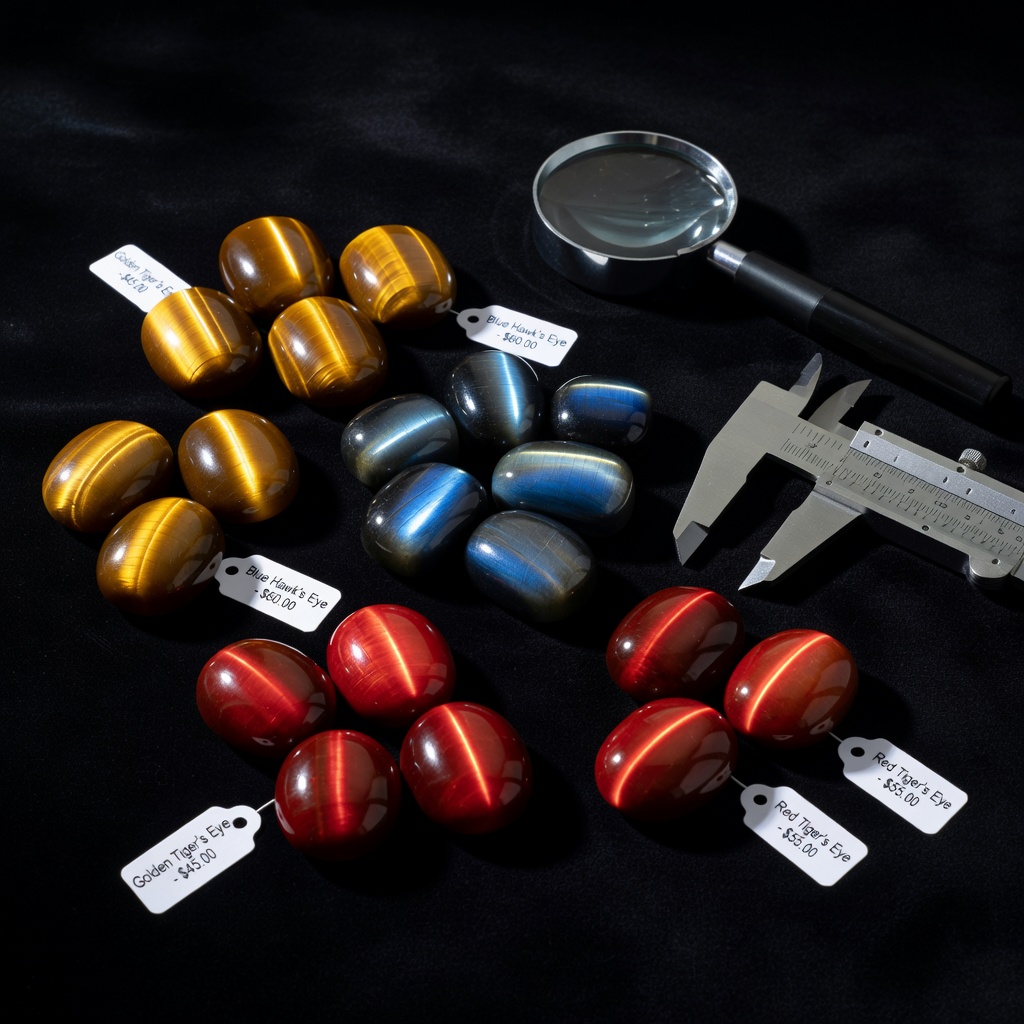
Introduction to Tiger's Eye Valuation
Tiger's eye represents one of the most visually striking metamorphic rocks in the quartz family, characterized by its golden to red-brown coloration and distinctive silky luster. As a macro-crystalline variety of quartz that forms when crocidolite fibers undergo replacement by silica while retaining their original fibrous structure, this gemstone offers unique optical properties that directly influence its market valuation. Understanding tiger's eye stone value requires familiarity with geological formation processes, as specimens from specific regions like South Africa's Northern Cape or Western Australia's Pilbara region often command different price points due to variations in mineral composition and chatoyancy quality.
The modern gem market has witnessed significant shifts in how collectors and jewelry designers evaluate these stones, with increasing emphasis on untreated natural specimens versus enhanced varieties. Current trends show growing demand for ethically sourced rough material, particularly among artisan jewelry makers who prioritize the stone's natural chatoyancy over artificially enhanced color saturation. This comprehensive Tiger's Eye Price Guide examines how origin documentation, treatment history, and the quality of the optical phenomenon known as chatoyancy collectively determine fair market pricing across different commercial channels and collector markets.
Quality Grades and Pricing Tiers
Professional gemologists and wholesale buyers categorize tiger's eye into distinct quality tiers that significantly impact per-carat valuations, with tiger's eye quality grades ranging from commercial utility material to museum-grade specimens. AAA-grade stones exhibit razor-sharp chatoyancy that creates a single, continuous line of light across the dome when properly oriented, combined with intense, saturated coloration free from visible iron oxide staining or structural fractures. These premium specimens typically feature perfect polish with no surface pitting, allowing the fibrous structure to reflect light uniformly across the entire cabochon surface.
Commercial-grade material, while still suitable for mass-market jewelry, displays weaker chatoyant bands that may appear diffused or broken, often accompanied by cloudy areas where mineral replacement was incomplete during formation. Collector-grade specimens distinguish themselves through exceptional size, unusual color zoning, or rare pseudomorph characteristics where original asbestos fiber patterns remain partially visible under magnification. When evaluating tiger eye gemstone pricing, clarity considerations extend beyond traditional inclusion assessment to examine surface imperfections that might interrupt the stone's characteristic silky sheen, with even minor scratches potentially reducing value by 15-25% in the wholesale market.
Professional Grading Standards
Reputable dealers assess chatoyancy intensity using controlled lighting conditions, measuring how sharply the eye line moves across the stone's surface when rotated under a single point light source. Stones exhibiting "rolling flash" effects, where multiple chatoyant bands appear to move simultaneously, generally receive lower grades than those displaying a single, concentrated line of light. The absence of matrix material or host rock inclusions proves particularly crucial for high-value specimens, as any foreign mineral intrusion disrupts the continuous fibrous structure necessary for optimal optical performance.
Price Per Carat Breakdown by Category
Understanding the granular pricing structure of tiger's eye requires examining specific product categories, as Tiger's Eye Price Guide valuations vary dramatically between rough material, calibrated cabochons, and finished jewelry components. Standard commercial cabochons in common sizes (8x10mm to 12x16mm oval shapes) typically trade between $1 and $10 per carat, depending on color consistency and the sharpness of the chatoyant effect. Premium specimens featuring exceptional optical phenomena, large carat weights exceeding 50 carats, or rare color variations can command $10 to $50 per carat, with museum-quality pieces occasionally exceeding $100 per carat for exceptional size and clarity combinations.
Bead strand pricing follows different economic models, with machine-drilled 8mm round beads from India or China wholesaling for $5 to $15 per strand for commercial quality, while hand-cut, perfectly matched strands with superior chatoyancy might retail for $50 to $150. Rough material purchased directly from mining operations or estate collections offers the most favorable tiger's eye stone value for lapidary artists, typically ranging from $0.50 to $3 per gram depending on the presence of usable cutting material versus waste matrix. Rare specimens, particularly those exhibiting dual-color zoning or exceptional size without internal fractures, often carry premiums of 300-500% above standard commercial rates due to their scarcity in the collector market.
Wholesale vs. Specimen Pricing
Mineral collectors seeking display specimens rather than cutting material should expect to pay based on aesthetic presentation rather than carat weight, with matrix specimens showing natural crystal formations commanding significantly higher prices than tumbled stones. Large rough pieces exceeding 500 grams with visible fibrous structure and chatoyancy in their natural state can fetch $200 to $800 depending on the drama of their visual presentation and provenance documentation.
Color Variations and Market Value
The golden to brownish-yellow tiger's eye serves as the market baseline, offering excellent affordability and widespread availability for jewelry applications, with pricing remaining stable due to consistent supply from major producing regions. However, color variations significantly impact valuation, with blue tiger's eye cost considerations reflecting the material's relative scarcity and unique formation requirements. Blue tiger's eye, commercially known as Hawk's Eye, forms when the iron within the crocidolite fibers oxidizes less completely during the silicification process, retaining the mineral's original blue-gray coloration before full conversion to golden tones occurs.
Natural blue specimens command premiums of 20-40% over golden varieties, with intense, uniform slate-blue coloring representing the most desirable and expensive end of the spectrum. Red tiger's eye price structures present more complexity, as the vibrant mahogany and brick-red hues found in commercial markets almost exclusively result from heat treatment processes rather than natural formation. Naturally occurring red tiger's eye, formed through specific oxidation states during geological heating, remains exceptionally rare and can command prices ten to twenty times higher than heat-treated equivalents, though distinguishing between natural and treated red varieties requires advanced gemological testing.
Color Treatment Disclosure
Buyers should request written documentation regarding heat treatment for any red specimens, as the thermal enhancement process, while permanent and stable, significantly affects resale value and collector interest. Untreated golden material with rich, honey-colored saturation often outperforms weakly colored natural blue in terms of price stability, making color intensity a more reliable value indicator than hue alone for investment considerations.
Cut, Shape, and Craftsmanship Impact
The transformation from rough stone to finished gem dramatically influences tiger eye gemstone pricing, with skilled lapidary work capable of increasing material value by 400-600% through optimal orientation and polishing. Cabochons command premium prices compared to rough material because proper cutting requires precise alignment of the stone's fibrous structure perpendicular to the base, ensuring the chatoyant eye appears centered and moves smoothly across the dome when rotated. Custom cuts featuring unusual geometries, fantasy shapes, or calibrated sizes for specific designer settings typically add $20 to $100 per stone in labor costs, which translates to higher retail pricing but potentially better value for unique jewelry pieces.
Craftsmanship quality manifests most noticeably in the polish quality of the dome surface, with professional cutting eliminating surface imperfections that would otherwise scatter light and diminish the chatoyancy effect. Bead manufacturing involves different economic considerations, with hand-shaped beads retaining more material integrity and showing better optical effects than mass-produced machine-tumbled versions, justifying price differentials of 200-300% between artisan and commercial bead strands. Display specimens intended for mineral collections rather than jewelry applications require minimal cutting but demand perfect preservation of natural crystal faces and host rock matrix, with preparation work focusing on cleaning and stabilization rather than shaping.
Designer Setting Considerations
When tiger's eye appears in high-end jewelry settings, the craftsmanship of the metalwork significantly impacts overall piece valuation, with custom-designed sterling silver or gold settings adding $150 to $500+ to the base stone value. Commercial cast settings mass-produced in lower labor-cost countries may add only $10 to $30 to the final price, though they often fail to protect the stone's edges adequately, potentially leading to chipping that destroys the cabochon's value.
Treatments and Enhancement Disclosure
Transparency regarding enhancement procedures proves essential for accurate Tiger's Eye Price Guide valuations, as treatment history can alter a stone's value by 50-90% depending on the method employed. Heat treatment represents the most common enhancement, permanently altering golden tiger's eye to reddish tones by oxidizing the iron content within the fibrous structure, a practice accepted in the trade but requiring disclosure under FTC guidelines. While heat-treated red tiger's eye remains stable and visually attractive, it typically trades at 60-80% discount compared to natural red specimens, assuming such natural pieces can be authenticated.
Dyeing practices present more serious valuation concerns, particularly in commercial bead markets where lighter or unevenly colored material receives enhancement to simulate high-quality golden or blue specimens. These dye treatments often prove unstable, fading under exposure to sunlight or skin oils, rendering the material essentially worthless for long-term jewelry applications. Identifying untreated natural specimens requires careful examination under magnification, as genuine material shows fibrous structure throughout the stone, while dyed agate or glass imitations lack the asbestos-derived silkiness and may display color concentrations in fractures or surface pits.
Detection Methods for Buyers
Prospective purchasers should examine stones under diffused light to check for color zoning inconsistent with natural formation, and request refractive index testing when possible, as tiger's eye typically registers 1.544-1.553 on refractometers, differing significantly from glass substitutes. Professional gemologists can identify heat treatment through microscopic examination of color distribution, though this requires specialized training and equipment not available to casual collectors.
Retail vs. Wholesale Buying Channels
Understanding distribution channels proves crucial for maximizing tiger's eye stone value, as markup structures vary dramatically between retail jewelry stores, online marketplaces, and direct wholesale sources. Traditional brick-and-mortar jewelry stores typically apply 200-400% markups over wholesale costs to cover overhead expenses, insurance, and sales commissions, meaning a $20 wholesale stone might retail for $60 to $100 in a boutique setting. Gem and mineral shows offer intermediate pricing tiers, often 50-100% above wholesale but significantly below retail, though buyers must possess knowledge to evaluate quality without the consumer protections offered by established retailers.
Direct importer relationships provide the most favorable pricing for serious collectors or jewelry makers, with container-load purchases from cutting houses in India, South Africa, or Thailand offering per-carat prices 60-80% below domestic wholesale rates. However, online marketplaces present significant risks alongside potential savings, with auction sites and classified platforms hosting numerous glass imitations, dyed substitutes, and misrepresented treated material. Successful online purchasing requires verification strategies including seller reputation analysis, detailed photography requests showing chatoyancy movement, and return policy confirmation before payment.
Negotiation Strategies
When purchasing at gem shows or from wholesale dealers, buyers should inquire about parcel pricing for multiple stones, as volume discounts of 20-30% typically apply to purchases exceeding ten pieces or $500 total value. Building relationships with specific dealers often yields access to pre-showing inventory or "box lots" containing mixed qualities at average pricing below individual stone selection.
Authentication and Certification Costs
Professional documentation provides essential verification for high-value acquisitions, though the cost-benefit analysis of certification depends heavily on the purchase price and intended use of the material. Gemological Institute of America (GIA) or American Gemological Laboratories (AGL) reports cost between $50 and $200 per stone, making them economically justified primarily for specimens exceeding $1,000 in value or those representing rare color variations requiring treatment verification. These certificates document tiger's eye quality grades, confirming natural origin, identifying any treatments, and providing measurements that protect against substitution during setting or resale.
Regional origin reports add another layer of documentation particularly valued by collectors, as material from specific localities like the Marra Mamba iron formation in Australia or the Asbestos Mountains of South Africa carries geological significance that enhances collector value. For lower-value purchases under $500, dealer-provided documentation or personal verification using DIY testing methods often proves sufficient. Authentic tiger's eye exhibits a hardness of 6.5-7 on the Mohs scale, resisting scratching by steel blades but yielding to quartz, while glass imitations feel warmer to the touch and lack the distinctive fibrous texture visible under 10x magnification.
DIY Verification Techniques
Collectors can perform specific gravity testing using suspension methods, as genuine tiger's eye registers approximately 2.65-2.71, significantly heavier than plastic imitations but lighter than similarly appearing glass. Examining the stone under polarized light reveals the characteristic "silk" of aligned fibers, while glass substitutes show uniform structure or bubbles from manufacturing processes.
Investment Potential and Resale Considerations
While tiger's eye rarely appreciates at rates comparable to precious gems like diamonds or rubies, specific categories within the market demonstrate consistent value retention and modest appreciation potential for knowledgeable collectors. The liquidity of chatoyancy effect value remains highest for untreated golden cabochons in standard sizes, as these appeal to the broadest jewelry market, though appreciation typically tracks inflation rather than exceeding it. Investment-grade specimens that consistently appreciate 5-10% annually include large natural blue pieces over 30 carats, untreated natural red tiger's eye verified through laboratory documentation, and historic material from depleted mines with documented provenance.
Commercial jewelry containing tiger's eye generally depreciates similarly to costume jewelry, losing 50-70% of retail value immediately upon purchase due to markup structures and fashion volatility. However, custom pieces featuring exceptional stones in precious metal settings may retain higher percentages of their intrinsic material value. Storage considerations impact long-term value preservation, as prolonged exposure to direct sunlight can fade dyed materials and potentially affect the luster of natural specimens, necessitating storage in dark, stable environments with controlled humidity to prevent matrix deterioration in rough specimens.
Insurance and Documentation
High-value collections should be scheduled separately on insurance policies with current appraisals, as standard homeowner's policies often limit gemstone coverage or exclude "semi-precious" stones entirely. Maintaining purchase receipts, laboratory certificates, and photographic documentation of chatoyancy characteristics proves essential for establishing replacement value in loss scenarios or facilitating private sales through collector networks.
Frequently Asked Questions
How much does tiger's eye cost per carat?
Commercial grade tiger's eye typically ranges from $1 to $10 per carat, while high-quality specimens with sharp chatoyancy and vivid colors can command $10 to $50 per carat. Rare blue or natural red varieties may exceed $100 per carat for exceptional pieces. The pricing structure depends heavily on whether the material is sold as rough, calibrated cabochons, or finished beads, with wholesale parcel pricing offering significant discounts below individual stone retail costs.
Is blue tiger's eye more expensive than golden?
Yes, blue tiger's eye (Hawk's Eye) generally commands a 20-40% premium over golden varieties due to its relative rarity and the additional silica content that creates the blue coloration. Untreated blue specimens are particularly valued by collectors. The pricing differential reflects the geological conditions required for blue color retention during the silicification process, with intense, uniform slate-blue coloring representing the most valuable end of the spectrum.
What determines the value of a tiger's eye stone?
The primary value factors include the sharpness and movement of the chatoyancy (cat's eye effect), color saturation and uniformity, clarity without inclusions, carat weight, and whether the stone has been treated or dyed. Cut quality also significantly impacts final pricing. Professional grading emphasizes the continuity of the chatoyant line across the stone's surface, with single, concentrated bands of light commanding higher prices than diffused or multiple banding effects.
How can I tell if tiger's eye is real before buying?
Authentic tiger's eye has a distinctive silky luster and chatoyancy that moves when rotated under light. It feels cool to the touch, has a hardness of 6.5-7 on the Mohs scale, and shows fibrous structure under magnification. Glass imitations lack the depth and natural variation of genuine stone. Additional verification includes specific gravity testing and examination for natural color zoning, as synthetic materials often display unnaturally uniform coloration or manufacturing artifacts like bubbles.
Does tiger's eye increase in value over time?
While common commercial grade tiger's eye maintains steady but modest value, rare natural colors, large cabochons over 50 carats, and specimens with exceptional optical effects can appreciate 5-10% annually. However, treated stones and mass-produced jewelry typically depreciate. Investment potential remains highest for documented natural specimens from depleted localities or those exhibiting unusual geological characteristics such as complete pseudomorph replacement patterns.
Why is some tiger's eye jewelry so cheap?
Inexpensive tiger's eye usually indicates dyed or treated material, small bead-sized pieces, commercial grade with weak chatoyancy, or synthetic glass imitations. Mass production in countries like India and China also drives down costs for entry-level jewelry, though quality varies significantly. The lowest-priced items often utilize reconstituted material or compressed fiber powder mixed with resin, which lacks the durability and optical properties of solid natural stone.
Should I get a certificate when buying expensive tiger's eye?
For purchases under $500, reputable dealer documentation is usually sufficient. However, for high-end specimens over $1,000, rare colors, or investment-grade pieces, a gemological certificate from GIA or similar institutions justifies the $50-$200 cost by verifying authenticity and any treatments. Certification proves particularly valuable for estate pieces or when purchasing natural red varieties where heat treatment verification significantly impacts valuation.


