Introduction to Tiger's Eye Care and Cleaning
Mastering Tiger's Eye Care and Cleaning is essential for anyone who owns this mesmerizing chatoyant gemstone, whether set in cherished jewelry pieces or displayed as raw specimens in a mineral collection. The distinctive golden-brown bands and silky luster that characterize Tiger's Eye require consistent attention to maintain their optical brilliance, as accumulated oils, dust, and environmental contaminants can quickly diminish the stone's famous cat's eye effect. Regular maintenance not only preserves the aesthetic appeal of your gemstone but also protects your investment, ensuring that rings, pendants, and carved specimens remain vibrant for generations. Understanding the specific needs of this unique metamorphic rock sets the foundation for effective Tiger's Eye maintenance tips that prevent unnecessary damage while maximizing visual impact.
The frequency of cleaning depends largely on how you use and wear your Tiger's Eye pieces. Jewelry items worn daily against the skin, such as rings and bracelets, benefit from light cleaning every two to four weeks to remove body oils, lotion residue, and environmental pollutants that accumulate during normal wear. Display specimens and healing crystals used in meditation practices require less frequent attention, typically needing thorough cleaning only quarterly unless visibly dusty or handled regularly. For example, a Tiger's Eye pendant worn during workouts or outdoor activities should be cleaned immediately afterward to prevent sweat and sunscreen from etching the surface or dulling the chatoyancy. Establishing a consistent care routine ensures that your gemstone retains its protective energies and visual depth regardless of how you incorporate it into your daily life.
Understanding Tiger's Eye Physical Properties
Before implementing any cleaning regimen, understanding the fundamental physical characteristics of this gemstone prevents accidental damage during routine maintenance. Tiger's Eye Mohs hardness registers between 6.5 and 7, placing it in the moderate durability range where it resists scratches from everyday materials like steel or glass but remains vulnerable to harder gemstones such as diamonds, rubies, and sapphires. This hardness level means that while Tiger's Eye withstands normal wear reasonably well, aggressive scrubbing or contact with abrasive materials can permanently mar the surface, destroying the delicate fibrous structure that creates the stone's signature reflective bands. Knowledge of these limitations guides the selection of appropriate cleaning tools and storage methods that preserve the stone's integrity.
From a geological perspective, Tiger's Eye represents a fascinating transformation where asbestos fibers have been replaced by silica through a process of pseudomorphism, retaining the original fibrous structure while eliminating the hazardous properties of asbestos. This fibrous composition creates the chatoyant effect—a moving band of light that resembles a cat's eye—but also means the stone possesses slight porosity and potential internal weaknesses along the fiber lines. Surface scratches prove particularly devastating to Tiger's Eye because they scatter light and disrupt the parallel fiber alignment necessary for chatoyancy, effectively eliminating the stone's most prized visual characteristic. Additionally, the porous nature means prolonged exposure to water or chemicals can penetrate microscopic openings, potentially causing discoloration, internal weakening, or damage to any color-enhancing treatments the stone may have received.
The Chatoyant Effect and Surface Integrity
The captivating cat's eye phenomenon occurs when light reflects off the parallel asbestos fibers now composed of silica, creating a luminous band that seems to glide across the stone's surface as it moves. This optical effect demands a perfectly polished, scratch-free surface to function properly, meaning even minor abrasions from improper cleaning techniques can significantly reduce the stone's value and beauty. When examining Tiger's Eye gemstone properties, collectors and jewelers prioritize surface condition above all else, as restoring deep scratches requires professional re-polishing that removes material and potentially alters the stone's dimensions. Protecting this surface integrity should guide every cleaning decision, from the softness of your cleaning cloth to the chemical composition of any soaps or solutions you apply.
Routine Daily and Weekly Maintenance
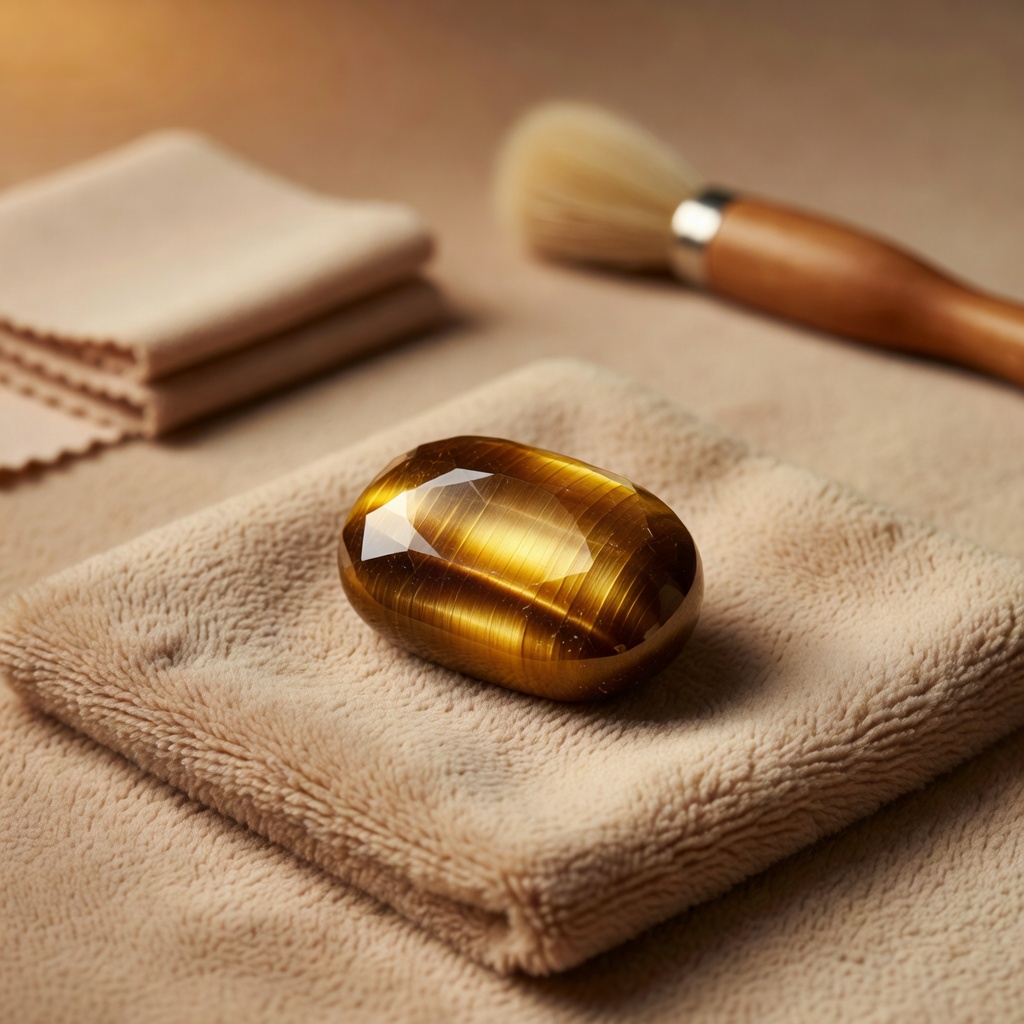
Implementing consistent Tiger's Eye maintenance tips into your daily routine prevents the buildup of substances that require aggressive cleaning later. After each wearing, gently wipe your Tiger's Eye jewelry with a soft, lint-free microfiber cloth to remove skin oils, dust, and environmental pollutants before they can bond with the stone's surface. This thirty-second habit, performed while removing your jewelry for the evening, dramatically extends the time between deep cleanings and preserves the stone's natural oils and luster. For rough or carved specimens that collect dust in crevices, use a clean, dry makeup brush or compressed air to remove debris without touching the surface with potentially abrasive materials.
Weekly inspections provide opportunities to catch potential problems before they escalate into costly repairs. Examine jewelry settings carefully to ensure prongs remain tight and secure, as Tiger's Eye cabochons can loosen over time with regular wear, risking loss or chipping if the stone shifts in its mounting. For loose specimens, check for new surface scratches, chips, or changes in luster that might indicate improper storage or accidental impacts. If you notice residue from cosmetics, sunscreen, or hand lotions, address these immediately using the gentle cleaning methods described below, as these substances often contain chemicals that can etch or discolor the stone if left unattended. A collector from the eornit mineral society demonstrated that weekly maintenance reduced professional restoration needs by over seventy percent compared to neglected specimens in their comparative study.
Addressing Environmental Contaminants
Environmental factors significantly impact the condition of your Tiger's Eye, requiring specific preventative measures during daily activities. Household chemicals, including chlorine from swimming pools, cleaning agents, and even perfumes, can react with the iron content in Tiger's Eye, causing subtle color changes or surface pitting over time. Always remove Tiger's Eye rings before washing dishes, cleaning bathrooms, or engaging in activities where the stone might contact harsh substances. Similarly, store display specimens away from kitchen areas where cooking oils and airborne grease can settle on surfaces, creating a grimy film that attracts additional dust and requires more intensive cleaning interventions.
Safe Cleaning Methods for Tiger's Eye
When deeper cleaning becomes necessary, following proper protocols for How to clean Tiger's Eye gemstone ensures effective results without compromising the stone's structural integrity. Begin by preparing a solution of lukewarm water—never hot, as thermal shock can fracture the stone—mixed with a few drops of mild, pH-neutral dish soap free from fragrances, moisturizers, or antibacterial additives. Place a soft towel at the bottom of your cleaning basin to prevent impact damage if the stone slips from your hands, then submerge the Tiger's Eye briefly, limiting water exposure to under two minutes to prevent absorption into microscopic pores.
Use a baby toothbrush or jewelry brush with extremely soft bristles to gently scrub the stone, moving in circular motions that follow the natural grain of the chatoyant bands rather than against them. Pay special attention to the back of cabochons and areas around settings where oils and soap scum accumulate, but apply minimal pressure to avoid loosening settings or scratching the surface. For carved pieces with intricate details, use a soft wooden pick or cotton swab to reach crevices rather than forcing brush bristles into tight spaces where they might catch and snap, potentially scratching adjacent surfaces. Rinse the stone thoroughly under cool running water for no more than thirty seconds, ensuring all soap residue washes away, as dried soap film can dull the luster and attract future dirt.
Drying and Finishing Considerations
Proper drying proves equally important as the cleaning itself when performing Tiger's Eye stone cleaning procedures. Pat the gemstone gently with a clean, lint-free microfiber towel, then allow it to air dry completely on a soft cloth for at least one hour before returning it to storage. For jewelry with metal settings, use a hair dryer on the cool setting to eliminate moisture trapped between the stone and mounting, preventing water spots on the metal and potential corrosion that could loosen the setting over time. Matte or rough-finished Tiger's Eye requires extra attention during drying, as the textured surface holds moisture longer than highly polished specimens; consider placing these pieces near (not directly in) sunlight for brief periods to ensure complete evaporation without risking color fade.
Energetic Cleansing for Crystal Healing Practitioners
Beyond physical maintenance, many owners practice Cleansing Tiger's Eye crystal rituals to restore the stone's metaphysical properties and energetic vibrations. Moonlight charging represents one of the safest and most effective methods, requiring only that you place your Tiger's Eye outdoors or on a windowsill during the full moon for four to eight hours. The gentle lunar energy clears accumulated negative vibrations without risking physical damage to the stone, making it ideal for regular monthly maintenance of healing crystals. For practitioners seeking alternative methods, smudging with white sage, palo santo, or sweetgrass effectively clears energetic stagnation; simply pass the stone through the smoke several times while setting an intention for purification, allowing the smoke to cleanse both the surface and energetic field of the crystal.
Sound cleansing offers another non-invasive option using singing bowls, tuning forks, or bells to break up stagnant energy patterns through vibrational frequency. Place the Tiger's Eye near the sound source for five to ten minutes, allowing the resonance to penetrate the stone's structure without physical contact that might cause drops or scratches. However, avoid salt cleansing methods despite their popularity in crystal healing communities, as salt crystals measure 7.5 on the Mohs scale—harder than Tiger's Eye—and can scratch the surface, particularly polished cabochons. Salt can also become trapped in microscopic crevices, causing internal abrasion or chemical reactions with the stone's iron content over extended periods. For deep energetic resets, the earth burial method involves wrapping the stone in natural cloth and burying it in soil for twenty-four hours, allowing the earth to absorb negative energies while grounding the crystal's vibrations.
Timing and Intention Setting
The effectiveness of energetic cleansing often depends on the practitioner's consistency and mindfulness during the process. Schedule regular cleansing sessions aligned with lunar cycles, ideally during the waning moon to release old energies and the full moon to charge the stone with renewed power. Before beginning any Cleansing Tiger's Eye crystal ritual, take a moment to center yourself and clearly state your intention for the stone's purpose, whether for protection, confidence, or grounding energy. This mindful approach enhances the metaphysical connection while ensuring you handle the physical stone with appropriate care and attention, preventing accidental drops or exposure to harsh environmental conditions during the cleansing process.
Proper Storage Solutions and Protection
Implementing appropriate Tiger's Eye storage solutions prevents the majority of damage that necessitates professional intervention or replacement. Always store Tiger's Eye pieces individually in soft cloth pouches, lined jewelry boxes with separate compartments, or acid-free tissue paper to prevent contact with harder stones that could scratch the surface. Diamonds, rubies, sapphires, and even quartz varieties rank higher on the Mohs scale and can easily gouge Tiger's Eye when tossed together in a jewelry box or travel case. For extensive collections, consider investing in compartmentalized mineral display cases with foam inserts that cradle each specimen while allowing visibility for enjoyment without frequent handling.
Environmental factors during storage significantly impact the long-term stability of your gemstones. Avoid direct sunlight exposure, as prolonged UV radiation can fade the rich golden-brown colors of Tiger's Eye, particularly in specimens that have been heat-treated to enhance their color saturation. Store jewelry and crystals in climate-controlled environments away from extreme temperature fluctuations, heating vents, or air conditioning units that cause expansion and contraction of the stone, potentially stressing internal fractures. For travel protection, wrap individual pieces in soft cloth and place them in rigid containers that prevent crushing, using bubble wrap or foam padding for rough specimens that might chip if impacted. When traveling with Tiger's Eye jewelry, carry it in your personal bag rather than checked luggage to prevent temperature extremes in cargo holds and rough handling by baggage systems.
Climate Control and Humidity Management
Maintaining stable environmental conditions extends beyond simple temperature control to include humidity management, particularly for raw or carved specimens with exposed fibrous structures. Excessive dryness can cause microscopic cracking in some treated stones, while high humidity promotes the growth of mold or mildew on display stands and storage materials that might stain the stone. Ideal storage conditions maintain relative humidity between forty-five and fifty-five percent, similar to the conditions recommended for wooden musical instruments or fine art. If you live in extremely humid climates, include silica gel packets in your storage containers, ensuring they do not touch the stone directly to prevent accidental chemical interaction.
Common Mistakes to Avoid When Cleaning
Understanding what not to do proves equally valuable as knowing proper techniques when maintaining your gemstones. Never subject Tiger's Eye to ultrasonic or steam cleaners, despite their convenience for other jewelry items. The intense vibrations of ultrasonic baths can loosen the fibrous internal structure of Tiger's Eye, exacerbating existing internal cracks or creating new fractures that compromise the stone's stability. Steam cleaning risks thermal shock, where rapid temperature changes cause the stone to crack or shatter, particularly problematic for specimens with existing inclusions or internal weaknesses. These professional-grade cleaning methods, while suitable for diamonds and sapphires, pose unacceptable risks for this particular metamorphic stone.
Avoid harsh chemical cleaners including bleach, ammonia, acidic solutions like vinegar or lemon juice, and alcohol-based preparations that can etch the surface or react with the stone's iron content. Commercial jewelry dips and tarnish removers often contain aggressive solvents that strip away any protective treatments and dull the polish of cabochons. Similarly, resist the temptation to use abrasive scrubbers, steel wool, or toothpaste—commonly suggested DIY cleaners—as these materials rank high on the Mohs scale and will scratch the 6.5-7 hardness surface of your Tiger's Eye. Prolonged soaking in water, exceeding five minutes, allows absorption into microscopic pores that can weaken the stone over time or cause discoloration in treated specimens. Finally, never expose Tiger's Eye to extreme heat sources such as open flames, hot plates, or boiling water, as thermal shock can cause immediate fracturing or gradual internal stress that leads to future breakage.
Recognizing Warning Signs of Damage
Develop the habit of inspecting your Tiger's Eye before and after cleaning to identify early warning signs of damage caused by improper techniques. Cloudiness that persists after thorough drying indicates microscopic pitting or crazing of the surface, often caused by chemical exposure or thermal shock. If you notice new surface scratches, discontinuities in the chatoyant band, or a dull, waxy appearance where the stone previously shone, immediately discontinue your current cleaning methods and consult a professional. Documenting the stone's condition with photographs before attempting new cleaning techniques provides valuable comparison points for identifying subtle changes that might indicate inappropriate care methods.
Professional Care and Restoration Services
While routine maintenance falls within the capabilities of most owners, certain situations demand Professional Tiger's Eye care from qualified gemologists or lapidaries. Seek professional assistance when you notice deep scratches that disrupt the chatoyant effect, significant chips or fractures that threaten the stone's structural integrity, or loose settings that risk losing the stone entirely. Professional re-polishing services can restore the lustrous surface of dulled specimens, though this process removes a microscopic layer of material and should not be undertaken frequently. Experienced jewelers possess the specialized equipment to check and tighten prongs, bezels, and other settings without damaging the stone, ensuring your jewelry remains secure during wear.
Professional maintenance appointments also provide opportunities for authentication and value assessment, particularly important for vintage pieces or specimens purchased from uncertain sources. A qualified gemologist can identify treatments such as heat enhancement or dyeing that might affect cleaning choices, and they can assess whether observed color changes result from natural patina or damage requiring intervention. Cost considerations typically favor DIY care for routine maintenance, with professional services reserved for restoration, complex settings, or valuable specimens where amateur attempts might cause irreversible damage. Expect to pay between fifty and two hundred dollars for professional cleaning and setting checks, while re-polishing services range from one hundred to five hundred dollars depending on the stone's size and the extent of surface restoration required.
Selecting Qualified Professionals
When entrusting your Tiger's Eye to professional care, verify the practitioner's specific experience with chatoyant gemstones and metamorphic rocks rather than general jewelry cleaning experience. Ask about their familiarity with Tiger's Eye Mohs hardness and fibrous structure, and inquire whether they use steam or ultrasonic methods that should be avoided for this stone. Reputable professionals will examine the stone under magnification before cleaning to identify existing fractures or inclusions that might affect their approach, and they should provide detailed documentation of any treatments or repairs performed. Membership in professional organizations such as the American Gem Trade Association (AGTA) or Gemological Institute of America (GIA) indicates adherence to industry standards and ongoing education about proper gemstone care techniques.
Troubleshooting Common Tiger's Eye Issues
Even with diligent care, Tiger's Eye specimens occasionally develop issues requiring specific intervention strategies. When restoring shine to dull or cloudy stones, first attempt the gentle soap and water method described earlier, as often a thorough cleaning removes accumulated film responsible for the lackluster appearance. If cloudiness persists after cleaning, the stone may have developed microscopic surface scratches that scatter light; in this case, professional re-polishing remains the only effective solution, as home buffing compounds typically cause additional damage. For carved pieces with stubborn dirt lodged in crevices, soak a soft wooden pick in the mild soap solution and gently trace the carved lines, followed by careful rinsing with a bulb syringe to direct water flow without soaking the entire piece excessively.
Water spots and mineral buildup from hard water deposits require special attention, as they can etch the surface if left untreated. Create a solution of equal parts distilled water and isopropyl alcohol (70% concentration) applied briefly with a soft cloth to dissolve mineral deposits without the acidity of vinegar or lemon juice. Address color fading caused by sun exposure by storing the stone in darkness for several months, which sometimes allows partial natural recovery, though severe fading may be permanent. For minor surface scratches that have not completely destroyed the chatoyancy, professional jeweler's rouge applied with a soft cloth might reduce their visibility, though deep scratches always require professional attention. Never attempt to fill chips or fractures with glue or epoxy, as these materials yellow over time, create obvious visual defects, and complicate future professional repairs.
Preventative Monitoring Strategies
Establish a documentation system for your Tiger's Eye collection that includes photographs, purchase dates, and observations about condition changes over time. This record-keeping helps distinguish between normal wear patterns and problematic deterioration that requires intervention. For investment-grade specimens or heirloom jewelry, consider scheduling annual inspections with a gemologist even if no obvious problems exist, as they can detect early signs of setting wear or structural stress invisible to the untrained eye. By addressing minor issues promptly—such as tightening a loose prong or removing a developing water spot—you prevent the catastrophic losses that occur when neglected problems escalate into lost stones or irreparable fractures.
Frequently Asked Questions About Tiger's Eye Care
Can I clean Tiger's Eye with water?
Yes, you can briefly rinse Tiger's Eye with lukewarm water and mild soap, but avoid prolonged soaking. The stone has some porosity, so extended water exposure can weaken its structure or affect any treatments. Always dry thoroughly immediately after cleaning with a soft microfiber cloth.
How often should I clean my Tiger's Eye stone?
For jewelry worn regularly, clean Tiger's Eye every 2-4 weeks to remove body oils and environmental buildup. For display specimens or crystals used in healing practices, monthly dusting and quarterly deep cleaning is sufficient. Clean immediately if exposed to sweat, cosmetics, or household chemicals.
Is Tiger's Eye safe to use in an ultrasonic cleaner?
No, never use ultrasonic cleaners for Tiger's Eye. The fibrous internal structure of this gemstone can be damaged by the intense vibrations, potentially causing fractures, loosening of fibers, or worsening existing internal cracks. Stick to gentle hand cleaning methods only.
Can I use salt to cleanse my Tiger's Eye crystal?
Salt cleansing is not recommended for Tiger's Eye. Salt crystals are harder than Tiger's Eye and can scratch the surface, especially the polished finish. Additionally, salt can get into tiny crevices and cause internal abrasion or chemical reactions over time. Use moonlight, smudging, or sound cleansing instead.
Why has my Tiger's Eye lost its chatoyancy (cat's eye effect)?
Loss of chatoyancy usually results from surface scratches that scatter light, buildup of oils and soap residue, or prolonged sun exposure causing color fading. Restore it by gently cleaning with soap and water, or have it professionally re-polished if scratches are deep. Store away from direct sunlight to prevent future fading.
How do I clean Tiger's Eye jewelry that has metal settings?
Clean Tiger's Eye jewelry with settings using the same mild soap and lukewarm water method, but pay special attention to drying. Use a soft toothbrush to gently clean around prongs where dirt accumulates, then dry thoroughly with a hair dryer on cool setting or let air dry completely to prevent water spots on the metal or trapped moisture.
Can Tiger's Eye be damaged by sunlight?
Yes, prolonged direct sunlight exposure can fade the golden-brown colors of Tiger's Eye over time, particularly in lower-quality specimens or those that have been heat-treated. Brief sun exposure for energetic charging (1-2 hours) is generally safe, but store jewelry and crystals in dark places or jewelry boxes for long-term storage.
What is the best way to store Tiger's Eye long-term?
Store Tiger's Eye individually in soft cloth pouches or lined jewelry boxes, separated from harder gemstones that could scratch it (diamonds, rubies, sapphire). Keep away from direct sunlight, extreme temperatures, and humidity fluctuations. For raw specimens, wrap in acid-free tissue paper and store in rigid containers to prevent chipping.