What is Tiger's Eye? Understanding This Chatoyant Gemstone
Tiger's Eye stands as one of the most captivating gemstones in the quartz family, renowned for its distinctive silky luster and mesmerizing optical phenomena. This metamorphic rock forms through a fascinating geological process where crocidolite (blue asbestos) fibers undergo replacement by silica while maintaining their original parallel structure. As iron oxide infiltrates the stone during this transformation, it creates the characteristic golden-brown to red-brown hues that collectors and jewelry enthusiasts treasure worldwide. Understanding these tiger's eye gemstone properties is essential for any serious collector looking to make an informed purchase.
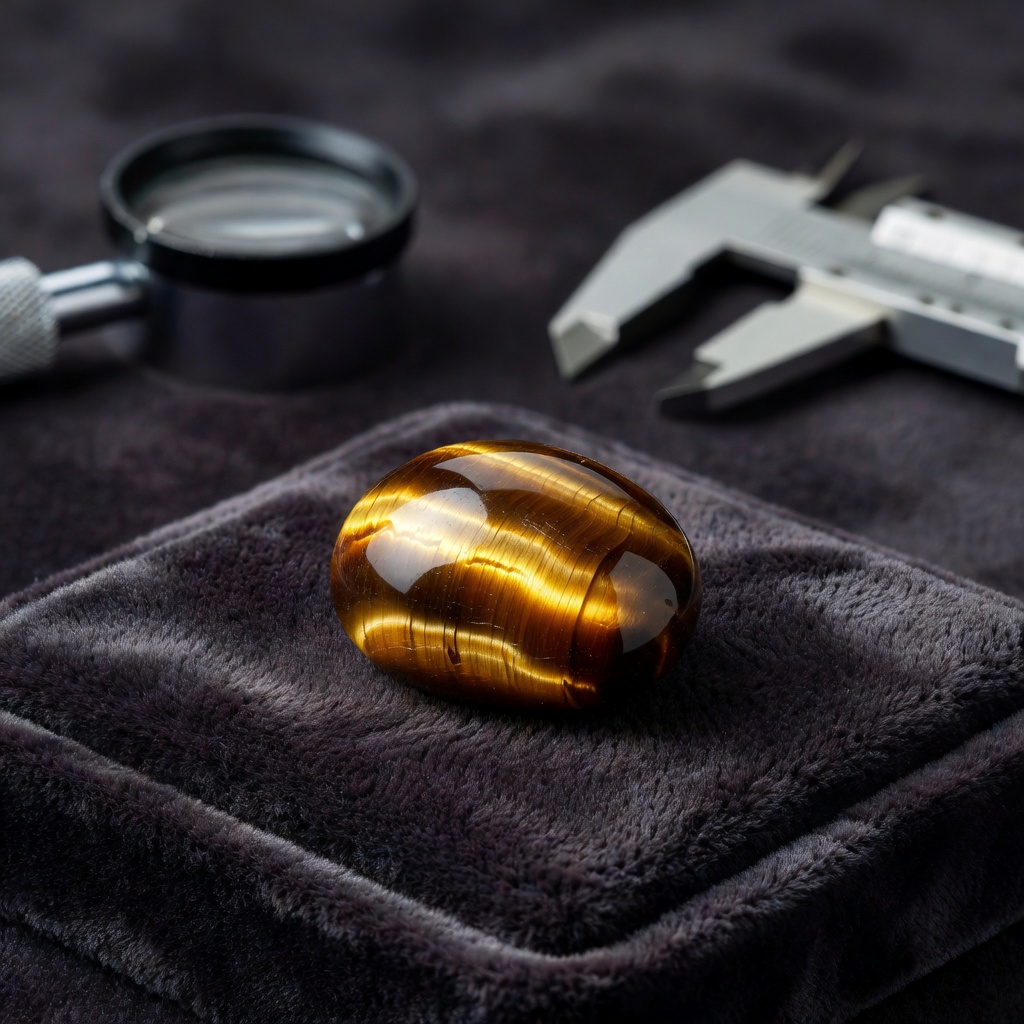
The defining characteristic of this gemstone lies in its chatoyant gemstone appearance, commonly called the "cat's eye effect." This phenomenon occurs when light reflects off the parallel fibrous inclusions within the stone, creating a single sharp band of light that appears to move across the surface as the stone rotates. High-quality specimens display a bright, distinct eye that contrasts sharply against the stone's background color, creating an almost three-dimensional depth that seems to glow from within. The chatoyancy effect is most pronounced when the stone is cut en cabochon with the fibers oriented perpendicular to the base, allowing the gem cutter to maximize this natural optical wonder.
Buyers should familiarize themselves with the three primary varieties available in today's market. Golden Tiger's Eye represents the most common and recognizable form, displaying warm honey tones to deep amber browns resulting from complete iron oxidation during formation. Blue Tiger's Eye, also known as Hawk's Eye, retains the original blue-gray color of the crocidolite before significant oxidation occurs, making it significantly rarer and more valuable. Red Tiger's Eye emerges either through natural oxidation processes deep within the earth or through heat treatment of golden material, displaying rich mahogany to brick-red tones that appeal to those seeking warm, earthy jewelry options.
Essential Quality Factors Every Buyer Must Evaluate
When assessing tiger's eye quality factors, understanding the nuances of chatoyancy ranks as the most critical skill for distinguishing mediocre specimens from exceptional investments. The ideal chatoyant band should appear as a single, sharp line of light that moves smoothly and distinctly across the stone's surface when rotated under direct illumination. Poor quality stones may display multiple fuzzy bands, weak reflection, or an "eye" that appears diffused and poorly defined. Examine the stone under a single light source such as a penlight or direct sunlight, rotating it slowly to observe how the light band travels; premium material will show a bright, silvery or golden streak that maintains its definition regardless of viewing angle.
Evaluating Chatoyancy Strength and Movement
The strength of the chatoyancy effect directly correlates with the stone's value and visual impact in jewelry settings. Superior specimens exhibit what gemologists call a "rolling flash" effect, where the band of light appears to open and close like the pupil of a cat's eye as you move the stone. This effect should be visible under normal lighting conditions, not just intense spotlights, indicating well-aligned fibrous structures throughout the material. Stones with wavy, broken, or multiple parallel lines suggest poor cutting orientation or inferior rough material, significantly diminishing both aesthetic appeal and market value. When examining loose cabochons, hold the stone at arm's length under a desk lamp; if the eye effect remains clearly visible from this distance, you have found a high-quality piece.
Color Saturation and Uniformity Standards
Color evaluation in Tiger's Eye requires attention to both the base tone and the contrast it provides against the chatoyant band. Premium golden varieties should display rich, saturated honey-brown to amber tones without grayish or muddy undertones that suggest poor mineralization during formation. The color should remain relatively uniform across the stone's surface, though subtle banding variations are natural and often desirable, creating the appearance of wood grain or silk fabric. Avoid stones with blotchy coloration, white patches of unaltered silica, or areas where the fibrous structure appears disrupted, as these flaws interrupt both the visual flow and the chatoyancy effect. For gemstone grading purposes, collectors typically prefer stones with deep, warm tones that enhance the golden flash of the cat's eye effect.
Clarity and Inclusion Tolerance for Cabochon Cuts
Unlike faceted gemstones where clarity significantly impacts value, Tiger's Eye is typically cut as cabochons where minor inclusions and structural characteristics are acceptable and often expected. The fibrous structure itself creates a translucent to opaque appearance, meaning that traditional clarity grades used for diamonds or sapphires do not apply directly to this material. However, buyers should watch for cracks, pits, or surface-reaching fractures that could compromise durability, particularly in stones intended for rings or bracelets that endure daily wear. Small cavities or iron staining within the stone are common and generally do not detract from value unless they break the surface or interrupt the chatoyancy band. When examining the stone, tilt it under light to check for internal fractures that might appear as white reflective lines breaking the fibrous pattern.
Authentic vs. Fake: How to Identify Genuine Tiger's Eye
The popularity of Tiger's Eye has unfortunately spawned a market flooded with imitations ranging from dyed glass to plastic composites, making authentic tiger's eye identification a crucial skill for protecting your investment. Genuine Tiger's Eye possesses distinctive characteristics rooted in its fibrous asbestos origins that manufacturers struggle to replicate perfectly in synthetic materials. Learning to recognize the subtle visual and physical properties of authentic stone will save you from purchasing worthless counterfeits while ensuring your collection contains only genuine chatoyant specimens. Armed with basic knowledge and simple testing techniques, even novice buyers can confidently distinguish real gemstone material from clever imitations.
Visual Inspection Techniques for Natural Structure
Under magnification, authentic Tiger's Eye reveals a complex fibrous structure resembling interwoven silk threads or wood grain, created by the aligned crocidolite fibers replaced by quartz and iron oxide. This natural patterning displays organic variation, with subtle changes in fiber density and direction that create the stone's characteristic banded appearance. Examine the stone under 10x magnification, looking for the signature "honey-like" or fibrous texture; genuine material will show fine, parallel striations rather than the perfectly uniform structure of manufactured glass. Natural color banding should show gradual transitions between lighter and darker areas, whereas dyed imitations often display color concentrated in surface cracks or unnaturally vivid hues that do not occur in nature.
Recognizing Common Imitations and Synthetic Substitutes
Glass imitations represent the most common fake tiger's eye detection challenge, often displaying bubbles or swirl marks trapped during the manufacturing process that natural stone never exhibits. These glass versions feel unusually warm to the touch compared to genuine stone and lack the specific gravity heft that characterizes quartz-based Tiger's Eye. Plastic or resin imitations feel noticeably lightweight and warm quickly in your hand, whereas authentic stone remains cool and substantial. Dyed chalcedony or agate sometimes masquerades as Blue Tiger's Eye, but lacks the sharp, defined chatoyancy of genuine Hawk's Eye, instead showing a more generalized sheen or waxy luster without the distinctive moving eye effect.
At-Home Authentication Tests for Buyers
Several simple tests can help verify authenticity without requiring laboratory equipment or destructive analysis. The hardness test provides reliable confirmation: Tiger's Eye ranks 6.5-7 on the Mohs scale, meaning it will readily scratch glass (hardness 5.5) but cannot scratch materials like topaz or sapphire. Try gently dragging the edge of the stone across an unmarked glass surface; genuine material will leave a visible scratch, while glass imitations will slide without marking or damage themselves. The temperature test offers another quick verification method; authentic stone feels cool to the touch initially and warms slowly when held, while plastic and glass substitutes adopt room temperature immediately or feel warm from the start. For suspected dyed stones, rub the surface vigorously with a cotton swab dampened with acetone or nail polish remover; dye will transfer to the swab from treated stones, whereas natural coloration remains stable.
Color Varieties and Their Market Values
Understanding the distinct gemstone varieties of Tiger's Eye enables buyers to make value-based decisions aligned with their aesthetic preferences and budget constraints. Each color variation results from specific geological conditions during formation or post-mining treatments, carrying different rarity levels and price implications. While personal preference should ultimately guide your selection, knowing the market dynamics of blue tiger's eye versus golden tiger's eye helps ensure you pay appropriate prices for each variety. Collectors should note that untreated natural material commands premiums over enhanced stones, though certain treatments are industry-standard and widely accepted.
Golden Tiger's Eye Characteristics and Accessibility
Golden Tiger's Eye dominates the market as the most abundant and affordable variety, formed when crocidolite fibers undergo complete oxidation during the silica replacement process. These stones display the classic warm palette ranging from bright honey yellow to deep amber brown, offering excellent chatoyancy at accessible price points for jewelry makers and collectors alike. The widespread availability of rough material means that buyers can select from extensive inventories to find stones with perfect chatoyancy and ideal color saturation without paying scarcity premiums. When shopping for golden varieties, prioritize stones with sharp contrast between the golden base color and the silvery or golden chatoyant band, as this juxtaposition creates the most striking visual impact in finished jewelry.
Blue Tiger's Eye (Hawk's Eye) Rarity and Premium Pricing
Blue Tiger's Eye, properly known as Hawk's Eye, represents a rarer and more valuable variety that forms when silica replaces crocidolite before significant iron oxidation occurs, preserving the original blue-gray to blue-green asbestos coloration. This blue tiger's eye vs golden comparison reveals substantial differences in both formation and market value, with fine Blue Tiger's Eye often commanding two to three times the price of comparable golden specimens. The chatoyancy in Hawk's Eye typically appears as a silvery-white band against the cool blue background, creating a more subtle and sophisticated aesthetic than the warm golden variety. Buyers should verify that blue specimens display the characteristic fibrous structure and sharp chatoyancy, as some unscrupulous dealers dye golden material blue; natural Hawk's Eye will show blue coloration throughout the material, not just on the surface or concentrated in fractures.
Red Tiger's Eye Formation and Authenticity Considerations
Red Tiger's Eye presents a unique case where the distinction between natural and treated material significantly impacts value and collectibility. While some red specimens form naturally through deep oxidation within the earth, the majority of commercial Red Tiger's Eye results from controlled heat treatment of golden material, which oxidizes the iron content to create rich mahogany to brick-red tones. Heat-treated red stone is widely accepted in the jewelry trade and produces stable, attractive coloration, but should be priced lower than naturally red specimens. Natural Red Tiger's Eye typically shows more color variation and banding within the stone, whereas heat-treated material often appears more uniformly colored throughout. When purchasing expensive red specimens, request documentation regarding treatment status, as untreated natural red Tiger's Eye with strong chatoyancy represents a true collector's item worthy of premium investment.
Understanding Tiger's Eye Pricing and Budget Planning
Developing a realistic budget for Tiger's Eye acquisitions requires understanding the tiger's eye price per carat structure and the factors that drive value differences between seemingly similar stones. Unlike precious gems such as diamonds or rubies where clarity and color follow strict grading scales, Tiger's Eye pricing relies heavily on subjective assessment of chatoyancy quality, color saturation, and overall visual appeal. Whether you seek affordable material for jewelry projects or investment-grade specimens for collection, understanding gemstone value factors specific to chatoyant quartz prevents overpayment while ensuring acquisition of quality material. The market offers options across nearly every price point, from budget-friendly commercial grade to rare, museum-quality pieces.
Price Per Carat Breakdowns by Quality Grade
Commercial grade Tiger's Eye suitable for casual jewelry or beginning collectors typically ranges from $1 to $5 per carat, featuring acceptable chatoyancy and decent color but possibly exhibiting minor surface imperfections or slightly weak eye effects. Fine quality material with sharp, well-defined chatoyancy, rich uniform color, and expert cutting commands prices between $10 and $50 per carat, representing the sweet spot for serious jewelry applications and moderate collecting. Exceptional large specimens exceeding 20 carats with perfect chatoyancy, rare colors such as natural blue or red, and museum-quality appearance can fetch $50 to $100 or more per carat, particularly when set in high-karat gold or platinum mountings. When comparing prices, remember that cabochons require significant material loss during cutting; rough Tiger's Eye rough typically costs $0.10 to $1 per gram depending on quality, while finished stones reflect the labor and skill invested in maximizing the chatoyancy effect.
Value Factors Beyond Carat Weight
While size influences price, several qualitative factors often outweigh raw carat weight in determining Tiger's Eye value. The perfection of the chatoyancy effect serves as the primary value driver, with stones displaying a single, sharp, brightly reflective band commanding substantial premiums over those with multiple lines or diffuse sheen. Color depth and uniformity also significantly impact pricing; stones with muddy, grayish, or washed-out tones sell for fractions of the price commanded by specimens with rich, saturated golden-brown or deep blue coloration. Origin can affect value for certain varieties, with South African Tiger's Eye historically commanding respect for consistent quality, though excellent material now emerges from Australia, India, and the United States. Large, clean cabochons exceeding 30 carats become exponentially rarer and more valuable, as finding rough material large enough to yield such stones without internal fractures becomes increasingly difficult.
Comparing Raw Specimens, Cabochons, and Finished Jewelry
Your intended use significantly affects the most cost-effective form in which to purchase Tiger's Eye. Raw specimens and rough material offer the lowest entry price, appealing to lapidary hobbyists, rock collectors, or those seeking display pieces that showcase the stone's natural fibrous structure and matrix. Pre-cut cabochons provide convenience and guaranteed chatoyancy, though you pay a premium for the cutter's skill in orienting the stone correctly to maximize the eye effect. Finished jewelry settings typically mark up the underlying stone value by 200-400%, reflecting metal costs, design labor, and retail margins; however, this option ensures proper setting techniques that protect the stone and optimal orientation of the chatoyancy for viewing. For investment purposes, loose fine-quality cabochons often appreciate better than mass-produced jewelry, while custom settings allow you to control both the stone selection and protective mounting quality.
Best Cuts, Shapes, and Settings for Durability
Selecting appropriate tiger's eye jewelry settings and cut styles ensures both maximum visual impact and long-term durability for your gemstone investment. Unlike transparent gems that rely on faceting to maximize brilliance, Tiger's Eye requires specific cutting techniques to display its signature chatoyancy effect while protecting its moderate hardness from daily wear damage. Understanding why cabochon cut gemstones dominate this market helps buyers appreciate the craftsmanship involved in creating a perfect Tiger's Eye jewel. Whether designing a statement ring or a subtle pendant, your choices in cutting style and mounting method directly impact both the stone's beauty and its longevity.
Why Cabochon Cuts Maximize Chatoyancy
The cabochon cut, featuring a smoothly rounded convex top and flat base, remains the only appropriate cutting style for displaying Tiger's Eye's chatoyancy effectively. Faceting the stone would scatter the light reflection across multiple surfaces, destroying the single-band eye effect that makes this gemstone distinctive. Master lapidaries orient the cut so that the base runs perpendicular to the fibrous inclusions, creating a dome that acts as a lens to concentrate the reflected light into the visible cat's eye band. The ideal cabochon features a medium to high dome, as flat or low-domed stones may fail to display the chatoyancy prominently, while excessively high domes waste material and create vulnerable thin edges prone to chipping. When evaluating cabochons, examine the symmetry and polish quality; the surface should be perfectly smooth without scratches or pits that could interrupt the light reflection, and the dome should be evenly rounded without flat spots or asymmetrical bulges.
Protective Settings for Daily Wear Applications
With a hardness of 6.5-7 on the Mohs scale, Tiger's Eye requires thoughtful setting choices to prevent damage during regular wear, particularly in rings and bracelets that endure frequent impacts. Bezel settings, where metal completely surrounds the stone's perimeter, offer superior protection compared to prong settings by cushioning the vulnerable edges of the cabochon against direct blows. This setting style also secures the stone more firmly, reducing the risk of loss if the piece receives a hard knock. For rings intended for daily wear, consider half-bezel or full-bezel designs that sit low on the finger, minimizing exposure to doorframes, countertops, and other hard surfaces. Bracelets require particularly robust settings due to the high impact frequency; link bracelets with bezel-set Tiger's Eye generally outlast bangle styles where the stone might strike objects during arm movement. Pendant and earring settings offer more flexibility, as these pieces experience less trauma, though bezel or heavy basket settings still provide security for valuable specimens.
Optimal Shapes for Visual Impact and Stability
While cabochons come in various silhouettes, certain shapes best display Tiger's Eye's chatoyancy while offering structural integrity. Oval and round cabochons remain the most popular choices, as these symmetrical shapes allow the chatoyant band to traverse the entire length or width of the stone, creating maximum visual impact. Round stones often display the eye effect most dramatically, as the symmetry allows the band to appear centered from all viewing angles. Elongated shapes such as marquise or pear cuts can create elegant pendants or earrings, though the pointed ends require extra protection in the setting to prevent chipping. Very large or irregular freeform cabochons appeal to artistic jewelry designers and collectors, though these shapes may display uneven chatoyancy if the cutter could not orient the irregular rough optimally. For rings, low-profile oval cabochons between 5-10 carats offer the best balance of visibility, comfort, and durability.
Where to Buy: Trusted Sources and Dealer Red Flags
Knowing where to buy tiger's eye separates successful acquisitions from disappointing purchases, as the source significantly influences both the authenticity and value of your gemstone. The market spans from high-end jewelry boutiques to online marketplaces and local rock shops, each offering distinct advantages and risks for the prospective buyer. Establishing relationships with reputable gemstone dealers ensures access to accurately described material with fair return policies and proper disclosure of treatments. Whether shopping online or in person, vigilance regarding dealer credibility protects you from misrepresented synthetic material, dyed substitutes, or overpriced commercial-grade stones.
Reputable Online Marketplaces and Specialized Dealers
Established online gemstone dealers specializing in cabochons and collector minerals offer excellent selections of Tiger's Eye with detailed photographs, measurements, and treatment disclosures. Look for dealers who provide multiple images showing the chatoyancy effect under direct lighting, 360-degree video rotation, and clear statements regarding any heat treatment or dye applications. Reputable auction platforms like Heritage Auctions or Gem Rock Auctions vet their sellers and offer buyer protection policies, though you should still research individual seller ratings and return policies. Avoid general marketplace platforms where individual sellers lack gemological credentials or where stock photos replace actual item images. Professional dealers will answer specific questions about chatoyancy quality, origin, and treatment status promptly and knowledgeably, demonstrating expertise that justifies their premium over discount sources.
Navigating Physical Gem Shows and Local Rock Shops
Gem and mineral shows provide opportunities to examine Tiger's Eye in person, allowing you to assess chatoyancy quality, color accuracy, and craftsmanship before purchasing. When visiting shows, bring a small LED flashlight to test chatoyancy under consistent lighting conditions, as venue lighting may obscure or exaggerate the effect. Established rock shops and metaphysical stores often carry Tiger's Eye, though quality varies widely; ask about the supplier and whether the owner has gemological training to assess the material accurately. Local purchases offer immediate possession and no shipping risks, but may carry higher prices due to limited inventory and overhead costs. When buying in person, request a loupe or bring your own magnification to inspect for surface cracks, dye concentrations in fractures, or synthetic structures that indicate imitation material.
Warning Signs of Disreputable Sellers
Certain red flags should immediately terminate negotiations regardless of how attractive the price appears. Prices significantly below market rates for the claimed quality often indicate glass imitations, dyed material, or misrepresented lower-grade stone. Vague or evasive answers regarding treatment status, origin, or the presence of chatoyancy suggest either ignorance or intentional deception, neither of which bodes well for purchase legitimacy. Legitimate dealers provide clear return policies, typically ranging from seven to thirty days, allowing you to have the stone verified by an independent gemologist. Be wary of high-pressure sales tactics claiming the stone is a "rare investment opportunity" or "limited time offer," particularly for common golden Tiger's Eye that remains widely available. Finally, sellers who refuse to provide written receipts or who transact only in cash without documentation should be avoided, as these practices complicate returns or disputes if the material proves misrepresented.
Treatments and Enhancements: What Buyers Should Know
Understanding treated tiger's eye and common gemstone enhancements empowers buyers to make informed decisions about value and care requirements for their acquisitions. The Tiger's Eye market utilizes several accepted treatments to improve color and appearance, ranging from standard heat applications to more controversial dyeing practices. While some treatments represent industry-standard practices that stabilize and beautify the material, others serve to deceive buyers about rarity and natural quality. Requiring full disclosure of any treatments before purchase ensures appropriate pricing and proper care instructions to maintain your stone's appearance over time.
Heat Treatment Processes for Color Enhancement
Heat treatment represents the most common and widely accepted enhancement in the Tiger's Eye market, primarily used to create Red Tiger's Eye from naturally golden material. During controlled heating to temperatures between 400-600 degrees Celsius, the iron oxide within the stone oxidizes further, shifting the color from golden-brown to rich red-brown or mahogany tones. This treatment is permanent and stable, requiring no special care beyond normal gemstone maintenance, and produces colors identical to naturally oxidized material. The gem industry generally accepts heat treatment for Tiger's Eye, though ethical dealers disclose this process and price the material accordingly below untreated natural red specimens. When examining red stones, look for uniform coloration as a potential indicator of heat treatment, while naturally red material often shows more variation and banding within the fibrous structure.
Detecting Dye in Low-Quality Specimens
Dyeing represents a more problematic treatment used to create artificial Blue Tiger's Eye or enhance pale golden material to appear richer than natural. Dyed stones often display color concentrations in surface-reaching fractures or along the edges of cabochons where the dye accumulates during the treatment process. Under magnification, dyed material may show color bleeding into surrounding matrix material or perfectly uniform coloration lacking the natural variation found in genuine Hawk's Eye or high-quality golden material. The acetone test provides simple verification; rubbing the stone vigorously with a cotton swab dampened with nail polish remover will transfer dye color to the swab from treated stones, while natural coloration remains stable. Be particularly suspicious of vivid turquoise-blue specimens claiming to be "Blue Tiger's Eye," as natural Hawk's Eye displays gray-blue to blue-green tones rather than bright primary blue colors.
Impact of Treatments on Value and Care Requirements
Treatments significantly affect both the market value and longevity of Tiger's Eye specimens. Heat-treated red stones, while beautiful and durable, typically command 30-50% less than untreated natural red material of comparable quality. Dyed stones represent the lowest value tier, often selling for pennies per carat, and require special care to prevent color fading; avoid ultrasonic cleaners, steam cleaning, and prolonged sun exposure which can accelerate dye degradation or cause uneven fading. When purchasing expensive specimens, request written documentation regarding treatment status, and consider having valuable stones tested by a gemological laboratory if natural origin significantly impacts the purchase price. Remember that untreated golden Tiger's Eye with excellent chatoyancy offers better long-term value than treated stones of questionable stability, particularly for heirloom-quality jewelry intended for generational transmission.
Care and Maintenance for Long-Term Beauty
Proper tiger's eye care ensures your gemstone retains its captivating chatoyancy and rich coloration for decades, preserving both its aesthetic appeal and monetary value. While relatively durable compared to softer gemstones, Tiger's Eye requires specific gemstone maintenance protocols to prevent surface damage, color fading, and structural weakening. Understanding the stone's chemical sensitivities and physical vulnerabilities allows you to develop appropriate care routines whether your Tiger's Eye resides in a daily-wear ring or a display collection. With mindful maintenance, this metamorphic gemstone will continue displaying its signature cat's eye effect for generations without degradation.
Safe Cleaning Methods and Techniques
Cleaning Tiger's Eye requires gentle methods that remove accumulated oils and dirt without damaging the surface polish or compromising any treatments the stone may have received. Prepare a solution of warm water with mild dish soap, soaking the stone for several minutes to loosen grime before gently scrubbing with a soft-bristled toothbrush or makeup brush. Rinse thoroughly under lukewarm running water, ensuring all soap residue disappears to prevent film buildup that could dull the chatoyancy effect. Pat dry with a soft, lint-free cloth rather than rubbing, which could potentially scratch the surface if grit particles are present. Avoid ultrasonic cleaners and steam cleaning equipment, as the vibrations and heat can exacerbate existing fractures or cause treated stones to fade or become damaged. For set jewelry, use a wooden pick or soft brush to clean around the bezel or prongs where dirt accumulates, taking care not to pry at the stone setting.
Chemical and Environmental Hazards to Avoid
Tiger's Eye exhibits particular sensitivity to acids and harsh chemicals that can etch the surface or alter the iron oxide content responsible for its coloration. Remove Tiger's Eye rings before using household cleaners containing bleach, ammonia, or hydrochloric acid, and avoid contact with chlorine in swimming pools or hot tubs. Hair spray, perfume, and cosmetics can create buildup that dulls the stone's luster; apply these products before putting on jewelry and wipe the stone with a soft cloth after wear. Prolonged exposure to direct sunlight or intense heat sources may cause color fading in some specimens, particularly dyed material or stones with natural color zoning. Store jewelry away from windowsills and avoid leaving pieces in hot cars where temperatures can exceed safe thresholds. While the quartz content provides reasonable hardness, avoid striking the stone against hard surfaces, as the conchoidal fracture typical of quartz materials can result in chips or cracks if impacted at the wrong angle.
Proper Storage Solutions and Organization
Storage practices for Tiger's Eye focus on preventing scratches from harder gemstones and protecting the cabochon surface from dust accumulation and physical impact. Store pieces individually in soft cloth pouches, fabric-lined jewelry boxes, or acid-free paper envelopes to prevent contact with harder stones like diamonds, sapphires, or rubies that could scratch the surface. For extensive collections, compartmentalized trays with individual padded sections prevent stones from rubbing against each other during storage. Avoid storing Tiger's Eye in plastic bags or containers, as some plastics can trap moisture or off-gas chemicals that affect the stone over time. When traveling, carry Tiger's Eye jewelry in rigid cases with foam padding rather than loose in luggage, protecting against pressure damage that could crack cabochons. For display specimens, enclosed cases with UV-protective glass prevent dust accumulation while blocking harmful light radiation that could fade colors over years of exhibition.
Frequently Asked Questions About Tiger's Eye
How much should I expect to pay for quality Tiger's Eye?
Commercial grade Tiger's Eye typically costs $1-5 per carat, while fine quality specimens with sharp chatoyancy and rich color range from $10-50 per carat. Large, exceptional pieces or rare Blue Tiger's Eye (Hawk's Eye) can command higher prices, often $50-100+ per carat depending on size and perfection of the eye effect.
What is chatoyancy and why is it important in Tiger's Eye?
Chatoyancy, or the 'cat's eye effect,' is a band of reflected light that moves across the stone's surface when rotated. In Tiger's Eye, this occurs due to the parallel alignment of microscopic asbestos fibers replaced by silica during formation. Sharp, well-defined chatoyancy indicates high-quality material and significantly impacts the stone's value and visual appeal.
How can I tell if my Tiger's Eye is real or fake at home?
Real Tiger's Eye has a hardness of 6.5-7 on the Mohs scale (it will scratch glass), feels cool to the touch initially, and displays natural color banding under magnification. Fakes made of glass often show bubbles, feel lighter or warmer, and lack the fibrous structure. Plastic imitations are much softer and can be scratched with a fingernail.
Is Blue Tiger's Eye natural or treated?
Blue Tiger's Eye, also known as Hawk's Eye, is completely natural and forms when the original crocidolite (blue asbestos) is partially replaced by silica before iron oxidation occurs. It is rarer than golden varieties. However, some blue specimens on the market are dyed golden Tiger's Eye—natural Blue Tiger's Eye will show the same chatoyancy and fibrous structure as the golden variety.
Can Tiger's Eye be worn every day in rings or bracelets?
With a hardness of 6.5-7, Tiger's Eye is suitable for daily wear but requires protective settings, especially in rings. It has good toughness but can chip if struck sharply. Avoid wearing during heavy physical work, and choose bezel settings over prongs to protect the edges of cabochon cuts from impact damage.
What is the best way to clean and care for Tiger's Eye jewelry?
Clean Tiger's Eye using warm, soapy water and a soft brush or cloth. Avoid ultrasonic cleaners, steam cleaning, and harsh chemicals like bleach or acids, which can damage the stone's surface. Store separately from harder gemstones (diamonds, sapphires) to prevent scratching, and keep away from prolonged direct sunlight to prevent potential fading.
Are there any treatments I should watch out for when buying?
Yes, be aware that most Red Tiger's Eye is heat-treated golden material, which is acceptable but should be disclosed. Watch for dyed stones claiming to be rare colors like bright blue or green—these are not natural. Always ask sellers about treatments; reputable dealers will provide this information voluntarily and offer certification for expensive specimens.
What size Tiger's Eye stone offers the best value for jewelry?
Stones between 5-10 carats typically offer the best balance of visual impact and affordability, as they display the chatoyancy effect clearly without the premium prices of very large specimens. For rings, 3-5 carats is ideal for daily wear comfort, while pendants can accommodate larger 10-20 carat stones that showcase the stone's beauty without weight constraints.