Understanding Tektite Values: An Overview
Tektites represent one of the most fascinating categories of natural glass formed during meteorite impact events, when terrestrial rocks melt and splash into the atmosphere before cooling into distinctive shapes. Unlike meteorites themselves, which originate from space, tektites are terrestrial materials transformed by extraterrestrial forces, creating a unique hybrid category in the meteorite glass pricing market. When beginning your journey into authentic tektite buying, understanding the fundamental value structure helps prevent costly mistakes and ensures you pay fair market rates for genuine specimens.
The financial landscape for tektites spans an extraordinarily wide range, with common black specimens available for as little as five dollars at mineral shows, while museum-quality rarities can command prices exceeding five hundred dollars for single small pieces. This dramatic variation in tektite value stems primarily from four critical factors: geographic origin, physical dimensions, color saturation, and the presence of distinctive surface textures that indicate authentic formation processes. Buyers should recognize that while all tektites share a common cosmic origin story, their market values differ significantly based on scarcity and collector demand patterns.
It is essential to distinguish between tektite pricing structures and traditional meteorite valuation models, as these markets operate under different scarcity principles. Meteorites derive value from their extraterrestrial origin and classification types, whereas tektites command premiums based on aesthetic qualities, transparency, and specific strewn field limitations. Understanding this distinction helps collectors allocate their budgets effectively when building diversified collections of impact-related materials.
Moldavite Price Breakdown: The Premium Green Tektite
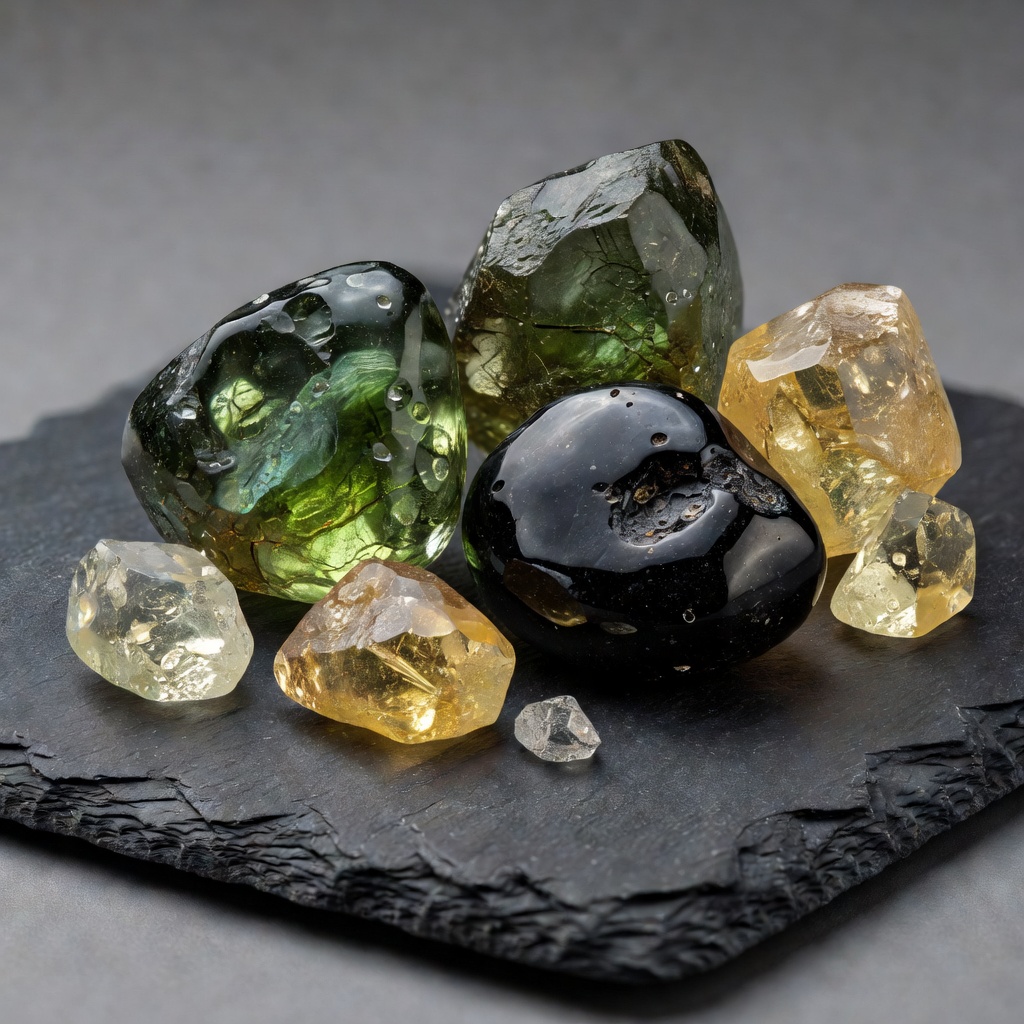
Moldavite stands as the undisputed aristocrat of the tektite family, with current moldavite price per gram ranging from twenty dollars for lower-grade fragments to well over one hundred dollars for exceptional gem-quality pieces. This striking green tektite, found exclusively in the Czech Republic and surrounding regions, derives its premium valuation from both genuine scarcity and intense demand from metaphysical practitioners who value its purported energetic properties. The limited geographic distribution combined with increasingly depleted deposits has created a seller's market where high-quality specimens appreciate steadily year over year.
The physical characteristics of individual moldavite pieces dramatically influence their market value, with raw, unaltered specimens commanding significant premiums over carved or polished alternatives. Collectors specifically seek specimens displaying characteristic surface pitting, wrinkled textures, and流动纹理 (flow lines) that demonstrate authentic aerodynamic formation during the splash phase of impact events. When evaluating authentic tektite buying opportunities, prioritize pieces retaining natural surfaces rather than those showing evidence of cutting, polishing, or artificial enhancement.
The widespread proliferation of counterfeit moldavite has fundamentally altered the economics of this market, forcing serious collectors to factor authentication costs into their purchasing decisions. Laboratory certification from recognized institutions now adds fifty to two hundred dollars to acquisition costs, but unverified specimens trade at thirty to fifty percent discounts compared to certified pieces. Investment-grade moldavite typically exhibits deep forest-green coloration, weighs more than ten grams, and maintains documented provenance from established Czech mining localities such as the Besednice region, where uniquely textured specimens originated.
Black Tektite Market: Indochinite and Australite Pricing
The vast majority of tektites available in the commercial market belong to the black variety known as indochinites, which offer accessible entry points for new collectors with indochinite tektite value ranging between two and fifteen dollars per gram depending on quality and size. These specimens, strewn across Southeast Asia from Thailand to Vietnam and southern China, represent the most abundant tektite type due to the massive scale of the impact event that created them approximately seven hundred thousand years ago. Their relative abundance makes them excellent educational specimens, though exceptional examples with unusual shapes or large sizes still command respectable premiums.
Australites represent a specialized subset of black tektites that command significantly higher prices due to their distinctive aerodynamic shapes, particularly button forms and flanged varieties created during high-velocity atmospheric reentry. These specimens, found primarily in Australia, can fetch prices three to five times higher than standard indochinites when displaying perfect flanges or dumbbell configurations. Regional availability factors heavily influence Southeast Asian tektite costs, with export restrictions in certain countries limiting supply and creating artificial scarcity for specific locality specimens.
For collectors seeking volume acquisitions, bulk purchasing options provide substantial savings over individual retail transactions, with wholesale pricing structures typically activating at quantities exceeding one hundred grams. Mineral dealers often offer indochinite lots at forty to sixty percent below retail rates when purchased in kilogram quantities, making them attractive for educational institutions or retailers preparing inventory. However, buyers should verify that bulk lots contain genuine specimens rather than industrial slag, which unfortunately floods the lower end of the black tektite market.
Rare Tektite Varieties and Collector Premiums
Beyond the common black and green varieties, several ultra-rare tektite types command extraordinary premiums that place them firmly in investment-grade categories. Libyan Desert Glass price structures start around fifty dollars per gram for translucent golden specimens with inclusions, escalating to three hundred dollars or more for high-clarity, gem-quality pieces suitable for jewelry mounting. This nearly pure silica glass, found in the Great Sand Sea of western Egypt, represents one of the most chemically pure natural glasses on Earth, formed approximately twenty-nine million years ago during a mysterious impact event.
Colombianite value reflects the extreme scarcity of these South American specimens, which some researchers classify as tektites while others debate their impactite status, creating a specialized market for knowledgeable collectors. Similarly, Bediasites from Texas and Georgiatites from Georgia represent North American tektites with limited strewn fields, driving prices substantially higher than their Asian counterparts despite similar appearances. These American varieties often trade at twenty to forty dollars per gram, reflecting their restricted geographic occurrence and significance to North American geological history.
Collectors should understand the distinction between true tektites and impactites, as geological classification significantly affects valuation within specialized collecting communities. While tektites specifically refer to splash-form glasses created during impact events, impactites encompass a broader category of shock-metamorphosed rocks that may include breccias and melt rocks. Historical significance adds additional premiums for documented field collection pieces with provenance records connecting them to famous localities or early scientific expeditions, sometimes doubling or tripling baseline values.
Size, Weight, and Quality Grading Systems
Understanding tektite price per gram calculations versus per-specimen retail pricing proves essential for navigating the market effectively, as different varieties follow distinct valuation models. For investment-grade materials like moldavite and Libyan Desert Glass, per-gram pricing allows direct comparison between specimens, though expect exponential premiums for pieces exceeding twenty grams due to the rarity of large, intact examples. Conversely, common indochinites typically sell using per-piece pricing for smaller specimens, with gram-based calculations reserved for wholesale transactions or unusually large individual pieces.
Quality grading systems prioritize specific surface features that indicate authentic formation conditions, including natural pitting patterns,流动纹理 (flow lines), and degrees of translucency when held to light. Specimens displaying intricate surface sculpture formed by etching in acidic soil environments over millennia command higher prices than smooth, recently extracted pieces. For translucent varieties like moldavite and Libyan Desert Glass, internal clarity and freedom from inclusions significantly impact valuation, with gem-quality transparency fetching multiples of opaque specimens.
Damage assessment represents a critical skill for maintaining resale value, as chips, cracks, and repairs can reduce specimen worth by fifty to seventy percent depending on severity and visibility. Professional collectors use magnification to inspect fracture patterns, distinguishing fresh damage from natural stress cracks formed during original cooling. The distinction between jewelry-grade and specimen-grade quality creates substantial price gaps, with carving-quality pieces free of internal flaws commanding premiums of two to three times over collector specimens with identical external appearances but internal fractures.
Authenticity Verification and Its Cost Impact
The economics of authentic tektite buying have transformed dramatically with the proliferation of sophisticated fakes, making laboratory verification an increasingly necessary expense for serious acquisitions. Professional spectroscopic analysis and certification from recognized laboratories typically cost between fifty and two hundred dollars per specimen, depending on testing complexity and documentation requirements. While this upfront expense may seem prohibitive for inexpensive specimens, the cost proves essential for pieces valued over one hundred dollars, as unverified specimens trade at thirty to fifty percent discounts compared to certified pieces in the secondary market.
Common treatments significantly impact valuation, with heat-treated, acid-washed, or artificially shaped specimens worth substantially less than naturally weathered examples. Acid-washing to enhance surface luster removes the natural patina that authenticates age, while heat treatment can darken colors to mimic premium-grade material. When evaluating potential purchases, examine specimens for uniformity in texture and color, as natural tektites display irregular weathering patterns impossible to replicate artificially without leaving telltale signs.
Documentation importance extends beyond laboratory certificates to include provenance papers, collection history, and field collection records that establish chain of custody. Specimens with documented extraction from specific famous localities, such as the Besednice moldavite fields or specific Libyan Desert Glass plateaus, command twenty to forty percent premiums over generic specimens of identical quality. Maintaining detailed acquisition records, including original purchase receipts and previous owner histories, protects resale value and establishes legitimacy for future transactions.
Retail vs. Wholesale: Where to Buy and Price Expectations
Navigating the purchasing landscape requires understanding how different sales channels affect tektite wholesale prices and retail markups across the industry. Online marketplaces like eBay and Etsy offer convenient access but require careful vetting, as prices range from suspiciously low counterfeit rates to inflated retail prices targeting uninformed metaphysical collectors. Specialized mineral dealers with established reputations typically charge twenty to forty percent premiums over wholesale rates but provide authenticity guarantees and detailed locality information essential for investment-grade acquisitions.
Gem and mineral shows present opportunities for wholesale purchasing, with volume discount thresholds typically activating at five hundred to one thousand dollar purchase levels for dealers willing to negotiate. These venues allow direct comparison between vendors and physical examination of specimens before purchase, reducing the risk of acquiring treated or fake material. Direct-from-miner purchasing represents the holy grail for investment-grade specimens, particularly for moldavite, where relationships with Czech field collectors can provide first access to exceptional pieces before they reach broader markets.
Auction houses specializing in natural history or meteorites command significant premiums for museum-quality pieces, often adding fifteen to twenty-five percent buyer's premiums to hammer prices. While these venues rarely offer bargains, they provide authentication services and access to historically significant specimens with impeccable provenance. For high-value acquisitions exceeding five thousand dollars, auction houses provide the documentation and market exposure necessary for eventual resale, justifying their higher transaction costs.
Investment Potential and Market Trends
The tektite investment value proposition has strengthened considerably over the past decade, with moldavite experiencing approximately two hundred percent price appreciation as deposits deplete and global demand increases. This appreciation significantly outpaces inflation and many traditional investment vehicles, though liquidity remains lower than precious metals or stocks. Historical data suggests that rare varieties like high-clarity Libyan Desert Glass and documented australite buttons have maintained steady appreciation curves of eight to twelve percent annually when purchased at fair market values.
Market volatility factors include the potential for new deposit discoveries, which could temporarily depress prices for specific varieties, versus ongoing depletion concerns that drive long-term scarcity premiums. The collecting community's growth, particularly in Asian markets where tektites hold cultural significance, suggests continued demand expansion that should support price levels. However, investors should recognize that meteorite glass pricing follows collectible rather than commodity patterns, requiring holding periods of five to ten years to realize significant appreciation.
Liquidity considerations vary dramatically by tektite type, with common indochinites proving difficult to sell quickly without substantial discounts, while premium moldavite and rare varieties maintain active secondary markets. Future price projections indicate continued divergence between common and rare varieties, with investment-grade specimens appreciating faster than entry-level material. Building a diversified tektite portfolio spanning multiple varieties and price points helps mitigate risks associated with market fluctuations in specific segments.
Protecting Your Investment: Care and Resale Value
Proper storage methods play a crucial role in maintaining tektite resale value, as these natural glasses can suffer degradation from environmental factors over time. Store specimens in stable environments away from direct sunlight, which can cause fading in light-sensitive varieties like Libyan Desert Glass, and maintain consistent humidity levels to prevent surface oxidation or cracking. Individual specimen boxes with foam padding prevent physical damage during handling, while archival-quality containers protect against chemical interactions that might etch surfaces over decades.
Insurance considerations become essential for collections exceeding five thousand dollars in value, requiring professional appraisals from gemologists specializing in meteoritics rather than standard jewelry appraisers. High-value collections should undergo updated appraisals every three to five years to reflect market appreciation, with documentation including high-resolution photography and detailed condition reports. Some specialty insurers now offer riders specifically for mineral and meteorite collections, recognizing the unique valuation challenges these materials present.
Strategic documentation strategies involve maintaining provenance records, acquisition receipts, and authentication certificates in waterproof, fireproof storage separate from the collection itself. When preparing for resale, market timing strategies should consider the cyclical nature of the mineral collecting market, with prices typically peaking during major gem show seasons and holiday gifting periods. Preserving original field collection data and previous ownership history adds significant premiums to resale values, particularly for specimens with scientific or historic significance.
Frequently Asked Questions About Tektite Valuation
How much does a real tektite cost?
Authentic tektites range from $2-$15 per gram for common black indochinites to $50-$300+ per gram for rare Libyan Desert Glass. Moldavite typically costs $20-$100 per gram depending on quality, color intensity, and surface features. Small specimens under 5 grams may cost $10-$50 total, while large, museum-quality pieces can exceed $1,000.
Why is moldavite significantly more expensive than other tektites?
Moldavite commands premium prices due to its limited geographic distribution (only the Czech Republic), distinctive green coloration preferred by collectors and spiritual practitioners, and increasing scarcity as deposits deplete. Additionally, high demand from the crystal healing market has driven prices up 200% over the past decade, unlike more abundant black tektites from Southeast Asia.
How can I tell if a tektite price is too good to be true?
Extremely low prices often indicate fakes—authentic moldavite under $10 per gram is suspicious, as are 'perfect' specimens with no surface pitting. If a seller offers large quantities of identical-looking pieces at discount rates, they're likely manufactured glass. Always verify that pricing aligns with current market rates: common black tektites under $2/gram may be legitimate, but green moldavite at those prices is certainly fake.
Do tektites appreciate in value over time?
Quality tektites have historically appreciated, particularly moldavite (200% increase over 10 years) and rare varieties like high-clarity Libyan Desert Glass. However, appreciation varies by type—common indochinites have remained stable. Investment potential depends on rarity, condition preservation, and authenticity documentation. Like all collectibles, they're speculative assets requiring long-term holding periods of 5-10 years for significant gains.
What is the most expensive type of tektite?
Libyan Desert Glass typically commands the highest prices, with gem-quality, translucent golden specimens selling for $300-$500 per gram. Exceptional moldavite with unique shapes or deep green coloration can reach $200+ per gram. Extremely rare varieties like Georgianites or specific documented Australite buttons with aerodynamic flanges have sold for thousands of dollars at specialty auctions due to scientific significance.
Should I buy tektites priced by the gram or by the piece?
For investment-grade specimens (moldavite, Libyan Desert Glass), per-gram pricing ensures fair value comparison, but expect premiums for pieces over 20 grams due to rarity. For common black tektites, per-piece pricing is standard and often more economical for collectors. Wholesale purchases typically use per-gram pricing with volume discounts, while retail jewelry often uses per-piece pricing that includes craftsmanship value.
Are enhanced or treated tektites worth less than natural specimens?
Yes, treatments significantly reduce value. Acid-washing to enhance surface shine, heat treatment to darken color, or cutting/polishing that removes natural textures can decrease value by 40-70%. Collectors prioritize natural surfaces (pitting,流动纹理) as proof of authentic formation. Always disclose treatments when selling, as undisclosed enhancements discovered later can void sales and damage seller reputation.
Where can I get an accurate tektite appraisal for insurance or sale?
Seek certified gemologists specializing in meteoritics or rare minerals—standard jewelers often lack tektite expertise. Professional appraisals cost $100-$300 and should include spectroscopic analysis confirming natural glass composition. Reputable sources include the Gemological Institute of America (GIA), university geology departments, or established meteorite dealers with authentication laboratories. For high-value collections ($5,000+), obtain updated appraisals every 3-5 years.