Why Tanzanite Care and Cleaning Matters
Tanzanite represents one of the rarest gemstones on earth, sourced exclusively from the foothills of Mount Kilimanjaro in Tanzania's Merelani Hills. This singular origin makes every piece of tanzanite jewelry inherently precious, with gemologists estimating that current mines may be depleted within the next few decades. Proper tanzanite care and cleaning protocols are therefore essential not merely for aesthetic maintenance but for preserving the long-term value and investment potential of these remarkable blue-violet stones. Neglecting routine maintenance can lead to permanent damage that significantly diminishes both the visual appeal and resale value of your jewelry.
Unlike diamonds or sapphires that rank 9 or 10 on the Mohs hardness scale, tanzanite registers between 6.5 and 7, making it significantly softer and more susceptible to scratches, chips, and abrasions. This relative softness means that daily wear without proper precautions can result in surface damage that clouds the stone's natural brilliance. Additionally, tanzanite possesses a unique crystalline structure with perfect cleavage in one direction, creating natural planes within the stone that can split under impact or pressure. Understanding these physical limitations is fundamental to implementing effective tanzanite jewelry maintenance routines that protect your investment while allowing you to enjoy the gemstone's captivating color.
Regular cleaning prevents the accumulation of body oils, hand creams, soap residue, and environmental pollutants that gradually create a film over the stone's surface. This buildup not only dulls the gem's characteristic trichroic brilliance—where it displays blue, violet, and burgundy tones depending on the viewing angle—but can also work its way into setting crevices, potentially loosening prongs over time. A consistent care regimen ensures that your tanzanite maintains the vivid saturation and clarity that made you fall in love with it initially, allowing light to enter and reflect properly through the stone's facets.
Understanding Your Tanzanite's Unique Properties
Before diving into specific cleaning techniques, understanding the inherent physical properties of tanzanite is crucial for avoiding accidental damage. Tanzanite is a variety of the mineral zoisite, and its crystalline structure features perfect cleavage, meaning it has a natural tendency to break along specific planes when struck or subjected to pressure. This characteristic makes the gemstone particularly vulnerable to sharp impacts, such as knocking your ring against a granite countertop or dropping it onto a tile floor. When engaging in tanzanite stone care tips and maintenance, always remember that prevention of physical trauma is just as important as chemical cleaning.
Temperature sensitivity represents another critical consideration for tanzanite durability. The stone can suffer thermal shock when exposed to sudden temperature changes, such as moving from a hot sauna into cold water or leaving jewelry in a car during summer heat followed by air-conditioned environments. High heat can actually alter the color of tanzanite, potentially fading its desirable blue-violet hues to a lighter, less valuable shade. Professional jewelers use controlled heating to enhance color during the initial cutting process, but uncontrolled heat exposure during everyday wear can reverse these effects or cause internal fracturing.
Pleochroism, the phenomenon where tanzanite displays different colors when viewed from different angles, requires special attention during cleaning. The stone naturally shows deep blue when viewed along one crystal axis, violet along another, and reddish-brown along the third. Residue and film buildup can mask this remarkable optical effect, making the stone appear uniformly dull or muddy. When cleaning, pay particular attention to ensuring that no soap film remains trapped behind the stone or in the setting, as this can permanently obscure the pleochroic display that makes tanzanite so distinctive among gemstones.
Essential Daily Tanzanite Care Habits
Establishing proactive daily habits forms the foundation of effective tanzanite jewelry maintenance and prevents the majority of damage before it occurs. Always remove tanzanite rings, earrings, and pendants before engaging in physical activities such as exercising at the gym, gardening, or performing household cleaning tasks. Weightlifting equipment, gardening tools, and even vigorous hand movements during sports can subject the stone to impact or pressure that exploits its cleavage planes. Similarly, chlorine in swimming pools and saltwater in oceans can damage both the stone and its setting, while the cold water can cause your fingers to shrink, increasing the risk of losing your ring.
Personal care products pose a significant threat to tanzanite's brilliance. Make it a habit to put your tanzanite jewelry on last when dressing, after applying makeup, hairspray, perfume, and lotion. These products contain chemicals and oils that create stubborn residues on the stone's surface. For example, hairspray can create a sticky film that attracts dust and dirt, while hand lotions can work their way under the stone's setting, creating a cloudy appearance that is difficult to remove without professional intervention. Adopting the "last on, first off" rule ensures minimal exposure to these potentially damaging substances.
Develop the practice of performing brief visual inspections of your tanzanite settings every time you remove the piece. Check that prongs remain tight and symmetrical, ensuring no gaps exist between the metal and the stone where the gem could shift or fall out. Look for signs of metal fatigue, such as thinning prongs or scratches on the band that might indicate areas of weakness. Catching a loose stone early can mean the difference between a simple prong-tightening repair at your jeweler and the devastating loss of your gemstone. Keep a small magnifying glass in your jewelry area to facilitate these inspections, paying special attention to the corners of the stone where prongs typically secure the gem.
Safe DIY Tanzanite Cleaning Methods at Home
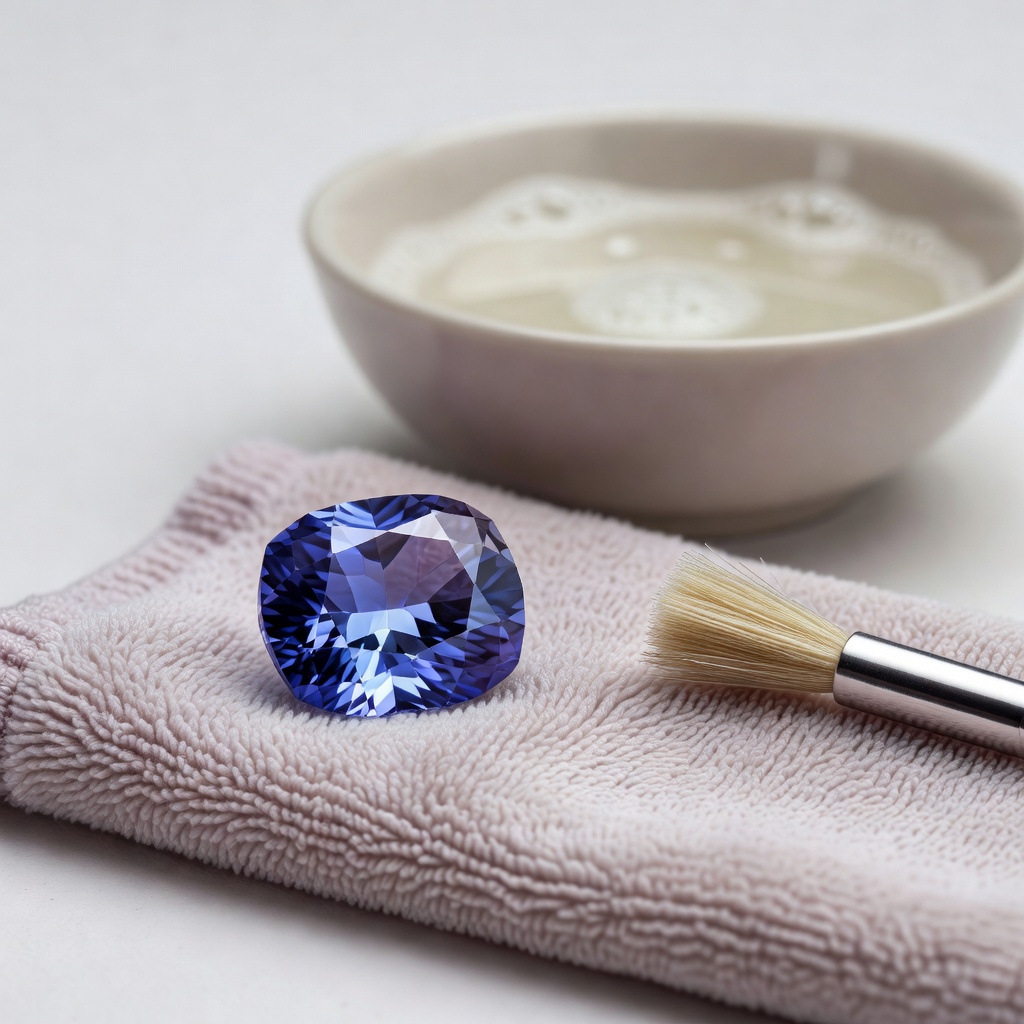
Learning how to clean tanzanite properly at home allows you to maintain your jewelry's sparkle between professional servicing without risking damage. The safest and most effective method involves using lukewarm water—never hot—mixed with a few drops of mild, phosphate-free dish soap. Prepare a small bowl with this solution, ensuring the water temperature remains comfortable to touch, as excessive heat can shock the stone. Use a soft-bristled brush, ideally a baby toothbrush with extra-soft bristles, to gently clean the stone and its setting.
When cleaning tanzanite rings or other jewelry, pay particular attention to the underside of the stone, known as the pavilion, where dirt and oils accumulate most heavily. Hold the piece securely and brush gently in circular motions around the prongs and under the gallery. The pavilion is crucial because it acts as a window for light entering the stone; when clogged with debris, even a perfectly clean crown (top) will appear dull. For pieces with intricate filigree or halo settings, use a soft wooden pick or cotton swab to reach crevices where the brush cannot access, being careful not to apply pressure that could bend delicate metalwork.
Rinsing requires careful attention to prevent accidental loss. Always clean over a strainer or plug the sink drain securely before rinsing your tanzanite under lukewarm running water. Ensure all soap residue washes away, as dried soap can leave a film that attracts more dirt. Pat the jewelry dry immediately using a lint-free microfiber cloth or a jewelry polishing cloth specifically designed for delicate gemstones. Avoid paper towels or tissues, which can scratch the metal setting and potentially the stone itself. Allow the piece to air dry completely on a soft towel before storing it away, ensuring no moisture remains trapped in the setting that could cause tarnishing or loosening of the stone over time.
Common Tanzanite Cleaning Mistakes to Avoid
Despite good intentions, many owners inadvertently damage their tanzanite through improper cleaning techniques that violate basic tanzanite care and cleaning principles. Never subject tanzanite to ultrasonic cleaners, which use high-frequency sound waves to create cavitation bubbles that dislodge dirt. While effective for diamonds and sapphires, these vibrations can cause internal fractures along tanzanite's cleavage planes, potentially splitting the stone or creating invisible weaknesses that lead to future breaks. Similarly, steam cleaners that shoot pressurized hot vapor can cause thermal shock and should be strictly avoided for all tanzanite jewelry.
Harsh chemical agents pose another significant threat to tanzanite durability. Avoid ammonia-based cleaners, bleach, acetone, and alcohol-based solutions that can etch the stone's surface or damage the setting's finish. Many commercial jewelry cleaners contain these aggressive chemicals and should never be used on tanzanite. Additionally, resist the temptation to use abrasive household items such as baking soda, toothpaste, or powdered cleansers. These substances are too harsh for tanzanite's relatively soft surface and will create microscopic scratches that accumulate over time, permanently dulling the stone's polish and luster.
Temperature extremes during cleaning can prove catastrophic. Never use boiling water or transition the stone quickly from hot to cold water, as the thermal shock can cause cracking. Similarly, avoid leaving tanzanite in direct sunlight on a windowsill or in a hot car before cleaning, then subjecting it to cold water. When cleaning multiple pieces simultaneously, never mix tanzanite with harder gemstones like diamonds, rubies, or sapphires in the same cleaning vessel, as contact between stones can cause scratches and chips. Always clean tanzanite separately and store it apart from other jewelry to prevent accidental contact damage.
Proper Storage Solutions for Tanzanite Jewelry
Implementing appropriate tanzanite storage solutions is as critical as cleaning when it comes to preserving your gemstone's beauty. Always store tanzanite pieces separately from other jewelry to prevent scratching. Ideally, place each item in a soft fabric pouch made from velvet, silk, or microfiber, or dedicate individual compartments in a jewelry box with padded dividers. Harder gemstones like diamonds, even when set in other pieces, can scratch tanzanite if they come into contact during storage or transport. For rings, consider using ring rolls or individual slots that prevent the stone from touching metal clasps or other jewelry items.
Environmental factors significantly impact tanzanite's longevity. Store your jewelry away from direct sunlight, which can fade the stone's vibrant color over extended periods, and keep pieces distant from heat sources such as radiators, heating vents, or electronics that generate warmth. A consistent, moderate temperature environment helps preserve the stone's color stability. For long-term storage of valuable pieces, consider using anti-tarnish strips in your jewelry box to prevent oxidation of silver or white gold settings, and maintain a humidity-controlled environment if you live in an extremely dry or humid climate. Excessive humidity can cause metal settings to corrode, while overly dry conditions may make certain setting materials brittle.
For travel, invest in a quality jewelry case with individual padded compartments or zippered pouches. Never pack tanzanite in checked luggage where it may be subjected to rough handling or extreme temperature changes in cargo holds; always carry valuable pieces in your personal item or carry-on bag. When staying in hotels, use the room safe rather than leaving jewelry out on counters where cleaning staff might accidentally knock it to the floor or where it might be exposed to sunlight through windows. If you must store multiple pieces together while traveling, wrap each item individually in soft cloth or tissue before placing them in compartments to provide an additional barrier against scratches.
When to Seek Professional Tanzanite Cleaning
While home maintenance is essential, certain situations require professional tanzanite cleaning to ensure the longevity of your jewelry. Schedule a comprehensive inspection and cleaning with a qualified jeweler at least once annually, or more frequently if you wear the piece daily. During these visits, professionals examine prongs under magnification, check for loose stones, inspect for hairline cracks or chips you might have missed, and assess the overall structural integrity of the setting. They possess the specialized tools and expertise to tighten settings without risking damage to the stone.
Professional jewelers employ techniques specifically suited to tanzanite's delicate nature. Rather than ultrasonic or steam methods, they may use gentle ionic cleaners that draw dirt away from the stone through electrolysis without physical vibration, or they may perform careful manual polishing using compounds appropriate for the gemstone's hardness. For white gold or platinum settings, professionals can also re-rhodium plate the metal during the same visit, restoring the bright white finish that complements tanzanite's blue-violet hues. They can also professionally polish the metal band to remove scratches accumulated during daily wear, restoring the piece to near-new condition.
If your tanzanite sustains visible scratches or chips, only consult gem cutters or jewelers specifically experienced with tanzanite's unique cleavage properties. Repolishing or recutting tanzanite requires specialized knowledge to avoid splitting the stone along its natural cleavage planes. A standard jeweler might attempt to treat tanzanite like a harder gemstone, potentially causing catastrophic damage. Professionals can also assess whether damage is superficial enough for simple polishing or if more extensive work is required. While professional services typically cost between $25 and $75 for cleaning and inspection, and $100 to $300 for repolishing, this investment protects a gemstone that may be worth thousands of dollars.
Troubleshooting Common Tanzanite Problems
Even with diligent tanzanite jewelry maintenance, issues may arise that require immediate attention to prevent permanent damage. If you notice your tanzanite becoming loose in its setting—detectable by a clicking sound when you gently tap the stone or visible movement when you blow on it—stop wearing the piece immediately. Continuing to wear a loose stone risks it falling out and becoming lost. Place the jewelry in a sealed plastic bag or small container to prevent it from moving around, and visit your jeweler promptly for prong tightening or resetting. Never attempt to tighten prongs yourself using pliers or other tools, as improper pressure can crack the stone or warp the setting beyond repair.
Surface scratches on tanzanite require professional assessment to determine the appropriate remedy. Minor surface scratches that affect only the polish layer may be buffed out by a jeweler using fine polishing compounds and gentle techniques. However, deep scratches that penetrate the surface or chip the edges require evaluation by a master gem cutter to determine if repolishing is feasible without significantly reducing the stone's carat weight. Attempting DIY polishing with consumer-grade products will likely worsen the damage, as uneven pressure can create facets or distort the original cut of the stone. Document any damage with photographs for insurance purposes before taking the piece for repair.
Cloudiness or dullness that persists after routine cleaning often indicates oil buildup that has worked its way under the stone or into microscopic surface imperfections. For stubborn oil accumulation, prepare a diluted solution of mild dish soap and lukewarm water, and allow the tanzanite to soak for 10 to 15 minutes—never longer, as prolonged soaking can loosen certain types of settings or affect adhesives used in some jewelry repairs. After soaking, use your soft brush to gently agitate the surface, then rinse thoroughly. If cloudiness persists after this treatment, it may indicate internal damage or a loose stone allowing moisture beneath the pavilion, which requires immediate professional evaluation.
Long-Term Tanzanite Preservation Strategies
Sustainable tanzanite stone care tips extend beyond daily cleaning to encompass long-term preservation strategies that protect your investment for decades. Maintain updated appraisals and insurance documentation for valuable tanzanite pieces, scheduling reappraisals every two to three years or whenever significant market fluctuations occur. Tanzanite prices have historically appreciated due to the gem's rarity and limited supply, making current insurance coverage essential. Keep detailed records of your purchase receipts, certificates of authenticity, and gemological reports in a fireproof safe or secure digital storage, as these documents are crucial for insurance claims and future resale value.
For heirloom tanzanite jewelry intended for generational transfer, create a comprehensive care history log documenting all cleanings, repairs, appraisals, and any damage incidents. This provenance record adds value to the piece and helps future owners understand the item's condition history. Include photographs of the jewelry from multiple angles updated annually to track any changes in appearance or setting integrity. If passing tanzanite to the next generation, include written care instructions based on the guidelines in this article, ensuring that inheritors understand the specific needs of this delicate gemstone.
Consider implementing a rotation system for frequently worn tanzanite rings to minimize cumulative wear. While it is tempting to wear a beloved tanzanite engagement or cocktail ring daily, rotating it with other pieces allows the stone periodic rest from the constant exposure to impacts, chemicals, and oils that occur during everyday activities. Designate specific tanzanite pieces for special occasions while using more durable gemstones like sapphires or diamonds for daily wear. This strategy not only preserves your tanzanite's pristine condition but also ensures that the piece remains a special treasure associated with meaningful events rather than becoming subjected to the wear and tear of routine tasks.
Quick Reference: Tanzanite Care Checklist
Maintaining a consistent schedule for tanzanite care and cleaning ensures that maintenance becomes a habit rather than an afterthought. On a weekly basis, perform a visual inspection of your tanzanite jewelry using a magnifying glass to check prong integrity and stone security. Gently wipe the piece with a soft, lint-free cloth to remove surface oils and fingerprints that accumulate during wear. This quick maintenance takes only minutes but prevents buildup that would require more intensive cleaning later.
Monthly maintenance should include a thorough cleaning using the mild soap and lukewarm water method described previously. Take this opportunity to examine the setting under bright light for any signs of metal fatigue, discoloration, or loose stones. If you wear the piece frequently, consider using a jewelry cleaning cloth specifically designed for precious metals to polish the band and restore shine to the setting. Document any concerns or changes you observe during these monthly sessions to discuss with your jeweler during annual visits.
Mark your calendar for annual professional inspection and deep cleaning, ideally scheduling this around a memorable date such as an anniversary or birthday to ensure consistency. During this yearly checkup, the jeweler will professionally clean areas you cannot reach, tighten any loose prongs, and assess the stone for damage you might have missed. Daily reminders should include removing tanzanite before showering, applying cosmetics, cooking, cleaning, exercising, or engaging in manual labor. Keep a designated dish or tray in your bathroom and kitchen specifically for tanzanite jewelry to ensure you always have a safe place to set pieces when they must be removed.
Frequently Asked Questions About Tanzanite Maintenance
Can I wear my tanzanite ring every day?
While tanzanite can be worn daily, it's best suited for occasional wear due to its relative softness (6.5-7 on Mohs scale) and perfect cleavage. If worn daily, remove it during activities like housework, exercise, or manual labor to prevent chips and scratches. Many owners choose to wear their tanzanite rings primarily for office work or social occasions, switching to harder gemstones like sapphires or diamonds for activities that involve physical impact or exposure to harsh chemicals.
How often should I clean my tanzanite jewelry?
Perform light cleaning monthly with mild soap and water, and conduct a visual inspection weekly. Professional cleaning is recommended once a year to check settings and perform thorough maintenance. Clean immediately if the stone appears dull or cloudy, or if you notice residue buildup from lotions, perfumes, or hand soaps that might diminish the gem's brilliance.
Can tanzanite be cleaned in an ultrasonic cleaner?
No, never use ultrasonic cleaners for tanzanite. The vibrations can cause internal fractures along the stone's cleavage planes, leading to serious damage. Stick to gentle hand-cleaning methods using mild soap and lukewarm water. Even professional jewelers who service tanzanite avoid ultrasonic cleaning in favor of manual or ionic cleaning methods specifically designed for delicate gemstones.
What should I do if my tanzanite gets scratched?
Minor surface scratches may be polished out by a professional jeweler experienced with tanzanite. For deep scratches, the stone may need repolishing or recutting. Always consult a gemologist or reputable jeweler—never attempt DIY polishing as you could worsen the damage. Attempting to buff the stone yourself with consumer products often results in uneven surfaces or additional chipping that permanently alters the stone's appearance and value.
Is it safe to use commercial jewelry cleaners on tanzanite?
Most commercial jewelry cleaners contain harsh chemicals or ammonia that can damage tanzanite. Only use cleaners specifically labeled as safe for tanzanite, though mild soap and water remains the safest DIY method. When in doubt, consult your jeweler. Many all-purpose jewelry cleaners are formulated for harder stones like diamonds and can etch or dull tanzanite's surface with repeated use.
How should I store tanzanite jewelry when traveling?
Use a padded jewelry case with individual compartments or soft pouches for each piece. Wrap tanzanite items in soft cloth before placing in pouches. Never store tanzanite with harder gemstones like diamonds or sapphires that could scratch it during transport. Always carry valuable tanzanite in your carry-on luggage rather than checked bags to prevent exposure to extreme temperatures and rough handling in cargo holds.
Does tanzanite fade over time?
Tanzanite's color is stable under normal wear, but prolonged exposure to direct sunlight or high heat can cause fading. Store your tanzanite away from windows and heat sources. Normal indoor lighting and occasional wear will not affect its vibrant color. However, leaving tanzanite jewelry on a windowsill or wearing it consistently during sunbathing or sauna visits may result in noticeable lightening of the stone's desirable blue-violet hue over time.
How much does professional tanzanite cleaning typically cost?
Professional cleaning and inspection usually costs $25-$75 per piece, depending on your location and jeweler. Many jewelers offer free cleaning for pieces purchased from them. Repolishing services cost more, typically $100-$300 depending on the extent of work needed. While this represents an additional expense, the cost of professional maintenance is minimal compared to the value of the gemstone and the potential cost of replacing a damaged or lost stone due to neglected maintenance.