Understanding Taaffeite: Why Specialized Care Matters
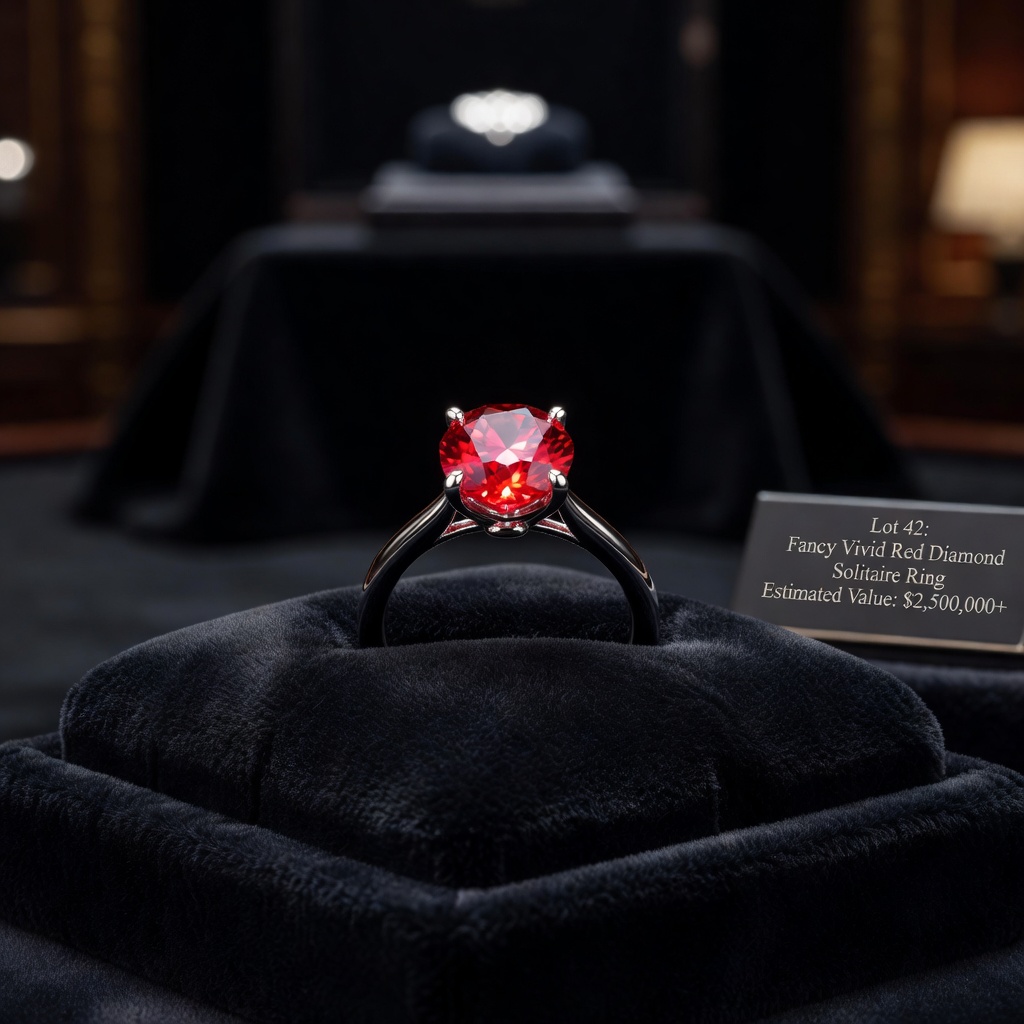
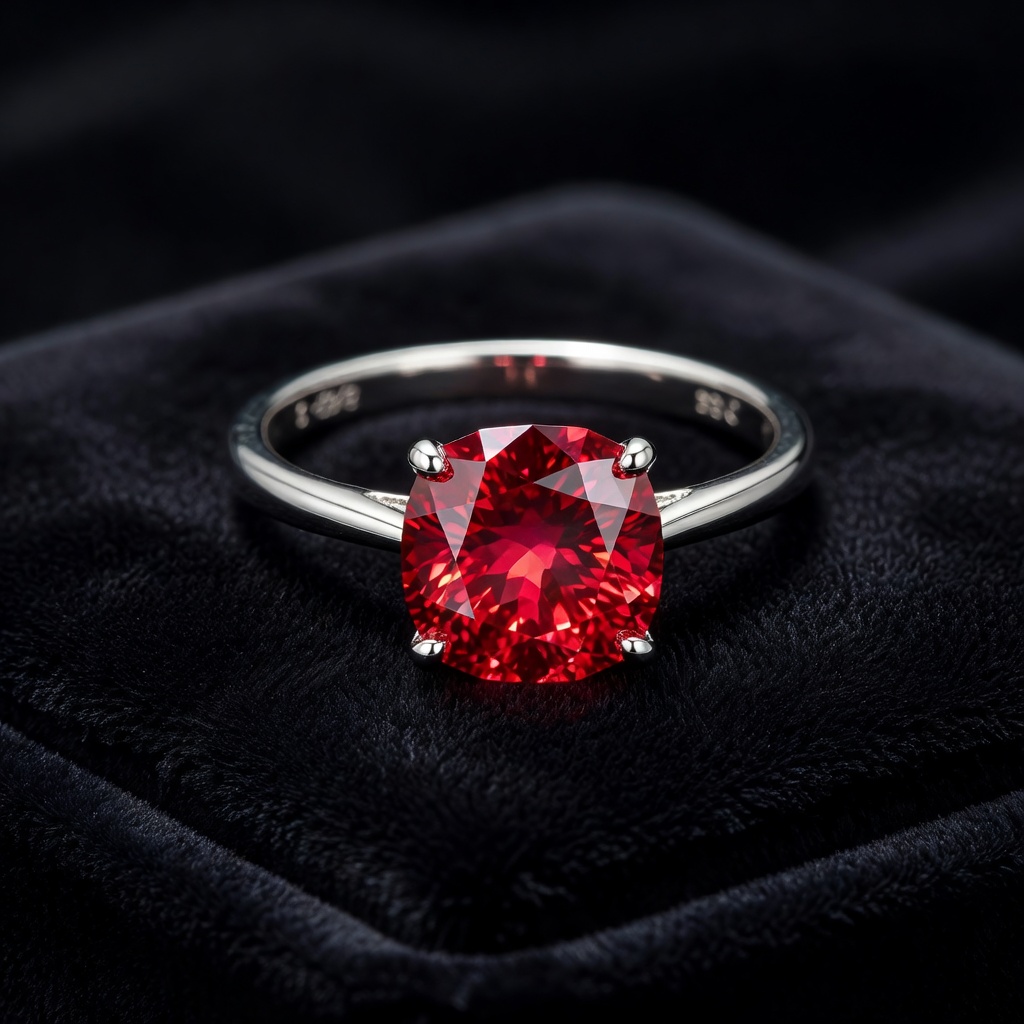
Taaffeite represents one of the rarest discoveries in gemological history, with only a few thousand specimens known to exist worldwide, making it significantly scarcer than diamonds or rubies. This extraordinary rarity demands a specialized approach to Taaffeite Care and Cleaning that recognizes the gemstone not merely as an accessory, but as a substantial investment and piece of geological heritage. Unlike more common precious stones that might withstand occasional negligence, taaffeite requires meticulous attention due to its extreme scarcity and the mathematical improbability of replacing a damaged specimen. Collectors and owners must adopt an investment protection mindset, understanding that proper maintenance directly correlates with the preservation of both aesthetic beauty and financial value.
The chemical composition of taaffeite, specifically beryllium aluminum oxide, creates unique crystalline structural considerations that influence how owners should approach Taaffeite gemstone maintenance. Unlike its chemically similar cousin spinel, taaffeite crystallizes in the hexagonal system with distinct cleavage planes that require careful handling to prevent fracturing. This molecular arrangement means that while the stone possesses admirable hardness, it lacks the toughness of some other gemstones, creating specific vulnerabilities that standard jewelry care protocols might overlook. Understanding these inherent characteristics provides the foundation for implementing rare gemstone cleaning procedures that safeguard this extraordinary mineral for future generations.
Taaffeite Physical Properties and Durability Factors
Ranking between 8 and 8.5 on the Mohs hardness scale, taaffeite possesses substantial scratch resistance that exceeds quartz and approaches the durability of topaz, yet this measurement only tells part of the story regarding Taaffeite hardness and durability. Hardness specifically measures resistance to scratching, but durability encompasses toughness—the ability to resist breaking, chipping, or cracking under impact. Taaffeite exhibits perfect cleavage in one direction, meaning that a sharp blow or significant pressure along specific crystallographic planes can cause the stone to split cleanly, much like diamond's cleavage but with less predictable fracture behavior. This characteristic makes Taaffeite durability assessments more complex than simply referencing its Mohs rating, requiring owners to understand that hardness does not equate to invincibility against physical trauma.
The gemstone's sensitivity to thermal shock presents another critical consideration for owners evaluating long-term care strategies. Rapid temperature fluctuations, such as moving from a hot tub to cold pool water or exposure to cooking heat followed by air conditioning, can create internal stresses within the crystalline lattice. These thermal differentials cause expansion and contraction at varying rates throughout the stone, potentially generating microscopic fractures that compromise clarity and structural integrity. Gemologists note that taaffeite's thermal expansion coefficient requires gradual temperature transitions, making awareness of environmental conditions essential for anyone serious about preserving their specimen's pristine condition.
Cleavage Planes and Fracture Risks
Understanding taaffeite's cleavage properties requires recognizing that while the stone resists surface scratches admirably, its internal structure contains planes of relative weakness that respond poorly to specific types of mechanical stress. When setting or wearing taaffeite jewelry, jewelers must orient the table (top flat surface) perpendicular to the cleavage direction to minimize risk, though owners should still avoid any situation where the stone might receive a sharp impact. Dropping taaffeite onto a hard surface, striking it against metal fixtures, or applying uneven pressure during cleaning can activate these cleavage planes, resulting in catastrophic damage that no polishing or recutting can fully remediate. This vulnerability necessitates handling protocols that might seem excessive for other gemstones of similar hardness but are absolutely justified given taaffeite's extraordinary value and rarity.
Daily Wear Guidelines and Handling Precautions
Implementing proper Taaffeite jewelry protection protocols begins with recognizing which activities pose unacceptable risks to this rare gemstone. Owners should remove taaffeite pieces before engaging in sports, gardening, heavy lifting, or manual labor, as these activities introduce multiple hazards including impact trauma, abrasive contact with hard materials, and exposure to dirt that can scratch metal settings or work its way behind the stone. Even seemingly benign activities like rock climbing, weightlifting, or home improvement projects create scenarios where the gemstone might contact granite countertops, metal tools, or concrete surfaces with sufficient force to chip the girdle or table facet. Establishing a consistent routine of removing taaffeite jewelry before physical activities represents the first line of defense in preserving its museum-quality appearance.
Proper technique for donning and removing taaffeite jewelry prevents accidental drops and reduces stress on prongs and settings. Always put on taaffeite pieces after applying cosmetics, hairspray, and perfume, as these products contain chemicals that can create residue films on the stone's surface, dulling its brilliance and requiring more frequent cleaning. When removing rings or pendants, handle them over a soft surface such as a folded towel or padded jewelry tray to cushion any accidental drops. Grasp the jewelry by the metal components rather than the stone itself to avoid transferring skin oils to the facets and to reduce the risk of dislodging the gem from its mounting through excessive pressure.
Interaction Risks with Harder Gemstones
Storing or wearing taaffeite alongside diamonds, sapphires, or rubies creates significant scratching hazards despite taaffeite's respectable hardness rating. Diamonds register 10 on the Mohs scale, while corundum varieties (sapphires and rubies) rank at 9, both capable of scratching taaffeite's surface if contact occurs during movement or storage. When wearing multiple pieces, ensure that taaffeite rings do not bang against diamond bracelets or that taaffeite pendants remain separated from sapphire earrings to prevent abrasive damage. This principle of precious stone handling extends to storage solutions, where individual compartments become essential rather than optional for maintaining flawless facet junctions and polish quality.
Safe Home Cleaning Methods for Taaffeite
Implementing proper Taaffeite Care and Cleaning at home requires gentle methodologies that remove accumulated dirt and oils without subjecting the stone to thermal shock or mechanical stress. Begin by preparing a cleaning solution using lukewarm water (approximately 70-85°F or 21-29°C) mixed with a few drops of mild, phosphate-free dish soap or specialized jewelry cleaning solution. Avoid hot water from the tap, as temperatures exceeding 100°F can create thermal differentials within the stone, while cold water may cause oils to congeal rather than dissolve. The water should feel comfortable to the touch—never hot—ensuring that the taaffeite experiences no thermal shock during the cleaning process.
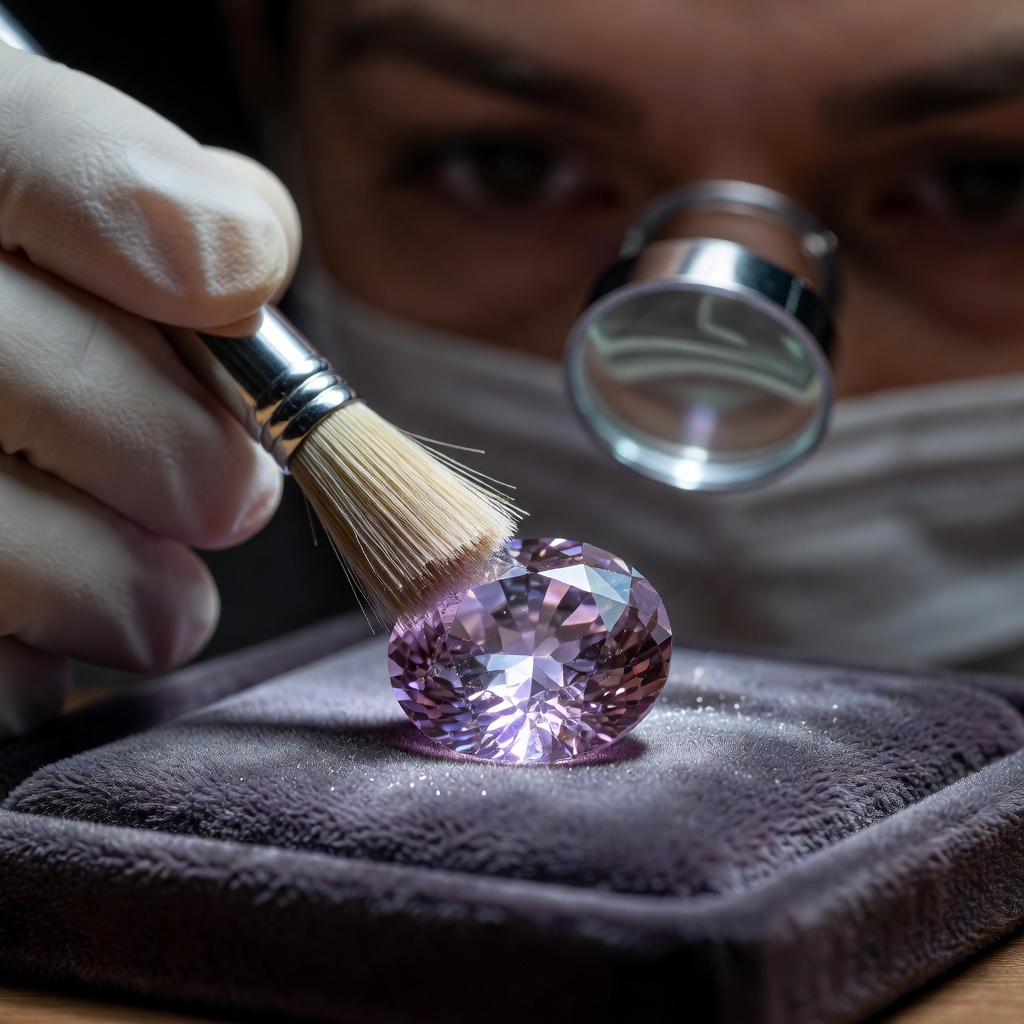
Submerge the jewelry for no more than two to three minutes to loosen surface grime, then use a soft-bristled brush such as a baby toothbrush or specialized jewelry brush with natural sable or synthetic bristles to gently clean around the setting and pavilion. Work in gentle circular motions around the stone's perimeter, paying special attention to the area beneath the girdle where lotions and soaps commonly accumulate, but never apply downward pressure that might loosen prongs or stress the stone. For the drying phase, use a lint-free microfiber cloth rather than paper towels or tissues, as these paper products contain wood fibers that can scratch both the metal setting and potentially the taaffeite itself. Pat the jewelry dry rather than rubbing, then allow it to air dry completely on a soft towel for several hours before storing to ensure no moisture remains trapped behind the stone.
Drying Techniques to Prevent Residue
Proper drying represents a critical yet often overlooked component of effective gemstone cleaning solutions, as water spots and mineral residue can permanently dull taaffeite's surface if allowed to evaporate naturally. After the initial pat-down with a microfiber cloth, consider using a hairdryer set to the cool setting held at least 12 inches away to evaporate any remaining moisture from hard-to-reach areas under prongs or bezels. Alternatively, placing the jewelry on a dry, clean cloth in a low-humidity environment for 24 hours ensures complete evaporation without introducing new contaminants. Never use heat guns or high-temperature settings, as even brief exposure to hot air can trigger thermal shock in taaffeite, potentially creating internal fractures that compromise both beauty and value.
Professional Cleaning and Maintenance Protocols
While home maintenance forms the backbone of routine care, professional gemstone maintenance provides the technical expertise and specialized equipment necessary to address issues beyond the scope of domestic cleaning. Schedule comprehensive Taaffeite inspection and professional cleaning every 12 to 18 months with a jeweler experienced in handling ultra-rare gemstones, ensuring they understand taaffeite's specific vulnerabilities before proceeding. These professional visits should include thorough prong inspection using magnification to detect wear, loose settings, or metal fatigue that could result in stone loss, along with checking for chips, abrasions, or changes in optical properties that might indicate internal damage.
Professional jewelers should employ only gentle cleaning methods for taaffeite, specifically avoiding ultrasonic cleaners and steam machines despite their popularity for other gemstones. Appropriate techniques include manual cleaning with professional-grade solutions, ionic cleaning systems that use electrical current rather than vibration, or simple steam-free polishing procedures. During these visits, request that the jeweler inspect the stone's security in its setting, checking for loose prongs, worn galleries, or damaged bezels that might allow the taaffeite to fall out during wear. Document each professional cleaning in your gemological records, noting any changes in weight, dimensions, or clarity characteristics to maintain accurate provenance documentation for insurance and valuation purposes.
Prong and Setting Security Checks
The security of taaffeite within its mounting requires vigilant attention because the financial and sentimental cost of losing such a rare stone far exceeds the inconvenience of frequent maintenance checks. During professional inspections, jewelers should use a probe to test prong tightness, ensuring each metal claw contacts the stone securely without creating stress points that could promote cleavage. For bezel-set taaffeite, professionals should examine the integrity of the metal rim, checking for thinning, cracks, or gaps where the stone might work loose. If the setting shows significant wear, consider having the piece remounted or reinforced immediately rather than risking the irreplaceable loss of a gemstone that might represent decades of searching or significant financial investment.
Proper Storage Solutions to Prevent Damage
Implementing appropriate precious stone storage protocols ensures that taaffeite remains protected during periods of non-wear, preventing the microscopic scratches and abrasion that accumulate through improper containment. Store each taaffeite piece individually in soft-lined pouches made of velvet, silk, or acid-free tissue, or within dedicated compartments in a high-quality jewelry box featuring individual padded sections. The storage material should be free of abrasive dust or chemical treatments that might interact with the stone's surface, and compartments must provide sufficient padding to prevent movement if the box is accidentally jostled or transported.
Separation from harder gemstones remains paramount in any Taaffeite storage tips protocol, requiring that diamonds, sapphires, rubies, and even harder synthetic stones remain in entirely different storage containers or at minimum separate compartments with substantial padding between them. Consider investing in a multi-tier jewelry box with individual locking drawers or a safe deposit box arrangement that provides both physical security and environmental stability. For collectors with multiple rare specimens, maintaining a detailed inventory with photographs and storage location records ensures that taaffeite pieces receive appropriate rotation and inspection, preventing long-term neglect that might allow setting degradation or environmental damage to go unnoticed.
Climate Control Considerations
Environmental stability plays a crucial role in long-term preservation, as extreme humidity fluctuations can cause metal settings to expand and contract, potentially loosening prongs, while temperature variations risk thermal shock to the stone itself. Store taaffeite in environments maintaining relative humidity between 40-50%, avoiding bathroom storage where shower steam creates cyclic humidity spikes or attics/basements subject to seasonal temperature extremes. If storing in a home safe, include silica gel packets to control moisture, and ensure the safe itself maintains moderate temperatures rather than becoming a heat sink in direct sunlight or near heating vents. For extended storage periods exceeding several months, consider professional vault storage facilities that offer climate-controlled environments specifically designed for high-value gemstones and jewelry.
Chemical and Environmental Hazard Prevention
Protecting taaffeite from chemical exposure requires understanding that Taaffeite chemical resistance does not equate to immunity from common household substances that can etch metal settings or leave residue on the stone's surface. Never allow taaffeite to contact bleach, ammonia, acetone, or abrasive cleaners, as these chemicals can damage both the gemstone and its mounting, potentially causing pitting in gold alloys or discoloration in platinum. Chlorine exposure from swimming pools or hot tubs presents particular risks, as this chemical reacts with gold alloys used in jewelry settings, creating porosity that weakens prongs and eventually leads to stone loss. Even prolonged exposure to saltwater can create corrosive conditions for metal settings while leaving mineral deposits on the taaffeite's pavilion that require professional removal.
Implementing the "last on, first off" rule regarding cosmetics and perfume application significantly reduces chemical exposure risks. Apply all beauty products, including lotions, makeup, hairspray, and fragrance, before donning taaffeite jewelry, and remove the jewelry before beginning your evening cleansing routine. This protocol prevents the buildup of cosmetic films that dull brilliance and avoids exposing the stone to alcohol-based perfumes or acidic skincare products that might damage the surface over time. When cleaning house or engaging in hobbies involving chemicals such as photography, painting, or gardening, always remove taaffeite pieces to prevent accidental splashing or vapor exposure.
Heat Exposure Risks
Beyond chemical hazards, gemstone environmental protection requires vigilance regarding heat sources that can cause thermal shock or gradual damage to taaffeite's crystalline structure. Remove taaffeite jewelry before cooking over open flames, using hot ovens, or grilling, as radiant heat can rapidly elevate the stone's temperature before the metal setting conducts heat away. Sunbathing and hot tub use present similar risks, as direct sunlight can focus heat through the stone's facets while hot water creates rapid temperature differentials. Even sauna use or exposure to vehicle heating vents directed at hands (for rings) can create conditions conducive to thermal shock, making awareness of heat sources an essential component of comprehensive care protocols.
Common Cleaning Mistakes to Avoid
Despite taaffeite's impressive hardness rating, certain popular cleaning methods pose unacceptable risks that can result in immediate catastrophe or gradual degradation. Ultrasonic cleaners, while effective for diamonds and sapphires, generate high-frequency vibrations that can exploit taaffeite's cleavage planes, potentially splitting the stone along its internal structural weaknesses. These machines also create cavitation bubbles that implode with significant force, generating heat and pressure differentials that stress prongs and settings, potentially causing the stone to drop out during cleaning. Understanding Taaffeite cleaning mistakes begins with recognizing that hardness alone does not determine a gemstone's suitability for mechanical cleaning devices.
Steam cleaning, another popular professional technique for less sensitive gemstones, presents similar thermal shock risks for taaffeite. The combination of high-pressure steam and rapid temperature elevation can create internal fractures or worsen existing inclusions, permanently compromising clarity and potentially reducing the stone's value by thousands of dollars. Home remedies involving toothpaste, baking soda, or abrasive polishing compounds also damage taaffeite surfaces by creating microscopic scratches that accumulate over time, dulling the polish and requiring professional re-polishing to restore luster. Safe gemstone cleaning requires resisting the temptation to use aggressive methods or DIY solutions, instead adhering to the gentle, manual techniques that preserve both the stone and its setting.
Abrasive Materials and DIY Myths
The internet abounds with well-meaning but dangerous advice regarding gemstone cleaning, including recommendations to use toothpaste, lemon juice, or baking soda pastes to restore brilliance. These abrasive materials scratch taaffeite's surface, while acidic solutions can etch the stone and damage metal settings. Similarly, using paper towels, cotton swabs with rigid plastic sticks, or metal picks to clean around settings risks scratching the pavilion or loosening prongs. Always use materials specifically designed for jewelry care, and when in doubt regarding a cleaning method, consult a gemologist or experienced jeweler before proceeding, as the cost of professional cleaning pales in comparison to the value of replacing or repairing a damaged taaffeite specimen.
Long-term Preservation and Value Protection
Sustaining the investment value of taaffeite extends beyond physical care to encompass meticulous documentation and insurance protocols that protect against loss, theft, or damage. Maintain comprehensive records including original purchase receipts, gemological certificates from recognized laboratories (such as GIA or AGL), detailed photographs showing the stone's unique inclusions and cutting characteristics, and independent appraisals updated every two to three years to reflect market fluctuations. These documents prove provenance and authenticity while providing insurance companies with the necessary information to provide adequate coverage for Taaffeite investment protection, ensuring that replacement or repair remains financially feasible should disaster strike.
Insurance considerations for taaffeite require specialized policies that recognize the stone's rarity, as standard homeowner's insurance often imposes limits on jewelry coverage that grossly undervalue ultra-rare gemstones. Secure a rider or standalone jewelry insurance policy specifically listing the taaffeite by weight, dimensions, color grade, and certificate number, ensuring coverage extends to mysterious disappearance and unexplained loss rather than just theft or damage. As part of rare gemstone value maintenance, consider periodic re-appraisal by specialists in rare gems who understand the niche market for taaffeite, as prices for exceptional specimens have shown significant appreciation due to extreme scarcity.
Re-polishing and Re-cutting Considerations
Should taaffeite suffer surface damage, scratches, or dulling of facets over decades of wear, professional re-polishing can restore its optical performance without significant weight loss if addressed promptly. However, re-cutting to remove chips or cracks requires extreme caution, as taaffeite's rarity means that every fraction of a carat lost represents significant financial and collectible value diminution. Consult with master cutters experienced in rare gemstones who can evaluate whether simple re-polishing of the table and crown facets suffices, or whether more invasive re-cutting represents the only viable option. In some cases, resetting the stone to hide minor chips under bezel edges or prongs provides a preferable alternative to removing material through re-cutting, preserving both weight and historical integrity.
Frequently Asked Questions About Taaffeite Maintenance
Can I use an ultrasonic cleaner for my taaffeite jewelry?
No, ultrasonic cleaners are not recommended for taaffeite. Despite its 8-8.5 hardness rating, the vibrations can loosen settings and potentially damage the stone along cleavage planes. Stick to gentle hand-cleaning with lukewarm soapy water and a soft brush.
How often should I clean my taaffeite gemstone?
Clean your taaffeite every 2-4 weeks if worn regularly, using mild soap and lukewarm water. For professional cleaning and prong inspection, schedule visits every 12-18 months. Immediate cleaning is necessary after exposure to chemicals, cosmetics, or excessive sweat.
Is taaffeite durable enough for daily wear in an engagement ring?
While taaffeite ranks 8-8.5 on the Mohs scale, making it relatively hard, its rarity and value typically make it unsuitable for daily wear in engagement rings. It's better suited for occasional wear pieces or protected settings to preserve this ultra-rare investment.
What temperature water is safe for cleaning taaffeite?
Use lukewarm water (room temperature to slightly warm, approximately 70-85°F or 21-29°C). Avoid hot water as sudden temperature changes can cause thermal shock, potentially fracturing the stone. Never use boiling water or move taaffeite between extreme temperatures.
Can I wear taaffeite while swimming, showering, or exercising?
No. Remove taaffeite before swimming (chlorine and saltwater damage), showering (soap residue buildup), or exercising (impact risks and sweat acidity). Apply perfume, hairspray, and cosmetics before putting on taaffeite jewelry to avoid chemical exposure.
How should I store taaffeite when traveling?
Store taaffeite in a individual padded jewelry pouch or the original box, separated from other jewelry—especially diamonds, sapphires, and rubies that can scratch it. Use a hard-sided travel case for protection, and never pack taaffeite in checked luggage; always carry it on.
What's the difference between taaffeite and spinel care requirements?
While chemically similar (taaffeite is beryllium aluminum oxide, spinel is magnesium aluminum oxide), taaffeite requires more careful handling due to its extreme rarity and value. Both share similar hardness, but taaffeite's cleavage makes it slightly more susceptible to impact damage, warranting extra protective storage and handling precautions.