What Is Sunstone? Understanding Aventurine Feldspar
Sunstone represents a captivating variety of plagioclase feldspar mineral that belongs to the aventurine feldspar group, distinguished by its remarkable optical properties and warm, radiant appearance. This gemstone derives its name from the ancient belief that it captured the essence of solar energy, with civilizations across history associating its glittering surface with the life-giving power of the sun. Chemically, sunstone consists primarily of sodium calcium aluminum silicate, but its most distinctive characteristics emerge from microscopic copper or hematite inclusions that create the stone's signature metallic flash and iridescent glow.
The historical significance of sunstone extends beyond mere ornamentation into the realm of practical navigation and mythology. Ancient Norse legends speak of Viking sunstones used for maritime navigation during overcast conditions, with historical accounts suggesting these crystals helped sailors locate the sun's position through polarized light, even when the sun itself remained hidden behind dense cloud cover. Archaeological discoveries have supported these legends, with potential sunstone fragments found in shipwrecks dating back to the medieval period, cementing the crystal's reputation as both a practical tool and a mystical artifact. Understanding the sunstone crystal meaning requires appreciating this dual nature as both a functional navigation aid and a symbol of illumination, clarity, and guidance through dark times.
Physical and Chemical Properties of Sunstone
Sunstone exhibits a Mohs hardness rating of 6.0 to 6.5, placing it in the moderate durability range that requires thoughtful consideration when designing jewelry pieces intended for daily wear. This hardness level means that while the gemstone resists scratching from everyday materials like steel or glass, it remains vulnerable to damage from harder substances such as quartz, topaz, or diamond, necessitating protective settings for ring designs. The mineral crystallizes within the triclinic crystal system, displaying specific gravity ranges typically between 2.62 and 2.65, which helps gemologists distinguish authentic specimens from imitations during laboratory testing procedures.
The color spectrum of sunstone spans an impressive range from delicate pale yellow and champagne tones to intense deep red-orange hues, with rare specimens exhibiting green coloration or captivating bicolor combinations. Transparency levels vary significantly among different deposits, with some material presenting as translucent cabochon-grade rough while high-quality crystals achieve transparent clarity suitable for faceted gemstone cutting. These variations in sunstone properties directly influence both the aesthetic appeal and market value of individual specimens, with collectors often seeking specific color combinations that reflect the warming energy associated with this sunstone gemstone variety.
The Schiller Effect: Optical Phenomena Explained
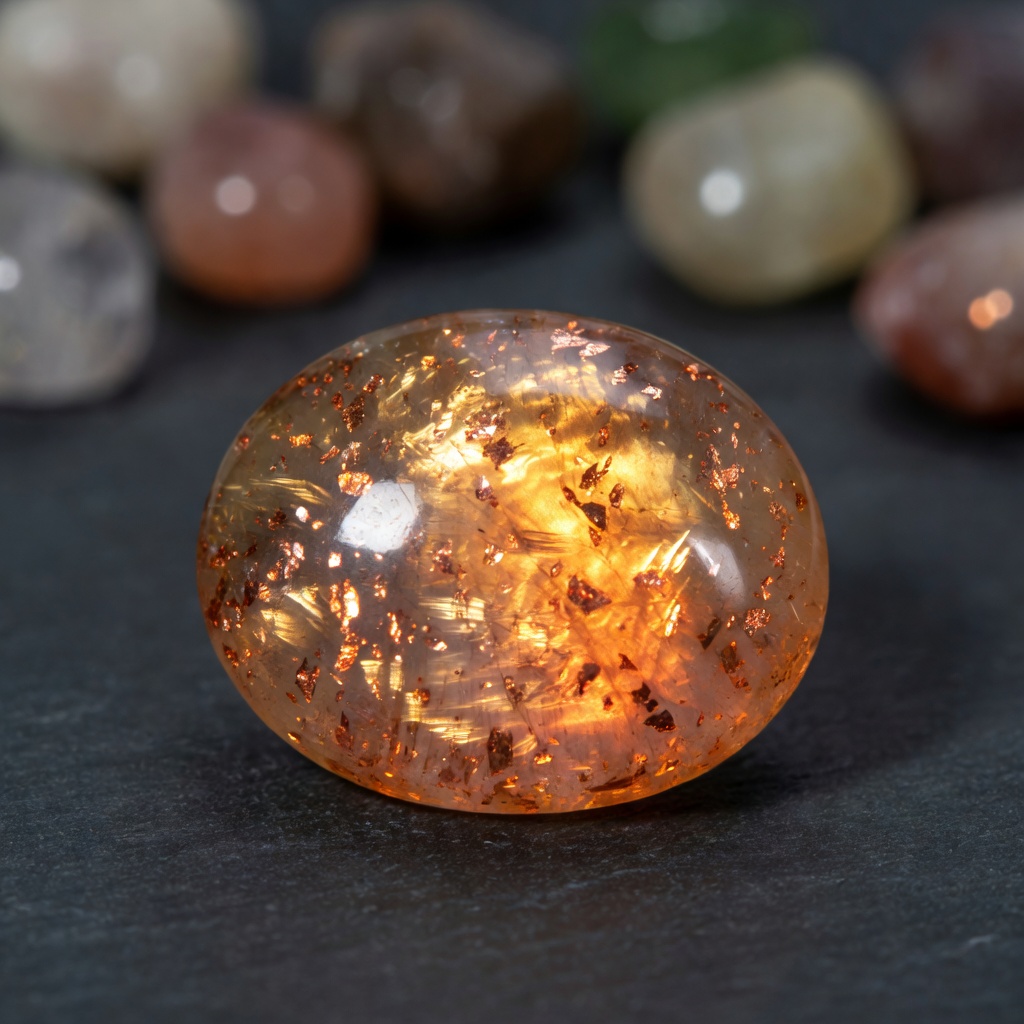
The mesmerizing visual characteristic known as aventurescence, commonly referred to as the schiller effect, occurs when microscopic copper platelets embedded within the feldspar crystal structure interact with incoming light to produce a metallic glitter reminiscent of sunlight dancing on water. These reflective inclusions, typically measuring mere micrometers in thickness, align themselves in specific orientations during the crystal's formation, creating layers that reflect light back to the observer's eye in brilliant flashes of coppery red, gold, or silver. Unlike adularescence seen in moonstone or the play-of-color in opal, the sunstone schiller effect produces a distinctly metallic, three-dimensional flash that appears to move across the stone's surface as it rotates, creating a dynamic optical display that captivates viewers.
Gem cutters must carefully consider orientation and cutting style to maximize these optical phenomena, as improper alignment can diminish or completely obscure the visual flash that makes sunstone desirable. Cabochon cuts often prove optimal for displaying schiller, as the domed surface provides ample opportunity for light interaction with the copper inclusions, while faceted styles require precise table orientation parallel to the platelet layers to ensure each facet catches and reflects the metallic gleam. The intensity of the schiller effect varies significantly between localities, with Oregon material typically showing stronger flashes due to larger copper crystal sizes, while Indian sunstone may display more subtle, delicate aventurescence that requires specific lighting conditions to appreciate fully.
Oregon Sunstone: American Gemstone Treasure
Oregon sunstone stands apart from other global sources due to its unique inclusion of larger, individually visible copper crystals that create exceptional dichroic properties, displaying different colors when viewed from various crystallographic angles. The primary mining operations concentrate in Lake County, Oregon, specifically at the renowned Ponderosa and Dust Devil locations, where miners extract material ranging from pale straw yellow to the highly prized deep red and teal green varieties that command premium prices in the gemstone market. In 1987, Oregon officially designated sunstone as its state gemstone, recognizing both the economic importance of the local mining industry and the geological uniqueness of this American gemstone treasure that cannot be replicated elsewhere in the world.
The dichroic nature of Oregon sunstone presents unique opportunities for lapidaries and jewelry designers, as a single stone may shift from golden champagne to rich copper red depending on the viewing angle, allowing for creative cutting strategies that showcase multiple colors within one piece. Premium specimens from this region often contain copper crystals large enough to be identified with the naked eye, creating a distinctive "confetti" appearance within the transparent feldspar host that differs significantly from the microscopic inclusions found in material from India or Norway. Collectors specifically seek Oregon material for its exceptional clarity, strong pleochroism, and the fact that responsible mining practices at operations like the Dust Devil mine provide ethically sourced options for conscious consumers seeking transparency in their sunstone properties and information regarding origin.
Global Sources and Mining Locations
Beyond the famous Oregon deposits, significant sunstone mining operations occur across diverse geological settings worldwide, each producing material with distinct characteristics that appeal to different segments of the gemstone market. Southern India, specifically the Tamil Nadu and Karnataka regions, yields substantial quantities of sunstone characterized by smaller copper inclusions that create subtle, delicate schiller effects in colors ranging from honey gold to soft pink, making this material particularly suitable for beaded jewelry and cabochon designs. Norwegian deposits near Tvedestrand and Hitterøy produce sunstone with distinctive green and red color zoning, historically significant as potential sources of the legendary Viking navigation stones, while Russian mines in the Ural Mountains and Siberia extract material known for its deep, saturated colors and exceptional transparency.
Emerging global sources in Tanzania and Madagascar have recently entered the market, offering sunstone with unique characteristics including unusual color combinations and specific inclusion patterns that distinguish them from established localities. Tanzanian material often displays intense red-orange hues with strong aventurescence, while Madagascar produces sunstones with distinctive hexagonal copper platelet arrangements that create star-like optical effects under specific lighting conditions. Gemologists and collectors value these geographic variations not only for their aesthetic differences but also for the geological stories they tell about copper deposition and feldspar crystallization across different mineral-forming environments, making provenance an important consideration when building a comprehensive sunstone collection.
Metaphysical Properties and Crystal Healing
Within crystal healing traditions, sunstone carries profound associations with the solar plexus and sacral chakras, energy centers governing personal power, creativity, and emotional warmth, making it a favored tool for practitioners working to boost confidence and establish healthy personal boundaries. The sunstone healing properties extend to alleviating symptoms of depression and seasonal affective disorder, with many healers recommending placement near workstations or wearing sunstone jewelry during winter months to combat the energetic drain of reduced sunlight exposure. Regular meditation with sunstone involves holding the crystal while visualizing golden light filling the abdominal region, a practice believed to stimulate the inner fire necessary for leadership, independence, and the courage to pursue one's authentic path without fear of judgment or criticism.
Practical applications of sunstone crystal meaning in daily life include creating crystal grids for manifestation work, where practitioners arrange sunstone with citrine and carnelian to amplify intentions related to career success and creative projects. The stone's reputation for dispelling codependency and encouraging autonomy makes it particularly valuable for individuals navigating difficult relationships or recovering from situations where personal power felt compromised. Crystal therapists often place sunstone directly on the solar plexus during energy healing sessions to clear blockages associated with self-doubt, while keeping a specimen on a desk or in a pocket serves as a tangible reminder of one's innate ability to shine brightly and lead by positive example, embodying the solar energies that give this gemstone its name.
Sunstone in Jewelry Design and Applications
Jewelry designers face exciting challenges and opportunities when working with sunstone, as the choice between cabochon and faceted cuts significantly impacts the display of the stone's characteristic optical effects. Cabochon cuts, featuring smooth, domed surfaces without facets, generally maximize the visibility of the schiller effect by providing broad areas for light interaction with copper inclusions, making them ideal for pendants and brooches where the stone remains relatively stationary during wear. Conversely, faceted sunstone jewelry requires masterful orientation to ensure that the table and major facets align with the plane of copper platelets, but when executed correctly, these cuts create spectacular flashes of light with every movement, particularly effective in earrings and cocktail rings where motion enhances the visual display.
Metal pairing recommendations favor warm tones that complement the stone's natural color palette, with yellow gold and copper settings enhancing the reddish-orange varieties while silver and white gold provide striking contrast for green or champagne-colored specimens. Durability considerations dictate that gemstone applications for sunstone should prioritize protective settings for rings, such as bezels or recessed mounts that shield the stone's surface from impact and abrasion, while earrings and pendants allow for more exposed prong settings due to lower risk of physical contact. Popular carat weights range from delicate one-to-three-carat accent stones in intricate designs to impressive statement pieces exceeding ten carats, with price ranges varying dramatically based on origin, color intensity, and schiller strength, making sunstone accessible to both novice collectors and serious connoisseurs seeking rare Oregon red material.
Identification: Distinguishing Genuine from Synthetic
Accurate sunstone gemstone identification requires careful examination of internal characteristics, as genuine specimens contain natural copper inclusions that display three-dimensional depth and irregular distribution patterns, contrasting sharply with the uniform, surface-level glitter of imitation goldstone glass. Visual inspection should focus on the nature of the flash: authentic sunstone demonstrates schiller that moves organically across the stone's interior with depth and dimension, while synthetic goldstone presents artificial copper flecks suspended in glass that appear flat and uniformly distributed throughout the material. Natural sunstone may also exhibit characteristic mineral inclusions, cleavage planes, or color zoning that betray its geological origins, whereas imitations often appear too perfect with consistent coloration and unnatural clarity.
Laboratory testing provides definitive answers for high-value purchases, with gemologists measuring refractive indices between 1.537 and 1.547 and specific gravity ranging from 2.62 to 2.65 to confirm feldspar composition rather than glass or other simulants. Advanced techniques including spectroscopic analysis can identify the copper content responsible for the optical effects, while microscopic examination reveals the distinctive platelet structures found only in natural material. When purchasing premium Oregon sunstone specimens, obtaining certification from reputable laboratories such as GIA or AGL proves essential, as these documents verify not only authenticity but also geographic origin, treatment status, and quality parameters that significantly impact gemstone value and sunstone collection integrity.
Care, Cleaning, and Maintenance Guide
Proper sunstone care begins with understanding the stone's sensitivity to thermal shock and mechanical stress, necessitating gentle cleaning methods using only mild soap, warm water, and soft brushes or cloths to remove accumulated oils and debris. Ultrasonic cleaners and steam cleaning equipment pose significant risks to sunstone due to potential exacerbation of existing fractures or cleavage planes within the feldspar structure, while harsh chemical cleaners including ammonia, bleach, or acids can damage the stone's surface luster and potentially affect the copper inclusions responsible for its beauty. After cleaning, thorough rinsing and patting dry with a soft, lint-free cloth prevents water spots and maintains the optimal brilliance of the sunstone schiller effect.
Storage practices for crystal maintenance require separating sunstone pieces from harder gemstones such as diamonds, rubies, or sapphires to prevent scratching, ideally utilizing individual soft pouches or compartmentalized jewelry boxes with fabric-lined dividers. Many practitioners recommend periodic energetic cleansing through brief exposure to sunlight, which both recharges the stone's metaphysical properties and highlights its optical characteristics, though prolonged direct sunlight exposure should be avoided to prevent potential color fading in sensitive specimens. Moonlight cleansing during the full moon presents a gentler alternative for energetic maintenance, while smudging with sage or palo santo offers additional purification methods that do not risk physical damage to the aventurine feldspar structure.
Investment Value and Collecting Tips
Building a valuable sunstone collection requires understanding the factors that drive market prices, including color intensity with deep red and bicolor red-green Oregon material commanding the highest premiums, clarity levels that allow maximum light return, and schiller strength that creates visible flash even in subdued lighting conditions. Rarity comparisons reveal significant distinctions between common Indian material, which remains affordable and accessible for beginning collectors, and premium Oregon red sunstone, which can fetch prices comparable to fine sapphire or tourmaline due to limited production and exceptional optical qualities. Serious collectors should prioritize acquiring representative specimens from each major locality, creating diversity across color varieties from Norwegian green-zoned material to Tanzanian orange-red crystals, thereby capturing the full geological spectrum of this fascinating gemstone.
Future market trends indicate increasing demand for ethically sourced gemstones with traceable origins, positioning Oregon sunstone mines that employ responsible environmental practices advantageously within the conscious consumer marketplace. When assessing gemstone value, collectors should examine cut quality for faceted stones, ensuring proper orientation to maximize schiller, while cabochon specimens should display centered, symmetrical domes that evenly distribute optical effects across the surface. Documentation proves crucial for investment-grade pieces, with detailed provenance records, laboratory certificates, and mining location specifics adding significant value to rare specimens, particularly as sunstone properties and information regarding specific localities become increasingly important to discerning buyers seeking authentic, high-quality material for their portfolios.
Frequently Asked Questions
What causes the glittering effect in sunstone?
The glittering effect, called aventurescence or schiller, is caused by microscopic copper or hematite platelets embedded within the feldspar crystal structure. When light hits these reflective inclusions, it creates a metallic flash that appears to move across the stone's surface as it is rotated.
How can I tell if my sunstone is real or fake?
Genuine sunstone contains natural copper inclusions that create a subtle, three-dimensional depth to the flash, while imitations like goldstone glass show uniform glitter throughout. Real sunstone may have natural imperfections, varying transparency, and specific gravity of 2.62-2.65, whereas fakes often appear too perfect or uniformly colored.
Is Oregon sunstone different from other sunstones?
Yes, Oregon sunstone is distinct because it contains larger, more visible copper crystals that create stronger dichroism (showing different colors from different angles) and often displays unique colors like deep red, green, and bicolor combinations. It is the only sunstone variety containing copper crystals large enough to be individually seen, and it was designated Oregon's official state gemstone in 1987.
What are the main healing properties of sunstone?
Sunstone is associated with boosting personal power, confidence, and leadership abilities. It is believed to help clear negative energy, alleviate depression and seasonal affective disorder, support the sacral and solar plexus chakras, and encourage independence and originality. Many crystal healers use it to promote a positive attitude and emotional warmth.
What is the hardness of sunstone on the Mohs scale?
Sunstone rates 6.0 to 6.5 on the Mohs hardness scale, making it moderately hard but susceptible to scratching from harder materials like quartz (7) or topaz (8). This hardness level makes it suitable for jewelry but requires protective settings for rings and careful storage to prevent surface damage.
How should I clean and care for sunstone jewelry?
Clean sunstone using warm soapy water and a soft brush or cloth, avoiding ultrasonic cleaners and steam cleaning which can damage the stone. Store sunstone separately from harder gemstones to prevent scratching, and avoid exposure to harsh chemicals, acids, or prolonged direct sunlight which may fade color over time. Remove sunstone jewelry before physical activities or household cleaning.
What chakra is sunstone associated with?
Sunstone is primarily associated with the sacral chakra (Svadhisthana) and the solar plexus chakra (Manipura). It is believed to stimulate these energy centers to enhance creativity, sexuality, personal power, confidence, and emotional warmth. Some practitioners also connect it to the root chakra for grounding solar energies.
Can sunstone be used in engagement rings?
While sunstone can be used in engagement rings due to its beautiful optical effects and meaningful symbolism of light and leadership, its 6-6.5 Mohs hardness requires protective settings like bezels to prevent scratching. Oregon sunstone is particularly popular for alternative engagement rings, but owners should be prepared for potential wear over time and choose designs that protect the stone's surface.