Introduction to Sunstone Valuation
Sunstone belongs to the plagioclase feldspar family and derives its captivating glitter from microscopic copper platelets suspended within the crystal structure. This unique gemstone, scientifically classified as aventurescent feldspar, displays a phenomenon known as schiller where light reflects off these copper inclusions to create a metallic flash reminiscent of the sun's rays. Understanding the fundamentals of sunstone composition is essential for any buyer navigating the complex pricing landscape of this increasingly popular gem.
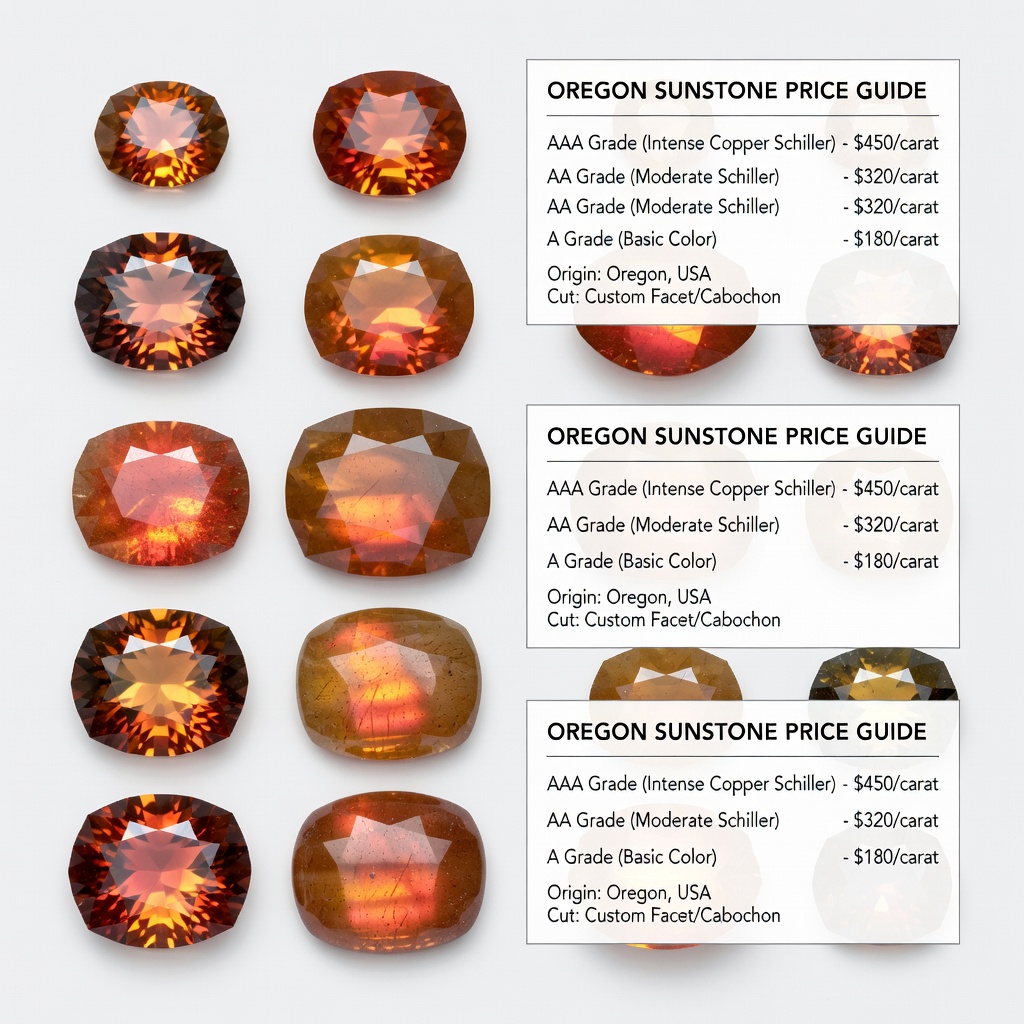
The Sunstone Price Guide reveals dramatic variations in market value depending on geographic origin, optical quality, and color intensity. While commercial-grade material from India might cost merely dollars per carat, exceptional Oregon specimens with deep red hues and intense schiller can command prices rivaling fine sapphire or spinel. These price disparities stem from differences in copper content, mining regulations, and the rarity of specific color combinations that collectors prize.
Before making any purchase, prospective buyers must understand current market standards and certification requirements. The Federal Trade Commission mandates accurate disclosure of treatments and origins, yet the marketplace remains flooded with misrepresented material. Developing knowledge about natural versus treated stones, combined with understanding how origin affects sunstone value, protects consumers from overpaying for inferior or enhanced specimens while ensuring they recognize genuine bargains when available.
Key Factors That Determine Sunstone Prices
Color Intensity and Hue Variations
Color serves as the primary determinant of sunstone pricing, with the spectrum ranging from pale champagne and clear crystals to intense deep red and rare green specimens. Oregon sunstone particularly exhibits an impressive color range including salmon pink, root beer brown, teal green, and the highly coveted bicolor combinations showing red and green in a single stone. The saturation level directly impacts value, with vivid, pure hues commanding significant premiums over washed-out or muddy-colored material.
Case studies from the 2023 Tucson Gem Show demonstrated that stones exhibiting pure red tones without secondary brown or orange modifiers sold for approximately three times the price of similar-sized stones with less desirable color mixing. Professional graders evaluate sunstone using the same criteria applied to colored diamonds and sapphires, assessing hue, tone, and saturation to establish baseline values before considering other quality factors.
Clarity Levels and Transparency Standards
Clarity in sunstone presents unique challenges because the copper inclusions creating aventurescence technically constitute inclusions, yet these same inclusions drive the gem's value. The ideal specimen maintains transparency while displaying abundant, evenly distributed copper platelets that create a bright flash without obscuring the body color. Stones appearing cloudy, milky, or excessively included with non-copper minerals receive lower grades and correspondingly reduced pricing.
Expert cutters often orient rough material to minimize the visibility of cracks or healing fractures while maximizing the schiller effect. When evaluating sunstone quality factors, collectors should seek eye-clean stones that allow light to penetrate deeply, creating a three-dimensional glitter effect throughout the gem rather than just surface reflections. Transparent material suitable for faceting always commands higher sunstone value per carat than translucent or opaque cabochon-grade rough.
Strength of Aventurescence and Copper Visibility
The intensity of the schiller effect, properly termed aventurescence, separates museum-quality specimens from commercial jewelry material. High-grade sunstone displays a bright, metallic flash visible under normal lighting conditions, with copper crystals large enough to create distinct glitter patterns but small enough to maintain gem transparency. Stones exhibiting weak or patchy schiller, requiring specific viewing angles to observe the effect, fall into lower price brackets regardless of their color quality.
Master gemologist John Koivula's research demonstrates that optimal copper platelet size ranges between 0.001 to 0.01 millimeters, creating the most visually appealing flash. When examining potential purchases, tilt the stone under a single light source to test the aventurescence consistency across the entire table facet. Premium specimens maintain their sparkle from multiple viewing angles, a characteristic that can double or triple the sunstone value per carat compared to directional stones that flash only from specific positions.
Sunstone Price Per Carat Breakdown
Commercial Grade Material Pricing
Entry-level sunstone suitable for mass-market jewelry typically ranges from $5 to $30 per carat, representing material with light champagne or pale peach coloring and minimal schiller. These stones often originate from Indian or Norwegian deposits and may appear slightly cloudy or contain visible inclusions that interfere with transparency. While aesthetically pleasing, commercial grade material lacks the intense optical phenomena and vivid body colors that characterize investment-grade specimens.
Jewelry designers frequently purchase commercial sunstone in calibrated lots for sterling silver collections or fashion jewelry lines where the gemstone serves as an accent rather than a focal point. When calculating sunstone cost for wholesale purchases, buyers should expect volume discounts for parcels exceeding fifty carats, though individual stone selection commands premium pricing even within this lower tier. Always inspect commercial material for stability issues, as some lower-grade feldspars may contain internal stresses that make them prone to cleaving during setting.
Fine Quality Specimen Valuation
Distinctive sunstone exhibiting clear transparency, moderate to strong aventurescence, and attractive coloration typically sells between $50 and $200 per carat. This category encompasses most Oregon material with decent red or green coloring, well-cut stones displaying good brilliance, and specimens weighing between one to five carats. The sunstone price per carat within this bracket fluctuates based on cut quality, with precision-cut designer stones commanding the upper range while native-cut material remains more affordable.
A practical example from the retail market shows a 3.5-carat oval Oregon sunstone with medium red color and strong schiller retailing for approximately $450, whereas a similar-sized stone with lighter champagne coloring might sell for $175. Cutters working with fine quality rough must balance weight retention against optical performance, as proper cutting can increase value by 40% or more compared to poorly executed native cuts that leak light through the pavilion.
Collector Grade and Museum Piece Premiums
Exceptional Oregon sunstone displaying deep red coloration, intense copper schiller, and exceptional clarity represents the pinnacle of the market, with prices ranging from $500 to $2,000 or more per carat. These rare specimens often exceed five carats, exhibit dichroic or trichroic color phenomena, and come from specific famous claims such as the Dust Devil or Ponderosa mines. Stones in this category frequently appear in high-end designer jewelry or private collections rather than commercial retail channels.
Record-breaking sales include a 12-carat flawless deep red Oregon sunstone that sold at auction for $28,000, demonstrating that exceptional material transcends typical sunstone price per carat matrices. Collectors seeking investment-grade pieces should prioritize stones accompanied by mining documentation, as provenance from specific Oregon claims adds collectible value beyond the intrinsic gemological qualities. The extreme scarcity of large, clean red crystals ensures that this market segment remains insulated from price fluctuations affecting lower grades.
Oregon Sunstone vs. Global Market Varieties
Premium Pricing for Oregon Material
Oregon sunstone commands substantial premiums in the global marketplace due to its unique geological formation containing metallic copper inclusions rather than the hematite or goethite found in other varieties. The copper-based aventurescence creates a brighter, more metallic flash compared to the softer glitter of Indian or Norwegian material. Additionally, Oregon's strict mining regulations and limited claim availability restrict supply, creating artificial scarcity that drives Oregon sunstone price levels consistently higher than competing origins.
The Oregon legislature designated sunstone as the state gem in 1987, further cementing its cultural significance and collectible status. Ethical mining practices prevalent in Oregon's Lake County operations, including land reclamation and fair labor standards, appeal to environmentally conscious consumers willing to pay 300-500% premiums over imported material. When evaluating sunstone origin value, collectors should note that untreated Oregon rough constitutes less than 2% of global sunstone production, making it genuinely rare despite the gem's overall abundance.
Comparative Analysis of International Sources
Indian sunstone, primarily from the Tamil Nadu region, dominates the commercial market with prices ranging from $2 to $15 per carat for material exhibiting hematite inclusions and reddish-brown to clear coloring. While beautiful, Indian material rarely displays the vivid green or deep red tones characteristic of fine Oregon specimens, and the hematite inclusions create a different visual effect than Oregon's copper schiller. Norwegian sunstone from the Tverrfjellet deposit offers better clarity than Indian material but generally shows weaker aventurescence and limited color range.
Russian sunstone from the Ural Mountains occasionally produces fine material with strong schiller, though political and logistical challenges have reduced its market presence. Recent gemological surveys indicate that Chinese sunstone from Inner Mongolia shows promise but currently lacks the market recognition to command premium pricing. When purchasing Feldspar sunstone value specimens, insist on origin documentation, as unscrupulous dealers occasionally sell Indian material as Oregon rough to inexperienced buyers unfamiliar with the subtle visual differences between copper and hematite inclusions.
Impact of Ethical Mining on Valuation
The sunstone mining community in Oregon operates under strict Bureau of Land Management regulations requiring environmental impact statements and reclamation bonds. These responsible practices, while increasing operational costs, create a value-add proposition for collectors concerned with provenance ethics. Mines such as the Double Eagle and Sunstone Butte produce documented conflict-free material with chain-of-custody paperwork that justifies higher pricing compared to artisanal African or Asian mining operations lacking transparency.
Consumer awareness of ethical sourcing has increased Oregon sunstone price stability during market downturns that severely impacted lower-grade imported material. Investment advisors specializing in colored gemstones increasingly recommend Oregon sunstone as an ethical alternative to Burmese or African stones associated with human rights concerns. This ethical premium, combined with genuine scarcity, positions Oregon material for continued price appreciation independent of fluctuations in the broader feldspar market.
Color Grades and Their Market Values
Premium Red and Green Bicolor Combinations
Deep red Oregon sunstone, often described as "Oregon red" or "cherry red," represents the most valuable color category, with prices escalating exponentially for stones exceeding three carats without secondary hues. True red sunstone without orange or brown modifiers occurs in less than 1% of Oregon production, creating extreme scarcity that drives collector competition. Green sunstone, particularly the teal or seafoam varieties from the Ponderosa mine, commands nearly equal premiums due to their rarity and the difficulty of finding evenly saturated green crystals without color zoning.
Bicolor specimens displaying distinct red and green color zones in a single crystal represent the holy grail of sunstone collecting, with exceptional pieces selling for $1,000 or more per carat. These dichroic stones require expert cutting to display both colors simultaneously through the table facet, with orientation choices significantly impacting final value. When assessing sunstone color value, consider that stones showing three distinct colors (trichroic) or pleochroic effects command the highest premiums in the specialty collector market, sometimes exceeding the per-carat value of fine aquamarine or tourmaline.
Entry-Level Champagne and Clear Varieties
Champagne, peach, and water-clear sunstone constitute the accessible entry point for new collectors, with prices ranging from $10 to $75 per carat depending on clarity and cut quality. These lighter colors result from lower copper concentrations or different oxidation states during crystal formation, creating attractive but less rare specimens. While beautiful in their own right, these stones lack the investment potential of their red counterparts but offer excellent value for jewelry designers seeking affordable gemstones with unique optical properties.
Clear sunstone with strong schiller provides an interesting alternative to traditional clear gems like diamond or sapphire, offering distinctive personality at a fraction of the cost. Champagne tones pair exceptionally well with rose gold settings, creating contemporary jewelry pieces that appeal to younger demographics entering the fine jewelry market. When budgeting for red sunstone price alternatives, remember that treated champagne stones heated to enhance color rarely achieve the stability or value of naturally red material.
Rarity Factors for Multicolored Specimens
Dichroic sunstone displaying two distinct colors when viewed from different angles occurs when copper inclusions align along specific crystallographic axes during formation. These specimens require specialized cutting to maximize the color shift effect, with properly oriented stones commanding 50-100% premiums over single-color material of similar quality. Trichroic stones showing three colors remain exceptionally rare, with fewer than twenty documented museum-quality specimens existing in private collections worldwide.
Color zoning patterns also influence value, with distinct banding or bullseye patterns creating unique collectibles sought by specialist collectors. The "shiller" or "glitter" effect combined with color zoning creates what dealers term "picture stones," where the copper inclusions form recognizable patterns or landscapes within the crystal. These one-of-a-kind pieces defy standard pricing matrices, often selling at specialty auctions for prices determined by aesthetic appeal rather than carat weight calculations.
Treatments and Their Impact on Sunstone Cost
Identification of Heat-Treated Material
Heat treatment represents the most common enhancement for sunstone, with low-grade champagne or clear material heated to approximately 400-600 degrees Celsius to oxidize copper inclusions and create red or green coloration. While stable and permanent, this treatment significantly reduces natural sunstone price expectations, with heated stones typically valued at 40-60% less than untreated natural color equivalents. Identifying heat-treated material requires gemological testing, as the treatment leaves no visible residue but may create color concentrations around fracture lines or alter the crystal structure visible under magnification.
Advanced spectroscopic analysis can detect heat treatment by identifying shifts in copper oxidation states within the feldspar lattice. Reputable laboratories including GIA and AGL offer specific sunstone reports noting natural versus treated color, documentation essential for investment purchases. When evaluating treated sunstone value, consider that while aesthetically acceptable for jewelry, treated material lacks the rarity and appreciation potential that drives the collector market for natural Oregon red stones.
Copper Diffusion and Surface Treatments
Copper diffusion treatment, where stones are heated in the presence of copper powder to force color penetration into the surface, creates artificial red coloration in pale rough. This treatment penetrates only shallowly, typically less than 1 millimeter, making it detectable through immersion microscopy or by examining the girdle edge for color concentrations. Diffused sunstone carries minimal resale value and should be avoided by serious collectors, though it occasionally appears in low-end jewelry marketed to tourists unfamiliar with gemstone treatments.
Surface coatings and fracture filling, while rare in sunstone, have emerged in the market as dealers attempt to enhance the schiller effect or mask inclusions. These treatments lack stability and may degrade with normal wear or cleaning, potentially causing significant value loss. Always request written guarantees of natural, untreated material when purchasing stones priced above $100 per carat, and verify these claims through independent laboratory certification.
Certification Requirements for Investment Pieces
Investment-grade Oregon sunstone requires documentation from recognized laboratories confirming natural origin, absence of heat treatment, and specific geographic attribution when possible. The GIA's Colored Stone Identification Report includes sunstone-specific notation regarding copper inclusions and treatment status, while the AGL offers origin determination services for Oregon material. These certificates cost between $75 and $200 per stone but represent essential insurance for purchases exceeding $500.
When building a collection with appreciation potential, prioritize stones accompanied by mining locality documentation from known Oregon claims such as the Dust Devil, Rabbit Basin, or Ponderosa mines. This provenance paperwork, combined with laboratory certification, creates a complete documentation package that future buyers will require when you eventually sell or estate the collection. The cost of certification represents a small percentage of total investment but provides the authentication necessary to command full natural sunstone price premiums in the secondary market.
Where to Buy Sunstone: Retail vs. Online Strategies
Establishing Relationships with Specialized Dealers
Reputable dealers specializing in Oregon sunstone offer the best combination of authenticity guarantees, education, and fair pricing for serious collectors. Established vendors such as those operating from Portland's gem district or Tucson's AGTA GemFair maintain direct relationships with Oregon mine owners, ensuring fresh rough and documented provenance. These specialists provide sunstone buying tips regarding cutting optimization, setting considerations, and care instructions that general jewelry retailers cannot offer.
When selecting a dealer, verify their membership in professional organizations such as the American Gem Trade Association (AGTA) or the International Colored Gemstone Association (ICA), which require ethical business practices and accurate disclosure standards. Request references from previous customers who have purchased investment-grade material, and examine their return policies carefully. Quality dealers offer inspection periods allowing you to examine stones under your own lighting conditions before finalizing purchases, a crucial consideration given sunstone's variable appearance under different light sources.
Auction House Considerations for Investment Grade Material
Major auction houses including Christie's, Sotheby's, and Heritage Auctions occasionally feature exceptional Oregon sunstone in their jewelry and natural history sales, typically for stones exceeding ten carats with unusual color or historical significance. While buyer's premiums add 15-25% to the hammer price, auction houses provide vetting by gemological experts and provenance research that justifies the additional cost for museum-quality pieces. Pre-auction viewings allow physical inspection of stones under gemological lighting, essential for evaluating aventurescence intensity.
Online auction platforms require extreme caution, as photography rarely captures sunstone's true appearance and misrepresentation of origin runs rampant. If purchasing through online auctions, limit bids to sellers offering unconditional return privileges and independent laboratory certification. Never bid on "Oregon sunstone" listings shipping from India or China, as these almost certainly represent mislabeled material. For buy sunstone gemstone strategies, consider that auction prices often set the ceiling for retail values, providing useful benchmarks when negotiating with private dealers.
Recognizing Synthetic Imitations and Misrepresentations
Synthetic aventurine glass and manufactured goldstone (aventurine glass with copper crystals) sometimes masquerade as natural sunstone in unregulated markets. These imitations display overly uniform color distribution, lack natural inclusions, and show conchoidal fracture patterns rather than feldspar's characteristic cleavage. Natural sunstone exhibits specific gravity between 2.62-2.67 and refractive indices of 1.530-1.540, measurements easily verified by any competent gemologist to distinguish genuine material from glass imitations.
Red flags when dealing with sunstone dealers include prices significantly below market norms, refusal to provide laboratory certification, and vague statements regarding origin. Be particularly wary of stones described as "Oregon-type" or "Oregon-style," which indicate Indian or Chinese material rather than genuine Oregon rough. Always test sunstone's hardness (6-6.5 on the Mohs scale) using a scratch test on inconspicuous areas if authenticity questions arise, as glass imitations typically register lower hardness and show visible scratching.
Investment Potential and Market Trends
Historical Price Appreciation Analysis
High-grade Oregon sunstone has demonstrated consistent annual appreciation of 5-10% over the past two decades, outperforming many traditional investment vehicles during periods of economic uncertainty. This steady growth stems from mining restrictions implemented by the Bureau of Land Management, which have reduced new material entering the market by approximately 60% since 2010. Unlike diamonds or treated sapphires, Oregon sunstone faces no threat from laboratory synthesis, ensuring that natural material maintains scarcity value regardless of technological advances.
Market data from the past decade shows that fine red stones over five carats have appreciated faster than smaller commercial material, indicating a mature market recognizing quality distinctions. For sunstone investment purposes, focus on untreated Oregon material with documented mining claims, as these stones show the most consistent liquidity and price appreciation. Case studies of private collections liquidated through Heritage Auctions demonstrate that well-documented Oregon sunstone purchased in the 1990s has returned 300-400% on initial investment, significantly outpacing inflation and many equity investments.
Collectibility Factors and Rarity Metrics
Investment potential correlates strongly with size, as sunstone crystals rarely produce clean faceted stones exceeding ten carats, making large specimens inherently collectible. Unique optical phenomena including asterism (star effects) or chatoyancy (cat's eyes) in sunstone command exceptional premiums due to their extreme rarity, with documented examples numbering fewer than fifty worldwide. Collector preferences increasingly favor "rough-to-finished" documentation showing the original crystal and final cut stone, adding narrative value that enhances resale potential.
The emergence of sunstone as an alternative birthstone for July and its use in high-end designer collections by brands like Tiffany & Co. and David Yurman has expanded market demand beyond traditional gem collectors. This fashion industry validation creates new entry points for investment, though fashion-driven demand fluctuates more than collector demand for rare mineral specimens. When evaluating sunstone market trends, monitor the Tucson Gem Show pricing as a leading indicator, as this event establishes annual wholesale pricing benchmarks that filter down to retail markets over subsequent months.
Future Availability and Supply Constraints
Geological surveys indicate that known Oregon sunstone deposits face depletion within the next twenty years at current extraction rates, suggesting significant price escalation as supply diminishes. Climate change and increasing summer temperatures in southeastern Oregon have reduced the annual mining season, further restricting new material availability. These supply constraints position existing high-quality stones for substantial appreciation, similar to the price trajectories seen with Paraíba tourmaline or fine tanzanite as deposits approached exhaustion.
International demand, particularly from emerging markets in China and the Middle East, has increased competition for fine material at the wholesale level. Asian collectors increasingly recognize Oregon sunstone as an affordable alternative to Burmese spinel or red beryl, driving up prices for export-quality red stones. For investors considering sunstone investment entry points, the current market represents a window of opportunity before mainstream jewelry consumers fully recognize the gem's scarcity and appreciate its unique American provenance.
Caring for Your Sunstone to Preserve Value
Proper Cleaning Techniques and Chemical Avoidance
Maintaining sunstone's brilliance requires gentle cleaning methods that protect both the feldspar host and the delicate copper inclusions creating its signature sparkle. Avoid ultrasonic cleaners and steam cleaning devices, as the vibrations and thermal shock can exacerbate existing fractures or cause cleavage in stones with internal stresses. Instead, clean sunstone using warm water with mild dish soap and a soft-bristled brush, drying immediately with a lint-free cloth to prevent water spots from affecting transparency.
Harsh chemicals including bleach, ammonia, and acids can damage the feldspar structure and potentially alter the copper oxidation states responsible for color and aventurescence. Remove sunstone jewelry before swimming in chlorinated pools or using household cleaning products. For sunstone care of investment pieces, consider professional cleaning by a gemologist annually, who can inspect settings and check for developing fractures that might require stabilization to prevent value loss.
Storage Solutions and Scratch Prevention
With a Mohs hardness of 6-6.5, sunstone remains susceptible to scratching from harder materials including quartz (7), topaz (8), and sapphire (9). Store sunstone pieces separately in soft cloth pouches or individual compartmentalized jewelry boxes to prevent contact with harder gemstones. When traveling, carry sunstone in padded containers away from metal jewelry that might cause abrasion, preserving the polish and surface luster that contribute significantly to maintaining sunstone value.
Environmental considerations include protecting sunstone from prolonged direct sunlight exposure, which over decades might potentially fade some treated colors or affect certain copper oxidation states in rare specimens. While stable under normal wearing conditions, extreme heat sources such as jeweler's torches during repairs can damage stones, requiring jewelers to remove sunstone from settings before soldering adjacent metal components. Always inform repair technicians about the specific heat sensitivity of feldspar minerals to prevent accidental thermal damage.
Setting Considerations for Long-term Protection
Protective settings significantly impact the long-term preservation of sunstone value, with bezel settings offering superior protection compared to prong settings for stones worn daily. The girdle edge of sunstone represents the most vulnerable area for chipping, making partial bezels or V-prongs ideal for balancing protection with light exposure necessary to display aventurescence. When designing custom jewelry, position sunstone in orientations that minimize exposure to direct impact, such as pendant designs rather than rings for large, valuable specimens.
Regular maintenance of settings prevents stone loss that would obviously devastate investment value, with professional inspections recommended every six months for frequently worn pieces. Insure high-value sunstone separately through specialized jewelry insurance policies that cover mysterious disappearance and damage, ensuring full replacement value based on current market prices. By combining proper setting selection with careful wearing habits, collectors ensure their maintaining sunstone value strategies protect both the physical stone and its appreciation potential for future generations.
Frequently Asked Questions
How much does sunstone cost per carat?
Sunstone prices range from $5-$30 per carat for commercial grade material to $50-$200 per carat for fine quality stones. Exceptional Oregon sunstone with deep red color and strong schiller can command $500-$2,000+ per carat.
Is Oregon sunstone more expensive than other varieties?
Yes, Oregon sunstone typically commands premium prices due to its unique copper inclusions that create the schiller effect, ethical mining practices, and limited supply from regulated claims. It generally costs 3-5 times more than Indian or Scandinavian sunstone.
What is the most valuable sunstone color?
Deep red sunstone, especially from Oregon with strong copper schiller, is the most valuable. Green and red bicolor specimens, along with rare blue-green combinations, also command high prices due to their extreme rarity.
Are treated sunstones worth less than natural ones?
Yes, heat-treated or copper-diffused sunstones typically sell for 40-60% less than untreated natural material. Always request certification for investment-grade pieces to verify natural origin and absence of treatments.
How can I tell if a sunstone is real before buying?
Authentic sunstone exhibits natural aventurescence (glittery copper inclusions) visible under light, has a hardness of 6-6.5 on the Mohs scale, and shows specific gravity of 2.62-2.67. Lab certification from GIA or AGL confirms authenticity.
Does sunstone increase in value over time?
High-grade Oregon sunstone has shown steady appreciation of 5-10% annually due to mining restrictions and increasing scarcity. However, commercial grade material typically maintains steady pricing without significant investment returns.
Where is the best place to buy authentic sunstone?
Purchase from established dealers specializing in Oregon sunstone, reputable gem shows like Tucson, or directly from Oregon mine owners. Online marketplaces should offer return policies and independent lab certification for stones over $500.