Introduction to Sugilite: The Royal Azel Stone
Sugilite stands as one of the most captivating discoveries in modern mineralogy, first identified in 1944 by Japanese geologist Ken-ichi Sugi on Iwagi Islet in Japan. This extraordinary purple silicate mineral remained relatively obscure until gem-quality specimens emerged decades later from the Wessels Mine in South Africa, transforming it from a geological curiosity into one of the most sought-after gemstones in the crystal healing community. Officially recognized as a distinct mineral species by the International Mineralogical Association, sugilite possesses a chemical complexity that contributes to its striking appearance and metaphysical potency.
Known affectionately as the "love stone" or "royal azel stone" among crystal enthusiasts, sugilite properties and information reveal a gemstone deeply connected to spiritual love, divine wisdom, and protective energies. Unlike more common quartz varieties, genuine purple sugilite gemstone material represents true geological rarity, with less than one percent of mined material achieving gem-quality standards suitable for fine jewelry. This scarcity has elevated sugilite to collector status while simultaneously making it a powerful tool for those seeking emotional healing and spiritual transformation.
Geological Composition and Physical Characteristics
Understanding the geological foundation of sugilite requires examining its complex chemical formula: KNa₂(Fe³⁺,Mn³⁺,Al)₂Li₃Si₁₂O₃₀, which places it within the cyclosilicate mineral class with a hexagonal crystal system. This intricate chemical architecture incorporates potassium, sodium, lithium, iron, manganese, and aluminum silicates, creating the distinct purple coloration that distinguishes high-quality specimens from other rare purple minerals. The presence of manganese ions specifically generates the deep violet to magenta hues that collectors prize, while iron content variations produce the lighter lavender shades occasionally found in secondary deposits.
On the Mohs hardness scale, sugilite registers between 5.5 and 6.5, making it softer than quartz but harder than opal, which influences both its durability in jewelry applications and its carving potential for artistic purposes. Specific gravity measurements typically range from 2.74 to 2.79, providing gemologists with crucial diagnostic data when conducting sugilite crystal structure analysis. The mineral exhibits perfect cleavage in one direction and displays vitreous to waxy luster depending on polish quality, with massive forms being far more common than well-formed crystalline specimens.
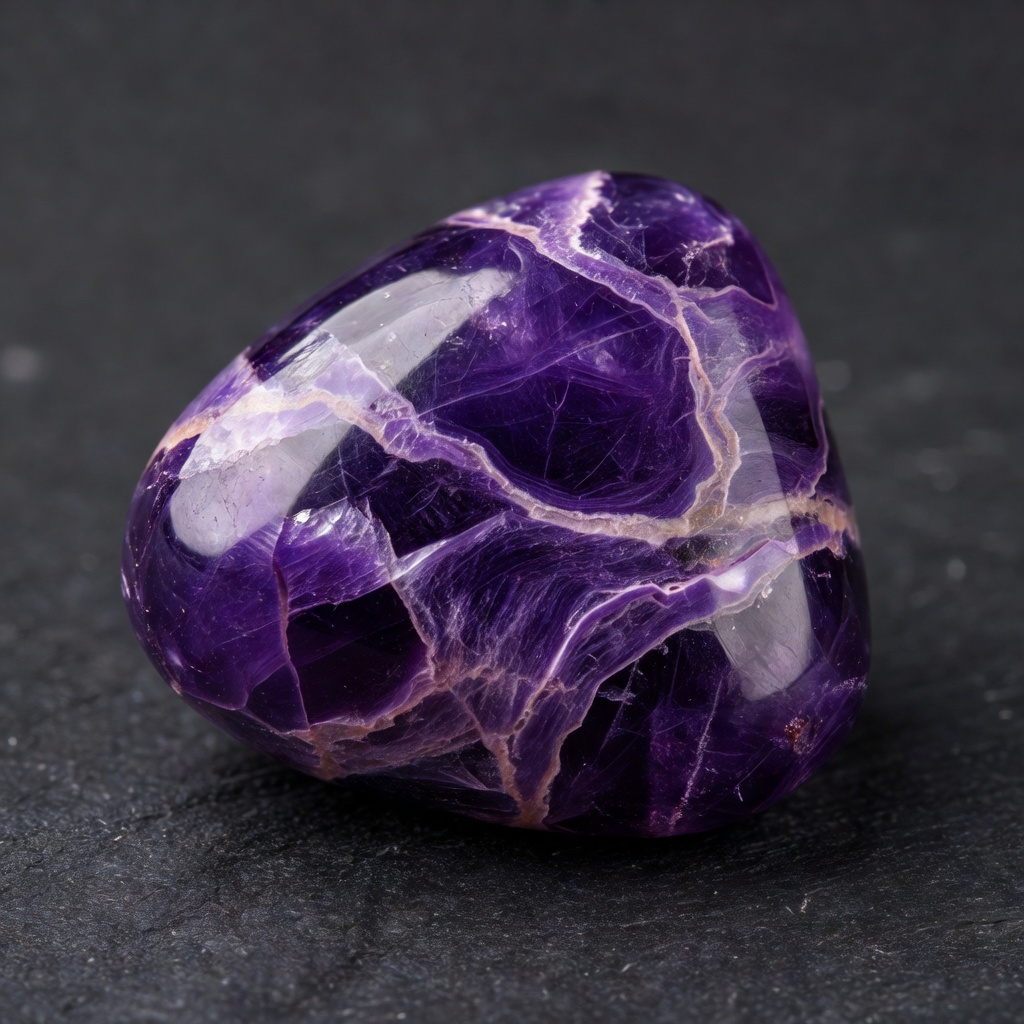
Color variations in sugilite span an impressive spectrum from pale lilac and lavender through orchid pink to the highly coveted deep "grape jelly" purple and royal magenta. Premium specimens often display translucent to opaque qualities with distinctive black manganese oxide matrix veining that creates striking contrast patterns. Some rare materials exhibit yellowish or brownish tinges due to iron oxidation, though these are generally considered less desirable than the pure purple varieties that command premium prices in the collector's market.
How to Identify Genuine Sugilite
Accurate sugilite identification requires careful examination of visual characteristics including natural veining patterns, color zoning, and surface texture that distinguish authentic specimens from imitations. Genuine sugilite typically presents with organic color variations rather than uniform artificial-looking hues, often featuring characteristic black dendritic inclusions or white calcite veining that creates a marbled or mottled appearance. When held to light, high-quality material may show translucency at the edges while maintaining opacity in the center, and the surface should feel smooth yet slightly waxy rather than glassy or plastic-like.
The market unfortunately contains numerous common imitations including dyed quartz, charoite substitutions, and synthetic materials created to capitalize on sugilite's value, making fake sugilite vs real comparisons essential knowledge for collectors. Dyed howlite and marble represent frequent counterfeits, often displaying unnaturally uniform color saturation that pools in surface cracks or fractures under magnification. Charoite, while a legitimate purple mineral itself, features distinctive swirling fibrous patterns and chatoyancy that differ significantly from sugilite's more granular or massive structure.
Professional testing methods provide definitive confirmation through refractive index measurements (typically 1.607-1.611), fluorescence examination under UV light (often showing weak orange or reddish fluorescence), and density tests using heavy liquids or hydrostatic weighing. Advanced gemological laboratories may employ spectroscopic analysis to detect the characteristic manganese absorption spectrum or utilize electron microprobe analysis to verify the exact chemical composition matching sugilite's unique formula. For high-value purchases, always request certification from recognized gemological institutions to ensure authenticity.
Metaphysical Properties and Spiritual Benefits
Practitioners of sugilite crystal healing recognize this violet stone as a premier protective talisman capable of shielding sensitive individuals from negative environmental energies and electromagnetic pollution emitted by electronic devices. When placed near computers, Wi-Fi routers, or smartphones, sugilite creates an energetic barrier that many users report helps reduce the draining effects of constant digital exposure and psychic noise in modern environments. This protective quality extends to emotional realms as well, creating a sanctuary of positive energy that deflects jealousy, anger, and toxic thought patterns from others.
Emotionally, sugilite metaphysical properties excel at addressing deep-seated trauma, grief, and depression by gently releasing suppressed emotional pain while simultaneously instilling feelings of self-worth and unconditional love. Therapists and energy workers often incorporate sugilite into sessions focused on forgiveness work, whether directed toward others or self-directed healing of past mistakes and regrets. The stone's nurturing vibration helps rebuild confidence in those who have experienced betrayal or abandonment, fostering the understanding that true security comes from within rather than external validation.
Spiritually, sugilite serves as a powerful catalyst for enhancing psychic abilities including clairvoyance, telepathy, and channeling capabilities when used during meditation or divination practices. Many practitioners report that sleeping with sugilite under the pillow or placed on the nightstand facilitates lucid dreaming and astral travel experiences while maintaining protective boundaries during these vulnerable states. The stone's high vibrational frequency connects the user to higher consciousness and angelic realms, making it invaluable for lightworkers and spiritual counselors seeking to maintain their own energetic integrity while assisting others.
Sugilite and Chakra Alignment
Sugilite chakra healing primarily targets the crown chakra (Sahasrara), the seventh energy center located at the top of the head that governs spiritual connection, enlightenment, and cosmic consciousness. When placed directly on the crown during meditation or healing sessions, sugilite helps dissolve energetic blockages that prevent the free flow of divine wisdom and universal love into the physical body. This activation often manifests as tingling sensations at the scalp, enhanced clarity regarding one's life purpose, and increased receptivity to spiritual guidance from higher dimensions.
Beyond the crown, sugilite effectively stimulates the third eye chakra (Ajna), enhancing intuition, inner vision, and the ability to perceive subtle energies that remain invisible to ordinary awareness. Crystal healers frequently recommend sugilite for individuals seeking to develop their psychic sight or strengthen existing intuitive abilities, as the stone helps translate spiritual impressions into comprehensible insights. Regular meditation with sugilite placed between the eyebrows can accelerate the development of clairvoyant abilities while maintaining grounded protection during these expanded states of consciousness.
Perhaps most uniquely, certain pinkish-purple varieties of sugilite create a powerful bridge between the heart chakra and higher spiritual centers, integrating earthly love with divine wisdom in a harmonious synthesis. This connection helps spiritual practitioners avoid the trap of becoming so focused on transcendence that they neglect human relationships and emotional needs. By aligning the heart with the crown, sugilite teaches that true enlightenment encompasses compassion, forgiveness, and unconditional love for oneself and others, making it an excellent crown chakra crystals choice for holistic energy work.
Healing Applications and Therapeutic Uses
Physical healing practitioners utilize sugilite healing properties for supporting the nervous system, alleviating chronic headaches, and providing pain relief for conditions affecting the joints and muscles. When applied to the temples or placed at the base of the skull, sugilite's cooling energy helps dissipate tension headaches and migraines, particularly those triggered by stress or electromagnetic sensitivity. Some crystal therapists recommend creating gem elixirs (using the indirect method due to sugilite's manganese content) to support immune system function and assist the body in fighting viral infections.
Mental health applications represent some of the most significant crystal therapy uses for sugilite, particularly in managing anxiety disorders, depression, and post-traumatic stress symptoms. The stone's gentle yet persistent energy helps interrupt cycles of negative self-talk and catastrophic thinking by replacing these patterns with affirmations of self-acceptance and divine protection. Psychotherapists have observed that clients who carry sugilite during challenging therapeutic breakthroughs often report greater emotional stability and reduced anxiety about revisiting painful memories.
Sleep improvement and dream work constitute another major therapeutic application, with sugilite placed under pillows or on bedside tables to promote restful sleep and meaningful dream experiences. Unlike more stimulating high-vibration stones, sugilite induces a sense of safety and peace that helps insomnia sufferers relax into deep sleep states while maintaining awareness for lucid dreaming practices. Dream journals kept by sugilite users often reveal increased frequency of precognitive dreams, past-life memories, and communication with spirit guides during the twilight hours between sleep and waking.
Sugilite in Jewelry and Collector's Market
The unique aesthetic qualities of sugilite jewelry have made it increasingly popular among designers who appreciate its royal purple hues and distinctive matrix patterns, though its relative softness requires thoughtful setting choices. Pendants and earrings represent ideal applications since these pieces experience less physical impact than rings, while beaded bracelets require protective settings or occasional rather than daily wear. Cabochon cuts best showcase sugilite's color depth and natural patterning, though skilled lapidaries occasionally create faceted stones from exceptional translucent material to maximize light return.
Sugilite gemstone value determination relies heavily on three primary factors: the intensity and saturation of the purple color, the degree of translucency versus opacity, and the aesthetic quality of any included matrix material. Deep "grape jelly" purple specimens with minimal cracking command the highest prices, sometimes reaching $500 or more per carat for exceptional gem-grade material, while opaque cabochons with attractive black veining typically range from $10 to $100 per gram depending on color richness. The presence of fractures or soft spots significantly reduces value, as sugilite's cleavage makes damaged material prone to breaking during setting or wear.
The Wessels Mine in South Africa's Kalahari Manganese Field remains the world's primary source of gem-quality sugilite, producing nearly all material available in the current market since its discovery in the 1970s. Japanese sources, while historically significant as the type locality, rarely yield specimens suitable for jewelry, making them primarily of interest to mineral collectors and museums. Limited deposits in Canada, India, and Italy occasionally produce interesting specimens, but South African material dominates both the healing crystal and fine jewelry markets due to its superior color and workability.
Proper Care and Maintenance Guidelines
Proper sugilite care begins with understanding its sensitivity to harsh cleaning methods and environmental factors that could damage its surface or fade its distinctive coloration. Clean your sugilite using only lukewarm water and mild soap applied with a soft cloth or brush, gently removing accumulated oils and dirt without subjecting the stone to ultrasonic cleaners or steam cleaning systems that could exploit natural fractures. Avoid exposing sugilite to chlorine, bleach, or other harsh chemicals found in household cleaners and swimming pools, as these can etch the surface or alter the chemical balance responsible for its purple coloration.
Storage recommendations emphasize keeping sugilite separate from harder gemstones such as diamonds, sapphires, or quartz that could scratch its surface during contact, ideally wrapping pieces in soft cloth or storing them in individual padded compartments. Prolonged exposure to direct sunlight may cause some sugilite specimens to fade over time, particularly those with lighter lavender tones, so display pieces should be positioned away from windows or bright light sources. When not wearing sugilite jewelry, store it in a cool, dark place to preserve both its physical beauty and energetic potency.
Energy cleansing techniques for sugilite favor gentle methods that respect its delicate chemical composition while clearing accumulated negative energies from healing work. Moonlight bathing represents an ideal charging method, particularly during the full moon when lunar energies peak, allowing the stone to rest overnight on a windowsill or outdoor altar. Alternatively, placing sugilite on a selenite charging slab or clear quartz cluster for twenty-four hours effectively restores its vibrational frequency without risking water damage. Smudging with white sage, palo santo, or sweetgrass also effectively cleanses sugilite's energy field while adding protective blessings to the stone.
Distinguishing Sugilite from Similar Gemstones
Understanding sugilite vs charoite distinctions proves essential for collectors, as both purple minerals originate from similar geological environments and occasionally appear in comparable color ranges. While charoite displays characteristic swirling fibrous patterns with chatoyant effects and a slightly higher hardness (5-6 compared to sugilite's 5.5-6.5), sugilite typically presents a more granular or massive structure with distinct black manganese matrix rather than charoite's white or black spotty inclusions. Charoite originates exclusively from the Murun Massif in Siberia, Russia, whereas gem-quality sugilite comes primarily from South Africa, providing geographical clues for identification.
Comparison with lepidolite reveals significant differences despite both minerals sharing lithium content and purple coloration, as lepidite exhibits perfect micaceous cleavage creating flaky, plate-like structures rather than sugilite's massive formation. Purple jade (both jadeite and nephrite varieties) feels distinctly harder and colder to the touch, registering 6-7 on the Mohs scale with a more vitreous luster compared to sugilite's waxy appearance. Additionally, purple jade rarely displays the black matrix veining characteristic of sugilite, instead showing more uniform coloration or white mineral inclusions.
Accurate purple gemstone identification requires examining specific identifiers unique to sugilite, including its particular shade of deep violet-purple that lacks the bluish tones of amethyst or the grayish undertones of lepidolite. Under magnification, sugilite reveals a cryptocrystalline texture without the crystalline structure of quartz or the fibrous bundles of charoite, appearing more like a finely grained ceramic when polished. The presence of manganese oxide dendrites or black matrix patterns in a rich purple background remains the most reliable field indicator for distinguishing sugilite from its many purple mineral lookalikes.
Conclusion: Working with Sugilite Energy
Exploring sugilite properties and information reveals a gemstone of remarkable depth, offering profound benefits for spiritual protection, emotional healing, and consciousness expansion that few other crystals can match. Whether you seek to shield yourself from environmental stressors, heal deep emotional wounds, or accelerate your spiritual development, sugilite provides a nurturing yet powerful energetic ally that supports transformation on multiple levels. Its rarity and beauty serve as constant reminders of the preciousness of self-love and the importance of maintaining spiritual boundaries in an increasingly chaotic world.
When selecting high-quality specimens for your collection or healing practice, prioritize stones that resonate with your personal energy while displaying the deep purple coloration and clean matrix patterns indicative of premium material. Begin working with sugilite gradually, allowing its high vibrational energy to integrate with your field through short meditation sessions before attempting extended healing work or sleep practices. By honoring this royal azel stone with proper care and intentional use, you invite its transformative properties to illuminate your path toward greater wholeness, wisdom, and unconditional love.
Frequently Asked Questions About Sugilite
What is sugilite and where is it found?
Sugilite is a rare sodium potassium lithium silicate mineral discovered in 1944 by Japanese geologist Ken-ichi Sugi. While first found in Japan, the most significant gem-quality deposits come from the Wessels Mine in South Africa's Kalahari Manganese Field. Small deposits also exist in Canada, India, and Italy, but South African material represents 99% of the gem market.
What are the main healing properties of sugilite?
Sugilite is renowned for its powerful protective and healing properties, particularly for the crown and third eye chakras. It's believed to shield against negative energies, promote self-love and forgiveness, alleviate emotional trauma, and support the immune system. Many crystal healers use it to relieve pain, reduce stress, and enhance meditation practices.
How can I tell if my sugilite is real or fake?
Authentic sugilite typically displays rich purple colors ranging from lavender to deep magenta, often with black manganese matrix veining. Genuine stones feel cool to the touch and have a waxy to vitreous luster. Be wary of uniformly colored pieces without natural variations, as these may be dyed quartz or glass. Professional gemological testing can confirm identity through refractive index (1.607-1.611) and specific gravity (2.76) measurements.
Which chakra is sugilite associated with?
Sugilite primarily resonates with the crown chakra (Sahasrara) and third eye chakra (Ajna), facilitating spiritual connection, intuition, and higher consciousness. However, its purple-pink variations also connect with the heart chakra, creating a bridge between earthly love and divine wisdom. This makes it excellent for holistic chakra alignment work.
Is sugilite expensive and how is it valued?
Yes, high-quality sugilite is considered expensive due to its rarity, with the Wessels Mine being the primary source. Value depends on color intensity (deep 'grape jelly' purple commands highest prices), translucency, and absence of cracks. Gem-grade material can cost $50-$500+ per carat, while opaque cabochons range from $10-$100 per gram depending on quality.
How do I cleanse and charge my sugilite crystal?
Cleanse sugilite using lukewarm water and mild soap, avoiding harsh chemicals and ultrasonic cleaners due to its 5.5-6.5 hardness. For energetic cleansing, place it in moonlight overnight, bury in earth for 24 hours, or use sage smoke. Charge by placing on a selenite slab or quartz cluster. Avoid prolonged sunlight exposure which may fade its vibrant purple color.
Can sugilite be worn every day in jewelry?
While sugilite can be worn daily, its moderate hardness (5.5-6.5) requires care to prevent scratching. It's best suited for pendants, earrings, and occasional ring wear rather than heavy-duty daily rings. Remove before physical activities, swimming in chlorinated water, or using household cleaners to preserve its polish and color integrity.
What crystals pair well with sugilite?
Sugilite pairs excellently with amethyst for enhanced spiritual protection, rose quartz for deepening self-love work, and clear quartz for amplification of healing energies. It also works synergistically with black tourmaline for grounding during spiritual work, and charoite (though visually similar) creates a powerful combination for transformation and past-life healing.