Comprehensive Guide to Sugilite Care and Cleaning: Protecting Your Rare Purple Gemstone
Sugilite stands as one of the most captivating and rare gemstones in the mineral kingdom, prized for its intense violet to royal purple hues that seem to capture the depth of distant galaxies. Whether you have invested in a stunning piece of sugilite jewelry or inherited a vintage specimen, understanding proper maintenance protocols is essential for preserving both its beauty and value. This comprehensive guide to Sugilite Care and Cleaning will equip you with the knowledge to protect your investment while ensuring your purple sugilite stone care routine maintains the stone's vibrant color and structural integrity for generations.
Understanding Sugilite: Properties and Vulnerabilities
Before establishing a maintenance routine, understanding the fundamental characteristics of this rare manganese cyclosilicate mineral helps explain why specific care methods are necessary. Sugilite typically presents in translucent to opaque forms with distinctive coloration ranging from lavender and magenta to deep violet and reddish-purple, often containing characteristic matrix patterns of black, brown, or white manganese oxide inclusions. These natural inclusions and matrix patterns render each piece absolutely unique, but they also create internal stress points that require gentle treatment during cleaning and handling.
The Sugilite Mohs hardness rating of 5.5 to 6.5 places it in the moderately soft category compared to other gemstones, meaning it sits between glass and feldspar on the hardness scale. This relative softness makes sugilite particularly susceptible to scratches from harder materials, including common household items like steel knives, ceramic plates, and even harder gemstones in your jewelry collection. Additionally, sugilite possesses a porous nature that allows it to absorb liquids, oils, and chemicals if exposed for extended periods, potentially causing permanent staining or structural degradation that diminishes both appearance and value.
When examining Sugilite gemstone properties, collectors should note that the finest specimens, known as "gel" sugilite, are particularly delicate due to their translucency and fine texture. These premium pieces demand even more meticulous attention than the more common opaque varieties. Understanding these vulnerabilities forms the foundation of all rare gemstone cleaning tips, ensuring that enthusiasts avoid common pitfalls that could compromise their precious purple treasures.
Daily Wear Guidelines: Protecting Your Investment
Implementing proper Sugilite jewelry care begins the moment you decide to wear your piece, establishing habits that prevent cumulative damage before it occurs. Adopt the "last on, first off" rule, meaning you should put on your sugilite jewelry only after applying makeup, perfume, hairspray, and skincare products, as these substances contain chemicals, alcohols, and oils that can etch or stain the porous stone surface. This simple habit prevents the buildup of cosmetic residues that would otherwise require aggressive cleaning methods potentially harmful to the gemstone.
Daily gemstone maintenance requires removing sugilite rings and bracelets before engaging in household cleaning, gardening, cooking, or physical exercise. Household cleaners often contain bleach, ammonia, or abrasives that immediately damage sugilite surfaces, while gardening exposes the stone to abrasive soil minerals and potential impacts against rocks or metal tools. Even routine activities like typing or carrying groceries can subject rings to micro-impacts against hard surfaces, gradually creating surface wear that dulls the polish over time.
Environmental factors play a crucial role in preservation strategy. Avoid prolonged exposure to direct sunlight, as UV radiation can cause the vibrant purple color to fade gradually, particularly in lighter-colored specimens. Similarly, protect your sugilite from temperature extremes; sudden changes from hot to cold can cause thermal shock, while excessive heat can dehydrate the stone's structure. Never leave sugilite jewelry on car dashboards, near heating vents, or in freezing conditions, as these environments stress both the stone and its setting.
Safe Home Cleaning Methods for Sugilite
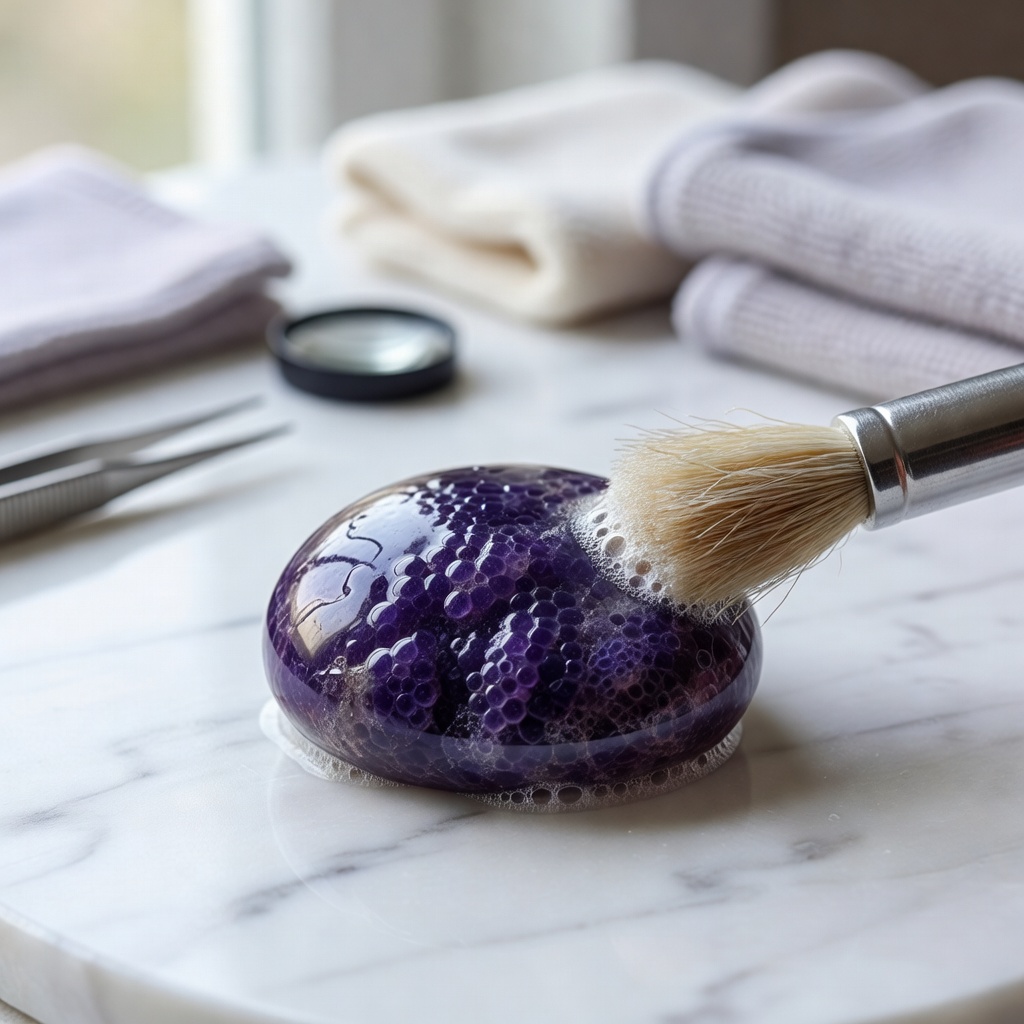
When it comes to Cleaning sugilite jewelry, simplicity and gentleness yield the best results without risking damage to your precious stone. Prepare a cleaning solution using only lukewarm water and mild dish soap, ensuring the soap contains no detergents, moisturizers, antibacterial agents, or fragrances that might leave residue on the porous stone surface. The water temperature should feel comfortable to your touch—approximately 85 to 90 degrees Fahrenheit—as hot water can cause thermal shock while cold water may not effectively dissolve oils.
Use a soft microfiber cloth or a clean baby toothbrush with extremely soft bristles to clean the stone gently, applying only light pressure in circular motions. Focus on the surface of the stone and the setting crevices where dirt accumulates, but never scrub aggressively or use back-and-forth motions that might scratch the surface. For pieces with intricate metalwork or engraving, the baby toothbrush proves particularly effective at reaching tight spaces without applying the torque that could loosen prongs or settings.
Rinse thoroughly under lukewarm running water, ensuring all soap residue washes away completely since any remaining film can attract future dirt and create a dull appearance. Pat the jewelry dry immediately using a lint-free cloth, then allow it to air dry completely on a soft towel for at least thirty minutes before returning it to storage. This drying period proves crucial for safe gemstone cleaning methods because trapped moisture can cause metal tarnishing or encourage bacterial growth in the stone's microscopic pores.
Critical Mistakes: What Never to Use on Sugilite
Understanding Sugilite cleaning mistakes proves equally important as knowing proper techniques, as a single exposure to harmful substances or methods can cause irreversible damage. Never use ultrasonic cleaners or steam cleaners on sugilite under any circumstances. The intense vibrations from ultrasonic machines can cause internal fracturing along natural inclusions or matrix lines, while steam cleaners subject the stone to extreme temperature changes and pressure that induce thermal shock and potential cracking.
Avoid commercial jewelry dips, solutions containing ammonia, bleach, or alcohol-based cleaners, as these chemicals react with the manganese content in sugilite, potentially altering its distinctive purple color or creating surface etching. Similarly, refrain from using abrasive cleaners, baking soda, toothpaste, or powdered cleaning agents that contain silica or other hard particles. While these substances might work for harder gemstones or metals, they inevitably scratch sugilite's relatively soft surface, creating micro-abrasions that scatter light and diminish the stone's natural luster.
What not to use on sugilite extends to harsh solvents including acetone, paint thinners, nail polish remover, and gasoline. These aggressive chemicals can dissolve oils within the stone's structure, cause discoloration, or compromise any stabilizing treatments the sugilite may have undergone. Even prolonged exposure to chlorine from swimming pools or hot tubs can bleach the color and weaken the stone's integrity, making it essential to remove sugilite jewelry before entering any treated water.
Proper Storage Solutions to Prevent Damage
Effective Sugilite storage methods prevent accidental damage during periods when your jewelry rests unworn. Store each piece separately in soft fabric pouches made from chamois, velvet, or anti-tarnish cloth, or utilize lined jewelry boxes with individual compartments that prevent pieces from touching one another. This separation proves crucial because contact with harder gemstones like diamonds (10 Mohs), sapphires (9 Mohs), rubies (9 Mohs), or even quartz (7 Mohs) can scratch sugilite's surface during routine handling or if the storage box moves.
Consider wrapping individual pieces in acid-free tissue paper before placing them in fabric pouches for additional protection against environmental factors. Maintain moderate humidity levels in your storage area, avoiding both excessively dry conditions that might dehydrate the stone and damp environments that promote metal tarnishing. Never store sugilite in plastic bags or containers that trap moisture against the stone, as this can cause condensation, metal corrosion, or mildew growth in porous areas.
Location selection significantly impacts gemstone storage solutions for sugilite. Choose a cool, dark drawer or cabinet away from heat sources, radiators, and windows. Direct sunlight through window glass can create greenhouse effects that heat jewelry boxes to damaging temperatures, while proximity to heating vents creates cycles of expansion and contraction that stress both the stone and its setting. For high-value specimens, consider investing in a jewelry safe with climate control features that maintain stable temperature and humidity year-round.
Addressing Stubborn Dirt and Buildup
When routine cleaning proves insufficient for cleaning dirty sugilite, specialized techniques safely address accumulated grime without resorting to harsh chemicals. Use a wooden toothpick or orangewood stick to gently remove debris from setting crevices and beneath the stone's girdle where hand soap and lotions tend to accumulate. Work carefully, using the toothpick to lift debris rather than scrape or dig, as excessive force can scratch gold or silver settings or potentially chip the stone's edge if slipped.
For oily buildup that resists water cleaning, create a solution of pure distilled water with a single drop of mild liquid soap, soaking the piece for no more than two to three minutes before gentle brushing. Avoid digging into any visible cracks, fractures, or surface-reaching inclusions that are natural to the stone, as forcing liquid into these openings can cause internal staining or expansion that worsens the fracture. If dirt appears embedded within the stone's surface rather than sitting atop it, this indicates a need for professional intervention rather than home remedies.
Recognizing when home methods reach their limit protects your investment from well-intentioned but damaging attempts at aggressive gemstone buildup removal. If wooden picks and mild soapy water fail to restore the stone's appearance, or if you notice cloudiness that persists after drying, consult a professional gemologist or jeweler experienced with soft colored stones. They possess specialized equipment like steam jets with controlled pressure and microscopic cleaning tools that address stubborn deposits without compromising the stone's integrity.
Professional Maintenance and Restoration
Establishing a relationship with a qualified jeweler for professional sugilite cleaning ensures your rare gemstone receives appropriate care beyond home capabilities. Schedule annual inspections with a jeweler specifically experienced in handling soft colored stones, as general jewelers accustomed to diamonds and sapphires may apply inappropriate cleaning methods out of habit. During these inspections, request that they check prongs and settings thoroughly, as the relatively soft nature of sugilite means the stone can wear down the metal holding it, or conversely, loose settings allow the stone to rotate and wear unevenly.
Jewelry maintenance services for sugilite should include professional repolishing only when absolutely necessary, as each repolishing session removes microscopic layers of material from the stone's surface. While this process removes scratches and restores shine, excessive repolishing gradually alters the stone's dimensions and can change how it fits in its setting. Reserve professional repolishing for significant damage events rather than routine maintenance, and always request that the jeweler use polishing compounds specifically formulated for stones under 7 Mohs hardness.
When acquiring vintage or antique sugilite pieces, request documentation of any treatments the stone may have received, including stabilization, dyeing, or filling of surface-reaching fractures. This information guides appropriate care, as treated stones may have different cleaning requirements than natural specimens. Professional appraisals every three to five years help track any changes in condition and ensure your insurance coverage remains adequate given sugilite's increasing rarity and market value.
Caring for Sugilite in Different Jewelry Types
Different jewelry formats present unique challenges requiring specific Sugilite ring care strategies versus necklaces or earrings. Rings face the most severe abuse due to constant hand impact against hard surfaces, door frames, and countertops. For daily wear, choose protective settings like bezels or flush-mount designs that surround the sugilite with a rim of protective metal, rather than exposed prong settings that leave the stone vulnerable to chipping. Consider reserving sugilite rings for special occasions rather than daily wear, or rotate between several pieces to distribute wear patterns.
Pendants and earrings generally experience less physical abuse but require regular inspection of clasps, hooks, and bails where the chain connects to the setting. The weight of sugilite, which is denser than many gemstones, places particular stress on earring posts and pendant bails; loose connections risk dropping and losing the stone. Check these components monthly by gently attempting to move the stone in its setting—any wiggle indicates a need for immediate professional tightening.
Bracelets and bangles demand removal before desk work, typing, or any activity where the wrist rests against hard surfaces, as the constant micro-abrasions from computer desks or table edges gradually dull the polish. For mixed-metal settings containing both sugilite and metals like silver, gold, or platinum, recognize that the metal and stone require different care approaches. While you might safely use a silver polishing cloth on the metal components, never let these polishing agents touch the sugilite surface, as they contain abrasives designed specifically to remove tarnish from metal.
Long-Term Preservation Strategies
Implementing long-term gemstone care strategies ensures your sugilite remains pristine across decades of ownership. Rotate your collection rather than wearing the same piece daily, allowing each item periods of rest that minimize cumulative wear. This rotation strategy proves particularly important for rings and bracelets that experience the most physical contact. Consider maintaining a wearing schedule that reserves certain pieces for specific occasions, protecting your finest specimens from the routine hazards of daily life.
Photograph your stones periodically under consistent lighting conditions to monitor any color changes, surface damage progression, or setting wear that develops gradually enough to escape daily notice. These photographic records prove invaluable for insurance claims, resale documentation, and identifying when professional intervention becomes necessary. Given sugilite's rarity and increasing market prices, particularly for high-quality translucent material from the original Wessels Mine deposits, consider specialized jewelry insurance that covers mysterious disappearance and damage, not just theft.
Maintain a jewelry care log documenting cleaning dates, professional service visits, and any observations about changes in appearance. This log helps establish patterns—perhaps noticing that summer months require more frequent cleaning due to sweat and sunscreen exposure, or that certain storage locations correlate with tarnishing issues. For serious collectors, this documentation adds provenance value and demonstrates responsible stewardship that enhances resale value. By combining meticulous preserving sugilite gemstones practices with informed daily habits, you ensure these rare purple treasures continue captivating viewers with their otherworldly beauty for lifetimes to come.
Frequently Asked Questions
Can I use an ultrasonic cleaner for my sugilite jewelry?
No, ultrasonic cleaners are not safe for sugilite. The vibrations can cause internal fracturing and damage the stone's structure due to its relative softness (5.5-6.5 Mohs) and potential inclusions. Always stick to gentle hand-cleaning with mild soap and water.
Is sugilite sensitive to water?
Sugilite is generally safe with lukewarm water for brief cleaning periods, but it is porous and can absorb water if soaked for extended periods. Always dry thoroughly immediately after cleaning and avoid hot water which can cause thermal shock.
How often should I clean my sugilite gemstone?
Clean sugilite jewelry every 2-3 months with regular wear, or immediately after exposure to sweat, cosmetics, or household chemicals. Over-cleaning can cause wear, so gentle maintenance and proper storage are more important than frequent washing.
Can sugilite fade in sunlight?
Yes, prolonged exposure to direct sunlight or strong UV light can cause sugilite's vibrant purple color to fade over time. Store sugilite away from windows and avoid wearing it for extended periods at the beach or in intense sunlight.
What is the safest way to store sugilite when not wearing it?
Store sugilite in a soft fabric pouch or separate compartment in a jewelry box, away from harder gemstones that could scratch it. Avoid plastic bags that trap moisture, and keep in a cool, dark place with stable temperature and humidity.
Can I wear sugilite while swimming or showering?
No, you should remove sugilite before swimming or showering. Chlorine, salt water, and soap residues can damage the stone's surface and potentially be absorbed into its porous structure. Hot water from showers can also cause thermal shock.
How do I know if my sugilite needs professional cleaning?
Seek professional help if you notice stubborn grime in setting crevices you cannot remove safely, if the stone appears dull despite home cleaning, or if you suspect damage to the setting. Choose a jeweler experienced with soft colored stones.
Is sugilite durable enough for everyday rings?
Sugilite is moderately durable but requires protective settings like bezels for daily ring wear. It can scratch and chip more easily than harder stones like sapphires or diamonds. Reserve rings for occasional wear or choose protective pendant settings for daily use.