
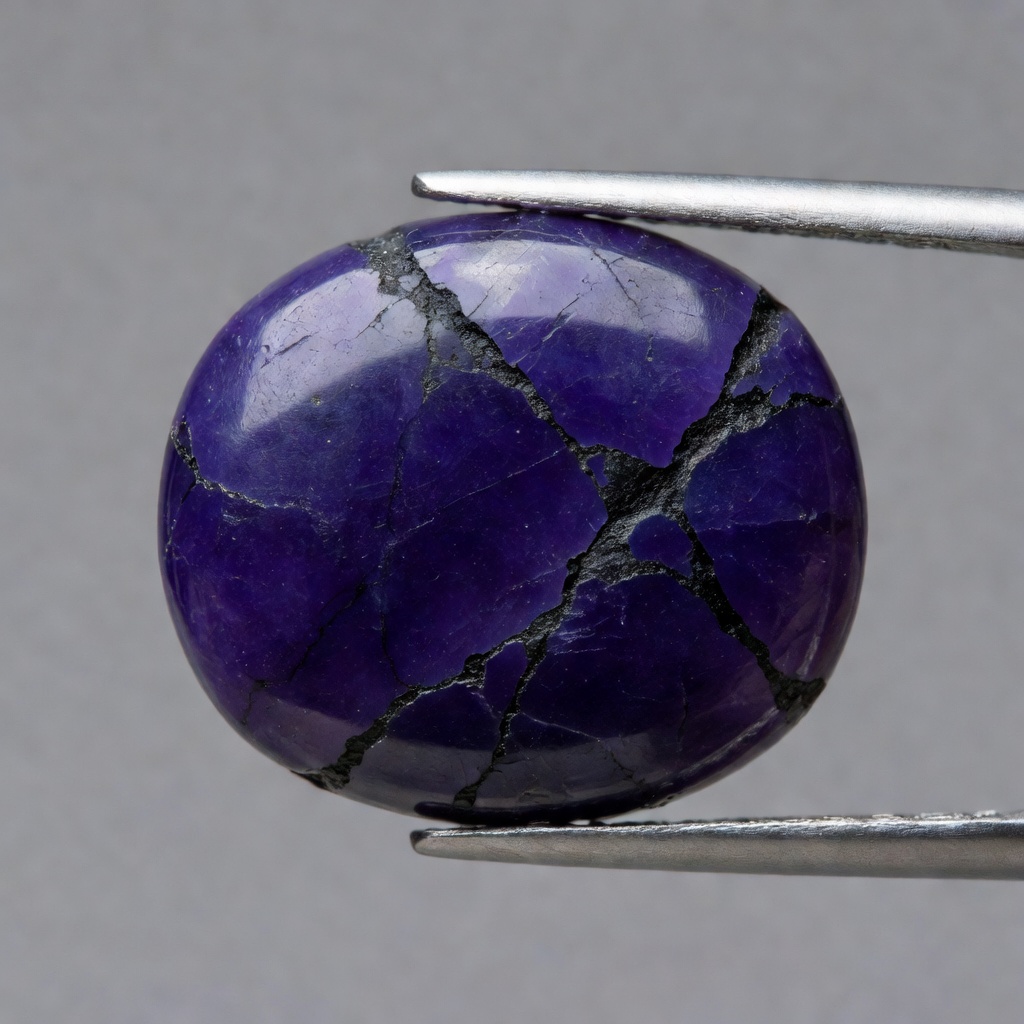
Sugilite Buying Guide: Your Comprehensive Resource for the Premier Love Stone
Navigating the world of rare gemstones requires expertise, particularly when seeking one of the most spiritually significant and geologically unique minerals on Earth. This comprehensive Sugilite Buying Guide serves as your essential roadmap to understanding, evaluating, and acquiring authentic specimens of this extraordinary purple crystal. Whether you are a metaphysical practitioner seeking the legendary "love stone," a jewelry designer drawn to its royal purple hues, or a collector investing in increasingly scarce geological treasures, understanding the nuances of quality, provenance, and market value ensures you make informed purchasing decisions. From the depleted depths of South Africa's Wessels Mine to modern identification techniques that separate genuine material from clever imitations, this guide covers every aspect of acquiring sugilite with confidence and clarity.
What is Sugilite? Understanding the Purple Healer's Stone
Sugilite represents one of the most recently discovered and immediately cherished gemstones in the mineral kingdom, first identified in 1944 by Japanese petrologist Ken-ichi Sugi on Iwagi Island, Japan. Despite this initial discovery, the gem-quality material that would cement sugilite's reputation in jewelry and metaphysical circles emerged decades later from the Wessels Mine in the Kalahari Manganese Field of South Africa, where miners uncovered vivid purple specimens unlike anything previously seen in the gem trade. Chemically classified as a potassium sodium lithium iron manganese silicate, this complex cyclosilicate mineral derives its distinctive coloration from manganese content, creating shades ranging from pale lilac to intense violet that immediately captivate viewers and collectors alike.
Within crystal healing and metaphysical communities, practitioners celebrate sugilite as the "premier love stone" and a powerful emotional healer, attributing to it the ability to open the crown chakra and facilitate spiritual protection during meditation practices. Crystal therapists often recommend placing sugilite under pillows to alleviate nightmares or wearing it as a pendant to encourage self-forgiveness and release negative thought patterns. While these spiritual properties remain subjective and culturally specific, they have undeniably driven significant demand for high-quality specimens, particularly in Asian markets where the stone commands premium prices for both jewelry and Feng Shui applications. Understanding these dual identities—as both a complex lithium-bearing silicate and a tool for spiritual transformation—provides essential context for anyone entering the sugilite marketplace.
Quality Factors: How to Grade Sugilite Gemstones
Evaluating sugilite requires understanding specific quality parameters that differ significantly from those applied to transparent faceted gemstones like diamonds or sapphires. Unlike crystals prized for clarity and brilliance, sugilite typically presents as an opaque to translucent material where color intensity, matrix patterns, and textural consistency determine value. Professional graders assess these characteristics using standardized criteria developed specifically for ornamental stones, creating a hierarchy that separates museum-quality specimens from commercial material suitable for beaded jewelry.
Color Intensity and Royal Purple Sugilite
The most critical quality factor for sugilite remains its color saturation, with deep royal purple specimens commanding the highest premiums in the global marketplace. Manganese-rich formations produce the coveted "grape jelly" or "royal purple" hue that collectors prize above all other varieties, while iron content can shift the color toward reddish-brown or pale lavender tones that significantly reduce value. When examining potential purchases, look for stones displaying consistent, vivid purple coloration without grayish or brownish overtones, as these subtle shifts indicate lower manganese concentration and diminished desirability among discerning collectors.
Translucency and Gel Sugilite Quality
Translucency represents the dividing line between standard lapidary material and investment-grade specimens, with "gel" sugilite representing the pinnacle of quality in this category. True gel sugilite exhibits a semi-transparent, jelly-like appearance that allows light to penetrate several millimeters into the stone, creating a luminous glow that enhances the depth and richness of the purple coloration. This rare variety forms under specific geological conditions where microscopic crystal structure remains exceptionally fine, and it comprises less than one percent of total sugilite production. Opaque material, while suitable for cabochons and beads, lacks the depth and visual intrigue that distinguish gel-quality specimens.
Matrix Patterns and Inclusions
The black manganese veining that frequently traverses sugilite specimens requires careful evaluation, as these patterns can either enhance or detract from a stone's aesthetic appeal and value. Desirable matrix appears as artistic black streaks or webs that contrast dramatically against the purple background, creating unique patterns that lapidaries carefully orient to maximize visual impact. Conversely, brown, white, or yellowish inclusions typically indicate contamination with other minerals or oxidation products, significantly reducing both beauty and durability. Premium specimens minimize these undesirable inclusions while maximizing the artistic potential of black manganese veining.
Sugilite Color Varieties and Rarity Grades
While the gem trade overwhelmingly associates sugilite with purple coloration, the mineral actually occurs in a broader spectrum of hues that reflect varying chemical compositions and geological formation conditions. Understanding these color varieties helps collectors identify rare specimens and avoid common misidentifications with similar-looking minerals like charoite or purple jade. Each color grade corresponds to specific market tiers, with certain varieties commanding prices exponentially higher than more common alternatives.
Premium Gel Sugilite Characteristics
Gel sugilite quality represents the most coveted and investment-worthy grade, distinguished by its translucent to semi-transparent body that resembles high-grade jade or fine amethyst in its light-handling properties. This material typically displays the most intense purple coloration, as the fine crystal structure allows for optimal light interaction and color saturation. Gemologists and advanced collectors specifically seek gel specimens exceeding ten carats with minimal matrix, as these pieces offer the best combination of rarity, beauty, and workability for high-end jewelry applications.
Standard Lapidary Grade Material
The majority of commercially available sugilite falls into the standard lapidary grade category, featuring opaque consistency with variable color intensity and frequent matrix inclusions. While lacking the translucency of gel material, high-quality opaque specimens still display rich purple coloration suitable for beads, cabochons, and carved objects. This grade offers an accessible entry point for new collectors and jewelry makers, providing the distinctive sugilite aesthetic at more moderate price points while still maintaining the stone's characteristic metaphysical associations.
Rare Pink and Yellow Varieties
Extremely rare pink and yellow sugilite specimens occasionally surface from specific localities, particularly from the Wessels Mine region where chemical variations during formation created these unusual color expressions. Pink sugilite results from altered manganese oxidation states, while yellow specimens indicate different trace element substitutions during crystallization. These aberrant colors generate significant excitement in the collector community when authenticated, often selling for multiples above equivalent purple material due to their extreme scarcity and unique aesthetic properties.
Understanding Sugilite Pricing and Market Value
Establishing fair market value for sugilite requires navigating a pricing structure that varies dramatically based on quality grade, size, provenance, and current availability. Unlike diamonds with standardized grading reports, sugilite valuation relies heavily on visual assessment and documented origin, creating a marketplace where knowledge significantly impacts purchasing power. Current market trends reflect the increasing scarcity of fine material, with prices for top-tier specimens experiencing steady appreciation as primary sources deplete.
Commercial grade sugilite typically ranges from $10 to $50 per carat, representing material with lighter coloration, significant matrix, or smaller size suitable for bead strands and costume jewelry components. Mid-grade cabochon material with decent purple color and minimal undesirable inclusions generally trades between $50 and $100 per carat, offering good value for solid gold jewelry pieces. However, sugilite price per carat escalates dramatically for gel quality specimens, with fine translucent pieces commanding $100 to $500 per carat, and exceptional large stones with deep royal purple coloration exceeding $1,000 per carat in private sales and auction environments.
Size premiums affect sugilite valuation more dramatically than many other gemstones due to the material's typical occurrence in smaller masses and the difficulty of finding clean material suitable for cutting large cabochons. Specimens exceeding ten carats with high color saturation and minimal matrix represent significant geological rarities, often selling for exponentially higher per-carat prices than smaller stones of equivalent quality. Additionally, documented provenance from the Wessels Mine adds substantial premium to pricing, as collectors specifically seek material from this depleted source for its historical significance and superior color characteristics.
Identifying Fake Sugilite: Avoiding Common Scams
The scarcity and high value of fine sugilite have unfortunately spawned a marketplace rife with imitations, treated materials, and outright fraudulent specimens misrepresented by unscrupulous dealers. Fake sugilite identification represents a critical skill for prospective buyers, as sophisticated treatments and simulants can deceive even experienced collectors without proper testing equipment. Understanding the visual characteristics, physical properties, and common substitution materials protects consumers from costly mistakes.
Common Imitations and Simulants
The most prevalent sugilite substitutes include dyed howlite, which mimics the purple color but displays characteristic white veining rather than black manganese matrix, and purple jade or charoite, which share similar coloration but entirely different geological compositions. Reconstructed material, created by crushing low-grade sugilite or other purple minerals and binding them with resin, presents particular challenges as it contains genuine mineral components in an artificial matrix. Additionally, some dealers offer dyed marble or quartzite as "sugilite," material that lacks both the chemical composition and metaphysical properties attributed to genuine specimens.
Visual and Physical Testing Methods
Authentic sugilite exhibits natural color zoning and gradations rather than the uniform saturation typical of dyed imitations, while genuine matrix appears black and metallic rather than the gray or white veining seen in howlite substitutes. Physical testing provides additional verification, as real sugilite possesses a hardness of 5.5 to 6.5 on the Mohs scale, feeling substantially cooler and heavier than plastic resins or lightweight substitutes. Specific gravity testing should yield results between 2.7 and 2.8, while refractive index readings typically fall between 1.61 and 1.62, distinct from the optical properties of common simulants.
Professional Verification
For significant investments, submitting specimens to accredited gemological laboratories provides definitive identification through advanced spectroscopic analysis and chemical testing. Reputable labs can distinguish between natural sugilite, treated material, and simulants while documenting any enhancement processes that might affect value. When purchasing expensive specimens, always request accompanying laboratory reports from recognized institutions such as GIA, GRS, or AGL, and verify the report's authenticity through the laboratory's online verification systems.
Notable Sources: The Wessels Mine and Beyond
Geographic origin profoundly influences sugilite quality, value, and collectibility, with certain localities producing material so superior that their names have become synonymous with excellence in the gemstone trade. Wessels mine sugilite represents the gold standard against which all other deposits are measured, though the mine's closure has transformed these specimens into finite historical treasures increasingly difficult to acquire.
The Wessels Mine, located within the Kalahari Manganese Field in South Africa's Northern Cape Province, yielded the finest gem-quality sugilite ever discovered between its opening in 1975 and its effective closure in the early 2000s. Miners extracted material from depths exceeding 1,000 meters through dangerous underground operations, accessing manganese-rich zones where sugilite formed as secondary mineral deposits within metamorphosed sedimentary rocks. The combination of specific geological conditions, including precise temperature, pressure, and chemical availability, created the intense royal purple coloration and occasional gel-quality translucency that distinguish Wessels material from all other sources.
Secondary sugilite deposits occur at Iwagi Island in Japan, where Ken-ichi Sugi first identified the mineral, though this locality typically produces microcrystalline material unsuitable for gemstone use. The Madoc area in Ontario, Canada, has yielded limited quantities of lapidary-grade material, while recent discoveries in India have introduced additional supply to the market, albeit generally of lower color intensity than classic Wessels specimens. Mining challenges across all localities, including deep extraction requirements and dangerous working conditions, continue to restrict supply while increasing appreciation for existing material in the collector marketplace.
Jewelry Settings and Design Considerations
Designing jewelry with sugilite requires careful consideration of the material's physical properties, aesthetic characteristics, and intended wearing conditions. With a hardness of 5.5 to 6.5 on the Mohs scale, sugilite demands protective settings and thoughtful design choices that maximize beauty while minimizing damage risk during normal wear. Experienced jewelers familiar with this specific material can create pieces that showcase its unique purple coloration while ensuring longevity.
Metal Combinations and Color Enhancement
Sterling silver and yellow gold provide the most complementary settings for sugilite, with each metal offering distinct aesthetic advantages depending on the specific purple tone of the stone. Yellow gold creates a warm, regal appearance that enhances the richness of royal purple specimens, evoking classical jewelry styles that emphasize the stone's luxurious associations. Sterling silver offers contemporary contrast that highlights the cool blue undertones present in some high-grade material, while white gold and platinum settings provide neutral backdrops that allow the stone's color to command full attention without metallic interference.
Protective Setting Strategies
Bezel settings represent the optimal choice for sugilite jewelry, surrounding the gemstone's perimeter with metal that protects vulnerable edges from impacts and abrasions that could cause chipping. Partial bezels or heavy prong settings with protective galleries offer alternatives that maximize light exposure while maintaining reasonable protection, though these require more careful wearing habits. Cabochon cuts rather than faceted designs prove most practical for sugilite, as the domed surface resists chipping better than sharp facet junctions while showcasing the material's color and any desirable matrix patterns.
Appropriate Jewelry Applications
Pendants and earrings constitute the safest applications for sugilite, positioning the stone away from hard surfaces and impact sources that could damage softer gemstones. Occasional-wear rings set with protective bezels offer viable options for those seeking hand jewelry, though daily-wear rings and bracelets face excessive risk of abrasion against harder materials like quartz countertops, metal door handles, and steel watch bands. When designing bracelets, consider protective link settings that prevent the sugilite from contacting hard surfaces during normal arm movements.
Proper Care and Maintenance of Sugilite
Preserving the beauty and integrity of sugilite requires specific care protocols that account for its chemical sensitivity and relative softness compared to common jewelry materials like diamonds, sapphires, or even quartz. Sugilite gemstone care differs significantly from harder stones, necessitating gentler cleaning methods and heightened awareness of chemical exposure risks that could permanently damage the stone's surface or color stability.
Safe Cleaning Protocols
Clean sugilite using only lukewarm water and mild, phosphate-free soap, gently scrubbing with a soft-bristled toothbrush to remove accumulated oils and debris from setting crevices. Rinse thoroughly under running water, ensuring all soap residue disappears to prevent film buildup that could dull the stone's luster. Pat dry immediately using a soft, lint-free cloth, avoiding prolonged exposure to water that could potentially affect any treatments or stabilize unstable matrix materials.
Chemical and Environmental Sensitivities
Never expose sugilite to ultrasonic or steam cleaners, as the internal stresses these methods create can cause fracturing in stones with hidden inclusions or matrix patterns. Avoid contact with household cleaners, acids, chlorine, and prolonged direct sunlight, as these can bleach the manganese-derived purple coloration or damage the stone's surface polish. Remove sugilite jewelry before swimming, cleaning, applying cosmetics or perfumes, and engaging in physical activities that might expose the stone to impact or abrasive chemicals.
Storage Best Practices
Store sugilite pieces separately in soft cloth pouches or individual compartments within jewelry boxes to prevent scratching from harder gemstones like diamonds, rubies, or even common quartz. The relative softness of sugilite means it can easily scratch when jostled against harder materials, while its own edges can damage softer organic gems like pearls or opals stored nearby. Maintain stable humidity levels in storage areas, as extreme dryness or humidity fluctuations might affect matrix inclusions or any bonding agents present in reconstructed material.
Where to Buy: Trusted Dealers and Red Flags
Navigating the sugilite marketplace requires vigilance and knowledge, as the stone's value and rarity attract both reputable specialists and fraudulent operators seeking to capitalize on uninformed buyers. Establishing relationships with trusted sources ensures access to authentic, accurately described material while providing recourse should issues arise with your purchase.
Established gem and mineral shows, particularly the Tucson Gem and Mineral Show and similar international exhibitions, provide opportunities to purchase from specialized African mineral dealers who maintain direct connections to mining operations or existing collections. Reputable jewelry stores employing Graduate Gemologists (GG) or Accredited Jewelry Professionals (AJP) through GIA certification offer additional security, as these credentials indicate formal training in gemstone identification and valuation. Online marketplaces require additional caution; prioritize dealers with extensive positive feedback specifically mentioning sugilite transactions, detailed photography showing natural matrix patterns, and clear return policies allowing for independent verification.
Several warning signs should trigger immediate caution when evaluating potential purchases. Prices significantly below market rates for the claimed quality level often indicate treated material, synthetics, or outright fakes—if a deal appears too good to be true, it invariably is. Vague descriptions lacking specific locality information, refusal to provide detailed photographs showing matrix patterns and color zoning, and absence of return policies all suggest dealers who may not stand behind their merchandise. Always request documentation of origin for expensive pieces, particularly claiming Wessels Mine provenance, and verify that sellers offer reasonable return periods allowing submission to independent gemological laboratories for authentication.
Investment Potential and Collectibility
Beyond its aesthetic and metaphysical appeal, high-quality sugilite represents a compelling alternative investment vehicle for collectors seeking tangible assets with strong historical appreciation trends. The combination of absolute scarcity, increasing global demand, and finite supply creates market conditions favorable to long-term value retention and growth, particularly for specimens with documented provenance and superior quality characteristics.
The scarcity factor driving sugilite investment potential stems primarily from the depletion of the Wessels Mine and lack of significant new discoveries matching the quality of classic material. Unlike diamonds or colored gemstones where new mines might replenish supply, sugilite forms under specific geological conditions that have not been replicated in new discoveries, ensuring that existing high-quality specimens become progressively rarer as collections absorb available material. Collector demand remains robust, particularly in Asian markets where both jewelry designers and metaphysical practitioners compete for limited supply, creating consistent upward pressure on prices for authenticated, premium-grade specimens.
Future market outlook suggests continued appreciation for investment-grade sugilite, particularly gel-quality material with documented Wessels Mine provenance and minimal matrix. Specimens accompanied by historical documentation, previous ownership by notable collectors, or unusual size and color characteristics command additional premiums in the secondary market. As with all collectible investments, diversification and purchase of the highest quality affordable within your budget provides the best strategy, focusing on pieces that would appeal to multiple buyer categories—including jewelry designers, metaphysical collectors, and mineral specimen enthusiasts—to ensure liquidity when eventual resale becomes desirable.
Frequently Asked Questions About Sugilite
How much does real sugilite cost per carat?
Commercial grade sugilite typically ranges from $10-$50 per carat, while high-quality translucent 'gel' sugilite can command $100-$500+ per carat depending on color intensity, clarity, and size. Rare large specimens with deep royal purple coloration and minimal matrix can exceed $1,000 per carat. These prices reflect the material's scarcity, with costs increasing significantly for documented Wessels Mine material as that source becomes depleted.
What is the highest quality sugilite available?
The highest quality is known as 'gel' sugilite, characterized by a translucent, jelly-like appearance with intense royal purple color and minimal inclusions. This material comes primarily from the Wessels Mine in South Africa and represents less than 1% of total sugilite production, making it extremely valuable to collectors. True gel sugilite allows light to penetrate the stone, creating a luminous glow that distinguishes it from the more common opaque varieties.
How can I tell if my sugilite is real or fake?
Authentic sugilite exhibits natural color zoning, black manganese matrix patterns, and a waxy to vitreous luster. Common fakes like dyed howlite will show white veining rather than black, feel lighter, and may have color that rubs off. Real sugilite has a hardness of 5.5-6.5 Mohs and feels cool to the touch with substantial weight. For definitive identification, professional gemological testing measuring specific gravity (2.7-2.8) and refractive index provides conclusive verification.
Is sugilite durable enough for everyday jewelry?
With a hardness of 5.5-6.5 on the Mohs scale, sugilite is softer than quartz and susceptible to scratching and chipping. While suitable for pendants and earrings, it's not recommended for rings or bracelets subject to daily wear and impact. Protective bezel settings can help extend the life of sugilite rings worn occasionally, but removal during physical activities, cleaning, and bathing remains essential for preserving the stone's polish and structural integrity.
What colors does sugilite naturally occur in?
While famous for its royal purple to violet shades caused by manganese content, sugilite can also occur in pale lilac, pink, reddish-brown, yellow, and even colorless varieties. The most valuable color is an intense, saturated purple with a slight blue undertone, often described as 'grape jelly' or 'royal purple.' Pink and yellow varieties represent extreme geological rarities that command significant premiums when authenticated.
Where should I buy authentic sugilite gemstones?
Purchase from established gem and mineral dealers who specialize in African gemstones, reputable jewelry stores with gemological credentials, or certified sellers at major gem shows like Tucson. Always request documentation of origin for expensive pieces and ensure the seller offers a reasonable return policy for verification. Avoid general online marketplaces where unverified sellers may offer dyed imitations or reconstructed material misrepresented as natural sugilite.
Is sugilite the same as charoite?
No, sugilite and charoite are distinct minerals. Sugilite is a sodium potassium lithium silicate typically showing solid purple with black matrix, while charoite is a complex silicate from Russia displaying swirling patterns of purple, white, and black with a distinctive fibrous appearance. They are often confused due to similar colors but have different chemical compositions and origins. Charoite exhibits characteristic chatoyancy and swirling patterns absent in sugilite's more uniform coloration.
Why is sugilite considered a good investment stone?
Sugilite represents a strong investment due to its extreme scarcity—primary sources like the Wessels Mine are largely depleted with minimal new material entering the market. Combined with growing demand from both jewelry designers and metaphysical collectors, high-quality specimens have shown consistent price appreciation, particularly those with documented provenance from closed localities. The finite supply ensures that existing fine material becomes progressively rarer, supporting long-term value retention for collectors purchasing authenticated, premium-grade specimens.


