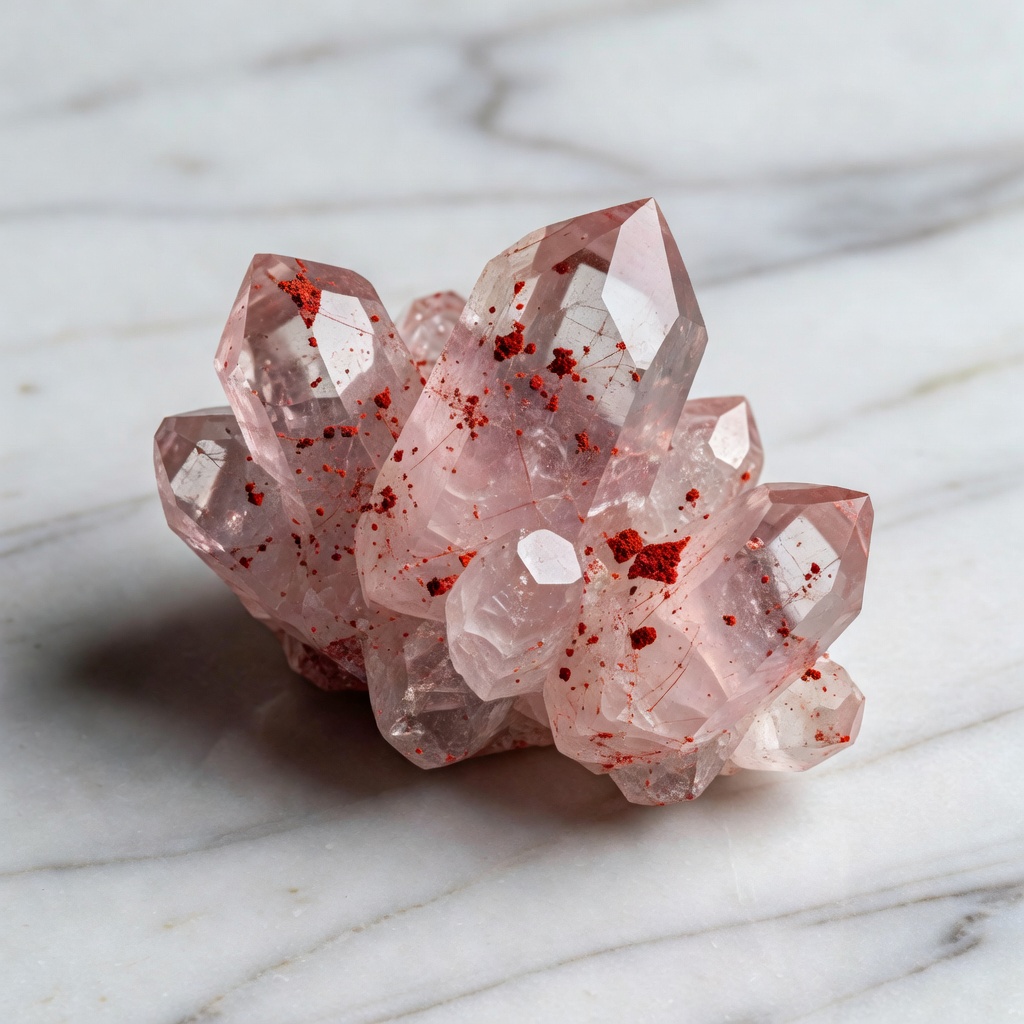
Strawberry Quartz Price Guide: Understanding Value and Market Trends in 2024
Strawberry quartz has emerged as one of the most sought-after varieties in the decorative gemstone market, captivating collectors and jewelry designers with its distinctive pink base color punctuated by red iron oxide inclusions. As demand for this unique stone continues to grow across international markets, understanding the nuances of strawberry quartz value becomes essential for both novice buyers and seasoned collectors. This comprehensive guide examines current pricing structures, quality indicators, and market dynamics to help you make informed purchasing decisions whether you're acquiring raw specimens, finished jewelry, or investment-grade pieces.
What Is Strawberry Quartz? Understanding the Basics
Strawberry quartz is a variety of silicon dioxide (SiO2) that derives its distinctive appearance from iron oxide inclusions, primarily lepidocrocite and goethite, which create the characteristic red "seeds" scattered throughout a pink to reddish-pink transparent or translucent base. Unlike rose quartz, which presents a uniform milky pink coloration throughout the crystal structure, authentic strawberry quartz displays visible crystalline inclusions that resemble strawberry seeds suspended within the stone. These inclusions form during the hydrothermal crystallization process when iron-rich minerals become trapped within the growing quartz crystal, creating the speckled pattern that defines this gemstone variety.
The primary mining locations for commercial-grade strawberry quartz include the Minas Gerais region of Brazil, Madagascar, and select deposits in Kazakhstan, with each locality producing slightly different color variations and inclusion patterns. Brazilian material typically commands premium pricing due to its deeper red coloration and clearer crystal matrix, while Madagascar specimens often display softer pink tones with denser inclusion clusters. Geological formation occurs in pegmatite veins and hydrothermal deposits where silica-rich solutions interact with iron-bearing minerals over millions of years, creating the distinctive aesthetic that drives strawberry quartz value in today's marketplace.
Current Strawberry Quartz Prices: 2024 Market Overview
The Strawberry Quartz Price Guide for 2024 reveals a broad spectrum of pricing tiers that reflect the stone's quality grading and market positioning within the broader quartz family. Current market data indicates that commercial-grade strawberry quartz suitable for costume jewelry and casual collecting ranges from $2 to $8 per carat, while fine jewelry-grade specimens with exceptional clarity and intense coloration command between $15 and $30 per carat. Museum-quality pieces featuring large crystal formations with perfect clarity and vivid red inclusions can exceed $50 per carat, particularly when sourced from depleted mines or exhibiting rare crystal habits such as double-terminated points.
Regional price variations significantly impact the gemstone market value of strawberry quartz, with North American and European retailers typically marking up rough material by 200-400% compared to direct source pricing from Brazilian or Madagascan suppliers. Raw, unpolished specimens suitable for lapidary work generally trade at 40-60% less than finished cabochons or faceted stones, though exceptional crystal clusters with intact terminations may actually command premiums over cut material due to collector demand. The Asian market, particularly China and India, has shown increased demand for strawberry quartz beads and carved objects, driving up wholesale prices for mid-grade material by approximately 15% over the past eighteen months.
Key Factors That Determine Strawberry Quartz Value
Understanding strawberry quartz cost per carat requires analyzing several critical quality indicators that gem dealers use to grade material before it reaches retail channels. Color intensity serves as the primary value determinant, with stones displaying deep strawberry-red inclusions against a clear, pale pink matrix receiving the highest grades, while specimens with brownish or orange-tinted inclusions trade at significant discounts. The distribution pattern of iron oxide inclusions also affects pricing; evenly scattered "seeds" create the most desirable aesthetic, whereas clustered or streaky formations may reduce value by 20-30% despite similar color intensity.
Clarity levels in strawberry quartz present unique grading challenges because the stone's value depends partly on the visibility of its characteristic inclusions rather than absolute transparency. Premium grades feature inclusions visible to the naked eye but not so dense as to obscure light transmission, creating a luminous glow when backlit. Craftsmanship quality dramatically impacts final pricing, with precision-cut cabochons featuring high domes and perfect symmetry commanding 3-4 times the price of flat-topped or irregularly shaped cuts. Faceted strawberry quartz requires exceptional skill due to the stone's relatively soft hardness (7 on the Mohs scale) and inclusion patterns, with well-executed brilliant cuts fetching $25-40 per carat for stones over five carats.
Practical Example: Quality Grading Comparison
Consider three ten-carat strawberry quartz cabochons from the same Brazilian mine: Stone A displays pale pink color with sparse, light orange inclusions and minor surface pitting, retailing for approximately $30 total ($3/carat). Stone B shows medium pink tone with distinct red "seeds" evenly distributed throughout a clear matrix with excellent polish, commanding $120 ($12/carat). Stone C features deep strawberry-red inclusions, exceptional transparency, and custom precision cutting with mirror finish, achieving $350 ($35/carat) at specialty gem shows. This pricing spread illustrates how subtle quality differences exponentially affect strawberry quartz cost per carat calculations.
Strawberry Quartz vs. Red Aventurine: Price Comparison
Market confusion between strawberry quartz and red aventurine creates significant pricing disparities that savvy buyers must understand to avoid overpayment or misidentification. While both stones belong to the quartz family and display reddish coloration, red aventurine derives its color from abundant hematite or goethite inclusions that create a glittering, metallic sheen (aventurescence) rather than the distinct dot-pattern characteristic of strawberry quartz. Red aventurine price points typically range from $1 to $5 per carat for cabochons, roughly 50-70% less than comparable strawberry quartz specimens, though unscrupulous sellers occasionally market red aventurine as "strawberry quartz" to justify higher prices.
Visual identification requires careful examination under magnification: strawberry quartz displays individual red crystal inclusions resembling seeds or needles, while red aventurine shows reflective platelets that create a sparkly, metallic flash when rotated under light. The gemstone market value difference stems from strawberry quartz's greater rarity and the specific aesthetic appeal of its inclusion pattern, whereas red aventurine occurs more abundantly in deposits across India, Russia, and Brazil. When evaluating pricing, request vendor disclosure of the specific quartz variety, as treatment methods differ between the two—red aventurine is rarely treated, while strawberry quartz may occasionally undergo heat treatment to intensify color, affecting long-term value retention.
Pricing by Jewelry Type: Beads, Cabochons, and Faceted Stones
Strawberry quartz jewelry pricing varies dramatically based on the manufacturing method and finished form, with bead strands representing the most accessible entry point for collectors and jewelry makers. Standard 8mm round bead strands (approximately 15-16 inches) range from $15 to $45 depending on quality grade, with AA-grade beads featuring consistent color and minimal surface flaws commanding premium prices. Larger beads (12mm+) or specialized shapes such as faceted rondelles can increase strand prices to $80-120, while graduated strands or those incorporating rare oversized beads may exceed $200 wholesale.
Cabochon pricing depends heavily on dome height and polish quality, with high-domed cabochons (preferred for rings and pendants) costing 25-40% more than flat-backed versions suitable for beading or inlay work. A standard 18x13mm oval cabochon might retail for $12-18 in commercial grade or $45-75 in gem quality. Faceted strawberry quartz represents the premium tier of strawberry quartz jewelry pricing due to material waste during cutting and the specialized skills required; calibrated round brilliant cuts in the 8-10mm range typically sell for $60-150 per stone, with custom cuts or specialty shapes like marquise or pear commanding additional premiums of 30-50%.
Case Study: Complete Jewelry Cost Analysis
A designer creating a strawberry quartz pendant necklace faces several pricing tiers based on component selection. Using a commercial-grade 20x15mm cabochon ($25), sterling silver setting ($40), and standard chain ($15) produces a retail-ready piece costing approximately $80 in materials, typically selling for $160-200 retail. Alternatively, selecting a gem-grade faceted stone ($120), 14k gold setting ($200), and gold chain ($150) creates a luxury piece with $470 in material costs, retailing for $900-1,200. This example demonstrates how strawberry quartz cost per carat scales with finished jewelry complexity and metal selection.
Where to Buy: Retail vs. Wholesale Price Analysis
Understanding gemstone market value across different sales channels enables strategic purchasing decisions that maximize quality within your budget constraints. Online marketplaces such as Etsy, eBay, and specialized gem platforms offer strawberry quartz at 20-50% below brick-and-mortar retail prices, though buyer protection varies significantly between platforms. Established online gem dealers typically provide detailed photography, return policies, and authenticity guarantees that justify modest premiums over auction sites, where unverified sellers may misrepresent treated or synthetic material as natural strawberry quartz.
Local crystal shops and metaphysical stores generally apply 100-300% markups over wholesale costs to cover physical retail overhead, with average prices ranging from $5-15 per carat for commercial-grade cabochons. However, these venues offer the advantage of physical inspection before purchase and immediate availability. Wholesale purchasing requires business licensing and minimum orders typically starting at $500-1,000, with per-carat prices dropping by 50-70% compared to retail, making this channel viable for jewelry designers or serious collectors buying multiple specimens. Gem and mineral shows represent a middle ground, offering wholesale-adjacent pricing (30-50% below retail) without strict minimum orders, though buyer expertise remains essential for quality assessment.
Spotting Fakes: How Authenticity Affects Price
Strawberry quartz authenticity concerns significantly impact pricing integrity, as the market suffers from widespread misrepresentation of synthetic and treated materials. Common imitations include glass manufactured with red swirls or bubbles to simulate inclusions, dyed clear quartz that shows color concentration in fractures, and "cherry quartz"—a man-made glass product often sold deceptively as natural strawberry quartz. These counterfeits typically sell for $0.50-3 per carat, creating price traps for unwary buyers who mistake artificially low prices for good value rather than indicators of fraudulent material.
Authentic strawberry quartz exhibits specific diagnostic features visible under 10x magnification: natural inclusions appear as crystalline needles or hexagonal platelets rather than round bubbles (indicating glass), color distribution shows natural variation rather than uniform saturation (indicating dye), and the stone maintains a cool temperature to the touch unlike plastic or resin imitations. Price red flags include specimens priced below $1 per carat for finished jewelry, perfectly uniform coloration without natural variation, and sellers unable to provide specific locality information. For purchases exceeding $100, request gemological certification from recognized laboratories such as GIA or AGL, which verify natural origin and disclose any treatments that might affect long-term strawberry quartz value.
At-Home Verification Techniques
Before finalizing purchases, conduct simple tests to verify authenticity: examine the stone under bright light with a jeweler's loupe to confirm the presence of crystalline inclusions rather than bubbles or swirl marks characteristic of glass. Perform a scratch test on an inconspicuous area using a steel knife (hardness 5.5); authentic strawberry quartz (hardness 7) should resist scratching, while glass or plastic will show damage. Check thermal conductivity by placing the stone against your cheek—genuine quartz feels noticeably cool initially and warms slowly, whereas glass and plastic reach body temperature quickly. These verification methods protect your investment by ensuring you pay appropriate prices for authentic material rather than worthless imitations.
Investment Potential: Is Strawberry Quartz Worth Buying?
Evaluating strawberry quartz value from an investment perspective requires realistic expectations about appreciation potential within the broader gemstone market. Unlike precious gems such as diamonds, rubies, or sapphires that historically appreciate at 3-5% annually, strawberry quartz functions primarily as a collector's stone with stable but modest value retention. The stone does not possess the rarity metrics or industrial applications that drive aggressive price appreciation in blue-chip gemstones, meaning investors should purchase primarily for aesthetic enjoyment rather than speculative financial returns.
However, specific categories of strawberry quartz show stronger investment characteristics than commercial-grade material. Exceptional specimens exceeding 50 carats with perfect clarity, intense red coloration, and unique crystal formations (such as phantom growth or rare twinning) have appreciated approximately 40-60% over the past decade according to auction records. Limited-source material from depleted mines, particularly early Brazilian production from the 1980s and 1990s, commands premiums among serious collectors. While strawberry quartz should not constitute a primary investment portfolio component, acquiring museum-grade specimens during market dips may yield modest long-term appreciation while providing tangible enjoyment of a beautiful natural object.
Caring for Your Investment: Maintaining Value Over Time
Proper maintenance directly impacts the long-term strawberry quartz cost per carat retention by preserving surface quality and optical properties that define the stone's value. Clean strawberry quartz using mild dish soap, warm water, and a soft-bristled toothbrush to remove oils and debris without scratching the surface. Avoid ultrasonic cleaners and steam cleaning, as the thermal shock and vibration can potentially weaken the stone along natural inclusion planes, causing fractures that dramatically reduce value. Harsh chemicals including bleach, ammonia, and acids found in household cleaners can etch the quartz surface or alter the appearance of iron oxide inclusions, permanently damaging the stone's aesthetic appeal.
Storage practices significantly influence value preservation over decades of ownership. Store strawberry quartz pieces separately from harder gemstones (diamonds, rubies, sapphires) in soft cloth pouches or lined jewelry boxes to prevent surface scratching that degrades polish quality. Prolonged exposure to direct sunlight may cause fading of the red inclusions in some specimens, particularly those from certain localities, necessitating storage in dark environments when not worn. If surface scratches develop or the polish becomes dull through normal wear, professional re-polishing by a qualified lapidary can restore the original luster for $20-50 per stone, a worthwhile investment for pieces originally purchased at premium strawberry quartz cost per carat rates.
Final Buying Recommendations and Smart Shopping Tips
This Strawberry Quartz Price Guide concludes with actionable strategies for navigating the market successfully across different budget tiers. For entry-level buyers ($50-200 budget), prioritize bead strands or small cabochons (under 10 carats) with consistent medium coloration, accepting minor inclusions or surface flaws that don't affect durability. Mid-tier collectors ($200-1,000) should seek gem-quality cabochons over 15 carats or faceted stones with verified natural origins and intense color saturation, purchasing from dealers offering return privileges to verify satisfaction upon receipt.
Before completing any purchase, utilize this essential quality checklist: verify the stone shows natural inclusion patterns under magnification, confirm the seller provides specific locality information (Brazil, Madagascar, or Kazakhstan), inspect for surface-reaching fractures that compromise durability, and ensure pricing aligns with current market rates of $2-30 per carat depending on quality. Request documentation for treated stones, as undisclosed heating or dyeing significantly impacts value. Establish relationships with reputable dealers who specialize in quartz varieties, as these vendors provide consistent grading standards and authenticity guarantees that protect your investment in strawberry quartz value over time.
Frequently Asked Questions
How much does strawberry quartz cost per carat?
Strawberry quartz typically ranges from $2 to $30 per carat depending on quality. Commercial grade stones with lighter pink coloring cost $2-$8 per carat, while gem-quality specimens with deep red inclusions and excellent clarity can command $15-$30 per carat or higher for rare pieces.
Is strawberry quartz expensive compared to other quartz varieties?
Strawberry quartz sits in the mid-range for quartz pricing. It's generally more expensive than clear quartz or rose quartz but significantly less costly than rare varieties like ametrine or gem-grade smoky quartz. Its unique red inclusions justify the moderate premium over common quartz types.
What's the difference between strawberry quartz and cherry quartz pricing?
Natural strawberry quartz commands higher prices ($5-$30/carat) than man-made cherry quartz ($0.50-$3/carat). Cherry quartz is typically glass or dyed quartz with uniform color, while natural strawberry quartz features authentic iron oxide inclusions. Always verify authenticity as the price difference is substantial.
Why do strawberry quartz prices vary so much between sellers?
Price variations stem from quality grading differences, treatment disclosures, and sourcing locations. High-end gem dealers charge premiums for verified untreated stones, while mass-market sellers may offer lower-grade or enhanced stones. Certification, cut quality, and the seller's reputation also significantly impact final pricing.
Is strawberry quartz a good investment stone?
While strawberry quartz is beautiful for jewelry, it's not considered a strong investment gemstone compared to diamonds, rubies, or sapphires. However, rare museum-quality specimens with exceptional clarity and intense coloration may appreciate modestly over time. Purchase primarily for aesthetic enjoyment rather than financial return.
How can I tell if strawberry quartz is real before buying?
Authentic strawberry quartz shows natural iron oxide inclusions that appear as red dots, needles, or cloud-like formations under magnification. Real stones feel cool to the touch, have natural surface imperfections, and won't show bubbles (which indicate glass). Request gemological certification for purchases over $100.
Does strawberry quartz increase in value over time?
Most strawberry quartz maintains steady value but doesn't appreciate significantly unless it's an exceptional specimen. Large, inclusion-free stones with vivid red coloring are most likely to increase in value. Market demand remains consistent but doesn't show the aggressive growth patterns seen in rare precious gemstones.
Where is the best place to buy affordable strawberry quartz?
Reputable online crystal retailers and gem shows offer the best balance of price and quality. Avoid tourist trap shops with high markups. For beads and cabochons, direct importers from Brazil or Madagascar provide competitive pricing. Always compare per-carat rates and check return policies before purchasing.