
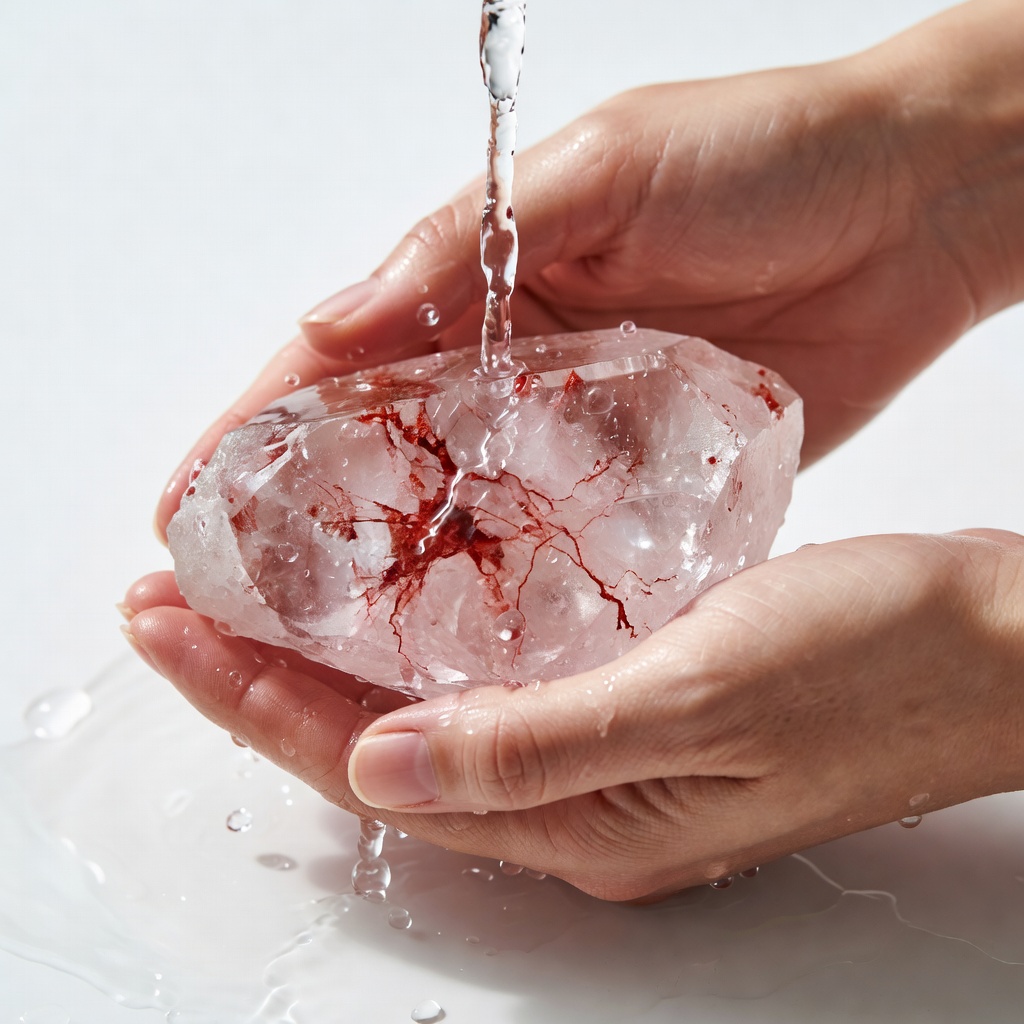
Understanding Strawberry Quartz Properties
Strawberry quartz represents a fascinating variety of crystalline silicon dioxide distinguished by its delicate pink to reddish hue caused by iron oxide inclusions, specifically hematite or lepidocrocite needles suspended within the crystal matrix. These microscopic mineral inclusions create the characteristic strawberry-like appearance that makes this gemstone highly sought after for both jewelry and metaphysical applications. Unlike pure clear quartz, strawberry quartz possesses unique internal structures that require specific knowledge regarding its physical limitations and vulnerabilities to maintain its beauty over decades of ownership.
Composition and Formation Characteristics
The distinctive coloration of strawberry quartz emerges from iron-rich minerals trapped during the crystal's formation deep within geological deposits, creating internal planes and fracture networks that differ from pure quartz varieties. These natural inclusions, while creating the stone's aesthetic appeal, also introduce potential weak points within the crystalline structure that can affect durability under stress. Understanding that strawberry quartz properties include both the hardness of quartz and the fragility of its included minerals helps owners appreciate why gentle handling protocols are essential for preservation.
Hardness and Durability Factors
Ranking seven on the Mohs hardness scale, strawberry quartz demonstrates respectable resistance to surface scratching from everyday dust and debris, yet this rating can be misleading regarding overall toughness. The stone exhibits a conchoidal fracture pattern typical of quartz family minerals, meaning it can chip or crack along curved surfaces when subjected to sharp impacts or pressure concentrations. While harder than many common materials like glass or steel files, strawberry quartz remains vulnerable to scratching from harder gemstones such as diamonds, rubies, and sapphires, necessitating careful storage practices.
Thermal and Chemical Sensitivities
Thermal shock presents a significant risk to strawberry quartz due to differential expansion rates between the quartz matrix and iron oxide inclusions when exposed to rapid temperature changes. Sudden shifts from hot to cold environments can cause internal fracturing or exacerbation of existing inclusions, potentially leading to visible cracks or structural failure. Additionally, the iron compounds within strawberry quartz can react with acids, harsh cleaning agents, and prolonged exposure to chlorine, potentially altering the stone's color or damaging its surface integrity.
Daily Handling and Maintenance
Implementing consistent strawberry quartz maintenance routines begins with understanding how everyday activities and environmental factors impact the stone's condition over time. Regular handling without proper precautions transfers skin oils, cosmetic residues, and environmental pollutants onto the crystal surface, gradually diminishing its natural luster and creating a film that masks the stone's internal fire. Establishing mindful handling habits ensures that your strawberry quartz jewelry care routine becomes second nature while preserving both the aesthetic and energetic qualities of your crystals.
Pre-Handling Preparation Protocols
Always wash your hands thoroughly with mild soap and dry them completely before touching strawberry quartz to minimize oil transfer that can accumulate in surface crevices and setting details. Lotions, perfumes, and natural skin acidity can etch or cloud the stone's surface over time, particularly affecting polished cabochons and faceted gemstones worn in rings or bracelets. When examining your strawberry quartz, handle it by the edges or metal settings rather than touching the stone surface directly whenever possible to maintain optimal clarity.
Activity-Based Removal Guidelines
Remove strawberry quartz jewelry before engaging in physical activities, household cleaning, or any task involving potential impact against hard surfaces to prevent chipping or setting damage. Swimming pools contain chlorine that can react with iron inclusions, while ocean saltwater poses specific risks of crystallization within microscopic fractures during evaporation. Showering with strawberry quartz exposes the stone to soap scum buildup and sudden temperature changes from hot water to cooler air, compromising both the crystal and its mounting over time.
Routine Inspection Procedures
Conduct weekly visual inspections of strawberry quartz jewelry using a jeweler's loupe or magnifying glass to identify early signs of loose prongs, surface scratches, or chips before they develop into catastrophic failures. Check for cloudiness or discoloration that might indicate chemical damage or residue accumulation requiring immediate attention. For loose crystals and specimens, examine termination points and edges for fresh damage indicators, storing any compromised pieces separately until professional assessment confirms their stability.
Safe Physical Cleaning Methods
Learning how to clean strawberry quartz properly ensures the removal of accumulated grime without compromising the stone's structural integrity or beautiful coloration. The safest approach relies on gentle mechanical cleaning using readily available household materials rather than specialized equipment or harsh chemical formulations. By following specific protocols regarding water temperature, soap selection, and drying techniques, you can maintain your strawberry quartz's brilliance while avoiding common cleaning pitfalls that damage lesser-known gemstones.
The Gentle Soap and Water Technique
Prepare a cleaning solution using lukewarm distilled water mixed with one drop of mild, phosphate-free dish soap to avoid mineral deposits from tap water that might leave residue in surface imperfections. Submerge your strawberry quartz briefly for no more than two to three minutes, gently agitating the water to loosen surface oils and particulate matter without scrubbing aggressively. Distilled water prevents calcium and magnesium deposits common in hard water supplies, ensuring that your cleaning process does not inadvertently create new aesthetic issues while solving existing ones.
Brushing Techniques for Detailed Cleaning
Utilize a soft-bristled baby toothbrush or specialized jewelry brush with natural sable or nylon bristles to access intricate settings, carved details, or natural crevices where debris accumulates. Work in gentle circular motions around the stone's surface, paying particular attention to the underside of mounted gems where soap and skin cells typically concentrate. Avoid electric toothbrushes or stiff bristles that might scratch the surface or loosen settings, instead relying on manual pressure sufficient to dislodge dirt without mechanical abrasion.
Proper Rinsing and Drying Protocols
Rinse strawberry quartz thoroughly under lukewarm running water, ensuring all soap residue disappears to prevent the cloudy film that develops when cleaning agents dry on mineral surfaces. Pat the stone dry immediately using a lint-free microfiber cloth or chamois leather specifically designated for jewelry care, avoiding paper towels that contain wood fibers capable of scratching quartz. Allow the piece to air dry completely on a soft towel for several hours before storage, ensuring no moisture remains trapped in setting crevices that could promote tarnishing in metal components.
Cleaning Methods to Avoid
While strawberry quartz care and cleaning might seem straightforward, several popular cleaning methods marketed for general jewelry maintenance pose specific dangers to this included quartz variety. Understanding what not to use on strawberry quartz proves equally important as knowing proper techniques, as irreversible damage can occur within seconds of exposure to inappropriate cleaning systems. Protecting your investment requires vigilance against well-intentioned but potentially destructive cleaning shortcuts recommended for harder or less included gemstones.
Dangers of Ultrasonic Cleaning
Never subject strawberry quartz to ultrasonic cleaners, as the high-frequency vibrations create cavitation bubbles that expand existing internal fractures and stress points around iron oxide inclusions. The rapid vibration can cause previously stable inclusions to shift or expand, potentially creating visible cracks that reach the surface or causing the stone to shatter completely during the cleaning cycle. Even professional-grade ultrasonic equipment poses unacceptable risks for strawberry quartz, regardless of the stone's apparent structural integrity before cleaning.
Steam and Thermal Shock Risks
Steam cleaning devices deliver intense heat followed by rapid cooling that induces thermal shock, causing differential expansion between the quartz matrix and included minerals that results in internal fracturing. The concentrated moisture and pressure can also loosen jewelry settings, creating risks of stone loss during or after the cleaning process. Professional jewelers typically avoid steam cleaning for included quartzes, recognizing that the potential for invisible damage outweighs any cleaning benefits achieved.
Chemical Cleaners and Abrasive Agents
Avoid commercial jewelry dips containing ammonia, bleach, or acids, as these chemicals can react with iron oxide inclusions to alter the strawberry quartz's distinctive color or etch the surface. Abrasive cleaners, toothpaste, baking soda pastes, and scouring powders remove material through mechanical abrasion, creating microscopic scratches that dull the polish and provide new sites for dirt accumulation. Alcohol-based cleaners and acetone may dry out natural microfractures or damage certain types of treatments applied to enhance the stone's color.
Spiritual Cleansing vs. Physical Cleaning
Distinguishing between strawberry quartz cleansing for energetic purposes and physical cleaning for material maintenance helps practitioners care for their crystals on multiple levels simultaneously. While physical cleaning removes environmental contaminants and biological residues, spiritual cleansing addresses the subtle energetic imprints that crystals absorb during healing work, meditation, or daily wear. Implementing both maintenance types ensures your strawberry quartz remains both visually stunning and metaphysically vibrant.
Moonlight Charging Techniques
Place strawberry quartz on a windowsill or outdoor surface during the full moon, allowing lunar energy to cleanse accumulated vibrations without risking the thermal damage associated with sunlight exposure. Leave the stone overnight to absorb feminine, receptive energies that many practitioners believe reset the crystal's metaphysical programming, retrieving it before dawn to avoid harsh morning sunlight. This method proves particularly effective for jewelry pieces worn daily, as the moonlight works gently without affecting metal settings or requiring disassembly of complex pieces.
Smudging and Sacred Smoke Methods
Pass strawberry quartz through the smoke of burning white sage, palo santo, or sandalwood to cleanse energetic imprints while simultaneously enjoying the antimicrobial properties of these sacred herbs. Use a feather or your hand to direct smoke around all surfaces of the stone, setting clear intentions for release of previous energies while the smoke carries away stagnant vibrations. Ensure proper ventilation during indoor smudging and allow the stone to rest on a natural surface like wood or cotton for thirty minutes after smoking to complete the energetic reset.
Crystal and Sound Therapy Clearing
Rest strawberry quartz on a selenite charging plate for twenty-four hours to allow the self-cleansing properties of selenite to clear accumulated energies without physical contact risks. Alternatively, place the stone near a Tibetan singing bowl, tuning fork, or crystal singing bowl while playing sustained tones that vibrate at frequencies believed to disrupt energetic stagnation. Sound cleansing proves particularly effective for delicate jewelry settings where physical handling poses mechanical risks, as the vibrations travel through air without stressing prongs or mountings.
Water Safety Considerations
Understanding whether strawberry quartz water safe protocols exist requires examining both short-term cleaning exposure and long-term soaking risks that affect included quartz varieties differently than pure crystals. While brief contact with water for cleaning purposes remains acceptable, prolonged immersion introduces complications related to the stone's internal fracture networks and chemical composition. Establishing clear guidelines for water exposure protects your strawberry quartz from common hydration-related damage patterns.
Acceptable Water Exposure Guidelines
Brief rinsing under lukewarm water for cleaning purposes poses minimal risk to strawberry quartz provided the exposure remains under three minutes and uses neutral pH water without chemical additives. Quick dips for cleansing rituals or physical washing remove surface contaminants effectively without allowing water penetration into microscopic fractures where mineral deposits might accumulate. Always ensure the water temperature remains moderate, avoiding hot water that could cause thermal expansion stress within the crystal structure.
Prolonged Soaking Risks
Extended immersion in water, particularly when exploring whether strawberry quartz can get wet for crystal charging purposes, allows water molecules to penetrate internal fractures and inclusion sites where evaporation leaves behind mineral deposits. These deposits create whitish clouding that proves difficult to remove without professional intervention and may permanently alter the stone's transparency. Additionally, water exposure can weaken certain types of fracture-fill treatments or color enhancements sometimes applied to commercial strawberry quartz, leading to deterioration of appearance over time.
Salt Water and Ocean Exposure
Never use salt water to cleanse strawberry quartz, as sodium chloride crystals forming within surface imperfections and fractures create crystallization pressure that expands cracks and causes surface pitting. Ocean water combines salt corrosion with sand particulates that scratch the surface, while the constant motion of waves risks physical impact damage against harder minerals. If accidental salt water exposure occurs, rinse immediately with fresh distilled water and dry thoroughly to minimize crystallization damage.
Proper Storage Solutions
Implementing effective storing strawberry quartz strategies prevents the majority of damage types including scratches, chips, and color fading that occur when crystals contact inappropriate materials or environments. Proper storage extends beyond simple placement in a jewelry box to encompass environmental controls, organizational systems, and protective barriers that maintain the stone's condition during periods of non-use. Investing in appropriate storage materials protects both loose specimens and mounted jewelry from preventable deterioration.
Individual Storage Systems
Store each piece of strawberry quartz in individual soft cloth pouches made from silk, velvet, or microfiber to prevent contact with harder materials that might scratch the surface. Drawstring bags provide excellent protection while allowing the stone to breathe, avoiding plastic bags that trap moisture and promote condensation. For display pieces, fabric-lined boxes with individual compartments prevent accidental contact between specimens while protecting from household dust accumulation.
Separation from Harder Gemstones
Maintain strict separation between strawberry quartz and gemstones ranking higher on the Mohs scale, particularly diamonds, rubies, sapphires, and topaz, which can scratch the seven-rated quartz surface during casual contact. Even storage in the same jewelry box without individual wrapping risks abrasion damage as pieces shift during drawer opening or transportation. Organize your collection by hardness ratings, keeping strawberry quartz with other seven-rated stones like amethyst or citrine while isolating harder materials in separate containers.
Environmental Control Factors
Position strawberry quartz storage away from direct sunlight exposure, as ultraviolet radiation gradually fades the iron oxide color centers responsible for the stone's pink-red appearance. Avoid storing near heating vents, radiators, or exterior walls where temperature fluctuations cause expansion and contraction stress within the crystal lattice. Maintain moderate humidity levels between forty and sixty percent to prevent drying of any natural internal moisture or conversely, condensation that might promote oxidation of metal inclusions.
Caring for Strawberry Quartz Jewelry
Strawberry quartz jewelry care requires additional considerations beyond loose specimens due to the presence of metal settings, chains, and clasps that introduce different maintenance requirements and vulnerabilities. Rings, necklaces, and bracelets face distinct wear patterns based on their contact with surfaces and exposure to environmental factors during daily activities. Tailoring your maintenance approach to specific jewelry types ensures comprehensive protection for both the gemstone and its mounting.
Professional Maintenance Schedules
Schedule professional cleaning and inspection for strawberry quartz rings every six months, as these high-wear items experience the most mechanical stress and setting loosening over time. Jewelers possess steam-free ultrasonic alternatives and compressed air systems that safely remove buildup from intricate settings without damaging the included quartz. Complex settings featuring multiple small stones or antique mountings require specialized care that balances stone safety with aesthetic restoration.
Protecting Metal Components
When cleaning strawberry quartz jewelry, protect metal settings by avoiding prolonged exposure to water that might promote tarnishing in silver or loosen adhesives in certain mounting styles. Use cotton swabs to clean around prongs and under bezels where polishing compounds and skin oils accumulate without soaking the entire piece unnecessarily. For gold-plated or silver-plated settings, limit cleaning frequency to prevent wearing away the thin precious metal layers while maintaining the stone's brilliance.
Specific Care by Jewelry Type
Remove strawberry quartz rings before manual labor, weightlifting, or kitchen work to prevent impact against countertops and equipment that commonly causes chipping. For necklaces, check chain integrity regularly as the weight of quartz pendants can stress jump rings and clasps over time, risking loss of the stone. Bracelets require particular attention to clasp security and protection from desk surfaces during computer work, as repetitive contact creates abrasion patterns on the stone's surface.
Troubleshooting Common Issues
Even with diligent strawberry quartz care and cleaning protocols, occasional issues develop that require specific remediation techniques to restore the stone's appearance. Recognizing the difference between superficial residue and structural damage helps owners determine appropriate home remedies versus professional intervention requirements. Addressing problems promptly prevents minor concerns from developing into irreversible damage that compromises the crystal's value and beauty.
Resolving Cloudiness and Residue
Cloudiness in strawberry quartz typically results from soap film, skin oil accumulation, or hard water mineral deposits rather than internal deterioration, though both possibilities require assessment. Soak the stone in distilled water for ten minutes to dissolve soluble deposits, followed by gentle brushing with mild soap to remove organic residues that create surface haze. For persistent cloudiness, briefly wipe with isopropyl alcohol on a cotton pad to cut through oily films, ensuring immediate drying to prevent alcohol from entering fractures.
Managing Surface Imperfections
Minor surface scratches on strawberry quartz require professional repolishing using diamond abrasives and buffing compounds available only to gemologists and lapidaries. Do not attempt DIY polishing with consumer-grade compounds, as improper technique can create flat spots, alter facet angles, or generate heat that damages inclusions. For rough or tumbled specimens, minor pitting often remains part of the stone's character, while faceted stones demand professional attention to restore optical performance.
When to Seek Professional Help
Consult a certified gemologist or experienced lapidary when strawberry quartz develops visible cracks, significant chips, or loose settings that threaten stone security. Professional evaluation determines whether stabilization treatments, repolishing, or setting repairs can restore the piece safely. Attempting home repairs with glues, drills, or aggressive cleaning on damaged stones often exacerbates problems, making professional consultation the wisest course when structural integrity questions arise.
Frequently Asked Questions
Can strawberry quartz go in water?
Yes, strawberry quartz can briefly touch water for cleaning purposes, but prolonged soaking is not recommended as it may compromise the stone's structural integrity. Extended water exposure allows moisture to penetrate internal fractures and inclusion sites where evaporation leaves mineral deposits that create permanent clouding. Always dry the crystal immediately using a soft microfiber cloth after water contact to prevent water spots and minimize the risk of moisture-related damage to both the stone and any accompanying metal settings.
How do you physically clean strawberry quartz?
Clean strawberry quartz using lukewarm distilled water mixed with a single drop of mild phosphate-free dish soap to avoid chemical interactions with iron inclusions. Gently scrub the surface with a soft-bristled baby toothbrush, working carefully around settings and crevices where debris accumulates, then rinse thoroughly to eliminate all soap residue. Pat the stone completely dry with a lint-free microfiber cloth, avoiding paper towels that contain abrasive wood fibers, and allow it to air dry fully before storage to prevent moisture retention.
Is it safe to leave strawberry quartz in sunlight?
No, prolonged direct sunlight exposure can fade the pink-red coloration of strawberry quartz over time as ultraviolet radiation affects the iron oxide color centers responsible for the stone's distinctive appearance. Store your crystal in a dark place, jewelry box, or drawer when not in use, and limit sun exposure to brief periods of fifteen minutes or less if using sunlight for energy cleansing purposes. Consider moonlight or indoor smudging alternatives for spiritual cleansing to preserve the vibrant color that makes strawberry quartz desirable while still maintaining energetic hygiene.
Can I use salt to cleanse my strawberry quartz?
Dry salt methods are generally safe for energy cleansing when the salt does not contact the stone directly, such as placing the crystal near a bowl of salt or using salt lamps in the vicinity. Never use salt water solutions or bury strawberry quartz directly in salt, as sodium chloride can corrode the stone's surface, seep into microscopic fractures, and create crystallization pressure that expands internal cracks. If accidental salt contact occurs, rinse immediately with fresh distilled water and dry thoroughly to prevent the salt crystals from forming damaging deposits within the quartz structure.
How often should I clean my strawberry quartz?
For physical cleaning, wash your strawberry quartz every two to four weeks if worn regularly, or whenever visible dirt, oil, or cloudiness appears on the surface. For energy cleansing, metaphysical practitioners recommend cleansing after intense energy work, healing sessions, or monthly during full moons to clear accumulated vibrational imprints. Jewelry pieces worn daily against the skin require more frequent physical cleaning than display specimens, as skin oils and environmental pollutants accumulate faster on items in constant contact with the body.
Can I use an ultrasonic cleaner on strawberry quartz?
No, ultrasonic cleaners are unsafe for strawberry quartz due to the stone's internal inclusions and potential fracture networks that respond poorly to high-frequency vibration. The cavitation process creates microscopic bubbles that expand existing fractures or loosen iron oxide inclusions, potentially causing the stone to crack, shatter, or lose structural integrity during what should be a cleaning process. Even professional jewelers typically avoid ultrasonic cleaning for included quartzes, recommending instead gentle manual cleaning methods that preserve both the stone and its settings.
How should I store strawberry quartz to prevent damage?
Store strawberry quartz in individual soft cloth pouches made from silk, velvet, or microfiber, or place in lined jewelry boxes with separate compartments that prevent contact with harder gemstones. Keep the stone away from direct sunlight, extreme temperatures, and humid environments to preserve both color and structural integrity over time. Ensure storage locations avoid proximity to diamonds, sapphires, rubies, or other stones ranking above seven on the Mohs hardness scale, as these materials can scratch the quartz surface during casual contact.
Why is my strawberry quartz becoming cloudy?
Cloudiness in strawberry quartz usually results from soap residue buildup, accumulated skin oils, or hard water mineral deposits left behind after improper rinsing or prolonged water exposure. Soak the stone briefly in distilled water to dissolve mineral deposits, then clean thoroughly with mild soap followed by complete rinsing to eliminate residue that creates surface haze. Avoid touching the stone with bare fingers immediately after cleaning, as natural skin oils quickly reaccumulate on the freshly cleaned surface, and consider using cotton gloves when handling display specimens to maintain optimal clarity.


