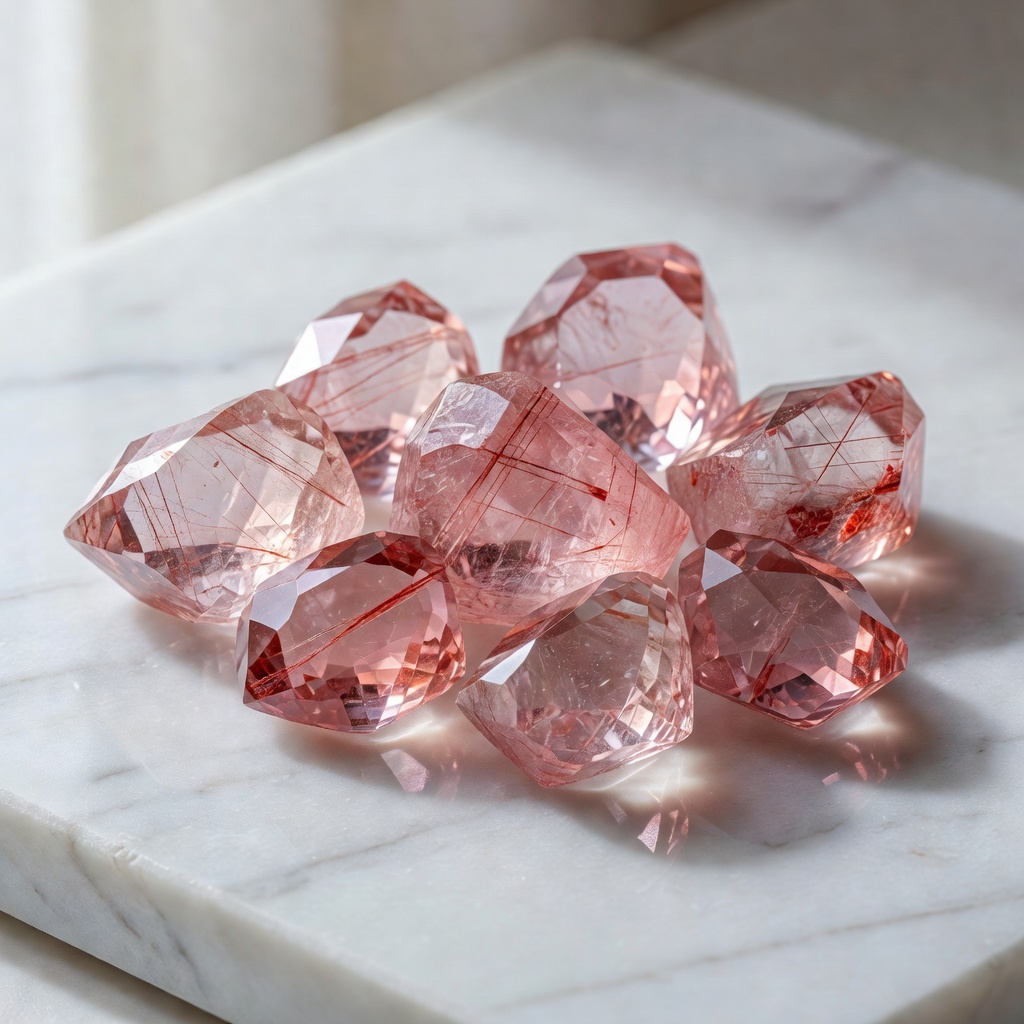
Introduction to Strawberry Quartz
Welcome to the definitive Strawberry Quartz Buying Guide, your comprehensive resource for understanding one of the gemstone world's most enchanting pink varieties. Strawberry quartz represents a captivating member of the quartz family, distinguished by its delicate pink to deep red coloration that resembles the seeds and flesh of its namesake fruit. This pink quartz crystal has experienced a remarkable surge in popularity over the past decade, captivating both crystal healing enthusiasts who value its purported emotional balancing properties and fine jewelry collectors seeking unique alternatives to traditional pink gemstones like tourmaline or morganite. Whether you are a first-time buyer looking for an affordable entry piece or a seasoned collector hunting for museum-quality specimens from Russian deposits, this guide will equip you with the knowledge necessary to make informed purchasing decisions, avoid common market pitfalls, and select stones that offer genuine beauty and lasting value.
Understanding Strawberry Quartz Properties
Before investing in this gemstone, understanding its fundamental geological characteristics helps distinguish exceptional pieces from mediocre offerings. Natural strawberry quartz consists primarily of silicon dioxide (SiO2), the same mineral composition as clear quartz, but contains microscopic inclusions of iron oxide, lepidolite mica, or hematite that create its distinctive reddish-pink hue. These inclusions scatter light within the crystal structure, producing a phenomenon where the stone appears to glow from within with strawberry-like speckles or cloud patterns. The color spectrum ranges dramatically from pale ballet slipper pink suitable for delicate jewelry designs to intense scarlet-red specimens that command premium prices in the collector's market. Major mining operations for genuine strawberry quartz concentrate in Russia's Ural Mountains, Kazakhstan's steppe regions, and select deposits in Brazil's Minas Gerais state, with Russian material particularly prized for its exceptional clarity and intense color saturation due to specific geological conditions present during formation.
Natural vs. Treated: Spotting Authentic Stones
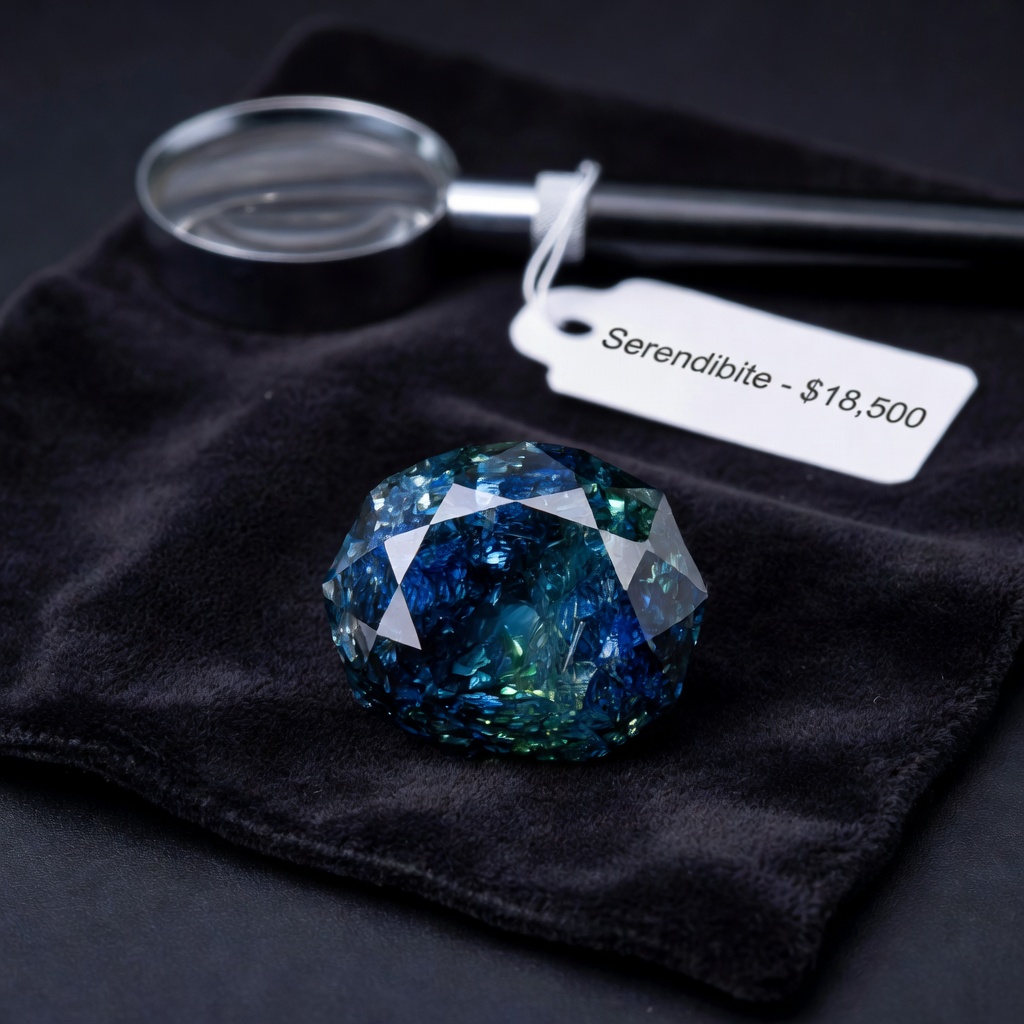
The gemstone market unfortunately contains numerous treated or synthetic imitations masquerading as natural strawberry quartz, making authentication skills essential for protecting your investment. Visual inspection reveals that dyed quartz typically displays unnaturally uniform color concentration, often pooling within surface-reaching fractures or appearing only on the exterior of the stone rather than throughout its interior structure. Common enhancement techniques include dyeing clear quartz with pink or red aniline dyes, heat-treating amethyst to create false "strawberry" coloration, or creating glass composites that lack the natural crystalline structure of authentic strawberry quartz. When examining potential purchases, look for natural zoning patterns where color intensity varies slightly throughout the stone, and examine the specimen under magnification to identify the characteristic lepidolite flakes or iron oxide flecks that indicate genuine origin. Reputable sellers should always disclose any treatments or enhancements; if a dealer cannot provide clear documentation about a stone's natural status or offers prices significantly below market rates for claimed natural material, consider these major red flags indicating potential fraud.
Practical Authentication Tips
When shopping for high-value pieces, request to view the stone under different lighting conditions, as dyed materials often appear garish under fluorescent lighting while natural stones maintain subtle, complex color shifts. Additionally, natural strawberry quartz feels noticeably cool to the touch and demonstrates specific gravity between 2.65 and 2.66, characteristics that distinguish it from plastic imitations or glass simulants that feel warmer and lighter in the hand.
Quality Grading Factors to Evaluate
Evaluating strawberry quartz quality factors requires understanding the delicate balance between color intensity, clarity, and cut precision that determines both aesthetic appeal and monetary value. Premium specimens exhibit vivid, saturated pink-red color with uniform distribution of inclusions throughout the crystal rather than patchy or clustered concentrations that detract from visual harmony. Unlike diamonds where absolute clarity commands highest prices, strawberry quartz derives its identity from strategic inclusions, meaning collectors should seek stones where iron oxide or lepidolite particles create a pleasing, diffuse pattern resembling strawberry seeds rather than dense, muddy clouds that obstruct light transmission. Cut quality significantly impacts how these inclusions interact with light; master cutters orient the crystal to maximize the "glowing" effect while maintaining symmetrical proportions that showcase the stone's unique character. When assessing strawberry quartz value, examine the polish quality on the table and crown facets, as this soft stone (7 on the Mohs hardness scale) requires expert finishing to achieve the vitreous luster that distinguishes fine material from commercial-grade rough.
Strawberry Quartz Pricing Guide
Understanding current market pricing helps establish realistic budgets and prevents overpayment for misrepresented materials. Strawberry quartz price points vary dramatically based on origin, with commercial-grade Brazilian material typically ranging from $10 to $30 per carat for standard cabochons or lightly included faceted stones. Mid-tier specimens featuring good color saturation and minimal eye-visible inclusions command between $40 and $80 per carat, while exceptional Russian or Kazakh material with intense red coloration and exceptional transparency can exceed $150 per carat for large, clean specimens. Finished strawberry quartz jewelry incorporates additional costs including metalwork complexity, with sterling silver settings typically adding $50 to $200 to the base stone value, while 14k or 18k gold mountings with accent diamonds can push total piece prices into the $500 to $2,000 range depending on design intricacy. When considering strawberry quartz investment potential, prioritize loose, certified stones over mass-produced jewelry, as unmounted specimens offer greater liquidity and appreciation potential for rare, high-quality material from depleted mines.
Price Comparison Strategies
When comparing prices across vendors, calculate the per-carat rate rather than focusing on total price, as this reveals whether a 5-carat stone at $300 represents better value than a 3-carat stone at $180. Be particularly wary of "too good to be true" pricing on claimed natural Russian material, as genuine Ural Mountain strawberry quartz has become increasingly scarce, supporting premium pricing that rarely dips below $50 per carat even for smaller stones.
Where to Buy Strawberry Quartz Safely
Navigating the purchasing landscape requires distinguishing between legitimate strawberry quartz dealers and unscrupulous vendors who exploit the stone's popularity through misrepresentation. Established online gemstone retailers specializing in colored stones, such as those offering detailed photography, return policies, and gemological certifications, provide safer shopping experiences than general auction platforms where treated stones frequently appear without disclosure. Local brick-and-mortar jewelry stores offer the advantage of physical inspection but may carry limited inventory or inflated retail markups, while specialty crystal shops often stock interesting specimens but may lack gemological expertise to verify natural versus treated status. When evaluating potential sellers, verify their membership in professional organizations like the American Gem Trade Association (AGTA) or International Colored Gemstone Association (ICA), as these memberships require ethical disclosure standards regarding treatments. Red flags include sellers who refuse to provide origin information, offer "wholesale" prices significantly below market rates, or use vague terminology like "strawberry quartz-like" or "natural-style" rather than explicitly stating the material's genuine, untreated status.
Certification and Authentication
Securing proper documentation protects both the financial and collector value of your genuine strawberry quartz acquisitions. Reputable gemological laboratories such as GIA (Gemological Institute of America), AGL (American Gemological Laboratories), or GRS (GemResearch Swisslab) can provide certificates verifying whether your stone is natural, treated, or synthetic, though certification costs typically range from $50 to $200 depending on stone value and testing complexity. For mid-range purchases where full laboratory reports prove cost-prohibitive, request seller-provided documentation including origin statements and treatment disclosures in writing, as verbal guarantees provide no legal recourse if problems arise later. DIY home testing offers preliminary screening capabilities; the specific gravity test using a precise scale and water displacement method can help distinguish quartz (2.65 SG) from glass imitations (2.5 SG) or plastic (1.05-1.55 SG), while a standard hardness test using a steel knife (5.5 hardness) should not scratch genuine quartz (7 hardness). For high-value strawberry quartz certification requirements, insist on reports that specifically identify inclusion types (confirming iron oxide or lepidolite presence) and geographic origin when possible, as Russian provenance significantly impacts collector desirability and resale value.
Selecting Strawberry Quartz Jewelry
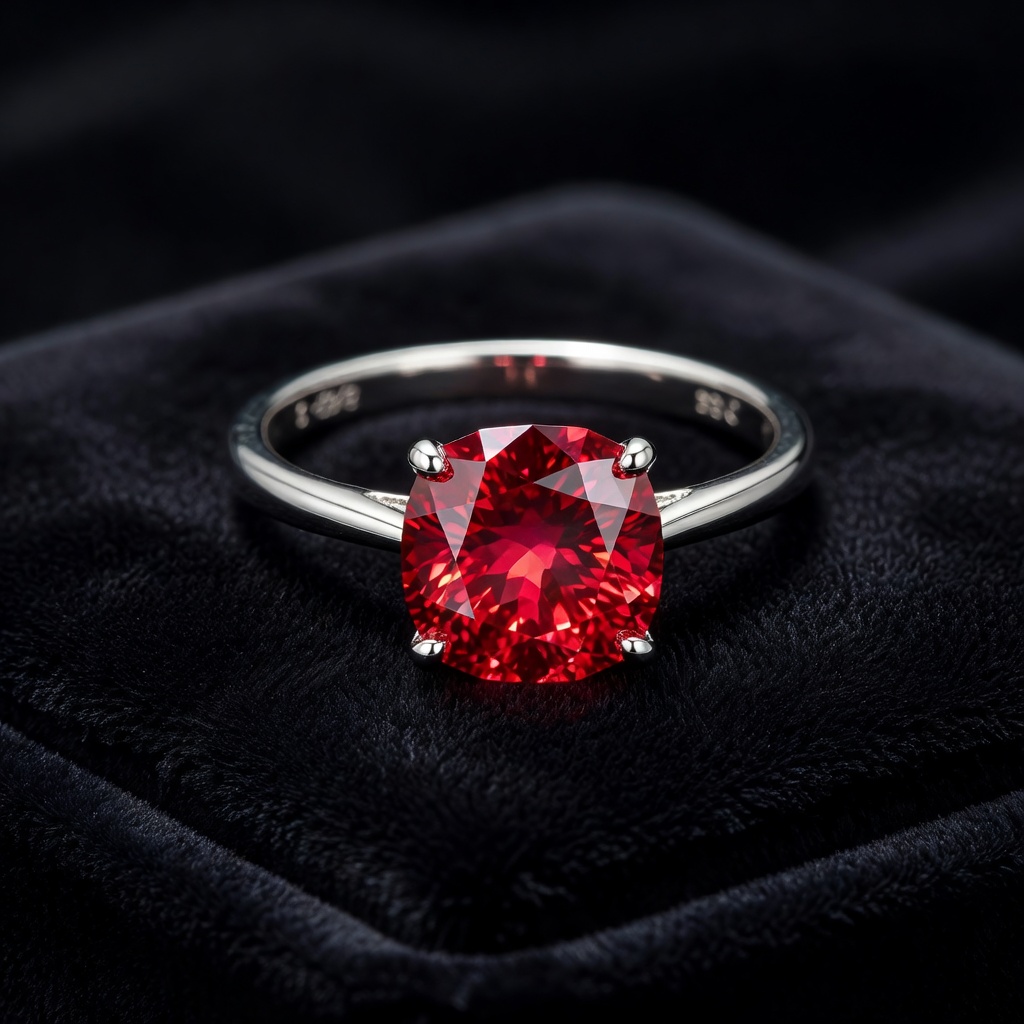
Choosing appropriate settings for strawberry quartz jewelry requires balancing aesthetic presentation with protective engineering due to the stone's moderate hardness and distinct cleavage properties. Protective setting styles like bezels, half-bezels, or flush mountings prove superior to exposed prong settings for daily wear pieces, as these designs shield the gemstone's edges from impact damage while complementing the stone's organic, feminine color palette. When selecting strawberry quartz ring designs specifically, consider reserve or cocktail styles intended for occasional wear rather than engagement-ring settings that subject the stone to constant impact; if daily wear remains essential, choose low-profile designs where the stone sits close to the finger, protected by the metal mounting. Complementary metal choices significantly impact the final appearance, with rose gold enhancing the warm pink tones for a monochromatic romantic effect, while white gold or platinum provide striking contrast that makes the red-pink coloration appear more vivid. Yellow gold settings offer vintage appeal that pairs beautifully with antique-inspired designs featuring milgrain detailing or filigree work, particularly effective for Victorian or Art Deco reproduction pieces showcasing this historically appreciated gemstone.
Durability Considerations by Jewelry Type
Pendants and earrings present ideal applications for strawberry quartz, as these settings protect the stone from the impact risks inherent in hand jewelry while maximizing visibility near the face where the pink coloration complements skin tones. Bracelets require particular caution, as the lateral impact risks during daily activities make them unsuitable for large, exposed strawberry quartz cabochons unless specifically designed as occasional wear statement pieces.
Care and Maintenance Best Practices
Proper maintenance protocols ensure your strawberry quartz jewelry retains its lustrous beauty and structural integrity across decades of enjoyment. Safe cleaning methods involve soaking the piece in warm water mixed with mild dish soap for 15-20 minutes, followed by gentle scrubbing using a soft-bristled toothbrush to remove accumulated oils and debris from behind the stone and within setting crevices. Avoid ultrasonic cleaners and steam cleaning devices, as the vibrations and thermal shock can exacerbate existing fractures or loosen stones from their mountings, particularly risky for included materials like strawberry quartz. Storage recommendations emphasize individual soft pouches or compartmentalized jewelry boxes that prevent contact with harder gemstones like diamonds (10 hardness), sapphires (9), or even other quartz varieties that might scratch the surface during storage. For valuable pieces, establish professional maintenance schedules involving annual inspections by a qualified jeweler who can check for loose prongs, worn settings, or developing fractures before they result in stone loss. Always remove strawberry quartz jewelry before swimming in chlorinated pools, applying perfumes or lotions, or engaging in household cleaning, as chemical exposure can dull the polish or potentially affect any undisclosed treatments present in lower-quality material.
Investment Potential and Collection Tips
For collectors considering strawberry quartz investment opportunities, understanding rarity factors helps identify specimens likely to appreciate rather than merely decorate. The depletion of premium Russian deposits has created genuine scarcity for intense red material with Ural Mountain provenance, suggesting that documented natural specimens from this region offer stronger appreciation potential than more abundant Brazilian material. Building a diverse collection should involve acquiring various color intensities—from pale pink "milky" specimens to deep red "cherry" varieties—along with different cutting styles that demonstrate the material's versatility, including cabochons that highlight inclusion patterns and faceted stones that maximize brilliance. Monitor market trends indicating growing demand among Asian collectors specifically seeking Russian material, a demographic shift that has driven prices for top-tier specimens upward by 15-20% annually in recent years. When assessing strawberry quartz value for investment purposes, prioritize untreated stones over 5 carats with exceptional clarity and documented Russian origin, as these pieces represent the sweet spot between liquidity and appreciation potential in the current collector marketplace.
Frequently Asked Questions About Strawberry Quartz
What exactly is strawberry quartz and how is it formed?
Strawberry quartz is a rare variety of quartz containing iron oxide, lepidolite, or hematite inclusions that create its characteristic pink to red color. It forms naturally when these mineral inclusions become trapped within the quartz crystal during its geological formation deep within the earth.
How can I tell if my strawberry quartz is real or fake?
Authentic strawberry quartz displays natural inclusions that appear as flecks or clouds within the stone rather than surface dyes. Real stones feel cool to the touch, have natural variations in color distribution, and won't show concentrated color in cracks. Requesting a gemological certificate is the most reliable verification method.
What is the average price range for strawberry quartz?
Strawberry quartz typically ranges from $10 to $100 per carat for standard qualities, with exceptional specimens featuring intense color and high clarity commanding $150+ per carat. Finished jewelry pieces vary widely based on metal quality and craftsmanship, ranging from $50 for silver settings to $500+ for gold designs.
What is the difference between strawberry quartz and rose quartz?
While both are pink quartz varieties, strawberry quartz contains visible mineral inclusions (iron oxide or lepidolite) creating deeper red-pink tones and often translucent clarity. Rose quartz is typically cloudier with a softer, uniform pink color caused by titanium, manganese, or dumortierite inclusions without the distinct speckled appearance.
Is strawberry quartz typically treated or dyed?
Unfortunately, much strawberry quartz on the market is actually dyed clear quartz or glass. Natural strawberry quartz is relatively rare, so buyers should be cautious of unusually low prices or overly uniform color. Always purchase from reputable dealers who explicitly state whether stones are natural or treated.
Where does natural strawberry quartz come from?
The finest natural strawberry quartz primarily originates from Russia's Ural Mountains and Kazakhstan. Additional sources include Brazil, Madagascar, and South Africa. Russian material is particularly prized for its intense strawberry-red coloration and clarity, often commanding premium prices in the gemstone market.
How do I clean and care for strawberry quartz jewelry?
Clean strawberry quartz using warm water, mild soap, and a soft brush. Avoid ultrasonic cleaners, steam cleaning, and harsh chemicals. Store separately from harder gemstones to prevent scratching (quartz ranks 7 on the Mohs scale). Remove jewelry before physical activities, swimming, or applying lotions and perfumes.
Is strawberry quartz durable enough for daily wear?
With a hardness of 7 on the Mohs scale, strawberry quartz is moderately durable but requires protection from hard knocks and scratches. While suitable for daily wear in pendants and earrings, rings should be worn with care or reserved for occasional use. Protective settings like bezels help minimize damage risks.