Introduction to Star Sapphires and Their Unique Care Needs
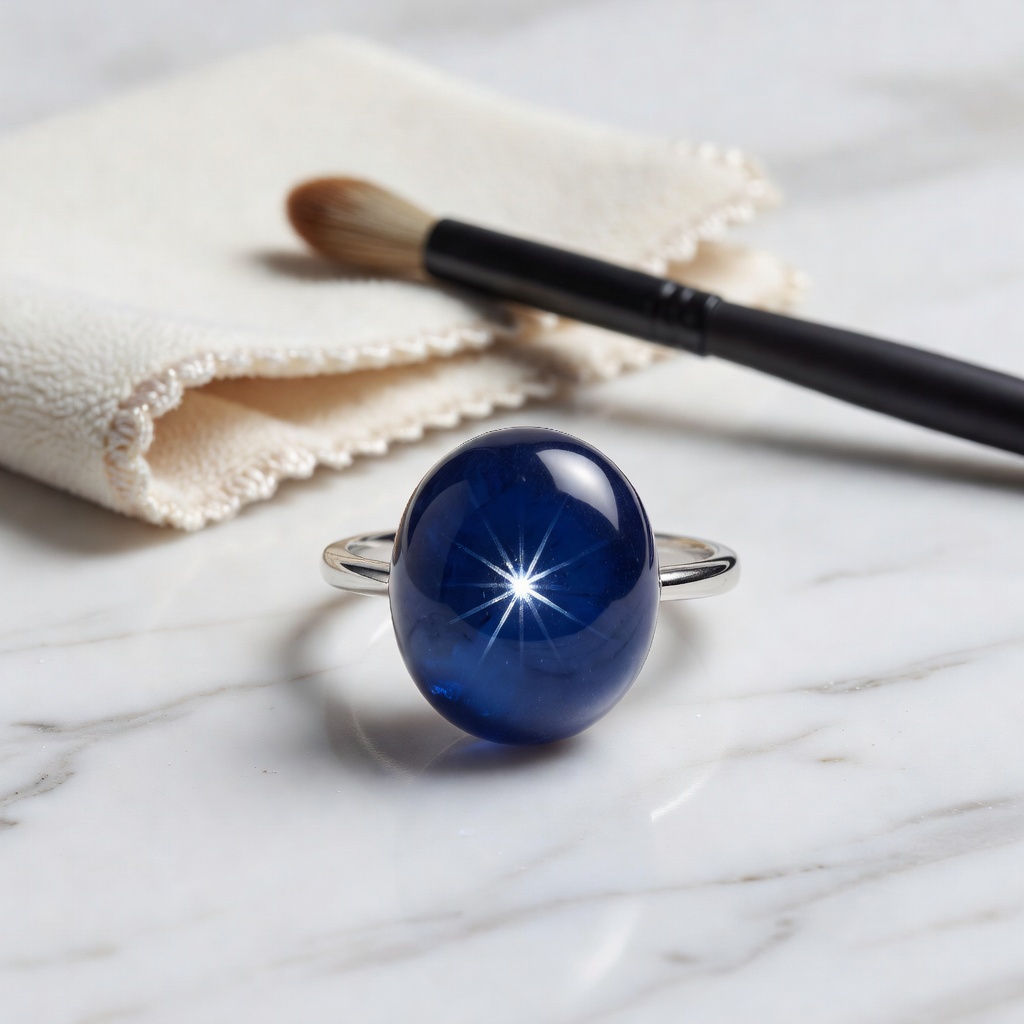
Star sapphires rank among nature's most captivating optical phenomena, displaying a mesmerizing six-rayed star that seems to glide across the stone's surface as it moves. This extraordinary effect, known as asterism, occurs when microscopic rutile needles align within the corundum crystal structure, reflecting light in a perfect star pattern. Unlike their faceted counterparts that dazzle through brilliant cuts and facets, star sapphires require specialized attention to preserve their unique optical properties. Understanding the delicate balance between the stone's impressive hardness and its internal structural vulnerabilities forms the foundation of proper Star Sapphire Care and Cleaning protocols.
The cabochon cut essential to displaying asterism creates specific maintenance challenges that gem owners must recognize. While faceted gemstones can often hide minor surface imperfections within their complex geometry, the smooth, domed surface of a star sapphire acts like a canvas where every scratch, film, or residue becomes immediately visible and can obscure the star effect. Professional gemologists note that improper cleaning techniques account for nearly forty percent of diminished asterism visibility in vintage pieces, making education about appropriate maintenance methods crucial for preserving both beauty and value.
Understanding Star Sapphire Properties and Durability
The Mohs Hardness Scale and Daily Wear Considerations
Star sapphires register an impressive 9 on the Mohs hardness scale, placing them second only to diamonds in terms of natural mineral hardness. This exceptional durability makes them suitable for daily wear in rings, pendants, and bracelets, resisting scratches from most common materials encountered in everyday life. However, this hardness rating primarily applies to the crystalline structure's resistance to scratching rather than its immunity to chipping, cleaving, or internal fracture. Star sapphire durability depends significantly on the quality of the specific stone, as heavily included specimens containing dense concentrations of rutile needles may develop internal stress points that compromise structural integrity under impact.
Internal Structure and Vulnerability Factors
The very inclusions that create the coveted star effect introduce unique vulnerabilities distinct from clean, faceted sapphires. Rutile needles, while creating spectacular optical effects, can act as planes of weakness within the crystal matrix, particularly when they run perpendicular to the stone's surface. Cabochon cuts differ fundamentally from faceted stones because they lack the protective beveled edges and geometric dispersal of force that faceting provides. When a faceted gemstone receives impact, the angled surfaces help deflect energy, whereas the rounded dome of a cabochon concentrates force at the point of contact, increasing the risk of internal fracturing or loosening within the setting.
Daily Wear Guidelines and Precautionary Measures
Activities Requiring Jewelry Removal
Star sapphire jewelry maintenance begins with recognizing situations that pose risks beyond the stone's hardness rating. Gardening presents particular dangers as soil contains silica particles capable of scratching even corundum, while the pressure of gripping tools can transfer torque to the setting. Sports activities, especially those involving ball contact or weight equipment, create impact risks that could chip the cabochon's dome or bend prongs. Household cleaning tasks expose stones to chlorine bleach, ammonia, and abrasive scrubbing compounds that can etch the surface polish and dull the star's sharpness. Establishing a consistent routine of removing star sapphire rings before these activities significantly extends their pristine condition.
Cosmetics and Chemical Exposure Management
The interaction between star sapphires and personal care products creates gradual deterioration often overlooked by wearers. Lotions, sunscreens, and hand creams contain oils that adhere to the smooth cabochon surface, creating a film that diffuses light and reduces asterism visibility. Perfumes and hairsprays frequently contain alcohol and chemical solvents that can degrade certain treatments sometimes applied to star sapphires to enhance color or clarity. Best practices dictate putting on star sapphire jewelry last when dressing, after all cosmetics, perfumes, and hair products have been applied and allowed to dry completely. When removing rings, grasp the band rather than the stone itself to prevent transferring skin oils to the surface, and make this the first item removed when undressing.
Safe At-Home Cleaning Methods
The Warm Soapy Water Technique
Cleaning star sapphire rings at home requires gentleness and precision to avoid damaging the cabochon surface or setting integrity. Begin by filling a small bowl with warm water—not hot, as extreme temperature differentials can cause thermal shock—and add three to four drops of mild dish soap free from moisturizers or antibacterial agents. Submerge the jewelry for approximately five minutes to loosen accumulated oils and debris, particularly around the bezel or prongs where dirt commonly collects. This soaking period allows the surfactants to break down body oils and cosmetic residues without mechanical abrasion.
Brushing and Drying Protocols
After soaking, use a soft-bristled toothbrush reserved exclusively for jewelry cleaning, gently working around the setting to dislodge particles trapped between the stone and metal. Apply minimal pressure, allowing the bristles to do the work rather than force, and brush in circular motions following the contours of the cabochon dome. Pay particular attention to the underside of the stone, where skin contact deposits the most residue, as this area directly affects light transmission and star visibility. Rinse thoroughly under lukewarm running water, ensuring all soap residue washes away, as leftover film can create a hazy appearance that mimics surface damage. Pat dry immediately using a lint-free microfiber cloth, avoiding paper towels that may contain wood fibers capable of micro-scratching. Stand the piece upright to air dry completely before storage to prevent moisture trapping against the metal.
Professional Cleaning and When to Seek Expert Help
Avoiding Ultrasonic and Steam Cleaning Risks
Natural star sapphire cleaning requires avoiding two standard jewelry cleaning methods that pose significant risks to asterism. Ultrasonic cleaners generate high-frequency vibrations designed to shake loose dirt and debris, but these oscillations can cause rutile inclusions to shift or create micro-fractures within the stone's structure. Steam cleaning subjects gemstones to extreme heat and pressure changes that may expand existing inclusions or cause thermal shock in treated stones. Professional jewelers specializing in colored gemstones understand that star sapphires demand manual cleaning techniques using soft brushes and appropriate solvents that preserve the delicate balance of inclusions creating the star effect.
Annual Inspection and Maintenance Protocols
Schedule comprehensive professional evaluations annually, even if the piece appears pristine to the naked eye. Master jewelers examine prong integrity under magnification, checking for wear patterns that might allow the stone to loosen or rotate, which would misalign the star's orientation relative to the setting. They assess the cabochon surface for microscopic scratches that home polishing cannot address and can perform professional repolishing using diamond-impregnated compounds and felt wheels designed specifically for curved surfaces. This annual visit also provides opportunity for checking the girdle integrity, as chips in this area can propagate into larger fractures that threaten the stone's stability.
Proper Storage Solutions to Prevent Damage
Individual Storage Requirements
Star sapphire storage tips emphasize isolation from other jewelry pieces, particularly harder gemstones like diamonds, moissanite, and even other sapphires that could scratch the cabochon surface. Store each piece in individual soft fabric pouches made from silk, velvet, or microfiber, or utilize jewelry boxes with dedicated, lined compartments that prevent contact between items. The smooth, polished surface of a star sapphire is particularly susceptible to abrasion from metal settings, clasps, and sharp edges of other gemstones. For extensive collections, consider drawer organizers with padded slots that keep pieces separated while allowing air circulation to prevent moisture accumulation.
Environmental Controls and Travel Considerations
Maintain storage environments with stable humidity levels between forty-five and fifty-five percent, as excessive dryness can cause certain treatments to become brittle while high humidity promotes tarnishing in metal settings. Avoid storing star sapphires in direct sunlight or near heat sources, as prolonged exposure to ultraviolet light can fade certain color treatments and heat can affect the structural integrity of fracture-filled stones. When traveling, utilize hard-sided jewelry cases with foam inserts that cushion against impact, never packing valuable star sapphire pieces in checked luggage where temperature fluctuations and rough handling pose significant risks. Silica gel packets placed in storage containers help regulate moisture, but ensure they do not come into direct contact with the jewelry.
Protecting the Star Phenomenon and Optical Quality
Surface Integrity and Asterism Visibility
Asterism gemstone care focuses heavily on preserving the surface quality that allows light to interact with rutile inclusions properly. Even microscopic scratches on the cabochon dome scatter light rays, diffusing the sharp, distinct lines of the star into blurry or broken rays. Regular inspection under focused light helps identify surface degradation early; hold the stone under a single light source and rotate it slowly, watching for breaks in the star lines that indicate scratching. Professional repolishing can restore asterism clarity in moderately worn stones, though deep scratches may require significant material removal that changes the stone's profile and potentially its value.
Lighting and Chemical Preservation
The visibility of the star effect depends significantly on lighting conditions, and proper care includes understanding how to display and examine these gems. Point-source lighting—such as direct sunlight or single-bulb spotlights—creates the sharpest star display, while diffuse lighting may require cleaning to restore brilliance. Avoid exposure to harsh chemicals including hydrofluoric acid, ammonium fluoride, and strong alkaline solutions found in some professional cleaning agents, as these can etch the corundum surface and permanently damage the polish. Even prolonged exposure to chlorine in swimming pools can create microscopic pitting that clouds the surface and diminishes the star's crisp definition.
Common Cleaning Mistakes to Avoid
Abrasive Materials and Household Remedies
Among the most damaging errors in Star Sapphire Care and Cleaning involves using abrasive materials in an attempt to restore shine. Toothpaste, baking soda, and commercial abrasive cleaners contain particles harder than the binding medium, creating microscopic scratches that accumulate into a dulled, matte surface. These scratches not only reduce the stone's luster but specifically attack the asterism by scattering light before it can reflect off the rutile needles. Similarly, paper towels, tissues, and clothing fabrics may feel soft to the touch but contain cellulose fibers or dust particles that act as fine sandpaper against the cabochon dome.
Temperature Shock and Residue Management
Sudden temperature changes present invisible risks; moving a star sapphire from a hot car to an air-conditioned room or rinsing a heated stone with cold water can cause thermal shock, creating internal fractures that may not immediately visible but compromise long-term durability. Improper rinsing techniques leave soap residue that builds up over time, creating a waxy film that attracts dust and skin oils, accelerating the need for cleaning while potentially causing skin irritation. Always ensure thorough rinsing under gentle running water, checking that water sheets off the surface evenly rather than beading up, which indicates remaining oils or soap.
Long-Term Preservation and Heirloom Care Strategies
Establishing Maintenance Schedules
Star sapphire jewelry maintenance for heirloom pieces requires documentation and systematic care protocols spanning generations. Create a maintenance log recording purchase details, previous treatments, cleaning dates, and any professional services performed, storing this information separately from the jewelry itself. Establish a rotation schedule for pieces not worn daily, examining them quarterly for setting integrity and surface condition even when stored. For antique star sapphires, research period-appropriate settings that may require specialized care, as older mountings often use softer metals or different prong configurations than modern pieces.
Professional Reconditioning Considerations
Evaluate the necessity of re-polishing by consulting skilled lapidaries who specialize in cabochon gemstones, as improper polishing can alter the dome's curvature and shift the star's position or intensity. Document all professional interventions with photographs and written reports for insurance purposes, ensuring coverage reflects the stone's current condition and any treatments it has received. Consider creating digital archives of the asterism appearance under standardized lighting conditions to track changes over decades, providing baseline documentation that helps identify when professional intervention becomes necessary to preserve the optical qualities that make star sapphires treasured family heirlooms.
Frequently Asked Questions About Star Sapphire Care
Can I use an ultrasonic cleaner to clean my star sapphire?
No, ultrasonic cleaners are generally not recommended for star sapphires. The vibrations can damage the rutile inclusions that create the asterism (star effect) and potentially loosen the stone in its setting. Stick to gentle hand cleaning with warm soapy water and a soft brush.
How often should I clean my star sapphire jewelry?
For daily-worn pieces like rings, light cleaning should be done weekly using a soft cloth to remove oils and fingerprints. A deeper cleaning with warm soapy water is recommended monthly, while professional inspection and cleaning should occur annually to check setting integrity.
Is it safe to wear my star sapphire ring every day?
Yes, star sapphires rate 9 on the Mohs hardness scale, making them suitable for daily wear. However, you should remove them during activities involving harsh chemicals, extreme temperature changes, heavy lifting, or rough physical contact that could scratch the cabochon surface or damage the setting.
What is the best way to store star sapphire jewelry?
Store star sapphires individually in soft fabric pouches or separate compartments in a jewelry box to prevent scratching from harder gems like diamonds. Keep them in a cool, dry place away from direct sunlight, and avoid storing in plastic bags that can trap moisture.
Can household cleaners damage my star sapphire?
Yes, harsh household cleaners containing bleach, ammonia, or acids can damage star sapphires. These chemicals can etch the surface, dull the polish, and potentially affect the visibility of the star phenomenon. Always remove star sapphire jewelry before cleaning or handling chemicals.
How can I tell if my star sapphire needs professional attention?
Signs that your star sapphire needs professional care include a loose stone that moves in its setting, visible scratches on the cabochon surface that dull the star effect, accumulated dirt that won't remove with home cleaning, or if the prongs appear worn or bent. Annual professional inspections can prevent these issues.
Will the star in my sapphire fade over time?
The asterism itself won't fade, but surface scratches, dirt buildup, or damage to the dome of the cabochon can make the star appear less sharp or visible. Proper cleaning and avoiding abrasive contact will preserve the star's clarity. Unlike some treated stones, natural star sapphires' asterism is permanent if the stone is properly cared for.
Can I shower or swim while wearing my star sapphire?
While occasional water exposure won't immediately harm the stone, it's best to remove star sapphire jewelry before showering or swimming. Chlorine in pools, salt in ocean water, and soap residue can build up on the surface, potentially dulling the stone and affecting the star's appearance over time.