The Ultimate Star Sapphire Buying Guide: Essential Knowledge for Collectors and Investors
Navigating the world of precious gemstones requires specialized knowledge, particularly when seeking the mesmerizing beauty of a star sapphire gemstone. Unlike their faceted counterparts, these phenomenal gems display a captivating asterism—a star-like pattern that seems to float across the surface when illuminated. Whether you are a seasoned collector seeking investment-grade specimens or a first-time buyer drawn to their celestial beauty, understanding the nuances of quality, origin, and authentication is essential. This comprehensive Star Sapphire Buying Guide provides the detailed insights necessary to make informed purchasing decisions, ensuring you acquire a gem that balances aesthetic appeal with long-term value retention.
Understanding Asterism: The Science Behind the Star Effect
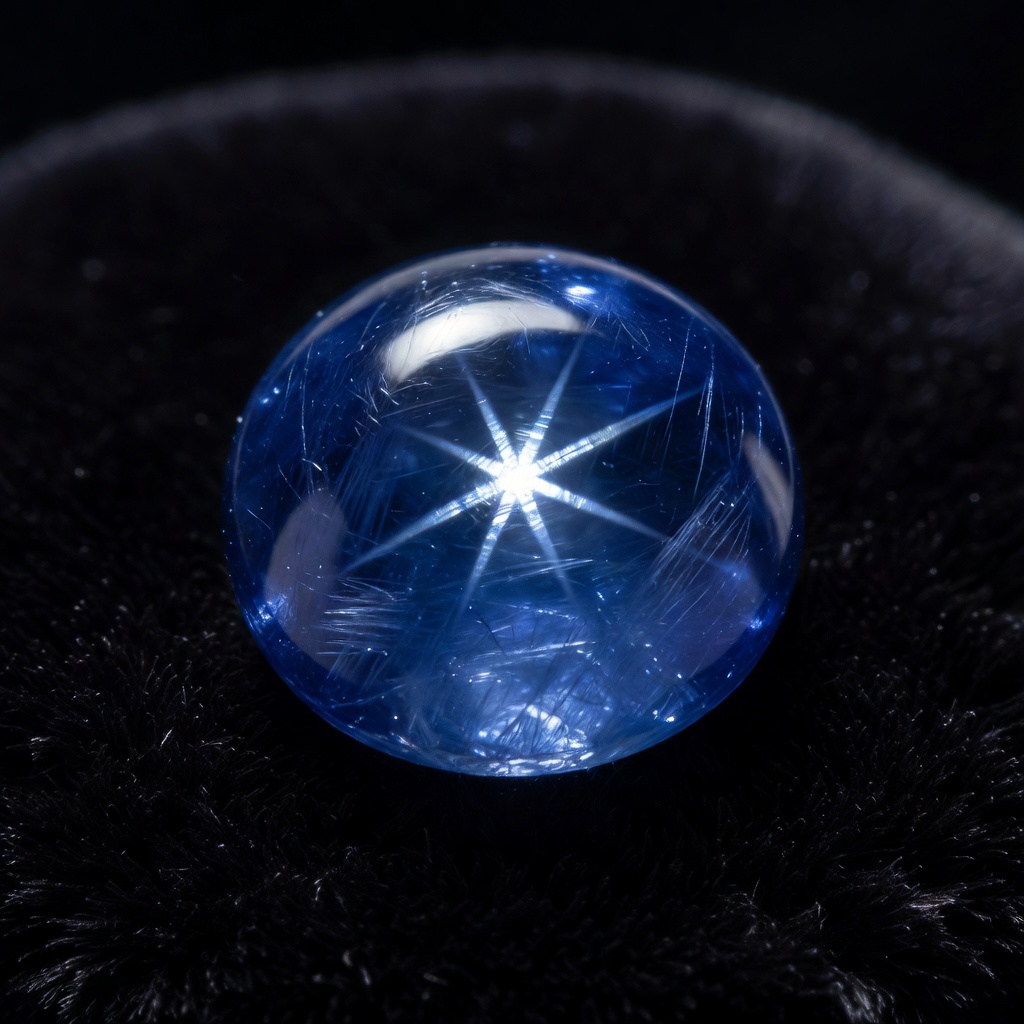
Asterism in sapphires represents one of nature's most fascinating optical phenomena, created through precise geological conditions over millions of years. The effect occurs when microscopic inclusions of rutile, a titanium dioxide mineral, crystallize in dense, parallel arrangements along the hexagonal crystal structure of the corundum. These needle-like inclusions align along the three axes of the crystal at 60-degree and 120-degree angles, creating the reflective bundles that produce the characteristic six-rayed star when properly illuminated.
While six-rayed stars constitute the vast majority of specimens encountered in the market, discerning collectors occasionally encounter the extraordinarily rare twelve-rayed star sapphire gemstone. These exceptional pieces result from the simultaneous presence of both rutile and hematite inclusions oriented at different angles, creating a double star effect that commands significant premiums. When evaluating asterism, examine the stone under a single, direct light source such as a focused penlight or sunlight streaming through a small opening. The star should appear sharp and well-defined against the body color, with rays that remain distinct rather than fuzzy or diffused.
The cutting process plays a critical role in maximizing this phenomenon. Master cutters must orient the rough crystal with extraordinary precision, aligning the base of the cabochon perpendicular to the c-axis of the crystal to center the star perfectly on the dome. Misalignment by even a few degrees results in an off-center star that significantly diminishes both the visual impact and market value of the finished gem. When examining potential purchases, rotate the stone slowly to ensure the star remains centered and maintains its definition from various viewing angles.
Evaluating Star Quality: Sharpness, Centering, and Movement
The visual impact of a star sapphire depends entirely on the quality of its asterism, which sophisticated buyers assess through three primary criteria: sharpness, centering, and movement. Premium specimens display crisp, distinct rays that extend completely to the edge of the gemstone without fading or breaking. These rays should appear as straight, luminous lines rather than wavy or diffused streaks, indicating precise inclusion alignment and expert cutting technique.
The "rolling star" effect serves as a definitive test of cutting quality and natural crystal structure. When you rotate the stone under a direct light source, the star should move smoothly across the dome while maintaining its centered position relative to the gem's geometry. Poorly cut stones may exhibit a star that drifts toward the edges or disappears entirely when tilted, indicating improper orientation during the cutting process. This movement demonstrates that the rutile needles maintain consistent alignment throughout the crystal depth, a hallmark of superior material.
Contrast between the star rays and the body color determines the stone's visual punch and market desirability. In high-quality specimens, the star appears bright and silvery-white against a saturated body color, creating a striking three-dimensional effect. Stones with poor contrast may show gray or faint rays that blend into the background, making the asterism difficult to discern without optimal lighting conditions. When evaluating options, compare multiple stones side by side under identical lighting to appreciate how contrast affects overall appearance, as this factor often separates commercial-grade material from collector-quality pieces.
Color Grading: Beyond the Classic Blue Star Sapphire
While the blue star sapphire remains the most coveted variety in the marketplace, commanding premium prices comparable to fine faceted sapphires, asterism occurs across the entire color spectrum of corundum. Pink star sapphires offer romantic, feminine appeal with delicate rose-colored body tones, while black star sapphires provide dramatic, affordable alternatives with stark white star contrasts. Purple, gray, and color-change varieties also occur, each offering distinct aesthetic characteristics and investment potential depending on market trends and rarity factors.
Medium to dark saturated body colors consistently provide the optimal backdrop for star visibility, regardless of hue. Light-toned stones often fail to provide sufficient contrast, causing the star to appear washed out or invisible in ambient lighting conditions. Conversely, overly dark stones approaching opacity may swallow the star effect entirely, leaving only a faint suggestion of asterism. The ideal balance shows a rich, even color saturation that enhances rather than competes with the reflective star pattern.
Translucency plays a crucial role in color perception and value assessment. Unlike faceted sapphires, where transparency maximizes brilliance, star sapphire gemstone specimens typically display superior asterism when semi-transparent to translucent. This clarity grade allows light to penetrate sufficiently to reflect off the rutile inclusions while maintaining the depth necessary for color saturation. Examine stones for uneven color zoning—patchy areas of lighter and darker color—as these imperfections significantly reduce market value and indicate lower-quality rough material. Premium specimens display homogeneous color distribution that remains consistent when viewed from various angles.
Cut and Cabochon Style: Why Dome Height Matters
The cabochon cut represents the only viable cutting style for displaying asterism, as faceting would disrupt the reflective alignment necessary for the star effect. This ancient cutting technique features a smoothly polished, domed upper surface paired with a flat or slightly curved base, creating the lens-like structure that concentrates light onto the internal rutile inclusions. Understanding the nuances of cabochon cut gems helps buyers identify superior craftsmanship and avoid poorly executed stones that compromise the star display.
Optimal dome height requires delicate calibration between optical performance and aesthetic proportions. A dome that rises too high creates a "bulging" appearance that distorts the star rays, making them appear curved or broken at the edges. Conversely, a too-flat dome fails to concentrate light effectively, rendering the star invisible or extremely faint except under direct, intense illumination. Master cutters aim for a medium dome profile—typically with a height-to-width ratio between 40% and 60%—that balances pleasing proportions with maximum asterism visibility.
Symmetry in cabochon cutting extends beyond the dome profile to include the overall outline and girdle alignment. The star should appear perfectly centered within the stone's outline, with equidistant rays extending toward the girdle edges. Asymmetrical cutting not only detracts from visual appeal but may indicate that the cutter prioritized weight retention over optical performance, a common practice with lower-quality rough material. When examining potential purchases, view the stone face-up from a distance to assess overall symmetry, then inspect the profile to evaluate dome height and polish quality. High-quality cabochons display a mirror-like surface finish free from scratches, pits, or uneven polish lines that could scatter light and degrade the star effect.
Clarity Considerations: The Role of Silk Inclusions
In most gemstone categories, inclusions detract from value, but star sapphires represent a fascinating exception where specific inclusions—known as "silk"—create the desired phenomenon. This silk consists of dense networks of rutile needles that must be present in sufficient quantity to produce a visible star, yet not so abundant that they render the stone opaque or milky. The ideal balance shows a distinct, sharp star while maintaining a degree of translucency that allows color depth and some light transmission through the gem.
Heavy silk concentrations create a milky or hazy appearance that reduces both brilliance and market value, even when producing a strong star effect. These stones may appear lifeless or "sleepy" in ambient lighting, lacking the depth and vitality of finer material. When evaluating clarity, examine the stone under diffused lighting conditions—such as indoor ambient light or shaded daylight—to assess the body color and silk density without the distraction of the star pattern. This examination reveals whether the stone maintains attractive color and translucency or appears overly cloudy.
The distribution of silk significantly affects star quality and durability. Ideally, the rutile inclusions should be evenly distributed throughout the stone, creating consistent star intensity across the entire dome. Uneven silk distribution may produce a star that appears stronger in some areas and weaker in others, or rays that vary in thickness along their length. Additionally, excessive silk near the surface may indicate structural weaknesses or potential durability issues. Professional gemologists use fiber-optic lighting to map silk distribution and assess how it will affect the stone's long-term appearance and stability.
Natural vs. Synthetic: Authentication Essentials
The distinction between natural vs synthetic star sapphire specimens represents one of the most critical factors in valuation and investment potential. Synthetic star sapphires, primarily created through flux growth or Verneuil (flame fusion) processes, have flooded the market since the mid-20th century, often deceiving inexperienced buyers with their seemingly perfect appearance. Understanding the diagnostic features that separate laboratory-created stones from natural earth-formed gems protects consumers from fraudulent transactions and ensures appropriate pricing.
Under magnification, synthetic stones often reveal curved growth lines or striations that follow the curved surface of the boule or crystal, unlike the straight, angular growth features found in natural corundum. Flux-grown synthetics may contain characteristic platinum platelets from the crucible or unusual flux inclusions that appear as wispy, feathery veils. Most tellingly, synthetic stars typically appear unnaturally perfect—sharply defined, static rays that remain fixed regardless of lighting angle, lacking the subtle movement and slight imperfections that characterize natural asterism.
Natural star sapphire gemstone specimens contain characteristic mineral inclusions such as zircon crystals with tension halos, apatite crystals, or healed fracture patterns that prove their geological origin. The star in natural stones usually shows slight variations in ray intensity and may exhibit a gentle, rolling movement that follows the light source. Given the significant price differences—natural stones often command ten to fifty times the price of comparable synthetic pieces—investing in professional verification becomes essential. Always request documentation from independent gemological laboratories that specifically address natural origin and treatment status before finalizing high-value purchases.
Treatments and Enhancements: What Buyers Must Know
Treatment disclosure stands as a non-negotiable requirement in ethical star sapphire transactions, as various enhancement processes significantly affect both value and durability. Unlike faceted sapphires, where heat treatment commonly improves color clarity, treated star sapphires face unique complications because excessive heat can dissolve the rutile needles responsible for asterism. This dichotomy creates a market where most high-quality star sapphires remain untreated, making enhancement disclosure particularly critical for valuation.
Diffusion treatment presents specific concerns for cabochon cut gems, as this process introduces color elements only to the surface layer of the stone. In star sapphires, diffusion may create an artificial, overly saturated appearance with color concentrations visible along fractures or surface irregularities. These treated stones often show uneven color distribution that appears unnatural compared to the subtle depth of untreated material. Surface diffusion can also affect the star's appearance, creating rays that seem painted on rather than three-dimensional.
Fracture filling with glass or resin represents another treatment requiring careful scrutiny, as these fillers improve apparent clarity by masking surface-reaching cracks. However, fillers reduce durability, may yellow or degrade over time, and can be damaged by heat or cleaning solvents. When examining potential purchases, look for flash effects or iridescent reflections within fractures under magnification, which indicate filling materials. Reputable dealers provide explicit treatment disclosures and supporting laboratory documentation. Always verify that certificates specifically mention asterism quality and any treatments detected, as standard sapphire reports may not address the unique characteristics of star varieties.
Geographic Origins: Burma, Sri Lanka, and Beyond
Geographic provenance significantly influences the desirability and investment potential of star sapphire gemstone specimens, with certain regions commanding consistent premiums due to historical quality associations. Burmese (Myanmar) star sapphires, particularly those from the Mogok Stone Tract, represent the pinnacle of the market, renowned for their intense, velvety blue colors and fine silk that produces exceptionally sharp stars. These stones often display a rich, slightly violetish-blue hue that remains unmatched by material from other localities, justifying their position as the most expensive variety in the marketplace.
Sri Lankan (Ceylon) deposits produce star sapphires in greater quantity and broader color range, offering excellent quality with relatively greater availability than Burmese material. Ceylon stones typically exhibit lighter, more transparent body colors with bright, silvery stars, making them ideal for jewelry applications where illumination may vary. The island's alluvial deposits yield cleaner rough with fewer inclusions, often resulting in stars with superior clarity and movement compared to stones from other origins.
Thai and Cambodian sources generally produce darker, more saturated blue and black star sapphires with heavier silk concentrations. While these origins offer affordable entry points for collectors, the stones often appear nearly opaque with less distinct stars compared to premium Burmese or Sri Lankan material. Documentation from premier laboratories such as SSEF (Swiss Gemmological Institute), AGL (American Gemological Laboratories), or GIA (Gemological Institute of America) adds provenance value and authentication certainty, particularly for stones claiming Burmese origin where mining restrictions have increased rarity. When building a collection, prioritize documented origin reports, as undisclosed or misrepresented geographic sources significantly impact resale value and investment security.
Pricing Guide: Investment Value and Market Ranges
Understanding star sapphire value requires recognizing the exponential relationship between quality factors and price, with minor improvements in star sharpness or color saturation potentially multiplying values several times over. Entry-level collectors can acquire black star sapphires or lower-quality blue specimens for $10 to $100 per carat, offering accessible opportunities to study asterism without significant financial commitment. These commercial-grade stones typically display decent stars but may show uneven color, milky silk, or slight asymmetry in cutting.
Fine quality blue star sapphires with sharp, centered stars, strong color saturation, and good translucency range from $500 to $5,000 per carat, with specific pricing dependent on size and origin. Stones exceeding five carats with exceptional quality characteristics command premiums well above these ranges, as large, clean rough suitable for star cutting becomes increasingly scarce. Investment-grade specimens—defined by untreated status, Burmese or premium Sri Lankan origin, sharp six-rayed stars, and sizes over ten carats—can achieve prices exceeding $10,000 per carat at auction or through specialized dealers.
Market trends indicate steady appreciation for high-quality natural vs synthetic star sapphire material, particularly for documented, untreated stones from politically stable mining regions. When assessing investment potential, consider liquidity factors: blue stones from prestigious origins maintain consistent demand, while unusual colors or very large specimens may require longer marketing periods to realize full value. Budget allocation strategies suggest focusing on the best star quality within your price range rather than maximizing carat weight, as a smaller stone with a sharp, moving star retains value better than a larger stone with a faint or off-center asterism. Always factor certification costs into your budget, as documented provenance and treatment status significantly affect resale potential.
Certification and Trusted Purchasing Practices
Professional documentation serves as the foundation of secure star sapphire acquisitions, providing independent verification of the factors that determine value and authenticity. Insist on reports from internationally recognized laboratories such as GIA, AGL, or SSEF that specifically confirm natural origin, geographic source, and treatment status. Standard reports may not adequately address the unique characteristics of star sapphire gemstone specimens, so verify that certificates mention asterism quality, star sharpness, and dome proportions when applicable.
Reputable dealers offering return periods and independent verification options demonstrate confidence in their merchandise and protect buyer interests. Establish relationships with sellers who specialize in phenomenal gems rather than general jewelry retailers, as specialized knowledge proves essential for accurate quality assessment and fair pricing. When evaluating potential purchases, be wary of deals significantly below market value, which often indicate undisclosed synthetics, heavy treatments, or origin misrepresentation.
Physical examination remains crucial even with certification, as laboratory reports may not capture subtle nuances affecting aesthetic appeal. Test the rolling star effect under various lighting conditions, examine the stone under magnification for natural inclusion patterns, and assess color consistency across the entire dome. For significant investments, consider obtaining a second opinion from an independent gemologist or appraiser familiar with the specific market for cabochon cut gems. Proper due diligence ensures that your acquisition represents genuine value and meets the quality standards expected in fine gemstone collecting.
Frequently Asked Questions
What causes the star effect in sapphires?
The star effect, called asterism, occurs when dense inclusions of rutile needles align along the crystal's hexagonal structure. When cut as a cabochon, these needle bundles reflect light in a star pattern, typically displaying six rays. The phenomenon requires precise cutting orientation to center the star on the dome.
How much should I expect to pay for a quality star sapphire?
Quality varies widely: black star sapphires cost $10-100 per carat, while fine blue star sapphires range from $500 to over $5,000 per carat. Exceptional Burmese stones with sharp, centered stars and strong color can command even higher prices, especially in sizes over 5 carats.
How can I tell if a star sapphire is natural or synthetic?
Natural star sapphires show slightly imperfect, moving stars with visible inclusions under magnification. Synthetic stones often display unnaturally perfect, static stars and may show curved growth lines or gas bubbles. Always request certification from reputable labs like GIA or AGL for verification.
What is the best color for investment-grade star sapphires?
Medium to dark blue (cornflower to royal blue) from Burma or Sri Lanka offers the best investment potential. The color should be saturated and even, providing strong contrast against the star rays. While pink and purple varieties exist, blue remains the most liquid and appreciating color in the market.
Do star sapphires hold their value over time?
Untreated, high-quality star sapphires from prestigious origins generally appreciate steadily. However, treated stones, synthetics, and lower-quality material (milky appearance or poor stars) depreciate. Investment-grade specimens with documentation from top laboratories perform best as long-term holdings.
Can star sapphires be heat treated, and does it affect value?
While heat treatment is common in regular sapphires, it often damages or destroys the star effect in star sapphires by dissolving the rutile needles. Therefore, most quality star sapphires are untreated. Any treatment must be disclosed and significantly reduces the stone's value compared to natural, untreated specimens.
What jewelry settings work best for star sapphires?
Protective bezel settings are ideal for star sapphires, as the cabochon cut has a rounded dome vulnerable to scratching. The setting should position the stone to catch light from above to maximize the star display. Avoid prong settings that might snag or expose the gem's edges to damage.
Why are star sapphires cut as cabochons instead of faceted?
The cabochon cut (smooth, domed top with flat base) is essential because facets would break up the reflective star pattern. The domed surface concentrates light onto the rutile inclusions, creating the distinct ray effect. The dome height must be carefully calibrated to balance star sharpness with the stone's overall appearance.