Introduction to Star Rubies and Their Unique Properties
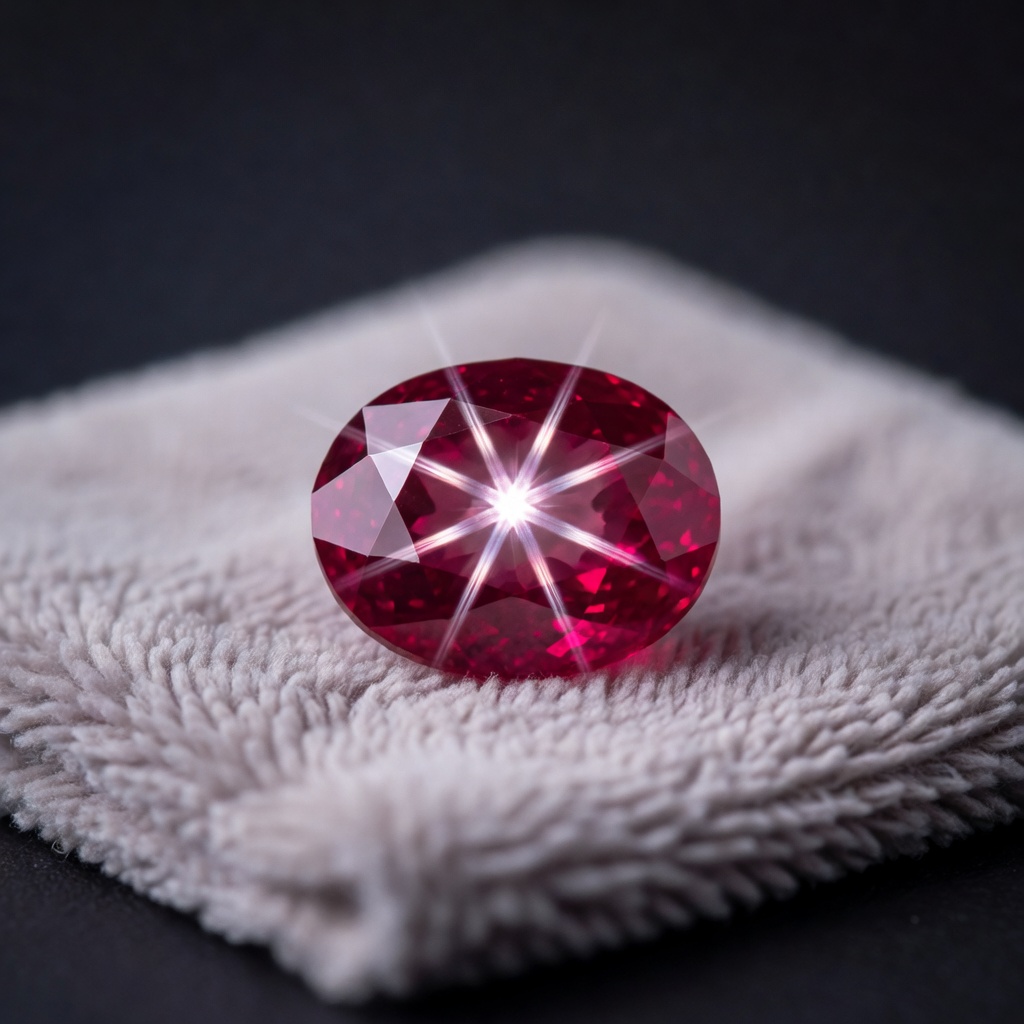
Star rubies represent one of nature's most mesmerizing optical phenomena, displaying a six-rayed star that seems to glide across the stone's surface as light shifts. This captivating effect, known as asterism, occurs when microscopic rutile needle inclusions align in specific crystallographic directions within the corundum structure, reflecting light in a star pattern. Unlike standard rubies that showcase pure color and clarity, star rubies derive their value and beauty from these precise internal imperfections, making their care requirements distinctly different from their faceted counterparts.
While star rubies share the same impressive hardness rating of 9 on the Mohs scale with all corundum varieties, this durability masks specific structural vulnerabilities that demand specialized attention. The cabochon cut required to display asterism creates a domed surface that protrudes prominently from settings, leaving it susceptible to scratches and abrasions that standard faceted rubies might better resist. Additionally, the rutile needles responsible for the star effect can become damaged or dislodged through improper cleaning methods, potentially diminishing or destroying the very characteristic that makes these gemstones valuable.
Understanding star ruby gemstone maintenance begins with recognizing that preserving asterism requires protecting both the external surface integrity and the internal rutile structure. Unlike regular rubies where the focus centers primarily on preventing surface scratches, star ruby care must account for maintaining the precise dome geometry necessary for optimal star visibility. Any alteration to the cabochon's curvature through aggressive polishing or accidental damage can shift the angles at which light interacts with the rutile needles, potentially weakening or misaligning the star effect permanently.
Daily Wear Guidelines to Protect Asterism
Implementing consistent wearing habits forms the foundation of effective star ruby care and cleaning protocols. Jewelry professionals universally recommend the "last on, first off" rule, which dictates that star ruby pieces should be the final items added when dressing and the first removed when returning home. This practice minimizes exposure to cosmetics, hairsprays, and perfumes that can create microscopic residue layers on the stone's surface, gradually dulling the star's brilliance and requiring more frequent cleaning that could potentially damage the gem.
Certain activities pose particular risks to star ruby jewelry that owners should approach with caution. Heavy lifting, sports participation, and manual labor expose these gemstones to impact risks and abrasive surfaces that can scratch the domed cabochon. Gardening presents a triple threat through soil abrasion, potential impacts from tools, and exposure to fertilizers and chemicals. Even routine household chores like washing dishes or cleaning countertops can subject star rubies to harsh chemicals and thermal shocks from hot water, making it prudent to remove these pieces before engaging in any physically demanding or chemically intensive tasks.
Temperature sensitivity represents another critical consideration for daily wear that many gemstone owners overlook. Star rubies can suffer from thermal shock when subjected to rapid temperature fluctuations, such as moving from a heated indoor environment into freezing winter air, or exposure to hot tubs and saunas. While corundum generally withstands high temperatures better than many gemstones, the internal stress created by differential expansion rates between the rutile inclusions and the host corundum crystal can potentially cause microscopic fractures. Professional gemologists recommend allowing star ruby jewelry to adjust gradually to temperature changes and removing pieces before swimming in heated pools or entering steam rooms.
Safe Home Cleaning Techniques
Mastering proper cleaning star ruby jewelry techniques at home ensures your gemstone maintains its luminous star effect without risking damage to the delicate internal structure. The safest and most effective method involves creating a gentle cleaning solution using lukewarm water—approximately body temperature—and mild phosphate-free liquid soap. Dish soaps formulated without harsh detergents or lotions work well, though specialized jewelry cleaning solutions designed for delicate gemstones provide the safest option. Submerge the star ruby piece for no more than two to three minutes to loosen accumulated oils and debris without oversaturating the setting.
Physical cleaning requires specific tools to avoid scratching the cabochon surface or dislodging the stone from its mounting. Soft microfiber cloths, the type used for eyeglass cleaning or camera lenses, provide the ideal material for gentle wiping without leaving lint or causing abrasion. For stubborn residue around the setting or in engraved details, a soft baby toothbrush with ultra-fine bristles offers the perfect balance of cleaning power and gentleness. Always brush in gentle circular motions following the curvature of the cabochon rather than aggressive back-and-forth scrubbing that could catch on prongs or settings.
Proper drying techniques prove equally important as the washing process itself, as water spots and mineral residue can temporarily obscure the star effect and create buildup that attracts more dirt. After rinsing thoroughly under lukewarm running water, pat the stone gently with a clean, lint-free microfiber cloth rather than rubbing. Allow the piece to air dry completely on a soft towel for several hours before storing, ensuring no moisture remains trapped beneath the stone in its setting where it could potentially cause metal corrosion or loosen adhesives used in certain mounting styles. For intricate vintage settings, using a hair dryer on the cool setting held at least twelve inches away can expedite drying without risking thermal damage.
Cleaning Solutions and Methods to Avoid
Understanding which gemstone cleaning solutions and methods pose risks to star rubies proves just as crucial as knowing proper cleaning techniques. Ultrasonic cleaners, despite their popularity for general jewelry maintenance, present significant dangers for star ruby specimens. The high-frequency vibrations that effectively dislodge dirt from faceted stones can cause the rutile needle inclusions to vibrate against the surrounding corundum structure, potentially loosening them or creating internal fractures. Additionally, the vigorous shaking can loosen the star ruby in its setting, particularly if the piece features older or delicate prongs, risking the stone falling out unnoticed during subsequent wear.
Steam cleaning, another common professional jewelry maintenance method, carries specific risks for asterism preservation. While corundum can theoretically withstand the heat and pressure of steam cleaning, the rapid temperature change can induce thermal shock in stones with existing internal stress around rutile inclusions. More critically, steam can force moisture and debris into microscopic surface-reaching fractures or between the stone and its setting, potentially causing long-term damage or discoloration. The high-pressure steam can also damage the surface luster of the cabochon over repeated treatments, gradually diminishing the sharpness of the star rays.
Chemical cleaners containing ammonia, bleach, or acids pose perhaps the most immediate threat to star ruby integrity. Ammonia-based solutions, while effective for diamonds and some hard gemstones, can damage the metal settings holding the star ruby, potentially causing prongs to become brittle and fail. Bleach and acidic cleaners can etch the surface of the cabochon or react with trace elements within the corundum, potentially altering the stone's color permanently. Even alcohol-based cleaners, while less aggressive, can dry out organic materials in antique settings or remove protective coatings that some treated star rubies may possess. When in doubt regarding any cleaning product, consulting a certified gemologist before application prevents irreversible damage.
Proper Storage for Long-term Preservation
Implementing appropriate star ruby storage tips ensures your gemstone remains pristine during periods of non-wear and prevents accidental damage that often occurs when jewelry pieces contact each other. Individual soft cloth pouches made from untreated cotton or velvet provide the ideal first line of defense, cushioning the cabochon from impacts and preventing dust accumulation. For collectors with multiple pieces, compartmentalized jewelry boxes with soft, fabric-lined dividers offer organized protection while preventing pieces from shifting and contacting one another during drawer opening or transportation.
Separation from harder gemstones represents a critical storage consideration that many jewelry owners overlook. Despite their impressive hardness rating, star rubies can suffer scratches from diamonds (10 on the Mohs scale), moissanite (9.25), and even other sapphires or rubies if stored loose together. The domed surface of a star ruby cabochon presents a large contact area vulnerable to scratching from harder stones, while its protruding shape makes it susceptible to chipping if jostled against metal settings or sharp jewelry edges. Store star rubies in dedicated compartments away from diamond jewelry, and consider using anti-tarnish strips in storage areas to protect metal settings from corrosion that could compromise stone security.
Environmental conditions within storage areas significantly impact long-term star ruby preservation. Ideal storage locations maintain moderate humidity levels between 40-50 percent; excessively dry conditions can cause certain setting materials to become brittle, while high humidity promotes metal tarnishing and potential corrosion of prongs. Direct sunlight exposure poses particular risks, as prolonged UV radiation can fade the color saturation in some treated star rubies or those from specific localities known for light sensitivity. Climate-controlled interior closets provide superior storage compared to bathroom counters (humidity fluctuations) or dresser tops near windows (light exposure and temperature variations). For valuable specimens, storing in a safe or safety deposit box with silica gel packets helps maintain optimal conditions.
Protecting Against Chemical and Environmental Damage
Comprehensive corundum gem care extends beyond physical cleaning to include vigilant protection against chemical and environmental hazards encountered in daily life. Household cleaners present ubiquitous risks that can damage star rubies through both direct contact and airborne exposure. Chlorine bleach, oven cleaners, and bathroom disinfectants contain harsh chemicals that can etch the surface of the cabochon or damage the metal setting holding the stone. Even indirect exposure, such as wearing star ruby jewelry while cleaning with aerosol sprays, allows chemical particles to settle on the stone's surface, creating a film that dulls the asterism and may require aggressive cleaning to remove.
Personal care products including perfumes, lotions, and hairsprays create perhaps the most common source of chemical buildup on star ruby jewelry. These products often contain alcohol, oils, and silicones that adhere strongly to the smooth cabochon surface, gradually creating a hazy layer that obscures the star effect. The alcohol in perfumes can also damage certain treatments applied to enhance star rubies, such as heat treatment or fracture filling. Always apply personal care products and allow them to dry completely before putting on star ruby jewelry, and remove pieces before applying sunscreen, which contains chemicals particularly prone to creating stubborn residue on gemstones.
Swimming pools and saltwater environments present compound risks for star ruby owners. Chlorinated pool water can react with metals in the setting, potentially causing prong deterioration that risks stone loss, while the chlorine itself can discolor certain treated star rubies over time. Saltwater from ocean swimming creates crystalline residue as it dries, potentially scratching the surface if wiped away improperly, while the abrasive nature of sand in beach environments poses physical scratching risks. Additionally, cold water causes fingers to contract, increasing the risk of rings slipping off unnoticed. Sunlight exposure during outdoor activities can heat the stone significantly, potentially causing color fading in sensitive specimens or thermal shock if the wearer subsequently enters cool water.
Professional Maintenance and Inspection Schedule
Establishing a regular professional maintenance routine complements daily star ruby gemstone maintenance efforts and ensures early detection of potential issues before they become serious problems. Certified jewelers recommend annual inspections for star ruby jewelry, during which professionals examine prong integrity, setting security, and the condition of the cabochon surface. These inspections utilize magnification to identify loose stones, worn prongs, or microscopic surface damage that owners might miss, allowing for preventive repairs that secure the gemstone before loss or significant damage occurs. For pieces worn daily, semi-annual inspections provide additional security.
Professional re-polishing services offer restoration options when asterism begins to fade due to surface scratches or accumulated microscopic damage. Unlike faceted gemstones that require complex recutting, star ruby cabochons can often be repolished to restore their original dome geometry and surface luster, renewing the sharpness of the star effect. This process requires gem cutters specializing in cabochon work who understand the precise curvature necessary to maintain optimal asterism. However, repolishing removes a minute amount of material from the surface, so it should be reserved for situations where home cleaning no longer restores visibility, and performed only by craftsmen experienced with star stones to avoid altering the critical angles that display the star.
Recognizing when DIY cleaning proves insufficient protects star rubies from continued wear that could exacerbate existing damage. If the star effect remains dim or cloudy after thorough home cleaning, or if the stone appears to sit differently in its setting, professional intervention becomes necessary. Similarly, visible chips, deep scratches that catch on fabric, or any movement of the stone within its mounting indicate immediate professional attention requirements. Jewelers possess specialized equipment including steam cleaners (used with appropriate precautions), ultrasonic baths for setting cleaning only, and polishing compounds specifically formulated for corundum that can address issues beyond the scope of home maintenance without risking the rutile inclusions.
Troubleshooting Common Star Ruby Issues
Even with diligent care, star ruby owners may encounter situations requiring specific troubleshooting techniques to restore optimal appearance. When asterism appears weak or diffuse, the issue often stems from surface film buildup rather than permanent damage. Before assuming the stone requires professional repolishing, soak the star ruby in a solution of pure acetone (nail polish remover without additives) for thirty seconds to dissolve stubborn oils and residues that soap might not address, followed by thorough rinsing and drying. If the star sharpens significantly after this treatment, the cause was chemical buildup rather than surface damage, indicating a need for more careful avoidance of cosmetics and lotions.
Surface scratches that scatter light and diminish star visibility present more complex challenges depending on their depth. Minor surface scratches that disrupt the star's sharpness but do not catch a fingernail when dragged across the surface may respond to professional jeweler's rouge polishing, a mild abrasive technique that restores surface clarity without significantly altering the cabochon dome. However, deeper scratches that penetrate the surface require careful evaluation by a gem cutter, as removing them necessitates repolishing the entire dome to maintain symmetrical curvature. In some cases, particularly with vintage pieces, accepting minor surface wear preserves the original cutting proportions that modern repolishing might alter.
Determining when recutting or extensive repolishing becomes necessary requires balancing the stone's value against the material loss involved. If the cabochon dome has become asymmetrical through uneven wear or previous poor repolishing attempts, the angles at which light enters the stone to reflect off the rutile needles may no longer produce a centered, sharp star. Recutting addresses this by reshaping the dome to optimal proportions, though this process removes more material than simple repolishing. For valuable star rubies showing weak asterism despite clean surfaces, consulting a cutter who specializes in star stones can determine whether the rutile needles themselves remain intact and properly oriented, or if the asterism has been compromised by internal damage that no amount of surface treatment can remedy.
Travel Safety and Insurance Considerations
Transporting star ruby jewelry requires specific precautions that extend basic star ruby care and cleaning principles to mobile environments. Secure travel cases with individual padded compartments prevent pieces from contacting each other during transit, while hard-shell exteriors protect against crushing forces in luggage. When traveling by air, carry star ruby pieces in your personal item rather than checked luggage, maintaining them within sight throughout the journey. Hotel room safes provide secure storage during sightseeing excursions, though documenting the safe's contents and ensuring it is properly bolted to the wall or furniture prevents both theft and accidental lockouts.
Documentation of your gemstone's current condition before travel creates essential records for insurance purposes and damage claims. Photograph the star ruby from multiple angles under direct lighting to capture the asterism clearly, and note any existing surface characteristics such as natural inclusions visible to the naked eye or minor wear patterns. Keep these photographs stored separately from the jewelry itself, preferably in cloud storage accessible from any location. For high-value specimens, obtaining a pre-travel condition report from a certified gemologist provides professional documentation of the stone's state, including measurements and quality assessments that prove invaluable if damage or loss occurs.
Insurance appraisals and care documentation work together to protect your financial investment in star ruby jewelry. Ensure your insurance policy specifically covers star rubies with full replacement value rather than generic "gemstone" coverage, as the unique asterism quality significantly affects valuation. Update appraisals every two to three years, as star ruby markets fluctuate and replacement costs change. Maintain records of all professional cleanings, inspections, and any treatments the stone has undergone, as these affect both value and care requirements. Some insurers offer specialized riders for high-value gemstones that include coverage for mysterious disappearance or damage during travel, providing peace of mind when wearing these distinctive gems away from home.
Frequently Asked Questions
Can I use an ultrasonic cleaner on my star ruby?
No, ultrasonic cleaners are not recommended for star rubies. The vibrations can loosen the stone in its setting and potentially damage the delicate rutile needle inclusions that create the asterism (star effect). Stick to gentle hand cleaning with mild soap and water.
How often should I clean my star ruby jewelry?
Clean your star ruby every 2-4 weeks if worn regularly, using lukewarm water and mild soap. If the stone appears cloudy or the star effect seems dim, it's likely due to accumulated oils and dirt that require immediate cleaning.
Why has my star ruby lost its star effect?
Diminished asterism usually results from surface scratches scattering light, dirt accumulation, or damage to the internal rutile needles. In some cases, improper polishing or wear over time can affect the dome (cabochon) shape necessary to display the star. Professional re-polishing may restore the effect.
Is it safe to wear my star ruby ring every day?
While star rubies rank 9 on the Mohs hardness scale, daily wear in rings exposes them to impacts that can scratch the surface and obscure the star. For daily wear, consider pendant or earring settings, or choose a protective bezel setting for rings and remove during physical activities.
What household products should I avoid around my star ruby?
Avoid bleach, ammonia, vinegar, and other acidic or alkaline cleaners. Hairspray, perfume, and lotion can also create buildup that dulls the stone. Always put star ruby jewelry on last when dressing and remove it before using any chemicals or cosmetics.
How should I store star ruby jewelry when not wearing it?
Store star rubies in individual soft cloth pouches or separate compartments in a jewelry box. Keep them away from harder gemstones like diamonds that could scratch the surface. Store in a cool, dry place away from direct sunlight to prevent color fading.
Can heat damage my star ruby?
Yes, excessive heat can alter the color of star rubies and potentially affect the internal structure. Avoid wearing star rubies in saunas, hot tubs, or leaving them in hot cars. Sudden temperature changes can also cause thermal shock.
When should I seek professional cleaning for my star ruby?
Seek professional help if home cleaning doesn't restore the star's visibility, if the setting feels loose, or if you notice chips or deep scratches. Jewelers can also perform annual inspections to ensure prongs are secure and the cabochon dome maintains its optimal shape for asterism.