Why Sphene Commands Premium Prices in Today's Gem Market
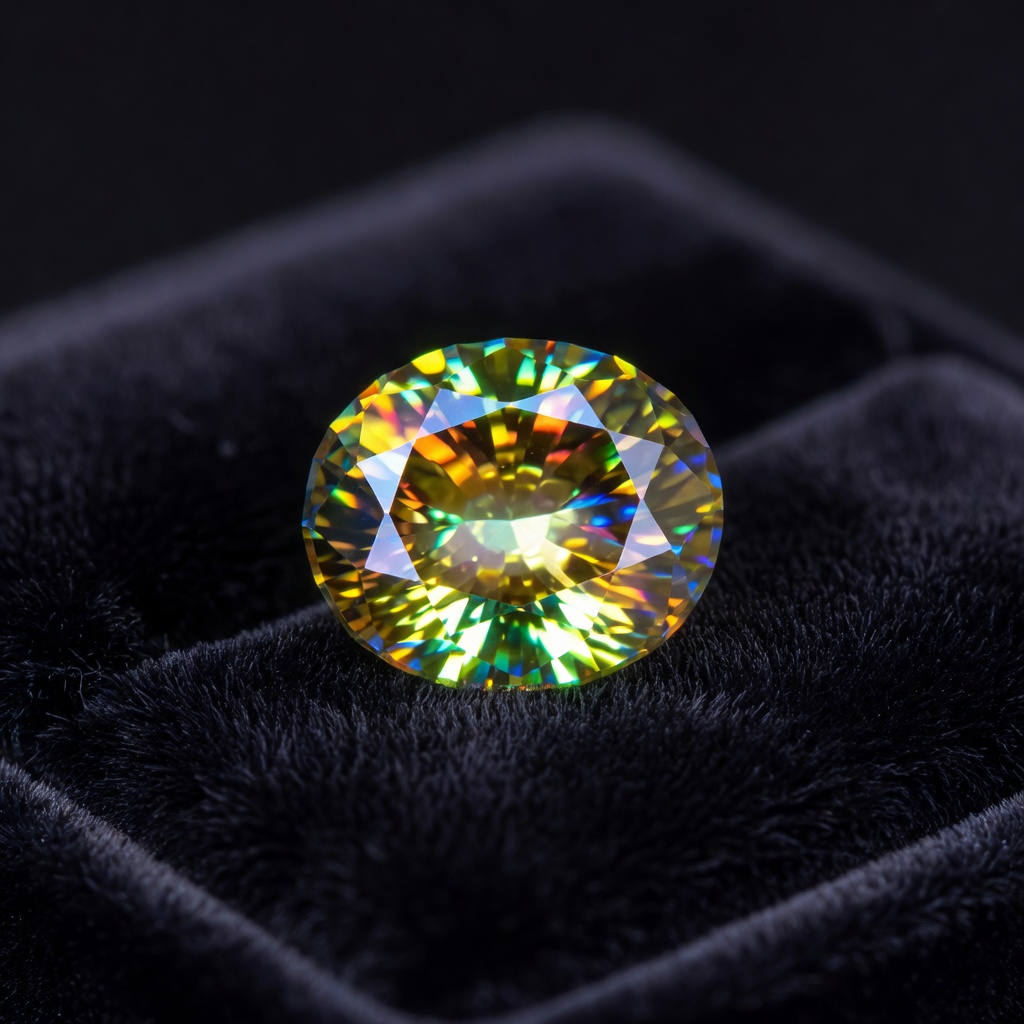
When discerning collectors seek gemstones that rival diamond brilliance at a fraction of the cost, the Sphene (Titanite) Price Guide becomes an essential resource for navigating this extraordinary market. Sphene possesses the highest dispersion of any commonly available gemstone, rating 0.051 compared to diamond's 0.044, creating a fire that splits white light into rainbow flashes exceeding even the most brilliant cut diamonds. However, acquiring these exceptional stones requires understanding significant price volatility driven by limited mining operations in Madagascar, Pakistan, and Sri Lanka, where geological constraints restrict consistent supply. This comprehensive guide explores current titanite gemstone value metrics, from commercial-grade specimens to museum-quality collector pieces, providing actionable strategies for both first-time buyers and seasoned investors looking to add this remarkable calcium titanium silicate to their portfolios.
What Is Sphene? Mineralogy and Market Names
Understanding the dual identity of this gemstone requires examining both its chemical composition and the historical evolution of gemological nomenclature. Sphene consists of calcium titanium silicate (CaTiSiO5), crystallizing in the monoclinic system typically forming wedge-shaped or tabular crystals with distinct cleavage planes that challenge lapidaries during the cutting process. The International Mineralogical Association (IMA) officially designated "titanite" as the preferred mineralogical term in 1982, referencing the stone's significant titanium content, yet the jewelry trade continues predominantly using "sphene" when referring to faceted gemstones, creating a dual naming convention that persists in catalogs and certification reports today.
Historically, sphene adorned European crown jewels during the 18th and 19th centuries, with notable specimens residing in the Russian Imperial collection and various Germanic royal treasuries before the gem's true optical properties were fully understood by mineralogists. Victorian-era collectors prized rough sphene crystals for mineral cabinets, particularly those from Alpine deposits in Switzerland and Austria, though these historical sources have largely depleted, shifting modern supply dependence to Madagascar's Anjanabonoina mine for premium chrome green material. When evaluating sphene gemstone properties, collectors should note that while titanite mineral specimens appeal to rockhounds, faceted stones command significantly higher prices due to the expertise required to maximize dispersion while minimizing cleavage risks during cutting.
The Four Value Pillars of Sphene Pricing
Determining accurate sphene price factors requires analyzing four distinct characteristics that collectively establish market value, with each element interacting dynamically to create pricing tiers from affordable collector pieces to five-figure investment gems. Dispersion remains the primary value driver, with that remarkable 0.051 rating creating spectral fire visible even under moderate lighting conditions, though cutters must orient crystals precisely to maximize this effect without exacerbating existing cleavage weaknesses. Color saturation significantly impacts valuation, with vivid green hues commanding premiums while brownish or overly pale yellow stones sell at substantial discounts despite equivalent optical performance, creating a market where hue intensity often trumps pure size considerations.
Clarity presents unique challenges in sphene clarity grades because the mineral typically forms with characteristic wedge-shaped crystal inclusions, twinning planes, and needle-like rutile structures that gemologists use for origin determination. While minor inclusions acceptable in emeralds might devastate a sphene's value, this gem tolerates certain internal characteristics provided they don't intersect cleavage planes or create structural instability, meaning buyers must distinguish between "acceptable natural inclusions" and "deal-breaking fractures" when assessing stones. Carat weight limitations create the final pricing pillar, as crystals exceeding five carats in clean, facetable material represent exceptional geological rarities, causing exponential price increases per carat above three carats compared to linear scaling seen in more abundant gemstones like quartz or tourmaline.
Current Market Prices: Per Carat Breakdown (2024)
The sphene price per carat varies dramatically based on quality tiers, with 2024 market data revealing significant spreads between commercial material suitable for casual jewelry and investment-grade specimens destined for serious collections. Commercial quality stones displaying light yellow-green coloration with visible inclusions and moderate dispersion typically trade between $50 and $150 per carat, offering an accessible entry point for collectors seeking to experience sphene's unique optical properties without substantial financial commitment. Fine quality material featuring strong green saturation, eye-clean clarity, and expert cutting that maximizes fire dispersion commands $200 to $500 per carat, representing the sweet spot for most jewelry applications where durability concerns limit daily wear regardless of stone quality.
Collector grade specimens, particularly those exhibiting intense chrome green coloration, exceptional clarity, and weights exceeding three carats, regularly achieve $500 to $1,500 or more per carat at specialized auctions and high-end dealer showrooms. When comparing titanite cost between rough mineral specimens and faceted stones, collectors should expect faceted material to command 10-20 times the price of equivalent-weight crystals, reflecting both the high risk of cleavage during cutting and the specialized skills required to orient stones for maximum dispersion display. Recent sales at the Tucson Gem and Mineral Show demonstrated that untreated Madagascar chrome green sphene over five carats can exceed $2,000 per carat when accompanied by GIA or AGL certification verifying natural origin and absence of thermal enhancement.
Color Spectrum: From Chrome Green to Golden Hue
Color evaluation in sphene follows distinct hierarchies that significantly impact valuation, with chrome green sphene representing the undisputed apex of desirability due to traces of vanadium and chromium that create an intense, saturated green rivaling fine tsavorite garnet or emerald. These premium stones, primarily sourced from Madagascar's Anjanabonoina region, command prices 300-400% higher than equivalent-quality yellow-green material, with the most valuable specimens displaying a pure green without yellow or brown undertones that collectors describe as "electric" or "neon" in appearance. Yellow-green and lemon varieties offer excellent value propositions for collectors prioritizing fire display over body color, as these lighter hues sometimes allow more dispersion to show through compared to deeply saturated green stones where body color masks the rainbow flashes.
Brownish tones, whether originating from iron content or cutting orientation issues, significantly reduce green sphene value unless the stone exhibits truly exceptional dispersion that compensates for the less desirable body color, though such specimens rarely exceed $100 per carat regardless of size. Pleochroism—the phenomenon where sphene displays different colors when viewed from various angles—presents both opportunities and challenges for cutters, who must orient tables perpendicular to theoptic axis to maximize the preferred green or yellow-green face-up color while minimizing brown or orange side views. When examining potential purchases, collectors should request to view stones under multiple lighting conditions, as some lower-quality sphene appears muddy under incandescent light but transforms under daylight-equivalent LED illumination, revealing the true potential of the material.
Cut Quality and Clarity Standards
Maximizing sphene's extraordinary dispersion requires specific cutting geometries that differ from standard diamond proportions, with round brilliant and oval cuts proving most effective for displaying the characteristic "rainbow fire" while maintaining structural integrity around cleavage planes. Titanite cut quality evaluation must consider how the cutter balanced fire maximization against weight retention, as overly deep pavilions might increase brilliance but create "windowing" effects where light leaks through the bottom, while shallow cuts maximize face-up appearance but sacrifice dispersion intensity. Experienced lapidaries often employ modified brilliant cuts with steeper crown angles (35-40 degrees) compared to diamonds, creating longer light paths that enhance spectral separation while protecting vulnerable table edges through bezel or semi-bezel setting recommendations.
Acceptable sphene clarity standards tolerate certain inclusion types that would disqualify other gemstones, including characteristic wedge-shaped growth patterns and rutile needles that actually confirm natural origin, provided these features don't reach the surface or create fracture risks. Deal-breakers include surface-reaching cracks, heavy clouding that obscures dispersion, and "silk" inclusions that create hazy transparency, with such stones requiring significant price reductions or avoidance regardless of color quality. Treatment disclosures remain crucial in sphene transactions, as while heating is rare and typically ineffective for this species, some dealers might oil stones to temporarily mask surface-reaching fractures—a practice detectable under magnification by observing trapped oil in cracks or through standard gemological testing procedures that buyers should request before finalizing purchases.
Trusted Sources: Where to Buy Authentic Sphene
Securing authentic, high-quality sphene requires navigating specialized market channels, with the Tucson Gem and Mineral Show in Arizona and the Munich Mineral Show in Germany serving as primary venues for direct miner-to-collector transactions offering the best selection of rough and cut material. When considering buying titanite online, prospective buyers should prioritize dealers providing high-resolution photography under standardized lighting, detailed videos demonstrating dispersion effects, and third-party certifications from recognized laboratories like GIA (Gemological Institute of America) or AGL (American Gemological Laboratories) that verify natural origin and disclose any treatments. Reputable titanite dealers typically offer examination periods allowing returns if stones don't match descriptions, particularly important given the challenges of capturing accurate color representation for pleochroic gems through digital photography.
Red flags for synthetic simulants include prices significantly below market norms for stated quality, absence of characteristic inclusions under magnification, and curved growth patterns indicating flux-grown or hydrothermal synthetic production methods. Common misrepresentations involve selling yellowish zircon or danburite as sphene, requiring buyers to verify dispersion properties using simple observation techniques—authentic sphene displays obvious fire even in subdued lighting, while imitators show minimal spectral separation. For investment pieces over $5,000, securing recut guarantees proves essential, as poorly oriented stones might be reprocessed to improve optical performance, with ethical dealers willing to credit partial purchase prices toward such improvements if original cuts fail to maximize the rough's potential.
Investment Potential and Rarity Factors
As rare collector gemstones gain traction in alternative investment portfolios, sphene presents compelling appreciation potential driven by geological scarcity, with only three primary localities—Madagascar, Pakistan, and Sri Lanka—currently producing facetable material in commercial quantities. The closure of historically significant Russian and Swiss deposits has created supply constraints similar to those affecting demantoid garnet, with market analysts tracking price trajectories showing 8-12% annual appreciation for fine specimens over the past decade, outperforming many traditional precious metals while remaining more accessible than Paraíba tourmaline or Alexandrite. Collector market trends increasingly favor specimens exceeding three carats in weight, as these sizes represent less than 2% of total production, creating a tiered market where investment-grade stones command premiums comparable to fine unheated sapphires.
When evaluating sphene investment potential, collectors should compare liquidity considerations against appreciation trajectories, recognizing that while diamonds and rubies offer immediate resale markets, high-quality sphene requires longer holding periods and specialized auction channels like Bonhams or Heritage Auctions for optimal returns. Mineral specimen markets also influence faceted stone values, as exceptional crystal formations from depleted localities drive interest in cut gems from the same regions, particularly material from the Kola Peninsula or Baja California localities that no longer produce significant quantities. Smart investors focus on acquiring "triple-A" specimens combining chrome green color, eye-clean clarity, and expert cutting over two carats, as these characteristics ensure demand from both jewelry designers and mineral collectors should liquidation become necessary.
Care Guidelines to Preserve Value
Maintaining sphene's beauty and value requires understanding its physical limitations, as the 5-5.5 Mohs hardness rating places it below everyday wear gems like quartz, making it susceptible to scratching from household dust and harder jewelry components. Protective settings become essential for sphene care, with bezel, halo, or channel settings preferred over exposed prong settings that leave girdles vulnerable to impact damage, particularly given the mineral's perfect cleavage in one direction that can cause splitting under sharp blows. Earrings and pendants represent ideal jewelry applications, positioning the gemstone away from hard surfaces while allowing maximum light exposure to showcase dispersion, whereas ring designs should reserve sphene for occasional wear pieces rather than daily engagement or wedding bands.
Cleaning protocols must exclude ultrasonic and steam methods due to titanite durability concerns regarding thermal shock and vibration expansion around existing inclusions, with gentle warm water, mild soap, and soft brushes providing the only safe cleaning approach. Storage requires physical separation from harder gemstones like diamonds, sapphires, and even quartz, with individual cloth pouches or compartmented jewelry boxes preventing contact scratches that permanently diminish surface luster and value. Insurance appraisals should reflect replacement costs based on current market availability rather than original purchase prices, as supply constraints might make replacing a specific chrome green Madagascar specimen significantly more expensive within five years of acquisition, requiring updated appraisals every 18-24 months for high-value pieces.
Final Verdict: Maximizing Your Sphene Purchase
This sphene buying guide reveals distinct value propositions across budget tiers, with collectors possessing $500-1,000 finding excellent specimens in the 1-2 carat range displaying yellow-green hues with good fire, while those investing $5,000+ should target chrome green material over three carats with laboratory certification. Entry-level buyers benefit from selecting lighter-colored stones with exceptional cuts that maximize dispersion, effectively "buying the cut" when budget constraints prevent acquiring premium green material, whereas serious collectors should prioritize color intensity and size over minor clarity characteristics that don't affect durability. The titanite value proposition ultimately rewards patient buyers willing to wait for specimens combining optimal color, clarity, and cutting rather than compromising on one factor to maximize carat weight immediately.
Before finalizing any purchase, implement this essential checklist: verify certification from GIA, AGL, or equivalent laboratories confirming natural origin; review return policies allowing examination under personal lighting conditions; evaluate cut quality by observing fire dispersion from multiple angles; and confirm setting recommendations from the seller regarding protective designs. Whether acquiring an affordable introductory piece to experience sphene's remarkable optical properties or investing in a five-figure collector specimen, understanding these quality metrics ensures your acquisition retains both emotional satisfaction and financial value in the evolving colored gemstone marketplace.
Frequently Asked Questions About Sphene and Titanite
Why is sphene also called titanite?
Sphene was officially renamed titanite by the International Mineralogical Association (IMA) in 1982 due to its high titanium content, though 'sphene' remains widely used in the gemstone trade for faceted specimens.
How much does high-quality sphene cost per carat?
Fine-quality green sphene typically ranges from $200 to $500 per carat, while exceptional chrome green specimens over 3 carats can command $500 to $1,500 or more per carat depending on dispersion and clarity.
What color of sphene is most valuable?
Intense chrome green sphene is the most valuable, followed by vivid yellow-green hues. Brownish or pale yellow tones are significantly less valuable unless the stone exhibits exceptional fire dispersion.
Is sphene durable enough for engagement rings?
Due to its relatively soft 5-5.5 Mohs hardness and distinct cleavage, sphene is not recommended for daily-wear rings like engagement pieces. It's better suited for pendants, earrings, or occasional-wear jewelry with protective settings.
How can I tell if sphene is natural or synthetic?
Natural sphene typically contains characteristic inclusions like wedge-shaped crystals and needle-like rutile. Synthetic versions are rare but lack natural inclusions and may show curved growth patterns. Always request a gemological certification from GIA or AGL.
Does sphene have more fire than diamond?
Yes, sphene has a dispersion rating of 0.051 compared to diamond's 0.044, meaning it breaks white light into spectral colors more intensely. However, sphene's body color often masks this fire more than diamond's colorless nature does.
Where are the best sphene deposits located?
The finest gem-quality sphene currently comes from Madagascar (chrome green), Pakistan (yellow-green), and Sri Lanka (various colors). Historical sources in Russia and Switzerland produced notable specimens but are largely depleted.
Will sphene appreciate in value over time?
Investment-grade sphene (fine color, over 2 carats, excellent cut) has shown steady appreciation due to limited mining and growing collector interest, though it remains less liquid than diamonds or rubies. Specimen-grade crystals are also increasing in value among mineral collectors.