Understanding Sphene (Titanite) Properties and Vulnerabilities
Before implementing any Titanite gemstone maintenance routine, understanding the unique physical characteristics of sphene is essential for preserving its extraordinary beauty. Sphene, also known as titanite in mineralogical circles, ranks between 5 and 5.5 on the Mohs hardness scale, which places it in a delicate category that requires significantly more attention than harder gemstones like sapphires or diamonds. This moderate hardness means that everyday dust particles, which often contain quartz (hardness 7), can potentially scratch sphene's surface during routine wear or improper cleaning practices. Unlike more durable gemstones that withstand daily abuse, sphene demands a mindful approach to Sphene hardness and durability management to prevent permanent damage.
The stone's perfect cleavage planes represent one of its most critical vulnerabilities that every owner must understand. Cleavage refers to the tendency of a mineral to break along specific planes of weakness in its crystal structure, and sphene possesses perfect cleavage in one direction, making it susceptible to chipping or splitting if struck against hard surfaces or subjected to sudden impact. This characteristic means that even a minor bump against a granite countertop or metal door handle can result in significant damage that requires professional repair. Additionally, sphene exhibits exceptionally high dispersion—often exceeding that of diamonds—which creates its famous fiery brilliance with flashes of red, green, and gold, but this optical property requires pristine surface conditions to perform optimally, making gentle cleaning paramount.
Temperature sensitivity further complicates Titanite gemstone maintenance, as sphene reacts poorly to thermal shock and sudden environmental changes. Exposure to high heat can alter the stone's color, particularly in heated specimens, while rapid temperature fluctuations can create internal stress fractures that compromise structural integrity. Chemical sensitivity adds another layer of complexity, as acids found in common household cleaners, fruit juices, and even perspiration can etch the surface or damage certain treatments applied to enhance color. Understanding these vulnerabilities forms the foundation for developing an effective care strategy that preserves both the gem's physical structure and its remarkable optical performance for generations.
Daily Wear Guidelines to Protect Your Sphene Jewelry
Implementing proper Sphene jewelry care tips begins with establishing conscious habits around when and where you wear these precious pieces. Unlike diamonds or rubies that can withstand the rigors of daily life, sphene jewelry should be removed before engaging in physical activities such as exercise, sports, gardening, or household chores that involve heavy lifting or tool use. A sphene ring worn during weightlifting sessions risks impact against metal equipment, while gardening exposes the stone to abrasive soil particles and potential strikes against rocks or concrete. Even activities like rock climbing, tennis, or vigorous cleaning can subject the gemstone to shearing forces that exploit its cleavage planes, resulting in chips or complete fractures that diminish both value and beauty.
Cosmetics and personal care products pose invisible but significant threats to sphene that many wearers overlook until damage becomes apparent. Always apply perfumes, hairsprays, lotions, and makeup before putting on sphene jewelry, allowing these products to dry completely to prevent chemical residue from settling on the gem's surface. These substances often contain alcohols, acids, and oils that can create a film over the stone, dulling its exceptional fire, while some ingredients may actually etch or damage the surface over time. When dressing, make sphene jewelry the last item you put on and the first item you remove, minimizing exposure to these potentially harmful chemicals and reducing the risk of catching prongs on clothing that could loosen settings.
Temperature awareness represents another crucial aspect of daily Sphene jewelry care tips, requiring vigilance in both hot and cold environments. Never wear sphene jewelry in saunas, hot tubs, or while sunbathing for extended periods, as excessive heat can cause thermal expansion that stresses internal fractures or alters color treatments. Similarly, rapid temperature changes—such as moving from a heated indoor environment to freezing outdoor conditions—can create thermal shock that damages the stone's structure. Regular inspection of settings becomes particularly important with sphene due to its relative softness; the metal prongs may loosen over time as the stone itself can wear down slightly against the setting, so weekly checks by gently shaking the piece near your ear to detect rattling can prevent loss.
Safe At-Home Cleaning Methods for Sphene
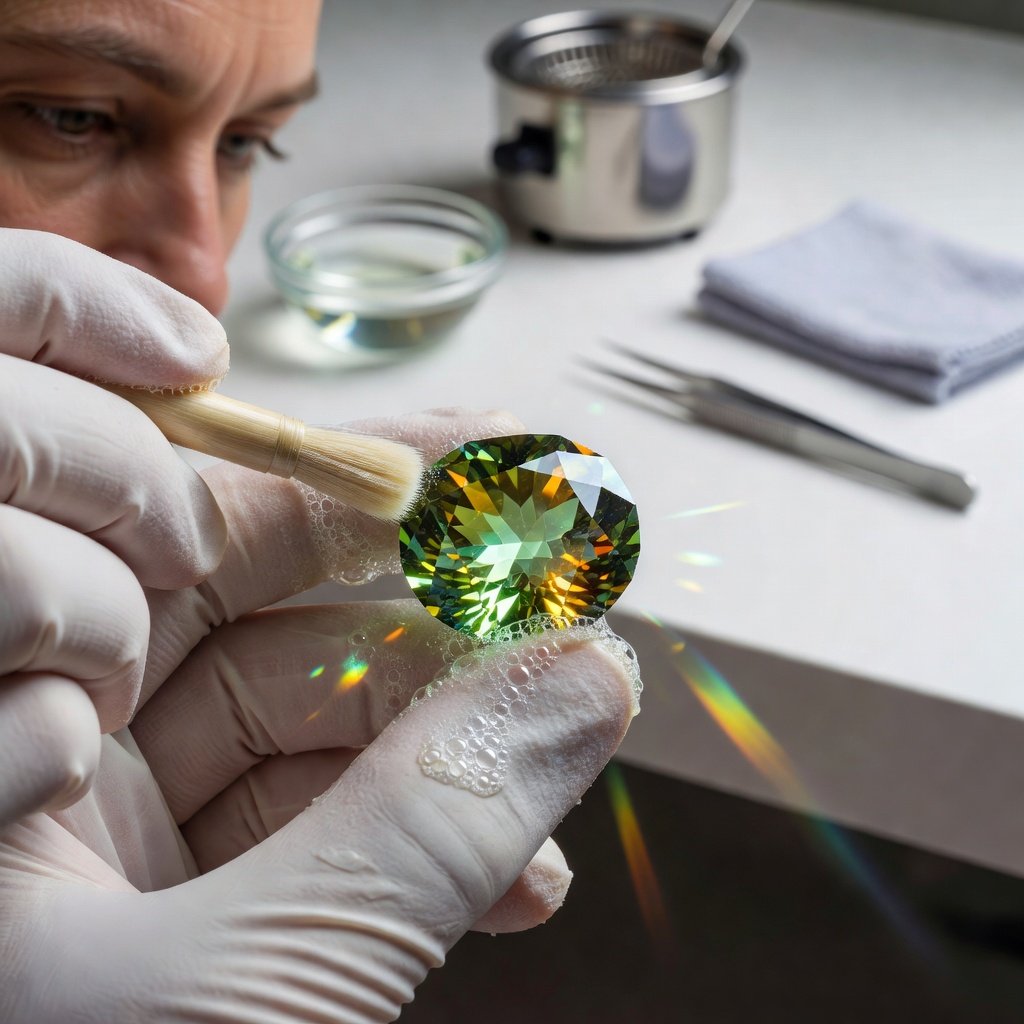
Mastering proper Sphene stone cleaning methods ensures that your gemstone maintains its legendary brilliance without risking damage from aggressive techniques. Begin by preparing a cleaning solution using lukewarm water—approximately room temperature to slightly warm to the touch—and a few drops of mild dish soap, specifically avoiding detergents, antibacterial varieties, or anything containing moisturizers or harsh chemicals. Fill a small bowl with this solution rather than using a sink, as the small size of many sphene gems makes them vulnerable to disappearing down drains if accidentally dropped. Allow the jewelry to soak for no more than two to three minutes to loosen any accumulated oils, dirt, or cosmetic residue that has built up on the surface and around the setting.
For the actual cleaning process, select an ultra-soft-bristled brush such as a baby toothbrush or a specialized jewelry cleaning brush with natural bristles that won't scratch the gem's surface. Gently brush around the prongs, under the pavilion (the bottom portion of the stone), and along the crown facets where debris typically accumulates, using light circular motions rather than scrubbing back and forth. Pay particular attention to the area where the stone meets the setting, as this junction collects skin oils and soap residue that can create a cloudy appearance over time. When learning How to clean titanite jewelry, remember that patience and gentleness yield better results than vigorous scrubbing, which can loosen settings or create microscopic scratches that accumulate into visible wear patterns.
Rinsing requires careful technique to prevent accidental loss down the drain while ensuring all soap residue is removed. Place a mesh strainer or cheesecloth over the drain before rinsing under lukewarm running water, allowing the water to flow over the stone from multiple angles to wash away loosened debris. Inspect the piece under bright light to ensure no soap film remains, as residue will significantly diminish sphene's characteristic fire and brilliance. For drying, lay the jewelry on a soft, lint-free microfiber cloth and pat gently to absorb moisture—never rub vigorously or use paper towels, tissues, or rough fabrics that might scratch the surface. Allow the piece to air dry completely on the cloth for several hours before storing or wearing to ensure no moisture remains trapped in the setting, which could lead to metal corrosion or tarnish.
What to Avoid: Harmful Chemicals and Cleaning Equipment
Understanding what not to do is equally important as knowing proper How to clean titanite jewelry protocols, as several common cleaning methods can catastrophically damage sphene. Ultrasonic cleaners, despite their popularity for other gemstones, pose particular dangers for sphene due to the combination of high-frequency vibrations and heat generation. These machines create microscopic cavitation bubbles that implode against the stone's surface, generating intense localized pressure that can exploit existing cleavage planes or internal inclusions, potentially causing the stone to crack, chip, or completely shatter during the cleaning cycle. Even if the stone survives initial ultrasonic cleaning, repeated exposure can create internal stress that manifests as fractures weeks or months later.
Steam cleaners represent another piece of equipment that should never contact sphene jewelry, regardless of how convenient they might seem for other pieces. The combination of intense heat and high-pressure steam creates severe thermal shock conditions that sphene cannot withstand, particularly given its sensitivity to temperature fluctuations and existing cleavage weaknesses. The rapid expansion and contraction caused by steam can create new fractures or extend existing ones, while the pressure itself can loosen settings or damage surface treatments. Similarly, commercial jewelry dips and solutions containing ammonia, bleach, acids, or alcohol should be strictly avoided, as these chemicals can etch the stone's surface, remove protective coatings, or alter color enhancements that some sphene specimens receive to improve their green or yellow hues.
Abrasive cleaning materials often found in household pantries can destroy sphene's polish and create permanent surface damage that requires professional repolishing to correct. Never use baking soda, toothpaste, or powdered cleaners on sphene, as these substances contain microscopic abrasive particles that scratch the relatively soft surface, creating a network of fine lines that scatter light and diminish the stone's famous dispersion. Even seemingly soft materials like cotton balls can trap grit particles that scratch the surface, while rough cloths, paper towels, and facial tissues contain wood fibers that act as abrasives against the 5-5.5 hardness gem. When in doubt about a cleaning method, remember that sphene requires the gentlest approach of all gemstone care routines, favoring mild soap and soft brushes over any mechanical or chemical cleaning system designed for harder stones.
Proper Storage Solutions for Titanite Gemstones
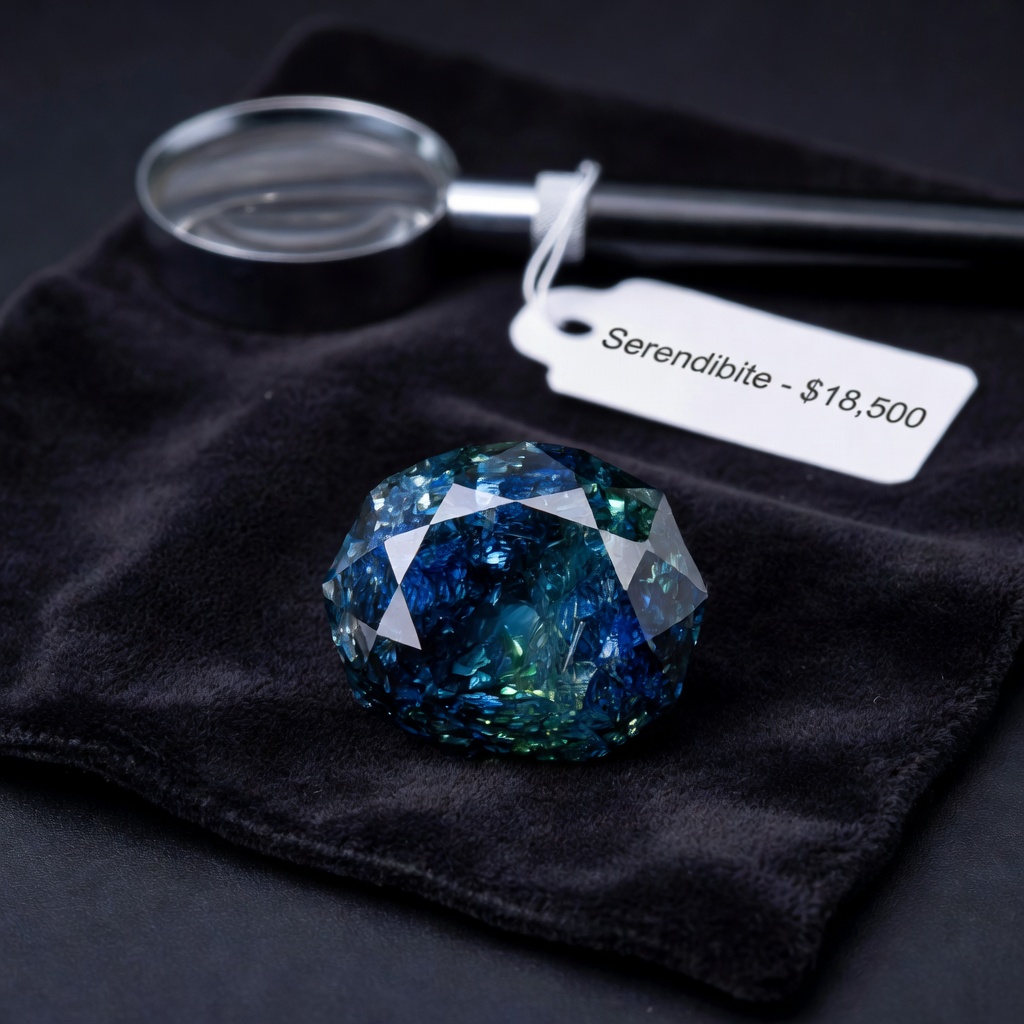
Effective Storing sphene gemstones strategies protect your investment when the jewelry is not being worn, preventing damage that often occurs during storage rather than wear. Always store sphene pieces individually in soft, fabric-lined pouches, small jewelry bags, or wrapped in lint-free cloth to prevent contact with other jewelry items that might scratch or chip the surface. Harder gemstones such as diamonds, rubies, sapphires, and even quartz (found in many other gemstones and decorative items) can easily scratch sphene if allowed to jostle together in a shared jewelry box compartment. Consider investing in a jewelry box with individual padded compartments or dividers that keep each piece separated, ensuring that necklaces don't tangle with rings and that no two stones come into forceful contact when the box is moved or opened.
Environmental factors play a significant role in long-term preservation, requiring careful consideration of where you place your storage containers. Direct sunlight and heat sources such as radiators, heating vents, or windowsills can fade sphene's delicate coloration over time, particularly in specimens that have undergone heat treatment to enhance their golden or greenish-yellow hues. Prolonged UV exposure may also affect certain treatments or cause oils used in the cutting process to dry out, potentially affecting clarity. Choose a cool, dark location such as a bedroom drawer, closet shelf, or dedicated jewelry safe that maintains relatively stable temperatures away from external walls that might experience temperature fluctuations. Maintaining stable humidity levels around 40-50% prevents both the drying out of any organic treatments and the corrosion of metal settings that could compromise stone security.
For collectors or those storing sphene for extended periods, additional precautions ensure the stone remains pristine during months or years of non-use. Consider using silica gel packets or specialized jewelry storage systems that control humidity without allowing direct contact with the stones themselves. If storing sphene in a safe deposit box or home safe, ensure the environment isn't excessively dry, as this can cause certain metal settings to become brittle or affect any fracture fillings that might be present in the stone. Periodically inspect stored pieces every few months to check for loose settings, tarnish development, or any changes in the stone's appearance that might indicate environmental damage. Taking these Storing sphene gemstones precautions ensures that when you do choose to wear your sphene, it emerges from storage with the same brilliance and structural integrity as when you put it away.
Professional Maintenance and When to Seek Expert Help
While home care forms the foundation of preservation, professional Titanite gemstone maintenance provides essential services that extend the life and beauty of your sphene jewelry beyond what household methods can achieve. Schedule annual inspections with a qualified jeweler who understands sphene's unique vulnerabilities, preferably one with experience in colored gemstone care rather than just diamond specialists. During these examinations, the jeweler will check prong integrity, examine the stone for new chips or cracks that might have gone unnoticed, and ensure that the setting remains secure despite sphene's relative softness. These professionals use specialized magnification and lighting to detect early signs of damage that untrained eyes might miss, potentially saving the stone from loss or further deterioration through early intervention.
Professional repolishing services can restore sphene's surface when accumulated scratches from normal wear begin to dull its exceptional fire and brilliance. Unlike diamonds that maintain their polish indefinitely under normal conditions, sphene's 5-5.5 hardness means that years of careful wear will eventually create microscopic surface scratches that scatter light and reduce dispersion. A skilled lapidary can repolish the stone's facets to restore original luster, though this process removes a minute amount of material and should not be performed frequently. If you notice your sphene appearing cloudy or lacking its characteristic flashes of color despite thorough cleaning, consult a professional about repolishing rather than attempting DIY solutions that could worsen the damage.
Immediate professional attention becomes critical when you discover chips, cracks, or fractures in your sphene, as these vulnerabilities can rapidly expand due to the stone's perfect cleavage. Even small chips along the girdle or table facet can propagate into larger fractures with subsequent wear, potentially rendering the stone unsalvageable. A jeweler might recommend options ranging from repolishing to remove minor chips, to resetting the stone in a more protective bezel mounting that covers vulnerable edges, to filling fractures with specialized treatments in certain cases. Keep detailed documentation of any treatments, enhancements, or repairs your sphene receives, as this information proves invaluable for future Titanite gemstone maintenance, insurance purposes, and potential resale value. This paper trail helps future caretakers understand the stone's history and avoid cleaning methods that might compromise previous repairs or enhancements.
Recognizing Signs Your Sphene Needs Immediate Attention
Vigilant observation skills form a critical component of effective Sphene jewelry care tips, allowing owners to address problems before they escalate into irreversible damage. Regularly examine your sphene under bright, diffused light and magnification (such as a 10x jeweler's loupe) to identify visible chips, cracks, or scratches on the table (the large top facet) or crown facets. Pay particular attention to the girdle—the narrow rim where the crown meets the pavilion—as this area is particularly vulnerable to chipping and often serves as the initiation point for larger fractures. Even hairline cracks that seem insignificant can rapidly expand along cleavage planes with continued wear, potentially splitting the stone entirely during normal activities.
Changes in optical performance often indicate that your sphene requires professional intervention beyond routine cleaning. If the stone exhibits persistent cloudiness, dullness, or a lack of brilliance that doesn't improve with proper cleaning techniques, this may indicate surface scratches, accumulated damage to the polish, or internal fractures that scatter light. Sphene is prized specifically for its exceptional dispersion—the ability to split light into spectral colors—and any diminution of this fire suggests either surface damage preventing light entry or internal clarity issues. Additionally, listen for rattling sounds when gently shaking the piece near your ear, which indicates a loose stone in its setting that requires immediate tightening to prevent loss.
Color and clarity changes that occur suddenly or progressively over time may signal serious problems requiring immediate cessation of wear and professional evaluation. If your sphene appears to have developed new visible inclusions, cloudy areas, or color shifts toward brown or gray tones, this could indicate heat damage, chemical exposure, or structural compromise affecting light transmission. Any movement of the stone within its setting—even slight rotation or shifting when touched—warrants immediate removal of the piece and transport to a jeweler in a secure container. Developing the habit of inspecting your sphene before and after each wearing session enables early detection of these warning signs, preserving both the gemstone and your investment through timely intervention.
Long-Term Preservation and Investment Protection
Comprehensive Sphene (Titanite) Care and Cleaning strategies extend beyond daily maintenance to encompass long-term preservation tactics that protect your financial and sentimental investment. Begin by obtaining a professional appraisal from a certified gemologist who specializes in colored gemstones, ensuring the documentation accurately describes your sphene's color, clarity, carat weight, cut, and any treatments it may have received. Update these appraisals every two to three years to reflect current market values, and maintain photographs and detailed descriptions in a secure location separate from the jewelry itself. This documentation proves essential for insurance claims, estate planning, and verifying authenticity should you ever choose to sell or donate the piece.
Realistic expectations about wear patterns help preserve sphene for future generations, acknowledging that this gemstone is best suited for occasional wear rather than daily use, particularly in ring formats. While sphene makes stunning earrings and pendants that experience less physical impact, rings face constant exposure to hard surfaces, chemicals, and mechanical stress that accelerate wear. If you desire sphene in a bracelet or ring for regular use, consider protective settings such as bezels that surround the girdle with metal, or semi-bezels that provide more protection than traditional four-prong settings while still allowing light entry. These mounting styles sacrifice some light performance for significantly enhanced durability, representing a wise compromise for pieces meant to see frequent wear.
For extended periods of non-use, such as seasonal rotation or inheritance preservation, climate-controlled storage provides optimal conditions for Sphene (Titanite) Care and Cleaning maintenance. Store sphene in a stable environment with consistent temperatures between 60-75 degrees Fahrenheit and moderate humidity, avoiding attics, basements, or storage units subject to temperature extremes and moisture fluctuations. Consider using acid-free tissue paper or unbleached cotton cloth for wrapping rather than plastic bags that can trap moisture or create static electricity that attracts dust. By combining insurance protection, realistic wear schedules, protective settings, and proper storage environments, you ensure that your sphene maintains its extraordinary beauty and value for decades to come.
Frequently Asked Questions About Sphene Care
Can I use an ultrasonic cleaner for my sphene gemstone?
No, ultrasonic cleaners are not safe for sphene (titanite). The vibrations can cause fractures along the stone's perfect cleavage planes and exacerbate any existing internal stress or inclusions, potentially leading to cracking or breakage.
What is the hardness of sphene and why does it matter for cleaning?
Sphene ranks 5-5.5 on the Mohs hardness scale, making it softer than many common gemstones like quartz (7) and significantly softer than diamonds (10). This means it can be scratched by harder materials and requires gentle cleaning methods without abrasives.
Can sphene go in water?
Yes, lukewarm water is safe for brief cleaning sessions, but prolonged soaking or exposure to hot water should be avoided. Always use room temperature to lukewarm water with mild soap, and ensure the stone is dried immediately with a soft cloth.
How often should I clean my sphene jewelry?
Clean sphene jewelry every 2-3 months with mild soap and water if worn occasionally. If worn regularly, clean monthly or immediately after exposure to lotions, sunscreen, or cooking oils, as buildup can dull the stone's exceptional fire and brilliance.
Why is sphene also called titanite?
The name 'titanite' refers to the mineral's titanium content, while 'sphene' derives from the Greek word 'sphenos' meaning wedge, describing the crystal's typical wedge-shaped formations. Both names are used interchangeably in gemology and mineralogy.
Is sphene suitable for everyday wear in an engagement ring?
Due to its hardness of 5-5.5 and perfect cleavage, sphene is generally not recommended for daily wear in rings, especially engagement rings. It's better suited for occasional wear, earrings, pendants, or protective bezel settings that minimize impact.
What causes sphene to lose its brilliance and fire?
Sphene's famous fire (dispersion) can be diminished by dirt and oil buildup in facets, surface scratches from contact with harder materials, or exposure to harsh chemicals. Regular gentle cleaning and proper storage help maintain its exceptional optical properties.
Can I clean sphene with commercial jewelry cleaners or ammonia?
No, avoid commercial dips, ammonia-based cleaners, and harsh chemicals. These can damage sphene's surface and potentially affect any treatments the stone may have received. Stick to mild dish soap and lukewarm water only.