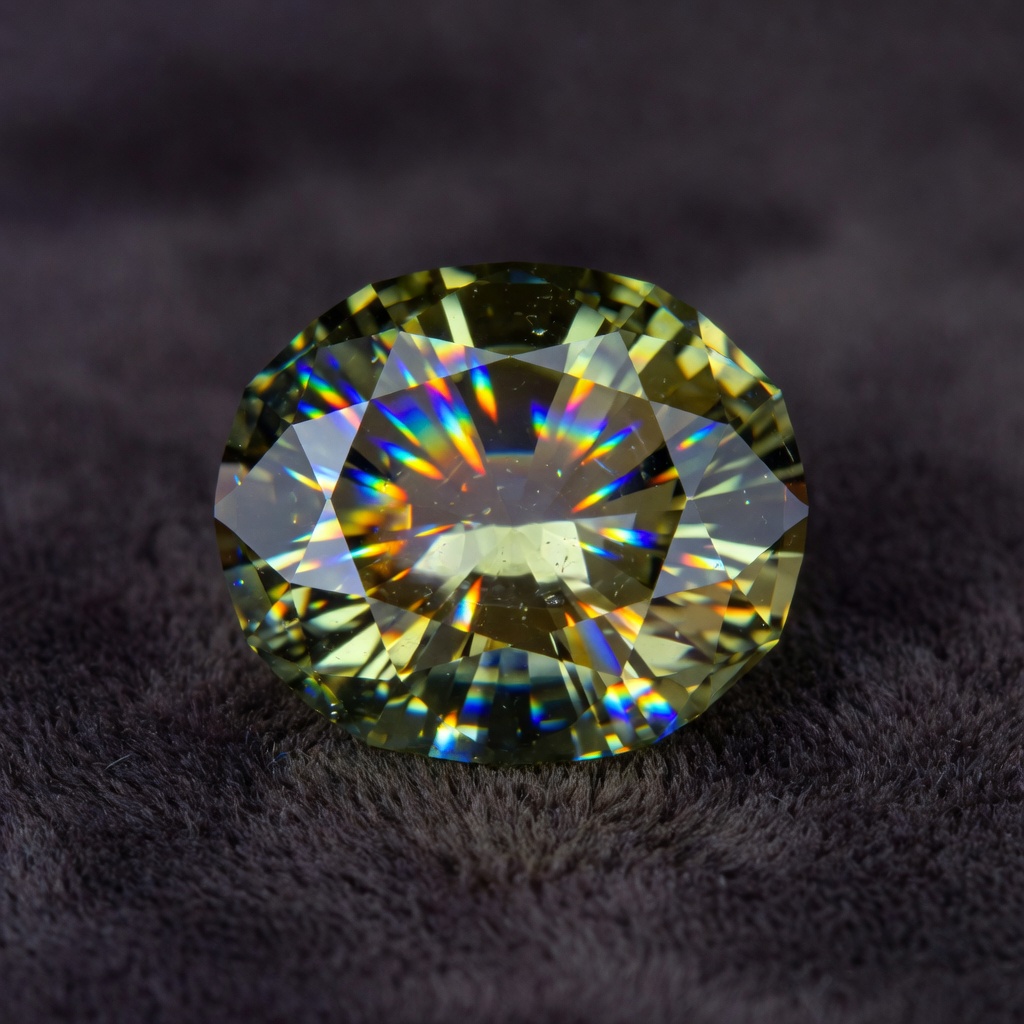
Introduction: Why Sphene (Titanite) Deserves Your Attention
Sphene, scientifically known as titanite, represents one of the most visually spectacular yet underappreciated gemstones in the collector's market. This calcium titanium nesosilicate mineral derives its chemical composition from titanium, giving it unique optical properties that rival even the finest diamonds. While mineralogists prefer the term titanite to reflect its titanium content, gemologists and collectors commonly use sphene, a name derived from the Greek word for "wedge" due to its characteristic crystal shape. This Sphene (Titanite) Buying Guide will navigate you through the essential considerations for acquiring these extraordinary stones.
The historical naming evolution of this gemstone reflects its journey from obscure mineral specimen to coveted collector's item. Originally classified strictly as titanite in mineralogical contexts during the 19th century, the gem trade adopted "sphene" to distinguish gem-quality material from rough mineral samples. Today, both terms appear interchangeably in certificates and catalogs, though sphene remains the preferred designation in luxury jewelry markets. Understanding this dual nomenclature proves essential when researching loose sphene stones or reviewing laboratory certifications.
Growing popularity among connoisseurs stems primarily from sphene's unmatched dispersion, which creates breathtaking rainbow flashes visible even in candlelight. Unlike many gemstones that require specific lighting conditions to display their beauty, sphene performs remarkably across various environments. High-end collectors increasingly seek these stones for bespoke jewelry pieces, driving demand for fine specimens from Madagascar and Sri Lanka. As awareness spreads about this gem's extraordinary brilliance, market values continue appreciating, particularly for exceptional chrome green varieties.
Understanding Fire and Optical Properties
The phenomenon known as sphene fire and brilliance originates from its extraordinary dispersion value of 0.051, which significantly exceeds diamond's rating of 0.044. Dispersion measures a gemstone's ability to separate white light into spectral colors, creating those mesmerizing rainbow flashes that collectors prize. When properly cut, sphene displays intense flashes of red, green, and blue fire that remain visible even under diffuse lighting conditions where diamonds might appear relatively subdued. This exceptional optical performance makes sphene one of the few gemstones that can genuinely compete with diamond in terms of visual spectacle.
Pleochroism adds another dimension to titanite gemstone properties, causing the stone to display different colors when viewed from various angles. Depending on the crystal orientation, you might observe yellowish-green, reddish-brown, or colorless zones within the same stone. This optical characteristic requires careful cutting orientation to ensure the table facet presents the most desirable color while maintaining structural integrity. Experienced lapidaries must balance maximizing color saturation against preserving weight, making each fine sphene cut a study in compromise and expertise.
Double refraction represents another distinctive feature visible to the naked eye in larger specimens. With a birefringence of 0.105-0.135, sphene splits light so effectively that back facets often appear doubled when viewed through the table. While some collectors consider this "fuzziness" a charming characteristic that confirms natural origin, others prefer smaller stones where the effect remains less pronounced. When examining loose sphene stones, hold the gem over text or a straight line—if you see doubled images, you're witnessing this optical phenomenon firsthand.
Color Varieties and Value Assessment
Green sphene value reaches its zenith with chrome green specimens, which command premium prices due to their intense saturation and rarity. These exceptional stones derive their vivid emerald-like color from chromium content, creating a distinctive green that remains vibrant under various lighting conditions. Unlike the yellowish-green varieties that might appear muddy in incandescent light, fine chrome green sphene maintains its color integrity across the spectrum. Collectors should expect to pay significantly more for these specimens, particularly when the green exhibits high saturation without undesirable brown or gray modifiers.
The comparison between chrome sphene vs yellow varieties reveals distinct market preferences and pricing structures. While chrome green represents the pinnacle of desirability, golden-yellow and honey-brown sphene varieties offer excellent value for collectors seeking fire over color intensity. Yellowish-green stones, sometimes described as "cinnamon" or "chartreuse," constitute the most commonly available material and typically fall into moderate price brackets. These warmer tones actually enhance the perception of fire in some lighting conditions, as the yellow body color complements the orange and red spectral flashes.
Saturation and tone dramatically impact per-carat pricing, with the most valuable stones displaying medium-dark tones with vivid saturation. Stones that appear too light may lack the body color to showcase fire effectively, while overly dark specimens appear blackish and lifeless. When assessing value, examine the stone under natural daylight, incandescent light, and LED lighting to evaluate color stability. Top-tier chrome green specimens with excellent clarity and cut can command prices exceeding $1,000 per carat for stones over two carats, while commercial-quality yellowish-green material might range between $100-$300 per carat.
Clarity Standards and Inclusion Patterns
Understanding titanite gemstone properties requires familiarity with typical inclusion patterns that characterize this species. Most sphene contains distinctive crystal inclusions, often appearing as small dark needles, reflective plates, or fingerprint-like feather patterns. These inclusions frequently consist of other minerals such as chlorite, calcite, or iron oxides that became trapped during crystal formation. Rather than automatically disqualifying a stone, these inclusions often serve as diagnostic features confirming natural origin, much like fingerprints in diamonds.
The clarity grading scale for sphene differs somewhat from diamond standards, with "eye-clean" definitions adjusted for the material's rarity. While collectors prefer eye-clean stones where inclusions remain invisible without magnification, slightly included specimens with minor feathering near the girdle often represent acceptable compromises, particularly in larger sizes. However, surface-reaching fractures or extensive cleavage planes pose significant risks, as these weaknesses may expand during setting or daily wear. When examining potential purchases, use a 10x loupe to identify any cracks that break the surface, as these represent potential failure points.
Inclusions significantly affect structural integrity during the cutting process, explaining why large, clean sphene remains exceptionally rare. Lapidaries must orient cuts to avoid cleavage planes and minimize stress on included areas, often resulting in lower yield from rough material. A case study from a Sri Lankan cutting house revealed that only 15% of rough chrome green crystals over five grams produced eye-clean finished stones larger than one carat. This attrition rate explains the premium pricing for clean specimens and underscores the importance of choosing cutters who understand sphene's unique challenges.
Cut Quality and Maximizing Brilliance
When selecting loose sphene stones, cut quality serves as the primary determinant of whether the gem displays its legendary fire or appears dull and lifeless. Round brilliant and oval cuts consistently best showcase sphene's dispersion, providing numerous facets to split light into spectral colors. These shapes allow lapidaries to optimize pavilion angles specifically for sphene's refractive index, maximizing internal reflections. Avoid overly shallow cuts, which create "windowing" effects where light escapes through the bottom rather than returning to the eye as brilliance.
Critical pavilion angles typically range between 42-44 degrees for sphene, steeper than those used for diamonds or sapphires. These aggressive angles help trap light within the stone longer, allowing the high dispersion to separate colors effectively before reflecting back to the viewer. Stones cut with pavilion angles below 40 degrees often appear washed out with noticeable dead zones in the center. When examining prospective purchases, tilt the stone slightly—well-cut sphene should maintain brilliance across a wide viewing angle rather than darkening significantly with minor movements.
Table percentage recommendations generally fall between 53-58% for optimal light return in sphene. Larger tables may improve apparent size but typically reduce fire by allowing light to exit too quickly. Conversely, very small tables can make the stone appear dark or "closed." Crown heights between 12-15% help balance brilliance with fire, creating those distinctive rainbow flashes without sacrificing overall brightness. When commissioning custom cuts, request modifications to standard diamond proportions, as sphene's unique optical properties reward specialized cutting approaches that account for its specific refractive index and dispersion characteristics.
Carat Weight, Size, and Pricing Structure
The relationship between size and rarity in sphene follows an exponential curve that significantly impacts green sphene value. Stones exceeding two carats represent genuinely rare specimens, as the mineral's crystal structure rarely produces large clean rough. When cutters do encounter sizable clean crystals, they face difficult decisions regarding yield versus quality, often choosing to produce one exceptional stone rather than multiple smaller gems. This scarcity means that prices per carat increase dramatically once stones surpass the two-carat threshold, sometimes doubling or tripling compared to one-carat specimens of similar quality.
Current market pricing structures reflect this rarity, with standard yellowish-green qualities ranging from $100-$300 per carat for one-carat sizes. Fine chrome green material with excellent clarity commands $500-$800 per carat for smaller stones, escalating to $1,200 or more for premium specimens over two carats. Investment potential remains strongest for high-grade chrome green specimens, particularly those from classic localities like Madagascar or Sri Lanka. These stones have demonstrated consistent appreciation over the past decade, outpacing many traditional colored gemstones in terms of percentage gains.
When building a collection or investment portfolio, consider acquiring a range of sizes rather than concentrating solely on large stones. While two-carat-plus specimens offer the greatest appreciation potential, they also present liquidity challenges during resale. One-carat stones of exceptional quality often sell more quickly to jewelry designers and intermediate collectors. Additionally, smaller stones allow buyers to diversify across different color varieties—perhaps acquiring a fine chrome green under one carat alongside a larger golden-yellow specimen—creating a balanced collection that showcases sphene's remarkable color range while maintaining budget flexibility.
Treatments, Enhancements, and Authenticity
Understanding titanite gemstone properties includes recognizing common treatments that affect both value and durability. Heat treatment represents the most prevalent enhancement, with lower-grade yellowish or brownish stones sometimes heated to improve color saturation or shift hues toward more desirable greenish tones. While stable and generally accepted in the trade, heat-treated material should command lower prices than naturally colored equivalents. Identification of heat treatment requires professional gemological equipment, as the process often leaves subtle clues in inclusion patterns or color zoning rather than obvious visual indicators.
Fracture filling occasionally appears in lower-grade material with surface-reaching breaks. This treatment involves injecting glass or polymer substances into cracks to improve apparent clarity, though it significantly compromises durability and value. Such stones require special care and should never undergo ultrasonic cleaning or steam treatment. When examining suspect stones, look for flash effects or iridescent colors within fractures under magnification, which often indicate filling materials. Reputable dealers will disclose such treatments explicitly, and any hesitation to discuss enhancement history should raise immediate concerns.
The importance of laboratory certification from recognized institutions like GIA (Gemological Institute of America) or AGL (American Gemological Laboratories) cannot be overstated when purchasing significant sphene specimens. These certificates confirm natural origin, identify treatments, and document critical characteristics such as color grade and geographic origin. For investment-grade material exceeding $1,000 per carat, insist on full grading reports rather than simple identification documents. Some laboratories now offer origin reports for sphene, which can significantly impact value—particularly for specimens from historic mines or classic localities like the original Madagascar chrome green discoveries.
Durability Considerations and Setting Selection
Sphene durability Mohs ratings of 5-5.5 place this gemstone in the moderate hardness category, requiring thoughtful consideration regarding jewelry applications. This hardness level means sphene scratches more easily than popular jewelry stones like sapphire (9) or even amethyst (7), making it susceptible to abrasion from daily wear. Additionally, sphene possesses distinct cleavage in one direction and imperfect cleavage in another, creating planes of weakness that can result in chipping or splitting under impact. Understanding these limitations helps collectors make informed decisions about appropriate settings and wearing occasions.
Vulnerability to thermal shock presents another concern for sphene jewelry. Rapid temperature changes—such as moving from a cold outdoor environment into a heated room or exposure to hot water during cleaning—can cause internal stress fractures. Jewelers must exercise extreme caution when setting sphene, using protective techniques and avoiding excessive heat from soldering torches. For this reason, sphene works best in pendants and earrings where impact risk remains minimal, rather than rings that encounter daily knocks against hard surfaces.
Recommended setting styles prioritize protection without completely obscuring the stone's magnificent fire. Bezel settings offer superior protection compared to prong settings, wrapping the vulnerable girdle in metal to prevent chipping while providing a buffer against impacts. When prong settings are preferred for aesthetic reasons, consider six-prong designs that distribute pressure more evenly than four-prong styles. Protective gallery work beneath the stone adds structural support, while recessed settings prevent the table from protruding excessively. For those determined to wear sphene in rings, consider cocktail-style pieces reserved for special occasions rather than daily-wear engagement rings or wedding bands.
Trusted Sources and Buying Strategies
Navigating the Sphene (Titanite) Buying Guide successfully requires identifying reputable dealers who specialize in rare gemstones rather than general jewelry retailers. Established colored stone dealers with decades of experience often maintain direct relationships with cutters in Sri Lanka, Madagascar, and Pakistan, ensuring first selection of new material. These specialists can provide detailed provenance information, treatment disclosure, and setting recommendations based on specific stone characteristics. Avoid mass-market jewelry chains or online auction sites where authenticity guarantees remain questionable and return policies may not cover treated or misrepresented material.
Red flags should trigger immediate caution when evaluating potential purchases. Unrealistically low prices often indicate synthetic material, glass imitations, or heavily treated stones with undisclosed enhancements. If a dealer offers "chrome green" sphene at yellow variety prices, scrutinize the stone carefully for dye treatments or misidentification. Similarly, stones described as "eye-clean" without magnification tools available for verification warrant skepticism. Reputable sellers welcome detailed examination under loupe or microscope and provide generous return periods—typically seven to fourteen days—for independent verification.
Essential questions to ask before purchasing include specific inquiries about origin, treatment history, and previous ownership. "Has this stone undergone heat treatment or fracture filling?" should yield direct answers backed by laboratory documentation. "What is the cutting weight loss percentage from rough?" helps assess whether the cut maximized optical performance or merely preserved carat weight. For investment purchases, request information about the rough crystal's dimensions and orientation, as these factors influence long-term stability. Establishing rapport with a trusted dealer who understands your collecting goals often proves more valuable than seeking one-time bargains, as these relationships provide access to pre-selection of new material and educational guidance.
Care and Maintenance Best Practices
Proper maintenance protocols acknowledge sphene durability Mohs limitations while preserving optical performance. Avoid ultrasonic cleaners and steam cleaning equipment entirely, as vibrations and thermal shock can exacerbate existing inclusions or cleavage planes. Instead, clean sphene jewelry using warm water with mild dish soap and a soft brush, gently removing accumulated oils and debris from the pavilion facets where dirt most commonly collects. Rinse thoroughly and pat dry with a lint-free cloth, ensuring no soap residue remains to dull the surface luster.
Storage practices require segregation from harder gemstones to prevent scratching. Store sphene pieces in individual soft cloth pouches or compartmentalized jewelry boxes where they cannot contact diamonds, sapphires, or other harder materials. Even dust particles containing quartz (hardness 7) can abrade sphene's surface over time, so avoid storing these gems in open displays where they accumulate airborne particulates. When traveling, carry sphene jewelry in rigid cases with padded interiors, protecting against impact damage during transport.
Professional inspection schedules should occur every six to twelve months for frequently worn sphene pieces, or annually for occasional-wear items. Jewelers should check for loose stones, worn prongs, or developing chips, particularly examining the girdle area where damage most commonly initiates. Re-polishing services can restore surface scratches, though this process removes microscopic amounts of material and should not be undertaken frequently. For heirloom pieces or significant investments, consider photographing the stone annually under consistent lighting conditions to document any changes in clarity or surface condition over time.
Frequently Asked Questions
Why is sphene also called titanite?
Sphene is the gemological name, while titanite refers to its mineral species name derived from its titanium content (calcium titanium nesosilicate). Both terms are used interchangeably in the trade.
How much does sphene cost per carat?
Prices range from $100-$300 per carat for standard yellowish-green qualities, while fine chrome green specimens can command $500-$1,200 per carat or more for stones over 2 carats with exceptional fire.
Is sphene durable enough for an engagement ring?
With a Mohs hardness of 5-5.5 and distinct cleavage, sphene is not recommended for daily-wear rings like engagement rings. It's better suited for pendants, earrings, or occasional-wear pieces in protective bezel settings.
What causes sphene's exceptional fire?
Sphene possesses a dispersion rating of 0.051, which exceeds diamond's 0.044. This means it splits white light into spectral colors more effectively than diamond, creating intense rainbow flashes visible even in subdued lighting.
How can I tell if my sphene is natural or treated?
Always request a certificate from recognized labs like GIA or AGL. Heat-treated stones may show slightly different inclusion patterns, but professional gemological testing is required for definitive identification of treatments.
What is the best color for sphene?
Chrome green sphene is considered the most valuable and desirable, displaying intense green color with high saturation. However, golden-yellow and cinnamon-brown varieties with strong dispersion are also popular among collectors.
Where are the best sphene deposits located?
The finest chrome green sphene typically comes from Madagascar and Sri Lanka. Pakistan produces excellent yellowish-green varieties, while Brazil and Russia also yield significant quantities of collector-quality material.
What cuts best display sphene's brilliance?
Round brilliant, oval, and cushion cuts with steep pavilion angles (typically 42-44 degrees) best maximize sphene's dispersion. These cuts minimize windowing while emphasizing the stone's characteristic fire.