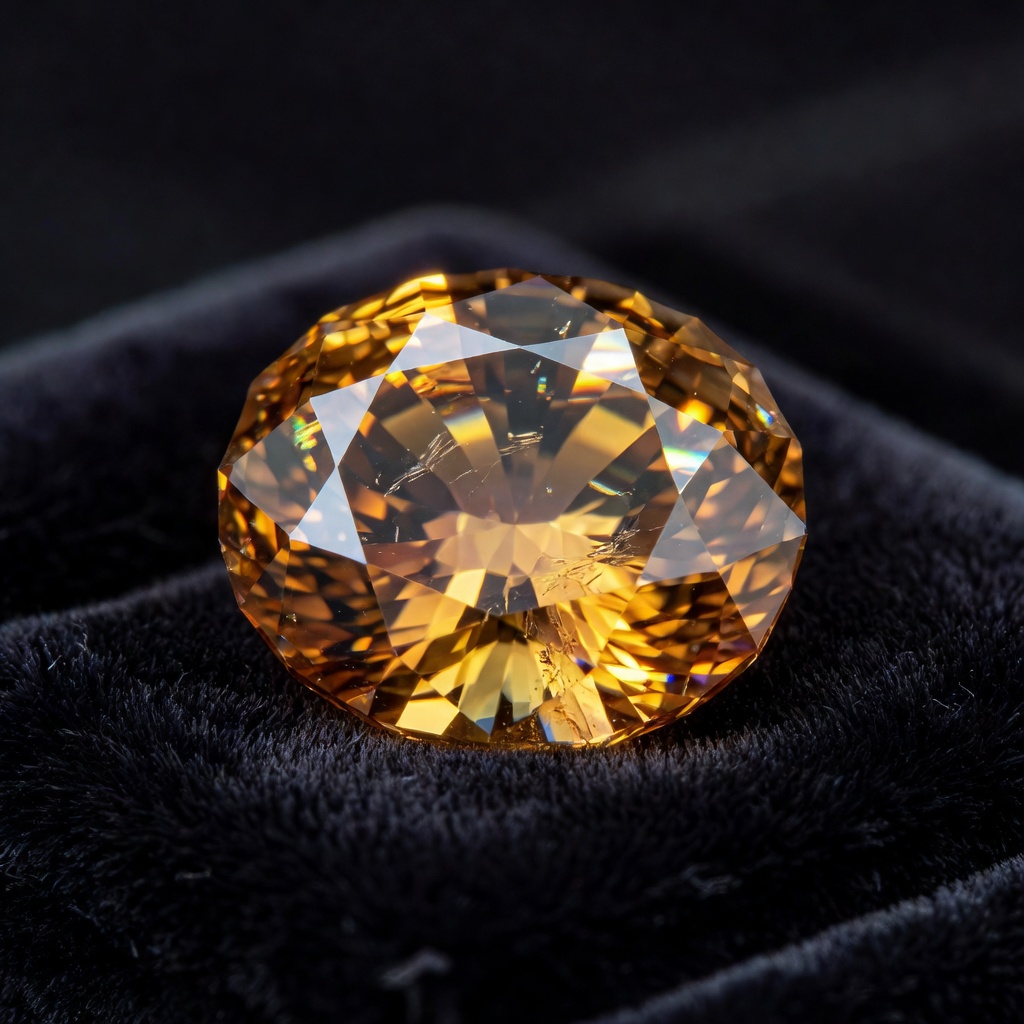
Introduction to Sphalerite Pricing
Navigating the Sphalerite Price Guide requires understanding that this zinc sulfide mineral, also known historically as zinc blende, occupies a unique position in both the industrial and luxury markets. While massive black sphalerite serves as the primary ore for zinc extraction worldwide, transparent crystalline varieties with gem-quality clarity represent some of the most undervalued yet spectacular specimens available to collectors today. The market bifurcation creates dramatic price differentials, with industrial material selling by the ton while exceptional crystals command prices rivaling fine sapphires or emeralds on a per-carat basis.
Current demand trends reveal a fascinating dichotomy between mineral collectors seeking pristine crystalline specimens and jewelry designers intrigued by sphalerite's extraordinary dispersion—the mineral's ability to split light into spectral colors exceeds even that of diamond. This dual demand has driven prices upward for top-tier material, particularly as classic European mines cease production and Chinese sources flood the market with affordable but lower-quality alternatives. Understanding these market dynamics helps buyers recognize when a specimen represents genuine value versus when pricing reflects speculative hype or artificial scarcity.
Understanding Sphalerite Quality Factors
Sphalerite gemstone pricing revolves around a hierarchy of quality markers that differ significantly from those applied to more common jewelry stones like quartz or garnet. Color intensity and saturation serve as the primary value drivers, with the most desirable specimens displaying deep honey-yellow, orange-red, or cognac hues that appear to glow from within due to the mineral's high refractive index. Unlike diamonds where colorlessness commands premium prices, sphalerite achieves maximum value through rich, saturated tones that demonstrate the stone's remarkable light-handling properties while maintaining transparency.
Clarity standards diverge sharply between gem-grade and specimen-grade material, creating distinct market categories that rarely overlap. For faceted jewelry pieces, buyers should expect eye-clean clarity with no visible inclusions at a distance of six inches, though some collectors actually prefer lightly included stones that prove natural origin. Specimen-grade sphalerite, however, often derives value from associated matrix minerals such as dolomite, quartz, or fluorite, with crystal formation quality taking precedence over internal perfection. A specimen featuring a 2-inch translucent crystal perched on contrasting white dolomite matrix may command higher prices than a flawless faceted stone of equivalent weight.
Cut quality presents unique challenges due to sphalerite's physical properties, including perfect cleavage in six directions and a relatively soft Mohs hardness of 3.5 to 4. Master cutters must orient stones precisely to avoid cleavage planes that could cause fracture during setting or wear, often resulting in higher labor costs that factor into final retail prices. The ideal cut maximizes the stone's inherent fire—its dispersion of 0.156 compared to diamond's 0.044—while protecting vulnerable edges through bezel settings or protective prong designs.
Sphalerite Price Per Carat Breakdown
Understanding sphalerite price per carat requires recognizing three distinct market tiers that rarely intersect in terms of clientele or valuation methodology. Commercial-grade rough material suitable for beginning collectors or educational purposes typically ranges from $5 to $20 per carat, often appearing as small crystals or cleavage fragments with moderate transparency and pale coloration. This entry-level segment offers an accessible pathway for enthusiasts to build collections without significant financial commitment, though such material rarely appreciates substantially in value.
Faceted gem-quality sphalerite occupies the middle tier, commanding $50 to $300 per carat depending primarily on color saturation, clarity, and cutting precision. Stones exceeding 5 carats with intense honey-orange coloration and exceptional dispersion may reach the upper end of this range or exceed it, particularly when sourced from prestigious localities like the Santander region of Spain. For example, a 3-carat eye-clean stone with deep amber color and masterful cutting might retail for $600-900, while a similar-sized pale yellow stone with visible inclusions might struggle to achieve $150.
Museum-quality crystals and rare specimens represent the apex of the market, frequently exceeding $500 per carat and occasionally reaching thousands of dollars per carat for exceptional pieces. These specimens feature large crystal size (often over 10 carats), pristine transparency, and association with rare matrix minerals or other sulfides like galena or chalcopyrite. A pristine 50-carat crystal cluster from defunct Spanish mines, displaying the classic tetrahedral crystal habit with mirror-like luster, could easily command $25,000 to $50,000 at specialized mineral auctions, demonstrating how rarity and provenance transcend standard carat-based valuation.
Color Varieties and Their Market Value
Among collectible sphalerite varieties, color serves as the most immediate indicator of potential value, with deep honey-yellow and rich amber tones consistently commanding premium prices across all market segments. These warm hues, particularly when combined with high transparency and strong dispersion, create a visual effect reminiscent of high-quality citrine or spessartine garnet but with significantly greater fire. Spanish material from the Picos de Europa region epitomizes this desirable color range, with specimens displaying an almost liquid-gold appearance that becomes more valuable as the color deepens toward orange-red without darkening into brown tones.
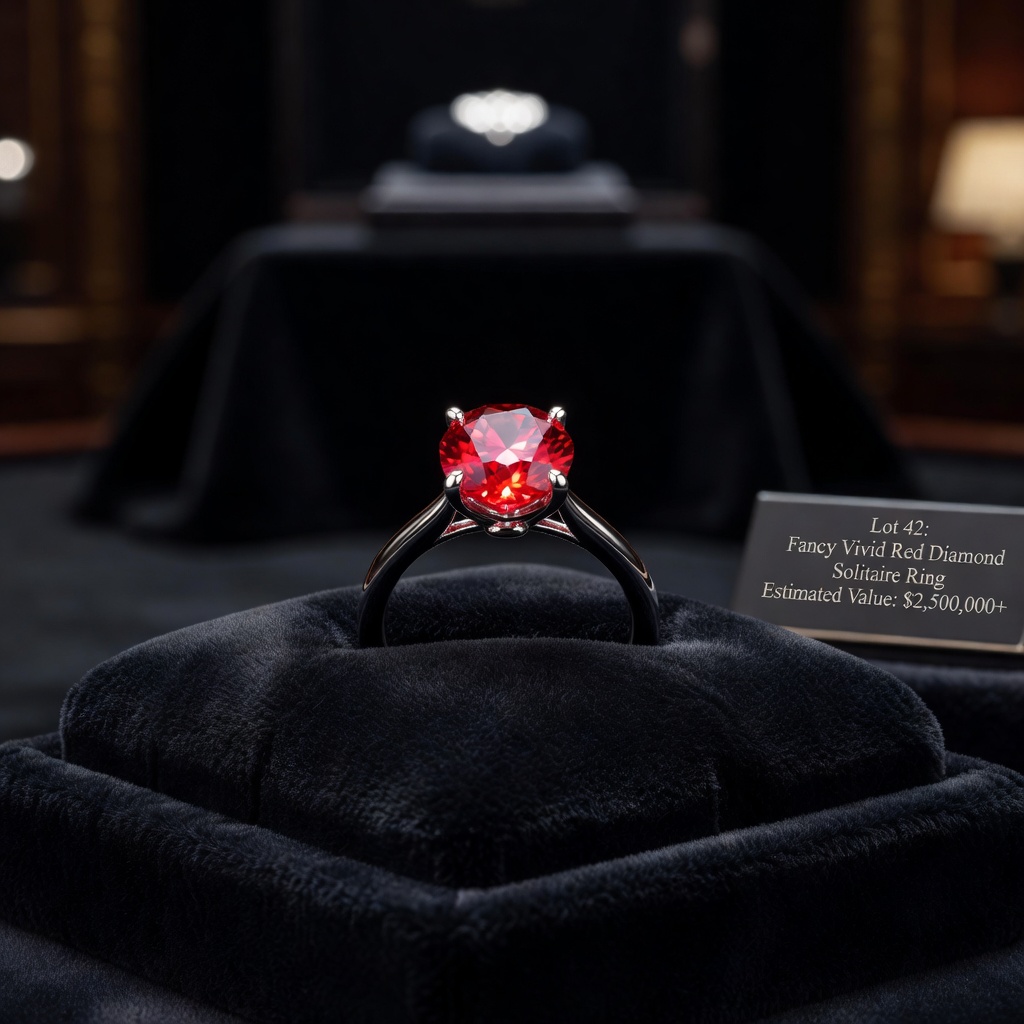
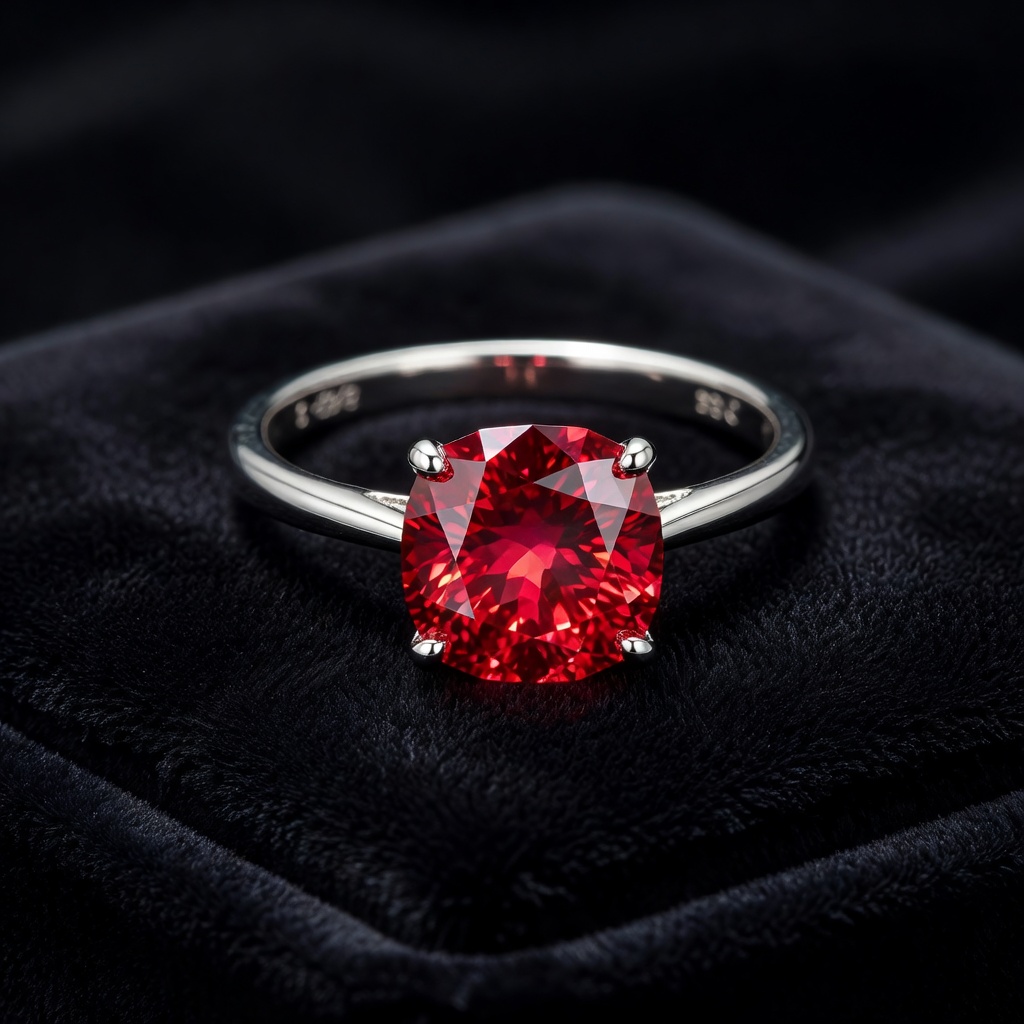
Rare red and green color variations emerge from specific geological environments and command extreme premiums due to their scarcity in the market. Red sphalerite, occasionally found in Colorado and certain Bulgarian deposits, results from specific trace element inclusions and thermal histories that create chromium-like coloration rarely exceeding small crystal sizes. Green varieties, particularly those from the Dalnegorsk region of Russia or certain Mexican localities, appear even more infrequently and often achieve prices 300-500% higher than equivalent yellow specimens due to collector demand for complete color suites.
Black industrial sphalerite, while comprising the vast majority of mined material, holds minimal value in the gem and mineral collecting markets despite being chemically identical to its transparent counterparts. This massive, opaque material serves exclusively as zinc ore, selling for pennies per pound rather than dollars per carat. The stark contrast between industrial black sphalerite and gem-grade crystals illustrates how crystallization environment, not chemical composition, ultimately determines market value—a principle that guides serious collectors toward specimens demonstrating exceptional transparency and crystal development.
Geographic Origins Affecting Price
Provenance significantly influences the valuation of rare sphalerite specimens, with classic European localities commanding substantial premiums over newer sources despite comparable objective quality metrics. The Santander Province mines of Spain, particularly those around the Picos de Europa National Park, represent the gold standard for sphalerite collecting, with specimens from defunct operations like the Las Mánforas or Áliva mines achieving prices 200-400% higher than visually similar material from active Chinese deposits. This "locality premium" reflects historical significance, scarcity due to mine closures, and the superior luster characteristic of Spanish sphalerite.
Mexican specimens from the Charcas and Naica districts have gained recognition for exceptional transparency and crystal size, often producing colorless to pale yellow crystals exceeding 5 centimeters in length with water-clear clarity. These specimens appeal to collectors prioritizing crystal perfection over intense coloration, with prices typically ranging between mid-tier commercial and high-end Spanish material. The Naica mines, famous for enormous gypsum crystals, also produced sphalerite with unique clarity characteristics that command specialized interest from serious mineralogists.
Chinese production, primarily from the Hunan and Jiangxi provinces, currently dominates the entry-level market with affordable specimens that allow new collectors to appreciate sphalerite's crystal forms without significant investment. While these specimens often display excellent crystal habit and reasonable transparency, they typically lack the intense color saturation and adamantine luster of classic European material. Savvy buyers recognize Chinese sphalerite as an excellent educational resource and display filler, though investment-minded collectors generally prioritize specimens from depleted European or select American localities for long-term appreciation potential.
Cut and Clarity Impact on Value
Evaluating zinc blende value in cut stones requires acknowledging the material's notorious difficulties for lapidaries, challenges that simultaneously limit supply and increase costs for finished gems. With a Mohs hardness of only 3.5 to 4 and perfect cleavage in six directions, sphalerite ranks among the most difficult gemstones to facet successfully, with experienced cutters reporting breakage rates exceeding 50% for complex designs. This technical difficulty means that well-executed faceted sphalerite commands significant premiums over rough material, with cutting labor often representing 40-60% of the final retail price.
Clarity standards for faceted sphalerite remain more forgiving than those for sapphire or emerald, provided inclusions do not significantly impair transparency or create durability concerns. Eye-clean stones—those without visible inclusions to the unaided eye—represent the top tier for jewelry use, though collectors sometimes prefer lightly included stones that confirm natural origin and provide "fingerprint" identification characteristics. Cloudy or heavily included material, while unsuitable for faceting, may still hold value as mineral specimens if crystal form remains visible, illustrating the importance of matching material type to intended use.
The phenomenon of dispersion, or fire, adds substantial premium to well-cut sphalerite, with stones properly oriented to maximize this optical property achieving prices double those of poorly cut material of equivalent color and clarity. Sphalerite's dispersion rating of 0.156 significantly exceeds diamond's 0.044, creating spectacular rainbow flashes that become the primary selling point for jewelry applications. Buyers should examine potential purchases under varied lighting conditions, as stones cut specifically to maximize fire may appear slightly windowed or shallow in daylight but transform into spectacular displays under incandescent or candlelight.
Where to Buy Sphalerite: Price Comparisons
Understanding sphalerite crystal worth across different sales channels helps buyers optimize their purchasing strategy based on budget constraints and quality requirements. Specialized mineral dealers offer the greatest selection of high-end crystalline specimens, often providing detailed locality information, provenance documentation, and professional photography that justifies premium pricing 20-40% above wholesale levels. These dealers possess the expertise to distinguish between treated and natural material, offering guarantees essential when purchasing investment-grade specimens exceeding $5,000.
Auction houses such as Heritage Auctions, Bonhams, and specialized mineral auction platforms like iRocks provide access to museum-quality pieces rarely available through retail channels, though buyer's premiums typically add 15-25% to hammer prices. The auction environment suits experienced collectors who can accurately grade material from photographs and descriptions, though novices should attend preview events when possible to examine specimens firsthand. Notable sales in recent years include a 12-centimeter Spanish sphalerite cluster that achieved $18,000 at auction, demonstrating the liquidity available for exceptional pieces through established auction venues.
Mineral shows in Tucson, Denver, Munich, and Sainte-Marie-aux-Mines offer unique opportunities for direct comparison shopping and occasional bargains from small-scale miners or estate collections. The Tucson Gem and Mineral Show, held annually in February, represents the world's largest marketplace for sphalerite, with thousands of vendors allowing buyers to calibrate pricing expectations across quality grades. Direct-from-mine purchasing, while potentially offering significant savings, requires substantial expertise to evaluate rough material and negotiate fairly with miners, making this approach suitable primarily for experienced dealers rather than casual collectors.
Authentication and Avoiding Common Scams
Navigating the sphalerite buying guide requires vigilance against several common deceptive practices that artificially inflate prices or misrepresent material origins. Heat treatment, while less common in sphalerite than in sapphire or ruby, occasionally appears in pale material intended to intensify yellow or orange coloration. Treated stones typically show slightly different fluorescence patterns under long-wave ultraviolet light and may display subtle color zoning inconsistent with natural thermal formation, though definitive detection requires spectroscopic analysis available through laboratories like GIA or AGL.
Synthetic zinc sulfide, produced through chemical vapor deposition for industrial optical applications, occasionally enters the gem market as simulated natural sphalerite. These synthetics typically display unnaturally perfect clarity, lack natural inclusions, and may show curved growth patterns visible under magnification. While chemically identical to natural material, synthetics hold negligible collector value and should be priced accordingly—typically 10-20% of natural stone prices—though unscrupulous sellers may attempt to pass them as rare, flawless natural specimens.
Provenance documentation and laboratory certification provide essential protection for significant purchases, with respected institutions offering origin reports that verify locality claims affecting value. For specimens exceeding $1,000, buyers should insist on detailed invoices specifying exact mine locations, previous ownership history when available, and any treatments or enhancements. Photographic documentation of the specimen in matrix or showing unique identifying features helps protect against substitution fraud, particularly when purchasing investment-grade pieces intended for long-term collection or resale.
Investment Potential and Market Trends
Analyzing sphalerite investment value reveals a market segment that has outperformed many traditional collectibles over the past decade, driven by diminishing supply from classic localities and increasing recognition among high-end jewelry designers. Historical price data indicates that top-tier Spanish specimens have appreciated 150-300% since 2010, outpacing inflation and many equity indices, though this performance concentrates exclusively in museum-quality material from depleted mines. Entry-level specimens show modest appreciation tracking general inflation, suggesting that investment potential correlates directly with rarity and quality grade.
Rarity factors driving future value increases include the ongoing depletion of European zinc mines, increasing environmental restrictions on mining operations worldwide, and growing collector bases in Asia and the Middle East. Unlike diamonds or colored stones with controlled supply chains, sphalerite availability depends entirely on mining operations targeting zinc ore, making gem-quality crystal discoveries increasingly fortuitous rather than systematic. This stochastic supply, combined with finite deposits of high-quality material, suggests continued price appreciation for exceptional specimens, particularly those exceeding 10 carats with documented provenance from historic localities.
Storage and insurance considerations for valuable pieces require professional-grade mineral cabinets with stable humidity levels between 45-55%, as sphalerite can develop surface tarnish or sulfur degradation in excessively damp or acidic environments. Insurance riders for mineral collections should specifically cover "natural history specimens" rather than generic "jewelry," as standard policies may undervalue rare crystals based on material weight rather than collector market pricing. Photographic inventories updated annually and stored off-site provide essential documentation for claims, while climate-controlled safety deposit boxes offer appropriate security for individual pieces exceeding $10,000 in value.
Conclusion: Making Informed Purchases
Mastering this Sphalerite Price Guide empowers collectors and jewelry enthusiasts to navigate a complex market where objective quality metrics intersect with subjective locality premiums and rarity factors. Successful acquisitions require balancing budget limitations against quality priorities—whether prioritizing intense color and dispersion for jewelry applications or pristine crystal formation for mineral displays. The wide price range, from $5 per carat commercial material to $500+ per carat museum specimens, ensures accessible entry points for novices while offering sophisticated investment opportunities for serious collectors.
Building relationships with reputable dealers specializing in sulfide minerals provides long-term benefits beyond individual transactions, including first access to new discoveries, authentication services, and market intelligence regarding price trends. These professionals can guide buyers away from common pitfalls such as treated material or misidentified localities while connecting them with pieces matching specific collecting goals. Patience remains essential in this market, as the perfect specimen rarely appears immediately; waiting for verified, high-quality material from trusted sources ultimately proves more economical than purchasing questionable stones at apparent discounts.
Long-term care preserves both the aesthetic and monetary value of sphalerite collections, requiring storage separate from harder gemstones, protection from acids and thermal shock, and regular inspection for environmental damage. Whether acquiring a single stunning pendant stone or building a comprehensive suite of global localities, informed buyers recognize that sphalerite represents not merely zinc sulfide but geological history crystallized into tangible form. By applying the pricing principles and authentication methods outlined in this guide, collectors can confidently participate in this fascinating market segment, securing specimens that provide both visual delight and potential financial appreciation for generations.
Frequently Asked Questions
How much does sphalerite cost per carat?
Sphalerite prices range from $5-20 per carat for commercial rough material, $50-300 per carat for fine faceted gems with good dispersion, and $500+ per carat for exceptional museum-quality crystals with perfect clarity and rare coloration.
What color of sphalerite is most valuable?
Deep honey-yellow to orange-red sphalerite with high transparency commands the highest prices, particularly specimens from classic Spanish localities. Red and green varieties are rare and highly sought after by collectors, while black industrial sphalerite has minimal gem value.
Why is sphalerite also called zinc blende?
Sphalerite is the mineral form of zinc sulfide (ZnS). The name 'zinc blende' originated from German mining terminology, referring to its deceptive appearance that often confused miners looking for lead ores ('blende' meaning deceiver).
Is sphalerite durable enough for jewelry?
With a hardness of only 3.5-4 on the Mohs scale and perfect cleavage in six directions, sphalerite is challenging for jewelry use. It's best suited for occasional wear pieces like pendants or earrings with protective settings, rather than rings that receive daily impact.
How can I tell if sphalerite is genuine?
Authentic sphalerite exhibits high dispersion (0.156, higher than diamond), adamantine to resinous luster, specific gravity of 3.9-4.1, and perfect dodecahedral cleavage. Professional gemological testing can confirm authenticity and detect treatments or synthetics.
Where is the best place to buy high-quality sphalerite?
Reputable mineral dealers specializing in sulfide minerals, established gem shows like Tucson or Denver, and auction houses such as Heritage or Bonhams offer the best selection. Online marketplaces require careful vetting of seller credentials and return policies.
Does sphalerite require special storage care?
Yes, store sphalerite separately from harder gemstones to prevent scratching, avoid ultrasonic cleaners and steam cleaning, protect from acids (which can etch the surface), and keep away from prolonged heat or direct sunlight that may fade certain color varieties.
What makes some sphalerite specimens worth thousands of dollars?
Exceptional value comes from large crystal size with gemmy transparency, intense dispersion/fire, association with rare matrix minerals (like dolomite or fluorite), classic locality provenance (especially Spanish mines), and pristine condition without damage or repairs.