Introduction to Sphalerite and Its Unique Properties
Sphalerite, also known historically as zinc blende, stands as one of the most captivating yet challenging gemstones in the world of mineral collecting and fine jewelry. This remarkable mineral boasts an exceptional dispersion rating of 0.156, surpassing even diamond's 0.044, which gives high-quality specimens an extraordinary fire and brilliance that collectors treasure. Unlike more common jewelry stones, sphalerite typically appears in striking varieties including deep golden yellows, rich honey-browns, and occasionally opaque black formations that showcase the mineral's diverse chemical compositions and formation environments. For enthusiasts seeking to maintain these optical properties, understanding proper sphalerite care and cleaning protocols becomes essential from the moment of acquisition.
With a hardness rating of only 3.5 to 4 on the Mohs scale, sphalerite presents unique challenges that distinguish it dramatically from harder gemstones like diamonds, sapphires, or even quartz. This relative softness means that everyday activities that might pose no threat to an engagement ring could permanently damage a sphalerite specimen within minutes of contact. Zinc blende maintenance requires a fundamental shift in mindset for collectors accustomed to durable stones, necessitating specialized knowledge about the mineral's physical limitations and environmental sensitivities. Whether you possess a faceted gem for occasional wear or a raw crystal for display, recognizing these inherent characteristics forms the foundation of responsible stewardship.
Understanding Sphalerite's Delicate Nature
The physical structure of sphalerite reveals why this gemstone demands such vigilant protection compared to its harder counterparts in the jewelry world. Most notably, sphalerite exhibits perfect cleavage in six different directions, a crystallographic feature that essentially creates multiple planes where the stone can split cleanly with minimal force or impact. This sphalerite cleavage property means that even a minor knock against a hard surface or an accidental drop onto a tile floor could result in catastrophic chipping or complete cleavage of the stone along its internal planes. Collectors have documented instances where seemingly minor impacts during routine handling transformed pristine gems into fractured fragments, underscoring the necessity of treating every sphalerite specimen with extreme caution.
Beyond mechanical vulnerability, sphalerite demonstrates significant thermal sensitivity that complicates standard jewelry maintenance routines. Sudden temperature fluctuations, such as moving from a warm room to cold outdoor air or exposure to hot water during cleaning, can generate internal stress within the crystal lattice. This thermal shock may expand microscopic inclusions or existing fractures, leading to internal cracking or surface crazing that permanently diminishes the stone's clarity and value. Additionally, the chemical composition of sphalerite—primarily zinc sulfide—renders it reactive to acids and harsh cleaning agents commonly found in household products, making delicate gemstone care not merely a recommendation but a requirement for preservation.
Surface vulnerability extends to everyday encounters with dust and airborne particles, many of which contain silica or other materials harder than sphalerite itself. When jewelry moves against skin or clothing, microscopic dust particles can create abrasive scratches that gradually dull the stone's polish and reduce its characteristic adamantine luster. Over time, these cumulative micro-abrasions create a cloudy appearance that requires professional intervention to restore, making preventive care far more cost-effective than restorative treatments. Understanding these multifaceted vulnerabilities helps collectors appreciate why standard jewelry care protocols often prove insufficient for maintaining sphalerite's exceptional beauty.
Daily Care and Handling Best Practices
Implementing consistent handling protocols represents the first line of defense in preserving sphalerite's integrity and appearance over decades of ownership. When putting on or removing sphalerite gemstone cleaning should begin with the jewelry itself, ensuring rings are donned after applying lotions, perfumes, or hairsprays to minimize chemical contact. Always grasp sphalerite jewelry by its metal components rather than the stone itself, as the oils and acids present on human skin can gradually etch the surface or attract dust particles that cause scratches during subsequent wear. For necklace clasps and earring hooks, develop the habit of supporting the stone with one hand while manipulating fasteners with the other to prevent accidental drops or torque stress on settings.
Certain activities pose existential risks to sphalerite jewelry and should be strictly avoided regardless of the stone's setting or protective mounting. High-impact sports, gym workouts involving weights or equipment, gardening tasks that involve soil contact, and household chores requiring scrubbing or chemical use all present scenarios where hard knocks or abrasive contact become inevitable. One collector reported destroying a museum-quality golden sphalerite ring while merely gardening when the stone struck a ceramic planter, cleaving a significant portion from the pavilion. Daily mineral care routines should include removing sphalerite pieces before swimming in chlorinated pools, as the combination of chemical exposure and potential impact against pool edges creates a perfect storm for damage.
Regular inspection of prongs, bezels, and settings prevents the heartbreak of losing a stone due to structural failure rather than direct damage. Examine settings monthly under good lighting, gently probing with a wooden toothpick to check for loose prongs or gaps between the stone and mounting. Pay particular attention to claw settings, as sphalerite's softness means that prongs can actually cut into the stone if overtightened during repair, creating stress points that invite cleavage. When handling loose specimens or crystal clusters, always work over a soft towel or padded surface to cushion any accidental drops, and avoid rotating stones rapidly between fingers where centrifugal force combined with grip pressure might initiate fractures.
Safe Cleaning Methods for Sphalerite
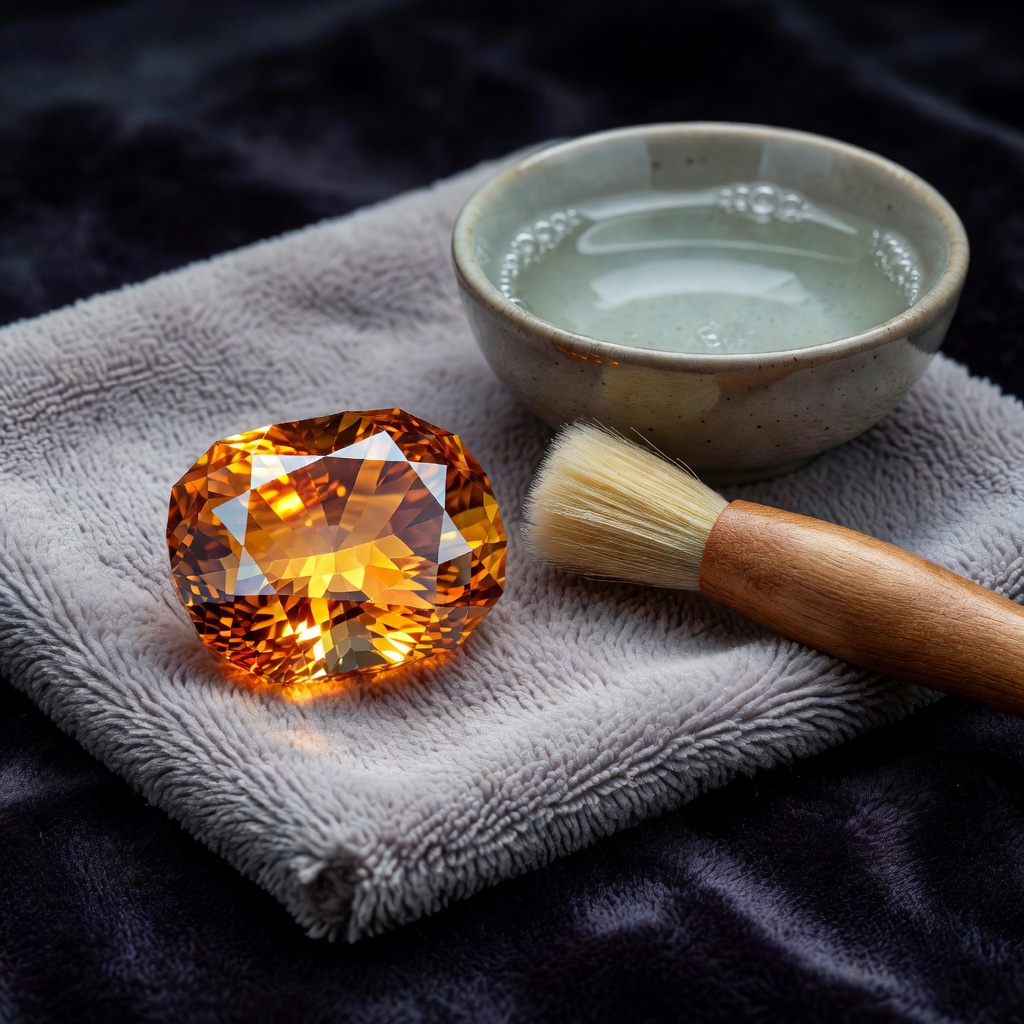
When cleaning sphalerite crystals becomes necessary, following a precise, gentle protocol ensures removal of oils and debris without compromising the stone's structural integrity. Begin by preparing a solution of lukewarm distilled water—not tap water, which may contain minerals that leave deposits—mixed with a single drop of mild, phosphate-free dish soap such as original Dawn or a specialty jewelry soap. Place the jewelry or specimen in the solution for no more than two to three minutes to loosen surface contaminants, ensuring the water temperature remains stable between 75°F and 85°F throughout the process. For faceted gems, use a soft camel hair brush or natural artist's brush with extremely gentle strokes, working from the crown down to the pavilion to avoid driving debris under prongs.
The choice of cleaning tools significantly impacts safe gemstone cleaning outcomes for soft minerals like sphalerite. Avoid synthetic brushes with stiff bristles or plastic handles that might accidentally strike the stone; instead, select sable or camel hair brushes with wooden handles specifically designed for watercolor painting or gemology work. For raw crystal specimens with complex terminations or matrix material, use a soft air blower or canned air to remove dust from crevices before wet cleaning, preventing particulates from scratching during the washing process. Rinse the stone thoroughly under a gentle stream of lukewarm distilled water matching the cleaning bath temperature, ensuring no soap residue remains that could dull the luster or attract future dirt accumulation.
Drying techniques prove equally critical to the cleaning process, as trapped moisture can corrode metal settings or promote bacterial growth in natural crevices. Pat the stone gently with a lint-free microfiber cloth or unbleached cotton cloth, avoiding paper towels that contain wood fibers capable of scratching the surface. For intricate settings, use a hairdryer on the cool setting held at least twelve inches away to evaporate residual moisture from under prongs, or allow the piece to air dry on a soft towel in a dust-free environment for several hours. Never store sphalerite immediately after cleaning; instead, examine the stone under magnification once completely dry to ensure no water spots or cleaning residue remains on the surface.
What to Avoid: Common Cleaning Mistakes
Understanding prohibited cleaning methods prevents the inadvertent destruction of valuable sphalerite specimens through well-intentioned but disastrous maintenance attempts. Harsh chemicals including ammonia, bleach, alcohol-based solutions, acetone, and acidic cleaners like vinegar or lemon juice react with the zinc sulfide composition of sphalerite, potentially etching the surface or causing irreversible chemical alteration. One particularly tragic case involved a collector who soaked a honey-brown sphalerite pendant in commercial jewelry cleaner containing ammonia, only to discover the solution had frosted the once-brilliant facets into a permanently dull, matte finish. Sphalerite cleaning mistakes often stem from assuming that if a method works for diamonds or sapphires, it applies universally to all gemstones.
Mechanical cleaning devices present perhaps the greatest single threat to sphalerite integrity among common household maintenance tools. Steam cleaners generate both extreme heat and high-pressure vapor that induces thermal shock while potentially loosening stones from their settings through rapid expansion and contraction. Similarly, ultrasonic cleaners create vibrations that exploit the perfect cleavage planes within sphalerite, turning microscopic inclusions into major fractures within seconds of operation. The rapid oscillation can cause stones to strike metal settings or each other, resulting in chips that require expensive gemstone damage prevention strategies to address retrospectively.
Abrasive materials including standard toothbrushes with nylon bristles, scouring pads, microfiber cloths with embedded particles, or even aggressive rubbing with shirt sleeves can permanently damage sphalerite surfaces. Temperature extremes during cleaning—such as moving a stone from hot water to cold rinse or vice versa—create internal stress fractures that may not immediately manifest but weaken the crystal structure for future damage. High-pressure water jets from faucets or dental water picks can force water into microscopic cracks, causing internal hydraulic pressure that propagates fractures through the stone. When in doubt regarding any cleaning method, defer to the gentlest possible approach using only water and soft cloths rather than risking irreversible damage through aggressive techniques.
Proper Storage Solutions for Sphalerite
Effective sphalerite storage tips begin with the fundamental principle of isolation, as this soft gemstone faces threats from contact with virtually every other mineral in a typical collection. Store each sphalerite piece individually in soft cloth pouches made of unbleached cotton, velvet, or flannel, ensuring the pouch is large enough that the stone does not press against tight seams or closures. For larger specimens or jewelry pieces, lined jewelry boxes with individual compartments separated by padded dividers prevent accidental contact during drawer opening or transportation. Never store sphalerite in plastic bags, as static electricity attracts dust and some plastics contain chemical plasticizers that can react with the stone surface over extended periods.
Separation from harder gemstones constitutes a critical component of gemstone organization for serious collectors. Quartz, with a Mohs hardness of 7, and corundum varieties like rubies and sapphires at 9, can easily scratch sphalerite merely through incidental contact in a jewelry box or display case. Even common dust particles often contain quartz grains, explaining why raw sphalerite should never be stored open on shelves without dust covers. Consider maintaining a dedicated drawer or cabinet section specifically for soft gemstones (those below 5 on the Mohs scale), organizing them with individual gem jars or acid-free paper envelopes that prevent cross-contamination while allowing visual identification.
Environmental stability significantly impacts long-term sphalerite preservation, as fluctuations in humidity and temperature can stress both the stone and its settings. Ideal storage conditions maintain relative humidity between 40% and 50% at stable temperatures between 65°F and 75°F, avoiding attics, basements, or bathrooms where extremes occur. For travel, utilize padded gem jars with foam inserts or specialized mineral travel cases with individual compartments secured with Velcro or snap closures. When transporting multiple pieces, wrap each item in acid-free tissue before placing in compartments, creating a buffer against vibration and impact while preventing tarnish transfer from metal settings to stone surfaces.
Professional Maintenance and Restoration Services
Despite meticulous home care, professional sphalerite care eventually becomes necessary to address accumulated wear and maintain optimal appearance. Professional re-polishing removes microscopic scratches and surface etching that gradually dull the stone's adamantine luster, restoring the high refractive indices that make sphalerite so visually striking. This process requires lapidaries experienced with soft stones, as the heat generated by aggressive cutting wheels can damage sphalerite; seek professionals who utilize water-cooled equipment and slow-speed polishing compounds specifically formulated for zinc minerals. Expect to require professional repolishing every three to five years for regularly worn pieces, or immediately if surface scratches become visible to the naked eye.
Annual inspection protocols with certified gemologists or jewelers familiar with soft gemstones provide essential preventive maintenance that extends stone longevity. These professionals examine settings for wear, check prong tightness without overtightening, and identify early signs of damage such as developing cleavage lines or chemical etching invisible to casual observation. Gemstone restoration specialists can also address specific damage types, including filling minor surface-reaching fractures with optically clear resins or re-cutting damaged corners to salvage stones that have suffered chips. When selecting a jeweler, verify their experience with soft gemstones specifically, as technicians accustomed only to diamonds may apply inappropriate pressure or cleaning methods that exacerbate existing damage.
Recognizing warning signs that demand immediate professional attention prevents minor issues from becoming catastrophic losses. Visible chips along facet edges, cloudiness that persists after cleaning (indicating internal fracturing), loose movement within settings, or sudden color changes suggest chemical damage or structural compromise. Document all professional work performed on sphalerite pieces, including before-and-after photographs, as these records prove invaluable for insurance claims and future resale. Establish relationships with multiple specialists if possible—one for routine maintenance and another for complex restoration work—to ensure availability of appropriate expertise when urgent situations arise.
Long-term Preservation and Display Strategies
For collectors and enthusiasts, balancing the desire to display sphalerite's exceptional beauty against the necessity of protective storage presents ongoing challenges in sphalerite preservation. When displaying specimens, prioritize UV-filtered display cases that protect against light damage while minimizing dust accumulation, as prolonged exposure to direct sunlight can cause fading in some colored varieties and thermal cycling from day-night temperature variations stresses the crystal structure. Museum-quality display cases with silica gel compartments maintain stable humidity levels, preventing the oxidation of associated matrix minerals while protecting the sphalerite itself. Rotate displayed pieces every six months, allowing stones to "rest" in dark storage to minimize light exposure and environmental stress.
Documentation and appraisal maintenance support both insurance requirements and historical provenance tracking, contributing to gemstone longevity through proper valuation and identification. Maintain detailed records including purchase receipts, laboratory certificates confirming natural origin, photographs under various lighting conditions, and written descriptions of any treatments or enhancements. Update appraisals every three to five years to reflect current market values for high-quality sphalerite, which has increased significantly as mining of gem-quality material decreases. Store digital backups of these records separately from the physical collection to ensure recovery information remains available in case of theft or natural disasters.
Legacy planning ensures that sphalerite care and cleaning knowledge transfers with the collection itself, preventing well-meaning heirs from inadvertently damaging inherited specimens through ignorance. Create detailed care instructions for each major piece, specifying cleaning protocols, storage requirements, and contact information for trusted professionals familiar with the collection. Consider establishing trusts or specific bequests that include maintenance funds for high-value specimens, ensuring that future generations possess the financial resources to properly care for these delicate treasures. For museum donations, work with curators to establish endowments for continued preservation, ensuring that these remarkable zinc blende specimens remain protected and displayed for public education long after the original collector's stewardship ends.
Frequently Asked Questions
Can I use an ultrasonic cleaner for sphalerite care and cleaning?
No, ultrasonic cleaners are not recommended for sphalerite. The vibrations can exacerbate existing fractures and cause chipping due to the stone's perfect cleavage. Additionally, the heat generated by these machines can cause thermal shock. Always stick to gentle hand-cleaning with lukewarm water and mild soap.
How often should I clean my sphalerite gemstone?
Clean your sphalerite every 2-3 months if worn regularly, or immediately after exposure to cosmetics, perspiration, or household chemicals. For display pieces, gentle dusting every month and thorough cleaning every 6 months is sufficient. Over-cleaning can increase wear, so balance maintenance with preservation.
Is sphalerite safe to wear every day?
Daily wear is not recommended for sphalerite jewelry due to its softness (3.5-4 Mohs hardness) and perfect cleavage. It's best reserved for occasional wear or protective settings like pendants and earrings rather than rings. If worn daily, expect more frequent maintenance and potential repolishing needs.
What is the safest way to clean sphalerite crystals without causing damage?
The safest method involves using lukewarm distilled water with a drop of mild, phosphate-free dish soap. Gently agitate the stone with a soft camel hair brush, rinse thoroughly with clean water at the same temperature, and pat dry with a lint-free microfiber cloth. Never scrub aggressively or use hot water.
Can water damage sphalerite during the cleaning process?
Room temperature distilled water will not damage sphalerite, but temperature extremes can cause thermal shock. Avoid hot water which can expand internal fractures, and never subject sphalerite to rapid temperature changes. Ensure the stone is completely dry before storage to prevent water spots or setting corrosion.
How should I store sphalerite to prevent scratches and damage?
Store sphalerite individually in soft cloth pouches or lined jewelry boxes with separate compartments. Never store it with harder gemstones like diamonds, rubies, or quartz. Keep it away from direct sunlight in a stable temperature environment, ideally in a fabric-lined drawer or dedicated mineral cabinet with padded dividers.
Why does sphalerite require more careful handling than quartz or topaz?
Sphalerite requires extra care because it has perfect cleavage in six directions, meaning it can split easily upon impact, whereas quartz has no cleavage. Additionally, sphalerite's hardness of 3.5-4 is significantly lower than quartz (7) or topaz (8), making it susceptible to scratching from everyday dust and particles.
Can I use commercial jewelry cleaning solutions on sphalerite?
Most commercial jewelry cleaners contain ammonia, alcohol, or other chemicals too harsh for sphalerite. These can etch the surface or damage the polish. Always use pH-neutral, phosphate-free mild soap specifically. If unsure about a product's ingredients, stick to plain distilled water and a soft brush instead.