Understanding Smoky Quartz Prices: A Complete Overview
Smoky quartz stands as one of the most accessible yet captivating gemstones in the modern jewelry market, offering an elegant combination of earthy aesthetics and affordability that appeals to both novice collectors and seasoned gem enthusiasts. This translucent to transparent variety of crystalline quartz displays characteristic brown to grayish-brown hues caused by natural irradiation of aluminum-containing trace elements within the crystal structure, creating a sophisticated color palette that ranges from light taupe to deep chocolate brown. Unlike precious gemstones such as diamonds or emeralds that command thousands per carat, smoky quartz occupies a unique position as an affordable luxury, making it an excellent entry point for those beginning their gemstone collection journey or seeking distinctive jewelry pieces without excessive investment.
Navigating the smoky quartz price guide requires understanding the significant variation in smoky quartz value across different quality grades, treatments, and market channels. While you might encounter smoky quartz cabochons priced at merely two dollars per carat in tourist gift shops, exceptional natural specimens from renowned localities like the Cairngorm Mountains can fetch several hundred dollars per carat at specialty auctions. This comprehensive guide serves as your roadmap through these pricing complexities, offering current market data for 2024, quality evaluation techniques, and insider knowledge on avoiding common purchasing pitfalls. Whether you seek an affordable fashion ring or a rare collector's specimen, understanding these pricing dynamics ensures you pay fair market value while acquiring a genuine, high-quality gemstone.
6 Key Factors That Determine Smoky Quartz Value
Evaluating smoky quartz quality factors requires a systematic approach that examines multiple characteristics beyond surface appearance. Unlike diamonds with rigid grading scales, smoky quartz valuation involves nuanced assessments of color saturation, clarity grades, and provenance that significantly impact final pricing. Understanding these six essential elements empowers buyers to distinguish between mediocre commercial material and exceptional gem-quality stones worthy of premium investment.
Color Intensity and Uniformity
The most critical factor influencing smoky quartz value remains the depth and consistency of its brown-gray coloration, with specimens displaying rich, saturated chocolate to charcoal hues commanding substantially higher prices than pale, washed-out varieties. Premium smoky quartz exhibits uniform color distribution throughout the crystal without noticeable zoning or patchy areas where the brown pigmentation concentrates unevenly. Stones that achieve that perfect balance between deep color saturation and maintained transparency represent the pinnacle of quality, whereas overly dark specimens approaching opaque black (unless specifically Morion variety) or those with yellowish or greenish undertones typically fall into lower price brackets.
Clarity and Transparency
Clarity standards for smoky quartz demand eye-clean appearance, meaning no visible inclusions, fractures, or internal characteristics when viewed at a distance of six inches with the naked eye. While quartz typically grows in relatively clean environments compared to other gemstones, commercial-grade material often contains liquid inclusions, phantom crystals, or internal fractures that reduce both durability and visual appeal. Eye-clean stones with excellent transparency allow light to pass through uniformly, creating that desirable smoky depth, whereas heavily included material may appear hazy or milky, reducing value by fifty percent or more compared to flawless specimens of similar color.
Cut Quality and Craftsmanship
Precision cutting transforms rough smoky quartz into brilliant gemstones that maximize light return and color display, with custom-cut stones from master lapidaries commanding three to five times the price of commercially mass-produced cuts. Superior craftsmanship ensures proper proportions that prevent "windowing" (where light passes straight through without reflecting back) and minimizes extinction (dark areas where light fails to return). Commercial cutting optimized for weight retention rather than beauty typically produces shallow crowns and thick pavilions that detract from the stone's brilliance, whereas precision-cut gems with symmetrical facets and optimal angles showcase smoky quartz's unique ability to transmit light with subtle warm undertones.
Carat Weight and Size Availability
While smoky quartz cost per carat remains relatively stable across smaller sizes, exceptional price jumps occur when seeking large, clean rough crystals suitable for cutting stones exceeding ten carats. The abundant supply of smoky quartz means that smaller calibrated stones (under five carats) show minimal per-carat price increases with size, typically following a linear pricing model. However, once stones surpass fifteen carats while maintaining eye-clean clarity and rich color, prices escalate geometrically due to the scarcity of suitable rough material, with museum-quality specimens over fifty carats potentially reaching the upper end of the pricing spectrum at $200+ per carat.
Geographic Origin and Provenance
Specific localities significantly impact pricing, with Scottish Cairngorm specimens commanding premiums of forty to sixty percent over generic Brazilian material due to historical significance and limited availability. Brazilian smoky quartz dominates the current market with abundant supply keeping prices moderate, while specimens from classic localities such as the Swiss Alps, Colorado's Pikes Peak, or Madagascar's highland regions attract collector interest based on mineralogical significance. Documentation of origin through reputable dealers adds intangible value for collectors, particularly when specimens display characteristic inclusions or crystal habits associated with specific mining districts.
Treatment Status and Natural Authenticity
Natural, untreated smoky quartz typically commands thirty to fifty percent higher prices than irradiated material, making verification of treatment status crucial for accurate valuation. The market accepts irradiated smoky quartz as standard for commercial jewelry, but disclosure remains essential, and natural specimens from documented sources carry premiums among serious collectors. Advanced testing using spectroscopic analysis can distinguish between naturally irradiated stones and those treated in laboratory settings, with certificates from recognized laboratories like GIA or AGS providing assurance of natural origin for high-value purchases.
Current Smoky Quartz Price Per Carat (2024 Market Data)
Understanding current smoky quartz price per carat requires segmenting the market into distinct quality tiers, as the variance between commercial and fine material spans nearly two orders of magnitude. The 2024 gemstone market shows continued stability in smoky quartz pricing, with modest increases of three to five percent annually tracking inflation while maintaining accessibility for entry-level buyers. Whether purchasing loose stones for custom jewelry or evaluating finished pieces, these price benchmarks provide essential reference points for fair market assessment.
Commercial Grade Pricing
Mass-market smoky quartz suitable for fashion jewelry and silver settings typically ranges from $2 to $10 per carat, representing material with visible inclusions, pale color saturation, or commercial cutting that prioritizes carat weight over optical performance. This category includes calibrated rounds and ovals commonly found in department store jewelry, often originating from high-volume Brazilian mines and cut in international cutting centers like India or China. While these stones lack the refinement of fine gems, they offer excellent value for trendy jewelry pieces where the smoky color provides aesthetic appeal without significant investment, making them popular choices for cocktail rings and pendants where size matters more than perfection.
Fine Quality Range
Eye-clean stones with good color saturation, proper cutting proportions, and minimum five-carat sizes typically command $15 to $50 per carat, representing the sweet spot for quality jewelry and serious collector consideration. This tier encompasses gems that display that desirable medium-dark brown color with excellent transparency, precision faceting that maximizes brilliance, and no visible inclusions to distract from the stone's natural beauty. Buyers in this category should expect individual selection rather than bulk lots, with stones often accompanied by basic identification certificates verifying natural origin and any treatments applied.
Exceptional Specimens and Premium Pricing
Top-color, flawless, precision-cut gems from renowned localities or displaying exceptional size (over twenty carats) reach $75 to $200+ per carat, competing with lower-grade precious gems in absolute price while offering substantial size advantages. These investment-grade specimens feature deep, even coloration approaching the prized "Cairngorm" shade, absolute clarity under ten-power magnification, and cutting by recognized master lapidaries whose names add cachet to the stone. At this price level, expect comprehensive gemological certification, documented provenance, and potential for modest appreciation in value over time, particularly for untreated natural material from depleted mines.
Wholesale Versus Retail Markup Structures
Retail consumers should expect markups of one hundred to three hundred percent over wholesale costs, with brick-and-mortar jewelers typically applying higher multiples than online specialty dealers due to overhead expenses. Wholesale pricing for bulk parcels of commercial material might drop as low as $0.50 to $1 per carat for cutters and manufacturers purchasing kilos of rough, while individual high-quality stones at wholesale level command seventy to eighty percent of retail pricing. Understanding these markup structures helps buyers recognize when prices fall suspiciously below market rates (potentially indicating synthetic material or undisclosed treatments) or when luxury branding inflates costs beyond intrinsic gem value.
Price Comparison: Different Smoky Quartz Varieties
The category of natural smoky quartz encompasses several distinct varieties and market segments, each with unique pricing structures based on rarity, processing requirements, and collector demand. From historical Scottish specimens to modern irradiated material, understanding these smoky quartz varieties helps buyers align their budget with appropriate quality expectations and intended use.
Cairngorm Versus Morion Quartz
Cairngorm quartz, traditionally sourced from the Cairngorm Mountains of Scotland, represents the historical gold standard for smoky quartz, with fine antique specimens commanding two to three times the price of comparable Brazilian stones due to scarcity and cultural significance. These stones typically display warm, golden-brown to deep smoky hues and often feature classic "Scotch top" cutting styles that collectors prize for historical accuracy. In contrast, Morion quartz represents the deepest variety, appearing nearly black due to extreme natural irradiation, and typically commands twenty to forty percent premiums over standard smoky quartz due to its dramatic appearance and relative rarity in clean, gem-quality material suitable for faceting.
Faceted Gemstones Versus Cabochons
Faceted smoky quartz generally commands higher per-carat prices than cabochons due to the labor-intensive cutting process and greater material loss during faceting, typically ranging from twenty to fifty percent premiums depending on cut complexity. Cabochons, with their smooth domed surfaces, suit material with interesting inclusions, chatoyancy (cat's eye effects), or asterism that would be lost under faceting, and typically price between $5 and $30 per carat for quality material. However, exceptional cabochons displaying star effects or unique inclusion scenes can reverse this pricing dynamic, occasionally exceeding faceted stone values when the phenomena prove particularly dramatic and well-centered.
Gem-Grade Versus Mineral Specimens
Collector pricing for matrix specimens—where smoky quartz crystals remain attached to their host rock—follows entirely different valuation metrics than cut gems, with aesthetic presentation, crystal size, and association minerals determining value rather than carat weight. A three-inch smoky quartz point on a feldspar matrix from a classic locality might retail for $200 to $500 as a mineral specimen, while the same crystal cut into gemstones might yield $150 to $300 in faceted material, illustrating how preservation of natural form sometimes exceeds lapidary value. Matrix specimens from famous mines like those in Colorado's Pikes Peak region or Switzerland's Alps can command thousands of dollars based on crystal perfection and aesthetic display qualities.
Included and Phenomenal Varieties
Smoky quartz containing golden rutile needles (rutilated smoky quartz), hematite plates, or phantoms (ghost-like internal crystals) often commands premiums of fifty to one hundred percent over clean material due to unique aesthetic characteristics and rarity. These inclusions create distinctive visual effects ranging from delicate hair-like needles to dramatic geometric patterns suspended within the brown crystal, transforming the stone into a one-of-a-kind piece. When purchasing included material, pricing depends heavily on the arrangement and visibility of inclusions, with evenly distributed rutile or well-defined phantoms proving more valuable than scattered, distracting inclusions that cloud the stone.
Natural vs. Treated Smoky Quartz: Price Differences
The distinction between natural smoky quartz and laboratory-irradiated material represents one of the most significant pricing variables in the market, with implications for both immediate cost and long-term value retention. While both varieties constitute genuine quartz with identical chemical compositions and physical properties, treated smoky quartz pricing reflects the different supply dynamics and collector preferences that separate natural geological phenomena from human-enhanced materials.
Identification Techniques for Treatment Detection
Natural smoky quartz typically exhibits subtle color zoning parallel to the crystal faces and displays pleochroism (color variation when viewed from different angles) ranging from pale yellow-brown to deep smoky brown, whereas irradiated material often shows unnaturally uniform intense color throughout. Laboratory testing using advanced spectroscopy can detect the specific energy signatures associated with artificial irradiation, though experienced gemologists can often make preliminary assessments based on color distribution patterns and the presence of natural versus induced color centers. For significant purchases, request documentation from laboratories such as GIA, AGS, or SSEF that specifically address treatment status, as disclosure standards vary by jurisdiction and market sector.
Market Price Gaps and Premium Structures
Natural, untreated smoky quartz consistently commands thirty to fifty percent premiums over irradiated equivalents of comparable appearance, with the gap widening to one hundred percent or more for fine, large specimens suitable for investment or serious collecting. This pricing differential reflects both the scarcity of naturally irradiated material of fine color and the collector preference for gems created solely through geological processes rather than human intervention. However, for commercial jewelry purposes where appearance matters more than provenance, treated material offers exceptional value, providing deep, even coloration at prices accessible to mainstream consumers while maintaining the durability and wearability of natural quartz.
Disclosure Standards and Ethical Considerations
Reputable sellers should explicitly disclose irradiation treatment when offering smoky quartz, as FTC guidelines and industry standards require disclosure of any treatments that are not permanent or that significantly affect value, though irradiation of quartz is considered permanent and stable. However, the distinction becomes crucial when natural origin commands premium pricing, and ethical dealers will clearly label natural specimens as "unheated, untreated" or provide certificates confirming natural color origin. Buyers should approach claims of "natural" dark color in inexpensive material with skepticism, as truly natural, deep-colored smoky quartz represents a minority of current market supply and correspondingly higher prices.
Long-Term Value Retention and Collector Preferences
Natural smoky quartz demonstrates superior value retention over time, particularly for specimens from depleted mines or classic localities, whereas treated material, while stable in price, shows limited appreciation potential beyond inflation tracking. Collector markets specifically seek untreated material for mineral collections and high-end jewelry, creating a secondary market premium that widens over time as natural deposits become increasingly depleted. For investors considering smoky quartz as a tangible asset, focusing exclusively on certified natural material with documented provenance offers the best potential for modest capital appreciation, while treated stones serve primarily as beautiful, affordable jewelry components rather than investment vehicles.
Best Places to Buy Smoky Quartz at Fair Prices
Knowing where to buy smoky quartz significantly impacts both the price paid and the authenticity of the material received, with different market channels offering distinct advantages for various buyer needs. From the convenience of online shopping to the tactile evaluation possible at smoky quartz dealers in person, selecting the appropriate venue requires balancing price considerations against verification capabilities and return protections.
Online Gemstone Marketplaces
Established online retailers such as James Allen, Blue Nile, and specialty gemstone platforms like GemSelect or Multicolour offer extensive inventories with detailed photography, certification options, and consumer protection policies that safeguard against misrepresentation. When evaluating online sellers, scrutinize their return policies—reputable dealers offer at least ten to fourteen day inspection periods—and verify their membership in professional organizations such as the American Gem Trade Association (AGTA) or International Colored Gemstone Association (ICA). High-quality online listings should include multiple photographs under different lighting conditions, specific dimensions and carat weights, and clear statements regarding treatments, with prices for certified natural material typically falling between retail and wholesale levels due to lower overhead than physical stores.
Gem and Mineral Shows
Major gem shows such as the Tucson Gem and Mineral Show, Denver Gem and Mineral Show, or Munich Mineralientage provide unparalleled opportunities for direct negotiation with miners, cutters, and wholesalers, often yielding prices twenty to forty percent below retail while allowing physical examination of stones. These events enable buyers to compare dozens of vendors simultaneously, develop relationships with specific dealers for future acquisitions, and occasionally acquire unique specimens not listed through conventional retail channels. However, show purchases typically operate on a final-sale basis with limited recourse, requiring buyers to possess sufficient gemological knowledge to evaluate quality independently or to arrange for immediate professional appraisal before completing transactions.
Local Jewelers Versus Specialty Gem Dealers
Local jewelry stores offer the advantage of immediate possession, personalized service, and the ability to examine stones in various lighting conditions, though their prices typically reflect higher overhead costs and may lack the specialization in colored gemstones necessary for accurate evaluation. Specialty gem dealers and colored stone boutiques provide superior expertise regarding smoky quartz value factors, often maintaining curated inventories of finer material that chain jewelers cannot access, with pricing that, while premium, includes valuable consultation on setting options and care. For significant purchases exceeding $500, the specialized knowledge of colored stone dealers often justifies modest price premiums over general jewelers, particularly when seeking rare varieties like Cairngorm or exceptional large specimens.
Red Flags and Fraud Prevention
Exercise extreme caution when encountering prices significantly below market norms, such as "natural" smoky quartz priced under $1 per carat for faceted stones, as these often represent glass imitations, synthetic quartz, or severely treated material masquerading as natural. Verify seller credentials through Better Business Bureau ratings, gemological association memberships, and customer reviews on independent platforms rather than testimonials hosted on the seller's own website. Request written guarantees of authenticity and treatment disclosure, and for purchases over $1,000, insist on certificates from recognized independent laboratories rather than in-house appraisals that may lack objectivity.
How to Evaluate Smoky Quartz Quality Before Purchasing
Mastering the skills to evaluate smoky quartz quality protects buyers from overpaying for inferior material or falling victim to misrepresented treatments. A systematic evaluation protocol examining visual characteristics, documentation, and seller transparency ensures that your smoky quartz quality factors assessment aligns with market standards and fair pricing structures.
Visual Inspection Checklist
Examine the stone under natural daylight and incandescent lighting to detect color zoning—undesirable patches of uneven color distribution that reduce value by twenty to thirty percent compared to uniformly colored stones. Tilt the gem to check for "windowing," where light passes directly through the center without reflecting back, indicating poor cutting proportions that waste potential brilliance and justify price negotiations. Assess extinction patterns by viewing the stone face-up; excessive dark areas suggest overly deep pavilion angles, while the stone should display consistent brilliance across the crown with that characteristic warm, smoky glow that distinguishes quality material from flat, lifeless specimens.
Essential Questions for Sellers
Always inquire specifically about the stone's geographic origin, as Brazilian material commands different pricing than Scottish or Swiss specimens, and ask pointed questions about whether the color results from natural irradiation or laboratory treatment. Request information about cutting origin and cutter identity for precision-cut stones, as master-cut gems carry premiums based on craftsmanship reputation that should be verifiable. For included stones, ask whether inclusions are natural mineral crystals or surface-reaching fractures that compromise durability, and inquire about any clarity enhancements such as oiling or fracture-filling that, while rare in quartz, would require disclosure and affect pricing.
Certification and Laboratory Verification
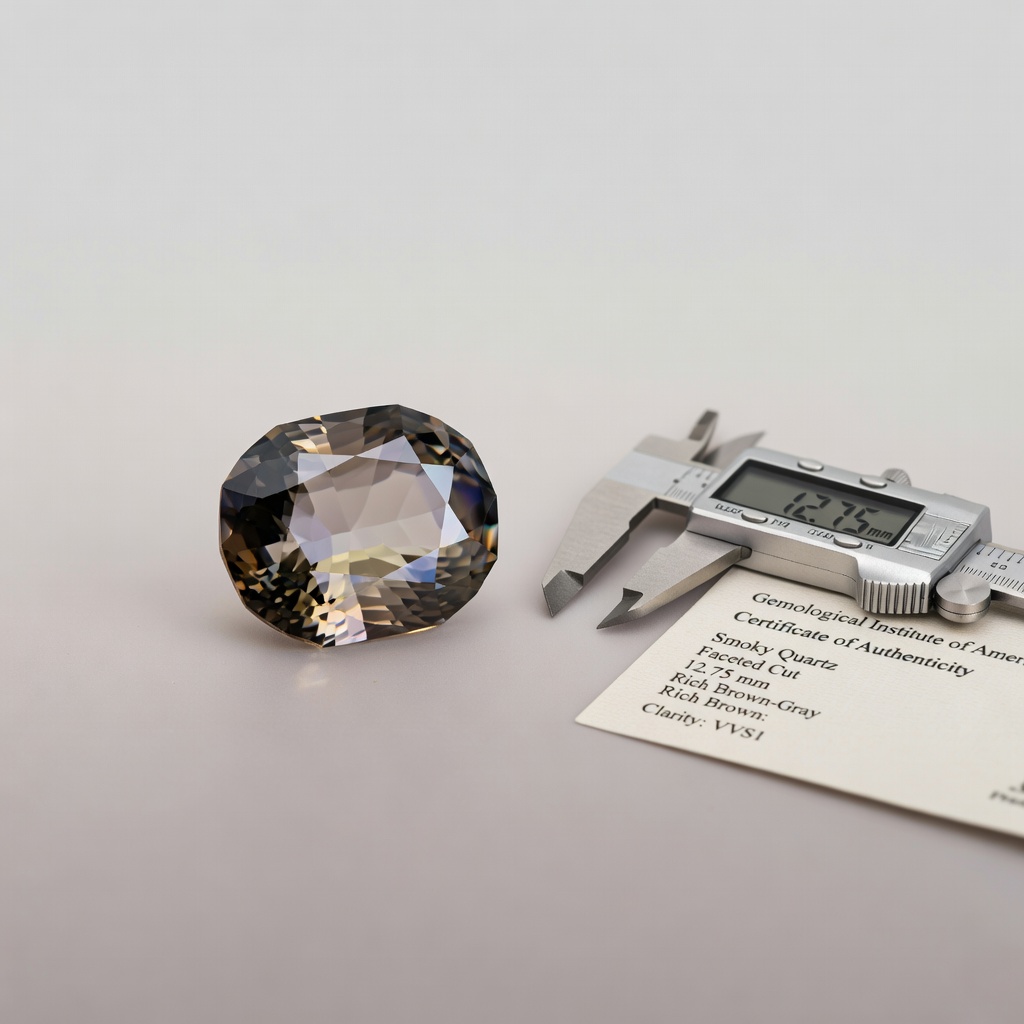
Request gemological certificates from reputable laboratories such as the Gemological Institute of America (GIA), American Gemological Laboratories (AGL), or Gübelin Gem Lab for any purchase exceeding $200 per carat or when natural origin claims command significant premiums. These certificates should specifically address treatment status, confirming whether the smoky color occurred naturally or through artificial irradiation, and should provide accurate measurements and weight verification. Be wary of vague certifications from unknown "institutes" or generic certificates that fail to address treatment specifics, as these often represent marketing tools rather than genuine third-party verification.
Photography Verification Techniques
Recognize that digital manipulation can enhance apparent color saturation or mask inclusions, so request unedited photographs against neutral gray backgrounds alongside at least one image showing the stone's side profile to evaluate cutting depth. Ask for video footage under natural lighting conditions, as static images can hide windowing or extinction issues that become obvious when the stone moves. For online purchases, establish with the seller that you will photograph the stone immediately upon receipt to document its condition, facilitating returns if the actual appearance deviates significantly from promotional materials.
Investment Potential and Resale Value of Smoky Quartz
While smoky quartz rarely features in high-profile investment portfolios like diamonds or rubies, understanding smoky quartz investment potential helps collectors make informed decisions about acquisition strategy and long-term value retention. The smoky quartz resale value depends heavily on specific variety, quality tier, and market timing, with realistic expectations preventing disappointment while identifying genuine opportunities for appreciation.
Market Stability and Entry-Level Accessibility
Smoky quartz maintains remarkable price stability due to consistent global supply from Brazilian and African mines, functioning primarily as an affordable entry-level collectible rather than a speculative investment vehicle. Unlike precious gems subject to dramatic price volatility, smoky quartz shows steady, modest appreciation tracking general inflation at two to four percent annually for fine material, making it a stable store of value rather than a rapid appreciation asset. This stability benefits collectors seeking to diversify tangible assets without significant risk, as the stone's durability (7 on the Mohs hardness scale) ensures physical preservation of capital over decades.
Varieties with Appreciation Potential
Specific categories demonstrate superior appreciation potential, including exceptional Cairngorm specimens from depleted Scottish mines, which historically appreciate five to ten percent annually due to absolute scarcity. Large, flawless faceted gems exceeding twenty-five carats with documented natural origin represent another appreciation category, as mining yields increasingly smaller rough crystals suitable for cutting large gems. Additionally, smoky quartz displaying exceptional phenomena such as well-defined cat's eyes, star effects, or dramatic rutilation patterns command growing premiums as collectors recognize their uniqueness, with prices for these specialty varieties potentially doubling over five to seven year holding periods.
Secondary Market Realities
The secondary market for smoky quartz operates primarily through specialized mineral auctions, estate jewelry sales, and dealer buy-back programs, with liquidity significantly lower than precious gems and requiring longer holding periods to realize full value. Auction houses such as Heritage Auctions or Bonhams occasionally feature fine smoky quartz in their jewelry and mineral lots, though consignment fees of ten to twenty-five percent impact net returns. Dealer buy-back policies vary widely, with established relationships often necessary to achieve seventy to eighty percent of retail value when reselling, compared to forty to sixty percent for casual sellers approaching dealers cold.
Storage and Care for Value Preservation
Maintain value through proper storage in individual soft cloth bags or padded compartments to prevent scratching by harder gems like diamonds or sapphires, and avoid prolonged exposure to direct sunlight which can gradually fade the color of some naturally irradiated specimens. Clean smoky quartz using mild soap and warm water with soft brushes, avoiding ultrasonic cleaners for stones with liquid inclusions or significant internal fractures that might expand under vibration. Maintain all documentation including certificates of authenticity, provenance records, and original purchase receipts, as these materials significantly impact resale value and buyer confidence in the secondary market.
Common Pricing Pitfalls and Final Buying Recommendations
Navigating the smoky quartz price guide successfully requires awareness of deceptive practices and common misconceptions that separate informed buyers from those overpaying for misrepresented goods. These smoky quartz buying tips consolidate essential knowledge to ensure your acquisition represents genuine value rather than an expensive lesson in caveat emptor.
Misrepresented Treatment Status
The most prevalent pricing pitfall involves sellers offering irradiated material at natural specimen prices, exploiting buyer inability to distinguish between treatment methods visually. Always verify that premium pricing (exceeding $50 per carat for fine material) corresponds to documented natural origin, as the thirty to fifty percent premium for natural stones is only justified when supported by laboratory certification. Be particularly wary of rough crystals offered as "natural" with suspiciously uniform dark coloration throughout the entire piece, as natural irradiation typically affects crystals from the exterior inward, creating color gradients that lab treatment often homogenizes.
Size-to-Value Ratio Misconceptions
Avoid the common error of assuming that larger stones always represent better value, as excessively large smoky quartz with poor clarity or cutting may prove essentially worthless for jewelry purposes despite impressive carat weights. Instead, prioritize quality metrics over sheer size, recognizing that a five-carat precision-cut, eye-clean natural stone holds greater value and wearability than a twenty-carat commercial-cut stone with visible inclusions and windowing. Remember that smoky quartz lacks the rarity factors that make large diamonds valuable, so size increases without corresponding quality improvements offer diminishing returns and limited resale potential.
Synthetic and Imitation Detection
Hydrothermally grown synthetic smoky quartz exists in the market, though it remains less common than synthetic amethyst or citrine, typically pricing at fifty to seventy percent below natural material while requiring advanced testing for definitive identification. Glass imitations represent a more common fraud, identifiable by their warmer feel (quartz remains cool to the touch), perfect clarity without natural inclusions, and occasional gas bubbles visible under magnification. Price points below $1 per carat for apparent gem-quality faceted material should trigger immediate suspicion and prompt requests for specific gravity testing or refractive index verification that unambiguously separate quartz from glass.
Actionable Summary and Key Takeaways
Approach smoky quartz purchases with clear quality priorities: seek medium to dark brown color with good transparency, eye-clean clarity, precision cutting without windowing, and documented natural origin for investment pieces. Establish fair price expectations using the 2024 benchmarks of $2-$10 for commercial grade, $15-$50 for fine quality, and $75+ for exceptional specimens, refusing to pay premium prices without corresponding premium characteristics. Finally, purchase only from reputable sources offering return privileges and independent certification for significant investments, ensuring that your smoky quartz acquisition brings lasting satisfaction and maintains value through years of enjoyment.
Frequently Asked Questions About Smoky Quartz Pricing
How Much Does Smoky Quartz Cost Per Carat on Average?
Commercial-grade smoky quartz typically costs $2-$10 per carat, while fine-quality eye-clean stones range from $15-$50 per carat. Exceptional specimens with deep color and perfect clarity can reach $75-$200+ per carat, depending on size and cut quality.
What Is the Most Expensive Type of Smoky Quartz?
The most expensive smoky quartz includes rare Cairngorm specimens from Scotland, which can command premium prices due to locality. Dark Morion quartz with exceptional clarity and precision cutting, as well as large flawless faceted gems over 10 carats, also fetch the highest prices in the market.
How Can I Tell if Smoky Quartz Is Natural or Treated?
Natural smoky quartz often shows subtle color zoning and pleochroism, while irradiated stones may have uniform intense color. Request a gemological certificate from reputable labs like GIA or AGS. Natural specimens typically cost 30-50% more, so suspiciously cheap deep-brown stones are likely treated.
Does Smoky Quartz Hold Its Value Over Time?
Smoky quartz is generally an affordable collectible rather than a high-appreciation investment. While exceptional specimens from renowned localities or with unique features may appreciate 5-10% annually, most commercial-grade stones maintain steady but modest value. Focus on rarity and quality for better long-term retention.
Why Is Some Smoky Quartz So Cheap Compared to Other Gems?
Smoky quartz remains affordable due to abundant global supply and less market demand compared to precious gems. Commercial-grade material with visible inclusions and pale color is readily available. Additionally, lab irradiation can produce inexpensive dark stones, driving down prices for treated material significantly.
Is Darker Smoky Quartz Always More Valuable?
Not necessarily. While rich, saturated brown-gray color commands higher prices, overly dark stones that appear black lose transparency and brilliance. The most valuable smoky quartz balances deep color with excellent transparency and light performance. Uniform color distribution without zoning also increases value.
What's the Difference Between Smoky Quartz and Morion?
Morion is a black variety of smoky quartz with very dark, nearly opaque color caused by higher natural irradiation. It typically commands 20-40% higher prices than standard smoky quartz due to its rarity and intense color. Both are the same mineral species, but morion's extreme dark hue makes it particularly desirable for collectors.
Where Are the Best Places to Buy Authentic Smoky Quartz?
Reputable online gemstone marketplaces like James Allen or Blue Nile offer certified stones with return policies. Gem and mineral shows allow direct dealer inspection and negotiation. Established local jewelers with gemological expertise provide personal service. Always verify seller reviews, request certification, and avoid deals that seem too good to be true.