Understanding Smoky Quartz Properties and Durability
Before implementing any Smoky Quartz Care and Cleaning routine, understanding the fundamental physical properties of this captivating gemstone ensures you preserve its beauty for generations. Smoky quartz earns a respectable position on the Mohs hardness scale at 7, making it harder than common household dust but significantly softer than diamonds, sapphires, or rubies. This moderate hardness rating means that while smoky quartz resists minor scratches from daily wear, it remains vulnerable to abrasion from harder materials and can develop surface imperfections if stored improperly alongside other jewelry pieces.
The distinctive smoky coloration that gives this crystal its name results from natural irradiation processes occurring deep within the earth over millions of years, where aluminum impurities interact with natural radiation to create the characteristic brown to grayish-brown hues. Despite its geological durability, smoky quartz possesses brittle tenacity characteristics, meaning it can fracture or chip upon sharp impact rather than bending or deforming. Additionally, many specimens contain natural inclusions, internal fracture systems, or healed cracks that compromise structural integrity, making gentle handling essential during any cleaning procedure.
Temperature sensitivity represents another critical consideration for proper gemstone maintenance tips, as extreme heat can alter or fade the natural coloration that makes smoky quartz so desirable. Jewelers and gemologists consistently warn against exposing these stones to sudden temperature changes, which can induce thermal shock and cause internal cracking. When evaluating your specific piece, examine it under magnification for visible inclusions or fracture lines, as these weak points determine which cleaning methods remain safe versus those that risk catastrophic damage to your cherished gemstone.
Daily Handling and Precautionary Measures
Implementing consistent daily smoky quartz care protocols prevents cumulative damage that often manifests as dullness, scratches, or loosened settings over time. Always remove smoky quartz rings, bracelets, or pendants before engaging in physical activities such as gym workouts, gardening, or sports, as impact against hard surfaces can chip the stone or bend delicate prongs. Swimming presents particular hazards, as chlorinated pool chemicals and saltwater can corrode metal settings and potentially affect the stone's surface luster, while cold water may cause fingers to shrink, increasing the risk of losing your jewelry.
Household chores involving cleaning agents, abrasive scrubbing, or contact with hard surfaces warrant immediate removal of your smoky quartz pieces. Chemical residues from dishwashing liquids, bleach, or all-purpose cleaners can create microscopic etching on the quartz surface that accumulates over months of exposure. Similarly, cosmetics, perfumes, hairsprays, and lotions should be applied before putting on your jewelry, as these products often contain alcohol, acids, or oils that leave filmy residues requiring aggressive cleaning later.
Developing the habit of inspecting your settings and prongs weekly helps identify loose stones before they fall out and become lost. Gently shake the piece near your ear to detect rattling, or use a loupe to examine prong tips for wear or lifting. Preventing thermal shock remains equally important; avoid moving your smoky quartz from extreme cold environments directly into hot water or sunlight, as the rapid expansion and contraction of internal crystal structures can propagate existing fractures or create new ones.
Safe At-Home Cleaning Methods
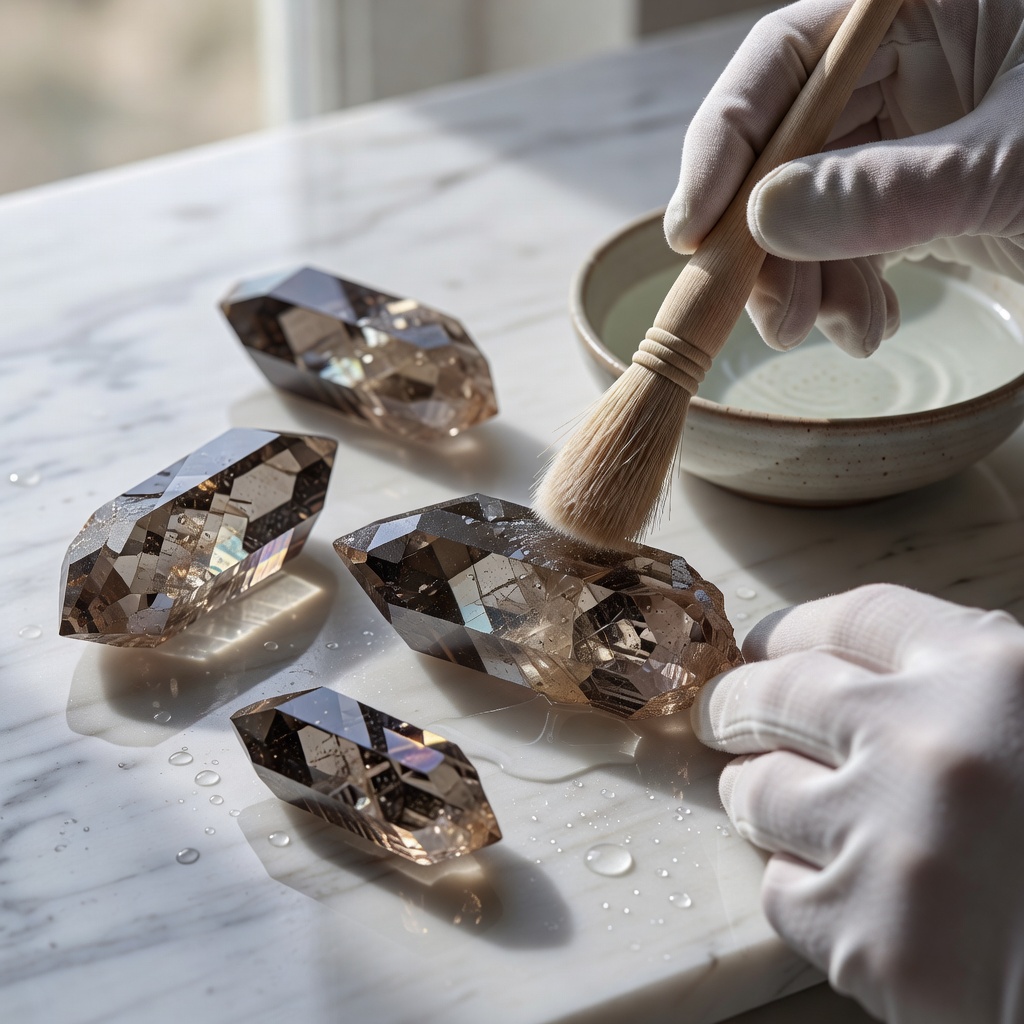
Mastering how to clean smoky quartz properly at home requires minimal supplies yet yields professional-quality results when executed with patience and attention to detail. Begin by preparing a cleaning solution using lukewarm water—approximately 85 to 100 degrees Fahrenheit—mixed with a few drops of mild, phosphate-free dish soap in a clean bowl. Avoid hot water, which can shock the crystal, and never use harsh detergents containing bleach, ammonia, or degreasing agents that compromise the stone's polish.
Place your smoky quartz jewelry in the solution and allow it to soak for no more than ten to fifteen minutes, which loosens accumulated oils, dust, and cosmetic residues without saturating the stone. Using a soft-bristled toothbrush reserved exclusively for jewelry cleaning, gently brush the stone's surface, paying particular attention to the pavilion (bottom) and girdle (edge) where debris commonly accumulates. Work with light, circular motions, avoiding excessive pressure that might loosen settings or stress existing inclusions within the crystal structure.
Thorough rinsing under lukewarm running water eliminates soap residue that would otherwise dry into visible spots or film, ensuring your smoky quartz maintains its transparency and vitreous luster. Hold the piece securely to prevent accidental drops down the drain, and rotate it under the stream to reach all crevices between the stone and setting. Finally, pat-dry your gemstone using a lint-free microfiber cloth rather than rubbing, which prevents the transfer of towel fibers and avoids micro-scratches that could dull the surface over time; allow the piece to air dry completely before storing.
Advanced Cleaning: Ultrasonic and Steam Considerations
While professional smoky quartz cleaning methods offer superior results for heavily soiled pieces, understanding the limitations and risks of advanced techniques protects your investment from accidental destruction. Ultrasonic cleaners work by generating high-frequency sound waves that create microscopic bubbles in cleaning solutions, effectively dislodging dirt from hard-to-reach areas, but this technology suits only untreated, inclusion-free stones. If your smoky quartz contains visible fractures, liquid inclusions, or has undergone treatments such as fracture-filling or irradiation enhancement, the intense vibrations can cause internal cracking or complete shattering.
Steam cleaning presents similar hazards for smoky quartz due to thermal expansion concerns; the rapid application of high-temperature steam can shock the crystal lattice, particularly in stones with pre-existing internal stress or inclusions. Even professional jewelers exercise extreme caution when steaming quartz specimens, often avoiding the practice entirely for vintage pieces or those with questionable structural integrity. Instead of aggressive mechanical or thermal methods, stick to gentle soap solutions or consult a certified gemologist who can evaluate your specific stone's treatment history before recommending appropriate cleaning protocols.
Ammonia-based cleaners, jewelry dips containing harsh solvents, and abrasive polishing compounds remain strictly prohibited for smoky quartz care, as these chemicals can etch the surface, remove protective coatings, or alter color enhancement treatments. When purchasing estate or antique smoky quartz, always request documentation regarding any treatments the stone may have received, as fracture-filled gems require specialized care that differs significantly from natural, untreated specimens. Reputable jewelers can perform safe, professional cleaning using targeted methods appropriate for your stone's specific geological characteristics and enhancement history.
Proper Storage Solutions to Prevent Damage
Implementing proper smoky quartz storage techniques proves equally important as cleaning protocols for maintaining long-term brilliance and structural integrity. Store each piece of smoky quartz jewelry separately in individual soft pouches made from velvet, silk, or microfiber, or utilize compartments within a lined jewelry box that prevent contact with other pieces. This separation prevents scratching from harder gemstones like diamonds, sapphires, or rubies, and protects the quartz from softer stones that might abrade its surface.
Light sensitivity necessitates storing your collection away from direct sunlight, particularly for display pieces kept in glass cases or on vanity tables near windows. Prolonged UV exposure can gradually fade the rich smoky coloration, transforming deep chocolate or charcoal specimens into pale, less valuable grayish tones. Consider using opaque jewelry boxes or drawers for long-term storage, and if displaying pieces temporarily, rotate them regularly to ensure no single stone receives excessive light exposure.
Maintaining stable humidity and temperature levels in your storage area prevents environmental stress that could exacerbate internal fractures or cause metal settings to expand and contract. Avoid storing smoky quartz in bathrooms, where fluctuating humidity and temperature from showers create condensation issues, or in attics and basements subject to extreme seasonal variations. For raw crystal clusters or specimens, acid-free tissue paper provides gentle cushioning that prevents chipping of delicate terminations while allowing the stone to breathe naturally.
Common Cleaning Mistakes to Avoid
Recognizing and avoiding smoky quartz maintenance mistakes preserves both the aesthetic and monetary value of your collection, preventing irreversible damage that often results from well-intentioned but misguided cleaning attempts. Never expose smoky quartz to bleach, acetone, rubbing alcohol, or abrasive cleaning agents such as scouring powders or baking soda pastes, as these substances chemically react with the silicon dioxide composition, creating microscopic pitting that permanently dulls the polish. Similarly, avoid toothpaste, which contains abrasive whitening agents designed to scrub enamel but disastrous for gemstone surfaces.
Raw crystal clusters and geodes require special considerations distinct from polished jewelry; avoid prolonged soaking for these specimens, as trapped moisture within crevices can promote mold growth or mineral deposits that become impossible to remove without harsh mechanical cleaning. When drying your stones, never use paper towels, tissues, or abrasive cloths that contain wood fibers or synthetic roughness capable of scratching the surface; these minute scratches accumulate over time, creating a cloudy, worn appearance that requires professional polishing to correct.
Preventing exposure to extreme heat sources extends beyond cleaning to include everyday situations such as leaving jewelry on car dashboards, near heating vents, or in direct sunlight on windowsills. Some collectors mistakenly attempt to "charge" their crystals using intense sunlight or fire, practices that can permanently alter the stone's color or cause thermal fractures. Additionally, avoid using sharp implements such as toothpicks or needles to dislodge debris from settings, as these can scratch the stone or damage prongs, potentially causing the stone to become loose or fall out entirely.
Spiritual Cleansing and Energetic Maintenance
Beyond physical maintenance, many collectors and crystal healers practice cleansing smoky quartz crystals to maintain their metaphysical properties and energetic resonance. Moonlight exposure represents one of the safest and most traditional methods for energetic renewal; place your smoky quartz outside or on a windowsill during the full moon overnight, allowing the gentle lunar energy to clear accumulated vibrations without risking physical damage from harsh elements. This method works particularly well for raw specimens and delicate jewelry alike, as it involves no water, chemicals, or mechanical stress.
Smudging with sacred herbs such as white sage, palo santo, or sweetgrass provides another effective energetic clearing technique that preserves the stone's physical integrity. Pass the smoky quartz through the smoke for several minutes while setting specific intentions for purification, allowing the aromatic compounds to reset the crystal's energetic field. Sound bowl cleansing utilizing crystal singing bowls or Tibetan bells creates vibration frequencies that disrupt stagnant energy patterns; place the stone near the sound source for five to ten minutes during a sound bath session to achieve thorough energetic reset without touching or moving the stone excessively.
The burying in earth technique connects the stone directly with grounding energies, though this method requires careful execution to avoid moisture damage or loss. Wrap your smoky quartz in a natural cloth and bury it in clean, dry soil for twenty-four hours, marking the location carefully to ensure retrieval. When combined with focused intention setting practices—visualizing white light surrounding the stone or speaking affirmations of purification—these methods maintain the crystal's spiritual potency while adhering to proper gemstone care protocols that protect its physical structure and polish.
Damage Prevention and Protective Strategies
Proactive smoky quartz protection strategies significantly extend the lifespan of your jewelry, particularly for pieces worn daily such as rings or bracelets. Selecting protective bezel settings rather than delicate prong settings provides superior security for smoky quartz rings worn during normal activities, as the metal rim surrounds the stone's girdle and pavilion, shielding edges from direct impact. Half-bezel or full-bezel designs also prevent the stone from snagging on clothing or hair, reducing the risk of accidental knocks that could chip the brittle quartz.
Workplace safety considerations become paramount for individuals employed in manual labor, healthcare, or food service industries where hands encounter hard surfaces, chemicals, or extreme temperatures throughout the day. Establish consistent routines for removing smoky quartz jewelry before beginning work shifts, storing pieces in designated containers rather than pockets where they might encounter keys, coins, or phones. During sports or exercise, impact avoidance strategies include not only removing rings but also protecting pendants that might swing against equipment or bench surfaces during weightlifting or yoga inversions.
Before attempting any cleaning procedure, always examine your stone under good lighting for internal fractures, feathers, or surface-reaching inclusions that could expand under thermal or mechanical stress. Hold the stone up to a light source and rotate it slowly, watching for reflective planes that indicate cracks or cleavage planes within the crystal structure. If you detect any structural weaknesses, restrict cleaning to gentle surface wiping with a damp cloth rather than soaking or brushing, and schedule professional evaluation to determine whether the stone requires stabilization treatment or setting adjustments to prevent future damage.
Professional Maintenance and Restoration Services
Establishing relationships with qualified jewelers for professional gemstone care ensures your smoky quartz receives expert attention when home maintenance proves insufficient or when damage occurs. Schedule annual professional inspections where certified gemologists examine prong integrity, setting stability, and stone condition using magnification and specialized lighting that reveals issues invisible to the naked eye. These preventive checkups identify loose stones, worn mountings, or developing fractures before they result in catastrophic loss or expensive repairs.
Over years of wear, even carefully maintained smoky quartz may develop surface scratches, abrasions, or dullness that requires re-polishing services to restore its original vitreous luster. Professional lapidaries possess the equipment and expertise to re-polish faceted stones or cabochons without altering their cut proportions, removing microscopic surface damage that accumulates from daily wear. For beaded smoky quartz jewelry, professional restringing every two to three years prevents strand breakage; silk or nylon threads deteriorate over time from exposure to skin oils and environmental factors, and preemptive restringing protects against sudden spills that scatter beads.
Seek immediate professional help when you notice cloudiness that persists after thorough cleaning, chips or cracks in the stone, or significant color changes that might indicate heat damage or chemical exposure. Cloudy appearance often signals internal fractures filling with debris or surface-reaching inclusions that have become visible through wear, conditions requiring professional evaluation to determine whether the stone needs repolishing, resetting, or replacement. Reputable jewelers can also verify whether your smoky quartz has undergone treatments such as irradiation or heating, information crucial for determining appropriate ongoing care and insurance valuation.
Frequently Asked Questions
Can I clean smoky quartz with vinegar or baking soda?
No, avoid vinegar and baking soda as they are acidic and abrasive. These substances can etch the surface of your smoky quartz over time. Stick to mild dish soap and lukewarm water for safe, effective cleaning.
How often should I clean my smoky quartz jewelry?
Clean smoky quartz jewelry every 2-4 weeks with mild soap and water if worn regularly. For pieces worn occasionally, cleaning every few months suffices. Always clean after exposure to sweat, cosmetics, or household chemicals.
Will smoky quartz fade if left in direct sunlight?
Yes, prolonged exposure to direct sunlight or high heat can cause smoky quartz to fade or lose its color intensity. Store your gemstones in a jewelry box or drawer away from windows to preserve their rich brown-gray hues.
Is it safe to wear smoky quartz in the shower or swimming pool?
Avoid wearing smoky quartz in chlorinated pools or hot tubs as chemicals can damage the stone. While occasional shower exposure won't immediately harm the quartz, soap scum buildup can dull its appearance over time.
Can I use an ultrasonic cleaner on my smoky quartz?
Only use ultrasonic cleaners if your smoky quartz is completely untreated and free of fractures. Treated stones or those with inclusions may crack or shatter. When in doubt, consult a professional jeweler before using ultrasonic cleaning.
How do I cleanse smoky quartz energetically without damaging it?
Use moonlight exposure overnight, sage smudging, or sound bowl cleansing. Avoid salt water soaks as salt can be corrosive. These methods cleanse the crystal's energy while preserving its physical structure and polish.
Why has my smoky quartz become cloudy and how can I restore clarity?
Cloudiness usually results from soap residue, skin oils, or microscopic scratches. Soak in lukewarm water for 10 minutes, gently brush with soft soap, rinse thoroughly, and dry completely. For persistent cloudiness, seek professional polishing.
Is smoky quartz durable enough for everyday wear in rings?
With a Mohs hardness of 7, smoky quartz is moderately durable but softer than many gemstones. It's suitable for everyday wear with protective settings (bezels or protective prongs), but remove during heavy manual work or impact activities.