Why Proper Smoky Quartz Care Matters
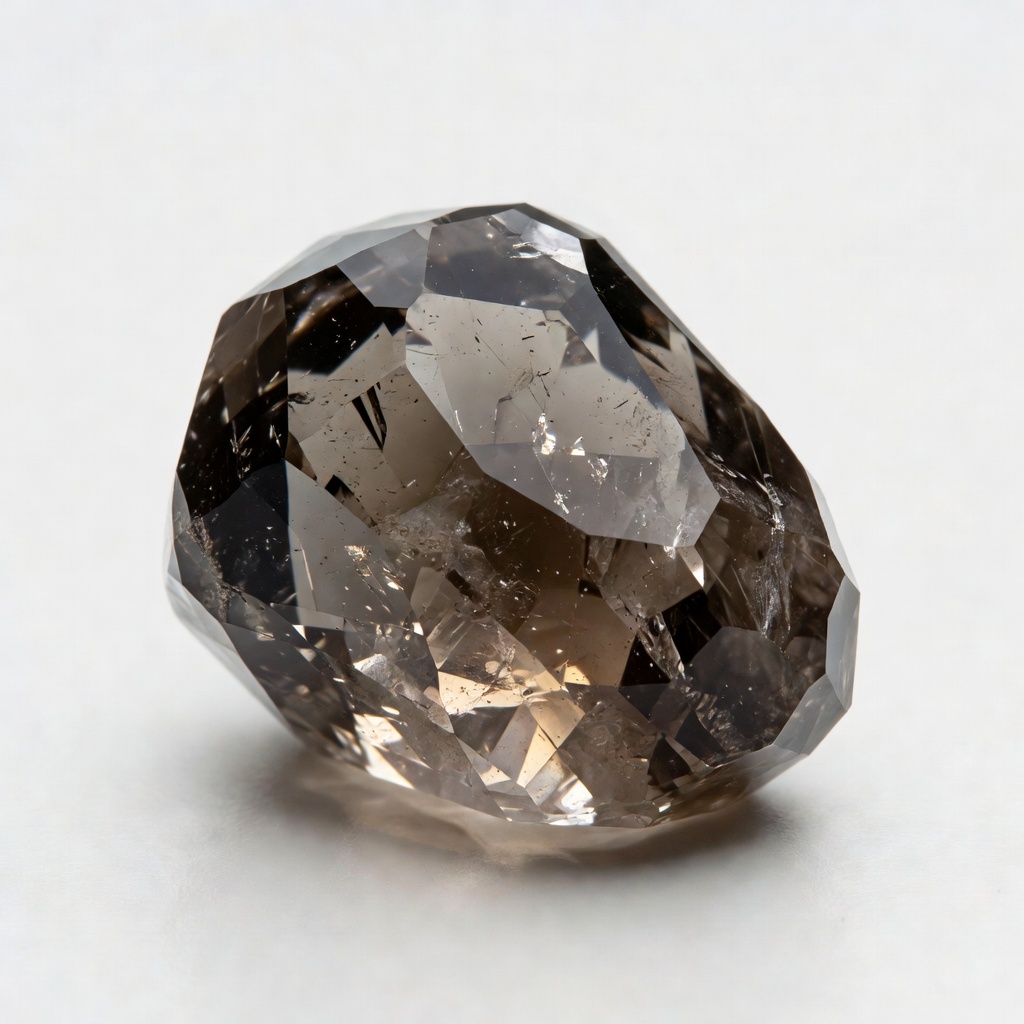
Investing time in proper smoky quartz care and cleaning ensures that your gemstones retain their mesmerizing translucent luster and distinctive brown-gray coloration for generations. Unlike more resilient stones, smoky quartz requires consistent attention to prevent the accumulation of body oils, cosmetic residues, and environmental pollutants that can create a dull film over its surface. For crystal healing practitioners, maintaining the stone's physical integrity is believed to preserve its grounding and protective energetic properties, making regular cleaning as much a spiritual practice as a practical necessity. When neglected, even minor abrasions can compound over time, leading to costly restoration work or permanent damage that diminishes both the aesthetic and monetary value of your collection.
Consider the experience of a jewelry collector who inherited a vintage smoky quartz cocktail ring from the 1950s. Because previous owners had stored it improperly alongside harder gemstones and cleaned it with abrasive household chemicals, the stone developed microscopic surface scratches that scattered light and reduced its characteristic smoky depth. This case illustrates why establishing a consistent maintenance routine immediately upon acquiring your piece can prevent the cumulative damage that often goes unnoticed until it becomes irreversible. Whether you wear your smoky quartz daily as a statement piece or reserve it for special occasions, understanding that prevention is far more effective than restoration will save you significant expense and heartache in the long term.
Understanding Smoky Quartz Composition and Durability
Before implementing any maintenance strategy, understanding smoky quartz properties durability helps you make informed decisions about handling and cleaning protocols. Smoky quartz ranks seven on the Mohs hardness scale, placing it in the moderately durable category alongside other popular gemstones like amethyst and citrine. While this hardness provides reasonable resistance to scratching from everyday dust and minor impacts, it is not indestructible; the crystalline structure of silicon dioxide can fracture under sharp blows or extreme pressure. The stone's signature smoky coloration results from natural irradiation processes affecting aluminum impurities within the quartz lattice, creating color centers that are sensitive to environmental factors including prolonged ultraviolet exposure and thermal shock.
The internal composition of smoky quartz includes microscopic fluid inclusions and tension fractures that, while invisible to the naked eye, create pathways for chemical penetration and structural weakness. Unlike diamonds or sapphires that can withstand harsh cleaning methods, smoky quartz demands gentler treatment due to these inherent vulnerabilities. Temperature fluctuations pose particular risks, as rapid heating or cooling can cause internal stress fractures known as "thermal shock," potentially splitting the stone along its natural cleavage planes. Additionally, the silicon dioxide matrix can react with strong acids and bases, etching the surface and permanently clouding the transparency that makes smoky quartz so desirable for both jewelry and metaphysical applications.
The Science Behind Color Stability
The irradiation-induced color centers that give smoky quartz its characteristic appearance are remarkably stable under normal conditions, yet they can bleach when exposed to intense heat or prolonged direct sunlight. This photochemical reaction occurs when UV radiation breaks down the aluminum-related color centers, gradually fading the deep smoky tones to a pale gray or nearly colorless state. Understanding this sensitivity helps explain why proper storage away from windows and heat sources is not merely precautionary but essential for preserving the stone's visual identity. Laboratory-treated smoky quartz, which is more common in commercial markets than naturally irradiated specimens, may be even more susceptible to color fading due to artificial enhancement processes that are less stable than geological formation.
Daily Smoky Quartz Maintenance Routine
Implementing consistent smoky quartz maintenance tips into your daily routine requires less than five minutes but provides substantial protection against cumulative damage. After each wear, gently dust your stone using a lint-free microfiber cloth, employing light pressure in circular motions to remove skin oils, perfume residues, and environmental particulates. This simple habit prevents the buildup of substances that can chemically interact with the quartz surface or attract additional dirt, creating a compounding effect that requires more aggressive cleaning later. For jewelry pieces, develop the practice of removing your smoky quartz before applying hand creams, cosmetics, or hair products, as these substances often contain petroleum derivatives and alcohols that can leave stubborn films.
Physical activities present significant risks to smoky quartz jewelry, making removal before workouts, gardening, or household cleaning a non-negotiable aspect of proper care. The combination of sweat acidity, impact risks from weights or equipment, and exposure to cleaning chemicals creates a perfect storm for potential damage. During your daily inspection, hold the stone under good lighting and rotate it to check for loose settings, particularly if mounted in rings or bracelets that endure frequent movement. Look for newly developed chips along facet edges, cloudiness in previously clear areas, or any wiggling within the setting that might indicate worn prongs. Documenting these observations in a jewelry journal helps track changes over time and identifies when professional intervention becomes necessary.
Creating a Maintenance Schedule
Establishing a weekly deep inspection routine complements your daily dusting habits and ensures that minor issues do not escalate into major repairs. Set aside time each Sunday evening to examine your smoky quartz pieces under magnification using a jeweler's loupe or strong reading light, paying particular attention to the girdle area where chips most commonly occur. For crystal healing practitioners who use raw smoky quartz points in meditation grids or energy work, check the termination points for damage, as broken tips can alter the directional flow of energy and reduce the stone's effectiveness in metaphysical applications. This proactive approach to smoky quartz care and cleaning transforms maintenance from a reactive chore into a mindful practice that deepens your connection to the stone.
Safe Smoky Quartz Cleaning Methods Step-by-Step
When it comes to how to clean smoky quartz properly, a methodical approach using appropriate materials prevents accidental damage while restoring brilliance. Begin by preparing a clean bowl with lukewarm distilled water—approximately 85 to 90 degrees Fahrenheit—mixed with two drops of mild, phosphate-free dish soap. Avoid tap water when possible, as mineral deposits can leave spots on the surface, and never use hot water which can cause thermal shock. Place your smoky quartz in the solution and allow it to sit for three to five minutes to loosen surface grime, using this time to inspect the stone for any loose settings or cracks that might worsen during cleaning.
Using a soft-bristled baby toothbrush or specialized jewelry cleaning brush, gently scrub the stone using circular motions, paying special attention to the underside where oils accumulate and along the girdle where dirt becomes trapped. For faceted stones, brush along the facet junctions where debris typically congregates, applying minimal pressure to avoid scratching the surface. Raw or rough smoky quartz specimens require extra care around natural crevices and crystal points; use the brush to dislodge debris without forcing bristles into fragile areas. Once cleaned, rinse the stone thoroughly under lukewarm running water, ensuring all soap residue is removed as dried detergent can create a hazy film that attracts future dirt.
Drying and Polishing Techniques
Proper drying is as critical as the washing process itself when cleaning smoky quartz jewelry. Pat the stone gently with a soft, absorbent microfiber cloth or chamois, avoiding paper towels which can leave scratches. For pieces with intricate settings or raw crystals with deep crevices, use a hairdryer on the cool setting held at least twelve inches away to evaporate trapped moisture, particularly important for jewelry with closed-back settings where water can cause metal discoloration or mold growth. Finish by polishing the surface with a clean section of microfiber cloth until water spots disappear and the stone's natural luster returns. This comprehensive approach to how to clean smoky quartz ensures that each cleaning session enhances rather than compromises the stone's integrity.
What to Avoid When Cleaning Smoky Quartz
Understanding prohibited smoky quartz cleaning methods is equally important as knowing proper techniques, as common household cleaning approaches can cause irreversible damage. Never subject smoky quartz to ultrasonic cleaners or steam cleaning devices, regardless of how convenient these methods may seem for other jewelry pieces. The intense vibrations of ultrasonic baths can loosen settings and cause internal fractures to expand, while steam heat creates rapid temperature fluctuations that induce thermal shock. Similarly, avoid harsh chemical solvents including acetone, alcohol-based cleaners, and commercial jewelry dips containing ammonia or bleach, as these substances can etch the quartz surface and degrade any metal components in jewelry settings.
Prolonged soaking represents another significant risk factor; while brief immersion in soapy water is beneficial, leaving smoky quartz submerged for over thirty minutes allows water to penetrate microscopic fractures and inclusions, potentially causing internal clouding or structural weakening. Saltwater exposure presents particular dangers, as salt crystals can scratch the relatively soft surface of quartz and leave corrosive residue in crevices that continues to damage the stone long after exposure ends. Abrasive materials including baking soda, toothpaste, or commercial scrubbing powders create microscopic scratches that scatter light and permanently dull the stone's appearance. Even household staples like vinegar, with its acetic acid content, can slowly dissolve the silicon dioxide matrix over repeated exposures.
Environmental Hazards to Recognize
Beyond direct cleaning agents, be aware of environmental substances that contact your stone during daily wear. Chlorinated pool water, harsh detergents, and even natural body acids from perspiration can gradually degrade smoky quartz if not promptly removed. When engaging in activities that expose your stone to these elements, remember that prevention through removal is always preferable to remediation through cleaning. For collectors who display raw smoky quartz specimens, avoid placing them near windows where temperature fluctuations from sunlight exposure can create condensation cycles that promote mineral deposits and internal stress.
Deep Cleaning Techniques for Stubborn Residue
When standard cleaning methods fail to remove persistent grime or oily buildup, specialized deep cleaning techniques for cleaning smoky quartz jewelry can restore clarity without resorting to damaging chemicals. For stubborn residue, prepare a brief 15 to 20 minute soak in distilled water at room temperature, adding a single drop of mild castile soap if necessary. This extended but time-limited immersion helps dissolve oils that have bonded to the surface while preventing the water penetration issues associated with longer soaking periods. For raw crystals or rough specimens with deep crevices, use bamboo skewers, wooden toothpicks, or specialized soft dental picks to gently dislodge debris from tight spaces without scratching the quartz.
Mechanical cleaning tools require careful selection to avoid surface damage. Soft cosmetic brushes with natural bristles can reach into setting prongs or crystal clusters where fingers and cloths cannot venture. For metallic inclusions or dendritic patterns within the quartz, use a dampened cotton swab rather than direct brushing to avoid dislodging these delicate natural features. If your smoky quartz has developed a cloudy film that resists these gentle methods, create a paste using distilled water and a tiny amount of aluminum-free baking powder (not baking soda), applying it with a soft cloth in gentle circular motions before immediately rinsing. However, recognize the limits of home treatment; if residue remains after two attempts, discontinue home cleaning to avoid cumulative abrasion.
Recognizing When to Stop
Understanding when to transition from DIY methods to professional intervention protects your investment from well-intentioned but potentially harmful persistence. Stop home treatment immediately if you notice any increase in cloudiness, new surface scratches, or loosening of the stone within its setting. Professional gemologists possess ultrasonic steam cleaners with controlled settings specifically calibrated for smoky quartz, along with ionic cleaning technologies that remove embedded dirt without mechanical abrasion. They can also assess whether cloudiness results from surface contamination or internal fracturing that requires specialized stabilization techniques rather than cleaning.
Proper Smoky Quartz Storage Solutions
Implementing appropriate smoky quartz storage solutions prevents the majority of damage that occurs when stones are not being worn or used. Always store each piece separately in soft fabric pouches made of velvet, silk, or acid-free tissue paper to prevent contact with harder gemstones that could scratch the surface. For extensive collections, invest in compartmentalized jewelry boxes with individual padded slots, ensuring that bracelets and necklaces cannot tangle or rub against each other. The storage environment should maintain stable humidity levels between 40 and 50 percent, as excessive dryness can make quartz more brittle while high humidity promotes tarnishing on metal settings and potential mineral deposits on the stone itself.
Light management represents a crucial yet often overlooked aspect of storage. Position your smoky quartz away from direct sunlight and heat sources including radiators, window sills, and display cases with built-in lighting. UV radiation gradually bleaches the characteristic smoky coloration, while heat can cause internal fracturing or color shifting in treated specimens. For raw crystal specimens, wrap individual pieces in soft cloth to protect delicate termination points and prevent chipping during handling. When traveling, use hard-sided jewelry cases with foam inserts that immobilize pieces during transport, as the jostling of loose items in soft bags creates abrasion risks equivalent to years of normal wear.
Climate Control Considerations
For serious collectors or those residing in extreme climates, additional environmental controls preserve smoky quartz integrity over decades. Silica gel packets placed in storage containers (never in direct contact with the stones) help regulate humidity without creating the desiccation risks associated with direct air exposure. Avoid storing smoky quartz in bathrooms or kitchens where temperature and humidity fluctuate dramatically with daily use. If displaying specimens, use museum-quality UV-filtering glass and LED lighting that generates minimal heat, positioning displays away from exterior walls that experience temperature cycling between day and night.
Caring for Smoky Quartz Jewelry Specifically
Cleaning smoky quartz jewelry requires additional considerations beyond stone care alone, as the metal settings, prongs, and chains introduce new vulnerability points that demand specialized attention. Conduct monthly inspections of prongs and settings using magnification, checking for wear patterns, thinning metal, or gaps where the stone meets the mounting. Rings face particular risks due to constant contact with hard surfaces; examine the gallery (the metalwork beneath the stone) for cracks or bending that could allow the quartz to shift or fall out. For pieces with closed-back settings, ensure no moisture remains trapped after cleaning, as this causes metal corrosion that can stain the stone from behind and weaken structural integrity.
Water exposure presents compound risks for jewelry pieces that do not exist for loose stones. Always remove smoky quartz rings before swimming, showering, or handwashing, not only to protect the stone from chemical exposure but to prevent soap scum buildup in settings and potential metal rusting that could permanently damage the mounting. Chlorine and saltwater are particularly corrosive to gold alloys and silver, creating pitting that weakens prongs and causes stone loss. For bracelets and necklaces, check clasps and link integrity regularly, as the weight of quartz can stress connections over time. Schedule professional inspection and cleaning every 12 to 18 months with a certified jeweler who can tighten settings, polish metal without compromising the stone, and identify developing issues invisible to the untrained eye.
Professional Maintenance Scheduling
Establishing a relationship with a reputable jeweler who understands smoky quartz care and cleaning ensures that your pieces receive appropriate treatment during routine maintenance. Request that they avoid steam cleaning unless absolutely necessary, and ask specifically about their experience with Mohs 7 hardness stones to ensure they do not confuse smoky quartz with harder gemstones like diamonds or rubies. Keep detailed records of all professional cleanings and repairs to track the aging of your pieces and anticipate when major maintenance like prong replacement or resetting might become necessary.
Water Safety: Can Smoky Quartz Get Wet?
The question of is smoky quartz water safe generates considerable confusion among collectors and jewelry wearers, requiring nuanced understanding of duration, temperature, and environmental factors. Generally, smoky quartz can safely contact water for brief periods during cleaning, provided the water is lukewarm rather than hot and exposure lasts less than thirty minutes. The silicon dioxide composition is chemically inert to pure water, meaning H2O itself does not damage the crystal structure. However, the devil lies in the details: temperature extremes create thermal shock risks, while prolonged immersion allows water penetration into microscopic fractures that can cause internal clouding or promote mineral deposits as the water evaporates.
Hot water presents particular dangers due to thermal expansion principles. When smoky quartz contacts hot water, the surface layers expand faster than the interior, creating stress that exploits existing inclusions or weaknesses. Conversely, cold water shocks can contract the surface rapidly, potentially causing surface cracking or exacerbating internal tension. For jewelry pieces, water safety concerns extend to metal components; even brief water exposure can cause steel or silver findings to rust, while chlorine in tap water or pools corrodes gold alloys. Always remove smoky quartz jewelry before bathing or swimming, not merely to protect the stone but to preserve the integrity of the setting that holds it securely.
Water Quality Factors
The mineral content of water significantly impacts cleaning safety. Hard water leaves calcium and magnesium deposits on the quartz surface that create a dull, spotted appearance requiring additional cleaning to remove. Saltwater, as mentioned previously, introduces chloride ions that are chemically aggressive toward both quartz and metal settings. Distilled or purified water remains the safest option for cleaning, while natural bodies of water like lakes or oceans should be avoided due to unknown chemical compositions and biological contaminants that can adhere to the stone. If accidental exposure to questionable water occurs, rinse immediately with distilled water and dry thoroughly to prevent residue formation.
When to Seek Professional Smoky Quartz Cleaning
Recognizing the limitations of home care is essential for preserving valuable smoky quartz pieces, and certain conditions unequivocally require professional intervention. Visible deep scratches, chips along facet edges, or surface dullness that persists after gentle cleaning indicate damage that home methods cannot reverse and may worsen with continued abrasion. Professional gemologists possess access to polishing compounds and lapidary equipment that can restore luster without removing excessive material, skills that require years of training to execute properly on a Mohs 7 hardness stone. Additionally, any indication of loose settings, bent prongs, or damaged findings on jewelry pieces demands immediate professional attention to prevent stone loss.
Stains from unknown substances or exposure to harsh chemicals require expert assessment before attempting removal, as improper cleaning can set stains permanently or react with chemical residues to create worse discoloration. If your smoky quartz has been exposed to acids, bases, or industrial solvents, transport it to a professional immediately without attempting home remediation. Professional cleaners also possess ionic cleaning baths that remove embedded dirt through electrolysis rather than mechanical scrubbing, ideal for antique pieces with fragile settings or stones with significant inclusion content. Finally, if your stone exhibits internal clouding, rainbow inclusions, or changes in transparency that cleaning does not improve, consult a gemologist to determine whether the issue stems from surface contamination or internal structural changes that require stabilization.
Selecting a Qualified Professional
Not all jewelry cleaners possess specific expertise with smoky quartz care and cleaning, making vetting essential before entrusting your pieces to their care. Seek certified gemologists (GIA or equivalent) or established jewelers with demonstrated experience in colored stone maintenance. Inquire specifically about their protocols for cleaning quartz varieties, and avoid establishments that use one-size-fits-all ultrasonic baths for all jewelry regardless of stone type. Request that they examine the stone under magnification before cleaning to identify existing fractures or inclusions that might contraindicate certain cleaning methods. A reputable professional will explain their process, provide condition reports, and guarantee their work against damage caused by their cleaning procedures.
Frequently Asked Questions
Can you put smoky quartz in water for cleaning?
Yes, smoky quartz can safely be placed in water for brief cleaning sessions lasting 15 to 20 minutes. Use lukewarm distilled water with mild, phosphate-free soap, but avoid prolonged soaking, hot water, and saltwater which can damage the stone or any metal settings. Ensure thorough drying afterward, especially for jewelry pieces where trapped moisture can cause metal corrosion or mold growth in settings.
How often should I clean my smoky quartz jewelry?
Perform gentle cleaning weekly if worn regularly, using a soft microfiber cloth to remove oils and dirt that accumulate during daily wear. Deep cleaning with soap and water should be done monthly to address buildup in settings and crevices, while professional inspection is recommended every 12 to 18 months to check settings, prongs, and structural integrity. Raw crystal specimens used in healing work may require more frequent energetic cleansing through smudging or moonlight exposure in addition to physical cleaning.
Is smoky quartz safe in sunlight?
Limited sunlight exposure is generally safe, but prolonged direct sunlight can fade smoky quartz's characteristic brown-gray color over time due to photochemical reactions in the irradiation-induced color centers. Store your pieces in a jewelry box, drawer, or away from windows when not in use to preserve their rich hue. If displaying specimens, use UV-filtering glass and indirect lighting to minimize exposure while still showcasing the stone's beauty.
Can I use vinegar or baking soda to clean smoky quartz?
No, avoid vinegar (acidic) and baking soda (abrasive) completely when maintaining smoky quartz. Both can damage the quartz surface—vinegar through chemical etching of the silicon dioxide matrix and baking soda through microscopic scratching that dulls the polish. Stick to mild, phosphate-free soap and lukewarm distilled water for routine cleaning. For tough residue, a brief soak in distilled water or professional cleaning is safer than household chemical alternatives.
What causes smoky quartz to turn cloudy or lose its shine?
Cloudiness results from oil buildup from skin contact, microscopic scratches from improper cleaning materials, or chemical residue from cosmetics and household products. Using harsh materials, storing improperly against harder stones, or exposing to hair products and perfumes can create a dull film that scatters light. Internal clouding may indicate water penetration into fractures or structural changes requiring professional assessment. Proper gentle cleaning usually restores surface clarity, while deep internal clouding may be permanent.
How should I store raw smoky quartz crystals versus polished stones?
Wrap raw crystals individually in soft cloth or bubble wrap to protect natural points and prevent chipping of delicate terminations. Polished stones need separate compartments or soft pouches to prevent surface scratching. Both should be stored away from direct sunlight, heat sources, and harder gemstones like diamonds or sapphires that could cause scratches. Use compartmentalized boxes for mixed collections and maintain stable humidity levels to prevent brittleness or condensation issues.
Can smoky quartz be damaged by salt or saltwater?
Yes, avoid salt and saltwater completely when caring for smoky quartz. Salt crystals can scratch the surface and leave damaging residue in microscopic crevices that continues to corrode the stone over time. This is especially important for jewelry with metal components that saltwater corrodes rapidly, potentially causing stone loss through weakened settings. If accidental saltwater exposure occurs, rinse immediately with fresh distilled water and dry thoroughly to prevent chloride residue formation.
Should I oil or treat smoky quartz to enhance its appearance?
No, never oil or treat smoky quartz with commercial enhancers or home remedies like mineral oil or petroleum jelly. Oils attract dust and dirt, creating a grimy buildup that dulls the stone and requires harsh cleaning to remove. The natural beauty and luster of smoky quartz are best maintained through proper cleaning and storage practices rather than chemical treatments. If your stone appears dry or dull, it likely needs cleaning rather than oiling, or may require professional polishing to restore its natural shine.