What is Smoky Quartz? A Beginner's Overview
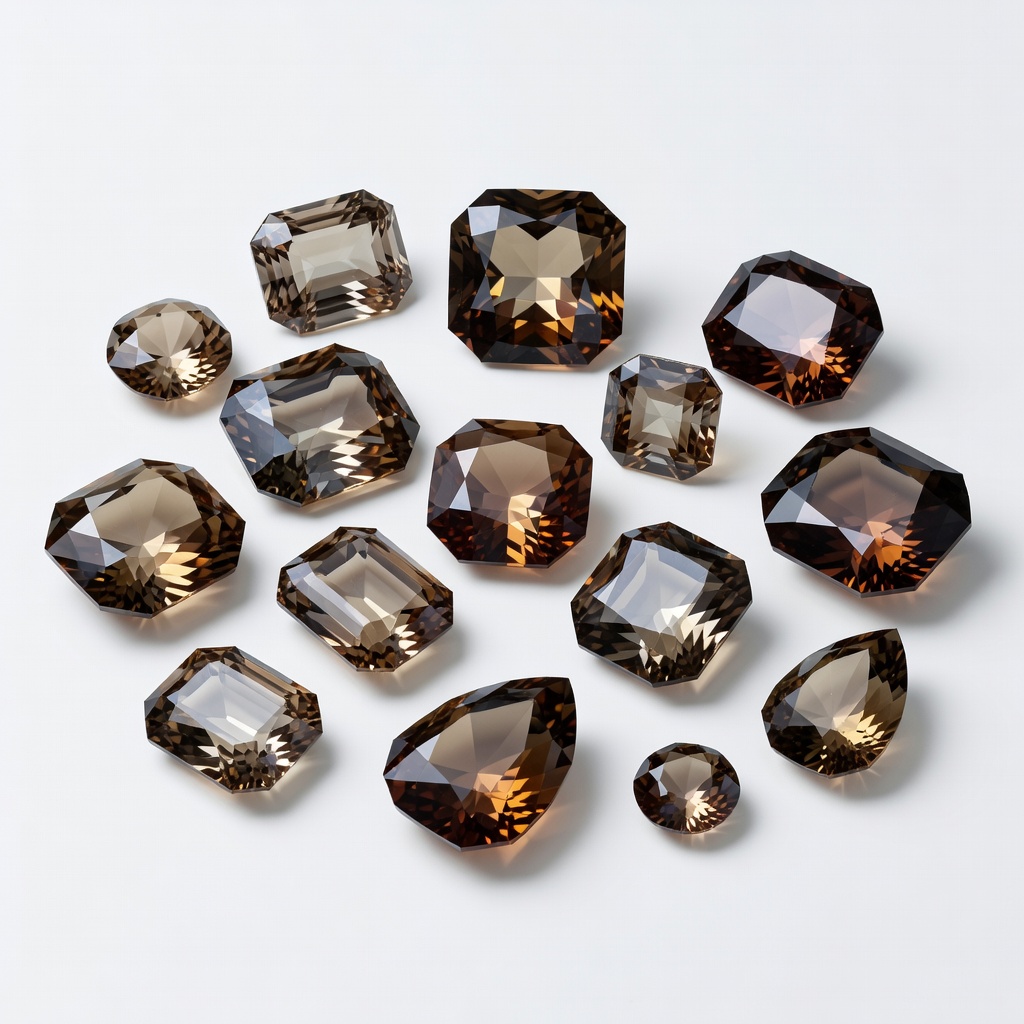
Smoky quartz is a captivating variety of crystalline silicon dioxide that derives its distinctive brown to blackish-gray coloration from natural irradiation processes occurring deep within the earth's crust. Unlike other colored gemstones that rely on trace elements like iron or chromium for their hue, smoky quartz owes its appearance to aluminum impurities within the crystal lattice that have been exposed to natural gamma radiation over millions of years. This unique geological formation creates a color spectrum ranging from delicate pale brown, often called "smoky topaz" in vintage markets, to the intense, nearly opaque blackish-brown known as "morion" quartz found in high-quality specimens.
Historically, smoky quartz has held significant cultural importance across civilizations, from the ancient Druids who considered it sacred to the Celts who utilized it in ceremonial practices throughout Scotland and Ireland. In modern jewelry markets, this gemstone has experienced resurgence due to its neutral earth tones that complement both vintage and contemporary design aesthetics. The crystal healing community also values smoky quartz for its purported grounding properties, driving additional demand beyond purely ornamental uses. Understanding these fundamental smoky quartz properties helps buyers appreciate why this gemstone offers exceptional versatility at accessible price points.
The primary reason smoky quartz dominates the affordable luxury segment of the gemstone market stems from its abundant geological occurrence and straightforward mining processes. Major deposits in Brazil, Madagascar, and the Swiss Alps yield substantial quantities of rough material, allowing cutters to produce large, clean stones without the scarcity premiums associated with rubies, sapphires, or emeralds. This widespread availability makes smoky quartz an excellent entry point for collectors beginning their gemstone journey, offering substantial carat weights and impressive visual impact without the prohibitive costs typically associated with precious gems.
Key Quality Factors: How to Evaluate Smoky Quartz
When assessing smoky quartz quality, color intensity serves as the paramount consideration, with premium specimens displaying uniform saturation ranging from rich cognac to deep chocolate brown without undesirable gray or yellow undertones. The most valuable stones exhibit consistent color distribution throughout the crystal, avoiding the unsightly zoning or washed-out windows that plague lower-grade material. Deep "morion" varieties, which appear nearly black in normal lighting but reveal their brown translucency when held against bright light, command the highest premiums due to their rarity and dramatic visual presence.
Clarity standards for smoky quartz differ somewhat from other gemstones, as completely inclusion-free stones are common and expected for fine jewelry purposes. Eye-clean specimens, meaning those without visible inclusions to the unaided eye at a distance of six inches, should be considered the minimum standard for quality purchases. However, certain natural inclusions such as rutile needles or internal veils can actually enhance value for collectors seeking unique specimens, provided these characteristics do not compromise the stone's structural integrity or significantly detract from its transparency. Beware of stones containing surface-reaching fractures or cloudy turbidity, as these represent durability concerns rather than desirable characteristics.
The cut quality dramatically impacts how smoky quartz value factors translate to visual appeal, with well-proportioned facets maximizing both color depth and brilliance. Master cutters often utilize deep pavilion designs to intensify the body color, particularly for lighter rough material, while step cuts such as emeralds or baguettes emphasize the stone's clarity and create sophisticated light patterns. Round brilliant cuts, though less common for smoky quartz, can create surprising scintillation when executed with precise facet angles. Carat weight considerations follow typical gemstone economics, where price per carat increases progressively with size for high-quality specimens, making a 10-carat premium stone disproportionately more valuable than ten 1-carat stones of equivalent quality.
Smoky Quartz Pricing: What You Should Expect to Pay
Understanding smoky quartz price per carat requires recognizing the broad spectrum of quality tiers available in today's market. Commercial-grade material suitable for fashion jewelry typically ranges from $2 to $10 per carat, offering light brown colors with acceptable clarity but lacking the depth and uniformity of fine specimens. Mid-grade stones featuring medium brown saturation, good clarity, and standard commercial cuts generally command between $15 and $30 per carat, representing excellent value for serious jewelry pieces. Exceptional specimens exceeding 10 carats with deep morion coloring, precision cutting, and flawless clarity can reach $50 to $100 or more per carat, particularly when sourced from historically significant locations such as the Swiss Alps or Colorado's Pikes Peak region.
Several variables significantly influence these price brackets beyond basic quality metrics. Origin plays a surprising role in valuation, with specimens from specific localities like Scotland's Cairngorm Mountains or Switzerland's Gotthard Massif carrying premiums due to historical significance and limited supply. Treatment status represents another crucial cost factor, as naturally irradiated stones command higher prices than artificially heat-treated material, though both are considered acceptable in the trade when properly disclosed. The precision of the cut also affects pricing, with custom-cut stones from renowned lapidaries fetching multiples of commercial-cut prices due to superior optical performance and unique design elements.
Retail channel selection dramatically impacts the final purchase price, with online specialized gem dealers typically offering 30-50% savings compared to brick-and-mortar jewelry stores due to reduced overhead costs. However, physical stores provide the advantage of examining color accuracy under various lighting conditions, crucial for a gemstone where subtle brown undertones can shift dramatically between warm incandescent and cool LED environments. Gem shows represent another viable option for educated buyers, offering wholesale-level pricing but requiring the ability to assess quality without the safety net of generous return policies. For optimal value, focus on the 5-10 carat range with medium-deep brown coloration, where the intersection of availability and demand creates the most favorable quality-to-price ratio.
Spotting Real vs Fake: Smoky Quartz Authenticity Checks
Establishing smoky quartz authenticity requires careful observation of natural characteristics that synthetic or simulated materials cannot perfectly replicate. Genuine stones display subtle color variations and internal features such as veils, tiny crystal inclusions, or growth patterns visible under 10x magnification. These "fingerprints" of natural formation create organic, flowing patterns rather than the perfectly uniform appearance typical of manufactured glass or synthetic spinel. When examining potential purchases, tilt the stone under bright light to observe how inclusions interact with the light path; natural inclusions often create soft, diffused effects while synthetic materials may show sharp, unnatural angular patterns.
Heat-treated alternatives present a particular challenge for novice buyers, as artificially irradiated or heated stones may display unnaturally uniform coloration lacking the subtle gradations found in naturally colored material. While heat treatment is an accepted practice in the gem trade, undisclosed treatments violate ethical standards and affect value. Suspect stones if the color appears too perfect or shows abrupt transitions between light and dark areas. Additionally, some unscrupulous sellers offer dyed quartz or glass where color concentrates in surface-reaching fractures or appears only in surface layers, readily detectable by examining the girdle edges or facet junctions where dye accumulation often occurs.
Common fakes to avoid include molded glass containing telltale air bubbles or swirl marks, plastic imitations that feel unnaturally warm and lightweight, and synthetic spinel manufactured in smoky quartz colors. Practical DIY testing methods can help screen potential purchases before investing in professional appraisal. The hardness test provides initial confirmation, as genuine smoky quartz measures 7 on the Mohs scale and should readily scratch glass or steel while resisting scratching from a copper penny. Specific gravity testing, though requiring a scale and suspension method, yields definitive results around 2.65 for quartz versus significantly different values for glass or plastic alternatives. Finally, the temperature test offers quick screening; genuine quartz feels distinctly cool to the touch initially and warms slowly in the hand, unlike glass or plastic which adjust rapidly to body temperature.
Where to Buy Smoky Quartz: Online vs In-Store
Navigating the marketplace for buying smoky quartz online requires distinguishing between reputable specialists and questionable vendors in an increasingly crowded digital landscape. Established online retailers such as James Allen and Blue Nile offer the security of detailed specifications, high-resolution photography, and standardized grading reports, though their selection of smoky quartz specifically may be limited compared to mainstream gemstones like diamonds or sapphires. Etsy and similar platforms host numerous specialty gem dealers who provide unique, hand-selected specimens with competitive pricing, but require careful vetting of seller ratings, return policies, and photographic authenticity. Auction sites present opportunities for exceptional values on estate pieces or rough material, though they demand sophisticated authentication skills to avoid misrepresented items.
Physical retail environments offer distinct advantages that online channels cannot replicate, particularly regarding color assessment and immediate tactile evaluation. Brick-and-mortar jewelry stores allow buyers to observe how smoky quartz appears under different lighting conditions—crucial for a gemstone where brown undertones can shift dramatically between warm incandescent showroom lighting and natural daylight. Establishing relationships with local gemologists or estate jewelry dealers provides ongoing access to curated inventory and professional guidance, particularly valuable when seeking specific origins or untreated specimens. Gem shows and mineral exhibitions offer concentrated exposure to multiple vendors, enabling direct comparison of quality tiers and pricing while often providing access to rough material for custom cutting projects.
Regardless of purchase channel, certain red flags should immediately disqualify sellers from consideration. Vague or nonexistent return policies suggest the vendor lacks confidence in their product descriptions, while reluctance to disclose treatment status or country of origin indicates potential ethical or authenticity issues. Stock photography rather than images of the actual specific stone represents a significant warning sign, as color variations in smoky quartz are substantial enough that generic images provide no reliable purchase guidance. Prioritize vendors offering detailed gemological certificates from recognized laboratories such as GIA or AGS, transparent disclosure of any treatments or enhancements, and minimum 14-day return periods allowing for independent verification. Trusted sources invariably include certified gemologists, established estate jewelry dealers with verifiable credentials, and gem show vendors displaying membership in professional organizations like the American Gem Trade Association.
Ethical Sourcing and Certification for Smoky Quartz
Responsible procurement of smoky quartz begins with understanding the geographic and operational contexts of major mining regions. Brazil dominates global production, particularly from the Minas Gerais region, where both large-scale commercial operations and small-scale artisanal miners extract material from pegmatite deposits. Madagascar provides significant quantities of gem-quality rough, though buyers should verify that sourcing supports fair labor practices given the island's complex mining regulations. Swiss smoky quartz from the Gotthard and Tavetsch regions carries historical significance and generally involves environmentally monitored extraction, while Colorado's Pikes Peak deposits offer domestically sourced options for North American buyers concerned with transportation impacts. Each origin presents distinct ethical considerations regarding environmental protection, worker safety, and community economic impact.
Essential certifications and documentation should accompany any significant smoky quartz purchase, beginning with explicit country of origin disclosure that allows buyers to research specific mining practices. While smoky quartz rarely receives the detailed mine-to-market tracking afforded to conflict diamonds, reputable dealers should provide statements regarding mining methods and labor practices. Gemological certificates from recognized laboratories confirm the material as natural quartz while documenting any treatments applied, though standard reports may not specify geographic origin without additional testing. For collectors seeking investment-grade specimens, documentation of specific locality data—such as the exact mine or mountain region—significantly enhances long-term provenance and value retention.
Fair trade considerations in the smoky quartz market involve balancing support for small-scale artisanal miners against the consistency of large commercial operations. Artisanal mining provides crucial economic support for rural communities in Brazil and Madagascar, though these operations sometimes lack rigorous safety standards or environmental controls. Large commercial mines typically offer better regulated working conditions but may contribute to environmental disruption through mechanized extraction. When evaluating sellers, ask direct questions about their supply chain relationships, whether they visit mining operations personally, and how they verify ethical sourcing claims. Reputable vendors welcome these inquiries and often maintain detailed sourcing statements on their websites, demonstrating commitment to transparency beyond mere transactional sales.
Popular Smoky Quartz Jewelry Styles & Settings
Selecting appropriate jewelry designs for smoky quartz jewelry buying requires balancing aesthetic preferences with practical durability considerations inherent to the gemstone's physical properties. For ring designs intended for regular wear, cushion and oval cuts prove optimal, showcasing the stone's color depth while minimizing vulnerability to chipping through rounded edges. Emerald cuts, while sophisticated and popular for their step-cut elegance, require protective settings such as bezels or halo designs that shield the vulnerable corners from impact. The substantial specific gravity of quartz means that even large stones feel comfortable in ring mountings, allowing designers to create bold statement pieces without excessive weight concerns.
Necklace and pendant designs benefit from smoky quartz's excellent transparency and ability to display color even in substantial carat weights. Large, single-stone pendants showcase the material's clarity and depth, particularly when cut with deep pavilions that intensify the brown coloration. Bead strands offer casual elegance suitable for daily wear, though buyers should verify that beads are properly matched for color consistency and drilled cleanly without causing structural stress. Earring designs range from delicate studs that provide neutral, professional appropriate color to dramatic chandelier settings utilizing multiple smoky quartz stones in graduated sizes. When selecting multi-stone pieces, examine the consistency of color matching between individual gems, as significant variation can detract from the overall design harmony.
Metal pairing significantly influences the final appearance of smoky quartz jewelry, with warm-toned metals enhancing the gemstone's natural earthiness. Rose gold creates particularly flattering combinations, amplifying the warm brown undertones while providing vintage aesthetic appeal that complements Art Deco or Victorian-inspired designs. Yellow gold offers classic luxury that pairs well with medium to deep brown stones, while sterling silver and white gold provide modern, edgy contrast that makes the gemstone pop against cool metal backgrounds. Avoid copper-based alloys in direct contact with the stone, as these may oxidize and potentially discolor lighter smoky quartz specimens over time. Regarding durability, always specify protective settings for daily wear rings, remove jewelry before vigorous activities or household cleaning, and explicitly avoid ultrasonic cleaners which can loosen stones through vibration or cause thermal shock.
Caring for Your Smoky Quartz: Cleaning & Storage Tips
Proper maintenance ensures that smoky quartz jewelry retains its luster and structural integrity across decades of wear. The safest cleaning method involves warm soapy water—using mild dish soap without harsh detergents—applied with a soft-bristled brush to gently remove accumulated oils and debris from facet junctions and beneath settings. Rinse thoroughly with lukewarm water to prevent soap residue buildup that can dull the stone's appearance, and pat dry with a lint-free cloth rather than rubbing, which can attract dust particles. Avoid steam cleaners and ultrasonic jewelry baths, as the thermal shock potential and vibrational stress can weaken prongs or cause existing fractures to propagate within the crystal structure.
Storage practices for smoky quartz require consideration of its relative hardness compared to other jewelry items. While quartz resists scratching from most common materials, it can be abraded by harder gemstones such as diamonds, rubies, and sapphires, and can itself scratch softer materials like opals, pearls, or gold settings. Store smoky quartz pieces in individual soft pouches or dedicated jewelry box compartments with fabric dividers that prevent contact with other items. When traveling, utilize hard-sided jewelry cases that protect against impact damage, keeping pieces separated to prevent mutual abrasion during transport. Maintain moderate humidity levels in storage areas, as extremely dry conditions can potentially affect some treatments or adhesives used in jewelry assembly.
Damage prevention extends beyond cleaning and storage to encompass wearing habits and environmental awareness. Remove smoky quartz rings before engaging in vigorous physical activities, heavy lifting, or household chores that might subject the stone to sharp impacts against hard surfaces. Avoid exposing the gemstone to extreme temperature changes, such as moving from freezing outdoor environments into heated interiors, which can create thermal stress within the crystal. Chemical exposure presents another risk category; remove jewelry before swimming in chlorinated pools or using harsh cleaning agents, as these can potentially affect metal settings or surface treatments. Schedule annual professional inspections with a qualified jeweler to check prong security, examine for loose stones, and arrange professional re-polishing services if surface abrasion has dulled the finish over years of wear.
Is Smoky Quartz a Good Investment?
Evaluating smoky quartz as a financial investment requires realistic assessment of its market behavior compared to traditional investment-grade gemstones. While smoky quartz offers stable value retention for quality specimens, it does not typically appreciate at rates comparable to untreated rubies, alexandrite, or fine jadeite, lacking the extreme scarcity that drives exponential price growth in those categories. The gemstone's abundant natural occurrence and widespread mining operations prevent the supply constraints that create speculative investment opportunities. However, this stability also means minimal depreciation risk for well-purchased specimens, making smoky quartz a "store of value" rather than a growth investment within a diversified gemstone portfolio.
Collectible specimens do exist within the smoky quartz category, particularly rare natural deep morion crystals from historically significant localities such as the Swiss Alps or Scotland's Cairngorm Mountains. These specimens, especially those with documented provenance from defunct mines or featuring exceptional crystal formation with associated mineral specimens, can command premiums that appreciate over time among specialized collectors. Similarly, very large, untreated stones exceeding 50 carats with exceptional clarity and cutting precision may find appreciative markets among connoisseurs seeking impressive display pieces. The investment potential increases significantly when specimens possess documented historical significance, such as antique cuts from the Victorian era or stones sourced from specific celebrated mines now closed to commercial extraction.
Current market trends suggest increasing demand for ethical, untreated stones within custom jewelry applications, potentially supporting value stability for responsibly sourced material. The growing consumer consciousness regarding gemstone origins favors dealers who can provide transparent supply chain documentation, potentially creating modest premiums for verifiably ethical specimens. However, prospective buyers should approach smoky quartz primarily as a purchase for beauty, enjoyment, and personal adornment rather than financial speculation. The true "return on investment" manifests in decades of wearable pleasure and the potential for heirloom status within family collections, rather than liquidation profits. For those seeking pure investment vehicles, traditional financial instruments or genuinely rare colored gemstones offer more predictable appreciation trajectories.
Your Smoky Quartz Buying Checklist: Expert Summary
Successful acquisition of quality smoky quartz requires systematic evaluation using specific tools and criteria. Prior to any purchase, equip yourself with a 10x jeweler's loupe for examining internal characteristics, and request detailed information regarding any treatments or enhancements applied to the stone. Verify the seller's return policy, ensuring minimum 14-day examination periods that allow for independent appraisal or simply testing the stone's appearance under your regular lighting conditions. When examining loose stones, place them against both white and black backgrounds to assess color consistency and check for windowing—areas where light passes through without reflecting back, indicating shallow cutting.
Essential questions to pose before committing to purchase include specific inquiries about country of origin, which affects both ethical considerations and potential value; explicit confirmation of natural versus artificial coloration and any heat treatment history; accurate carat weight and dimensional measurements; and availability of accompanying gemological certificates from recognized laboratories. Ask about the stone's history if purchasing antique or estate pieces, as provenance can significantly impact both value and desirability. For mounted jewelry, inquire about the durability of the setting design relative to your intended wearing frequency, and whether the mounting can be modified if future restyling becomes desirable.
Final evaluation should systematically assess color consistency across the entire stone, clarity characteristics visible under magnification, cut precision evidenced by symmetrical faceting and proper light return, and overall aesthetic appeal that resonates with personal taste. Documentation requirements include detailed receipts specifying exact measurements, color grade, clarity assessment, and treatment status; any available gemological certificates; and care instructions specific to the setting style. Photograph your purchase immediately upon receipt, documenting any existing characteristics for insurance purposes and future comparison. By following this comprehensive smoky quartz buying guide methodology, buyers maximize their probability of securing specimens that provide lasting satisfaction and value.
Frequently Asked Questions About Smoky Quartz
What is the best color intensity for smoky quartz?
Premium smoky quartz displays a rich, uniform brown from cognac to chocolate, without gray or yellow undertones. Deep 'morion' specimens are rarest and most valuable, while light brown 'café' stones offer affordability. Avoid stones with uneven color zoning or washed-out areas.
How much should I expect to pay per carat for good smoky quartz?
Commercial-grade smoky quartz costs $2-$10 per carat. Fine quality stones with deep color and excellent clarity range from $15-$30 per carat. Exceptional specimens over 10 carats with premium cut can reach $50-$100+ per carat. Online retailers typically offer better prices than brick-and-mortar stores.
How can I tell if my smoky quartz is real or synthetic?
Real smoky quartz has a hardness of 7 (scratches glass), feels cool to touch, and shows natural inclusions under magnification. Fake stones often have air bubbles, perfect color uniformity, and may feel warmer. When in doubt, request a gemological certificate or consult a certified appraiser.
Is smoky quartz durable enough for everyday rings?
Yes, with proper care. Its 7 Mohs hardness resists scratches well, but can chip if struck hard. Choose protective settings like bezels or halos for daily wear. Remove during heavy activities and avoid ultrasonic cleaners. Pavé settings work better than exposed corners on emerald-cut stones.
Does smoky quartz fade in sunlight over time?
Natural smoky quartz is generally stable, but prolonged intense sunlight can gradually lighten some stones over years. Heat-treated specimens are more susceptible to fading. Store jewelry away from direct sunlight when not worn. Normal indoor lighting poses minimal risk to color stability.
What metals complement smoky quartz best in jewelry?
Rose gold beautifully enhances warm brown tones creating vintage appeal. Yellow gold offers classic luxury pairing. Sterling silver and white gold provide modern, edgy contrast that makes the stone pop. Avoid copper-based alloys that may oxidize and discolor lighter smoky quartz specimens.
Are most smoky quartz stones treated or natural?
Most commercial smoky quartz is naturally irradiated during formation. However, some lighter stones are artificially heat-treated to deepen color. Reputable sellers must disclose treatments. Natural, untreated deep brown specimens command premium prices. Always ask for treatment status before purchasing.
Can I buy quality smoky quartz safely online?
Yes, from reputable sources. Choose sellers with detailed photos, clear return policies (minimum 14 days), and authentic customer reviews. Request videos to see color accurately. Avoid listings using stock photos. Trusted platforms include James Allen, Blue Nile, and established Etsy gem dealers with high ratings.