Navigating the Shell Market: A Comprehensive Shell Buying Guide
The global seashell industry represents a fascinating intersection of marine biology, interior design, and natural history collecting, with annual trade volumes exceeding millions of specimens worldwide. Understanding the nuances of this marketplace requires familiarity with established grading systems that distinguish between museum-quality specimens and mass-produced decorative items. Before making any purchase, discerning buyers must recognize the fundamental differences between decorative seashells intended for casual display, collectible-grade specimens prized for their scientific or investment value, and craft-grade shells designed for mosaic work and jewelry creation. This comprehensive shell buying guide will navigate you through the complex waters of seashell identification, ethical sourcing, and value assessment to ensure your acquisitions meet both your aesthetic standards and conservation principles.
Essential Shell Types for Every Collection
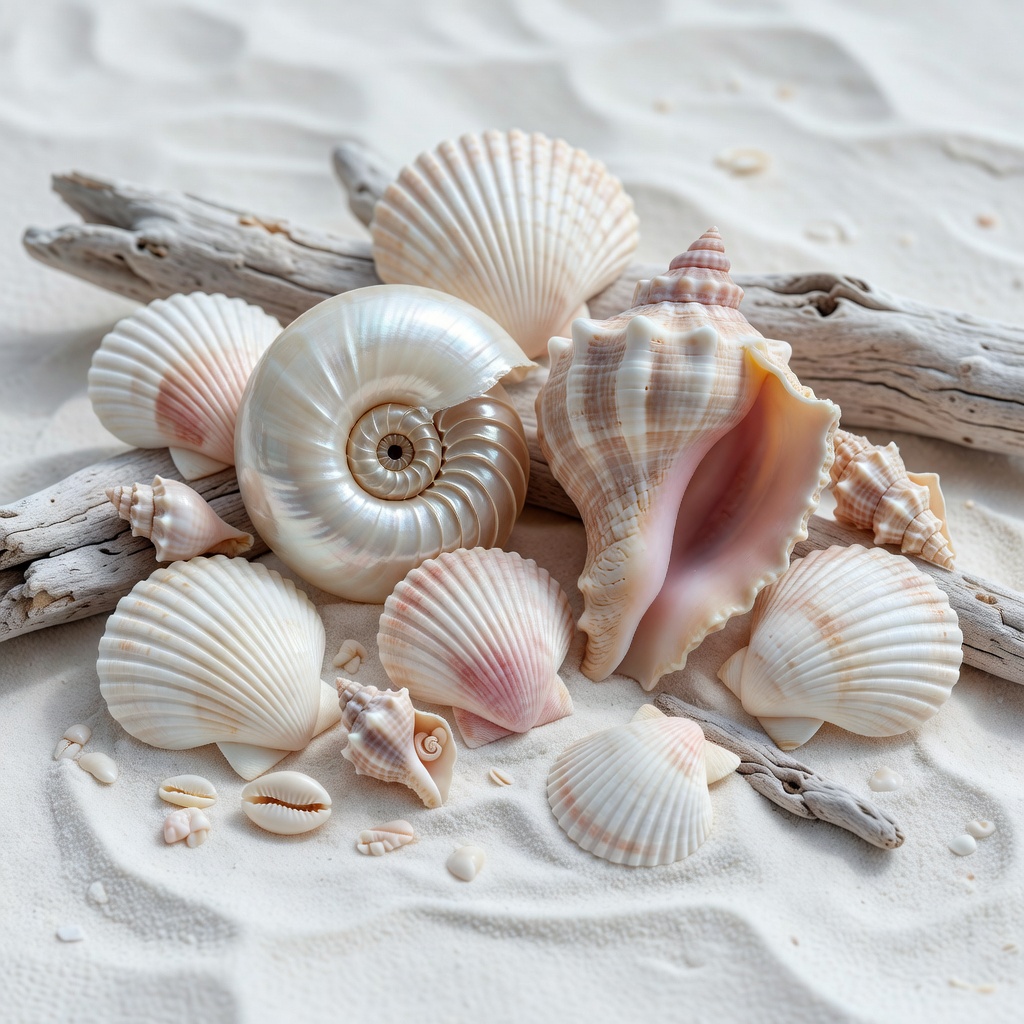
Conch shells stand as dramatic centerpieces in any collection, ranging from modest six-inch specimens perfect for bookshelf displays to magnificent fourteen-inch giants that command attention as floor-standing sculptures. The Queen Conch (Aliger gigas) remains particularly popular for its salmon-pink interior aperture, though size variations significantly impact pricing and display applications. For crafting enthusiasts, scallop shells and clam varieties provide versatile foundations for mosaic projects, offering flat surfaces ideal for adhesives and natural color variations that eliminate the need for artificial dyes. Meanwhile, nautilus shells and cowrie species cater to luxury interior markets and fine jewelry makers, with the chambered nautilus representing a living fossil whose logarithmic spiral has inspired architects for centuries. Understanding the availability cycles of common versus exotic species helps collectors time their purchases strategically, as hurricane seasons and harvesting regulations can temporarily restrict supplies of specific decorative seashells.
Quality Markers: Spotting Premium Specimens
Premium seashell quality reveals itself through systematic visual inspection protocols that examine specimens under natural daylight to identify hairline cracks, chips along the aperture lip, or predatory holes drilled by marine gastropods. Color vibrancy serves as a crucial authenticity indicator, with natural specimens displaying subtle gradient variations and organic imperfections, while bleached shells appear unnaturally uniform and chalky white. Experienced collectors perform weight and density tests by hefting specimens in their hands; genuine shells feel substantial and cool to the touch, whereas lightweight or chalky textures may indicate excessive chemical processing or structural compromise. When evaluating spiral varieties like whelks or wentletraps, examine the spire condition for intact whorls and check aperture edges for smooth, unchipped openings that indicate careful harvesting rather than rough handling.
Ethics and Legality in Shell Commerce
Navigating the regulatory landscape of shell collecting requires understanding CITES (Convention on International Trade in Endangered Species) regulations, which protect vulnerable mollusks including giant clams and certain cone snail species from commercial exploitation. Legal distinctions between beachcombing finds and commercially harvested shells vary significantly by jurisdiction, with many coastal regions prohibiting the removal of living organisms or restricting quantities for personal use. Reputable vendors practicing sustainable shells harvesting methods will readily provide documentation regarding dive depths, collection locations, and seasonal restrictions that ensure minimal ecosystem disruption. For investment-grade specimens or rare imports, proper documentation including export permits and provenance certificates proves essential for legal ownership and future resale value, protecting buyers from inadvertent possession of protected species.
Processing Styles: Raw, Polished, or Enhanced
Natural seashells display characteristic patinas ranging from subtle iridescence to weathered calcium deposits that tell stories of years tumbling in ocean currents, offering organic textures prized by purists and natural history enthusiasts. Commercial polishing techniques utilize tumbling barrels or acid baths to enhance luster, though aggressive processing can strip microscopic surface layers and reduce both structural integrity and long-term value. Buyers should scrutinize specimens for artificially dyed colors that appear too uniform, pearlized coatings that mask natural surface details, or thick lacquer applications that create plastic-like barriers preventing the shell from "breathing." Choosing between raw specimens versus processed options depends entirely on project requirements; natural shells suit scientific collections and organic interior designs, while polished varieties better suit high-traffic areas requiring frequent cleaning and handling.
Size Specifications for Design Projects
Standard shell retail measurements typically follow imperial conventions in North American markets (inches) and metric systems internationally (centimeters), though discrepancies between listed dimensions and actual specimens remain a common source of buyer dissatisfaction. When planning terrarium installations or shadow box displays, consider not only the shell's length but its three-dimensional footprint including protruding spires or flared lips that may require deeper mounting depths. Miniature shells measuring under one inch excel for intricate crafts like sailor's valentines and dollhouse miniatures, while giant specimens exceeding twelve inches function as standalone art pieces requiring dedicated floor space and structural supports. Implementing proportion guidelines ensures balanced arrangements; for mixed installations, follow the golden ratio principle where the largest shell occupies approximately sixty percent of the visual weight, supported by progressively smaller specimens creating harmonious visual flow.
Smart Shopping: Vendors and Red Flags
Evaluating where to buy seashells requires assessing vendor specialization levels, with dedicated shell shops offering expert curation and provenance documentation superior to general craft stores or unvetted online marketplaces. When browsing digital listings, watch for red flags including stock photos rather than actual specimens, vague descriptions lacking scientific names, or prices significantly below market value suggesting synthetic substitutes or illegally harvested goods. Direct communication with sellers should address specific questions regarding harvest dates, treatment history, and return policies for damaged shipments, establishing accountability before financial transactions occur. Fragile specimens like paper nautilus or thin abalone shells demand specialized packaging with double-boxing techniques and adequate insurance coverage, factors that legitimate dealers incorporate into shipping costs rather than offering suspiciously low "free shipping" promotions on delicate items.
Investment Guide: Pricing and Value Factors
Rarity scales for seashell prices consider both absolute scarcity and geographic specificity, with specimens from remote deep-water habitats commanding premiums over commonly beachcombed varieties regardless of visual similarity. Size premiums escalate exponentially rather than linearly, meaning a fourteen-inch conch might cost five times more than a ten-inch specimen of identical species and quality due to harvesting difficulty and display impact. Bulk purchasing strategies suit educational institutions or professional crafters requiring consistent supplies of craft-grade shells, whereas serious collectors should invest in individual specimen inspection even for common species to ensure perfect condition. Museum-grade specimens possessing documented collection history, unusual color morphs, or exceptional size characteristics demonstrate superior investment potential compared to decorative specimens, often appreciating steadily while serving as tangible assets during economic fluctuations.
Long-term Care and Display Solutions
Preserving seashells requires gentle cleaning protocols utilizing diluted mild acids or enzymatic solutions to remove residual organic matter without dissolving calcium carbonate structures, followed by soft-bristled brushes to dislodge sediment from suture lines. Humidity control proves critical for preventing pyrite disease—a destructive condition where iron sulfide inclusions oxidize and destroy shells from within—requiring display environments maintained between forty and sixty percent relative humidity. UV protection strategies include positioning collections away from direct sunlight or utilizing museum-grade glass with ultraviolet filtering capabilities to prevent photodegradation of organic pigments, particularly crucial for vibrant cowries and cones. Archival display cases constructed from acid-free materials, coupled with custom acrylic stands that support shells without pressure points, ensure structural integrity while allowing 360-degree viewing appreciation.
Avoiding Common Purchasing Errors
Novice collectors frequently overpay for common species like lettered olives or augers when sellers apply exotic-sounding common names or artificial "rare" designations to mundane specimens widely available for fractions of quoted prices. Understanding the difference between natural wear patterns—such as gentle smoothing from wave action—and post-harvest damage helps buyers avoid purchasing cracked specimens disguised as "weathered" or "vintage" finds. Investment pieces require meticulous provenance documentation including collection locality, date, and collector identity; skipping this paperwork for "bargain" rare shells often results in unverifiable specimens with diminished resale value. Improper storage in sealed plastic containers or damp environments leads to odor issues from decaying periostracum and accelerated deterioration, whereas breathable acid-free boxes with silica gel packets maintain optimal preservation conditions for decades.
Frequently Asked Questions
How Can I Verify That Shells Are Ethically and Legally Sourced?
Request documentation from sellers regarding harvest locations and methods. Reputable dealers provide provenance records and avoid CITES-protected species. Look for vendors certified by sustainable marine trade organizations, and avoid shells with living organisms still attached or those sold as 'beach fresh' from restricted areas.
What's the Difference Between Collecting Grade and Craft Grade Shells?
Collecting grade shells feature perfect apertures, intact spires, and no chips or cracks, commanding premium prices for display. Craft grade shells may have minor imperfections, holes, or weathering suitable for mosaic work, jewelry, or painting projects. The primary difference lies in structural integrity and aesthetic perfection rather than species rarity.
Are Giant Clam Shells Legal to Purchase for Home Decor?
Giant clam shells (Tridacna species) are protected under CITES Appendix II, making international trade heavily regulated. While antique specimens predating regulations may be legal with proper documentation, newly harvested giant clam shells require permits. Most legal alternatives include smaller Tridacna maxima shells or resin replicas that mimic the appearance without ecological impact.
How Do I Clean Shells I Purchased or Found Without Damaging Them?
Soak shells in a 50/50 solution of water and bleach for 24-48 hours to remove organic material, then scrub gently with a soft toothbrush. For delicate specimens, use warm soapy water and avoid harsh chemicals. Rinse thoroughly and allow to air dry completely before displaying. Never use vinegar on shells as it dissolves calcium carbonate.
Can Shells Fade in Sunlight, and How Should I Display Them?
Yes, prolonged UV exposure fades natural pigments, particularly in cowries and cones. Display shells away from direct sunlight or use UV-filtering glass in display cases. Maintain humidity between 40-60% to prevent drying and cracking. For open displays, rotate specimens quarterly and dust regularly with a soft brush to maintain luster.
What Are the Most Valuable Shells for Serious Collectors?
The Glory of the Sea Cone (Conus gloriamaris) remains highly prized due to historical rarity, though prices have stabilized with increased availability. Other valuable specimens include the Golden Cowrie (Lyncina aurantium), Junonia shells (Scaphella junonia), and albino variants of common species. Value depends on size perfection, color intensity, and documentation of deep-water harvesting.
Is It Better to Buy Shells Individually or in Bulk Sets?
Bulk sets offer value for craft projects and educational purposes, though quality varies. Individual purchasing allows inspection of specific specimens for collectors seeking display pieces. For decorators, bulk bags of mixed shells provide variety, while statement pieces like conchs or nautilus should always be purchased individually to assess condition.
How Do I Spot Fake or Synthetic Shells When Buying Online?
Synthetic shells often feel unnaturally light, have uniform coloration without natural variation, and display mold lines or plastic seams. Real shells feel cool to the touch, have microscopic growth lines, and slight weight distribution. Request multiple angle photos showing the interior aperture and base—fakes often lack the intricate detail of natural formations.