What Is Seraphinite? An Introduction to the Angel Stone
Seraphinite stands as one of the most visually striking and spiritually significant crystals in the mineral kingdom, captivating collectors and healers alike with its ethereal beauty. Scientifically classified as a variety of clinochlore within the chlorite group, this remarkable stone derives its common name from the seraphim, the highest order of angels in biblical tradition, due to its distinctive silvery feather-like inclusions that seem to float across its surface. When examining seraphinite meaning and what is seraphinite at its core, we discover a mineral that bridges the gap between earthly formation and celestial inspiration, offering a tangible connection to higher realms through its unique crystalline structure.
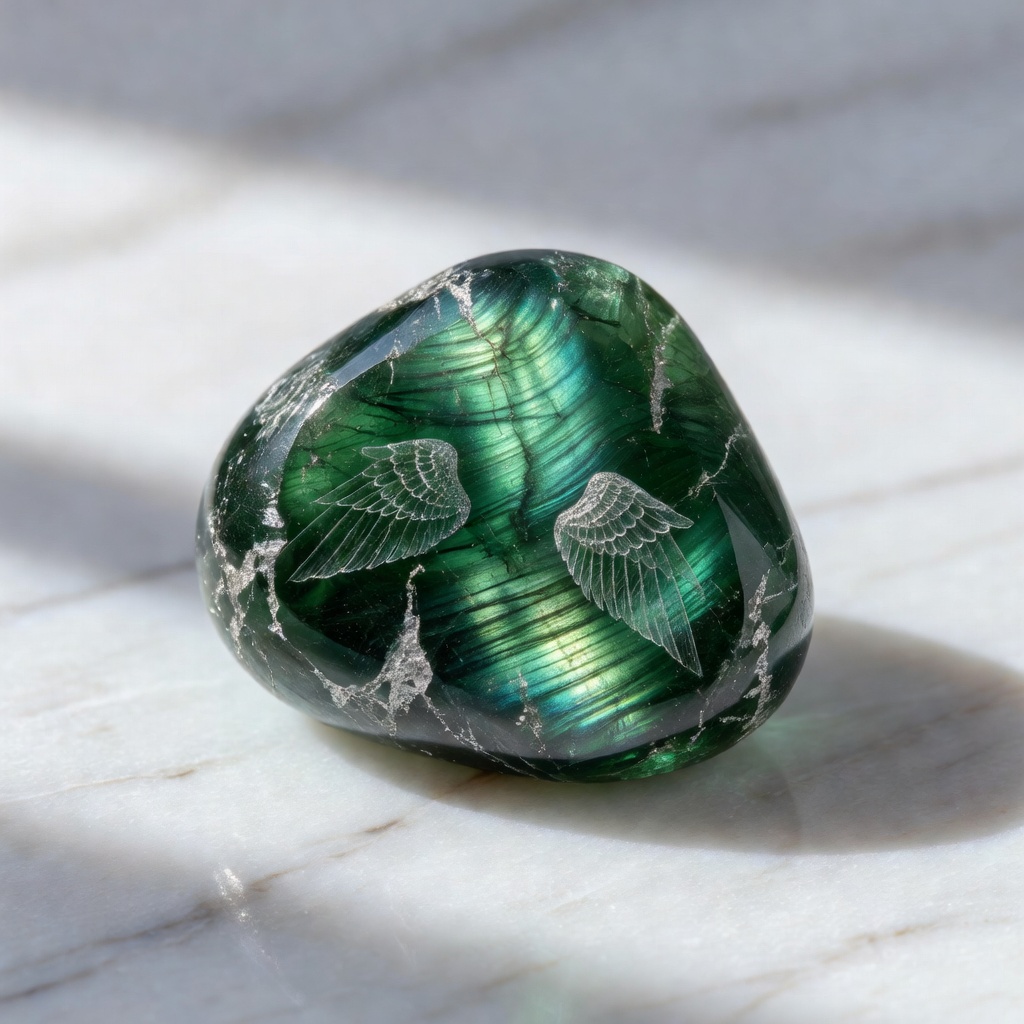
The historical discovery of seraphinite dates back to the 19th century when Russian mineralogists first documented this extraordinary green stone in the remote regions of Siberia. The etymology directly references the six-winged seraphim angels described in religious texts, as the chatoyant fibers within the stone create patterns remarkably reminiscent of angelic wings in flight. Unlike many gemstones that derive their value from clarity and uniformity, seraphinite's worth increases with the prominence and intricacy of these silvery inclusions, making each specimen a unique artistic creation forged by geological processes over millions of years.
Geological Origins and Formation
Understanding seraphinite origin requires journeying to one of the most remote and geologically fascinating regions on Earth: the Korshunovskoye iron deposit near Lake Baikal in Eastern Siberia, Russia. This specific locality remains the primary and most significant source of gem-quality seraphinite, with the unique metamorphic conditions found nowhere else producing stones with the most pronounced angel wing patterns. The formation process involves intense heat and pressure acting upon iron-rich limestones and dolomites, creating the perfect environment for green clinochlore crystals to develop their characteristic fibrous structures.
The chemical composition of seraphinite reveals its complex nature as a magnesium iron aluminum silicate hydroxide, belonging to the kaolinite-serpentine group within the broader phyllosilicate family. During metamorphism, iron and magnesium-rich fluids permeated the original limestone bedrock, crystallizing into the layered structure that creates the stone's distinctive appearance. This geological specificity means that while chlorite minerals exist worldwide, the specific conditions required to form high-quality seraphinite with intense chatoyancy occur only in this Siberian region, contributing to its rarity and value in the metaphysical community.
Physical Properties and Characteristics
When evaluating seraphinite properties and seraphinite characteristics, mineralogists and lapidaries must account for its relatively delicate nature, as the stone registers between 2.5 and 4 on the Mohs hardness scale. This softness requires careful handling during cutting and setting, as the material can scratch easily and may fracture if subjected to sharp impacts or pressure. The stone's distinctive chatoyancy—the optical phenomenon creating a band of reflected light that moves across the surface—produces the signature angel wing effect that makes seraphinite instantly recognizable among green gemstones.
The visual appeal of seraphinite stems from its deep forest green to grayish-green base color, serving as a canvas for the silvery-white feather patterns that dance across its surface. These patterns result from mica inclusions and the fibrous structure of the clinochlore itself, creating a pearly to vitreous luster that seems to glow from within when properly polished. High-quality specimens display dense, parallel arrangements of these chatoyant fibers, while lower grade material may show scattered or less defined patterning, directly impacting both aesthetic value and perceived metaphysical potency.
Metaphysical and Spiritual Significance
Working with seraphinite as an angel wing stone opens doorways to profound spiritual experiences, as practitioners believe this crystal facilitates direct communication with the angelic realm and the Divine Feminine energy. The stone's vibration resonates with the higher spiritual planes, making it an invaluable tool for those seeking kundalini activation and accelerated spiritual enlightenment during meditation practices. Many users report experiencing vivid dreams, enhanced intuition, and a sense of being enveloped in protective, loving energy when working with this stone regularly.
Beyond angelic connection, seraphinite spiritual meaning encompasses deep soul-level transformation and the courage to live authentically from the heart center. The crystal encourages the release of outdated behavioral patterns and belief systems that no longer serve one's highest good, promoting a state of being where decisions flow from spiritual wisdom rather than ego-based fear. For those undergoing major life transitions or spiritual awakenings, seraphinite serves as a compassionate guide, offering support while navigating the sometimes challenging process of personal evolution and self-discovery.
Healing Properties and Therapeutic Benefits
The seraphinite healing properties extend across physical, emotional, and spiritual dimensions, making it a versatile addition to any holistic wellness practice. Physically, practitioners associate this stone with supporting heart and lung health, believing it helps regulate cellular regeneration and promotes detoxification at the cellular level. Some crystal healers place seraphinite directly over the heart area during sessions to encourage healthy blood flow and respiratory function, though it should never replace professional medical treatment.
On an emotional level, seraphinite crystal benefits include profound support for releasing old traumas, grief, and self-limiting beliefs that have become entrenched in the subconscious mind. The stone's gentle yet persistent energy works to dissolve energetic blockages in the emotional body, creating space for self-love and compassion to flourish. Many therapists and energy workers incorporate seraphinite into sessions focused on inner child healing or shadow work, as its nurturing vibration helps individuals confront painful memories with grace and emerge with renewed emotional resilience.
Chakra Alignment and Energy Work Applications
In the realm of crystal healing, seraphinite chakra work primarily focuses on the Heart Chakra (Anahata), where its green energy naturally resonates to promote love, compassion, and emotional balance. When placed over the heart center during meditation or Reiki sessions, the stone helps to clear blockages that prevent the giving and receiving of unconditional love, fostering deeper connections with self and others. The silvery-white inclusions correspond to higher frequency energies, creating a bridge between earthly heart-centered healing and celestial wisdom.
Beyond the heart center, seraphinite stimulates the Third Eye and Crown Chakras, enhancing spiritual vision, intuition, and connection to higher consciousness. Energy workers often use this stone in layouts that span from the heart to the crown, creating a column of light that facilitates the integration of spiritual insights into daily life. For those practicing advanced energy techniques, seraphinite can be combined with other high-vibration stones like moldavite or phenacite to create powerful grids for spiritual development and multidimensional healing.
Practical Uses in Daily Life
Incorporating seraphinite into daily routines offers continuous energetic support for those wondering how to use seraphinite beyond formal meditation sessions. Wearing seraphinite jewelry, particularly pendants that rest near the heart center or earrings that align with the third eye, allows the stone's vibration to interact with your energy field throughout the day. When selecting seraphinite jewelry, opt for protective settings that shield the relatively soft stone from impact, such as bezel settings rather than exposed prong settings.
Placing seraphinite specimens in your home or office environment creates zones of peace and spiritual protection, particularly beneficial in spaces dedicated to rest, meditation, or creative work. Positioning a piece on your desk can help maintain heart-centered communication during stressful work situations, while placement in the bedroom may promote angelic guidance through dreams. For those working with crystal grids, seraphinite serves as an excellent central stone or directional anchor for grids focused on spiritual growth, angelic connection, or heart healing.
Cleansing, Charging, and Maintenance
Proper seraphinite care requires understanding its physical vulnerabilities, particularly its sensitivity to water and chemicals due to its porous nature and low hardness rating. Unlike harder quartz crystals, seraphinite should never be soaked in salt water or exposed to prolonged moisture, as this can damage the surface luster and potentially weaken the stone's structural integrity over time. When surface cleaning becomes necessary, use a soft, dry cloth or slightly dampened cloth followed by immediate drying with a soft towel.
Safe cleansing methods include smoke cleansing using sage, palo santo, or sweetgrass, which effectively clear stagnant energies without risking physical damage to the stone. Sound cleansing using singing bowls or tuning forks provides another water-free option, as does placing the stone on a selenite slab or near clear quartz clusters overnight. For charging, moonlight exposure—particularly during the full moon—replenishes seraphinite's energy without the fading risks associated with prolonged direct sunlight.
Buying Guide: Quality Assessment and Authenticity
When looking to buy seraphinite, understanding quality indicators helps ensure you acquire a genuine specimen worth your investment. Premium seraphinite displays intense, deep forest green coloration with clearly defined silvery-white chatoyant patterns that shift and shimmer as the stone moves under light. Lower quality specimens may appear muddy gray-green with sparse or blurry feather patterns, while the highest grade material shows dense, parallel angel wing formations that cover substantial portions of the stone's surface.
Identifying genuine seraphinite requires careful examination, as some unscrupulous sellers may offer dyed stones or manufactured imitations lacking the natural chatoyancy of true clinochlore. Authentic seraphinite feels cool to the touch and exhibits natural variations in pattern density, whereas fakes may show painted-on designs that appear uniform under magnification or lack the dimensional depth of natural inclusions. Trusted sources include reputable crystal shops with transparent sourcing practices, mineral shows featuring direct Russian imports, and established online dealers who provide detailed photographs and certificates of authenticity for high-value specimens.
Frequently Asked Questions
What Is Seraphinite Good For?
Seraphinite is primarily used for spiritual enlightenment, connecting with angelic realms, heart chakra healing, and promoting cellular regeneration. It's known as the 'Angel Wing Stone' for its ability to facilitate communication with higher spiritual guides and support living from the heart center.
How Can You Tell If Seraphinite Is Real?
Genuine seraphinite displays characteristic silvery-white chatoyant fibers resembling angel wings against a deep green background. It feels cool to the touch, has a pearly to vitreous luster, and originates mainly from Siberia, Russia. Fake versions often lack the intricate feather patterns or show painted-on designs under magnification.
What Chakra Is Seraphinite Associated With?
Seraphinite primarily resonates with the Heart Chakra (Anahata), promoting love, compassion, and emotional healing. It also activates the Third Eye and Crown Chakras, facilitating spiritual vision, intuition, and divine connection, making it excellent for comprehensive upper chakra alignment.
Can Seraphinite Get Wet?
Seraphinite should avoid prolonged water exposure as it's relatively soft (2.5-4 on Mohs scale) and porous. Brief rinsing is acceptable, but soaking, showering, or salt water can damage its surface luster and structural integrity. Use dry cleansing methods like sage smudging, sound baths, or selenite charging instead.
Where Does Seraphinite Come From?
High-quality seraphinite is almost exclusively found in the Korshunovskoye iron deposit near Lake Baikal in Eastern Siberia, Russia. This specific locality produces stones with the most pronounced silver feather patterns due to unique geological conditions involving metamorphosed iron-rich limestones.
Is Seraphinite Expensive?
Seraphinite is moderately priced compared to precious gemstones. Quality depends on the intensity of green color and clarity of silver patterns. Small tumbled stones may cost $5-20, while high-quality jewelry pieces or display specimens with exceptional chatoyancy can range from $50-200 or more.
What Zodiac Sign Is Seraphinite Associated With?
While beneficial for all signs, seraphinite particularly resonates with Sagittarius, supporting their spiritual journey and truth-seeking nature. It also complements Taurus by enhancing their connection to nature and heart-centered growth, and aids Virgo in spiritual healing practices.
How Do You Cleanse and Charge Seraphinite?
Cleanse seraphinite using smoke cleansing (sage or palo santo), sound bowls, or placing it on selenite slabs. Charge it under moonlight (preferably full moon) or by brief burial in earth. Avoid salt water and prolonged direct sunlight which can fade its vibrant green color and damage the surface.