Introduction to Seraphinite: The Angel Wing Stone
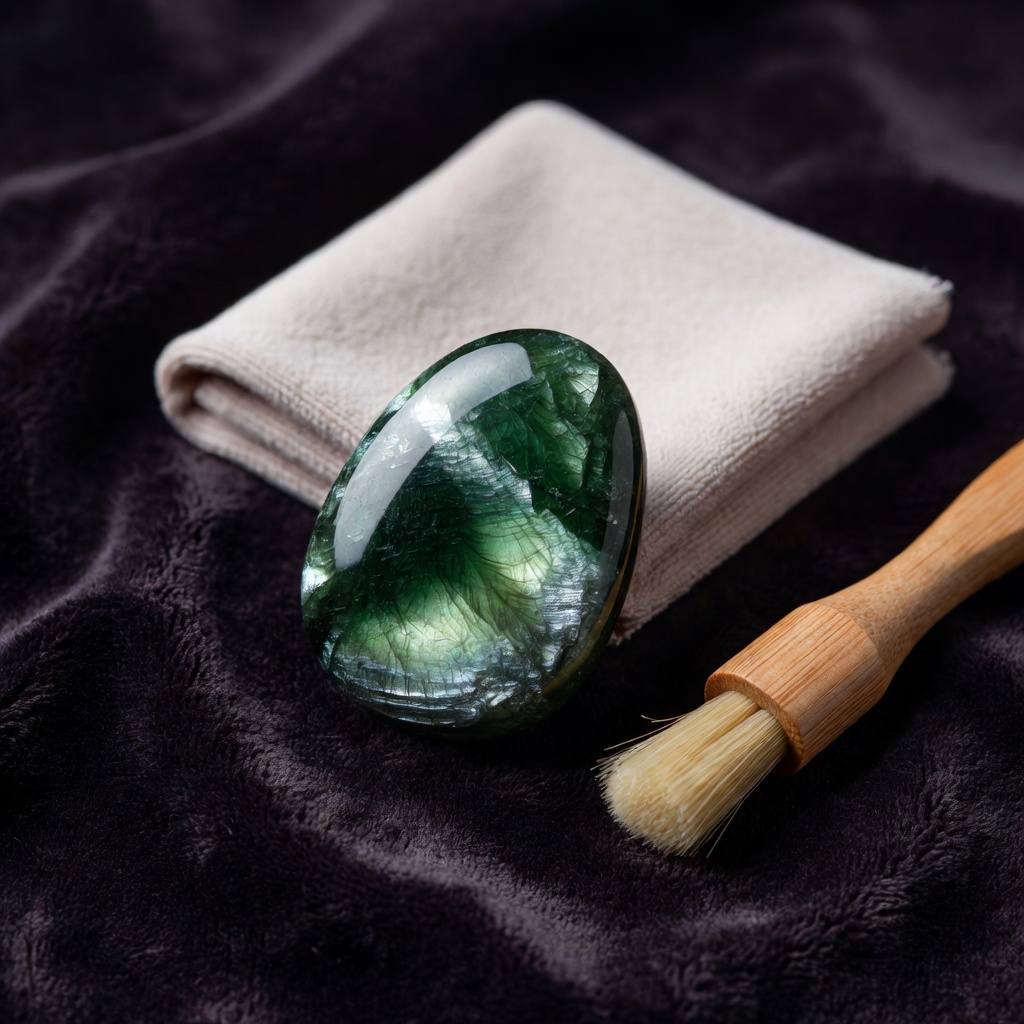
Seraphinite, named after the highest order of angels due to its ethereal feathery patterns, originates exclusively from the Korshunovskoye iron deposit in Eastern Siberia, Russia. This rare green chlorite gemstone captivates collectors and jewelry enthusiasts with its distinctive silvery chatoyant fibers that resemble angel wings spreading across a deep forest-green background. The stone's unique composition primarily consists of chlorite group minerals intergrown with magnetite, creating the mesmerizing silver inclusions that seem to shimmer with otherworldly light. Due to its singular geographic origin and striking visual characteristics, seraphinite has earned its reputation as one of the most spiritually significant and visually arresting gemstones in the crystal healing community.
Understanding proper seraphinite stone maintenance begins with recognizing that this gemstone requires significantly more attention than harder stones like diamonds or sapphires. Unlike robust gemstones that withstand daily wear and harsh cleaning methods, seraphinite demands a gentle, mindful approach to green chlorite gemstone care that respects its delicate crystalline structure. The stone's relative softness and perfect cleavage make it vulnerable to scratches, chips, and fractures if subjected to rough handling or improper cleaning techniques. Whether you own a seraphinite pendant, ring, or raw specimen, implementing appropriate care protocols from the moment of acquisition ensures your angel wing stone maintains its luminous beauty for generations.
Understanding Seraphinite's Physical Properties
Before diving into specific maintenance routines, comprehending the physical limitations of seraphinite proves essential for preventing accidental damage. The seraphinite hardness mohs rating falls between 2 and 4, placing it among the softer gemstones used in jewelry, comparable to pearls and opals rather than durable corundum or diamond. This relatively low hardness means the stone scratches easily when contacted by harder materials, including common household items like steel keys, ceramic dishes, and even dust particles containing quartz. Understanding this fundamental characteristic helps owners appreciate why aggressive cleaning methods or careless storage can permanently mar the stone's surface within seconds.
Beyond hardness concerns, seraphinite possesses perfect cleavage in one direction, meaning it can split cleanly along specific crystallographic planes when struck or subjected to pressure. This structural characteristic makes Russian seraphinite care particularly challenging during cleaning, as thermal shock or rapid temperature changes can exploit these cleavage planes and cause internal fracturing. Additionally, the chlorite composition reacts negatively to acids and harsh chemicals, potentially causing etching or dulling of the characteristic silvery luster. Temperature sensitivity further complicates maintenance, as sudden transitions from hot to cold environments—or vice versa—can create thermal stress that weakens the stone's integrity over time.
Daily Care and Handling Best Practices
Implementing proper seraphinite handling protocols during daily wear significantly reduces the risk of accidental damage and preserves the stone's angelic appearance. When putting on seraphinite jewelry, always dress first and accessorize last, ensuring the stone never contacts clothing fibers, zippers, or buttons that might scratch its surface. Remove seraphinite pieces by grasping the metal setting rather than the stone itself, and perform this action over a soft surface like a padded jewelry tray or folded towel to prevent catastrophic drops onto hard floors. These simple habits, practiced consistently, prevent the majority of chips and fractures that occur during routine dressing activities.
Certain activities pose heightened risks to seraphinite integrity and should prompt immediate removal of your jewelry. Avoid wearing seraphinite during sports, gym workouts, gardening, or household cleaning, as impacts against hard surfaces or exposure to abrasive materials can cause irreparable damage. Swimming presents dual dangers: chlorinated pool water chemically attacks the chlorite composition, while saltwater accelerates corrosion of metal settings and can lodge abrasive particles in microscopic surface scratches. For effective angel wing stone cleaning prevention, apply cosmetics, perfumes, hairsprays, and lotions before wearing seraphinite, allowing these products to dry completely, as alcohol and chemical residues can etch the stone surface and dull its characteristic shimmer.
Safe Home Cleaning Methods for Seraphinite
Maintaining the ethereal beauty of your seraphinite requires gentle, methodical cleaning seraphinite jewelry techniques that remove accumulated oils and debris without compromising structural integrity. Begin by preparing a solution of lukewarm distilled water mixed with one drop of mild pH-neutral dish soap, avoiding tap water which may contain chlorine or mineral deposits that leave films on the stone surface. Submerge the jewelry briefly—never exceeding two minutes—and use an extremely soft-bristled baby toothbrush to gently dislodge dirt from around prongs and settings, working with the stone's natural contours rather than scrubbing aggressively across the surface.
Following the washing phase, rinse the piece thoroughly under lukewarm running distilled water to eliminate all soap residue, as leftover detergent can create a cloudy film that obscures seraphinite's chatoyancy. Pat the jewelry dry using a lint-free microfiber cloth, taking care not to rub vigorously, then allow the piece to air dry completely on a clean cotton towel for several hours before storage or wearing. This drying protocol prevents moisture trapping in settings that could lead to metal tarnishing or stone loosening over time. For intricate pieces with deep settings, use a bulb syringe to gently blow air through crevices, ensuring no water remains trapped behind the stone where it might cause long-term damage to both gem and setting.
Safe Cleaning Methods Checklist
Creating a dedicated safe cleaning methods kit for your seraphinite collection ensures you never resort to damaging shortcuts when maintenance becomes necessary. Your kit should include distilled water in a spray bottle, pH-neutral baby shampoo or specialized jewelry soap labeled safe for soft stones, several microfiber cloths reserved exclusively for jewelry use, and a selection of ultra-soft cosmetic brushes for reaching intricate settings. Store these supplies separately from general household cleaners to prevent accidental cross-contamination, and replace brushes every three months as bristles stiffen with use and age.
Critical Cleaning Mistakes to Avoid
Understanding what constitutes dangerous seraphinite care and cleaning mistakes proves equally important as knowing proper techniques, as a single misstep can cause permanent damage. Never subject seraphinite to ultrasonic cleaners, despite their popularity for other jewelry types, because the high-frequency vibrations exploit the stone's perfect cleavage and can cause internal fracturing or complete stone separation along hidden stress lines. Similarly, steam cleaners generate both intense heat and pressure that create thermal shock, potentially causing seraphinite to crack or shatter instantly upon exposure to the superheated vapor.
When considering what not to use on seraphinite, eliminate all harsh chemicals from your cleaning repertoire, including ammonia-based cleaners, bleach, alcohol-based solutions, acetone, and commercial jewelry dips designed for gold or diamonds. These substances react with the chlorite minerals, causing surface etching, color alteration, and the permanent loss of silvery chatoyancy that makes seraphinite desirable. Additionally, avoid abrasive materials entirely—never use toothpaste, baking soda, commercial scrubbing powders, or paper towels, as these contain microscopic particles harder than seraphinite that create scratch networks across the stone surface, dulling its appearance irreversibly.
Proper Storage Solutions and Environment
Implementing appropriate seraphinite storage tips prevents the accumulation of micro-damage that occurs when soft stones contact harder materials during storage. Always store seraphinite pieces individually in soft cloth pouches made of velvet, silk, or unbleached cotton, or place them in dedicated compartments within a lined jewelry box where dividers prevent contact with other pieces. Never toss seraphinite into a communal jewelry bowl or drawer where it might rattle against metal chains, diamond earrings, or watch cases, as even brief contact with harder gemstones creates permanent scratches on the chlorite surface.
Environmental factors significantly impact long-term gemstone preservation for seraphinite collections. Maintain storage areas with moderate humidity levels between 40-60 percent, as excessively dry conditions can cause matrix materials to become brittle while high humidity promotes metal setting corrosion. Temperature stability matters equally; avoid storing seraphinite near heating vents, windows with direct sunlight, or bathroom environments where steam fluctuations occur daily. For heirloom pieces or extensive collections, consider investing in a jewelry box with anti-tarnish lining and silica gel packets to control moisture, ensuring your Russian seraphinite maintains its forest-green vibrancy and silver flash for decades.
Storage Separation Guidelines
Create a hardness-based storage system that keeps seraphinite safely isolated from harder gemstones that could damage it. Store seraphinite separately from diamonds (Mohs 10), sapphires and rubies (Mohs 9), topaz (Mohs 8), quartz varieties including amethyst and citrine (Mohs 7), and even orthoclase feldspar (Mohs 6). Ideally, designate a specific drawer or section of your jewelry box for soft stones including seraphinite, pearls, opals, and malachite, ensuring these delicate beauties never encounter their harder geological cousins.
Seraphinite Jewelry Specific Maintenance
Different jewelry types require tailored seraphinite jewelry care approaches based on exposure levels and wear patterns. Rings face the highest risk due to constant hand contact with hard surfaces, countertops, and abrasive materials, making them unsuitable for daily wear despite their popularity. Pendants and earrings experience less physical trauma and better suit everyday seraphinite display, though they still require regular inspection of bails, hooks, and settings to ensure the stone remains secure. Bracelets occupy a middle ground, though they risk impact damage during desk work or keyboard use.
Monthly prong and setting inspections become crucial for green chlorite gemstone maintenance due to seraphinite's softness allowing the stone to shift within settings more easily than harder gems. Use a loupe or magnifying glass to examine where metal meets stone, checking for bent prongs, worn bezels, or gaps that indicate the seraphinite has loosened. For mixed-metal settings combining silver, gold, and base metals, be aware that galvanic corrosion can occur where dissimilar metals contact, potentially compromising the structural integrity of the setting holding your seraphinite. If you notice any movement of the stone within its setting, cease wearing the piece immediately and consult a professional jeweler to prevent loss.
Professional Care and Restoration Options
While home maintenance handles routine cleaning, certain situations demand professional seraphinite care to address damage or deep restoration needs. Seek professional assistance when your stone develops deep scratches that home polishing cannot address, when settings become loose or damaged, or when the gem acquires a persistent cloudy appearance despite proper cleaning techniques. Professional jewelers possess specialized equipment including micro-abrasive tools and polishing compounds specifically formulated for soft stones, allowing them to restore luster without compromising structural integrity.
Understanding gemstone restoration possibilities helps owners make informed decisions about damaged pieces. Skilled gem cutters can often re-polish scratched seraphinite to restore its original shine, though this process removes microscopic layers of material and should not be performed excessively. For cracked or chipped stones, professional stabilization using optically clear adhesives may salvage the piece, though re-cutting into smaller stones sometimes represents the only solution for severely damaged specimens. When commissioning custom settings or repairs, always select jewelers experienced with soft stones, as technicians accustomed to working with diamonds may apply inappropriate pressure or tools that further damage the delicate chlorite composition.
Troubleshooting Common Seraphinite Issues
Even with diligent care, owners may encounter seraphinite problems requiring specific cleaning solutions to restore the stone's appearance. Cloudiness or film buildup typically results from soap residue, skin oils, or cosmetic products accumulating in microscopic surface scratches. Address this by soaking the stone in a solution of warm distilled water and a few drops of ammonia-free dish soap for thirty seconds, then gently brushing with a soft cosmetic brush to dislodge residue from surface irregularities. If cloudiness persists after proper cleaning, the stone may have sustained microscopic surface damage requiring professional repolishing.
Minor surface scratches sometimes respond to gentle buffing with a jewelry polishing cloth specifically designed for soft stones, though owners must exercise extreme caution to avoid creating additional abrasion. For setting looseness—a common issue given seraphinite's vulnerability to pressure—avoid DIY tightening attempts that could crack the stone; instead, have a professional evaluate whether the setting requires rebuilding or if the stone needs re-seating with fresh cushioning materials. Preventing stone loss proves easier than recovering a lost gem, so address any wobbling or clicking sounds immediately by removing the jewelry from rotation until professional assessment occurs.
Frequently Asked Questions
Can I use an ultrasonic cleaner for my seraphinite jewelry?
No, ultrasonic cleaners are not safe for seraphinite. The vibrations can cause fractures along the stone's cleavage planes, and the heat generated can damage the gemstone's structure. Always stick to gentle hand washing with mild soap and lukewarm water.
How often should I clean my seraphinite stone?
Clean your seraphinite jewelry every 2-3 weeks if worn regularly, or immediately after exposure to sweat, cosmetics, or household chemicals. For pieces worn occasionally, cleaning every 2-3 months is sufficient to prevent buildup of oils and dirt.
Is seraphinite safe to wear every day?
While seraphinite can be worn daily, it requires careful handling due to its softness (2-4 on the Mohs scale). It's best suited for pendants and earrings rather than rings. Remove seraphinite jewelry during physical activities, cleaning, or bathing to prevent scratches and chemical exposure.
What is the best way to clean seraphinite at home?
The safest method is using lukewarm distilled water with a drop of mild pH-neutral soap. Gently scrub with a soft baby toothbrush, rinse thoroughly, and pat dry with a lint-free microfiber cloth. Never use hot water, harsh chemicals, or abrasive materials.
Can seraphinite be damaged by water?
Pure water won't damage seraphinite, but prolonged soaking or hot water can be harmful. Avoid chlorinated pool water and saltwater, as these can cause chemical reactions with the stone's composition. Always dry seraphinite immediately and thoroughly after cleaning.
How should I store seraphinite to prevent scratches?
Store seraphinite separately in a soft cloth pouch or lined jewelry box compartment. Keep it away from harder gemstones like diamonds, rubies, or quartz that could scratch its surface. Maintain moderate humidity and avoid extreme temperature fluctuations in storage areas.
Why is my seraphinite losing its silvery shine?
Loss of chatoyancy (silvery sheen) usually results from surface buildup of oils, soap residue, or microscopic scratches. Gentle cleaning with mild soap often restores the shine. If the stone appears dull due to scratches, professional repolishing by a gem cutter may be necessary.
Can I use commercial jewelry cleaning solutions on seraphinite?
Most commercial jewelry cleaners contain ammonia, alcohol, or other chemicals that are too harsh for seraphinite. Only use pH-neutral, non-ammoniated cleaners specifically labeled safe for soft porous stones, or stick to mild dish soap and water for the safest results.