Understanding the Angel Wing Stone
Seraphinite stands as one of the most visually striking yet technically challenging gemstones available to collectors and jewelry enthusiasts today. This distinctive variety of green clinochlore derives exclusively from the Korshunovskoye iron deposit located in Eastern Siberia, Russia, where unique geological conditions created its signature appearance. Unlike harder gemstones such as sapphires or diamonds that dominate the jewelry market, seraphinite requires specialized knowledge due to its delicate nature and specific care requirements. This comprehensive Seraphinite Buying Guide will equip you with the expertise needed to select high-quality specimens while avoiding common pitfalls that ensnare inexperienced buyers.
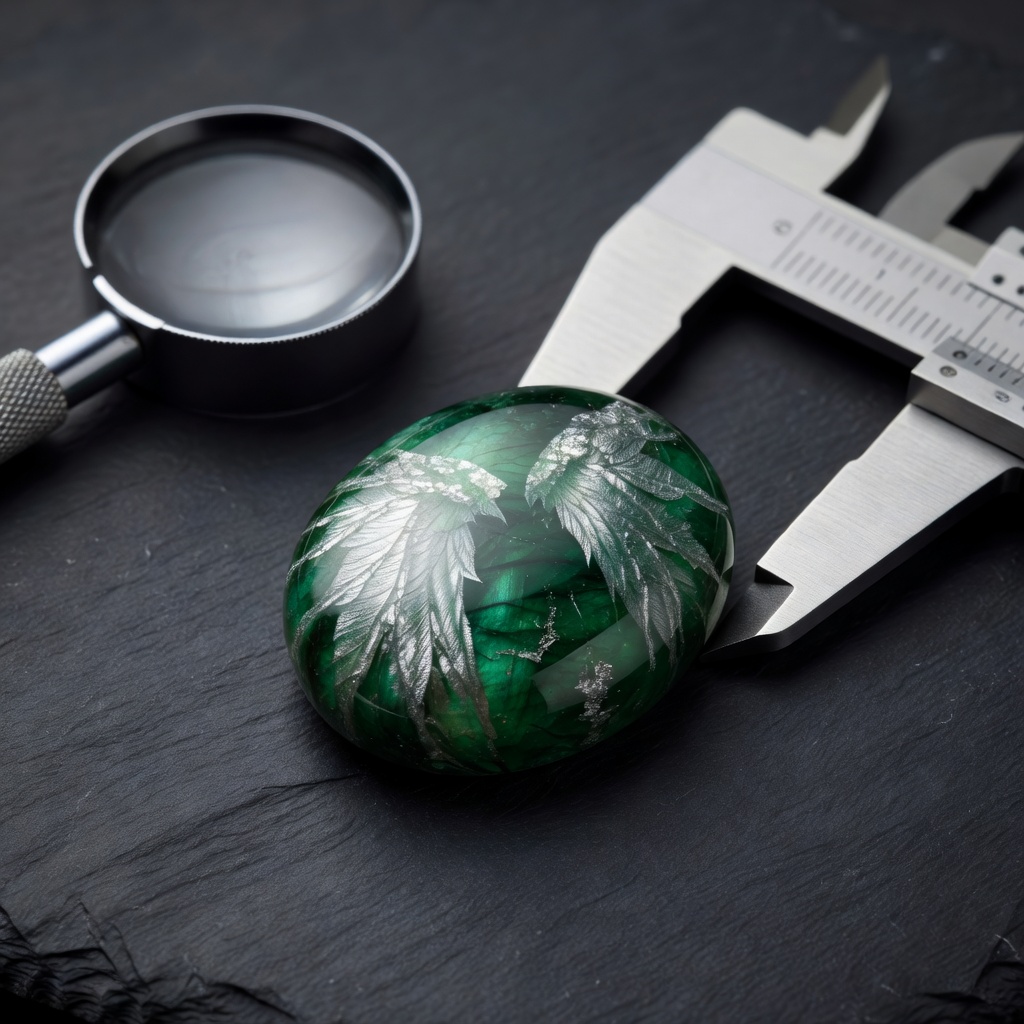
The stone's common nickname, angel wing stone, stems from its ethereal silvery feather patterns that shimmer across deep green surfaces when moved under light. These patterns evoke the wings of seraphim angels from biblical texts, creating a spiritual connection that has attracted metaphysical practitioners and collectors alike since its discovery in the late 19th century. Understanding the mineralogical properties behind this phenomenon proves essential for anyone seeking to distinguish museum-grade specimens from inferior material flooding the market. The interplay between the stone's physical limitations and its breathtaking aesthetic appeal creates a unique collecting experience that rewards educated purchasing decisions.
Key Characteristics of Authentic Seraphinite
Authentic Siberian seraphinite exhibits unmistakable visual characteristics that separate it from look-alike stones such as green aventurine or moldavite. The defining feature remains its silvery chatoyant feather patterns caused by fine mica inclusions aligned within the mineral structure. When you tilt a genuine specimen under direct light, these patterns appear to move and shift across the surface like angel wings in motion, creating a three-dimensional depth impossible to replicate in synthetic substitutes. This chatoyancy differs fundamentally from the glitter effect seen in aventurine, displaying instead as distinct, flowing lines that often span the entire surface of high-quality cabochons.
Understanding seraphinite stone properties requires acceptance of its inherent fragility, which significantly impacts its use in jewelry applications. The mineral registers only 2 to 4 on the Mohs hardness scale, meaning it can be scratched by a copper coin or even a fingernail, and displays perfect cleavage in one direction. These physical characteristics make seraphinite unsuitable for jewelry settings that endure daily impact or abrasion, though they do not diminish its value for appropriate applications. Color variations range from deep forest green to lighter, almost silvery-green shades, with the most valuable specimens displaying intense saturation combined with dense, reflective feather patterns throughout the entire stone.
Identifying Genuine Feather Patterns
When examining potential purchases, look for feather patterns that appear organic and irregular rather than perfectly symmetrical or geometrically uniform. Natural seraphinite displays variations in pattern density, with some areas showing tightly packed silvery lines while others exhibit broader, more flowing formations. The chatoyant effect should remain visible under various lighting conditions, though direct sunlight or bright LED lighting best reveals the stone's full optical potential. Be wary of specimens showing uniform coloration without chatoyancy, as these may represent dyed chrysoprase or other green stones misrepresented as seraphinite.
Quality Grading: What to Look For
Evaluating seraphinite quality factors demands attention to details that differ significantly from those used to assess harder gemstones like emeralds or tourmalines. The primary value determinant remains the density and intensity of the angel wing patterns, with premium specimens displaying full surface coverage of bright, silvery chatoyant lines. Stones with sparse or patchy feathering command significantly lower prices, while those with patterns concentrated only along the edges or center may suit specific design purposes but lack collector value. When examining cabochons, rotate the stone completely to ensure patterns remain visible from multiple angles rather than appearing only when viewed from specific positions.
The ratio of solid green clinochlore material to matrix rock substantially impacts both durability and value in seraphinite specimens. High-quality cabochons consist primarily of solid mineral with minimal host rock intrusion, while specimen-grade pieces may intentionally retain matrix to showcase the geological context. Surface quality presents another critical consideration, as the stone's softness makes it susceptible to pitting, cracking, and polishing irregularities during the cutting process. Inspect potential purchases under magnification for surface-reaching fractures or dull areas where polish failed to achieve the desired glassy luster, as these flaws detract from both beauty and structural integrity.
Chatoyancy Strength Assessment
Superior seraphinite displays chatoyancy that remains visible under ambient indoor lighting, not just under intense direct light. When evaluating stones, move them slowly under a desk lamp or natural window light to observe how the silver patterns shift and flash. The best specimens produce a silky, almost liquid metallic sheen that appears to float above the green base color. Avoid stones where the chatoyancy appears weak, chalky, or requires specific angles to become visible, as these characteristics indicate lower-grade material or improper cutting orientation.
Pricing Guide and Value Factors
Current market values for seraphinite price per carat range broadly from $2 to $50 or more, creating significant opportunities for both budget-conscious buyers and serious collectors. Entry-level material featuring sparse patterns, lighter green coloration, or significant matrix inclusion typically sells between $2 and $10 per carat, suitable for casual jewelry or educational specimens. Mid-grade cabochons with moderate pattern density and good polish command $10 to $20 per carat, offering excellent value for pendants and earrings. Premium specimens displaying dense, full-coverage angel wing patterns with intense chatoyancy can exceed $50 per carat, particularly when cut from historic rough material no longer available from current mining operations.
Understanding seraphinite value requires recognizing how size, origin documentation, and cut style influence pricing beyond basic quality metrics. Larger cabochons exceeding 20 carats with high pattern density command premium prices due to the difficulty of finding substantial rough material free from fractures. Carved pieces and spheres involve significant material waste during creation, often doubling or tripling the per-carat cost compared to standard cabochons. Rough specimens with natural crystal formations appeal to mineral collectors and may achieve higher prices than cut stones of equivalent weight, particularly when accompanied by documentation confirming Korshunovskoye origin.
Investment Potential Considerations
While seraphinite does not typically appreciate like diamond or ruby investments, high-quality specimens from verified Siberian sources have shown steady value increases as mining operations face increasing environmental and logistical challenges. Collectors seeking investment-grade material should prioritize large cabochons (30+ carats) with exceptional pattern density and documented provenance from established Russian dealers. Documented historical pieces cut during the Soviet era or earlier often command premiums among serious collectors due to their representation of peak material quality no longer consistently available.
Natural vs. Treated: Spotting Enhancements
Distinguishing natural seraphinite vs fake material requires familiarity with both common treatments and outright substitution scams prevalent in the marketplace. Due to the stone's inherent softness and tendency to crumble during cutting, many commercial specimens undergo stabilization using colorless resins or polymers that infiltrate surface-reaching fractures. While stabilization improves durability for jewelry use, undisclosed treatments constitute misrepresentation when sellers present enhanced stones as completely natural. Reputable dealers will explicitly state when material has been stabilized, typically offering both treated and untreated options with corresponding price differentials.
Dyed seraphinite represents another concern, with unscrupulous vendors enhancing pale or low-quality material with green dyes to simulate premium coloration. Identifying dyed stones requires close inspection of color concentrations along fractures or surface pits, where dyes typically accumulate more intensely than in the surrounding material. Natural seraphinite exhibits relatively uniform color saturation throughout, with only minor variations caused by mineral zoning. When examining potential purchases, check that the green color appears integrated with the stone rather than sitting superficially on the surface, and request certification from recognized gemological laboratories for high-value specimens exceeding $500.
Testing for Authenticity
Practical testing methods for seraphinite include hardness testing (the stone should scratch with a copper penny or steel knife point) and specific gravity measurements ranging from 2.65 to 2.75. Visual inspection under 10x magnification should reveal the fibrous structure causing chatoyancy, whereas glass imitations appear homogeneous without internal texture. When purchasing rough specimens, examine the host rock matrix, which in genuine seraphinite consists of specific iron skarn minerals associated with the Korshunovskoye deposit rather than generic country rock.
Where to Buy: Trusted Sources
Locating reputable Siberian seraphinite dealers requires navigating a marketplace where supply chain transparency varies dramatically between vendors. Direct connections to Russian mineral operations, established through decades of specialized trading relationships, offer the most reliable access to premium material with documented provenance. Dealers such as those operating through the Tucson Gem and Mineral Show or Denver Gem and Mineral Showcase often maintain exclusive contracts with Siberian mining cooperatives, providing buyers with first selection of new material. These established relationships prove crucial because authentic high-grade seraphinite rarely appears in general jewelry stores or mass-market online platforms.
When exploring where to buy seraphinite online, exercise extreme caution regarding vendors using stock photography or offering prices significantly below market rates. Request specific photographs of the exact stone you will receive, including images showing both front and back surfaces as well as side profiles to assess cutting quality. Red flags include sellers offering "seraphinite" from locations other than Russia (genuine material comes exclusively from the Korshunovskoye deposit), listings describing the stone as "durable" or suitable for daily wear rings, and vendors unable to provide specific locality information. Established mineral dealers typically offer return periods and detailed provenance documentation, whereas scam operations often pressure buyers into final sales or communicate exclusively through messaging apps.
Gem Show Advantages
Purchasing seraphinite at major gem and mineral shows provides opportunities to examine material under various lighting conditions and compare multiple specimens simultaneously. Shows like the Tucson Gem, Mineral & Fossil Showcase (February) and the Munich Mineral Show (October) attract the world's premier Russian mineral dealers, offering selection unavailable through online channels. In-person examination allows buyers to assess chatoyancy under natural daylight, inspect polish quality, and verify that patterns appear on both sides of double-sided cabochons. Additionally, show purchases often eliminate shipping risks associated with brittle stones and allow immediate negotiation for volume discounts when purchasing multiple pieces.
Jewelry Considerations and Settings
Designing seraphinite jewelry requires accommodating the stone's physical limitations while maximizing its visual impact. Protective settings prove non-negotiable, with full bezel settings strongly preferred over prong settings that leave edges exposed to impact. Bezel walls should extend slightly above the stone's surface to provide abrasion protection, while the backing must support the entire stone evenly to prevent stress concentrations that could trigger cleavage failure. Jewelry designers experienced with soft stones recommend slightly thicker girdles (the edge where top and bottom meet) than typically used for harder gems, providing additional material to absorb minor impacts without fracturing.
Regarding angel wing stone settings, reserve seraphinite for pendants, brooches, and earrings rather than rings or bracelets that endure daily wear and impact. If creating rings for occasional wear, design them as "dress rings" intended for events rather than daily activities, and consider protective covers or removable settings. Metal choices significantly impact the overall aesthetic, with sterling silver and white gold enhancing the silvery feather patterns through color harmony, while yellow gold creates striking contrast against the deep green base. Rose gold complements the stone's ethereal quality for vintage-inspired designs, though all metal choices should prioritize protective function over pure aesthetics.
Design Compatibility
Seraphinite pairs exceptionally well with other soft stones such as malachite, lapis lazuli, or sugilite in multi-stone pieces, allowing designers to create cohesive collections with similar care requirements. Avoid combining seraphinite with diamonds, sapphires, or other hard stones in the same piece, as contact between materials of differing hardness inevitably damages the softer stone. When designing pendants, position seraphinite as the focal element with protective metalwork surrounding exposed edges, ensuring the bail connection distributes weight evenly across the stone's strongest axis.
Care and Maintenance Best Practices
Proper seraphinite care begins with understanding that standard jewelry cleaning methods pose serious risks to this delicate mineral. Never subject seraphinite to ultrasonic cleaners, steamers, or chemical jewelry dips, as these methods exploit the stone's perfect cleavage and potential fracture lines to cause catastrophic breakage. Instead, clean pieces using only lukewarm water with a mild, phosphate-free soap and a soft microfiber cloth or natural bristle brush with extremely gentle pressure. Pat dry immediately with a lint-free cloth to prevent water spots from dulling the polish, and allow pieces to air dry completely before storage to prevent moisture accumulation in setting crevices.
Soft stone maintenance requires dedicated storage solutions that prevent contact with harder jewelry items that could scratch or abrade the surface. Store seraphinite pieces individually in soft cloth pouches or lined jewelry boxes with compartmentalized sections, ensuring stones cannot rub against metal findings or other gems during transport. When traveling, wrap pieces in acid-free tissue paper within rigid containers to prevent pressure points that could cause cleavage failure. Periodically inspect settings for looseness caused by the stone's tendency to abrade slightly at contact points, and seek professional re-polishing when surface wear dulls the chatoyant effect, as skilled lapidaries can often restore the original luster without significant weight loss.
Professional Maintenance Schedule
Establish annual inspection appointments with jewelers experienced in soft stone care to check setting security and surface condition. Professional re-polishing every three to five years removes microscopic scratches that accumulate and diminish chatoyancy, though this maintenance should be performed only by specialists familiar with clinochlore's cleavage properties. Avoid allowing multiple seraphinite pieces to contact each other during storage, as their similar hardness means they can scratch one another, creating mutually damaging abrasion patterns over time.
Common Buying Mistakes to Avoid
Even experienced gemstone enthusiasts commit errors when navigating this Seraphinite Buying Guide for the first time, often underestimating the stone's fragility or overestimating its availability. The most expensive mistake involves commissioning custom rings or bracelets without accounting for the 2-4 Mohs hardness, resulting in damaged pieces requiring costly repairs or replacement within months. Before purchasing, honestly assess your lifestyle and wearing habits; if you rarely remember to remove jewelry before gardening, cooking, or exercising, seraphinite belongs in your collection as a display specimen rather than wearable art. Never allow jewelers unfamiliar with the stone to set it using standard techniques developed for diamonds or sapphires.
Seraphinite scams frequently involve substitution with more durable green stones that lack the distinctive chatoyancy but survive shipping and setting better than genuine material. Common substitutes include green aventurine quartz (which shows glitter rather than flowing feathers), dyed jade or chrysoprase (uniform color without chatoyancy), and moldavite (tektite glass with entirely different internal structure). Another frequent error involves accepting single-sided cabochons without verifying pattern presence on the reverse side, as some cutters orient stones to show patterns only on the front while the back remains plain green or heavily included with matrix. Always request photographs showing both sides of cabochons, and verify that patterns extend through the stone rather than representing surface staining or superficial treatments.
Documentation Verification
When purchasing investment-grade specimens exceeding $1,000, insist upon documentation from recognized gemological laboratories such as GIA, AGL, or independent mineralogical institutions that can verify both identity and treatment status. Be skeptical of "certificates" provided by sellers themselves rather than third-party laboratories, as these often represent marketing materials rather than scientific analysis. Verify that documentation specifically identifies the material as clinochlore variety seraphinite from the Korshunovskoye deposit, as generic "green stone" descriptions provide no protection against substitution.
Frequently Asked Questions About Seraphinite
What is seraphinite and why is it called the angel wing stone?
Seraphinite is a trade name for a variety of clinochlore, a magnesium iron aluminum silicate mineral. It gets its nickname 'angel wing stone' from the silvery chatoyant feather patterns that resemble angel wings, caused by mica inclusions reflecting light. These patterns are unique to high-quality specimens from the Korshunovskoye deposit in Siberia, Russia.
How much does seraphinite cost per carat?
Seraphinite typically ranges from $2 to $50+ per carat depending on quality. Lower-grade material with sparse patterns costs $2-$10 per carat, while high-grade cabochons with dense, chatoyant feathering can command $20-$50+ per carat. Exceptional museum-quality specimens with full coverage patterns may exceed these prices.
Is seraphinite rare and difficult to find?
Yes, high-quality seraphinite is considered relatively rare because it comes primarily from a single location in Eastern Siberia, Russia. While lower-grade material is moderately available, specimens with intense, full-coverage angel wing patterns are scarce and increasingly difficult to obtain as mining operations face challenges.
How can I tell if my seraphinite is real or fake?
Authentic seraphinite exhibits distinctive silvery feather-like chatoyancy that moves as you tilt the stone under light. It has a Mohs hardness of 2-4 (soft enough to scratch with a fingernail), feels waxy to silky, and shows perfect cleavage. Fakes are often green glass or dyed stones lacking the natural feather inclusions and chatoyant effect.
Is seraphinite suitable for everyday jewelry like rings?
Due to its softness (2-4 on the Mohs scale) and perfect cleavage, seraphinite is generally not recommended for everyday rings or bracelets. It's best suited for pendants, earrings, and occasional-wear rings in protective bezel settings. If used in rings, reserved for dress wear only and removed during physical activities.
What is the best way to clean and care for seraphinite?
Clean seraphinite using only warm water and mild soap with a soft cloth or brush. Never use ultrasonic cleaners, steamers, or harsh chemicals. Store separately from harder gemstones to prevent scratching, and avoid exposing to extreme temperature changes. Due to its softness, handle gently and avoid wearing during activities that might cause impact.
Where does the finest seraphinite come from?
The finest seraphinite originates exclusively from the Korshunovskoye iron skarn deposit near Lake Baikal in Eastern Siberia, Russia. This location produces the only material with the intense silvery feather patterns that define high-quality seraphinite. Other locations produce clinochlore, but lack the distinctive chatoyant feathering.
Can seraphinite be heat treated or dyed to enhance its color?
Yes, some seraphinite on the market has been stabilized with resins to improve durability due to its natural fragility. Additionally, lower-quality material may be dyed to intensify the green color. Always purchase from reputable dealers who disclose any treatments, as natural, untreated specimens command higher values among collectors.