Introduction to Sardonyx: A Gemstone of Strength
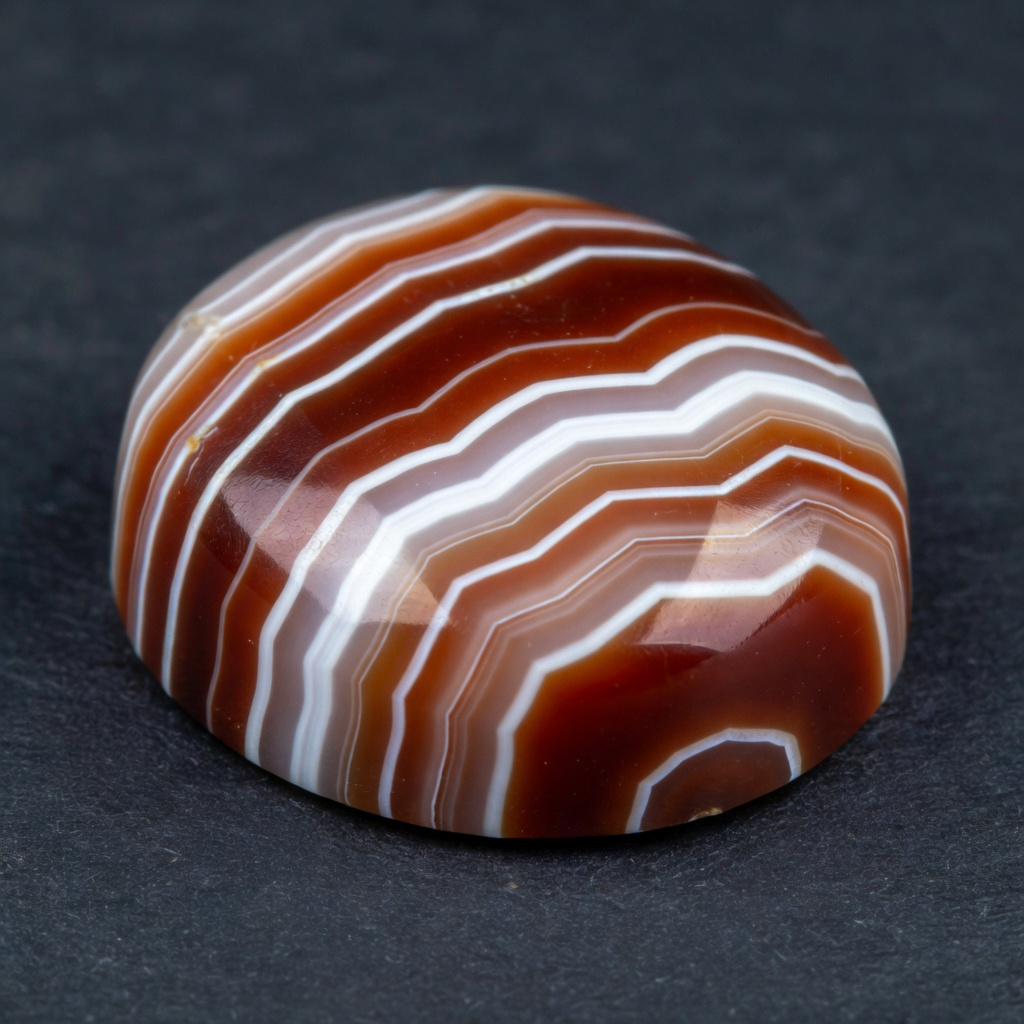
Sardonyx represents one of the most visually striking and historically significant varieties of chalcedony, characterized by its distinctive parallel bands of reddish-brown sard alternating with layers of white or black onyx. This banded agate sardonyx has captivated civilizations for millennia, serving as both a practical tool for ancient artisans and a powerful talisman for those seeking protection and courage. When exploring comprehensive Sardonyx Properties and Information, collectors and crystal enthusiasts discover a gemstone that bridges the gap between geological wonder and metaphysical powerhouse.
The sardonyx meaning extends far beyond its physical beauty, encompassing themes of strength, integrity, and grounded energy that have remained consistent across diverse cultures and historical periods. Unlike many gemstones prized solely for their sparkle or clarity, sardonyx offers a unique combination of practical durability and spiritual significance that makes it equally valuable in both jewelry applications and healing practices. Throughout this detailed guide, we will examine everything from the stone's volcanic origins to its modern applications in wellness and decorative arts, providing you with actionable knowledge to identify, care for, and utilize this remarkable gemstone effectively.
Geological Formation and Mineral Composition
Volcanic Origins and Formation Process
Sardonyx develops through an intricate geological process occurring within volcanic rocks and ancient gas cavities over millions of years, creating the perfect environment for silica-rich solutions to deposit layer upon layer of microcrystalline quartz. As volcanic activity subsides and temperatures gradually decrease, these solutions containing dissolved silicon dioxide slowly evaporate, leaving behind the distinct banding patterns that define high-quality specimens. The formation process requires specific conditions where iron oxide impurities interact with the silica, creating the reddish-brown sard layers that alternate with the characteristic white or black chalcedony bands.
Chemical Structure and Mineral Classification
Chemically classified as silicon dioxide (SiO2) with trace amounts of iron oxide responsible for its signature coloration, sardonyx belongs to the cryptocrystalline quartz family alongside other chalcedony varieties. The iron content within the stone determines the intensity of the reddish-brown sard layers, while the absence of these impurities creates the contrasting white or black onyx bands that make each specimen unique. Understanding this chemical composition proves essential for genuine sardonyx identification, as authentic stones will display natural variations in banding thickness and color saturation that synthetic imitations struggle to replicate perfectly.
Global Mining Locations and Sources
While deposits of this banded agate sardonyx exist across multiple continents, the finest quality material historically originates from India, where craftsmen have utilized local stones for intricate cameo carving for over two thousand years. Brazilian mines produce substantial quantities of sardonyx with particularly vivid red and white contrast, while Uruguayan and Madagascar sources offer specimens with unique color variations including orange-brown and cream banding. Other notable deposits occur in Germany, the Czech Republic, Slovakia, and select regions of the United States, each contributing distinct characteristics to the global market of sardonyx gemstone specimens.
Physical Properties and Visual Characteristics
Durability and Hardness Specifications
Ranking between 6.5 and 7 on the Mohs hardness scale, sardonyx provides excellent durability for everyday jewelry wear while remaining soft enough to allow skilled artisans to carve intricate designs and cameos. This hardness level indicates that the stone can resist scratching from common household dust and particles, though care should be taken to prevent contact with harder gemstones such as diamonds, rubies, or sapphires that could mar its polished surface. The stone's toughness—its resistance to breaking or chipping—exceeds that of many crystalline gemstones due to its microcrystalline structure, making it an ideal choice for rings, bracelets, and other pieces subject to regular physical contact.
Distinctive Banded Appearance
The most immediately recognizable feature of authentic sardonyx remains its parallel banding, displaying alternating layers of reddish-brown, orange-brown, or dark red sard juxtaposed against white, cream, or black chalcedony layers. High-quality specimens demonstrate sharp, distinct boundaries between these color zones rather than gradual fading, with the most valuable pieces showing vivid contrast between deep red sard and pure white onyx. When examining sardonyx properties for identification purposes, look for slight irregularities in banding thickness and natural variations in color intensity, as perfectly uniform patterns often indicate dyed agate or synthetic manufacturing processes.
Optical Properties and Texture
Depending on the density of its microscopic crystal structure, sardonyx ranges from translucent to opaque, with light passing through thinner sections while thicker areas appear solid and substantial. The stone exhibits a vitreous to waxy luster when properly polished, creating a smooth, almost silky surface texture that feels cool and substantial against the skin. Specific gravity measurements typically fall between 2.60 and 2.65, providing gemologists with quantitative data to distinguish genuine specimens from glass imitations or plastic composites during genuine sardonyx identification procedures.
Historical Significance and Cultural Symbolism
Ancient Roman and Egyptian Applications
Ancient Roman civilization valued sardonyx above many precious gems, utilizing it extensively for seals and signet rings because hot wax would not stick to the stone, ensuring the authenticity of important documents and correspondence. Roman soldiers frequently carried sardonyx amulets engraved with images of Mars or Hercules, believing the stone would bestow courage, fearlessness, and victory in battle during their military campaigns. Similarly, Egyptian pharaohs and high priests incorporated sardonyx into ceremonial jewelry and burial goods, associating the red bands with the life-giving blood of Isis and the white layers with purity and spiritual protection in the afterlife.
Religious and Spiritual Traditions
The sardonyx meaning within Christian tradition appears in the Book of Revelation, where it is described as the fifth foundation stone of the New Jerusalem, symbolizing the strength and beauty of spiritual righteousness. Hebrew traditions also recognized sardonyx as one of the twelve stones in the High Priest's breastplate, representing the tribe of Joseph and serving as a powerful emblem of divine guidance and protection. Throughout the Middle Ages, clergy and nobility wore sardonyx to promote virtuous conduct, believing that the stone's layered structure represented the harmonious balance between spiritual and earthly existence.
Renaissance Artistry and Cameo Traditions
During the Renaissance period, Italian master carvers elevated sardonyx to new artistic heights by utilizing the stone's natural color bands to create stunning cameo portraits and mythological scenes. Artists would carefully study each rough specimen to determine how the red sard layer could form backgrounds while the white onyx layer provided the raised figures, achieving remarkable three-dimensional effects without applying any additional color. This tradition continues today in the town of Idar-Oberstein, Germany, where lapidary artists still produce museum-quality cameos using traditional techniques passed down through generations of stone cutters.
Metaphysical Properties and Crystal Healing Benefits
Chakra Alignment and Grounding Energy
Practitioners of crystal healing associate sardonyx healing properties primarily with the root chakra and sacral chakra, where its stabilizing energy helps anchor scattered thoughts and emotions into physical reality. The deep red sard layers resonate with the root chakra, promoting feelings of safety, security, and grounded presence, while the white or black onyx bands stimulate the sacral chakra to enhance creativity and emotional balance. Regular meditation with sardonyx can help individuals who feel spaced out or disconnected from their bodies to establish stronger energetic boundaries and present-moment awareness.
Enhancement of Willpower and Mental Discipline
Athletes, students, and professionals often turn to sardonyx when seeking to enhance stamina, willpower, and mental discipline during challenging endeavors or long-term projects. The stone's steady, consistent energy supports sustained effort rather than bursts of unsustainable activity, making it particularly valuable for marathon training, academic study sessions, or complex work assignments requiring persistent focus. Case studies in crystal therapy practices have documented clients reporting improved task completion rates and reduced procrastination when carrying sardonyx during periods of intense mental demand.
Relationship Harmony and Communication
Beyond individual empowerment, the sardonyx meaning encompasses powerful vibrations for healing relationships and promoting clear, honest communication between partners, friends, and family members. The stone encourages stability and lasting happiness in marriages and partnerships by helping individuals approach conflicts with integrity and a willingness to understand opposing viewpoints. Couples therapy practitioners sometimes recommend placing sardonyx in shared living spaces or wearing matching sardonyx jewelry to foster an environment of mutual respect and transparent dialogue.
Protective Shielding Properties
Historically utilized as a protective talisman, sardonyx creates an energetic shield against negative influences, environmental pollutants, and electromagnetic frequencies emitted by modern electronic devices. Placing sardonyx specimens near computers, routers, or smartphones may help mitigate the subtle energetic drain associated with prolonged exposure to artificial electromagnetic fields. Additionally, the stone's grounding properties make it excellent for protection during travel, helping to maintain energetic stability when moving through crowded airports, busy city centers, or unfamiliar environments.
Sardonyx vs. Onyx: Key Differences and Identification
Visual and Structural Distinctions
When examining sardonyx vs onyx, the most obvious distinction lies in the banding pattern: while sardonyx displays distinct parallel layers of reddish-brown sard alternating with white or black chalcedony, black onyx typically presents as a solid, uniform color without visible stratification. Both stones belong to the chalcedony family and share similar chemical compositions, yet sardonyx specifically requires the presence of sard layers to earn its classification, whereas onyx may appear in solid black, white, or other colors without the characteristic banding. This structural difference affects not only the aesthetic appearance but also the carving applications, as sardonyx's color bands allow for cameo techniques impossible with monochromatic onyx.
Market Value and Rarity Considerations
Generally speaking, high-quality sardonyx with sharp red and white contrast commands higher prices than common black onyx, particularly when the stone exhibits sufficient banding depth to allow for detailed cameo carving. However, solid black onyx with excellent polish and large carat weights may exceed the value of lower-quality sardonyx with muddy colors or indistinct banding. Collectors seeking genuine sardonyx identification should be aware that some dealers dye banded agate to mimic the red sard layers, artificially enhancing stones that would otherwise sell at lower price points as generic banded chalcedony.
Avoiding Common Mislabeling Issues
The gemstone market occasionally sees confusion between sardonyx and banded agate, or between sardonyx and carnelian-onyx combinations that have been heat-treated or dyed to enhance color contrast. Authentic sardonyx displays natural color zoning where the red sard layers transition gradually into the white or black bands at a microscopic level, while dyed stones often show color concentrations in surface cracks or perfectly uniform bands that appear too regular to be natural. When purchasing expensive specimens, always request certification from recognized gemological laboratories to confirm that the stone's colors result from natural geological processes rather than artificial enhancement.
How to Identify Genuine Sardonyx Gemstones
Examining Natural Banded Patterns
Authentic sardonyx exhibits banding patterns that, while parallel, display slight organic variations in thickness and color intensity that reflect millions of years of natural formation processes. When conducting genuine sardonyx identification, examine the stone under magnification to look for tiny inclusions, slight irregularities in band edges, and natural color gradients that synthetic manufacturers cannot easily replicate. Dyed imitations often reveal themselves through color bleeding along fracture lines or bands that appear too perfectly uniform in width and saturation, lacking the subtle variations characteristic of geological specimens.
Physical Testing Methods
Performing a hardness test using common materials can help distinguish real sardonyx from softer imitations; genuine specimens will resist scratching from a steel knife blade (hardness 5.5) but may be scratched by quartz or harder minerals. The specific gravity test provides another reliable verification method, as real chalcedony varieties feel noticeably heavier than plastic or resin imitations of similar size, while glass fakes often feel colder and more conductive to temperature changes. Professional gemologists utilize refractometers to measure the stone's refractive index, which should fall between 1.530 and 1.540 for authentic chalcedony specimens.
Professional Certification and Documentation
For significant investments in sardonyx gemstone jewelry or collectible specimens, obtaining a certificate from reputable laboratories such as the Gemological Institute of America (GIA) or the American Gemological Society (AGS) provides assurance regarding authenticity and any treatments the stone may have undergone. These reports specifically note whether the colors are natural or dyed, whether the stone has been heated to enhance color, and whether any filling materials have been introduced to mask surface-reaching fractures. While professional certification adds to the initial cost, it protects buyers from overpaying for treated or synthetic stones and ensures accurate Sardonyx Properties and Information for insurance and resale purposes.
Price Point Indicators
Extremely low prices for supposedly high-quality sardonyx often indicate dyed agate, reconstituted material, or entirely synthetic products, particularly when vendors offer large, flawless specimens at fraction of market rates. Natural sardonyx with vivid red sard layers and clean white bands requires skilled mining and sorting, factors that necessarily influence pricing alongside cutting and polishing labor costs. While affordable options exist for bead-quality material, exceptional cameo-grade sardonyx with sharp color contrast commands premium prices reflective of its rarity and artistic potential.
Proper Care and Maintenance Guidelines
Safe Cleaning Techniques
Maintaining the beauty of your sardonyx jewelry requires gentle cleaning methods using only mild soap and lukewarm water, applied with a soft-bristled brush to remove accumulated oils and debris from surface crevices. After washing, rinse thoroughly to eliminate soap residue that could dull the stone's luster, then pat dry with a soft, lint-free cloth rather than allowing air drying which might leave water spots on the polished surface. This simple cleaning routine preserves the stone's natural oils and prevents the buildup of skin acids that might eventually etch the surface of softer gemstones.
Avoiding Damaging Conditions and Chemicals
Never expose sardonyx to ultrasonic cleaners or steam cleaning devices, as the intense vibrations and heat can cause existing fractures to expand or weaken the stone's internal structure over time. Harsh household chemicals including bleach, ammonia, and abrasive cleaners will damage the surface polish and potentially alter the color of dyed specimens, while prolonged exposure to direct sunlight may cause natural fading in some lighter-colored chalcedony varieties. Always remove sardonyx rings before swimming in chlorinated pools or engaging in vigorous exercise, as physical impacts against hard surfaces can chip or crack even this relatively durable stone.
Storage and Protection Strategies
Store sardonyx jewelry separately from harder gemstones such as diamonds, sapphires, or rubies to prevent accidental scratching, ideally wrapping pieces in soft cloth or placing them in individual compartments within a jewelry box. The stone's 6.5-7 hardness means it can scratch softer materials like opals or pearls, so maintaining organized storage prevents damage both to and from your sardonyx pieces. When traveling, carry sardonyx in padded containers that cushion against impacts, and avoid exposing the stone to extreme temperature fluctuations that could cause thermal shock.
Energetic Cleansing Practices
Beyond physical sardonyx gemstone care, many collectors perform energetic cleansing to clear accumulated negative vibrations and restore the stone's metaphysical potency. Safe methods include placing sardonyx in moonlight overnight during the full moon, burying it briefly in dry sea salt or earth, or passing it through the smoke of cleansing herbs such as sage, palo santo, or sweetgrass. Unlike some crystals that fade in sunlight, sardonyx tolerates brief sun exposure for energetic charging, though prolonged direct light should still be avoided to preserve color intensity.
Modern Uses in Jewelry and Decorative Arts
Traditional Cameo and Intaglio Applications
Contemporary lapidary artists continue the ancient tradition of carving intricate cameos and intaglios from high-quality banded agate sardonyx, utilizing the contrast between red backgrounds and white figures to create detailed portraits, floral designs, and mythological scenes. These carved pieces appear in brooches, pendants, cufflinks, and statement rings, often set in yellow gold to complement the warm red tones of the sard layers. Modern cameo collectors seek vintage Victorian pieces as well as contemporary works from Italian and German masters, recognizing sardonyx as the premier material for this art form due to its ability to hold fine detail without chipping.
Contemporary Jewelry Design Trends
Today's jewelry designers incorporate sardonyx beads, cabochons, and faceted stones into both men's and women's collections, capitalizing on the stone's earthy color palette to create pieces that transition easily from casual to formal wear. Men's jewelry particularly benefits from sardonyx's masculine red-brown tones, appearing in signet rings, tie clips, and bracelet beads that offer alternatives to more common black onyx or tiger's eye. Bohemian and artisan jewelry makers often combine sardonyx with sterling silver and leather cords to create earthy, grounded aesthetics that appeal to spiritually-minded consumers seeking both beauty and sardonyx meaning in their accessories.
Feng Shui and Space Clearing Applications
Within Feng Shui practices, practitioners place sardonyx specimens in the career area (north) of homes and offices to enhance professional stability and reputation, or in the relationship corner (southwest) to promote marital harmony and partnership integrity. The stone's grounding energy makes it excellent for anchoring the energy of a room, particularly in spaces where arguments frequently occur or where occupants feel scattered and unfocused. Tumbled stones or spheres work well for these applications, providing smooth energy distribution while adding natural beauty to deskscapes and meditation altars.
Investment and Collecting Considerations
Serious collectors evaluate sardonyx gemstone specimens based on banding sharpness, color saturation, translucency, and the absence of fractures or surface imperfections that would limit carving potential. Investment-grade pieces include antique cameos with provenance, large rough specimens showing exceptional color contrast, and cabochons cut from historically significant mines such as those in India or classical Roman sites. While not as liquid as diamond or ruby investments, high-quality sardonyx maintains steady value among specialized collectors and continues to appreciate as material from depleted mines becomes increasingly scarce.
Conclusion: Harnessing the Power of Sardonyx
Throughout this comprehensive exploration of Sardonyx Properties and Information, we have examined the multifaceted nature of a gemstone that bridges ancient wisdom with contemporary applications, offering both tangible durability and subtle energetic support. From its formation in volcanic gas cavities millions of years ago to its current status as an August sardonyx birthstone and healing crystal, this banded chalcedony variety continues to prove its relevance across jewelry, art, and wellness practices. Whether you seek a protective talisman for daily carry, a unique centerpiece for a jewelry collection, or a grounding tool for meditation practice, sardonyx delivers consistent value through its unique combination of physical beauty and metaphysical potency.
When selecting quality specimens, prioritize stones showing sharp contrast between red sard and white or black onyx layers, purchase from reputable dealers who provide certification for significant investments, and commit to proper sardonyx gemstone care to preserve your pieces for future generations. Integrating sardonyx into daily wellness routines—whether worn as jewelry during challenging work presentations, placed on a desk to maintain focus, or used during grounding meditation—allows you to harness the same strength and stability that ancient civilizations recognized thousands of years ago. By understanding the authentic sardonyx meaning and respecting the stone's geological uniqueness, you develop a deeper appreciation for one of nature's most artistically layered creations.
Frequently Asked Questions
What are the main healing properties of sardonyx?
Sardonyx is believed to provide strength and protection, enhance willpower and integrity, boost happiness in relationships, and promote clear communication. It's also associated with grounding energy and stabilizing the root chakra.
How can I tell if my sardonyx is real or fake?
Genuine sardonyx displays natural, parallel banding of reddish-brown sard layers with white or black onyx layers. Fake specimens often show perfectly uniform bands or dyed colors that penetrate cracks. Real sardonyx has a hardness of 6.5-7 on the Mohs scale and feels cool to the touch.
What is the difference between sardonyx and regular onyx?
While both are chalcedony varieties, sardonyx features distinct parallel bands of reddish-brown sard alternating with white or black onyx layers. Black onyx is typically solid-colored without banding. Sardonyx is specifically characterized by its multi-colored layered appearance.
Is sardonyx considered a birthstone?
Yes, sardonyx is recognized as an alternative birthstone for August, alongside peridot and spinel. It is also historically associated with Leo and Virgo zodiac signs, making it a meaningful gift for those born in late summer.
What colors does natural sardonyx come in?
Natural sardonyx typically displays reddish-brown, orange-brown, or dark red bands (sard) alternating with white, cream, or black bands (onyx). The most valuable specimens show sharp contrast between the red sard and white chalcedony layers.
How should I clean and care for sardonyx jewelry?
Clean sardonyx using mild soap and lukewarm water with a soft brush. Avoid ultrasonic cleaners, steam cleaning, and harsh chemicals. Store separately from harder gemstones to prevent scratching, and remove before swimming or exercising to prevent damage.
Where is sardonyx found in the world?
Quality sardonyx is mined primarily in India, Brazil, Uruguay, and Madagascar. Other sources include Germany, Czech Republic, Slovakia, and the United States. Indian sardonyx is particularly prized for its vivid red and white banding suitable for cameo carving.
Is sardonyx an expensive gemstone?
Sardonyx is generally considered an affordable gemstone compared to precious stones like diamonds or rubies. Prices vary based on banding quality, color contrast, and craftsmanship. Cameo-carved sardonyx and specimens with sharp red-white contrast command higher prices than common bead material.