Introduction to Sardonyx Valuation
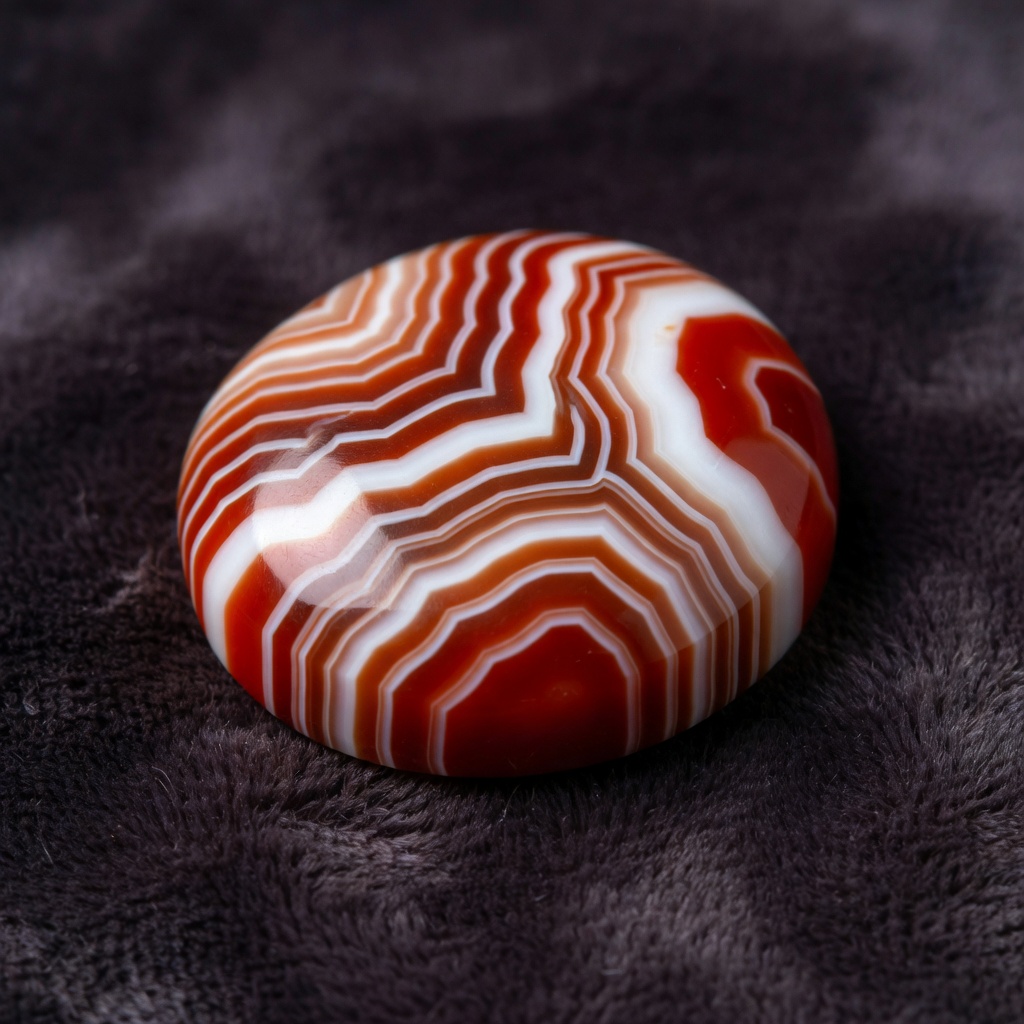
Understanding the Sardonyx Price Guide requires appreciating this unique banded chalcedony that combines sard (reddish-brown layers) with contrasting onyx (typically white or black bands). Unlike single-color gemstones, sardonyx presents a geological tapestry where parallel strata create distinctive visual appeal. This banded agate variety has captivated artisans since ancient Roman times when master carvers created intricate cameos and signet rings from premium specimens. The dramatic price range from $5 to $500+ per carat reflects not merely size but the intricate interplay of color contrast, banding precision, and suitability for detailed lapidary work. Whether you are a collector seeking vintage carved pieces or a jewelry designer sourcing modern cabochons, understanding what drives these price differentials ensures informed purchasing decisions in a market where quality varies dramatically between commercial beads and museum-grade material.
Current Market Prices Per Carat
Navigating the current marketplace reveals distinct pricing tiers that correlate directly with material quality and intended use. Sardonyx value per carat begins at the commercial entry level, where mass-produced beads and basic cabochons suitable for beaded jewelry range from $5 to $20 per carat. These specimens typically display wavy or irregular banding, softer color contrast, and may contain minor surface imperfections acceptable for casual wear pieces. Moving into the fine quality category, prices escalate to $20-$100 per carat for stones exhibiting razor-sharp parallel bands, saturated red-brown sard layers against crisp white or black onyx, and mirror-like polish quality that enhances light reflection across the banded surface.
The apex of the market commands sardonyx gemstone prices of $100-$500+ per carat for exceptional carving-grade material. These rare specimens feature large clean areas without fractures or inclusions, consistent banding patterns suitable for detailed relief work, and dimensions exceeding 20 carats that allow for substantial cameo creation. For example, a 50-carat Indian specimen with vivid carnelian-red bands and flawless white contrast layers might retail for $8,000-$12,000 to master carvers who recognize its potential for museum-quality intaglio work. Auction houses occasionally feature antique carved sardonyx brooches from the Victorian era that fetch premiums based on historical provenance rather than raw material costs alone.
Quality Factors That Determine Value
Discerning buyers evaluate several critical characteristics that separate investment-grade material from decorative beads. Band clarity represents the foremost consideration, with straight, parallel layers commanding significant premiums over wavy or irregular patterning. The ideal specimen displays bands that remain consistent across the entire surface, allowing lapidaries to orient cuts precisely to showcase symmetrical striations. Sharpness of contrast between the reddish sard portions and the white or black chalcedony layers determines visual impact; muddy or blended transitions significantly diminish banded agate value even when color saturation remains high.
Surface quality profoundly affects pricing, as sardonyx requires exceptional polish to reveal its characteristic banding fully. Stones exhibiting pitting, scratches, or dull surfaces reflect light poorly, obscuring the layered effect that makes this gemstone desirable. Professional cutters often spend hours progressively polishing with diamond compounds to achieve the glass-like finish that maximizes band visibility. Additionally, structural integrity matters immensely for pieces intended for rings or bracelets; surface-reaching fractures or internal cleavage planes not only reduce beauty but compromise durability in high-impact jewelry settings, potentially reducing value by 40-60% compared to flawless specimens of similar size and color.
Color Varieties and Price Hierarchies
The chromatic spectrum of sardonyx creates distinct market tiers, with red sardonyx price points varying dramatically based on hue intensity and distribution. Material displaying vivid carnelian-like red bands against milky white or jet-black backgrounds represents the most coveted variety, often commanding 50-100% premiums over paler specimens. These premium pieces mimic the appearance of historical Roman cameo rough, where intense red sard provided the perfect canvas for carving pale figures against dark backgrounds. Collectors specifically seek specimens where the red layers achieve saturation comparable to fine fire agate, creating dramatic visual depth when viewed from different angles.
Classic black and white banded varieties occupy the mid-market range, offering accessibility while maintaining the aesthetic that made sardonyx famous throughout the Art Deco period. These specimens provide excellent value for architectural jewelry designs where geometric banding patterns take precedence over color intensity. More exotic varieties include rare blue-gray specimens tinted by trace minerals such as chrysocolla inclusions, or green-tinted material from specific Uruguayan deposits that appeal to niche collectors seeking unique palette options. While these unusual colors rarely achieve the premiums of fine red sardonyx, they command loyal followings among contemporary designers creating avant-garde pieces that depart from traditional red-and-white or red-and-black conventions.
Cut, Carat Weight, and Clarity Considerations
The transformation from rough stone to finished gem involves crucial decisions that impact final valuation and visual appeal. Cabochon cuts represent the standard preparation for sardonyx cabochon value, with domed tops and flat bases designed to maximize band visibility while providing stable settings. However, carved cameos introduce artistry premiums that can multiply base material values tenfold or more depending on the sculptor's reputation and detail complexity. An intaglio ring featuring a classical profile carved into high-quality sardonyx might retail for $2,000-$5,000 despite containing only $200 worth of rough material, demonstrating how craftsmanship transcends raw gemstone pricing.
Carat weight affects pricing exponentially rather than linearly, particularly for clean specimens exceeding 10 carats. While a 5-carat cabochon might retail for $75, a 20-carat stone of equivalent quality could command $400-$600 due to the scarcity of large pieces maintaining consistent banding without internal fractures. Clarity considerations differ from transparent gemstones; while sardonyx is technically opaque, internal clarity regarding structural integrity remains paramount. Inclusions that create weakness planes make stones unsuitable for rings, relegating them to pendant or earring use with corresponding price reductions. Savvy buyers examine rough or pre-formed slabs under bright light to identify "dead spots" or healed fractures that might compromise carving efforts or setting durability.
Origins, Treatments, and Authenticity
Geographic provenance significantly influences natural sardonyx value, with distinct characteristics separating material from major mining regions. Indian deposits, particularly those from the Deccan Plateau, historically produced the finest carving-grade material with exceptionally sharp banding contrasts ideal for detailed cameo work. Brazilian and Uruguayan sources dominate modern commercial supply, offering consistent quality suitable for beads and standard cabochons, though typically lacking the razor-sharp delineation found in premium Indian rough. German and Czech deposits yield limited quantities of exceptional material prized by European lapidaries, while Madagascar occasionally produces unique specimens with unusual color zoning.
Treatment identification remains crucial for authentic valuation, as the market sees significant enhancement of inferior material. Heat treatment represents the most common modification, intensifying reddish tones in pale sard layers by oxidizing iron content. While stable and difficult to detect without advanced spectroscopy, heated material typically commands 20-30% less than untreated equivalents. Dye enhancement presents more serious concerns, with porous chalcedony readily accepting coloring agents that create artificially vivid bands. Natural stones exhibit subtle color gradations within individual layers, whereas dyed specimens show unnaturally uniform saturation that concentrates in fractures and along drill holes. Reputable dealers provide treatment disclosure documentation, and buyers should request UV fluorescence testing, as dyed stones often show anomalous reactions under ultraviolet light that reveal enhancement.
Sardonyx vs Similar Gemstone Prices
Understanding sardonyx vs onyx price differentials helps buyers recognize value propositions in the chalcedony family. Solid black onyx, while elegant, typically ranges $1-$5 per carat for commercial-grade material because it lacks the complexity and rarity of banded varieties. Sardonyx commands premiums starting at $10-$20 per carat for good quality precisely because the parallel banding requires specific geological conditions during formation—alternating periods of oxidized and non-oxidized silica deposition that create distinct strata. This complexity justifies higher pricing, though solid black sardonyx (lacking white bands) prices align closely with regular onyx, making banding the definitive value determinant.
Market distinctions between sardonyx, banded agate, and carnelian create additional pricing considerations. While chemically similar, true sardonyx specifically combines sard (reddish-brown chalcedony) with onyx layers, whereas general banded agate may display multicolored layers without the specific red-white or red-black combination. Carnelian, being uniformly reddish-orange chalcedony, lacks the contrasting bands that give sardonyx its distinctive character and carving versatility. Smart shoppers recognize that sardonyx often serves as an affordable alternative to expensive banded materials such as high-end fire agate or premium Botswana agate, offering similar visual complexity at 30-50% lower cost per carat while maintaining greater hardness and durability than many similarly patterned alternatives.
Smart Buying Strategies
Successful acquisition of quality material requires navigating diverse market channels with informed skepticism. Wholesale gem shows offer opportunities to examine rough slabs and pre-forms personally, allowing direct assessment of banding quality and treatment evidence before purchase. Tucson, Denver, and Munich mineral shows feature specialist dealers who understand buying sardonyx gemstones nuances, often providing provenance documentation and treatment guarantees unavailable through generic online marketplaces. When purchasing online, demand high-resolution photographs showing banding under direct lighting from multiple angles, and verify return policies that allow independent gemological verification upon receipt.
Red flags indicating overpriced or misrepresented material include vague descriptions such as "natural agate" without specific sardonyx designation, prices significantly below market norms (suggesting dyed or reconstructed material), and sellers unwilling to disclose country of origin. Be particularly wary of "composite" or "assembled" stones where thin sardonyx layers glue onto backing materials—these lack the structural integrity and value of solid pieces. For investment-grade purchases, insist on laboratory reports from recognized institutions confirming natural origin and absence of dye treatment. Building relationships with cutters who source rough directly from mining regions often yields the best value, eliminating middlemen markups while ensuring access to premium material before it reaches general wholesale markets.
Investment Potential and Market Trends
Evaluating sardonyx investment value requires realistic expectations regarding appreciation potential and market stability. Unlike volatile precious gemstones subject to mining depletion scares or synthetic flooding, sardonyx maintains steady market positioning supported by consistent lapidary demand and limited supply of fine carving-grade material. While modern commercial-grade beads rarely appreciate significantly, fine untreated specimens with exceptional banding demonstrate value retention superior to many mid-range gemstones, historically tracking at or slightly above inflation rates over decade-long holding periods.
The antique and vintage segment shows particular strength, with 19th-century carved cameos and Victorian intaglio pieces appreciating substantially as wearable art. Auction data indicates that signed pieces from renowned carving houses such as those in Idar-Oberstein, Germany, have increased 200-300% in value over the past twenty years, driven by collector interest in lapidary artistry rather than material alone. Future supply considerations suggest continued pressure on high-end prices, as traditional Indian mines deplete and environmental regulations restrict new Brazilian mining operations. However, the market distinguishes sharply between investment-grade natural material and treated commercial stock, with only the former category showing reliable appreciation trajectories suitable for serious collectors.
Care Guidelines to Preserve Value
Proper maintenance ensures that sardonyx jewelry retains both beauty and resale value over decades of ownership. With Mohs hardness ranging 6.5-7, sardonyx resists scratching from common dust (quartz, hardness 7) but remains vulnerable to harder materials including topaz, sapphire, and diamond jewelry. Store pieces separately in soft cloth pouches or compartmentalized boxes to prevent contact scratching that would mar polished surfaces and reduce banding visibility. Avoid exposure to extreme temperature fluctuations that might stress natural inclusions or weaken adhesive bonds in vintage pieces with closed-back settings.
Cleaning requires gentle methods that protect polish integrity; ultrasonic cleaners risk loosening stones from settings or exacerbating existing fractures, while steam cleaning may damage any filled fractures present in older pieces. Instead, use warm water with mild dish detergent and a soft-bristled brush to remove accumulated oils and debris, followed by immediate drying with lint-free cloth. Setting recommendations favor protective bezels or halo designs for rings, as exposed cabochon edges chip relatively easily during daily wear. Pendants and earrings experience less impact trauma, making them ideal for showcasing larger, more valuable specimens where chipping risks must be minimized to preserve sardonyx jewelry maintenance standards and long-term value.
Frequently Asked Questions
How much does sardonyx cost per carat?
Commercial grade sardonyx typically ranges from $5 to $20 per carat, while fine quality specimens with sharp banding and rich colors command $50 to $100+ per carat. Rare antique cameos or large clean specimens suitable for carving may exceed $500 per carat depending on artistry and material quality.
What makes sardonyx valuable compared to regular agate?
Sardonyx derives higher value from its specific combination of sard (reddish-brown chalcedony) layered with white or black onyx, creating distinct parallel bands. The sharpness of banding contrast, straightness of layers, and suitability for detailed carving distinguish premium sardonyx from common banded agate, commanding 3-5x higher prices per carat.
Is sardonyx more expensive than black onyx?
Generally yes—while basic black onyx ranges $1-5 per carat, quality sardonyx typically starts at $10-20 per carat for good material. The complexity of banding, rarity of fine red layers, and historical prestige of sardonyx in cameo carving justify the premium. However, solid black sardonyx (without white bands) prices align closely with regular onyx.
How can I identify dyed or treated sardonyx?
Natural sardonyx exhibits subtle color gradations within bands and matte luster in unpolished areas. Dyed stones show unnaturally vivid, uniform colors that concentrate in fractures and drill holes. Under magnification, look for color bleeding along cracks or fluorescent reactions under UV light. Always request treatment disclosure documentation from sellers.
Does sardonyx appreciate in value over time?
While not a high-investment gemstone like emerald or ruby, fine untreated sardonyx with exceptional banding holds value well and shows moderate appreciation. Antique carved sardonyx cameos from the 19th century often appreciate significantly due to artistry and historical significance. Modern commercial-grade material typically maintains steady value without dramatic increases.
Where is the best quality sardonyx found?
India traditionally produces the finest sardonyx for cameo carving, known for sharp contrasting layers. Brazil and Uruguay supply excellent commercial-grade material with consistent banding. Madagascar and Germany yield limited quantities of exceptional specimens. Indian material typically commands 20-30% premiums over South American rough due to superior carving qualities.
What size sardonyx offers the best value for jewelry?
For jewelry, 3-10 carat stones provide optimal balance—large enough to display distinct banding patterns clearly while remaining affordable and practical for settings. Stones under 2 carats often fail to show characteristic banding effectively, while specimens over 15 carats command exponential price premiums unless included or poorly patterned.
Should I buy treated sardonyx for investment purposes?
Avoid treated sardonyx for investment or collector purposes. Heat-treated or dyed material typically retains only 30-50% of natural stone value and proves difficult to resell to serious collectors. Treatments are acceptable only for costume jewelry where visual appeal outweighs investment concerns. Always prioritize untreated, documented natural material for pieces intended to retain or appreciate in value.