Understanding Sardonyx: Composition and Characteristics
Sardonyx represents one of nature's most visually striking gemstones, distinguished by its parallel bands of reddish-brown sard alternating with white or black onyx layers. As a banded variety of chalcedony, this microcrystalline quartz formation combines the warmth of carnelian-like sard with the dramatic contrast of onyx, creating distinctive striped patterns that vary dramatically from one specimen to another. Understanding these Sardonyx gemstone properties is essential for proper care, as the stone's unique composition affects how it responds to environmental factors and cleaning methods.
The Mohs hardness rating of 6.5 to 7 places sardonyx in the moderate durability range, meaning it can withstand daily wear but requires protection from harder materials like diamonds, rubies, and sapphires. This hardness level indicates that while sardonyx resists minor scratching from everyday dust and debris, it remains vulnerable to impact damage and abrasion from improper storage or rough handling. Collectors should note that the banded structure of banded chalcedony care requires special attention, as the interface between different colored layers can sometimes represent points of structural weakness.
Porosity levels in sardonyx vary significantly depending on the specific formation and treatment history of each stone, affecting how readily the gem absorbs liquids, oils, and cleaning solutions. Untreated natural sardonyx tends to be more porous than enhanced varieties, making it susceptible to staining from makeup, cooking oils, and household chemicals. When examining your sardonyx, observe how the bands interact with light; high-quality specimens display sharp, distinct boundaries between colors, while stones with blurred transitions may indicate treatments or lower density that require gentler handling protocols.
Daily Sardonyx Maintenance Routine
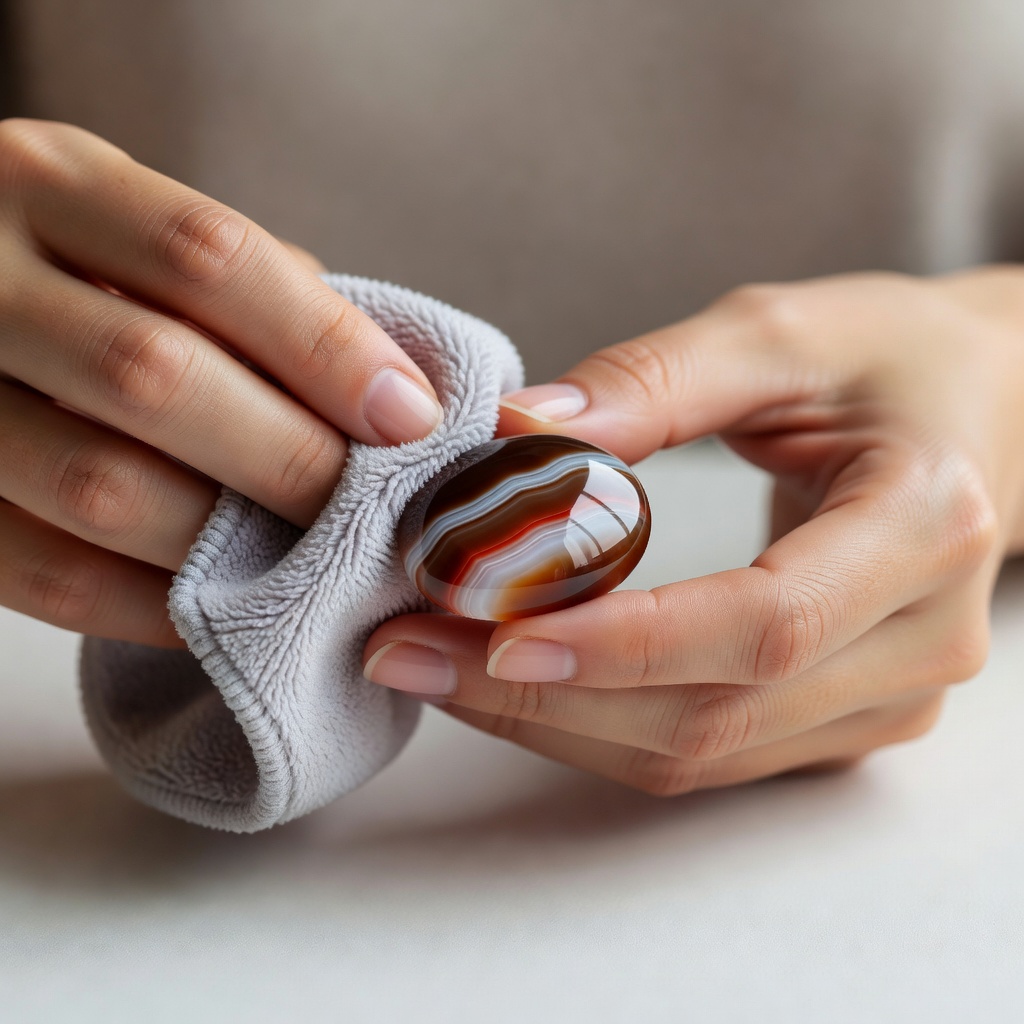
Establishing a consistent Sardonyx stone maintenance protocol prevents the gradual accumulation of damaging residues and extends the life of your jewelry significantly. After each wearing, gently wipe your sardonyx pieces with a soft, lint-free microfiber cloth to remove skin oils, perspiration, and environmental pollutants that can dull the surface over time. This simple thirty-second ritual, performed before storing your jewelry, maintains the stone's natural luster and prevents the buildup of acidic compounds that can etch the chalcedony surface.
Weekly inspections of your sardonyx settings prove crucial for catching potential problems before they result in stone loss or damage. Examine prongs, bezels, and clasps under magnification or bright light to identify loose components, bent settings, or signs of metal fatigue that could compromise the stone's security. For example, if you notice a prong that no longer firmly contacts the gemstone's girdle, immediately cease wearing the piece until a jeweler can tighten the setting, as sardonyx rings are particularly vulnerable to chipping if the stone becomes loose during wear.
Removing sardonyx rings before washing hands, cooking, or applying cosmetics represents one of the most important daily gemstone care habits you can develop. Hand soaps often contain moisturizers and chemicals that leave filmy residues on chalcedony surfaces, while cooking oils can penetrate porous areas causing permanent discoloration. Similarly, hairsprays, perfumes, and lotions should be applied before putting on sardonyx jewelry, as these products contain alcohols and solvents that can strip protective coatings and damage the stone's polish.
Safe Home Cleaning Techniques
When Clean sardonyx jewelry requires more than surface wiping, a gentle aqueous approach provides the safest and most effective solution for removing accumulated grime. Prepare a cleaning solution using lukewarm water—not exceeding room temperature—and a mild, phosphate-free dish soap that contains no harsh detergents or degreasers. Fill a small bowl with this solution rather than using a sink, as the confined space prevents accidental loss down drains and allows better control over the cleaning process.
Employ a soft-bristled baby toothbrush for scrubbing, as these tools offer the perfect balance between effective debris removal and surface safety. Using gentle circular motions, work the soapy water across the sardonyx surface, paying special attention to the underside of the stone and any crevices in carved or beaded designs where dirt accumulates. For intaglio pieces featuring recessed designs, angle the brush to reach into the carved areas without applying excessive pressure that could snag the bristles on sharp edges.
Rinsing thoroughly under lukewarm running water removes all soap residue that could otherwise leave streaks or attract additional dust when dry. Hold the jewelry securely with your fingers over a towel-lined surface, rotating the piece to ensure water flows across all angles of the stone and setting. Immediately pat the sardonyx dry with a clean microfiber cloth, followed by air-drying on a soft towel for several minutes to ensure no moisture remains trapped beneath the stone or in the mounting, as lingering dampness can tarnish metal settings and promote bacterial growth.
Deep Cleaning and Stain Removal
Occasionally, Deep cleaning sardonyx becomes necessary when body oils, hand creams, and environmental pollutants create a stubborn film that routine wiping cannot remove. For these situations, extended soaking in lukewarm water with mild soap for five to ten minutes maximum helps loosen accumulated residues without risking water damage. Submerge the piece completely in a shallow bowl, occasionally agitating the water gently with your finger to encourage the cleaning solution to penetrate any porous areas or beneath the stone's setting.
Carved sardonyx pieces, including cameos and intaglios, require specialized tools for debris removal from intricate designs. Wooden picks, such as orange sticks or bamboo dental tools, provide the ideal hardness to dislodge compacted dirt from fine details without scratching the chalcedony surface. Work methodically across the carved areas, supporting the back of the stone with your fingers to prevent stress fractures, particularly important for vintage pieces where natural fractures may already exist within the banded layers.
Despite their popularity for other jewelry types, ultrasonic cleaners pose significant risks for sardonyx and should be strictly avoided during stain removal techniques. The high-frequency vibrations can exploit natural fractures, weaken the adhesive bonds between banded layers, and cause existing internal cracks to expand or reach the surface. If home cleaning methods fail to restore clarity or if you observe persistent cloudiness, scratches affecting the polish, or discoloration that does not respond to gentle cleaning, consult a professional gemologist who can assess whether repolishing or specialized treatment is necessary.
Harmful Practices to Avoid
Understanding Sardonyx cleaning mistakes proves equally important as knowing proper techniques, as several common practices can cause irreversible damage to this banded gemstone. Never subject sardonyx to steam cleaners, boiling water, or extreme temperature fluctuations, as chalcedony is sensitive to thermal shock that can cause cracking or shattering. The different thermal expansion rates between the sard and onyx layers create internal stress when exposed to rapid heating or cooling, potentially separating the bands or creating visible fractures.
Household chemicals including ammonia, bleach, vinegar, lemon juice, and acidic cleaning solutions rank among the most dangerous harmful cleaning methods for sardonyx. These substances can etch the polished surface, dull the distinctive band contrast, and permanently damage any treatments or enhancements applied to improve color. Even brief contact with chlorine from swimming pools or hot tubs can alter the stone's appearance, while rubbing alcohol and commercial jewelry dips containing harsh solvents may strip protective coatings and penetrate porous areas.
Abrasive materials present another significant risk category that includes baking soda, toothpaste, powdered cleaners, and rough scrubbing pads. While these might seem effective for removing stubborn spots, they create microscopic scratches that accumulate over time, eventually leaving the sardonyx surface cloudy and dull. Additionally, prolonged exposure to direct sunlight or UV light can fade the rich reddish-brown sard bands, diminishing the dramatic contrast that makes sardonyx desirable; always store pieces away from windows and bright display lighting when not being worn.
Proper Storage and Organization
Implementing appropriate Sardonyx storage methods protects your investment from environmental damage and accidental contact with harder materials. Store each piece individually in soft cloth pouches, acid-free tissue paper, or padded jewelry boxes with separate compartments that prevent stones from touching one another. For rings and earrings, consider using boxes with individual slots or velvet-lined trays that keep items separated, while necklaces should be hung or laid flat to prevent chain tangling that could stress the settings.
Organizational strategies must account for hardness differences between gemstones to prevent scratching. Always separate sardonyx from diamonds, rubies, sapphires, and other corundum varieties that can easily scratch the 6.5-7 hardness chalcedony. Even storing sardonyx alongside quartz (7 hardness) or topaz (8 hardness) risks surface damage over time. Create a gemstone organization system that groups pieces by hardness or material type, keeping softer stones like sardonyx, opal, and turquoise in dedicated sections away from harder gems.
Environmental controls play a crucial role in long-term preservation, as chalcedony requires stable humidity levels to prevent drying, cracking, or crazing. Extremely dry conditions can cause microscopic cracks to develop in the banded layers, while excessive humidity promotes tarnish on metal settings and potential mildew growth on storage materials. Store your sardonyx collection in a cool, dark location away from heating vents, air conditioning units, and direct sunlight, maintaining moderate humidity levels between 40-60 percent when possible.
Sardonyx Jewelry Specific Care
Different jewelry types require tailored approaches to Sardonyx jewelry cleaning based on their exposure levels and construction. For rings, which typically receive the most wear and impact exposure, remove your sardonyx pieces before engaging in physical activities, gardening, gym workouts, or household chores. The impact risk from hitting hard surfaces or gripping equipment can chip the stone's edges or loosen settings, while soil and grit can scratch the surface during gardening activities. Consider wearing protective gloves if you must handle rough materials while wearing sardonyx rings.
Necklaces and bracelets demand regular inspection of clasps, chains, and connection points that bear the weight of the gemstone components. Check spring rings, lobster claws, and box clasps monthly for signs of wear, ensuring they close securely and show no metal fatigue. For beaded sardonyx bracelets that stretch or roll against the skin, examine the stringing material for fraying or stretching, as broken strands often result in lost stones and potential damage from impact when beads scatter across hard surfaces.
Earring care requires particular attention to posts, backs, and delicate components that can bend or break during cleaning. Remove butterfly backs or screw mechanisms before gemstone setting care procedures to clean these metal parts separately using appropriate methods for their specific alloy. Gold settings tolerate slightly more vigorous cleaning than silver, which tarnishes readily and may require specific silver-cleaning cloths that should never touch the sardonyx stone itself. For antique pieces with fragile settings, consider having a jeweler check the integrity of prongs and bezels before attempting any home cleaning.
Professional Maintenance and Restoration
Annual inspections by a certified gemologist or experienced jeweler form the cornerstone of Professional sardonyx care for valuable pieces or heirlooms. These professionals possess the magnification tools and expertise to detect early signs of damage invisible to the naked eye, including developing fractures within the banded layers, loose prongs, or worn girdles that threaten stone security. During these inspections, request that the jeweler check for stability issues specific to sardonyx, such as delamination between color bands or signs of previous repairs that may need refreshing.
Professional repolishing services can restore the vitreous luster to sardonyx surfaces that have become scratched or dulled through years of wear. Unlike home polishing attempts that often create uneven surfaces, professionals use graded abrasives and polishing compounds specifically formulated for chalcedony varieties. For carved cameos or intaglios, specialists can clean deeply recessed areas using compressed air and precision tools unavailable to consumers, followed by careful repolishing that preserves the artistic details while removing surface imperfections.
When damage occurs, understanding your gemstone restoration options helps preserve both the aesthetic and monetary value of your pieces. Professional repair services can address chips through careful reshaping and repolishing of edges, stabilize natural fractures with appropriate fillers if necessary, and rebuild worn prongs or bezels to secure loose stones. Maintain detailed documentation and updated appraisals for insurance purposes, particularly for antique sardonyx or pieces with significant carat weight, ensuring that any restoration work is recorded by the jeweler to maintain provenance and value.
Long-term Preservation Strategies
Developing a rotation system for wearing your sardonyx collection represents a sophisticated approach to Long-term sardonyx care that minimizes wear on individual pieces. By alternating between several rings, necklaces, or bracelets rather than wearing the same item daily, you distribute the cumulative effects of skin contact, environmental exposure, and mechanical stress across your entire collection. This strategy proves particularly valuable for vintage or antique sardonyx pieces where material fatigue may already present concerns.
Maintaining comprehensive care documentation and provenance records supports both the historical significance and future value of heirloom sardonyx pieces. Create a digital or physical file for each significant item noting purchase dates, previous owners, professional cleaning dates, and any restoration work performed. Photograph your pieces under consistent lighting conditions annually to track any subtle changes in appearance, band contrast, or clarity that might indicate the need for professional intervention before serious damage develops.
Consider protective setting modifications for frequently worn items, such as converting high-profile prong settings to protective bezels that shield the stone's edges from impact. Gemstone preservation also involves monitoring for changes in appearance that signal needed care, including cloudiness that suggests buildup beneath the stone, color fading indicating light damage, or new visible fractures requiring stabilization. By treating sardonyx as a semi-precious material requiring thoughtful protection rather than a disposable accessory, you ensure these beautiful banded stones remain vibrant heirlooms for future generations.
Frequently Asked Questions
Can I use an ultrasonic cleaner for my Sardonyx jewelry?
No, ultrasonic cleaners are generally not recommended for sardonyx. The vibrations can exploit natural fractures, weaken the banded structure, and cause existing internal cracks to expand. Stick to gentle hand washing with mild soap and lukewarm water.
How often should I clean my Sardonyx gemstone?
Perform light cleaning with a soft cloth after each wearing to remove skin oils and dust. Deep cleaning with soap and water should be done every 2-4 weeks for frequently worn pieces, or whenever visible dirt accumulates.
Is Sardonyx safe to wear in water?
Brief contact with water is safe, but remove sardonyx before swimming, bathing, or dishwashing. Chlorine, salt water, and hot water can damage the stone. Always dry thoroughly immediately after cleaning to prevent water spots.
What household products should never touch Sardonyx?
Avoid bleach, ammonia, vinegar, lemon juice, rubbing alcohol, and commercial jewelry dips containing harsh chemicals. These can etch the surface, dull the polish, and damage the banded layers of your sardonyx.
Does Sardonyx fade in sunlight?
Prolonged exposure to direct sunlight or UV light can potentially fade the rich reddish-brown sard bands over time. Store your sardonyx in a jewelry box or drawer away from windows to preserve its vibrant contrast.
How should I store my Sardonyx collection?
Store each piece individually in soft cloth pouches or lined compartments. Keep separate from harder gemstones (diamonds, corundum) that could scratch the surface. Maintain moderate humidity and avoid plastic bags that can trap moisture.
Can I wear Sardonyx every day?
Yes, sardonyx is durable enough for daily wear with a hardness of 6.5-7, but treat it with care. Remove during heavy physical activities, cleaning with chemicals, or situations involving impact risk to prevent chips or scratches.
When should I seek professional cleaning for Sardonyx?
Seek professional help if home cleaning doesn't remove stubborn buildup, if you notice scratches affecting the polish, if the stone appears cloudy or dull, or if the setting feels loose. Annual professional inspections are recommended for valuable pieces.