Introduction to Sardonyx: History and Significance
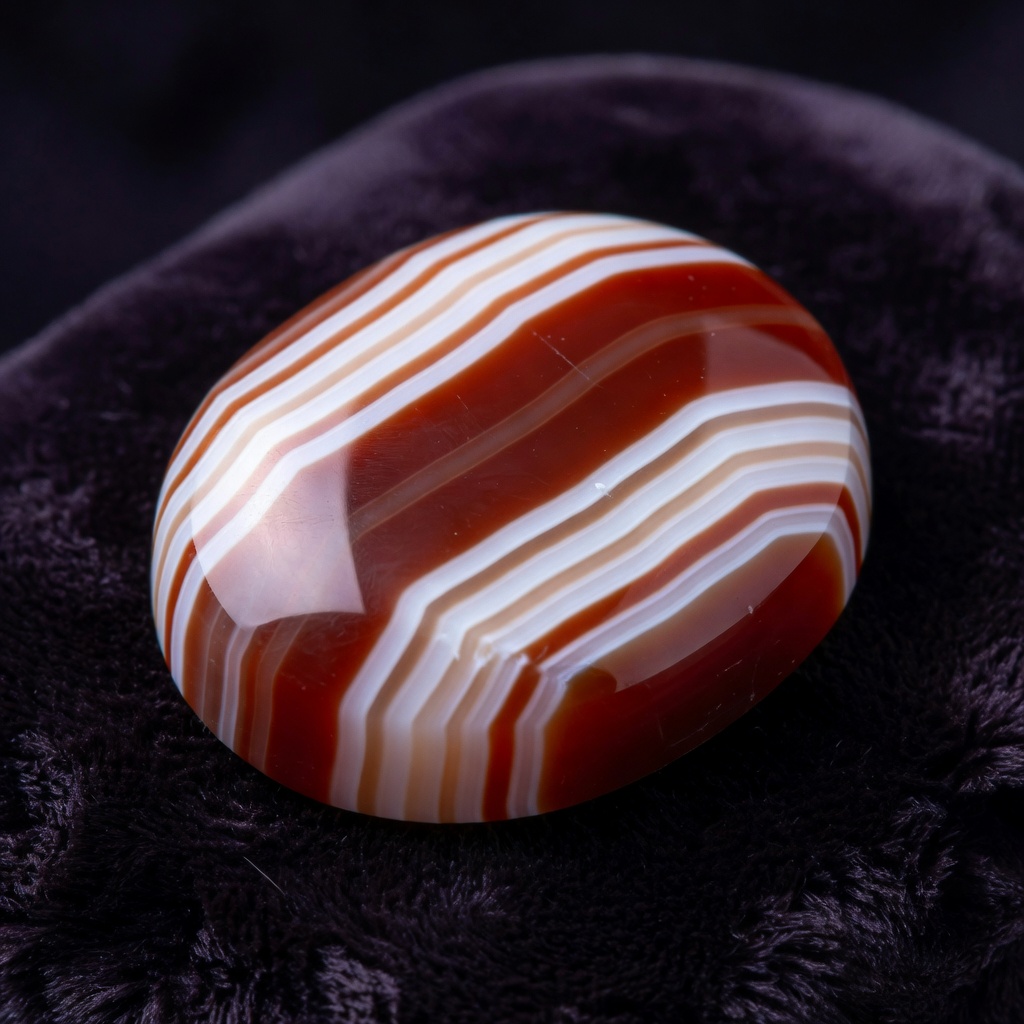
Sardonyx represents one of the most visually striking varieties of banded chalcedony, characterized by its distinctive parallel layers of sard (rich reddish-brown tones) alternating with onyx (white, black, or cream bands). This ancient gemstone has captivated civilizations for millennia due to both its aesthetic appeal and practical properties, particularly its ability to be carved with intricate detail while maintaining structural integrity. When engaging in August birthstone buying or seeking meaningful anniversary gifts, understanding sardonyx gemstone properties provides essential context for making informed acquisition decisions.
Historical records indicate that Roman artisans prized sardonyx above many other materials for creating official seals and signet rings, exploiting the stone's unique non-stick properties when pressed into warm wax. The sharp contrast between layers allowed craftsmen to carve raised designs (cameos) or recessed images (intaglios) with remarkable precision, ensuring that important documents remained tamper-evident. Today, sardonyx continues to serve as the traditional birthstone for August alongside peridot and spinel, while also commemorating the seventh wedding anniversary with its symbolism of strength and lasting partnership.
Key Quality Factors: Color, Banding, and Clarity
Evaluating sardonyx gemstone quality requires careful examination of the interaction between color saturation and structural banding patterns. Premium specimens display razor-sharp boundaries between the reddish-brown sard layers and the contrasting white or black onyx sections, creating a visual rhythm that immediately draws the eye. When conducting a sardonyx quality assessment, collectors should prioritize stones where the bands remain parallel and consistent in thickness, as irregular or wavy layering significantly diminishes both aesthetic appeal and market value.
Clarity considerations in sardonyx differ substantially from those applied to transparent gemstones like diamonds or sapphires. Rather than seeking flawless transparency, buyers should examine the stone for muddy zones where colors blend indistinctly or areas showing unwanted mineral inclusions that interrupt the banding pattern. Practical evaluation involves viewing the stone under diffused natural light and rotating it slowly to observe how the bands shift and shimmer, ensuring that no sector appears dull or poorly polished. Stones exhibiting glass-like surface luster combined with crisp layer definition command premium positions in the marketplace.
Natural vs. Enhanced: Spotting Treatments and Dyes
Understanding the distinction between natural vs treated sardonyx protects buyers from overpaying for artificially enhanced materials misrepresented as untreated specimens. Unscrupulous dealers frequently dye pale agates to simulate the rich reddish-brown sard layers, creating stones that initially appear valuable but lack lasting worth. When examining potential purchases, look for color concentrations within fractures, cracks, or surface-reaching inclusions, as natural pigments distribute evenly while dyes tend to pool in these damaged areas under magnification.
Heat treatment represents another common enhancement technique that can permanently alter the color balance between sard and onyx layers, sometimes improving appearance but requiring disclosure. Surface coatings and impregnation with colorless oils or polymers may temporarily enhance luster but will deteriorate over time, leaving the stone appearing lifeless. Reputable sellers clearly distinguish between acceptable stabilization practices that preserve natural beauty and deceptive treatments designed to mimic higher-quality material, ensuring that your banded agate buying tips include verification of any enhancement history.
Optimal Cuts and Jewelry Applications
Cabochon cuts dominate sardonyx jewelry selection because this smooth, domed polishing style optimally displays the stone's characteristic parallel banding, whereas faceting would fragment and obscure these natural patterns. Expert lapidaries orient the cutting process to ensure bands run perpendicular to the base, creating striking bullseye or parallel line patterns depending on the viewing angle. For cameo carvings, artisans exploit the contrasting layers by carving figures into the white or black onyx while leaving the reddish sard as background, or vice versa, creating dimensional artwork that has remained popular since Victorian times.
Practical jewelry applications vary significantly based on the intended use and wear patterns expected. Oval cabochons measuring 16x12 millimeters or larger prove ideal for pendants and brooches where the stone receives protection from direct impact, while rectangular cushion shapes suit cufflinks and dress shirt studs perfectly. Men's rings featuring sardonyx typically require protective bezel settings that shield the edges from chipping, particularly important given that sardonyx registers 6.5 to 7 on the Mohs hardness scale. When selecting intaglio pieces for wax seals or decorative purposes, verify that the carving depth penetrates sufficiently into the contrasting layer to create clear, distinct impressions.
Geographic Origins and Their Impact on Value
The provenance of sardonyx significantly influences both its visual characteristics and ethical standing within the gemstone trade. India produces some of the finest specimens available, particularly material from the Deccan Traps region, which exhibits exceptional color saturation and banding sharpness that commands respect among serious collectors. Brazilian deposits yield abundant commercial-grade material with consistent patterning suitable for mass-market jewelry, while Uruguayan and Madagascan sources occasionally produce museum-quality stones with unusual color combinations including rare blue-gray banding alongside traditional reddish-brown.
Contemporary buyers must consider traceability and ethical sourcing when evaluating sardonyx sources, as mining conditions vary dramatically between artisanal operations and industrial excavations. Establishing direct relationships with dealers who can provide specific mine locations or working with fair-trade certified suppliers ensures that your acquisition supports responsible extraction practices. Geographic origin affects not only the geological quality—such as the intensity of red tones in Indian material versus the softer browns often found in Brazilian stones—but also the stone's documentation chain, which becomes crucial for investment-grade pieces exceeding several hundred dollars in value.
Pricing Structure and Value Assessment
Current market conditions establish sardonyx price per carat ranges that make this gemstone accessible across diverse budget levels while still offering opportunities for serious investment. Commercial-grade cabochons suitable for fashion jewelry typically trade between $10 and $50 per carat, depending on size consistency and basic color contrast. Exceptional specimens featuring razor-sharp banding, large dimensions exceeding 20 carats, and provenance from prestigious localities can command $100 to $300 per carat or higher, particularly when fashioned into intricate cameos by master carvers.
Value assessment requires comparing sardonyx against other chalcedony varieties including carnelian, chrysoprase, and banded agate, recognizing that sardonyx occupies a middle tier in terms of rarity and price. Size dramatically affects pricing non-linearly; while a 5-carat stone might retail for $75, a 25-carat specimen of equivalent quality could command $500 or more due to the scarcity of large, flawless rough material. When budgeting for acquisitions, allocate funds toward superior banding definition rather than sheer carat weight, as a smaller stone with perfect layer contrast outperforms a larger, muddy specimen in both visual impact and resale potential.
Authentication Methods and Certification
Mastering authentic sardonyx identification techniques enables buyers to distinguish genuine material from glass imitations, assembled doublets, or dyed alternatives flooding the marketplace. Simple home testing includes the hardness verification using common materials: sardonyx will scratch glass (hardness 5.5) but can be scratched by quartz (hardness 7), placing it correctly in the 6.5-7 Mohs range. Examination under 10x magnification reveals natural banding irregularities, subtle color zoning, and possibly microscopic crystal inclusions, whereas synthetic or glass imitations often display perfectly uniform layers, round gas bubbles, or conchoidal fractures unlike the fibrous structure of natural chalcedony.
Professional laboratory certification becomes essential when purchasing investment-grade sardonyx exceeding $500 or when acquiring antique pieces with undocumented histories. Institutions such as the Gemological Institute of America (GIA) or American Gem Society (AGS) provide detailed reports confirming natural origin, identifying any treatments or dyes, and verifying that the stone is not a composite of multiple layers glued together. Red flags demanding immediate professional consultation include prices significantly below market rates, perfect banding that appears too uniform under magnification, or sellers who resist providing detailed photographs showing the stone's edges and girdle where doublet construction might be visible.
Proper Care and Maintenance Guidelines
Maintaining sardonyx requires understanding its chemical sensitivities and physical limitations despite its relative hardness. Clean your gemstones using only warm water mixed with mild dish soap and a soft-bristled toothbrush, gently removing accumulated oils and debris without abrading the polished surface. Never expose sardonyx to ultrasonic cleaners, steam cleaning equipment, or harsh chemical agents including bleach, ammonia, or acids, as these can remove protective polishes, damage any filler materials in fractures, or potentially alter color-enhanced stones.
Storage practices significantly impact longevity, particularly for sardonyx jewelry pieces worn intermittently. Always store these gemstones separately from harder materials such as diamonds, rubies, or sapphires that could scratch the surface, ideally wrapping individual pieces in soft cloth or placing them in compartmentalized jewelry boxes. Before engaging in household cleaning, sports activities, or manual labor, remove sardonyx rings and bracelets to prevent impact damage or exposure to chemical solvents. With proper care, antique sardonyx pieces have survived centuries while maintaining their original luster, demonstrating that appropriate maintenance preserves both beauty and value across generations.
Trusted Sources: Where to Purchase Sardonyx
Navigating the marketplace to buy sardonyx online or through traditional channels requires due diligence and knowledge of industry standards. Established brick-and-mortar gemstone dealers offer the advantage of physical examination, allowing you to assess banding quality, weight, and luster personally before committing to purchase. However, reputable online marketplaces specializing in colored gemstones can provide superior selection and competitive pricing, provided they offer detailed macro photography, 360-degree video rotation, and comprehensive return policies allowing inspection periods.
Before completing any transaction, interrogate sellers regarding treatment disclosure, asking specifically whether the stone has been dyed, heated, or stabilized with polymers. Verify return policies that allow sufficient time for independent appraisal, typically minimum seven-day windows, and request documentation regarding the stone's geographic origin when available. Warning signs of fraudulent listings include stock photos rather than images of the actual specimen, prices drastically below comparable market offerings, or vague descriptions lacking specific details about banding quality and dimensions. Building relationships with established dealers who specialize in chalcedony varieties often yields access to pre-screened, high-quality inventory before it reaches general market listings.
Final Recommendations for First-Time Buyers
This Sardonyx Buying Guide emphasizes that novice collectors should prioritize sharp, well-defined banding over sheer carat weight when making initial acquisitions. A 10-carat stone with muddy, indistinct layers holds less value and visual appeal than a 5-carat specimen exhibiting razor-sharp contrast between reddish sard and white onyx. Budget allocation strategies differ between casual jewelry buyers seeking attractive wearable pieces and serious collectors building investment portfolios; recreational purchasers might allocate $100-300 for attractive set jewelry, while collectors should concentrate resources on fewer, exceptional specimens with documented provenance and natural untreated status.
Cultivating ongoing relationships with reputable dealers specializing in chalcedony and agate varieties provides long-term benefits beyond single transactions. These specialists can alert you to exceptional new finds, offer educational resources about emerging treatment methods, and provide authentication services for estate pieces. Whether seeking banded agate buying tips for fashion purposes or building a serious collection of carved cameos, remember that patience and education consistently outperform impulsive purchasing. The sardonyx market rewards knowledgeable buyers who understand that true value lies in the precision of nature's layering rather than the size of the stone alone.
Frequently Asked Questions About Sardonyx
What should I look for when buying sardonyx?
Prioritize stones with sharp, well-defined contrasting bands between reddish-brown sard layers and white or black onyx layers. Check for natural coloration rather than dye, ensure good polish without surface pits, and verify that bands run parallel for maximum visual appeal. The best specimens show distinct layer separation without muddy blending.
Is sardonyx expensive compared to other gemstones?
Sardonyx remains relatively affordable compared to precious gems like sapphire or emerald. Commercial quality stones typically cost $10-$50 per carat, while fine specimens with exceptional banding and large sizes can reach $100-$300 per carat. This makes it an accessible option for both beginning collectors and jewelry enthusiasts seeking unique banded patterns.
How can I tell if sardonyx is real or synthetic?
Authentic sardonyx displays natural banding variations under 10x magnification, feels cool to the touch initially, and possesses a hardness of 6.5-7 on the Mohs scale. Synthetic or imitation versions often show unnaturally perfect, uniform bands, glass-like conchoidal fractures, or dye concentrations visible in cracks. When in doubt, request a laboratory certificate.
What is the best color combination in sardonyx?
The most prized sardonyx exhibits sharp contrast between deep reddish-brown (sard) layers and bright white or jet-black (onyx) layers. Avoid stones with orange-tinted brown or grayish-white bands, as these indicate lower quality. The bands should be clearly defined rather than gradient or blurry for maximum value.
Can sardonyx be worn every day?
With a hardness of 6.5-7, sardonyx suits daily wear in protected settings like pendants, earrings, and brooches. However, rings require bezel settings or protective mountings since the material can scratch from harder substances like diamonds or quartz. Remove sardonyx rings before heavy manual work or exposure to harsh chemicals.
Does sardonyx require special certification when buying?
While not always necessary for lower-value specimens, certification from reputable labs like GIA or AGS becomes essential when purchasing expensive sardonyx over $500 or investment-grade pieces. Certificates verify natural origin, disclose any treatments, and confirm authenticity, protecting buyers from dyed agates or assembled stones sold as natural sardonyx.
What jewelry settings work best for sardonyx?
Cabochon cuts in bezel settings optimally protect sardonyx while showcasing banding. Cameo and intaglio carvings traditionally exploit the contrasting layers for dimensional artwork. For rings, choose protective mountings that shield edges from impact. Pendants and cufflinks offer ideal applications since they face less abrasion than bracelets or daily-wear rings.
How do I clean and care for sardonyx gemstones?
Clean sardonyx using warm water with mild dish soap and a soft-bristled brush. Avoid ultrasonic cleaners, steam cleaning, and harsh chemicals including bleach and acids that can damage the polish. Store separately from harder gemstones like diamonds or rubies to prevent scratching, and wrap in soft cloth when not wearing.