
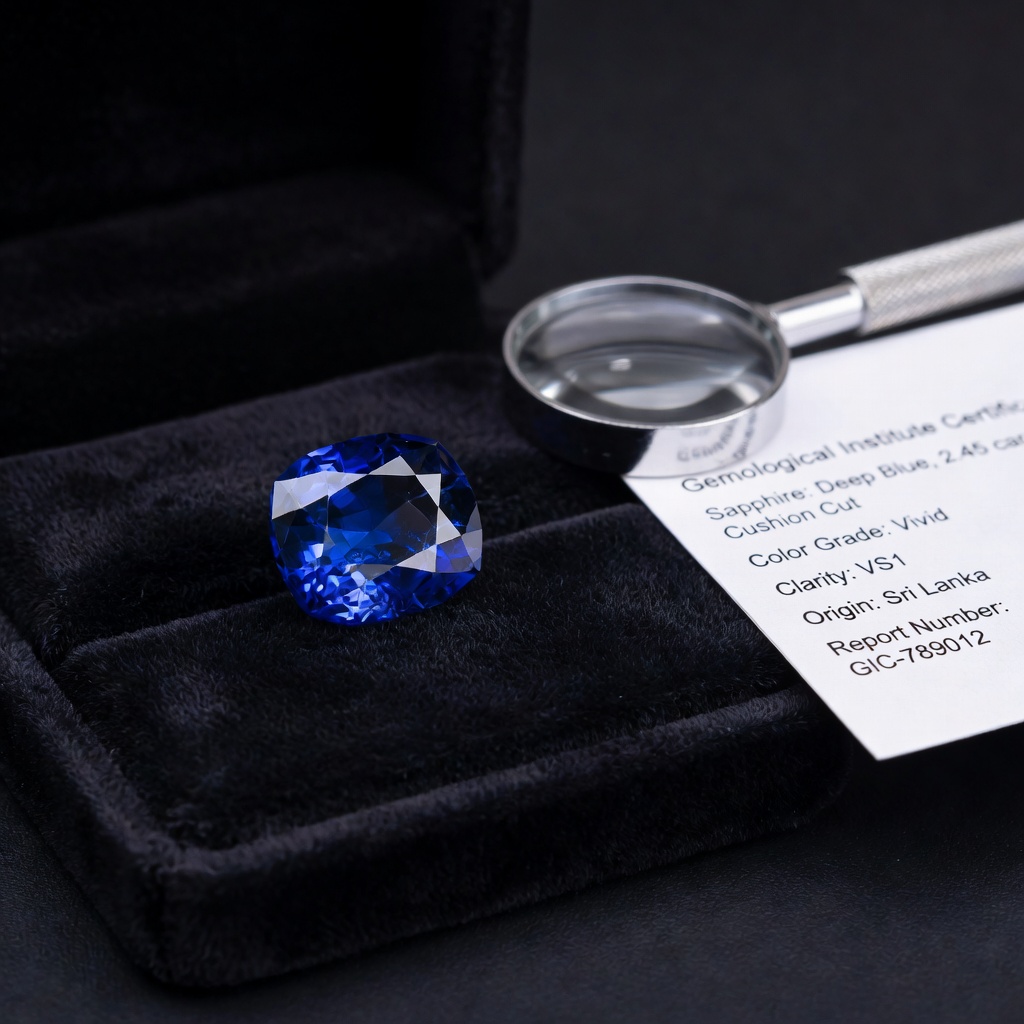
Introduction: Why Sapphire Properties And Information Matter
Understanding Sapphire Properties and Information goes far beyond knowing that sapphires are “blue gemstones.” It includes the stone’s physical durability (like hardness and toughness), optical behavior (how it returns light), typical inclusions, geographic origins, common enhancements, and the practical factors that influence sapphire value. When buyers and collectors learn these fundamentals, they can compare stones confidently, avoid misleading listings, and choose a sapphire that fits their budget and lifestyle.
This guide is designed to turn complex sapphire information into clear, usable steps. You’ll learn how sapphire properties affect beauty and price, how laboratories describe treatments and origin, and what questions to ask before purchasing. Whether you’re shopping for an engagement ring, adding to a gem collection, or working in jewelry sales, you’ll be able to apply these insights immediately—especially when evaluating color, treatments, and documentation.
What Is A Sapphire? Basics And Gemology
A sapphire is a variety of the mineral corundum, an aluminum oxide crystal (Al2O3). Pure corundum is colorless, but trace elements create the colors we associate with sapphires: iron and titanium commonly produce blue, while chromium can create pink to reddish tones. This basic chemistry is a cornerstone of sapphire properties because it explains why color can vary widely even within the same mine or region.
Although many people think “sapphire” means blue, sapphires occur in a wide palette: pink, yellow, green, purple, colorless, and multicolor “parti” stones. One famous category is padparadscha, typically a delicate pink-orange to orange-pink hue prized for rarity. Understanding blue sapphire vs other colors is essential because market demand, rarity, and pricing structures can differ dramatically between color categories.
Sapphire and ruby are closely related: both are corundum. The difference is purely color-based in gem trade standards—red corundum is classified as ruby, while corundum of other colors is classified as sapphire. A practical example: a “pinkish red” stone may sit near the boundary where labs and dealers determine whether it’s ruby or pink sapphire based on hue and saturation, which can significantly impact value and marketing.
Physical And Optical Properties
Sapphire hardness is one of its most famous physical traits: it ranks 9 on the Mohs scale, making it second only to diamond among common jewelry gems. This high hardness gives sapphire excellent resistance to scratching, which is why it’s popular for daily-wear rings. However, hardness isn’t the same as toughness; toughness describes resistance to chipping and breaking, and sapphire generally performs well—especially when cut with protective design choices like bezels or slightly thicker girdles.
Optically, sapphires have a refractive index typically around 1.76–1.77, which influences how light bends and returns to the eye. They are also birefringent (double refraction), meaning light can split into two rays inside the stone, subtly impacting sparkle patterns and facet reflections. A practical shopping tip: two sapphires of the same color may look very different in brilliance if one has better cut proportions and symmetry, even if their carat weights match.
Other important sapphire properties include specific gravity (commonly about 3.95–4.03), pleochroism (showing different colors from different directions, especially in blue and some fancy colors), and inclusions. Common inclusions include rutile “silk,” mineral crystals, and fingerprint-like healed fractures. In real-world buying, fine silk can add velvety softness to color and may even increase desirability in certain origin styles, while heavy fractures or surface-reaching inclusions can reduce durability and price.
Color, Clarity And Grading
Color is the single most important driver of sapphire beauty and price, and it’s evaluated through hue, tone, and saturation. Hue describes the dominant color (blue, pink, yellow), tone describes how light or dark it is, and saturation describes intensity and purity of the color. For many buyers, the “sweet spot” is strong saturation with a medium to medium-dark tone, because overly dark stones can look inky while overly light stones can appear washed out under indoor lighting.
Clarity in sapphire is graded differently than in diamond because sapphires often have inclusions that are normal for the species. Rutile silk, tiny crystals, and mild zoning can be acceptable, especially if they don’t affect transparency. A practical example: a sapphire with fine, evenly distributed silk may show an attractive, velvety glow, while a stone with prominent fractures near the corners may be more vulnerable to chipping and should be priced accordingly or set in a protective style.
Grading practices vary by seller, which is why imaging and lab reports matter. Buyers should look for clear photos and videos taken in multiple lighting conditions (daylight-equivalent, indoor warm light, and diffused light). For higher-value stones, a report from a recognized lab can confirm identity and note treatment status, which is essential for fair pricing and for comparing options across different dealers.
Treatments, Enhancements And How To Spot Them
Sapphire treatments are common and not automatically “bad,” but they must be disclosed because they can strongly impact value. Heat treatment is the most widespread; it can improve color and clarity by dissolving silk or changing the appearance of color zoning. In many markets, standard heat is widely accepted, but untreated stones with top color can command significant premiums due to rarity.
More invasive or value-impacting enhancements include diffusion treatment (introducing color-causing elements near the surface or deeper depending on method) and fracture filling (using glass-like substances to improve apparent clarity). These treatments can create attractive-looking stones at lower prices, but they also raise durability and long-term care concerns and can affect resale potential. A practical buying example: two sapphires may look similar online, but if one is diffusion-treated and the other is unheated, their prices per carat and long-term value expectations should be very different.
If you’re learning how to identify sapphire treatment indicators, start with disclosure and documentation rather than relying on guesswork. Still, there are practical checks you can use before committing: ask for magnified photos of facet junctions and surface features, look for unnatural color concentration at edges (a possible diffusion clue), and check for “flash effects” or unusual surface-reaching filled breaks that may suggest fracture filling. Most importantly, rely on reputable lab reports for major purchases, because proper treatment detection often requires advanced microscopy and spectroscopy.
Origins And Their Impact On Value
Origin can influence sapphire value because certain locations have historically produced distinctive, highly sought-after material. Kashmir sapphires are famous for a velvety, softly saturated blue often associated with fine silk; Burmese (Myanmar) sapphires can show rich, vivid blues; Sri Lanka (Ceylon) is known for bright, lively blues and a wide range of fancy colors; Madagascar produces an enormous variety, including fine blues and pinks; and Australia is known for darker blues and parti-color stones. These are broad tendencies, not guarantees, and overlap is common.
Origin affects desirability partly due to rarity and reputation, but also because marketing can exaggerate claims. A practical example: a seller might label a sapphire “Kashmir-like” to describe the look, even if the stone is from Madagascar—this can be a legitimate style description, but it is not an origin statement. Buyers should treat origin claims as unverified unless supported by a report from a laboratory with origin services and a reputation for careful geographic determination.
Certification matters because origin determination is complex and relies on advanced testing and comparison to known reference samples. When origin is a major part of the price, it should be verified by a reputable lab, and buyers should read the report language carefully. If a report states “origin opinion” rather than an absolute guarantee, treat it as expert assessment and price the stone accordingly.
Valuation: What Determines Sapphire Value
Several factors work together to determine sapphire value: color quality, clarity/transparency, carat weight, cut, and treatment status. Color leads, but the best color won’t command a premium if the stone is overly included, poorly cut, or heavily treated. A practical example: a slightly smaller sapphire with superior cut and vivid, evenly distributed color may appear larger and brighter on the hand than a heavier stone that’s too deep or too dark.
Market dynamics also play a major role. Certain color descriptors—such as “cornflower blue” in fine blue sapphires or vivid, well-balanced padparadscha—can create strong demand and higher prices per carat. Rarity compounds value as size increases; fine sapphires above certain weights (for example, 3–5 carats in top colors) can rise sharply in price per carat compared to smaller stones, especially if they are unheated or have prized origin.
When evaluating price per carat, compare stones with similar treatment status, similar tone and saturation, and similar cut quality. Ask sellers for the reasoning behind pricing differences and request side-by-side photos or videos under consistent lighting when possible. Realistic expectations matter: if a deal looks dramatically cheaper than comparable stones, it may involve significant treatment, weaker color in person, or misleading photography.
Buying Guide: Tips For Consumers
A smart sapphire purchase starts with a repeatable checklist. Confirm the seller’s reputation, verify clear treatment disclosure, and ask about return policies and inspection periods so you can evaluate the stone in person. If the sapphire is high value, prioritize certification and ensure the report states identity and treatment; for stones where origin is priced as a premium feature, consider an origin opinion from a recognized lab.
Comparing lab reports can help you make better decisions. GIA is widely recognized for identification and treatment reporting; AGL is known in the trade for detailed colored stone documentation and quality analysis; SSEF is respected for high-level testing and origin opinions in many cases. When learning how to identify sapphire quality through documentation, ask the seller: “Is it heated or unheated?”, “Are there any diffusion or filling indicators?”, “Does the report include origin?”, and “Is the report number verifiable through the lab’s database?”
Budgeting and prioritizing traits is where most buyers gain or lose value. If you want maximum visual impact, prioritize color and cut over carat weight, because a well-cut, vividly colored stone often looks more impressive than a bigger but darker sapphire. For negotiation, use specifics: for example, if a sapphire shows a window (a see-through area caused by shallow cutting), you can reasonably ask for a price adjustment or request a different stone rather than negotiating blindly.
Care, Cleaning And Long-Term Preservation
Sapphire care is generally straightforward because sapphire is hard and durable, but good habits protect both the gemstone and the setting. For routine cleaning, use warm water, mild dish soap, and a soft brush to remove oils and residue from behind the stone where grime collects. Rinse thoroughly and dry with a lint-free cloth; repeating this every few weeks can noticeably improve brilliance, especially for rings worn daily.
Knowing what to avoid is just as important. Harsh chemicals can damage jewelry metals and may affect certain treated stones; additionally, ultrasonic cleaners can be risky for sapphires with fractures, cavity-reaching inclusions, or specific enhancements like filling. A practical rule: if you do not have confirmed treatment details, or if the stone shows noticeable fractures under magnification, choose gentle hand-cleaning and ask a jeweler before using mechanical cleaners.
Storage and periodic maintenance preserve long-term beauty. Store sapphire jewelry separately or in soft pouches to prevent it from scratching softer gems and to protect the setting from abrasion. Have a jeweler check prongs and settings periodically—especially for rings—because even a durable sapphire can be lost if the setting loosens. For important stones, consider re-polishing only when needed and re-certifying if you plan to insure, resell, or update documentation after major remounting.
Conclusion And Next Steps
The most useful takeaway from this guide to Sapphire Properties and Information is that sapphire beauty and price are driven by measurable factors: color quality, cut, clarity characteristics, treatment status, and sometimes origin. Understanding sapphire information at this level helps you avoid common buying pitfalls, compare stones fairly, and choose a sapphire that suits both style and long-term expectations. It also equips you to interpret lab reports and seller descriptions with a more critical eye.
As next steps, verify any serious purchase through reputable documentation, especially when price premiums are tied to “unheated” claims or celebrated origins. If you’re buying in person, ask to view the sapphire in multiple lighting environments and request magnification to review inclusions and transparency. For deeper study, explore lab report databases (using report verification tools) and educational resources from recognized gemological institutions, then apply what you learn by comparing multiple sapphires side-by-side before deciding.
Frequently Asked Questions
What Are The Key Physical Properties Of Sapphire?
Sapphires are corundum with high hardness (9 on Mohs scale), characteristic refractive index, notable pleochroism in some colors, and typical inclusions such as rutile silk or mineral crystals. These sapphire properties make the gem both durable for jewelry and identifiable with proper testing. In practical buying, hardness supports everyday wear, while inclusions and pleochroism can help confirm natural growth features. For high-value stones, lab testing is the most reliable way to document these characteristics.
How Does Color Affect Sapphire Value?
Color (hue, tone and saturation) is the single biggest value driver: vivid, evenly saturated hues—especially cornflower blue or vivid padparadscha—command premium prices. Even small differences in tone (too dark or too light) can reduce price because the stone may look less lively in common indoor lighting. A helpful tactic is to compare stones under neutral daylight-equivalent light and also under warm indoor light to judge whether the color stays attractive. When evaluating sapphire value, prioritize even color distribution and strong saturation over sheer size.
Are Most Sapphires Treated?
Yes—many sapphires are heat-treated to improve clarity and color. Other treatments like diffusion or fracture filling are less common and significantly affect value; treatment should always be disclosed. Standard heat is widely accepted in many markets, while unheated stones with fine color can bring substantial premiums. Always request a reputable lab report if treatment status impacts price or resale plans.
How Can I Identify A Real Sapphire?
Identification combines visual inspection (color, inclusions, pleochroism) with gemological testing: refractive index, specific gravity, and lab reports from recognized labs provide reliable verification. If you’re learning how to identify sapphire in real shopping situations, start by asking for documentation and high-quality close-ups under good lighting. Then confirm the seller’s treatment disclosure and compare the stone’s appearance across lighting conditions to avoid being misled by staged photos. For valuable purchases, a lab report is the safest confirmation of identity and treatment status.
What Is The Difference Between Sapphire And Ruby?
Both are varieties of the mineral corundum. The distinction is purely color-based: red corundum is classified as ruby; other colors, including blue, are called sapphires. This matters in pricing because ruby and sapphire markets differ, and borderline colors can be classified differently by different sellers. For important stones, a lab report helps clarify classification and supports accurate valuation.
How Should I Care For And Clean My Sapphire Jewelry?
Most sapphires can be cleaned with warm soapy water and a soft brush. Avoid harsh chemicals and be cautious with ultrasonic cleaners for some treated stones; consult a jeweler if unsure. Good sapphire care also includes storing pieces separately and checking prongs periodically, especially for rings worn daily. These steps protect not only the sapphire but also the setting that keeps it secure.
Does The Origin Of A Sapphire Really Matter?
Yes. Origins like Kashmir or Burmese sapphires are highly prized for unique color and rarity and can command premium prices, but origin claims should be backed by reputable lab certification. Many sapphires can look similar across regions, so origin should not be accepted as fact based on appearance alone. If origin significantly changes the price, insist on documentation from a lab known for origin opinions. This approach protects you from paying a premium based on marketing language rather than verifiable sapphire information.
Where Can I Get A Sapphire Certified?
Reputable gem labs such as GIA, AGL, SSEF and others provide authoritative reports covering identity, treatments and sometimes origin; choose a lab recognized in the trade for accurate certification. Before submitting, ask what the report will include and whether origin services are available for your sapphire type. After receiving the report, verify the report number through the lab’s online system when possible. Certification is one of the most practical tools for aligning purchase price with documented quality and treatment status.


